Who says you have to capture the whole body?
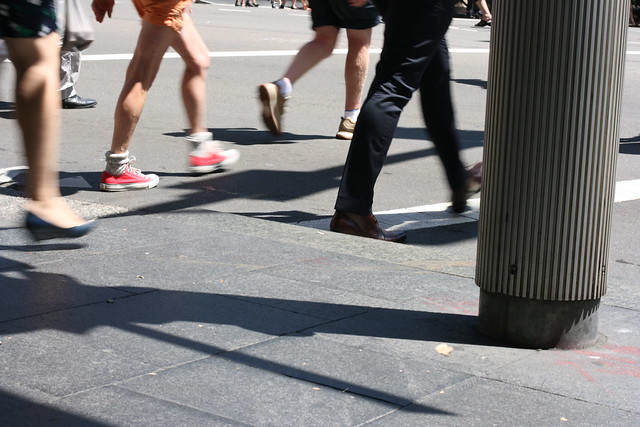
Strides, footwear and shadows can capture a lot about a moment.
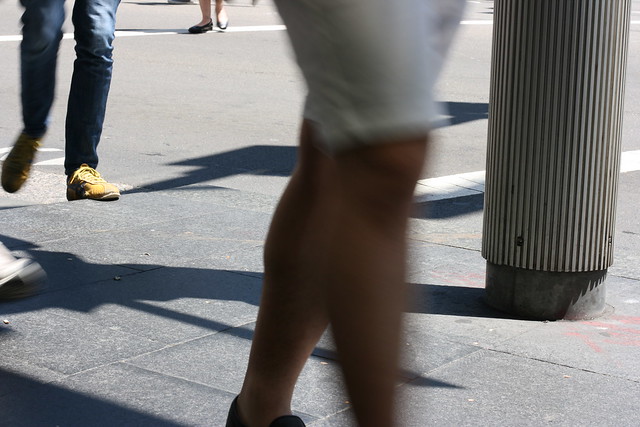

Who says you have to capture the whole body?
Strides, footwear and shadows can capture a lot about a moment.
Sometimes it really is just a question of composition.
Within the rules.
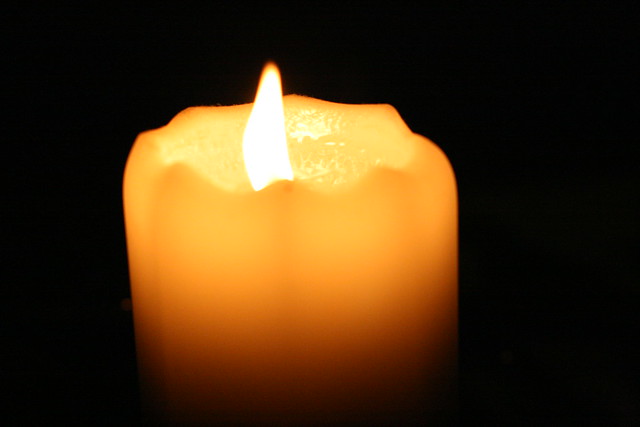
Breaking the rules (sort of, as it still follows the rule of thirds).
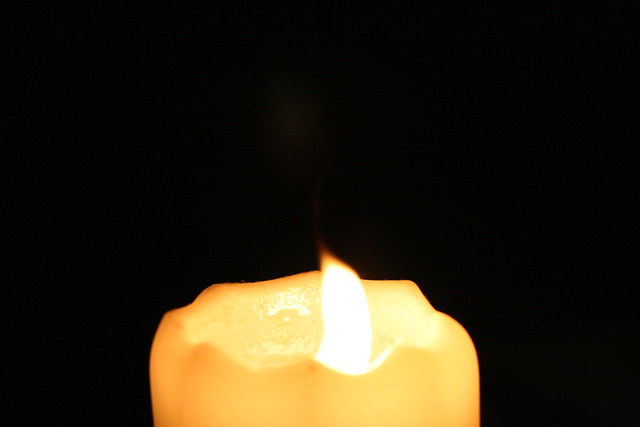
Which one do you prefer?
Two pictures. Same scene. Two different stories.
Within the rules.
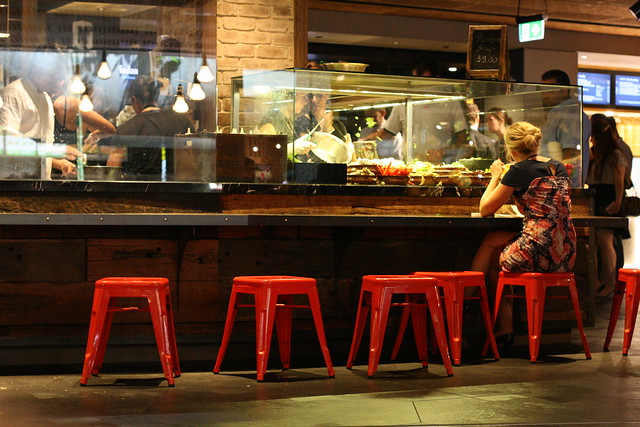
Breaking the rules.

Which one do you prefer?
More photos from my phone, this time at home. The phone might be struggling in the low light, but the graininess makes the shot interesting.

It might be a mess on my table, but it does tell a story.
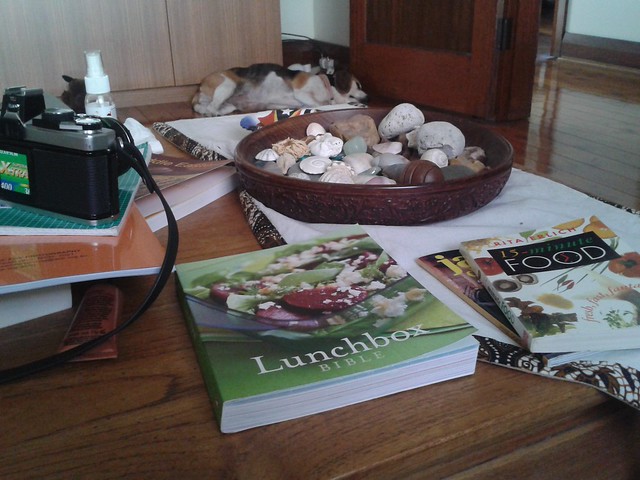
It was inevitable that the week after studying the rules of composition we were invited to break them. Not only that, we were also encouraged to take photos with other devices other than our digital SLR in the quest to take photos that were a bit more out of the ordinary.
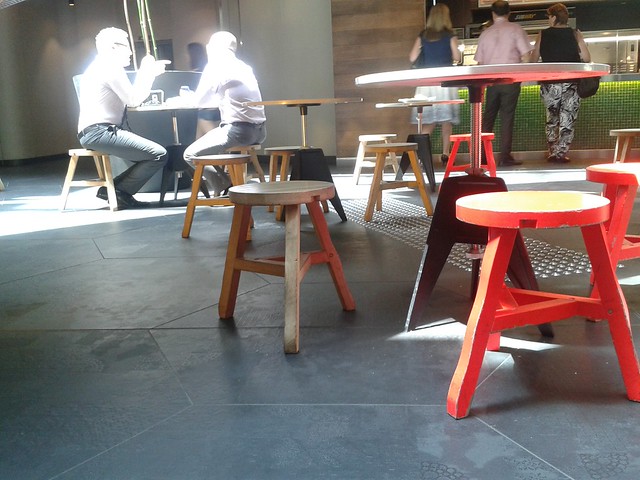
Well, the easiest and most commonly used photo-taking device these days is the camera in our phones. It’s certainly the most inconspicuous, especially when out and about. I snuck in this shot at a Sydney CBD food court. Those guys look positively ghostly.
The trains were all ablur at the railway station.

Forget about the rules of composition, I just want to enjoy more of Oatley Park.
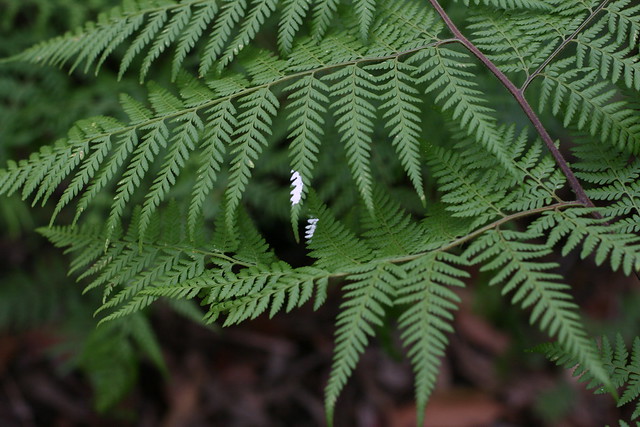
The feathery ferns in the shaded areas.
More of those great Sydney red gums.
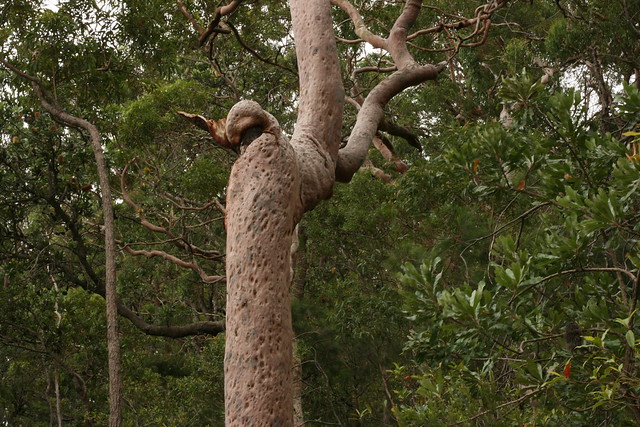
Many of the trees were shedding their bark, just like a snake. Is it only Australian trees that do this?
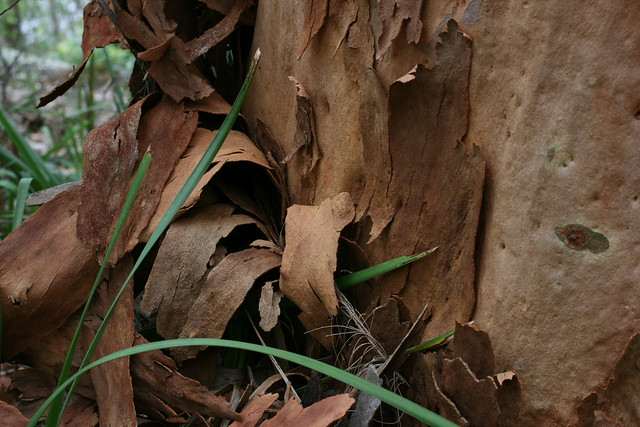
I’ve changed locations now to Oatley Park, beside the Georges River. It’s been awhile since I took some photos there so it’s good to wander down the old track once more.

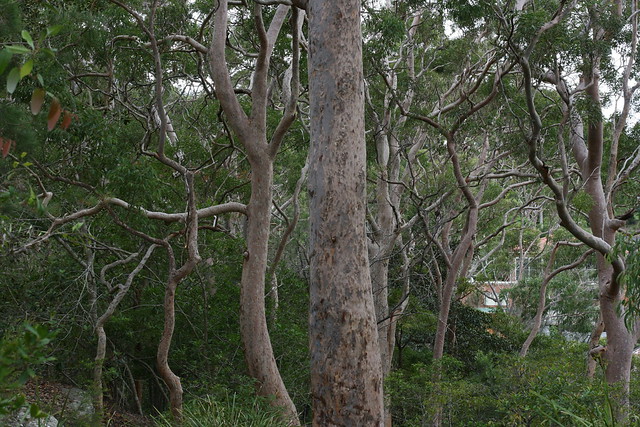
Now, back to composition. The repetition of objects is pleasing to the eye and so makes a good picture. There were plenty of things to choose from in the bush.
The Sydney red gums in Oatley are plentiful and have such interesting shapes.
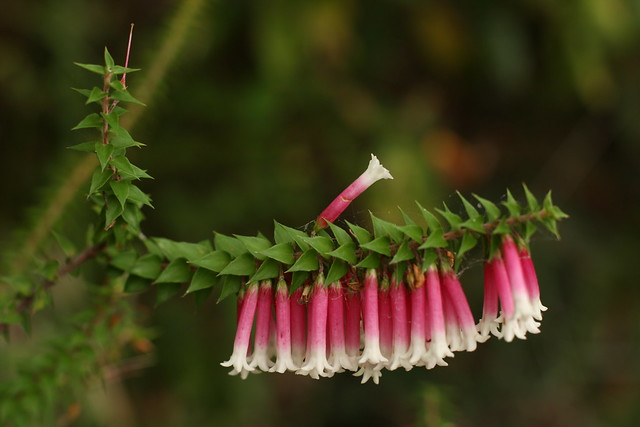
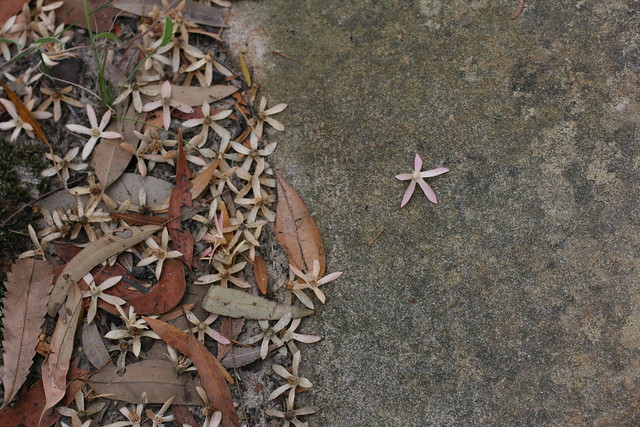
Close-up, I found clusters of fuchsia heath flowers in the shade.
Even the leaf litter makes an example of repetition.
There is also the famous ‘rule of thirds’ which apparently makes a picture more pleasing to the eye. The most simple application of this is in a landscape photo – how much of photo is sky? But of course, it can be applied to any photo.
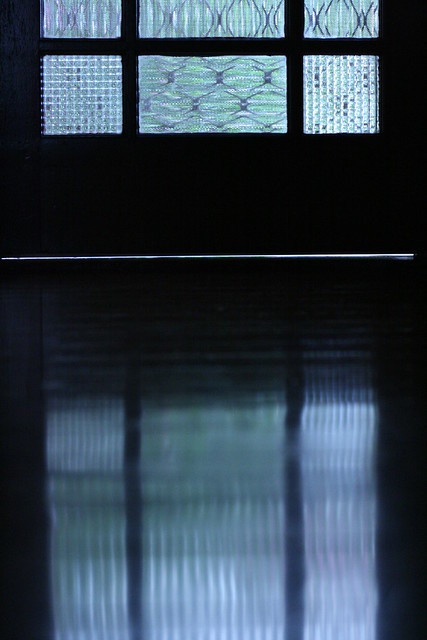
The front door in ‘rule of thirds’.
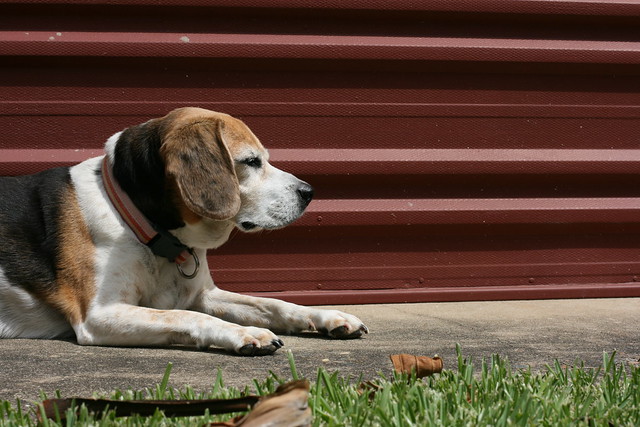
The beagle in ‘rule of thirds’.
Following on from colour we explored the art of composing a photograph. When photography just got going, people were composing photos like they composed paintings. We talked about conventional composition techniques. After class, I walked back into the city via the backstreets to practise a few techniques.
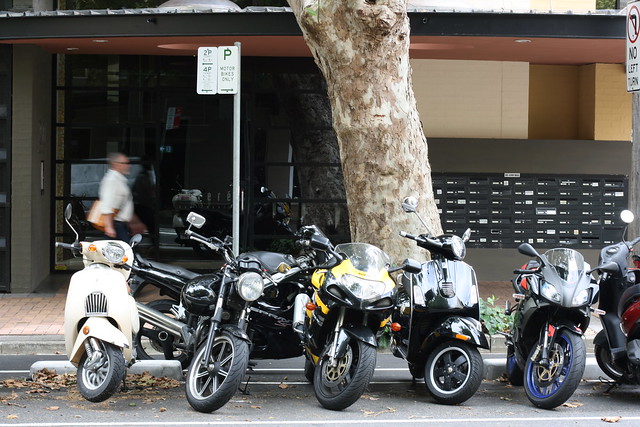
Like showing perspective (in this case, diminishing) to give the photo depth.

And repetition to lead the eye.
I found some floral colour inside too.
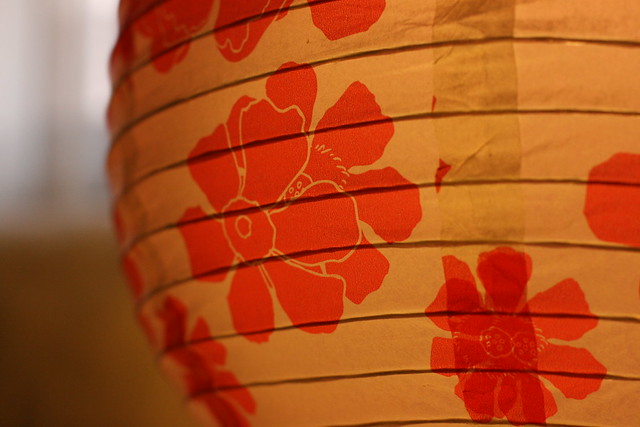
A paper lattern reminds me that it’s almost Chinese New Year.
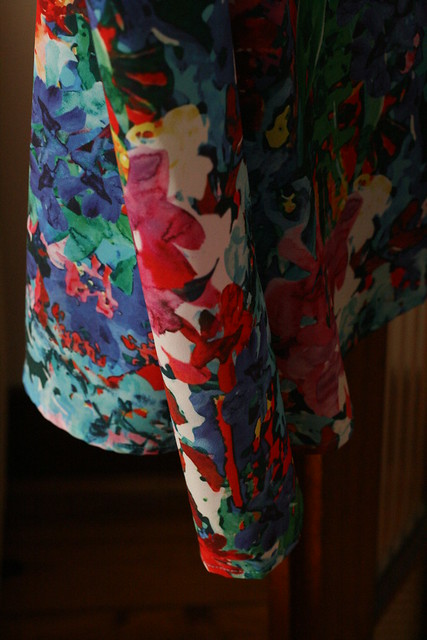
And this skirt provided a wonderful splash of colour.
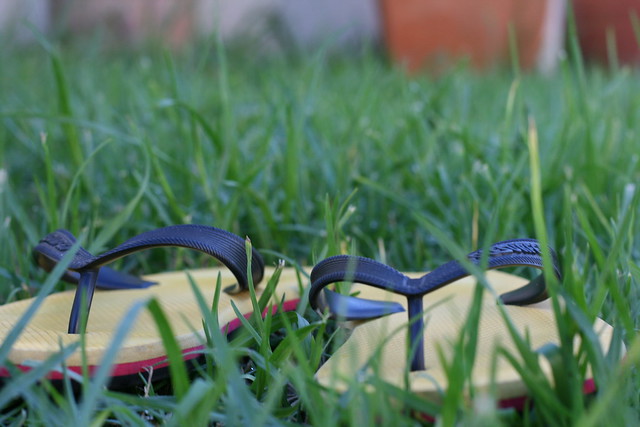
Thongs in grass – such an image of summer – one that has almost past, unfortunately.
 Static and Silence