We took a drive on the quiet country roads around Canowindra.
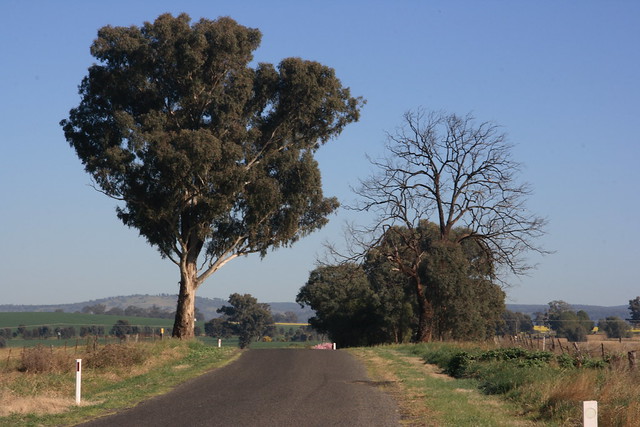
It was a magnificent spring day, and the whole country was alive with canola flowers,

Or cherry blossoms.
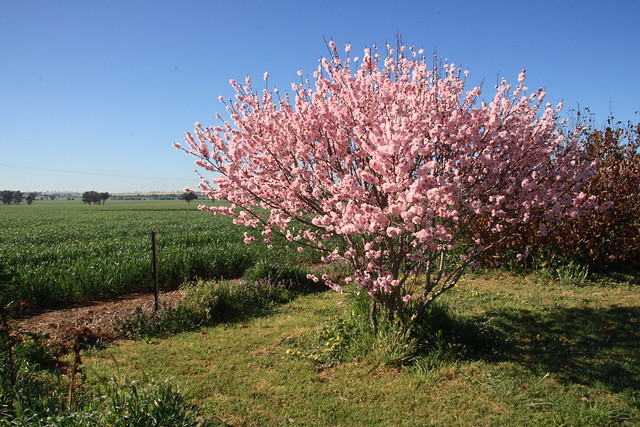
Sometimes there was both.


We took a drive on the quiet country roads around Canowindra.
It was a magnificent spring day, and the whole country was alive with canola flowers,
Or cherry blossoms.
Sometimes there was both.
And of course, there were the pubs of Canowindra.
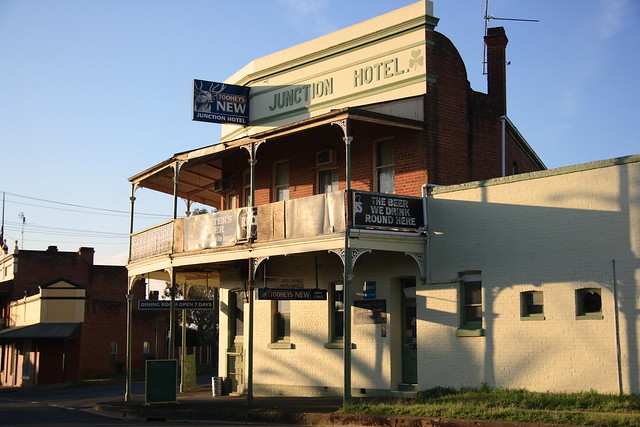
The town was big enough to have more than one.

In fact, there were more than just these three! The last one is for Joan, who likes ‘collecting’ Royal hotels, although I noticed she has this one already.
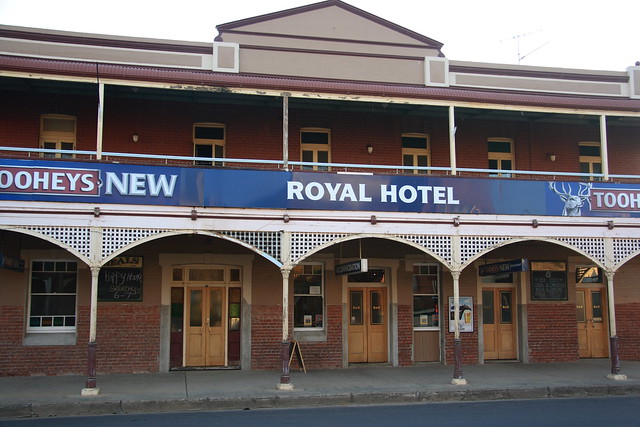
We entered the old commercial street, and it was a bit like going into a wild west movie set!

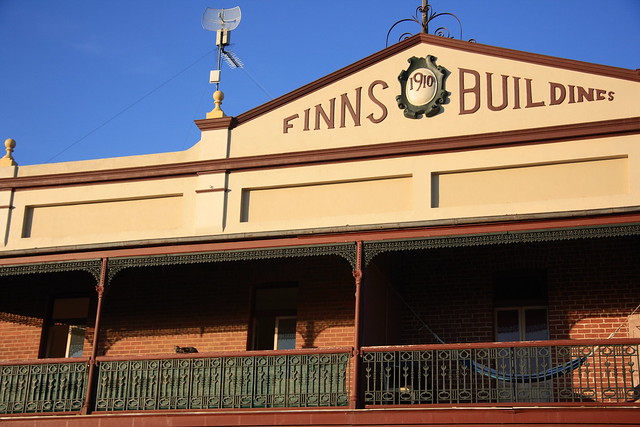
There were some wonderful buildings, most of which was in commercial use.

This one had a resident cat.
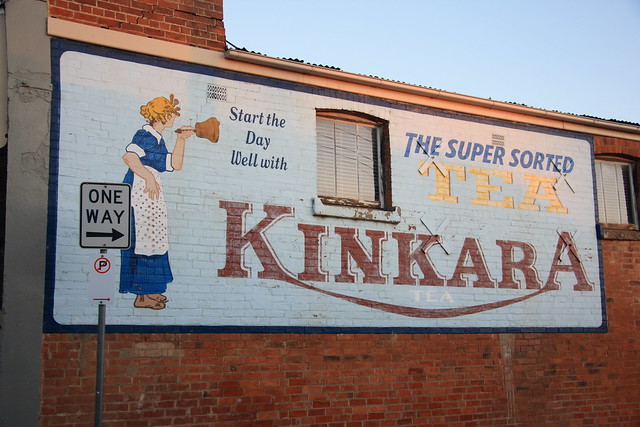
There was even an old mural.
We travelled south-west of Bathurst to our chief destination for the weekend, the sleepy town of Canowindra. After settling into our motel, we wandered around the main street.
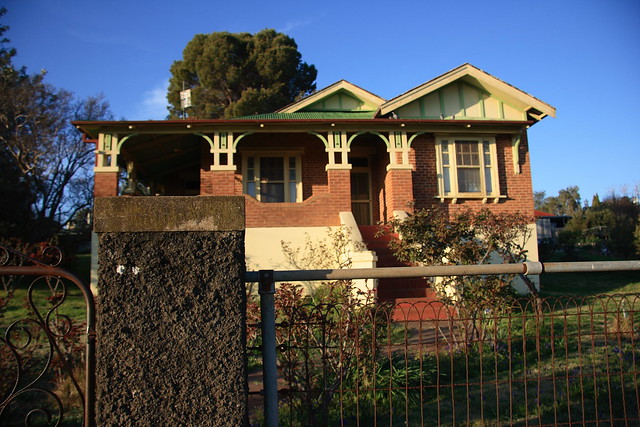
The residential houses were Edwardian, I think, of the same vintage as those around the suburbs of Ashfield, Summer Hill and Croydon in Sydney’s inner-west.
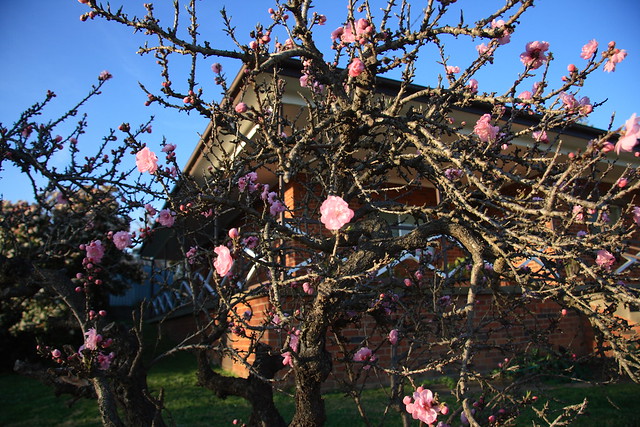
A few had some lovely blooms on display.
Soon we came to the shopping precinct. With some lovely architecture, I wasn’t surprised to find out that it’s been used as a film set recently.

However, the streets were very quiet, even for a Saturday evening. We found out after we got home that there had been a memorial for one of the victims of the Rozelle fire, who came from here. Everybody is affected when something happens in a town of this size (Canowindra’s population is around 1,500).
Also in the main precinct, and the purpose of our visit, was the old Primary School. Its size gave you an idea of how big the town was in the gold rush.
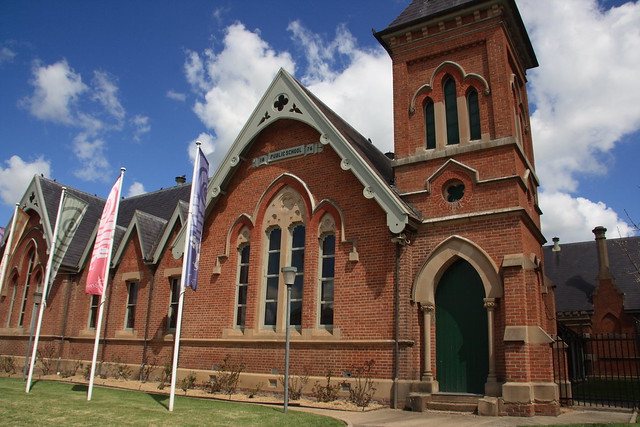
Now it houses the Australian Fossil and Mineral Museum.
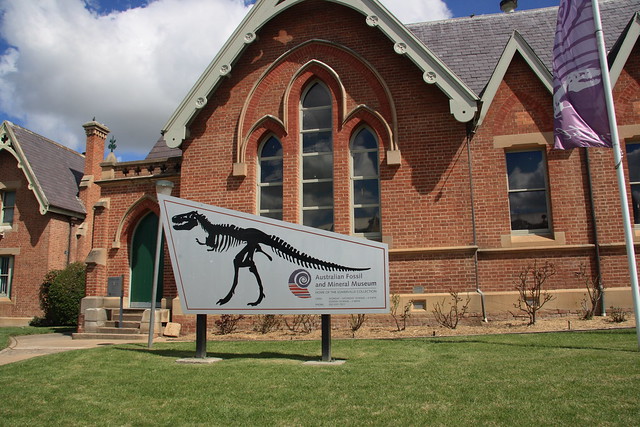
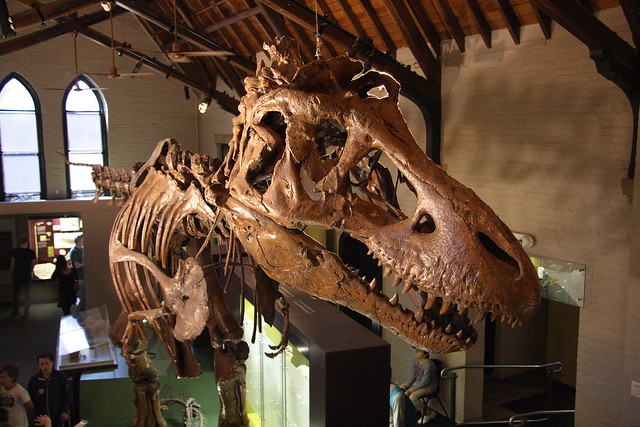
Inside, there was a very beautiful collection of minerals from all over Australia and the world, but I was more interested in fossils. There was an impressive cast of a T-Rex skeleton.
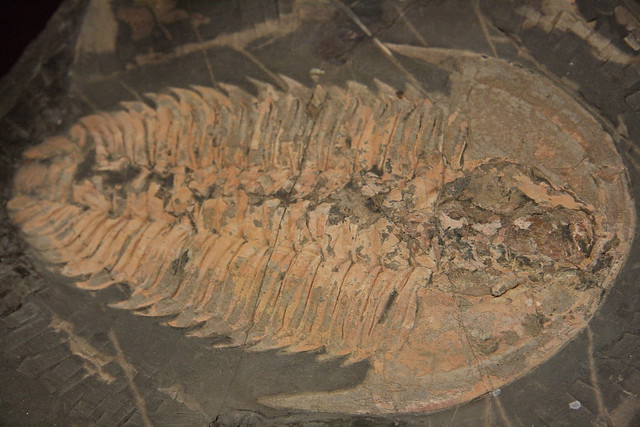
But this weekend trip was all about marine fossils, particularly trilobites, an animal crossed between a crustacean and a centipede. These were common-place around 400 million years ago, but were wiped out in an extinction event 375 million years ago, possibly when the sea-level changed dramatically and the oxygen content in seawater decreased.
Their fossils are now found all over the world. The most spectacular specimens are from Morocco.
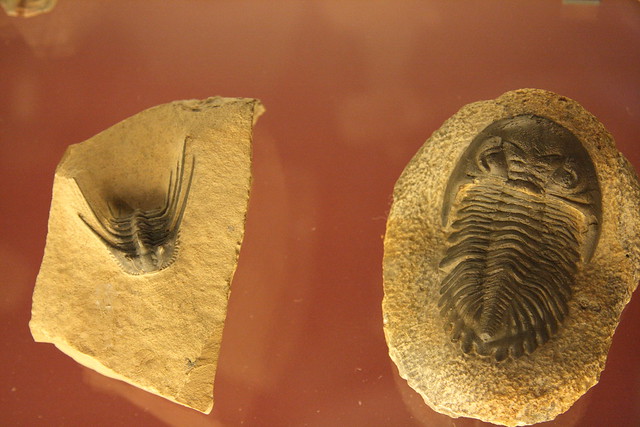
But Australia also has its fair share. These great specimens are from Kangaroo Island in South Australia.
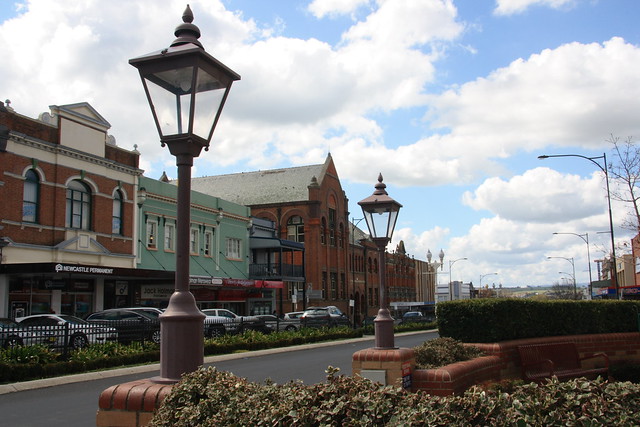
You might expect some extravagant architecture in a gold rush town. Well, you thought right.
The main street had plenty of classic Victorian architecture.
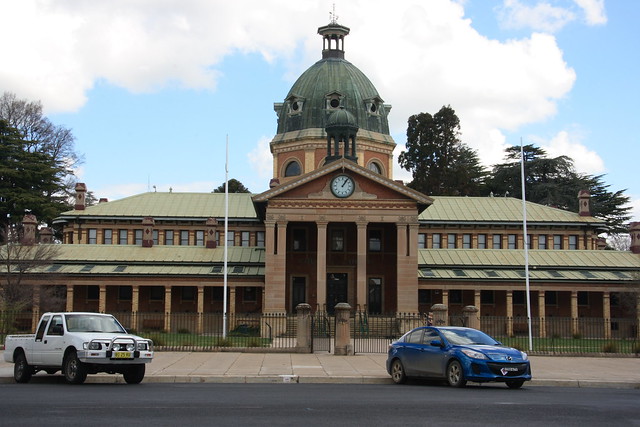
The court house was a very grand affair.
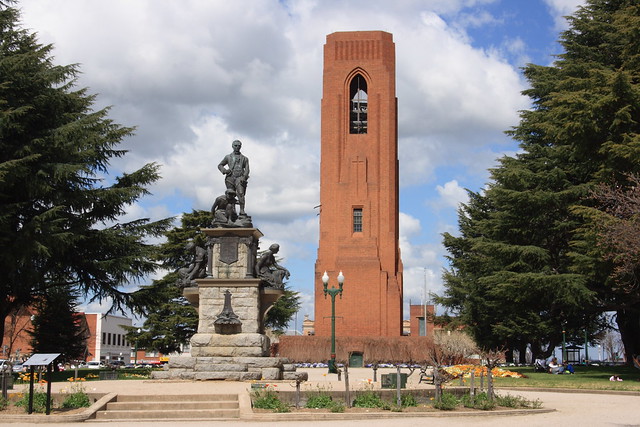
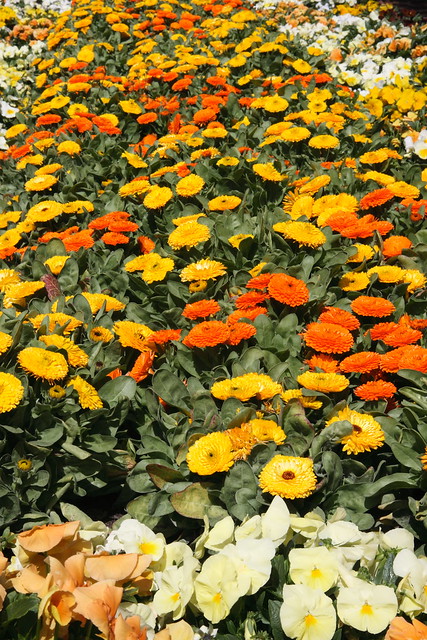
But I liked the memorial, that was beautiful with beds of spring flowers.
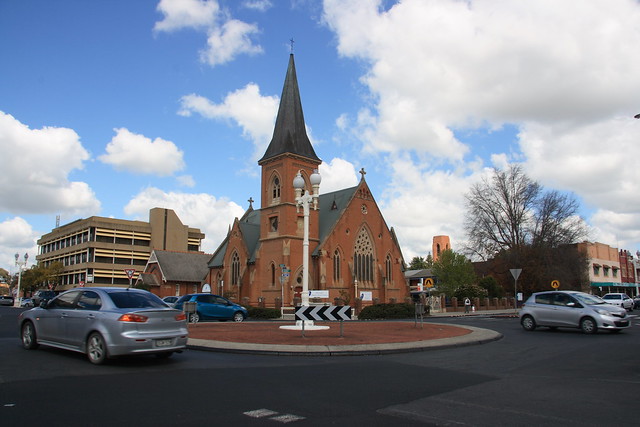
Next stop was the busy city of Bathurst. Its roundabout was in full-swing as it was Saturday lunchtime.
The Bathurst region was one of the first areas in Australia to be hit by the gold rush. This plaque marked the beginnings of it all.

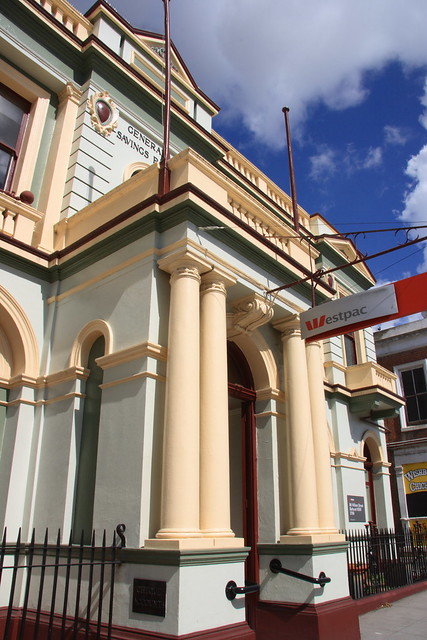
The old Bank of New South Wales has stood by it all, good and bad.
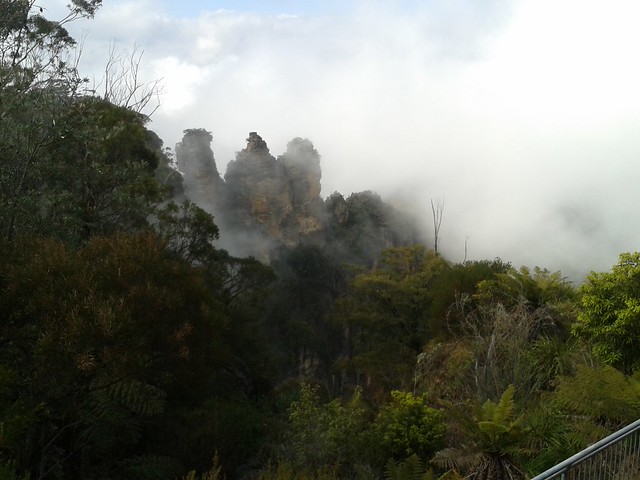
We are heading out west on this short trip. That of course means going over the mountains. We took a short break at Echo Point in Katoomba. Even though it was raining that morning in Sydney there were still plenty of visitors at the lookout.
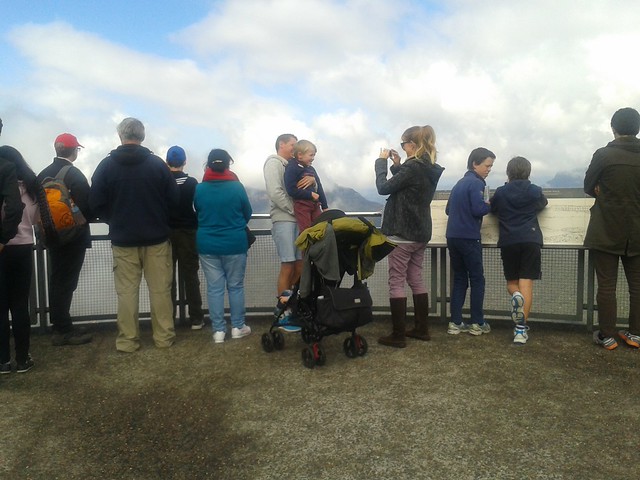
The Three Sisters were shrouded in fog at first, but after a little patience we all got lucky.
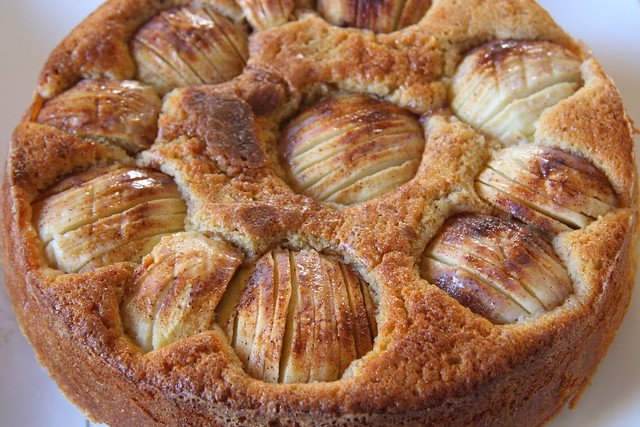
I tried a recipe for spicy apple tea cake to enjoy the last of the year’s apples. With halved apples and a combination of cinnamon, ground ginger and nutmeg, it went down a treat.
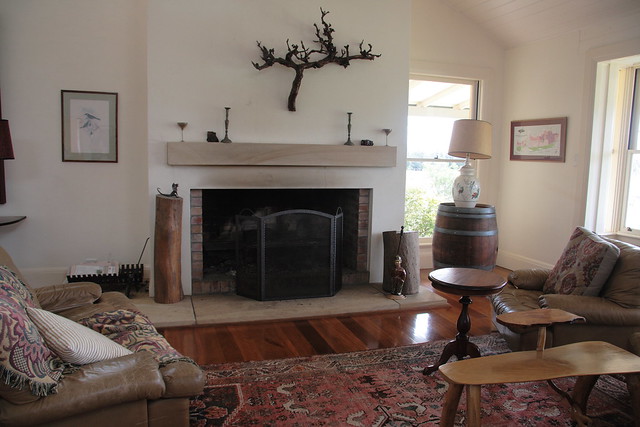
Last winery stop in Broke at Glenguin Estate. This set up is a bit posher, but we still had the viticulturalist conduct our wine tasting.
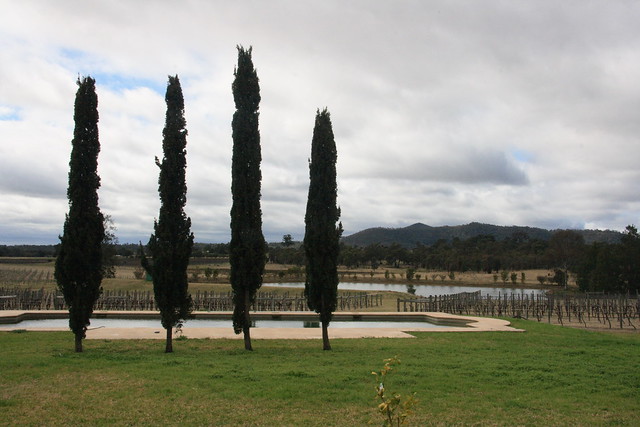
They do produce a great drop of red, but no cows to mow down the grass here.
 Static and Silence