Tag Archives: Holiday

Outback NSW – Coonamble

About 100km up the road from Gilgandra is the town of Coonamble. It is a small agricultural town of around 2,700, grazing sheep and cattle. We visited in early December so it was decidedly hot in the middle of the day.

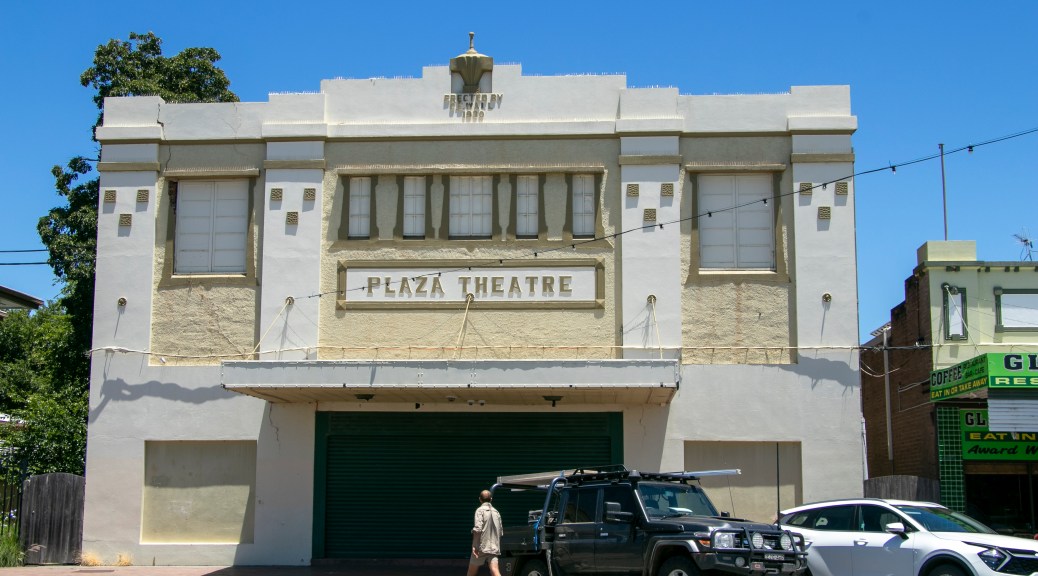
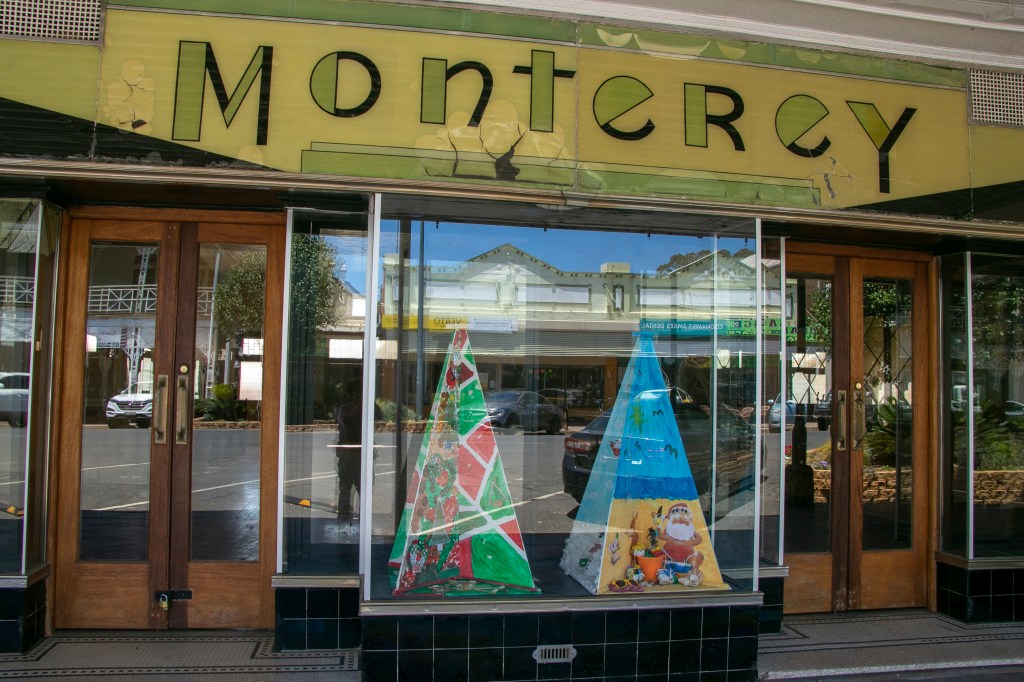
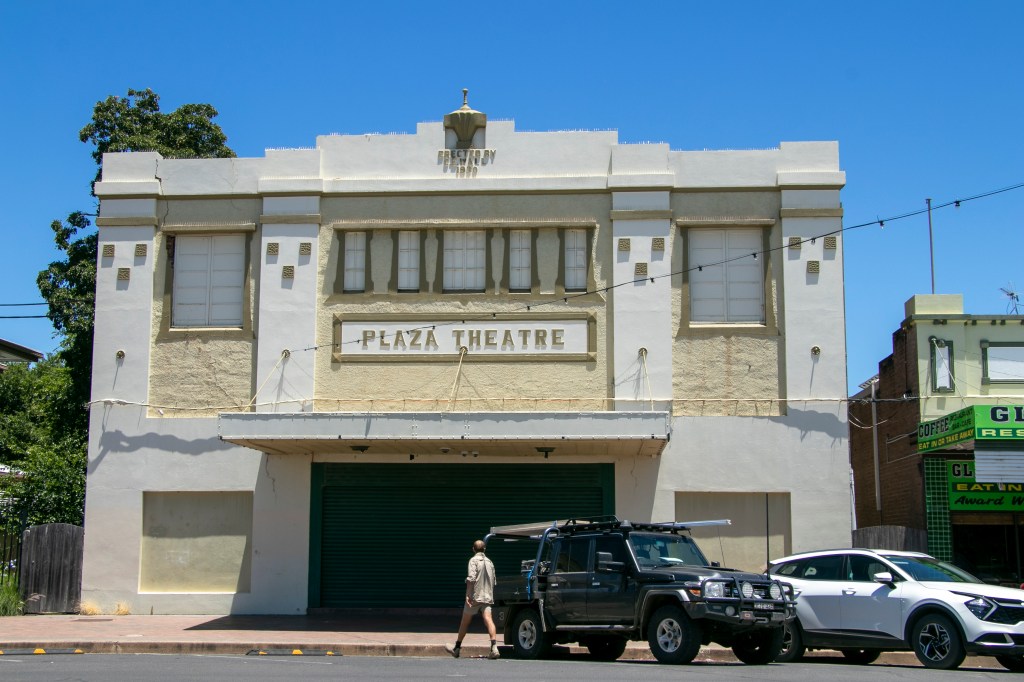
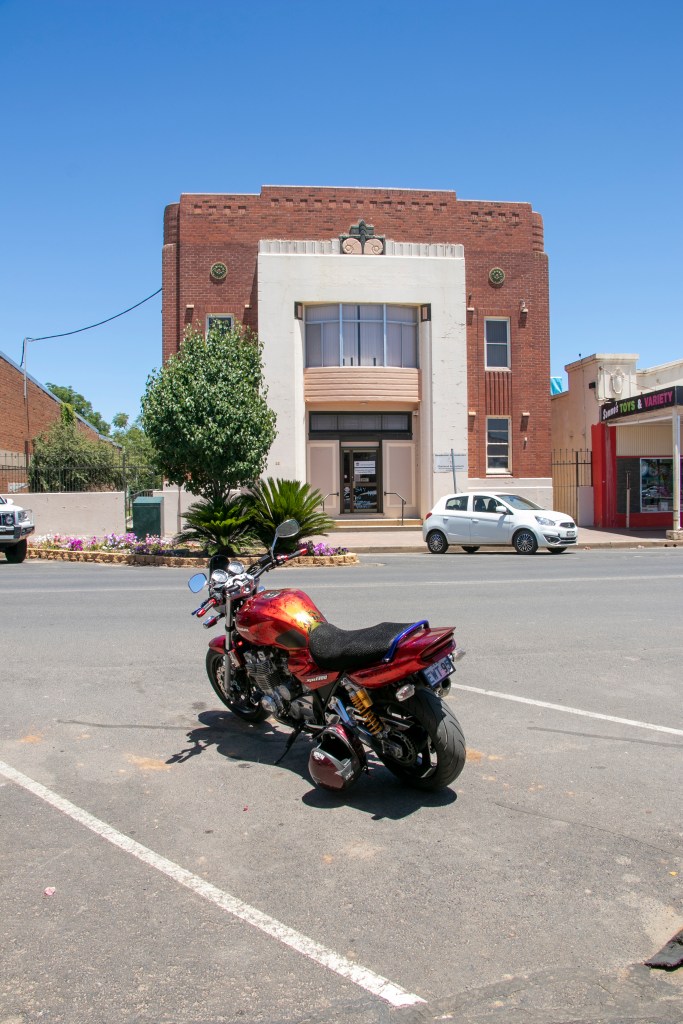
The town itself is home to some lovely art deco architecture.

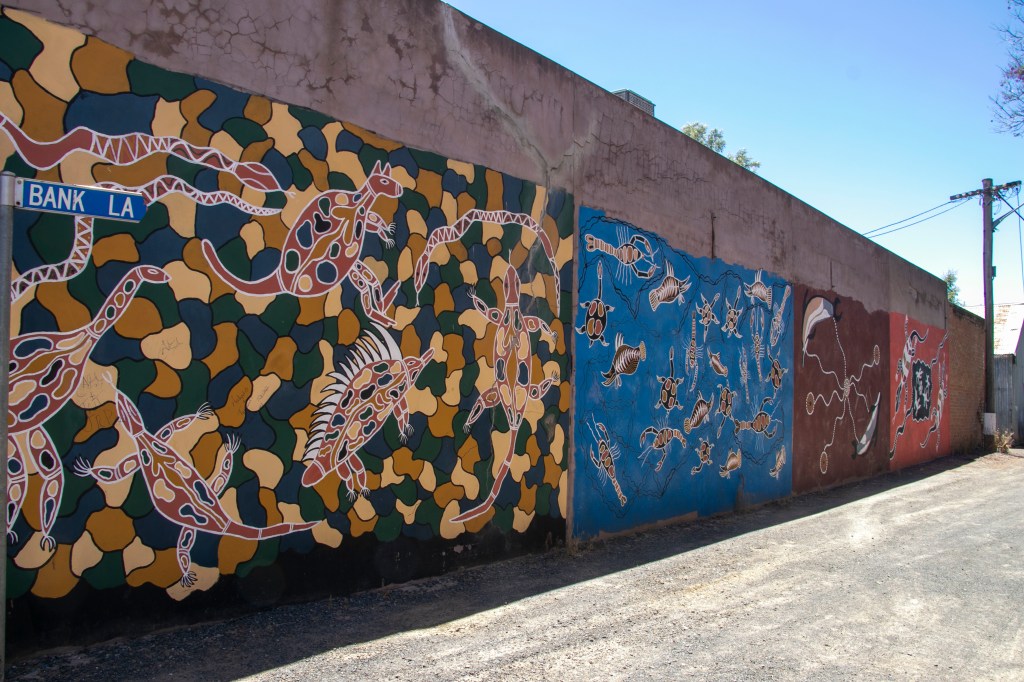
It is also home to a sizeable First Nations population, namely the Wailwan and Gamilaroi nations.

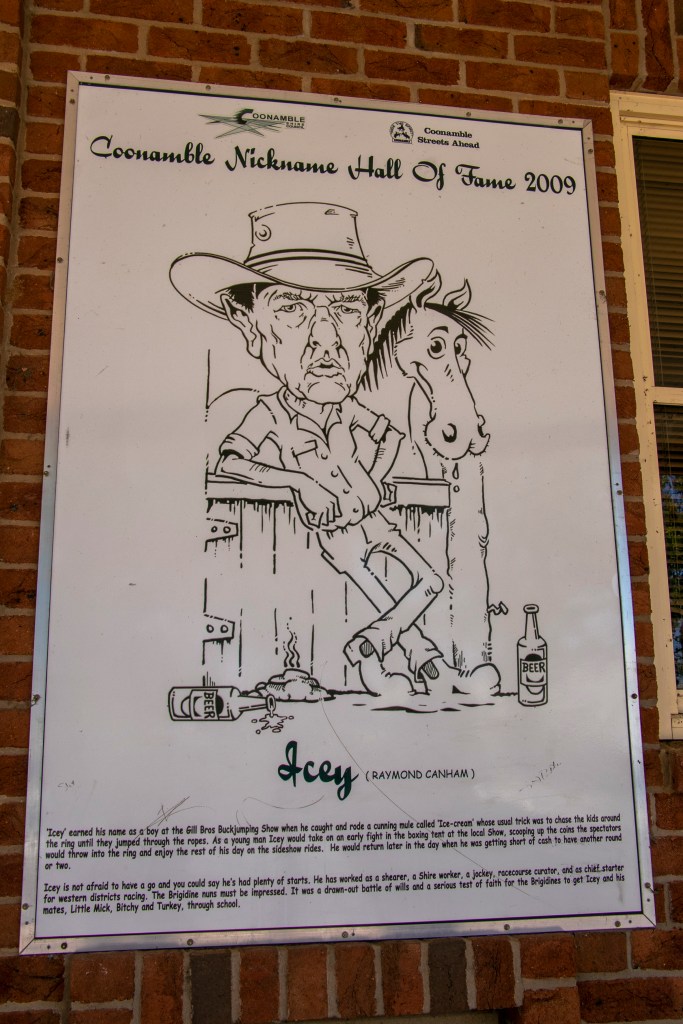
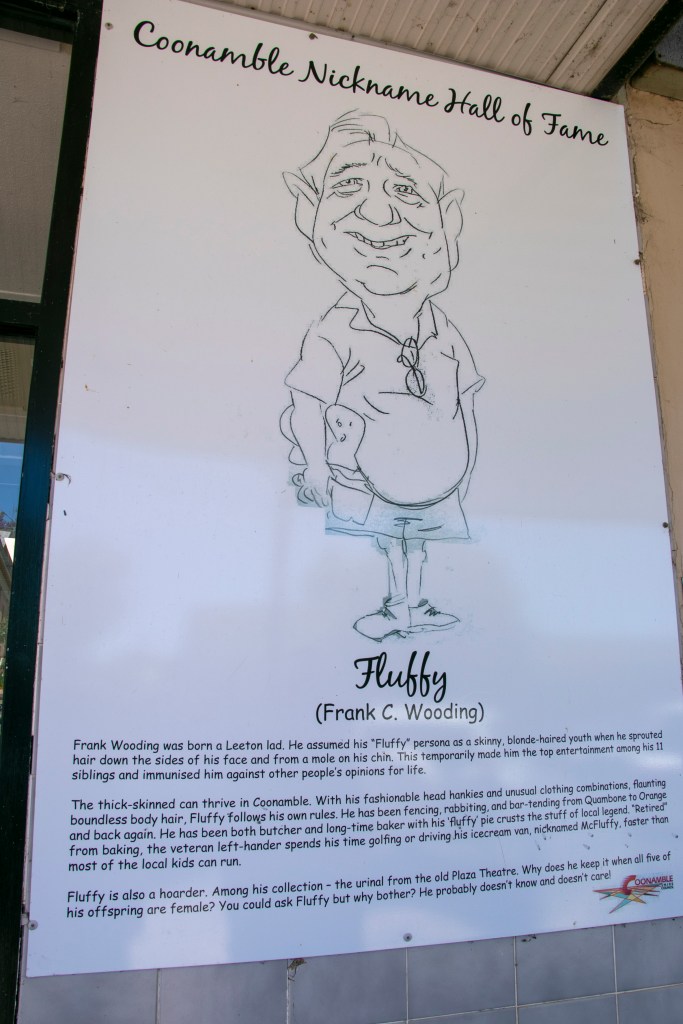
Country towns are full of characters, and Coonamble decided to commemorate many of them on plaques all around the main street. They’re distinctly… Australian.

Outback NSW – Gilgandra

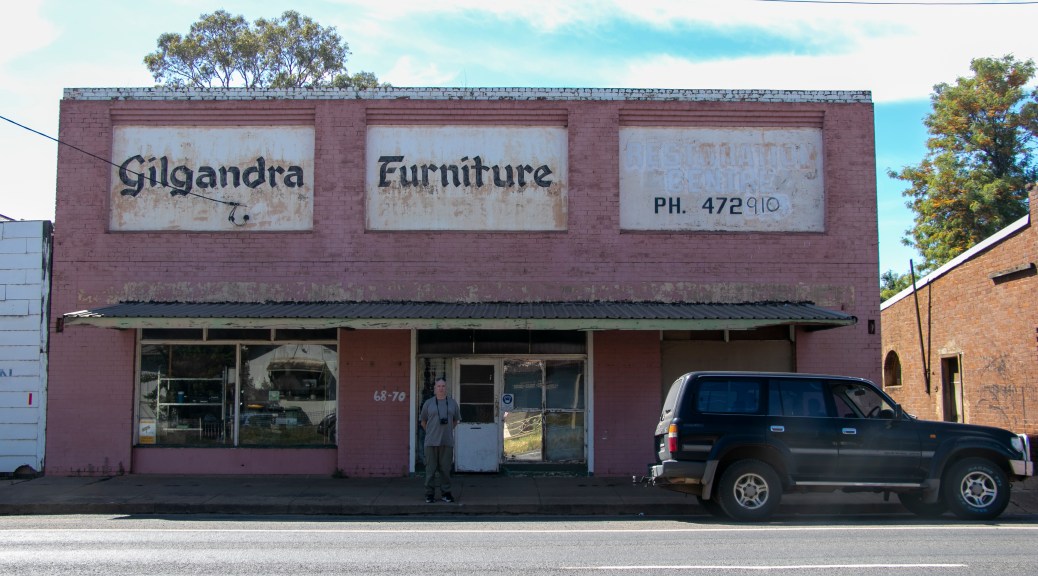
Let’s start our study of Outback NSW towns with Gilgandra. By definition it is a Central West town (it’s less than 70km north of Dubbo, a genuine Central West NSW town), but since it is on the road to the Outback, we’ll classify it is an outback town for this post.

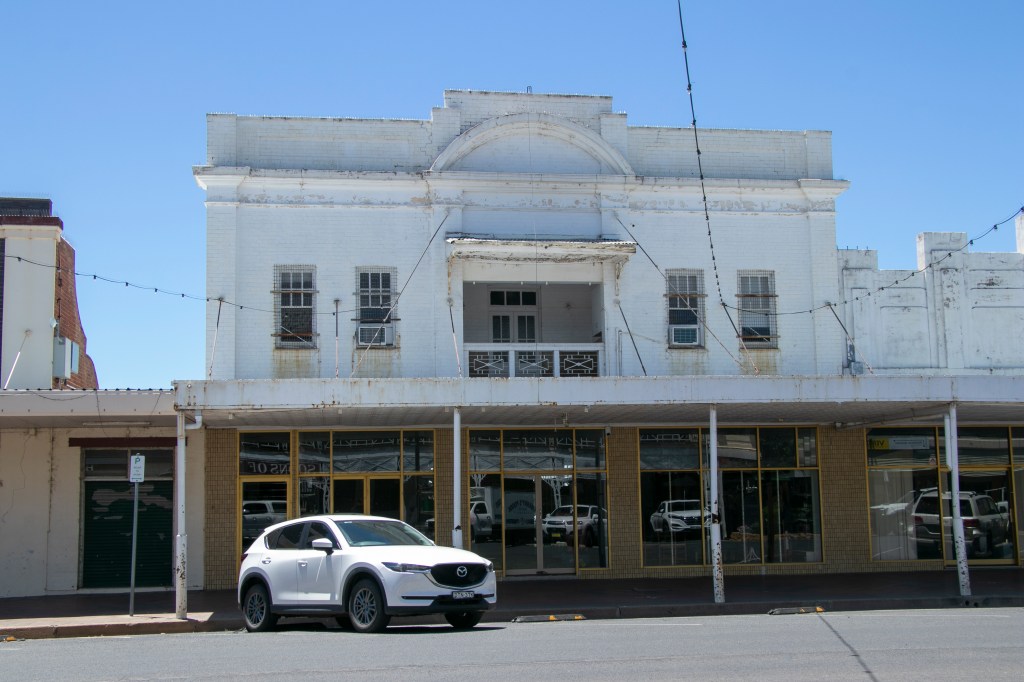
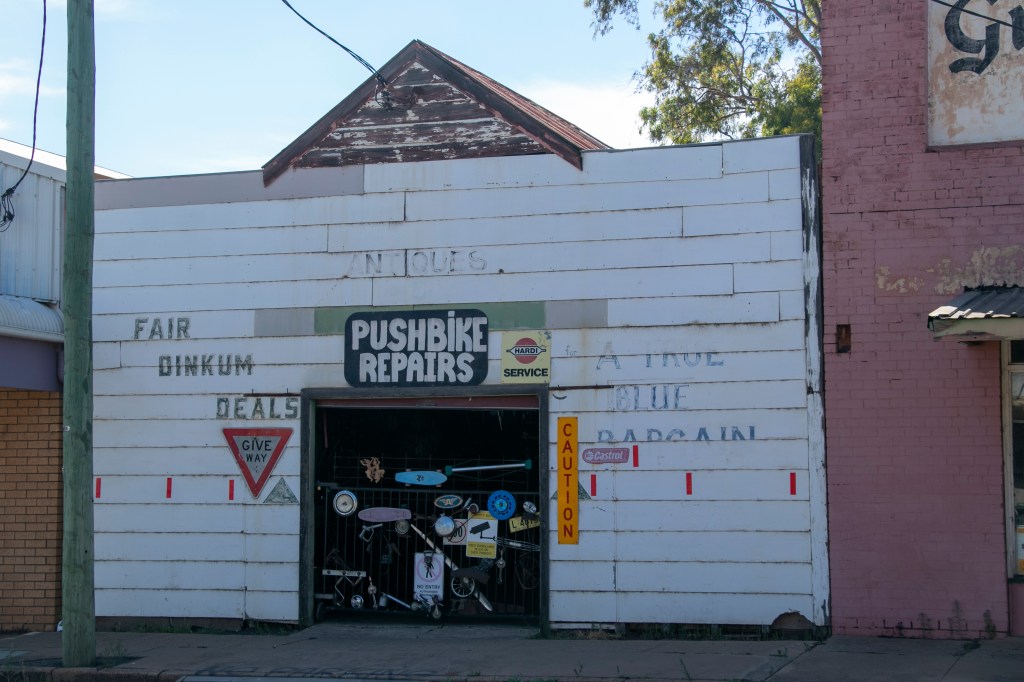
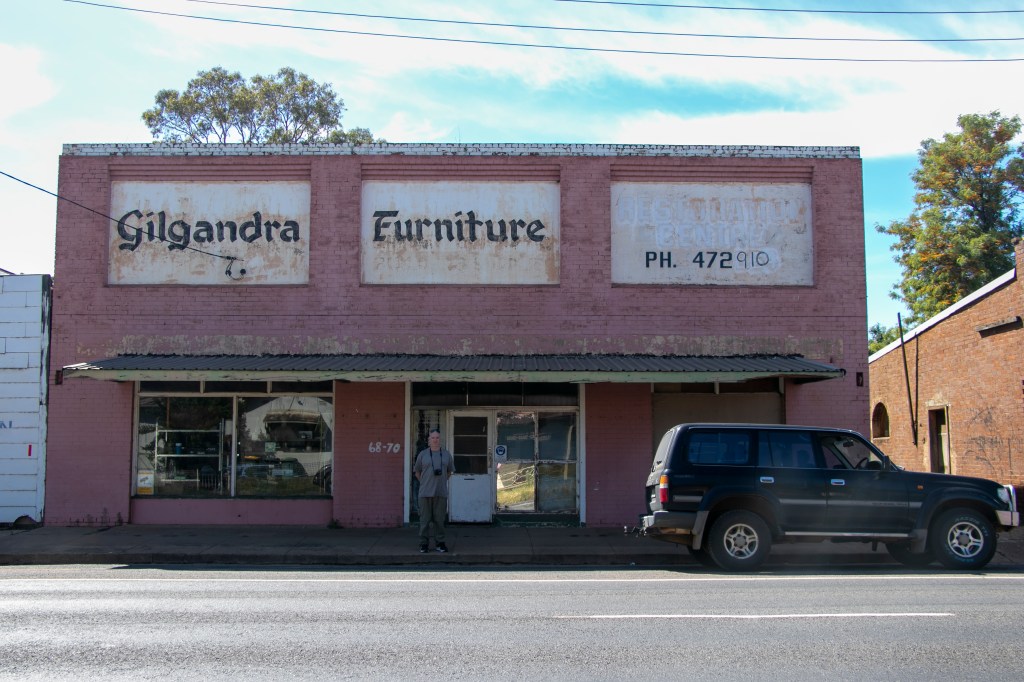
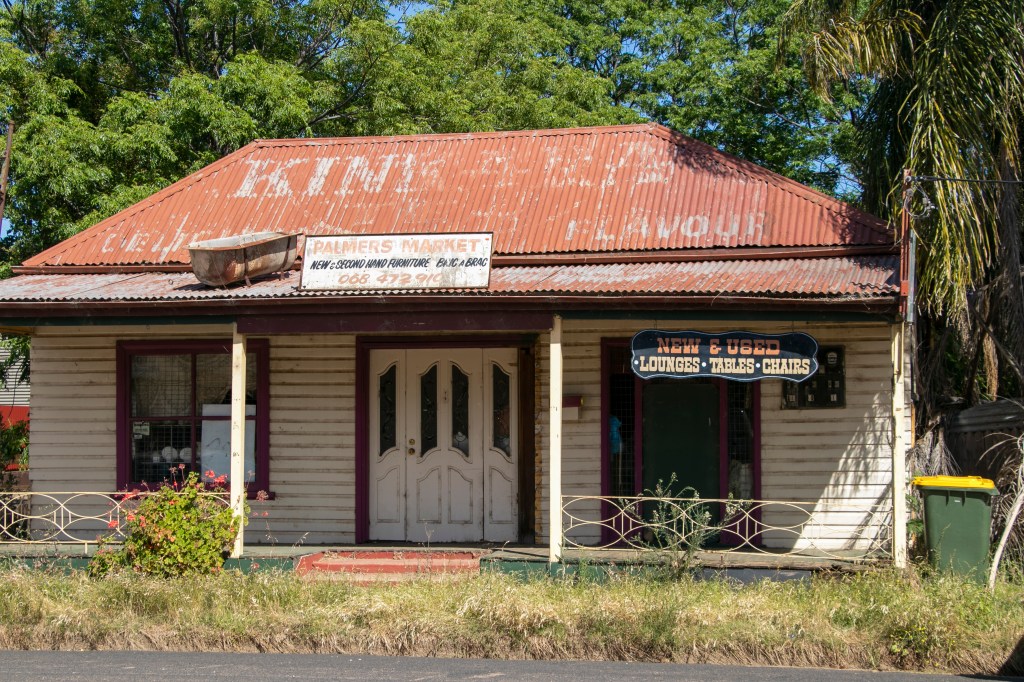
Being so close to the metropolis of Dubbo (whose population is nearing 45,000) means that Gilgandra is virtually a suburb of Dubbo. It also means that any facilities it once had had been taken away, as it’s just as ‘convenient’ to go down the road an hour (which is the country equivalent of 10 minutes by city standards). It’s left many of its shop-fronts vacant – they’re relics of a by-gone era. On the plus-side, it’s close to facilities, with real estate prices that haven’t yet gone through the roof.

The town was certainly on the sleepy side when we dropped by, but was a pleasant change after the controlled chaos of Dubbo (those roundabouts are worse than Canberra’s – big call, I know, but have you ever shared a roundabout with a road-train?). 

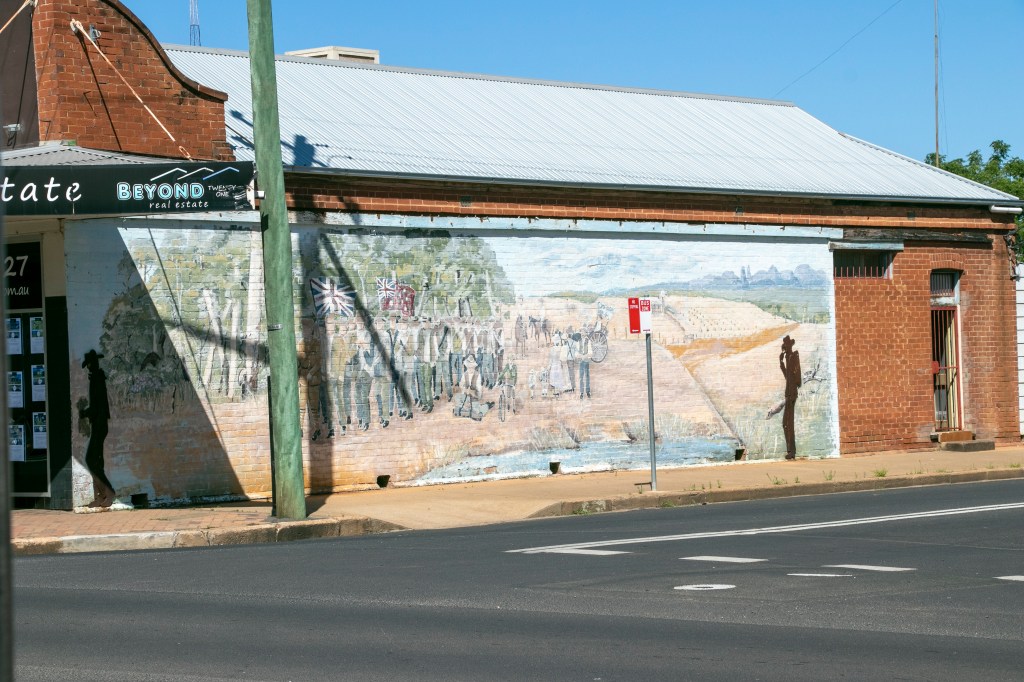
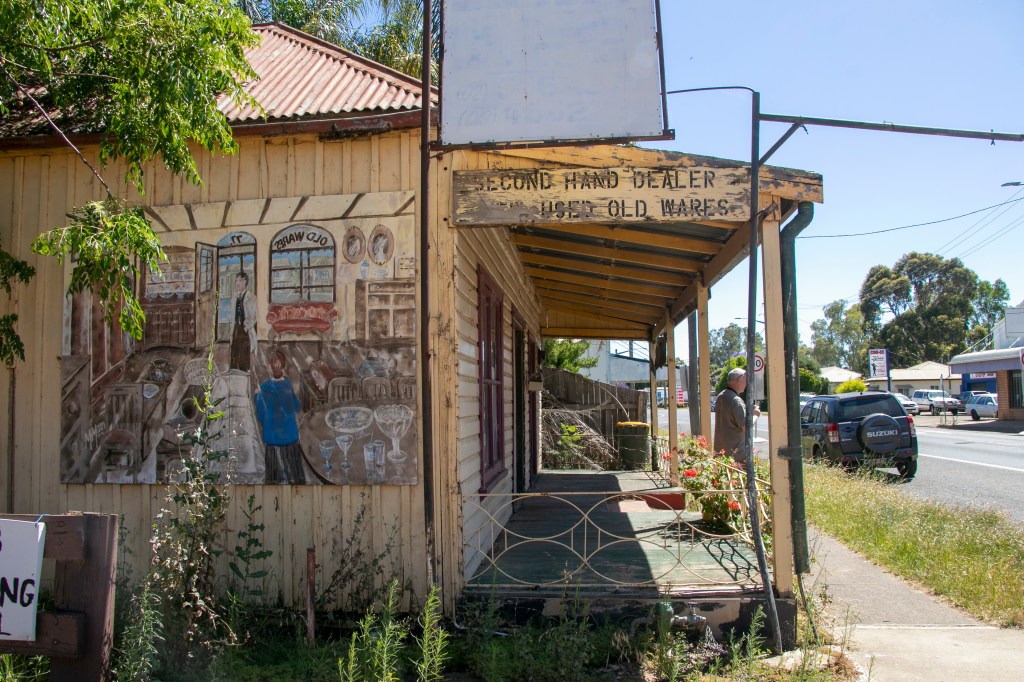
I like the murals that were dotted around the town. They are now a feature of a lot of country towns, I noticed, and I wholly approve. The more art the better, I say! 

Hill End – Part 2

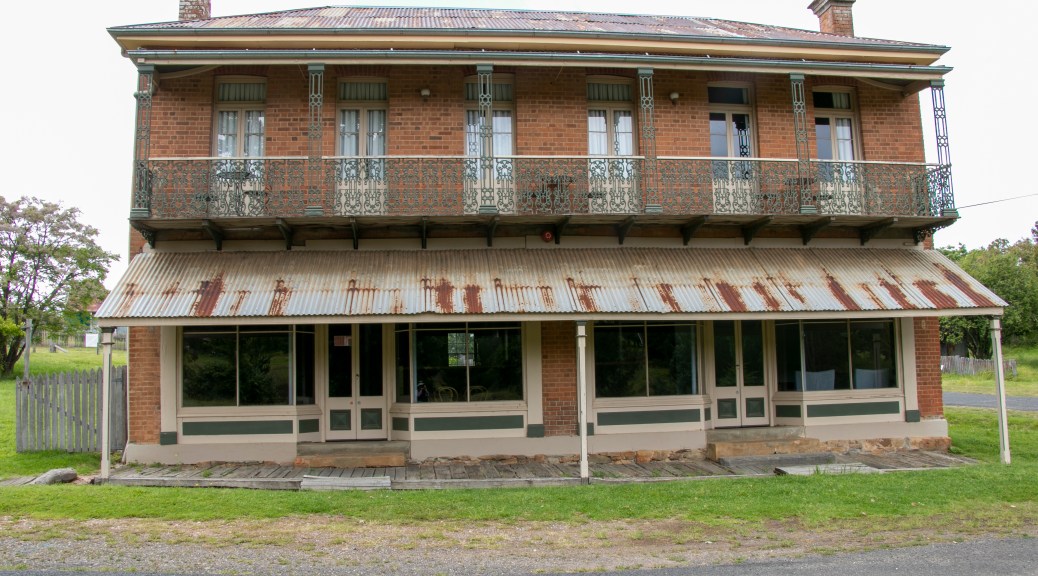
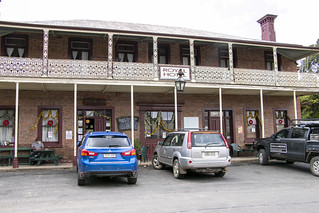
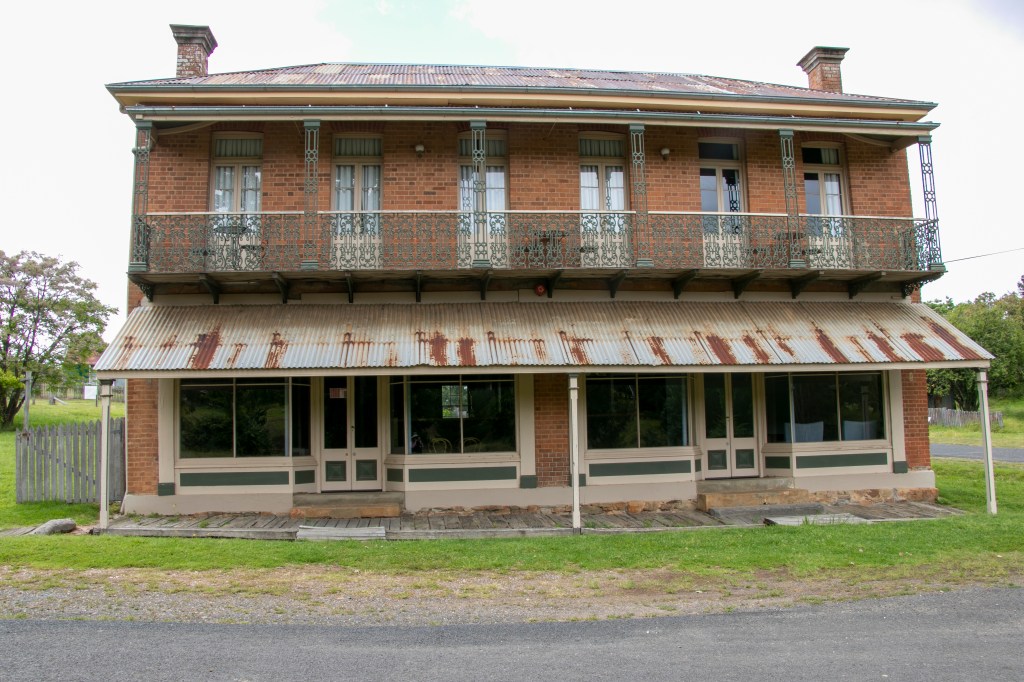
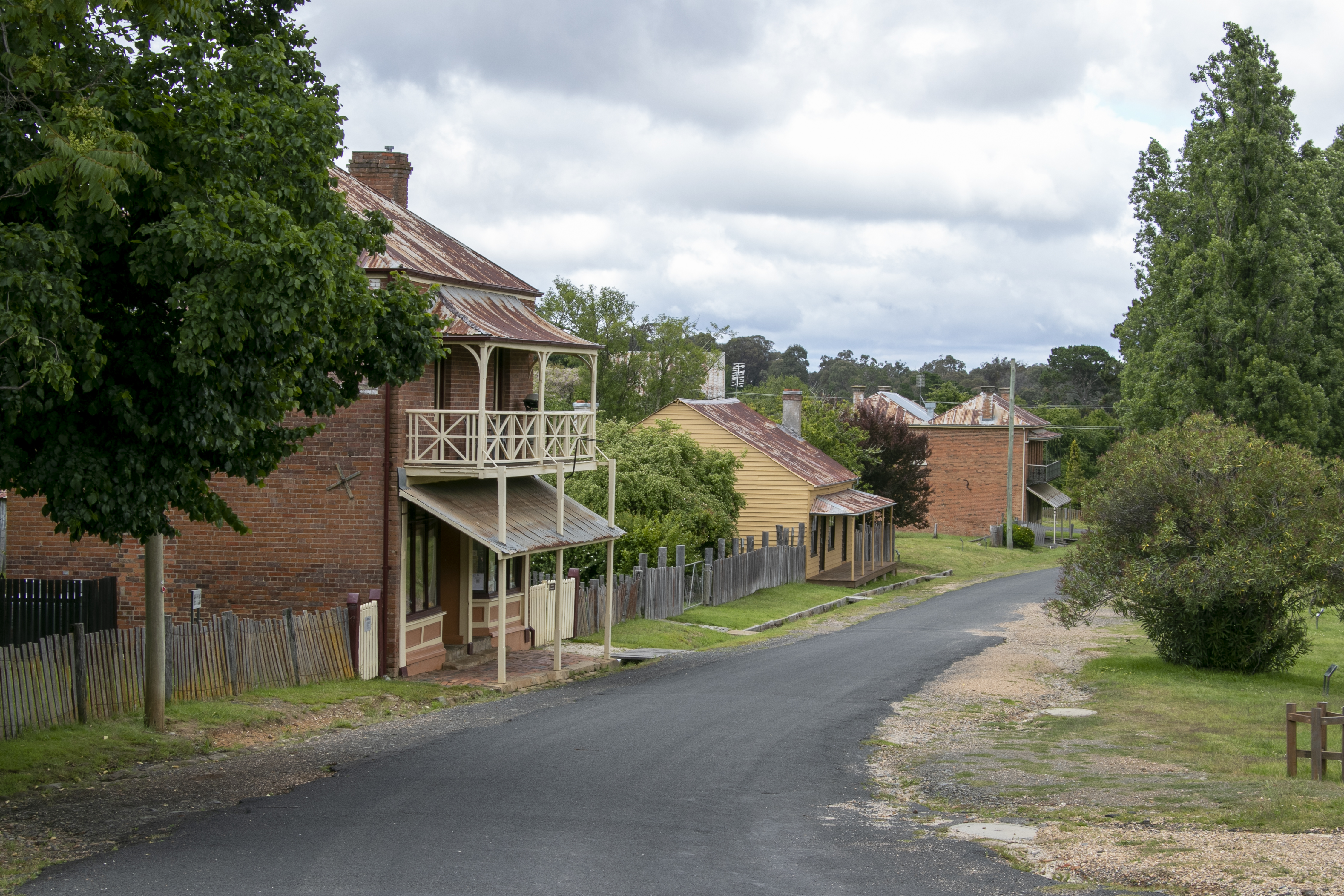
Given that Hill End was home to 8,000 people at its height, there are quite a few buildings of note. They are a good representation of 19th Century Australian country architecture. Many are no longer in use, and the two that are, are predictably, the pub…

Hill End Village

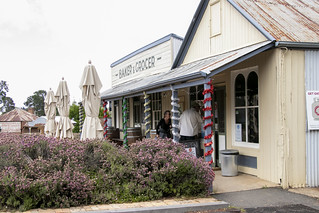
And the general store/cafe.

Hill End Village

They both seem to do a good trade catering to the needs of the locals and visitors.

Around the village was a full complement of traditional churches that seemed to still be in operation as well.

Hill End Village

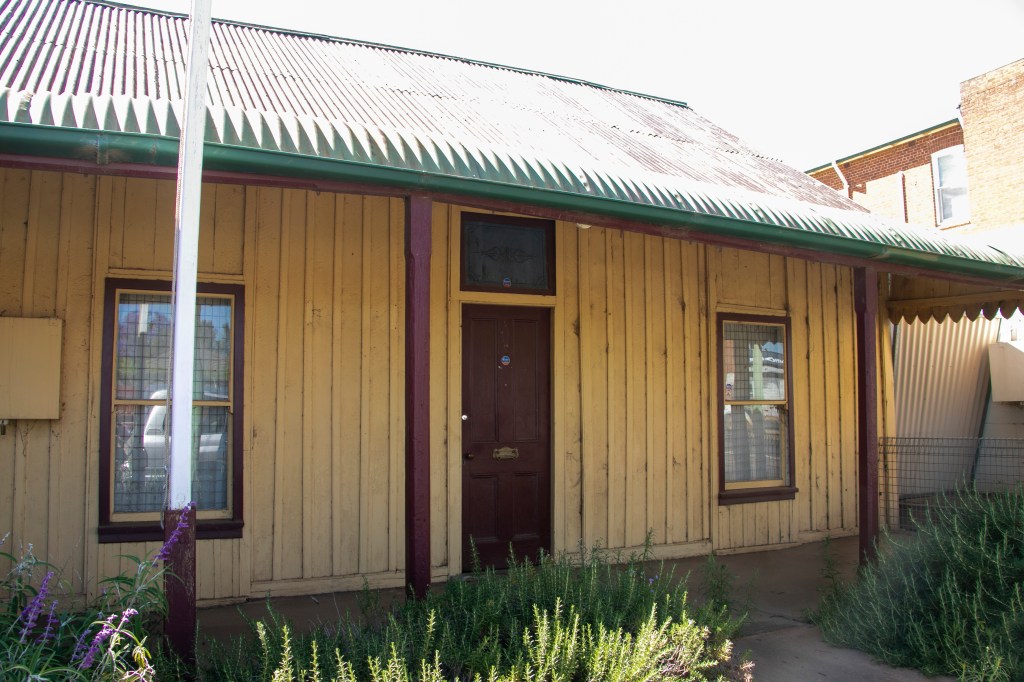
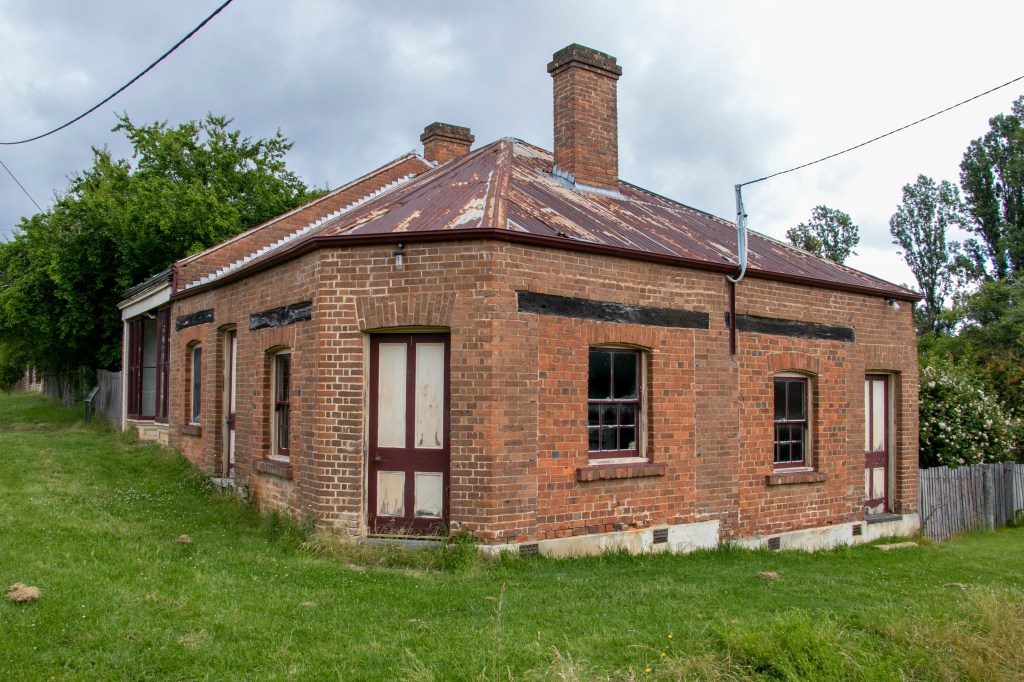
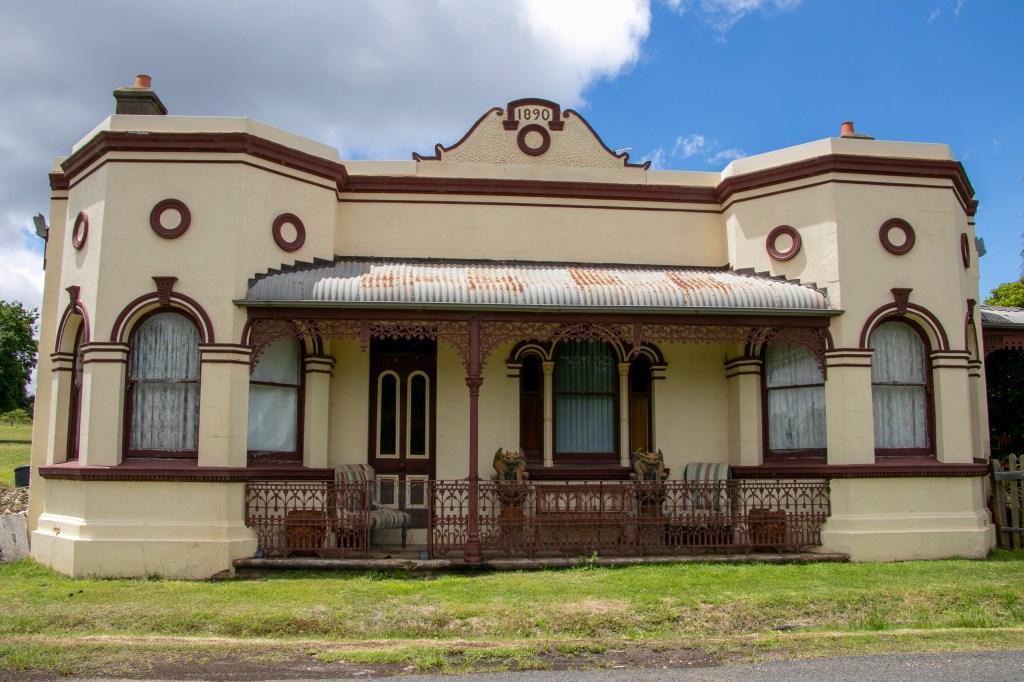
But there were also a lot of buildings that seemed to have been commercial premises at some stage of their lives but are now either empty or used for residential purposes. I wonder what they were all used for?

Hill End – Part 1

At the end of 2021, after nearly 2 years of Covid-19, we took a car holiday in NSW. Not wanting to travel too far from our home in Sydney, in case the state borders, or the city borders, locked down once again (as it had done multiple times in the preceding months), we set our sights rather close to home to Central NSW. It’s a region that we were familiar with, having visited different places at various times, however there was still plenty of pockets left to explore.

Our first stop was the historical village of Hill End. This is a former gold rush town, which hit the area during the 1850s and inflated its local population to 8,000. When the easy gold (originally alluvial, found in local water-ways) ran dry, the population declined. By 1945, the population was 700. In 2016, it was 80. I’m not really sure of the population post-Covid as at 2023. I would think there might be a few people who would want to move to such an historic and scenic spot.

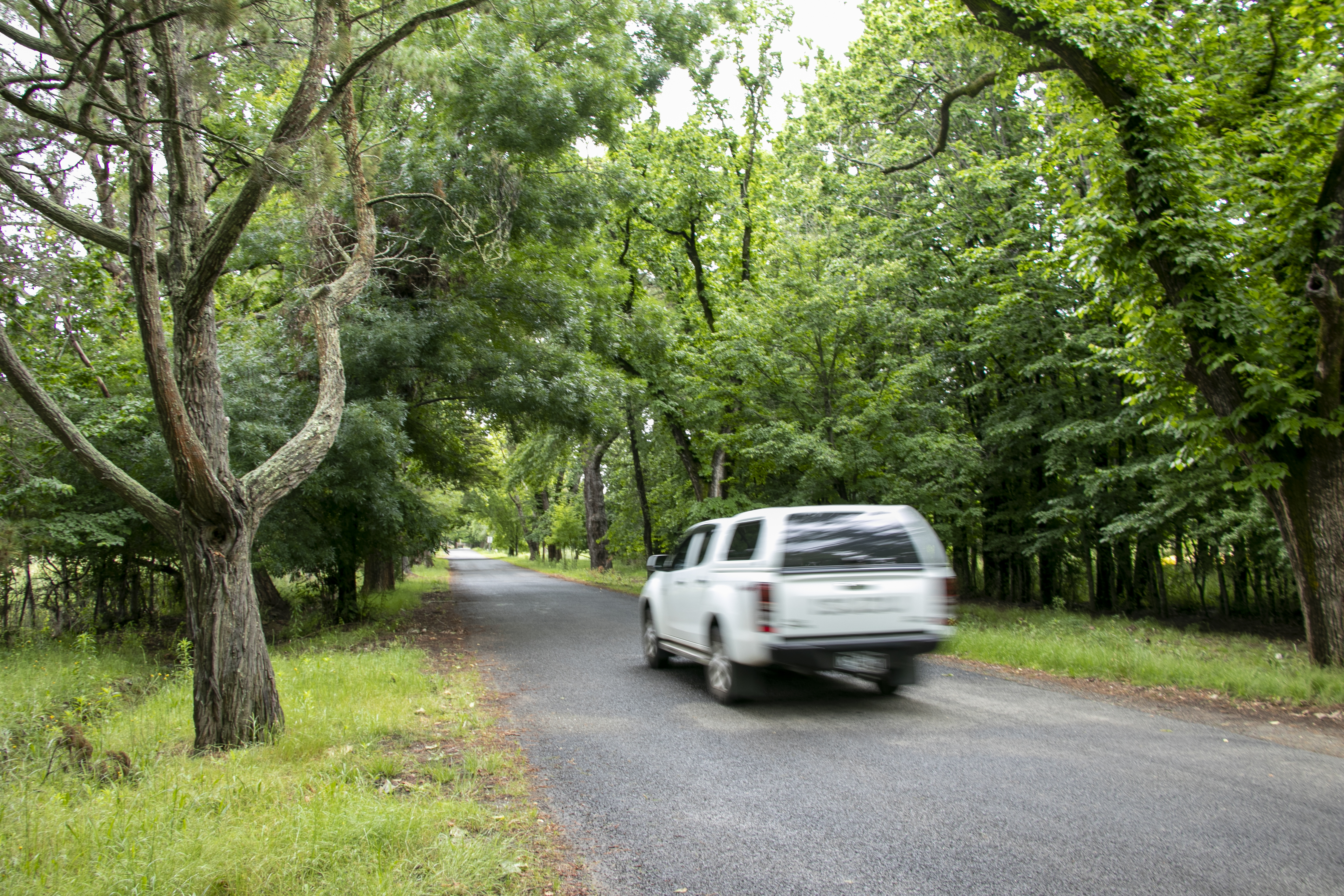
This is the northern approach to the town. It’s not the most accessible town in the Central West, accessible by sealed but quiet and twisting, country roads from either Bathurst or Mudgee. But once you’re there you can visit a heritage town. A shout out to the brave people north of Hill End, who valiantly fought a bushfire a fortnight ago. The fire thankfully did not reach the village.