Outback NSW – Lightning Ridge – Part 2

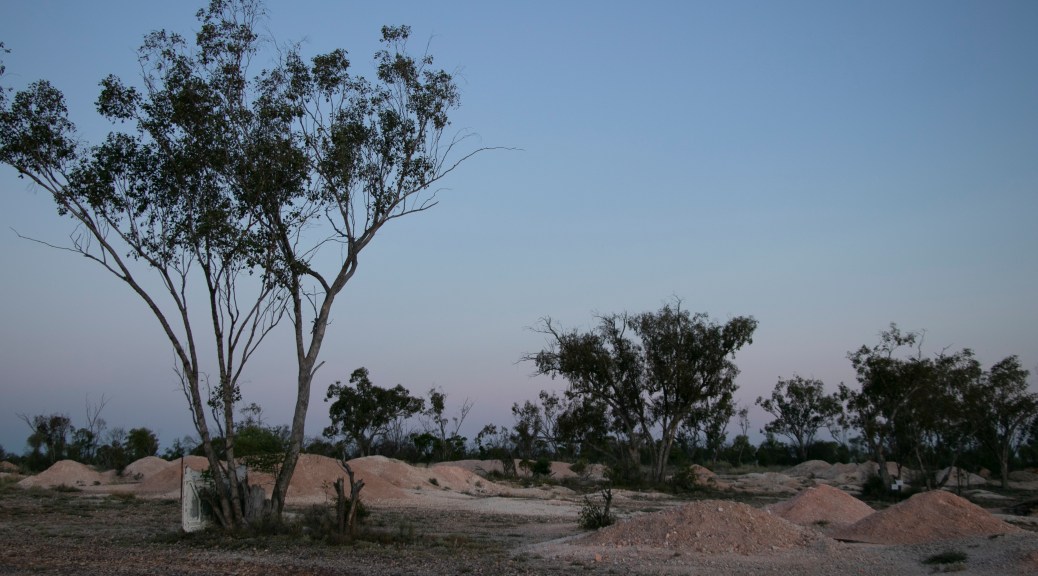
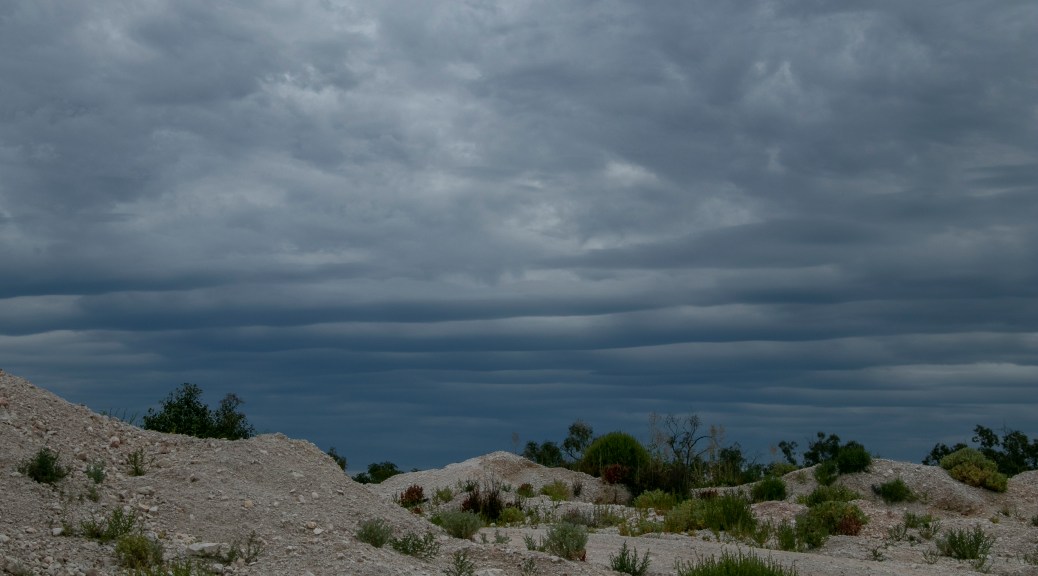
Lightning Ridge is a mining town. It is remote. It has a harsh climate. It is in ‘woop woop’ by the standards of most East Coasters. What does the land look like? A bit like this.
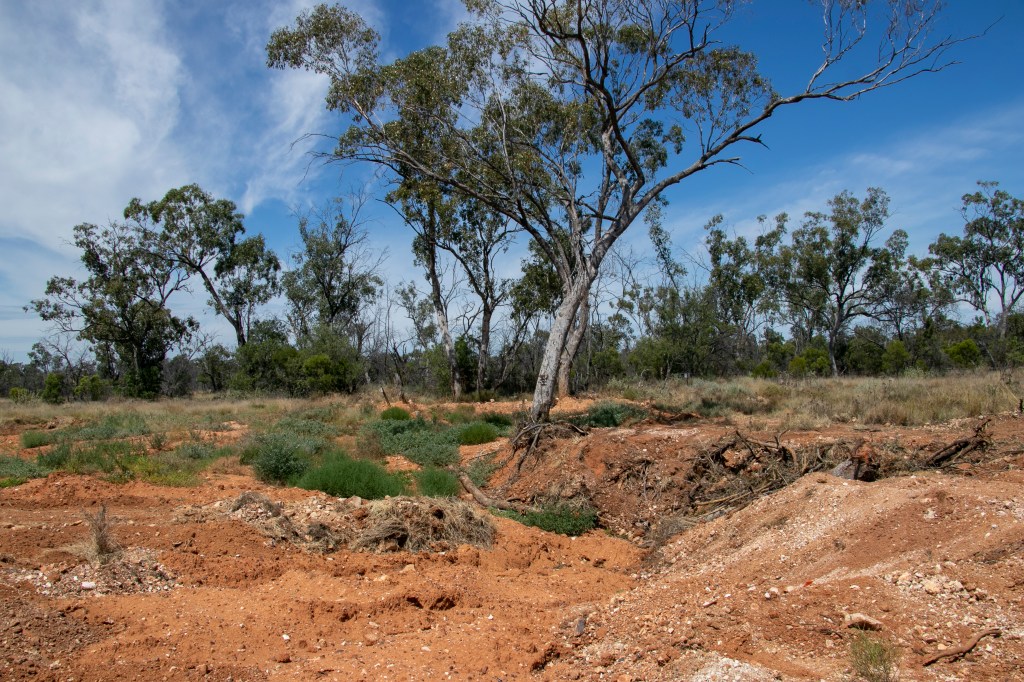
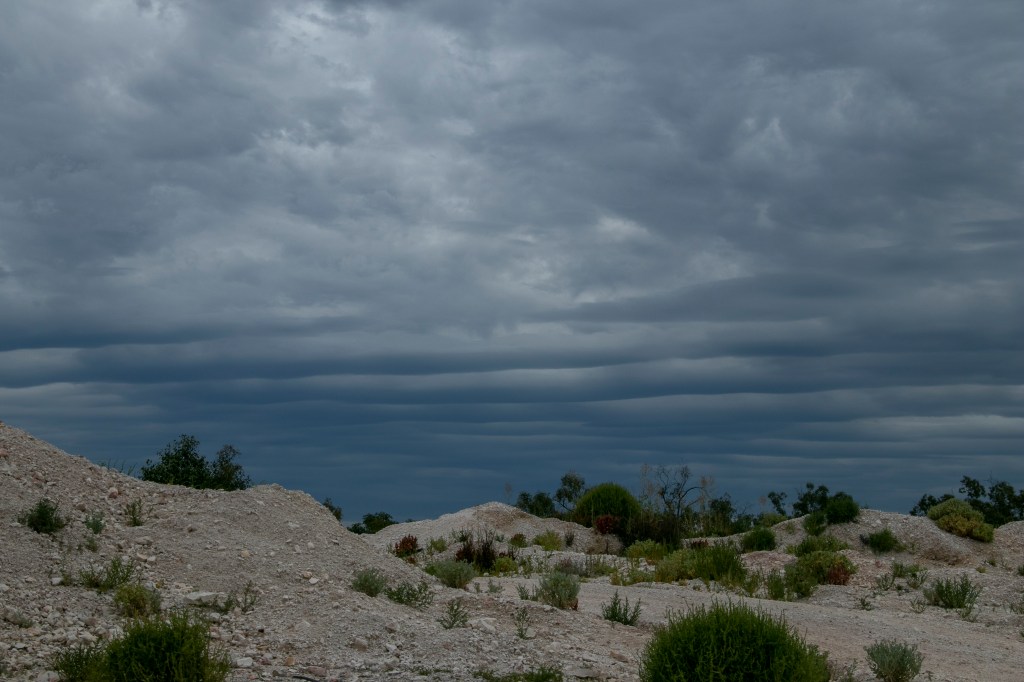
The mining that occurs around the town is usually done by individuals or small groups as opals can’t successfully be mined on an industrial scale. Hence there are no really enormous holes in the ground, just thousands of little ones.
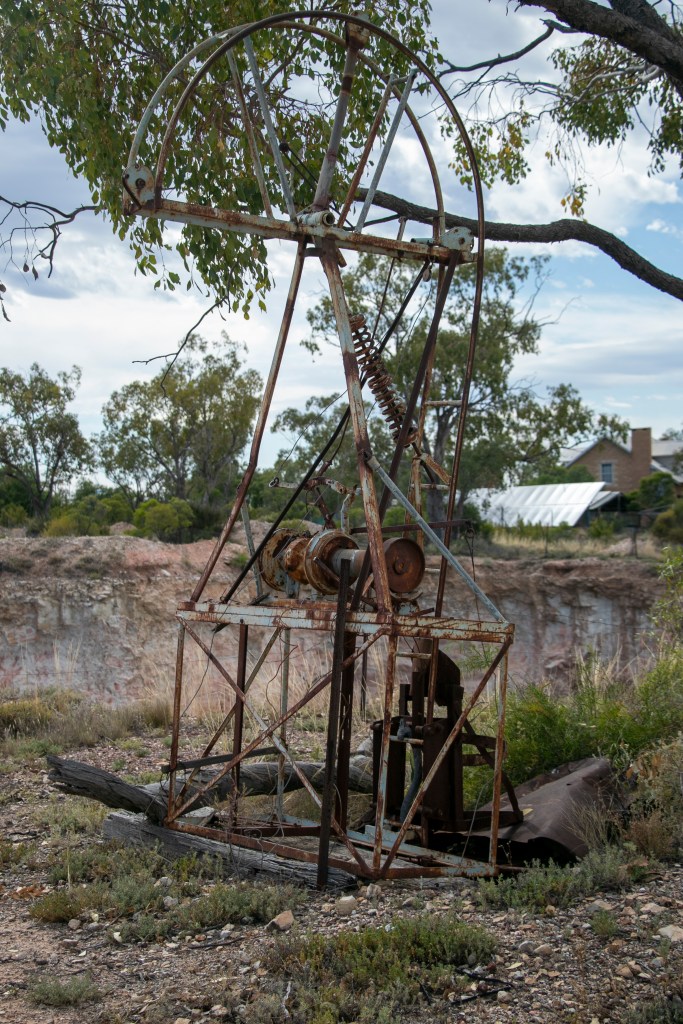
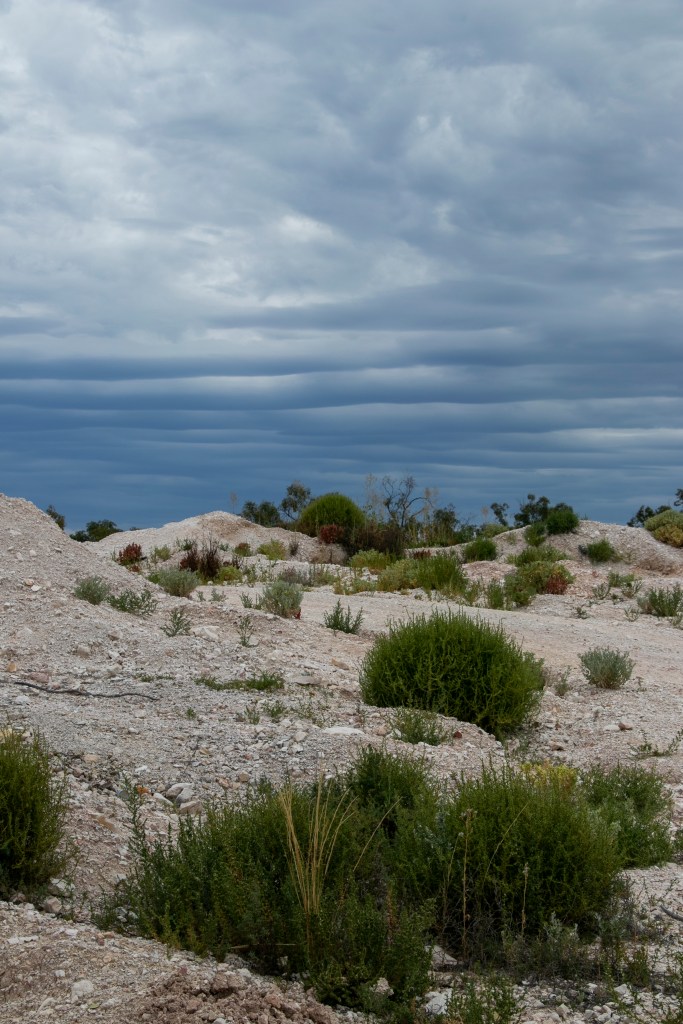
Mining is usually people’s winter ‘job’, as the high summer temperatures mean that it’s too difficult to stay year-round. In summer, they run back to the coast!

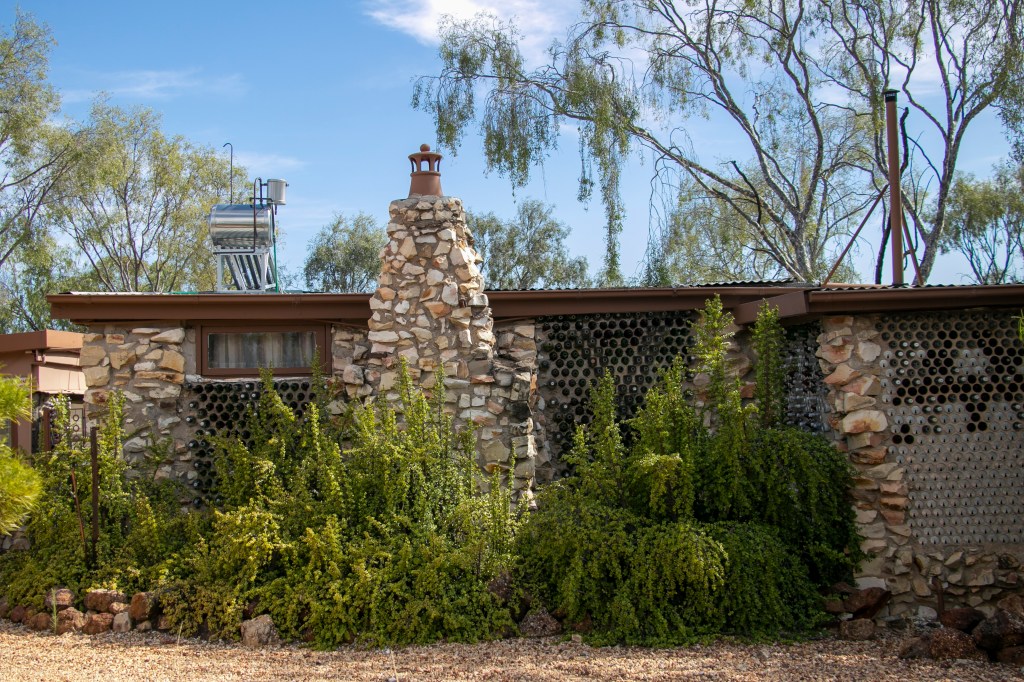
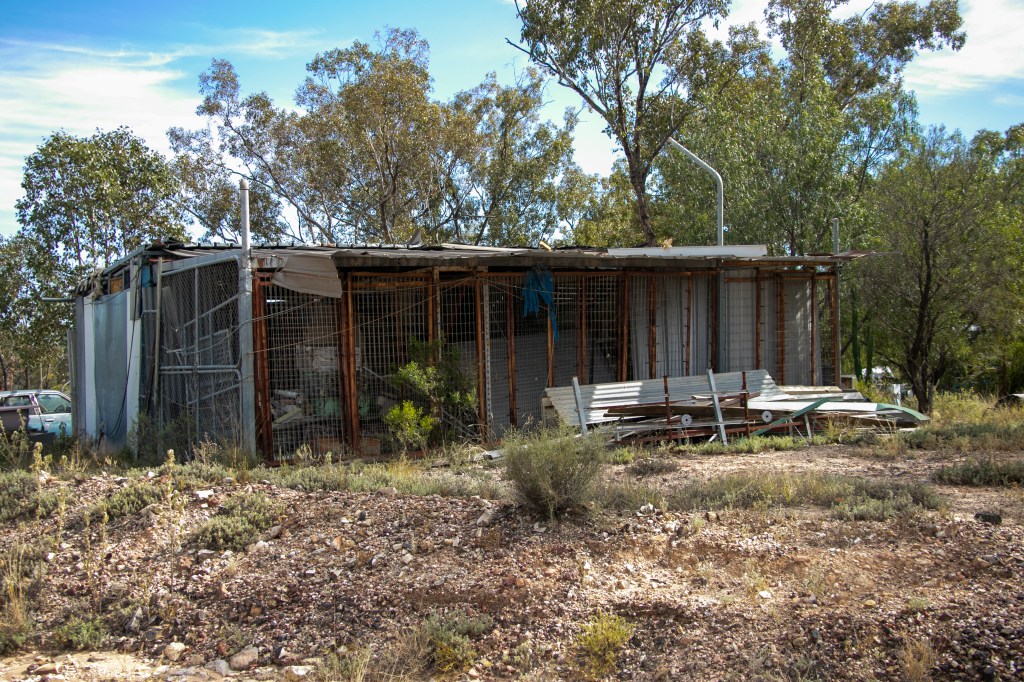
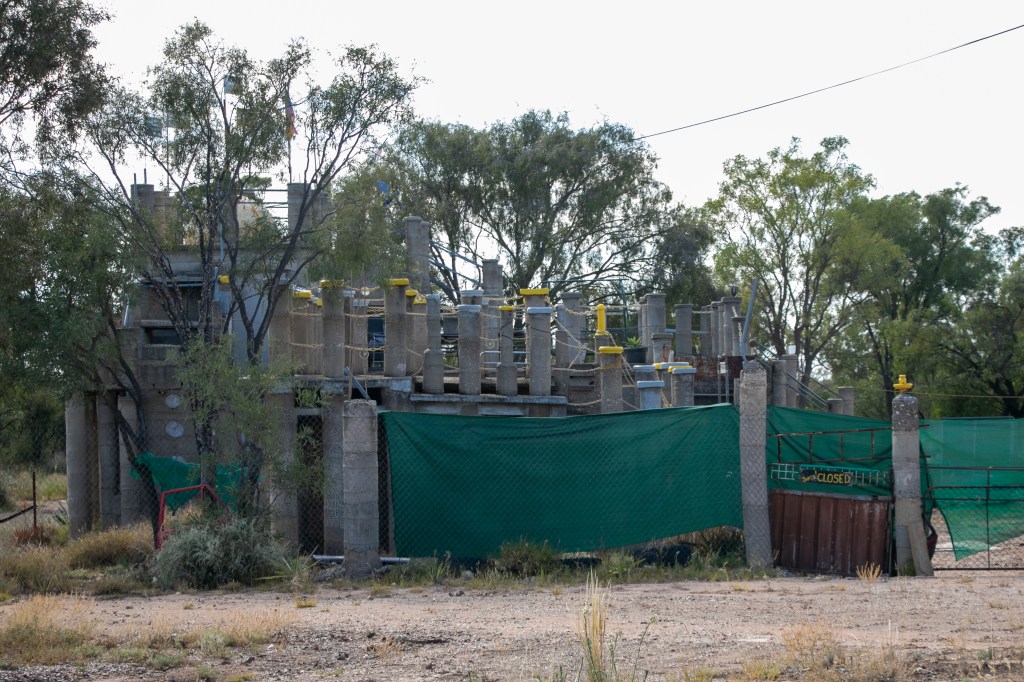
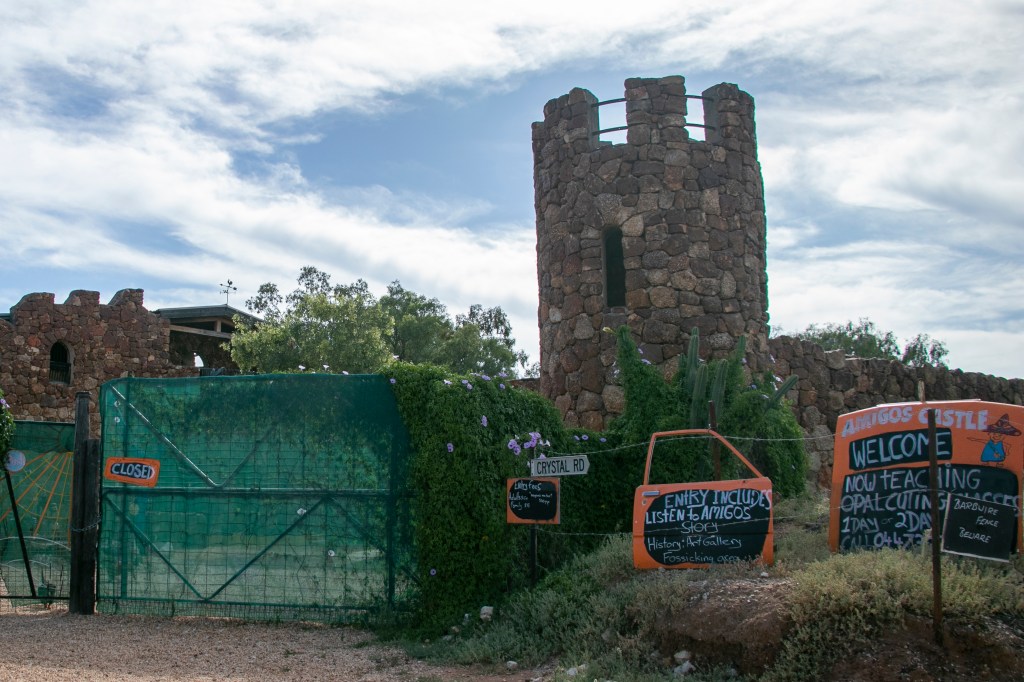
Many miners live on or near their mine ‘lease’, and council regulations appear non-existent, so they are free to build what they like. Some are so imaginative that they’re now tourist attractions.
Outback NSW – Walgett and Lightning Ridge – Part 1

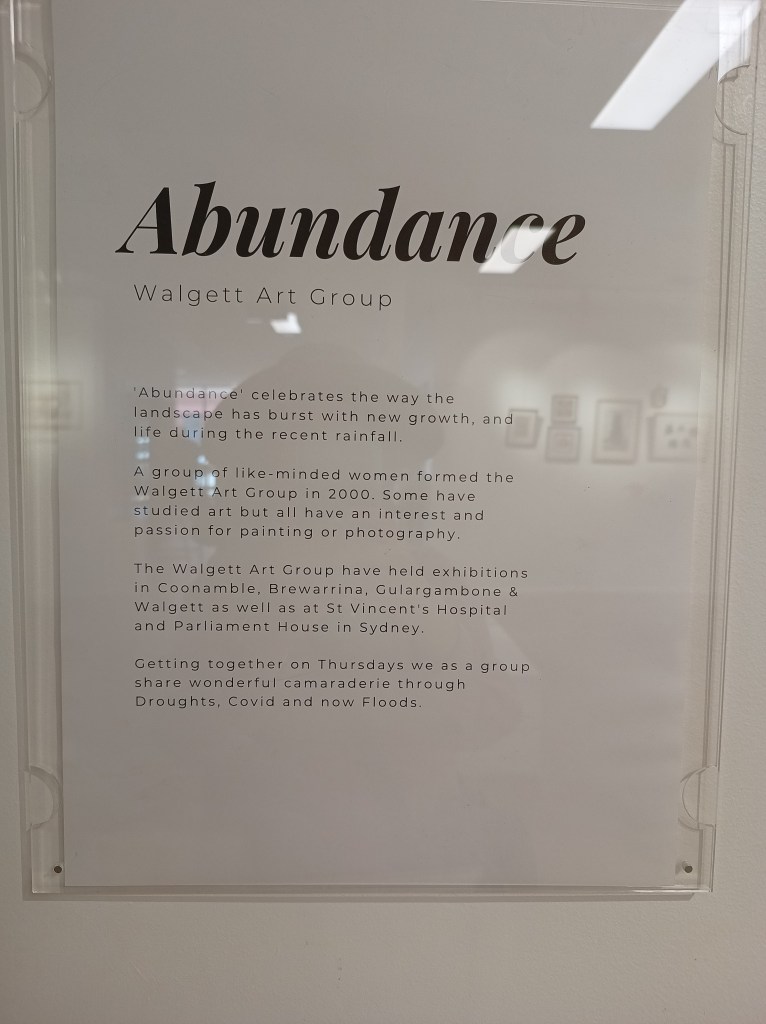
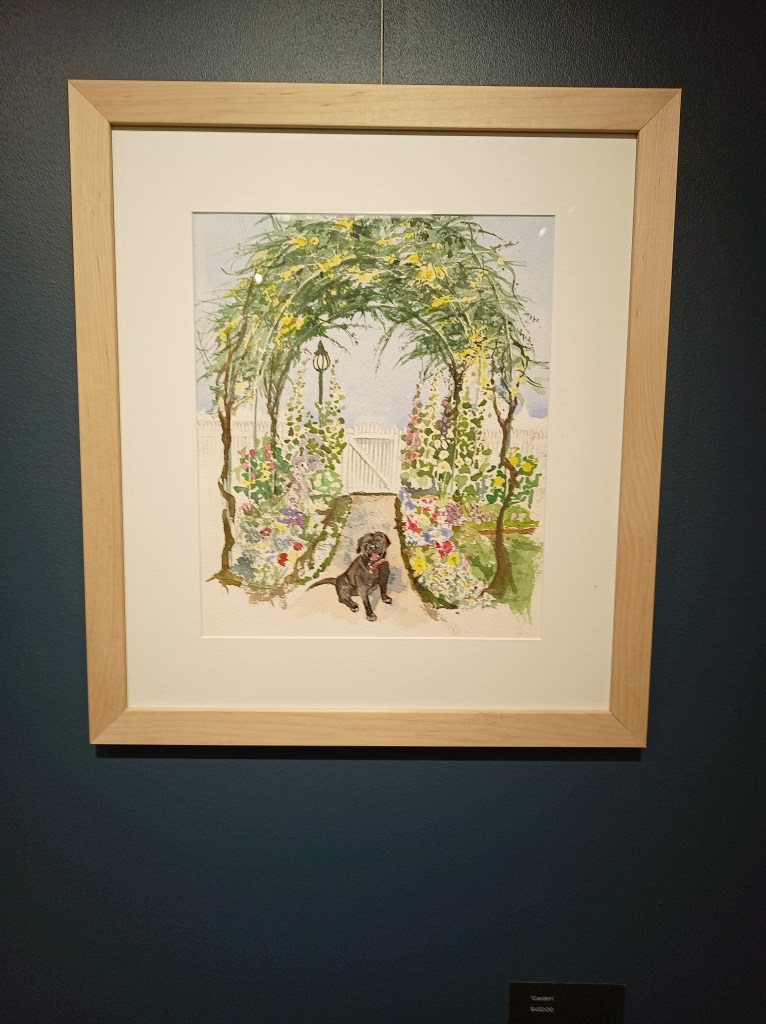
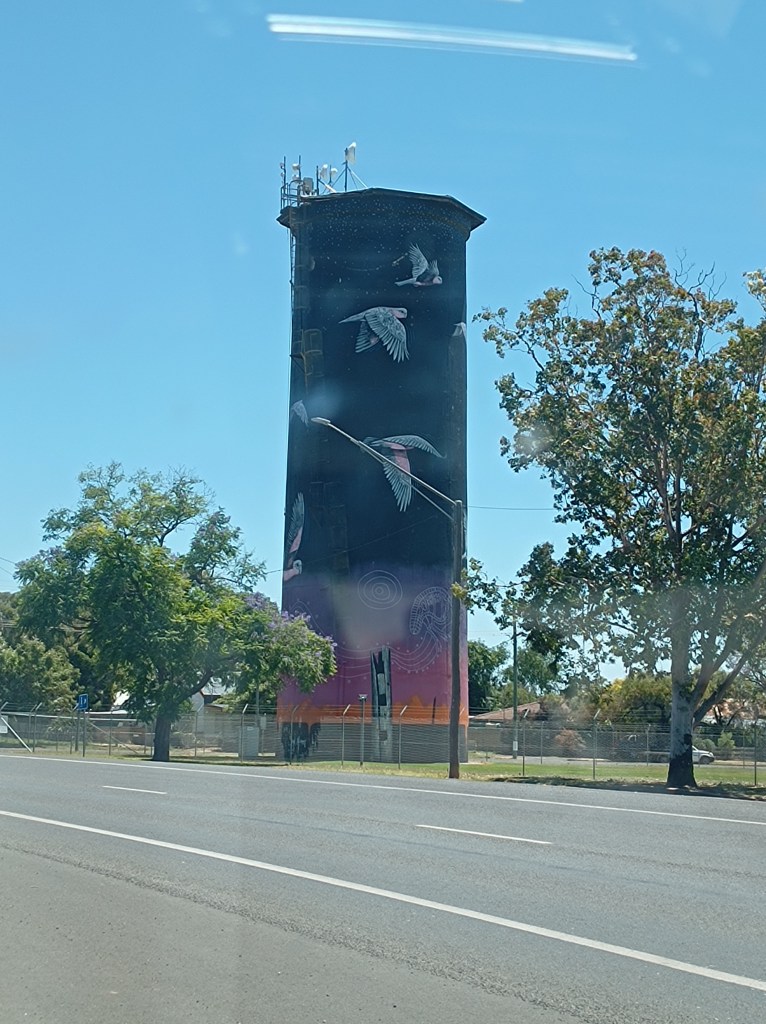
We’ll continue on our December 2022 road trip and drive further north. The next town we passed through was Walgett. It didn’t have any real architectural marvels, but it was a busy, sizeable town. And it had a bit of art with a painted silo and a little art gallery.

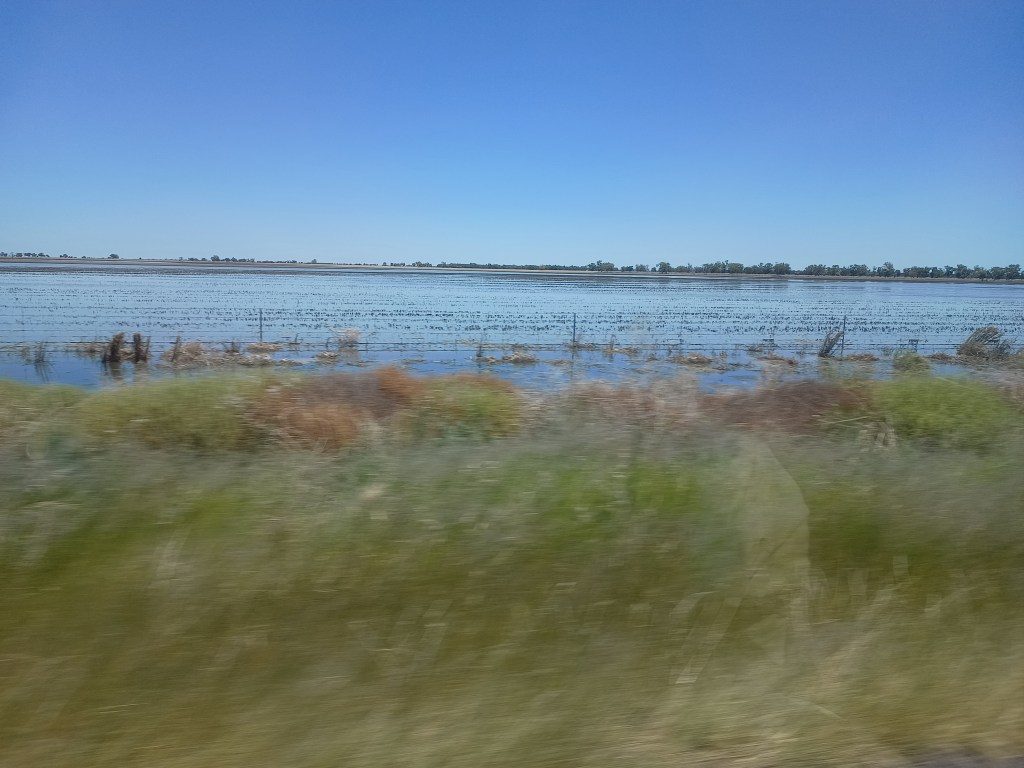
Beyond Walgett, we drove on a very straight and flat road, and saw evidence of the Q4 2022 floods in the surrounding coutry-side.

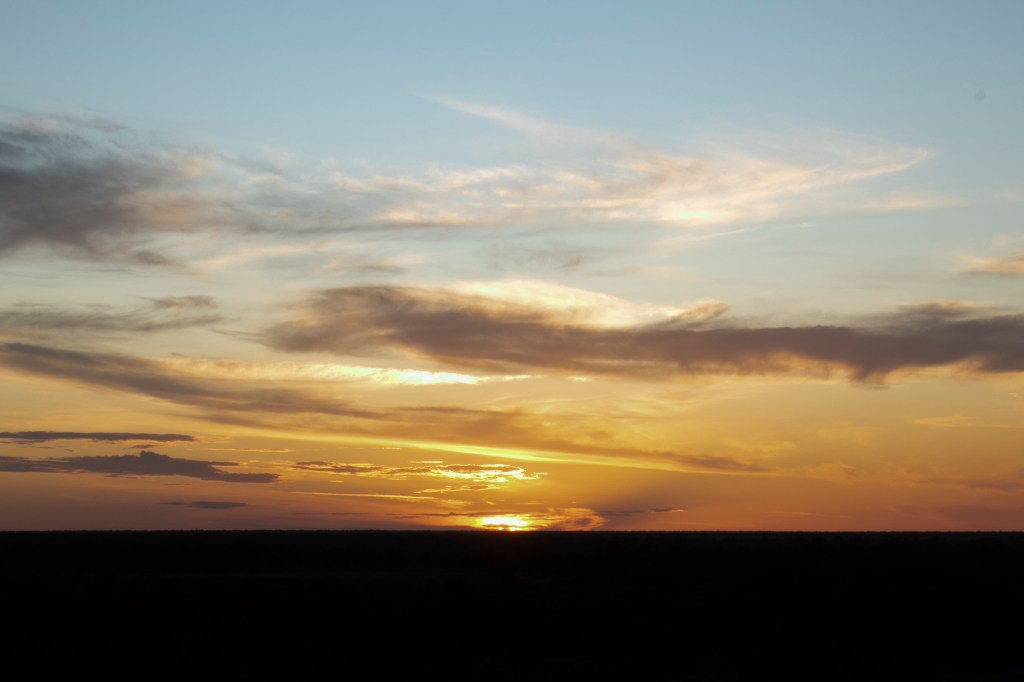
We arrived at Lightning Ridge late in the afternoon, in time to view the sunset. Lightning Ridge is an opal mining town and proper outback country, and we’ll explore it in the following post or two.

Outback NSW – Coonamble

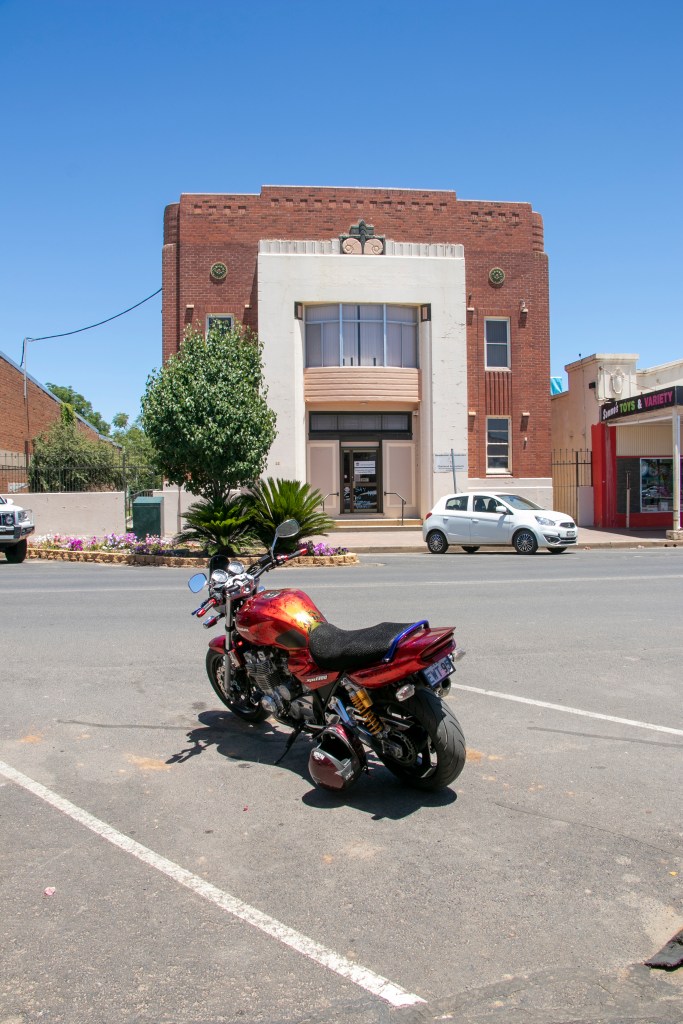
About 100km up the road from Gilgandra is the town of Coonamble. It is a small agricultural town of around 2,700, grazing sheep and cattle. We visited in early December so it was decidedly hot in the middle of the day.

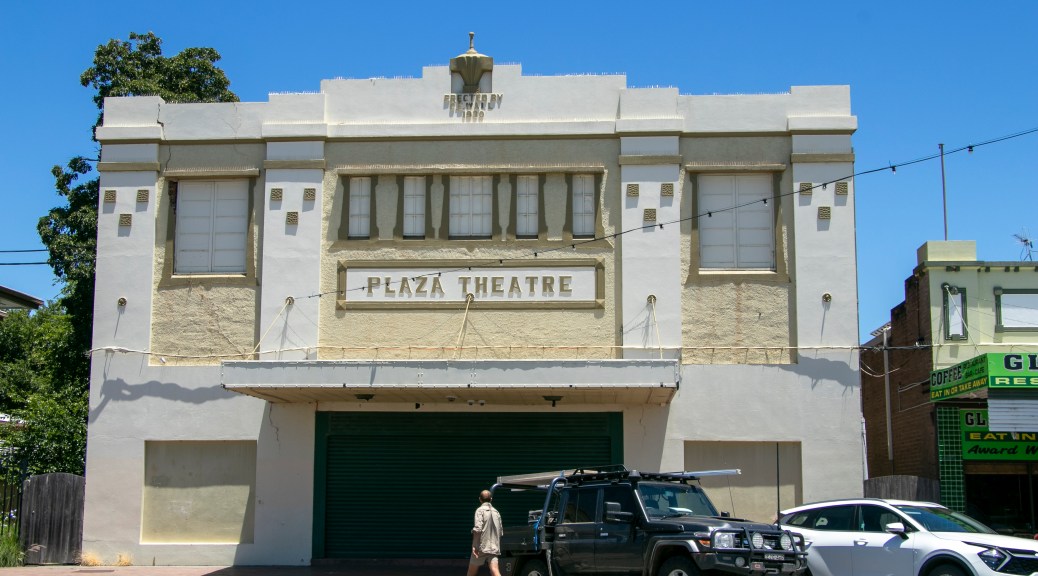
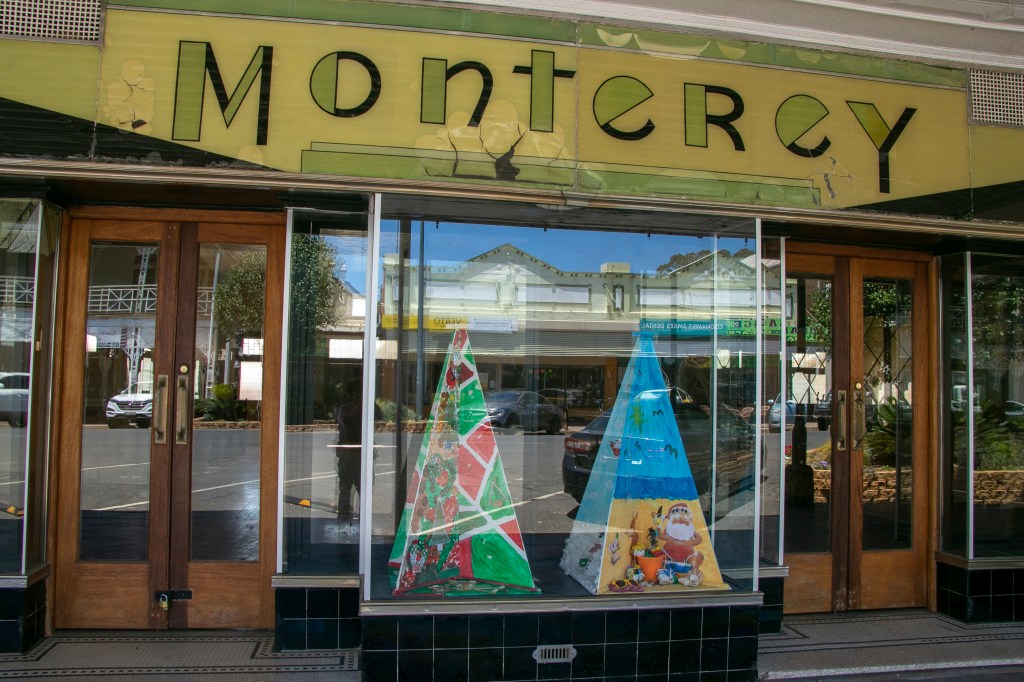
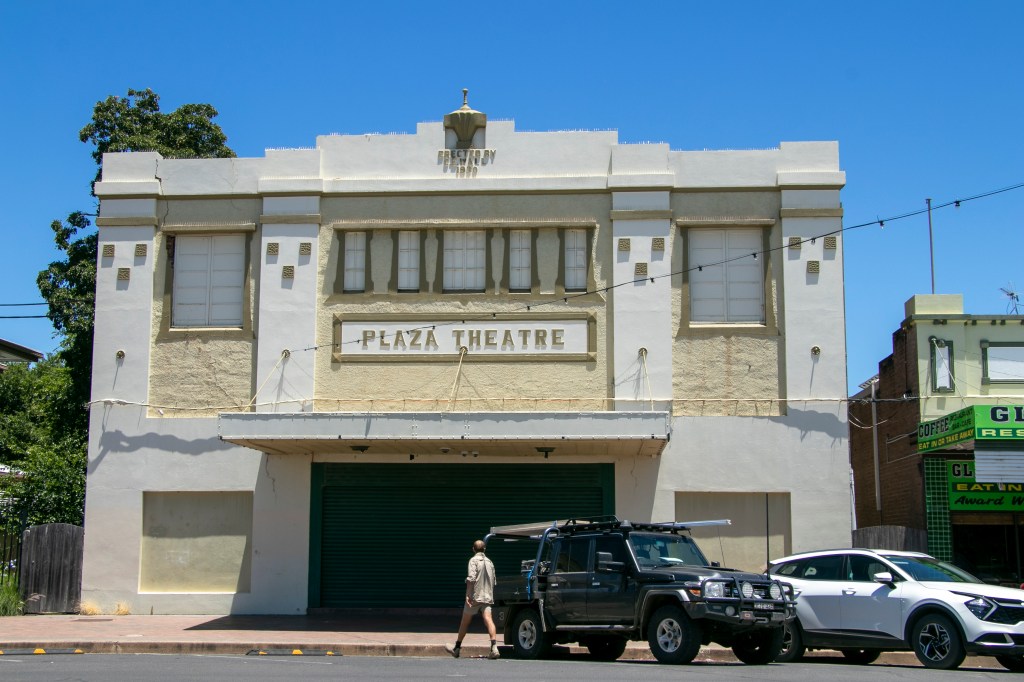
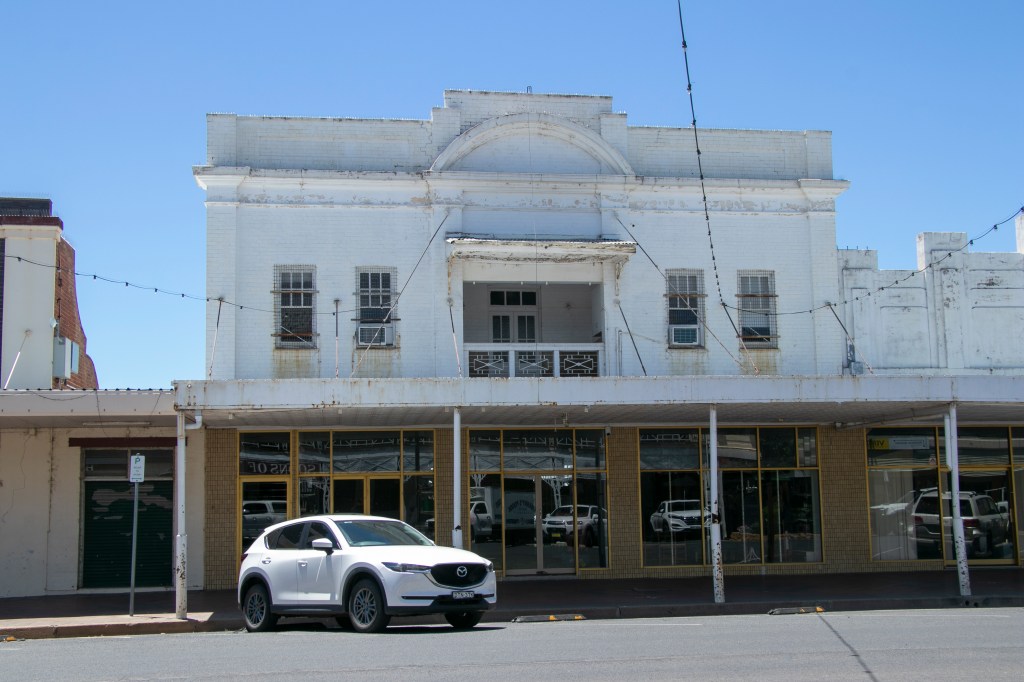
The town itself is home to some lovely art deco architecture.

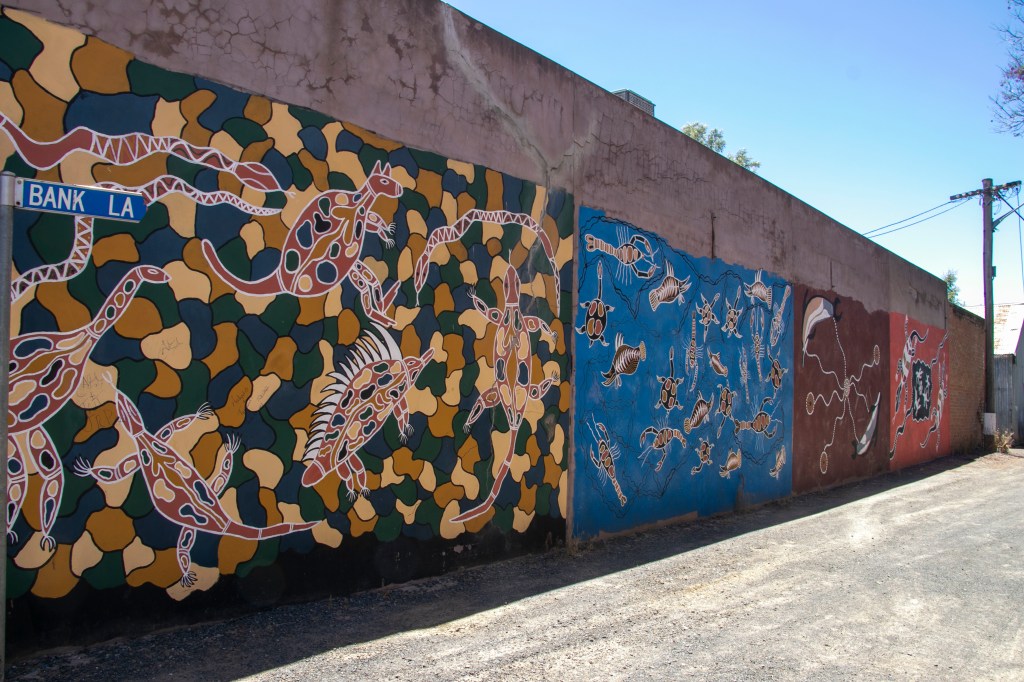
It is also home to a sizeable First Nations population, namely the Wailwan and Gamilaroi nations.

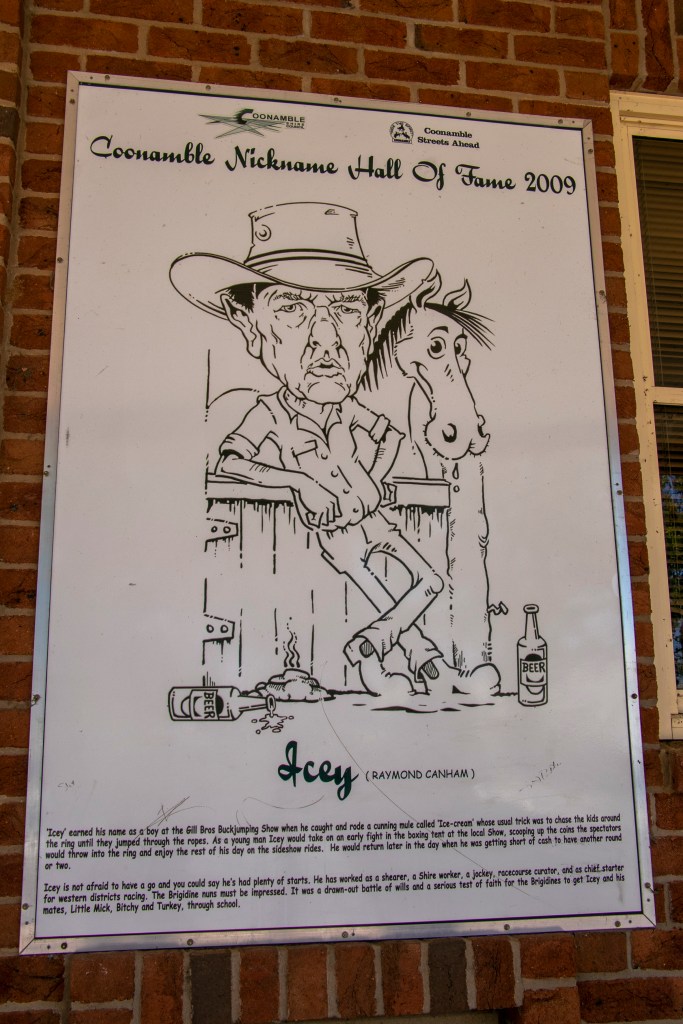
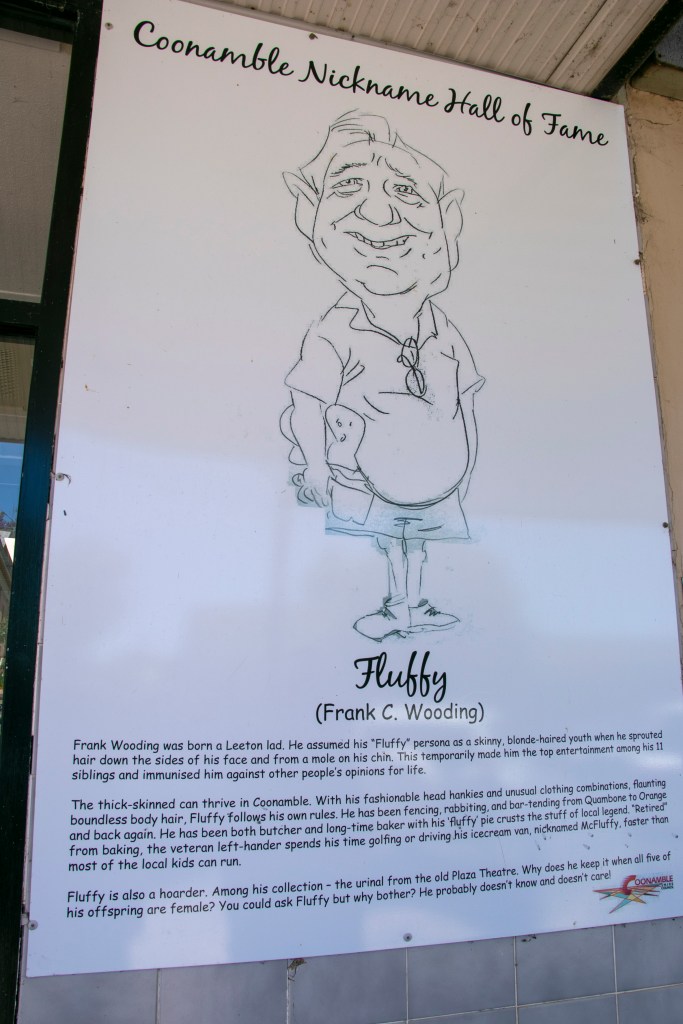
Country towns are full of characters, and Coonamble decided to commemorate many of them on plaques all around the main street. They’re distinctly… Australian.