Tag Archives: natural history

Mungo National Park – Part 5

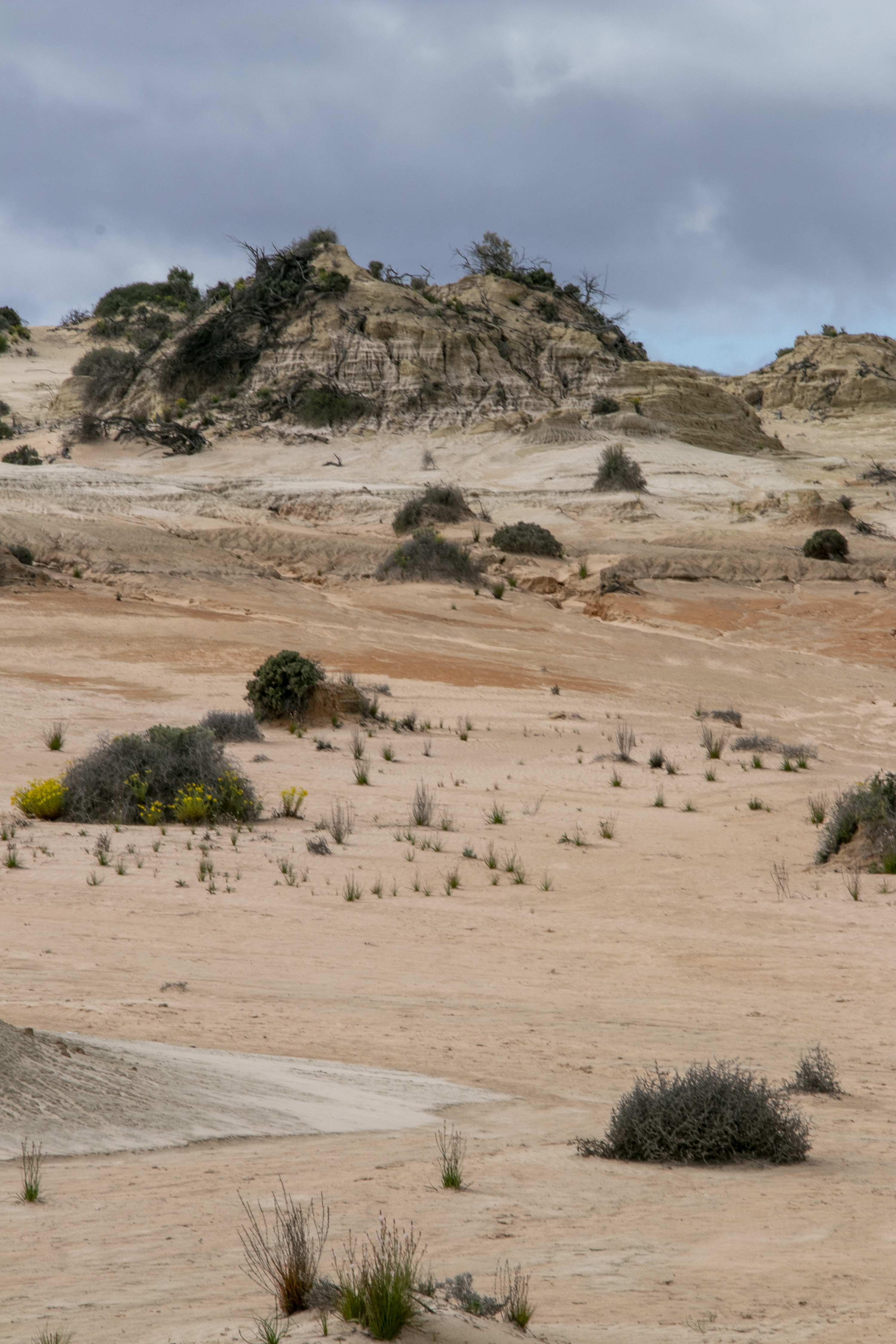
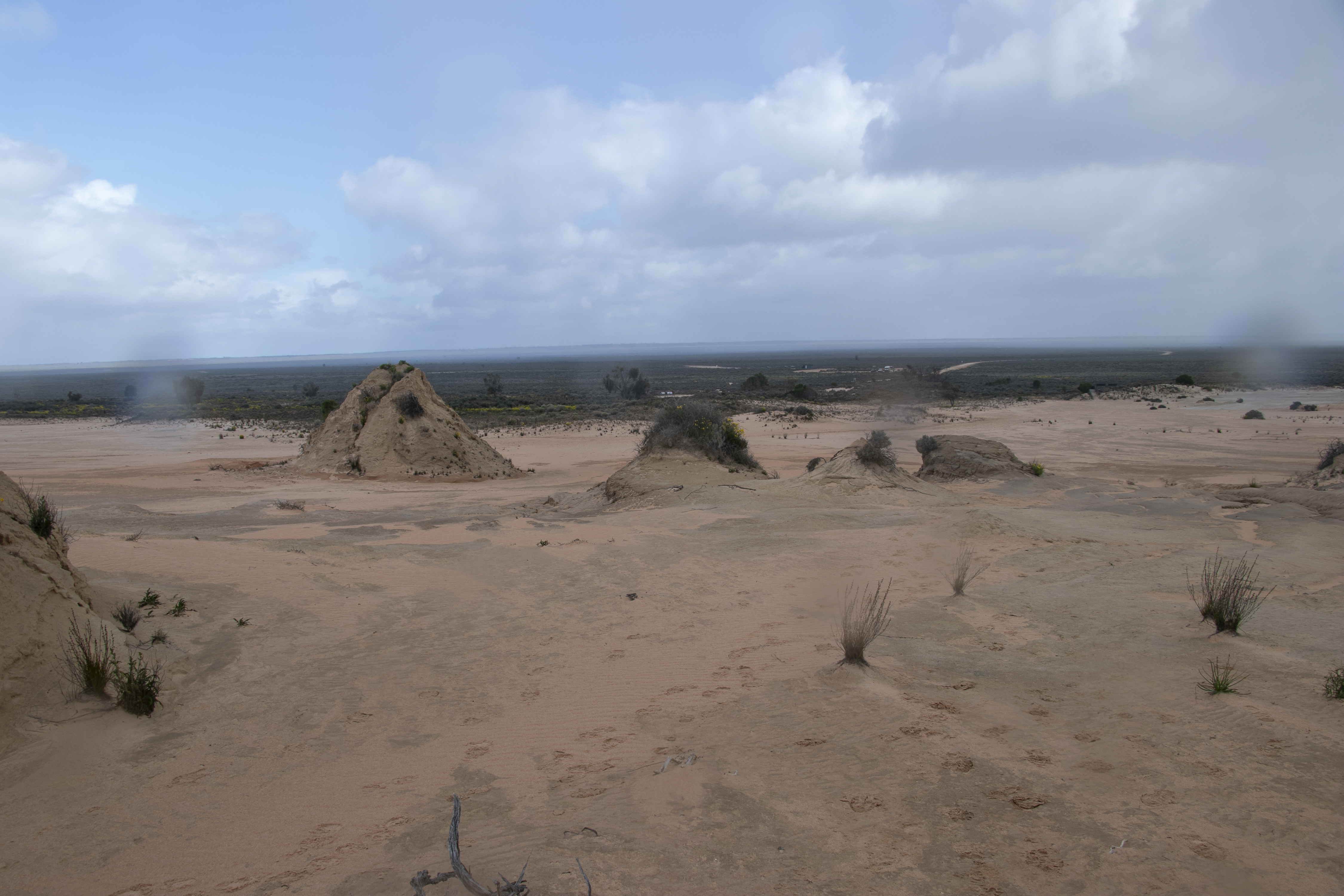
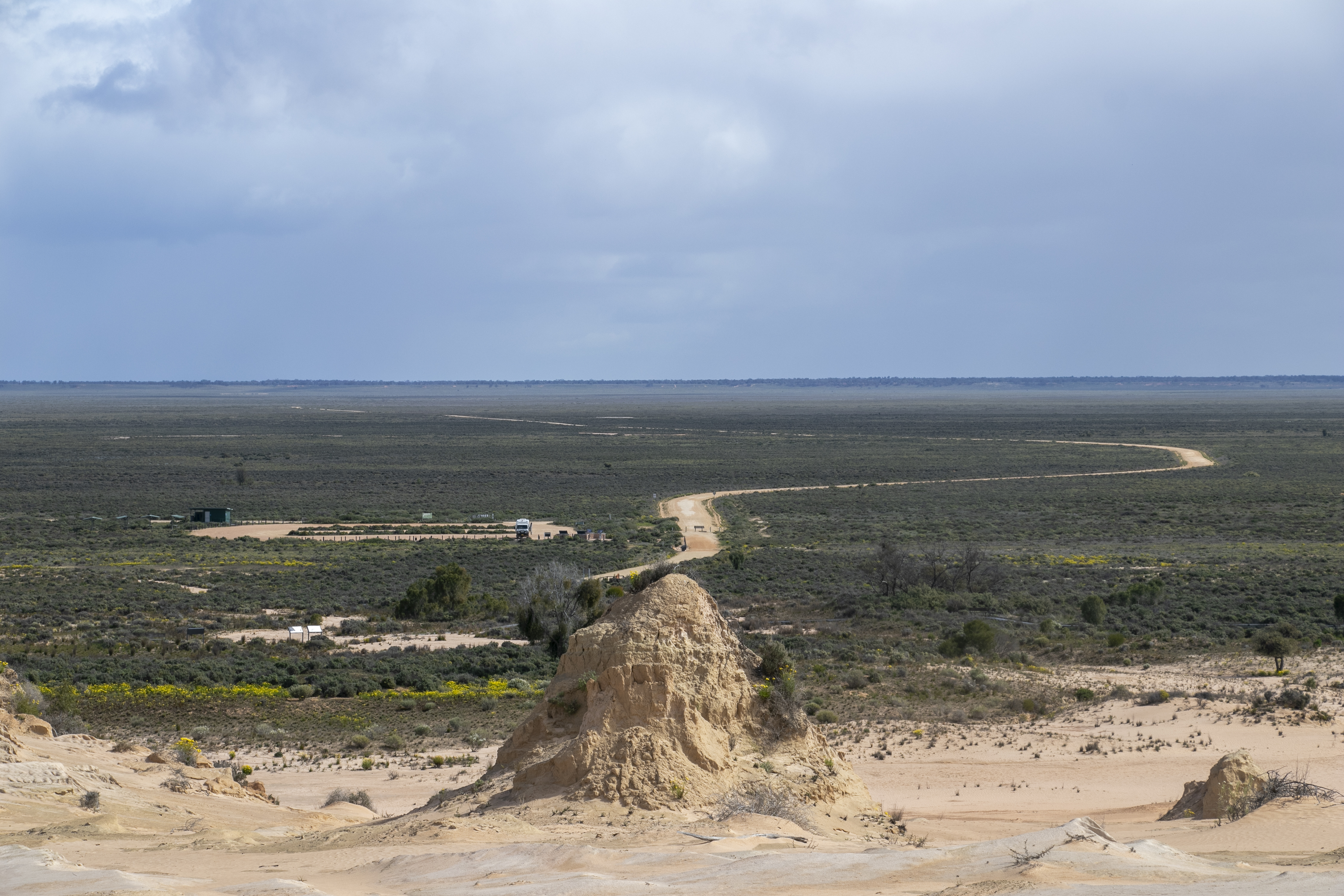
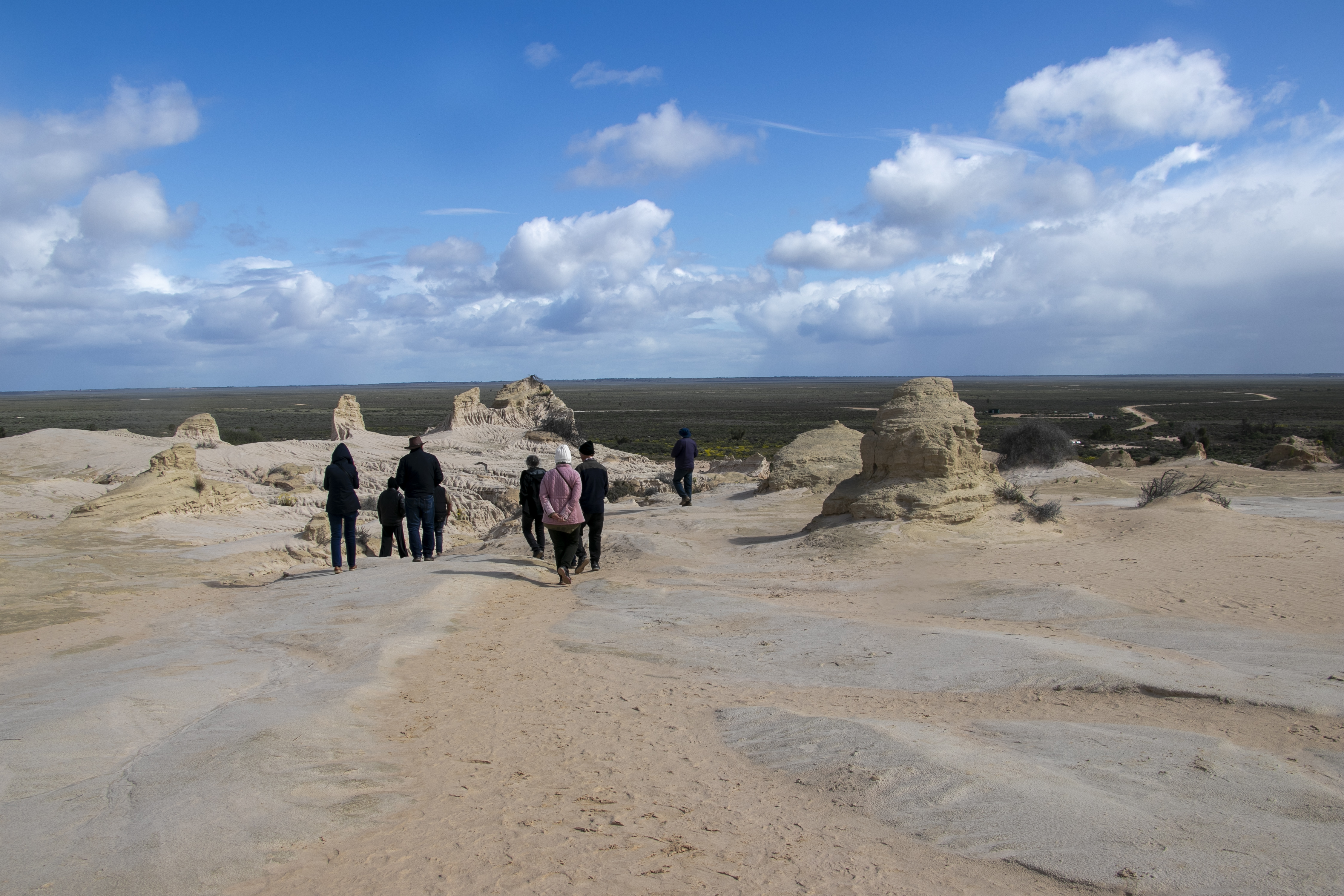
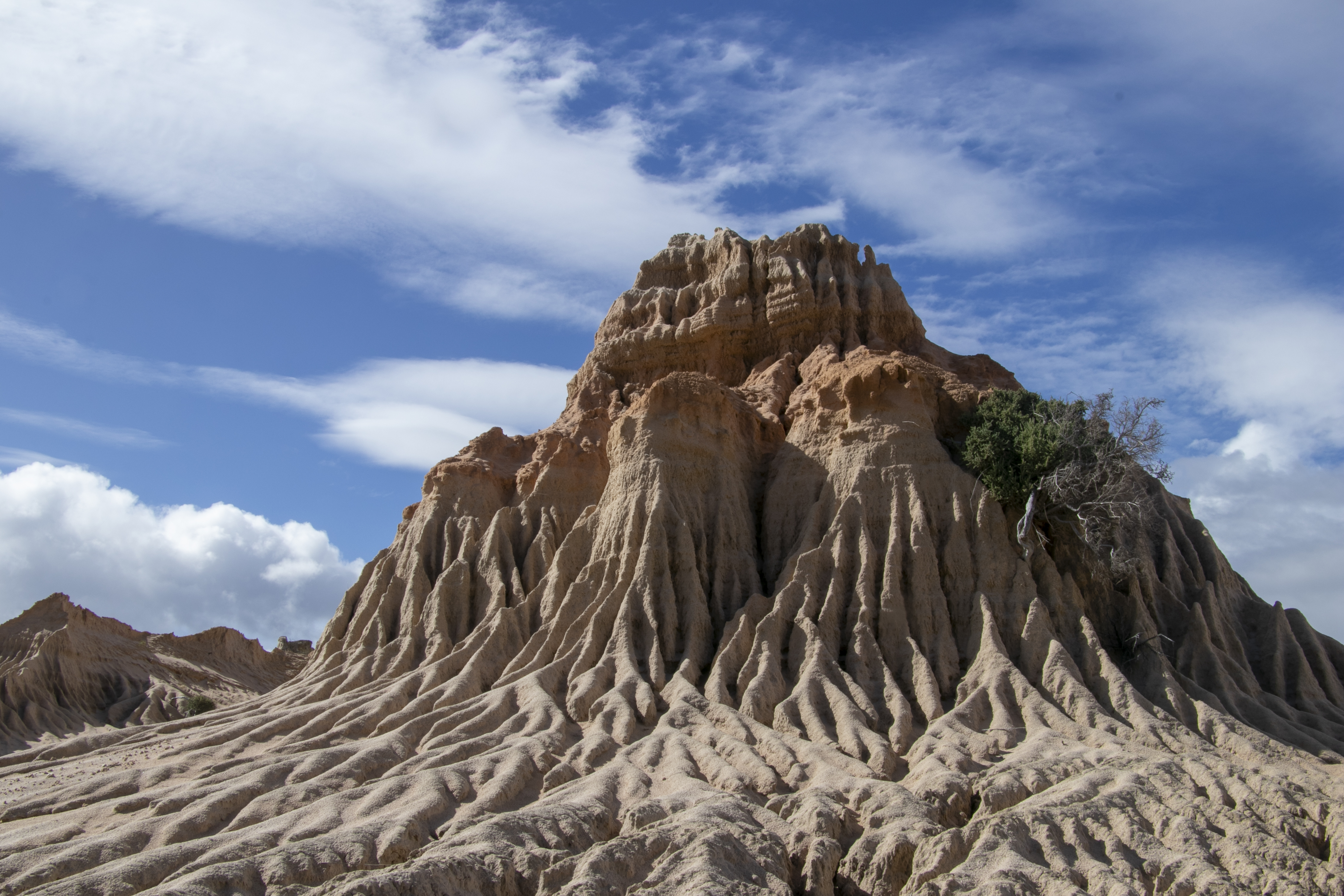
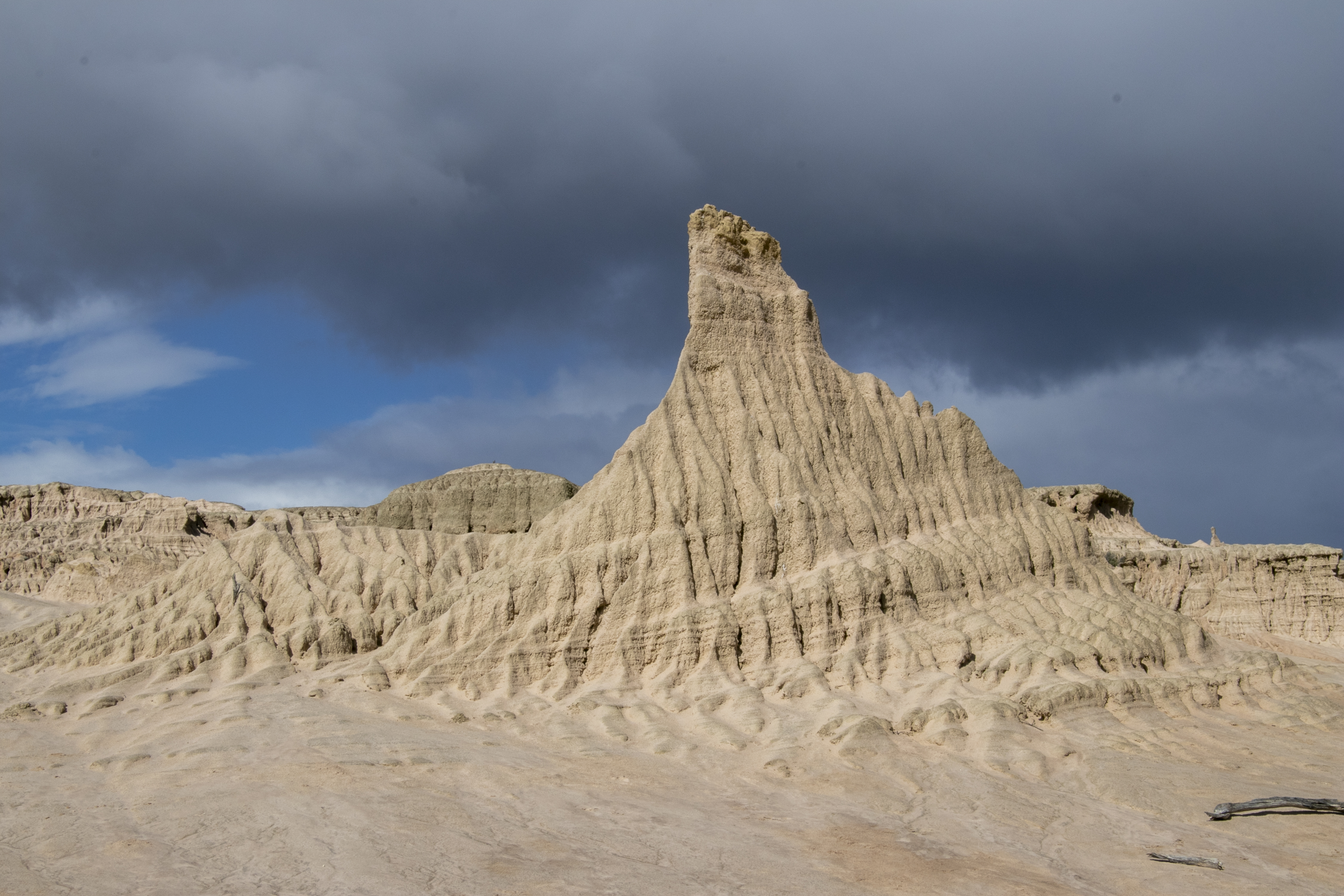
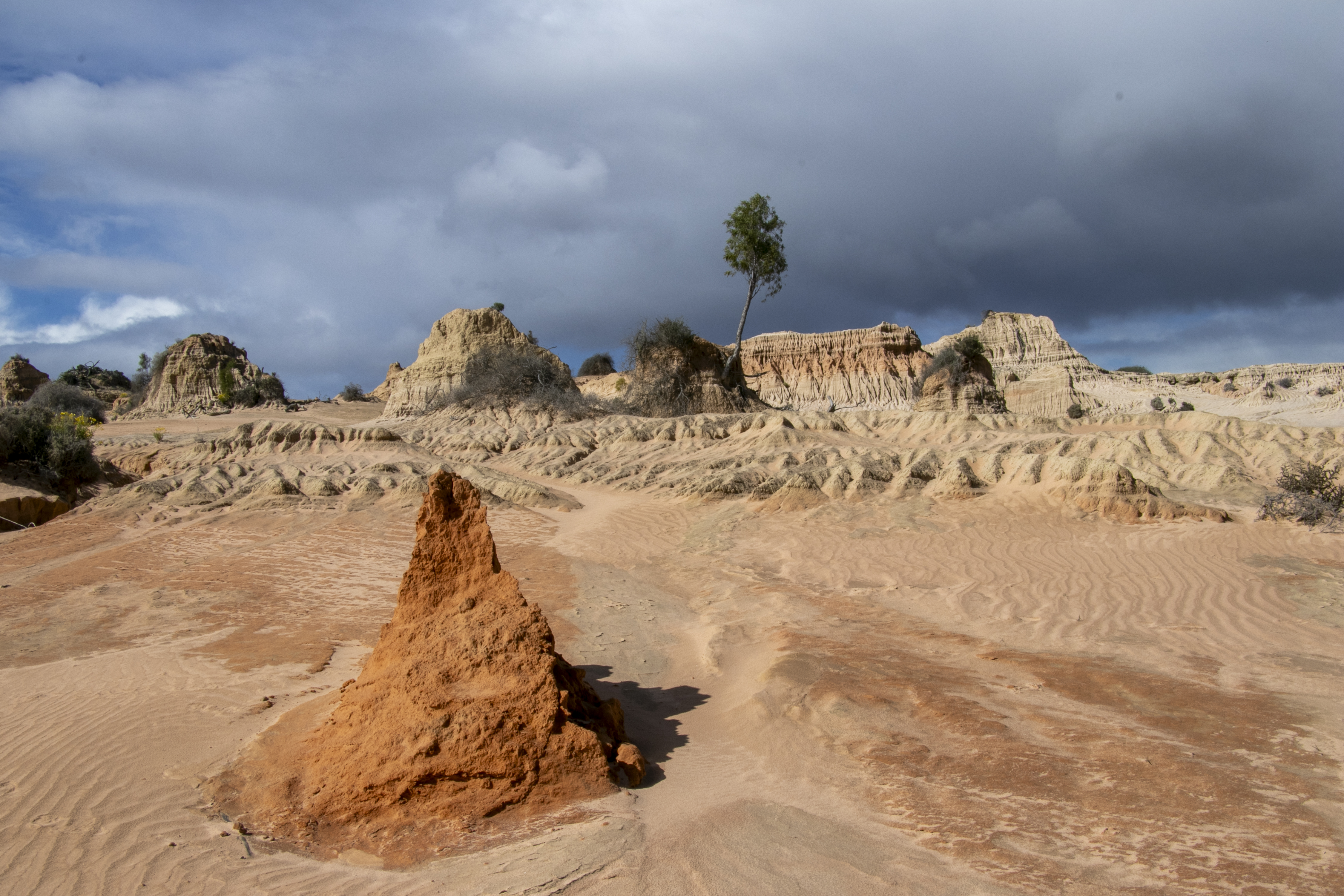
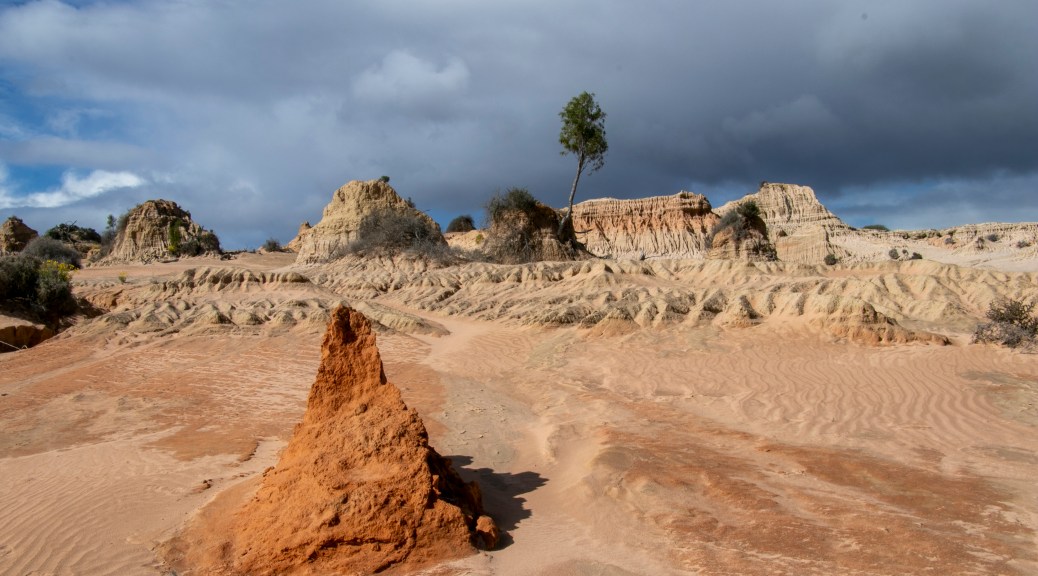
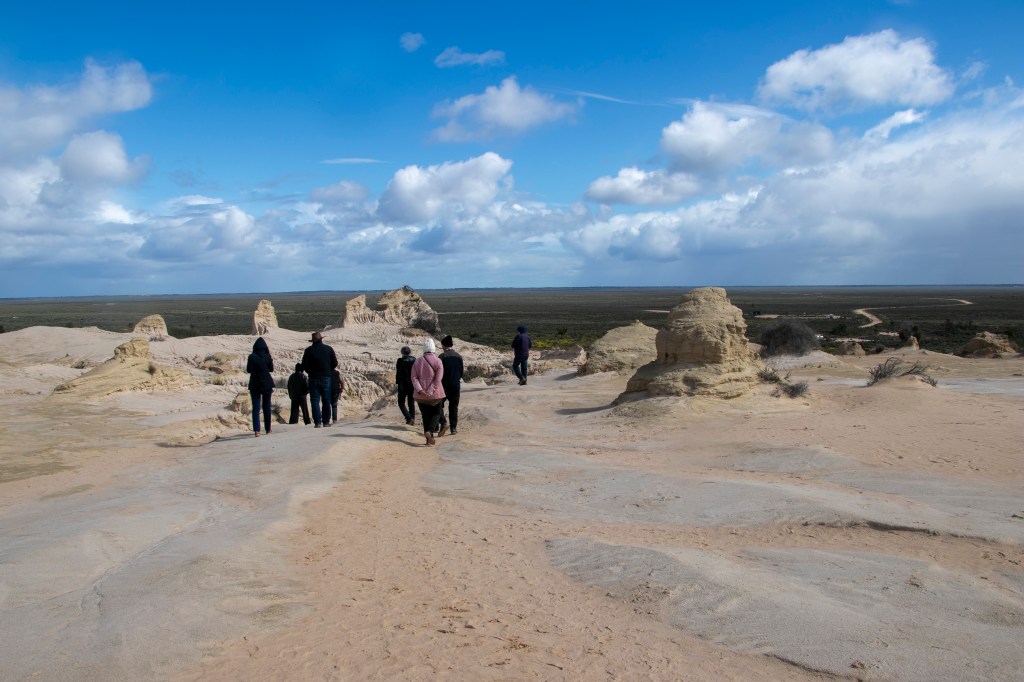
It’s been awhile between posts (life got in the way) but I do have a few more things to say about Mungo National Park. Today, we’ll take a walk among the dunes that is the ‘Wall of China’. This was part of a guided tour – you are not allowed to walk among the dunes on your own as the environment is very fragile.

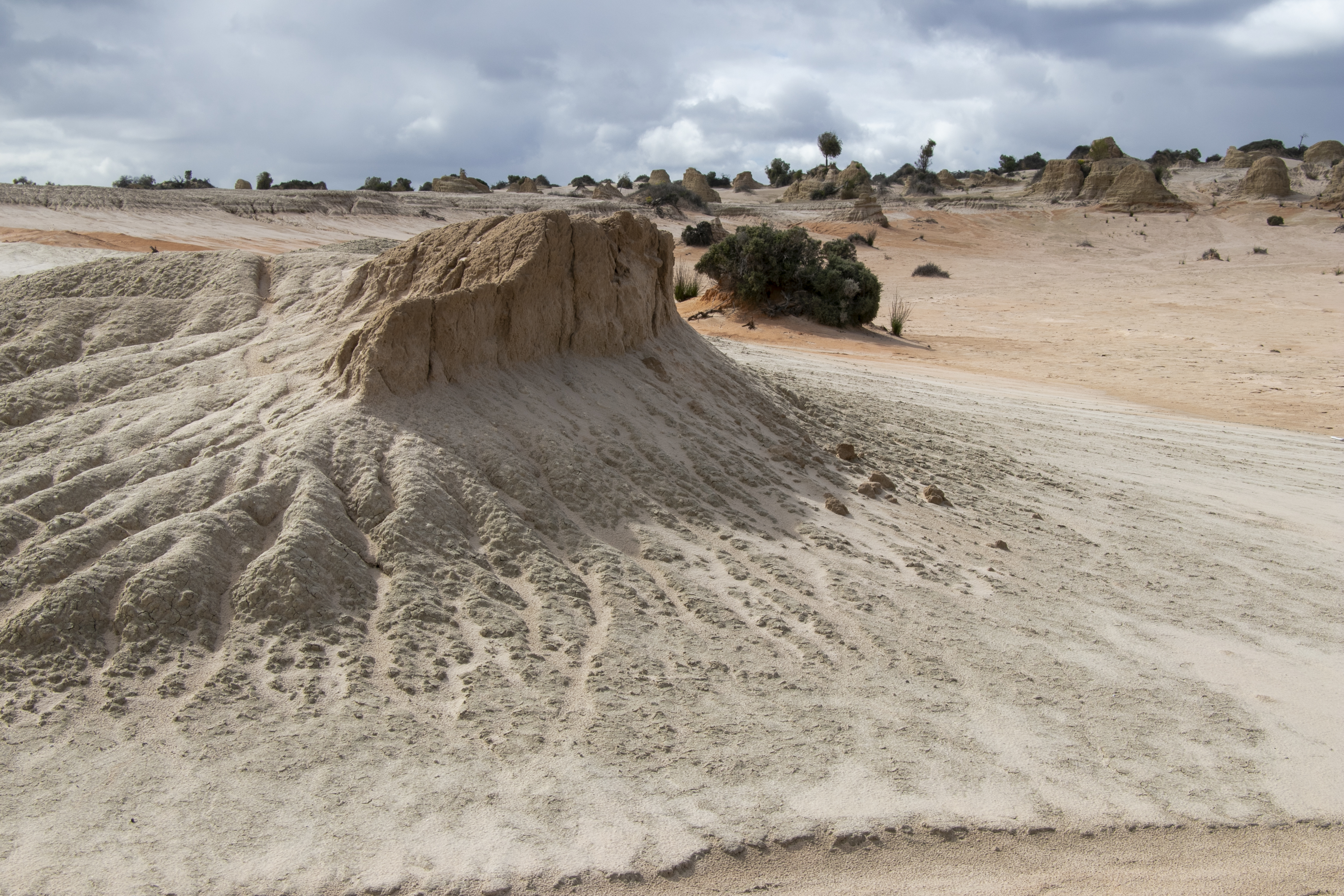
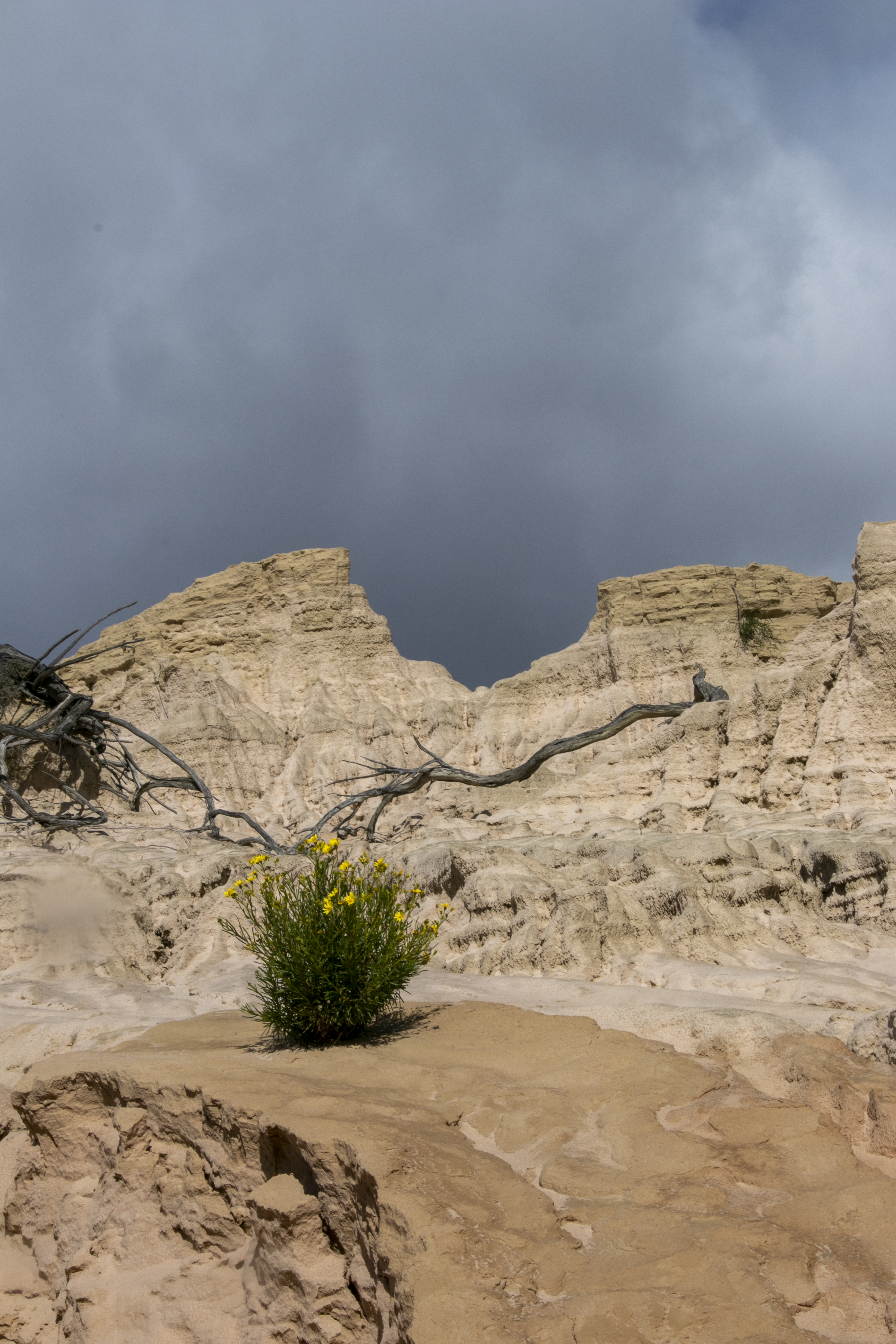
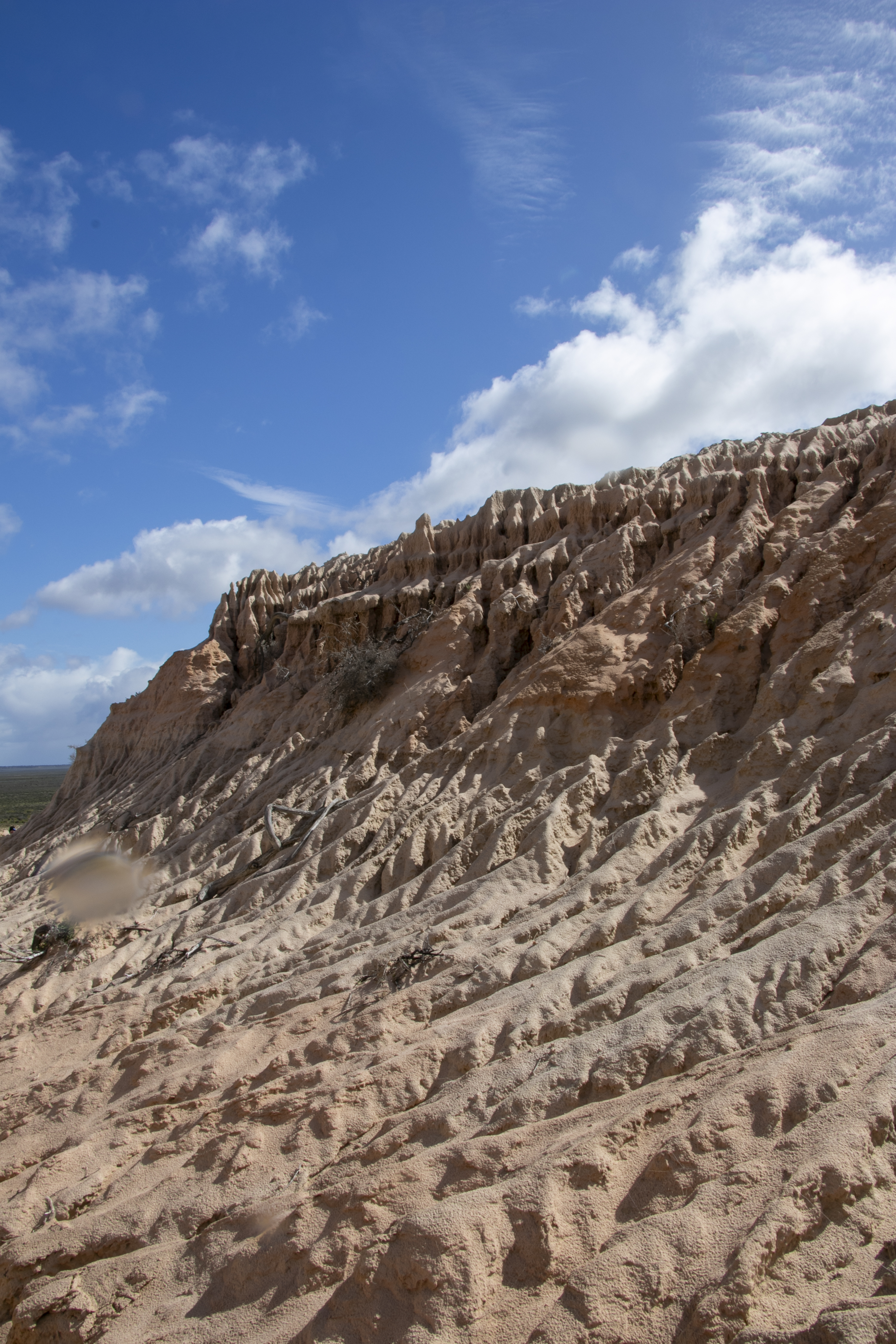
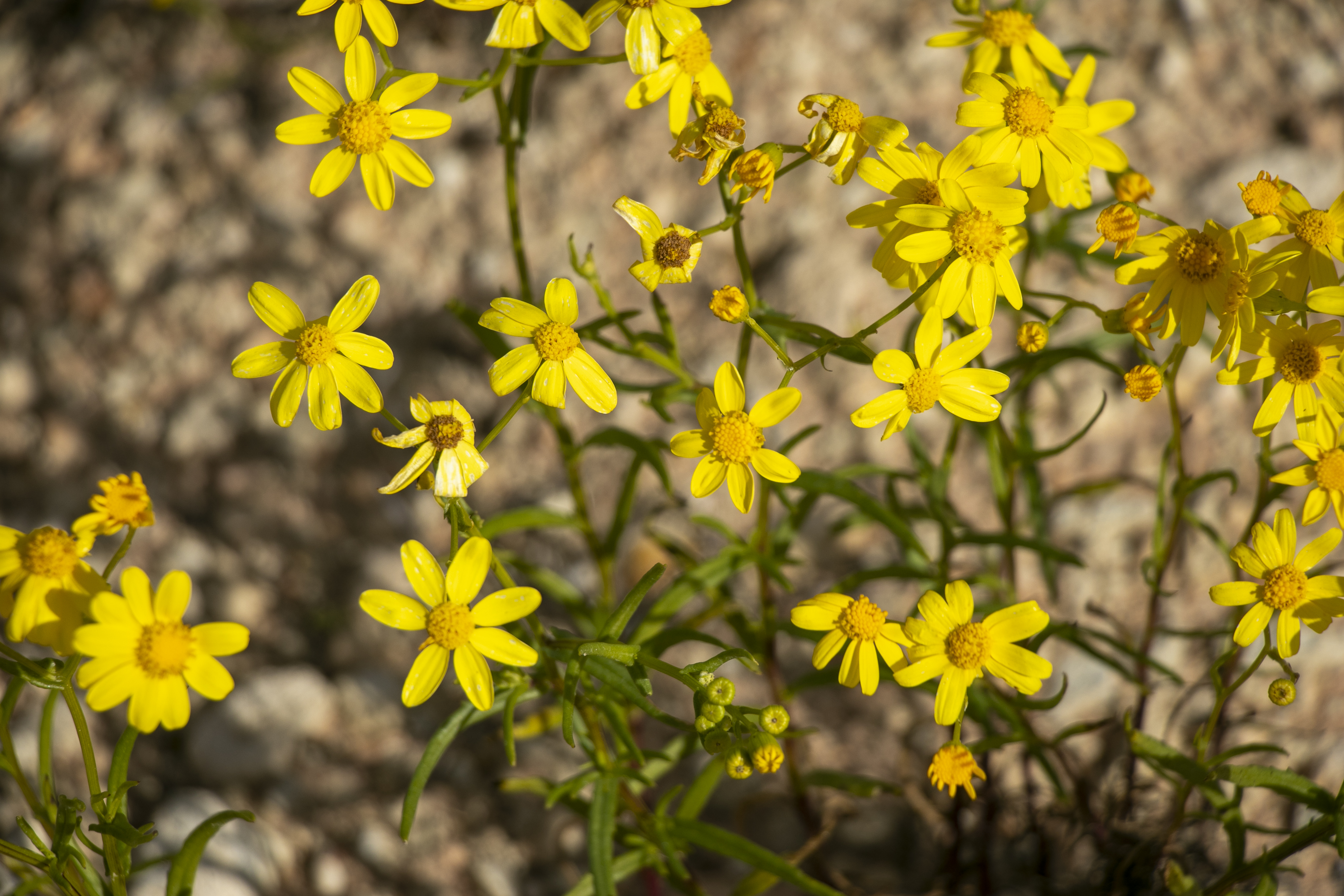
We first walk along the flat lake bed before ascending into the dunes. Surprisingly, we see some very hardy flowers growing there. The dunes comprise of different layers – the top is a very soft white sand, the layers underneath are ochre in colour. The elements have also create lots of interesting formations.
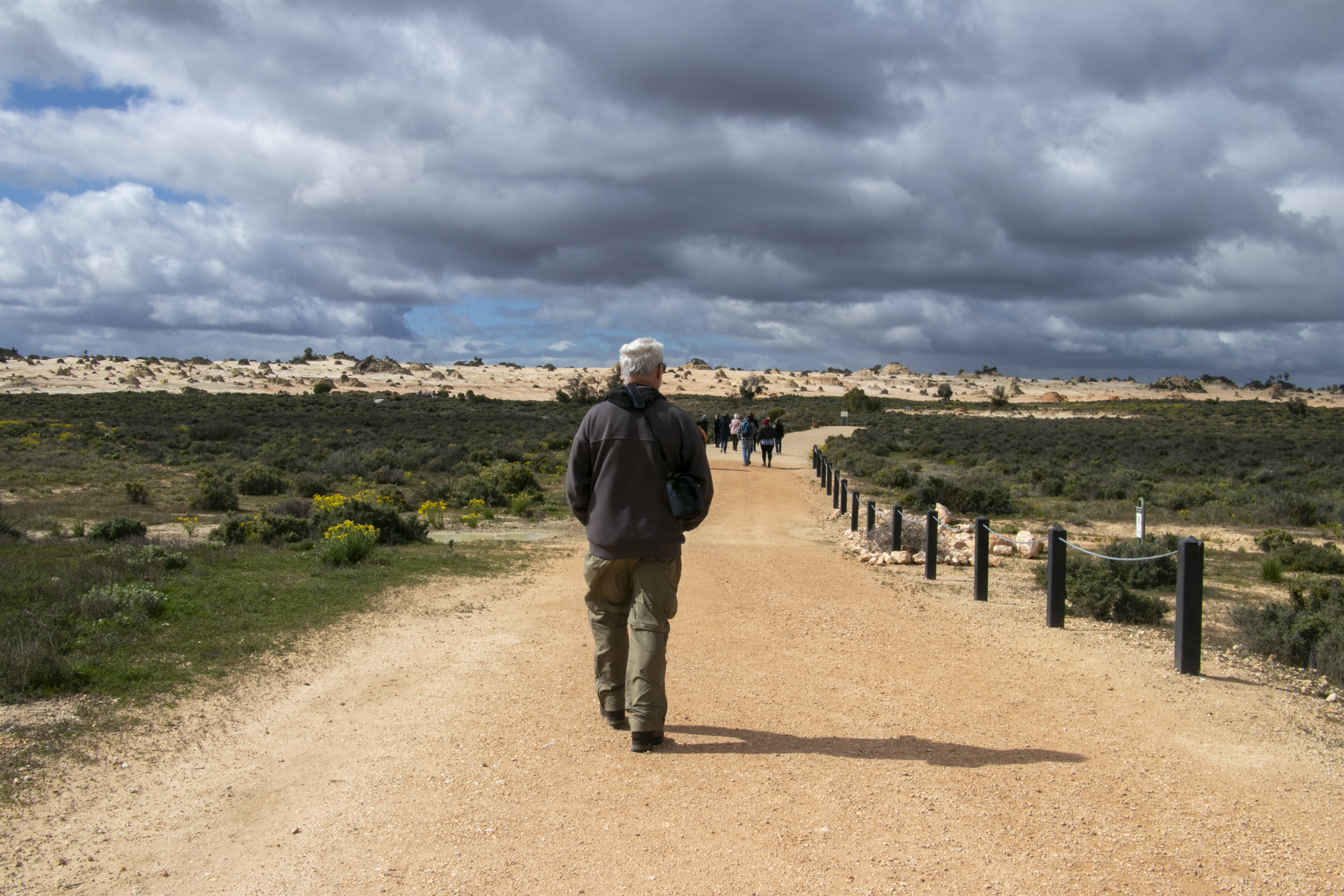
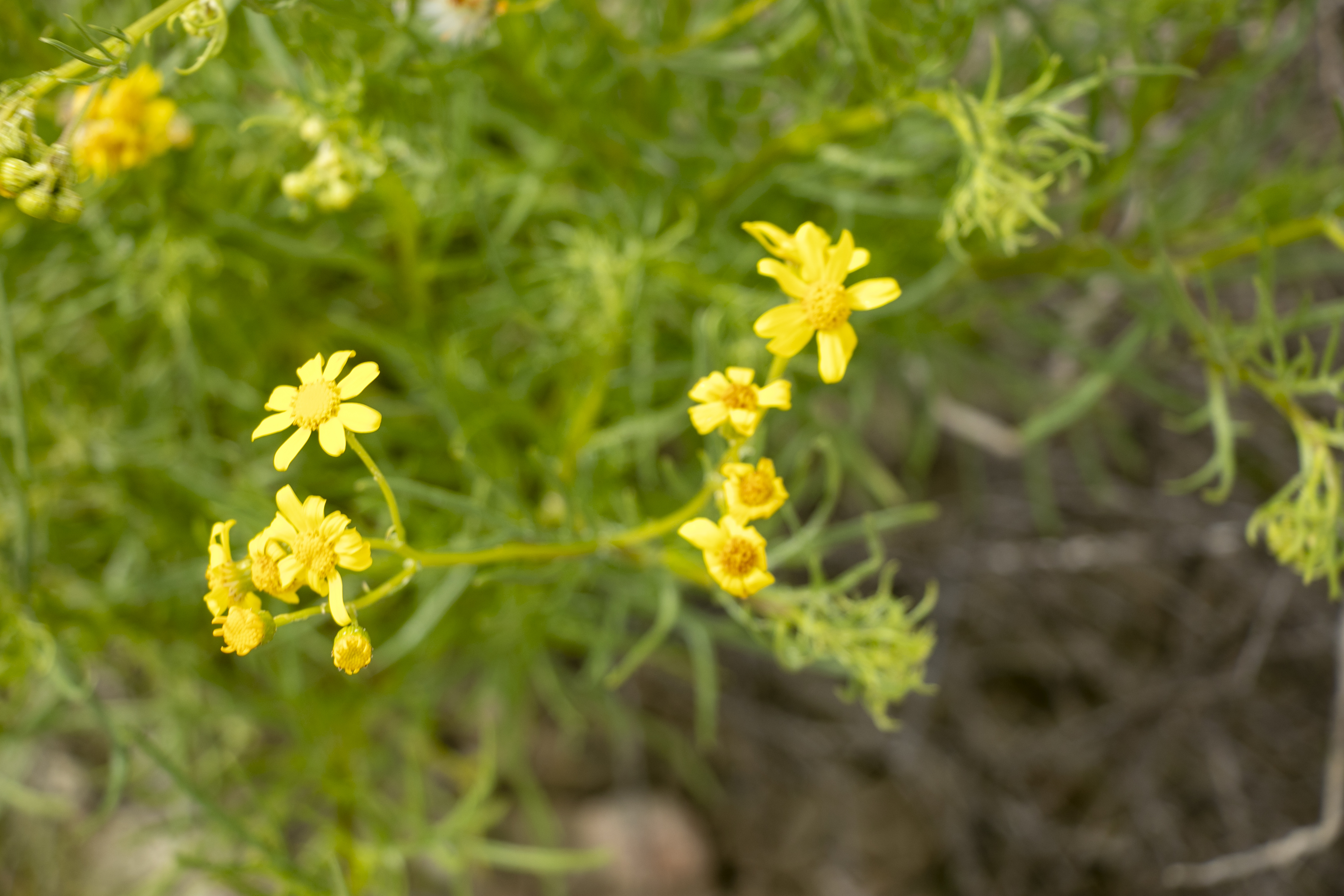
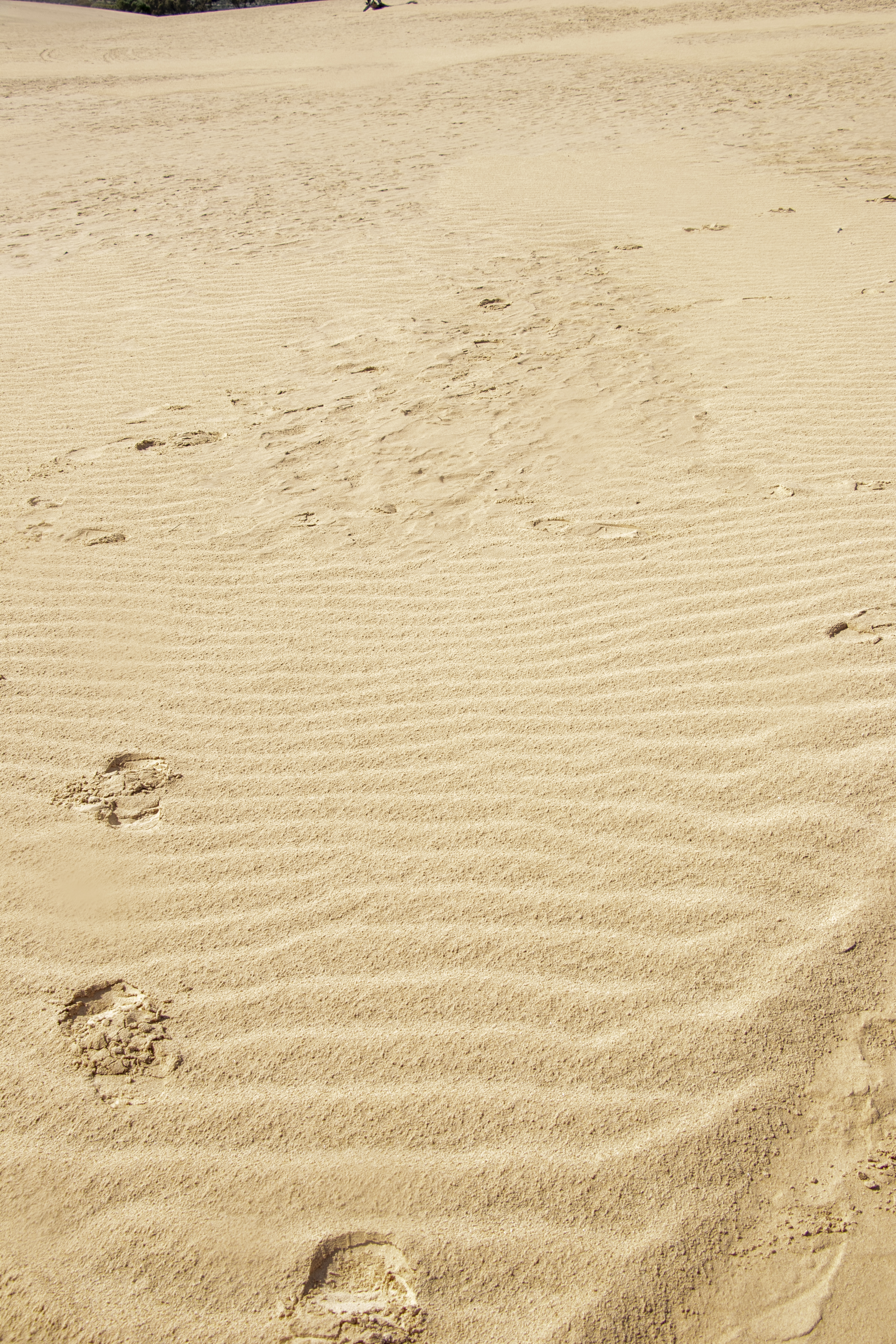
Interestingly, the top sand layer is constantly being eroded by the wind, hence ‘tidbits’ of the long buried past are constantly being revealed. We saw little fragments of bone and other things peeping up as we walked along. This was how Mungo Man and Woman were discovered. It was an interesting walk and I found it interesting as history, geology and palaeontology all came together here.
The Natural History Museum – Part 2

The Natural History Museum is huge, with galleries full of old-school stuffed animals, dinosaur galleries (bones and all), reconstruction of blue whales, as well as enormous displays of minerals, precious gems, and interactive earth sciences exhibits. There were so many galleries in fact that it made my head spin. But given our recent trip to Lyme Regis, and my acquaintance with the story of Mary Anning, it was the marine reptile gallery that I found the most memorable.

Marine Dinosaur Gallery

It’s quite a simple gallery really – a light and airy space, it has mounted on its walls complete fossils of marine dinosaurs. In fact, it houses the actual fossils that Mary Anning found in the cliffs of Lyme Regis, 200 years ago.

Marine Dinosaur Gallery

Marine Dinosaur Gallery

Here was the head of the first full ichthyosaur fossil that she found with her brother when she was just twelve years old.

Marine Dinosaur Gallery

And above it was another ichthyosaur that she found in Lyme Regis. The details are fascinating – the teeth, the ammonites embedded on to the ichthyosaur, showing that the two very different creatues did co-exist 200 million years ago.

Marine Dinosaur Gallery

Marine Dinosaur Gallery

Marine Dinosaur Gallery

I actually got a bit emotional seeing ‘her’ creatures in the most hallowed natural history museum in Britain, knowing how she struggled to make her mark. It goes to show that Mary Anning’s contribution, although not fully acknowledged in her lifetime, is now celebrated.

The Natural History Museum – Part 1

We travelled back to London, and visit the Natural History Museum in Kensington, right across the road from the V&A. Like the V&A and British museums, this museum was also completely free to visit. Both British and Natural History museums were housed in one building in the early 1800’s, but as both collections grew, it became more practical to split the collections, and the natural history component moved to a new building in Kensington.

The main entrance of the museum is impressive enough, dominated by ‘Dippy’ the dinosaur, a replica of a Diplodocus carnegii skeleton.

Main Entrance

And on the main staircase, Charles Darwin looks over proceedings. Some of his research collection is stored at the museum, although he was probably too old to have seen the museum open. These days he’s more likely to see hoards of ankle biters than suited, bearded scientists – predictably, the dinosaur exhibits are very popular with children.

Main Entrance

We’ll delve into my favourite gallery next.