All posts by Sandra Graham

I am an artist and blogger living in Sydney, Australia. I am interested in Australian landscapes and lost suburbia, capturing them in photographs, paintings, prints and mixed media. @s_graham_art

Autumn and Winter Knitting Projects 2017

Time for an update of finished projects since last February.

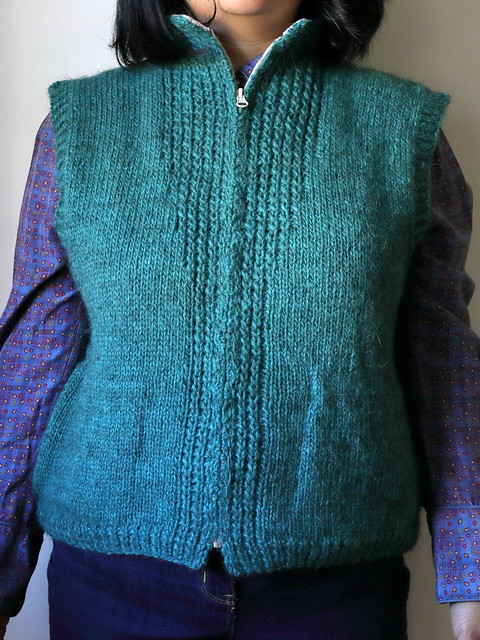
The first project is a zip up vest using an Icelandic wool called Ístex Léttlopi. The yarn was interesting to knit with – a little scratchy, but is very light and warm to wear. The project also featured my first zipper installment, which was easier to do than I thought. The vest got plenty of wear during our cooler-than-average winter.
Lagoon Vest

The second project was a teddy bear to use up some shaggy yarn that I had somehow picked up. The bear was my first toy but was straight-forward to do. I can see how some people might specialise in toy-making as it was a relatively quick knit.

Theodora

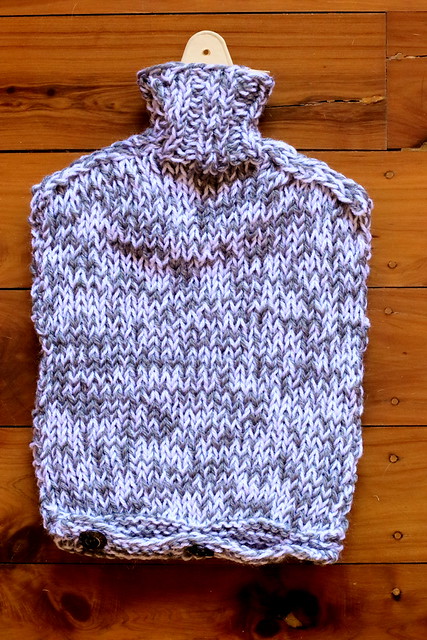
Third and fourth projects were quick birthday gifts for friends using patterns I have used previously.
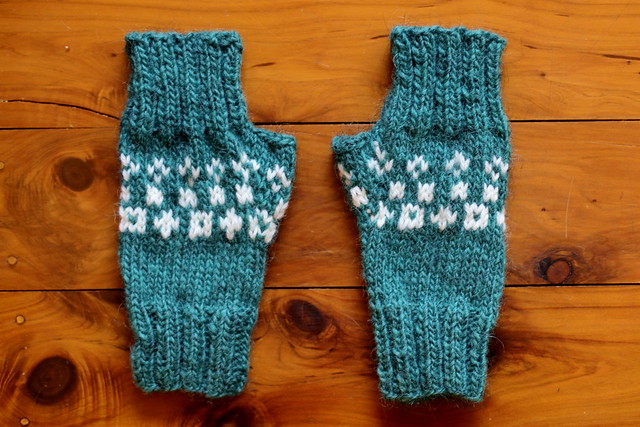
F's Hot Water Bottle Cover

Mel's Everyday Mitts

The last project I completed was a beanie project from Pom Pom Quarterly magazine. I did it mainly to use up some 4 ply yarn that I had in my stash, but it turned out very well. Luckily, we had a cool Spring, so I still managed to get some use out of the beanie even though I completed it in August.
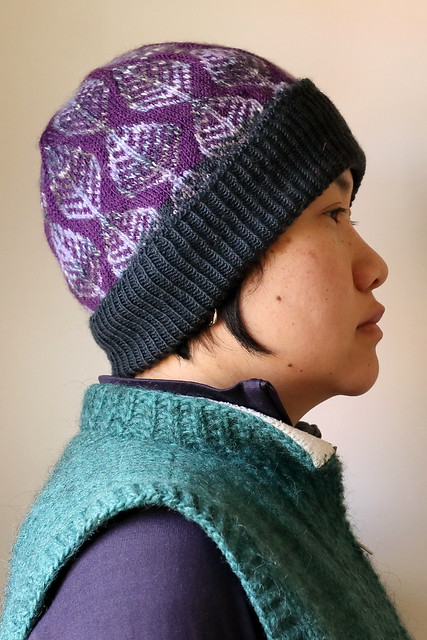
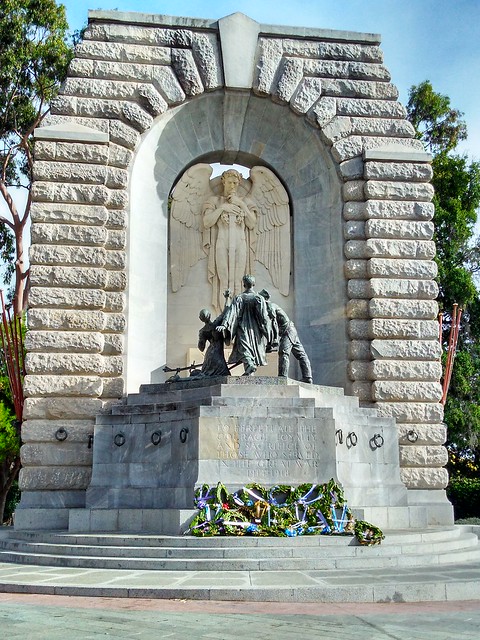
Autumn Leaf Beanie

Adelaide – Part 2

A 15 minute walk took us to the other side of the CBD. There was the understated war memorial.

War Memorial

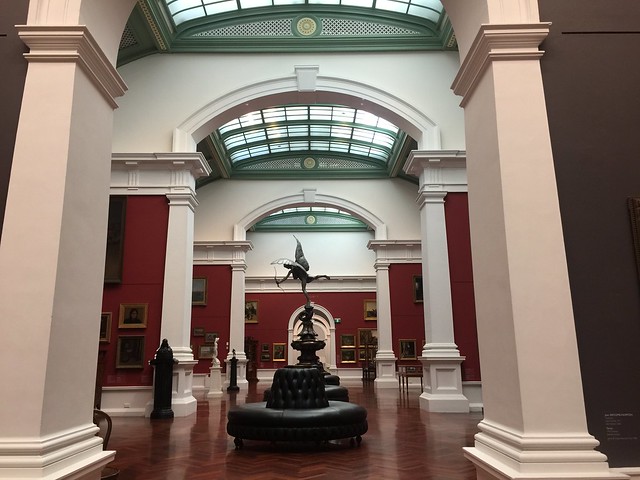
The Art Gallery of South Australia’s interior looks very like its Sydney counterpart.
Art Gallery of South Australia

But I was hanging out for the South Australian Museum.
South Australian Museum

We saw a really good exhibition called ‘Yidaki’ – about the didgeridoo, its Yolngu origins in North-East Arnhem Land, and its modern context. No photos, but here is an essay about it.

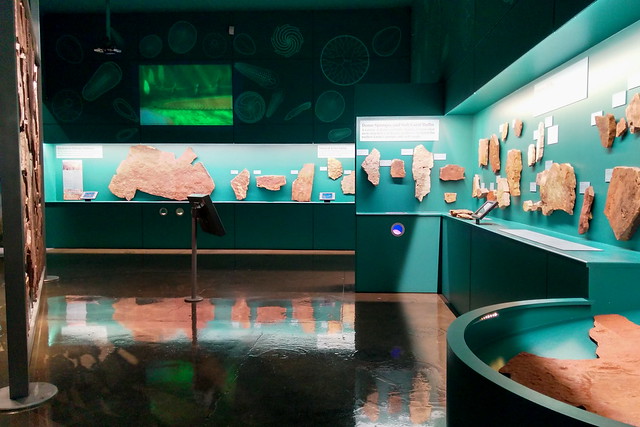
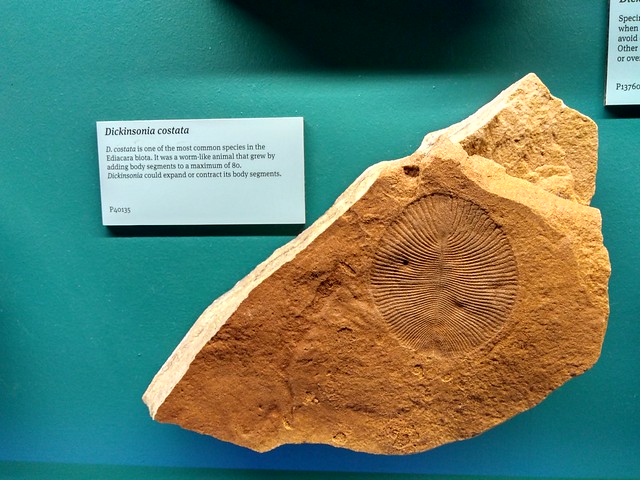
The other thing I was looking forward to seeing were the museum’s fossil collection. South Australia being the home of the Ediacaran fossils (one of the first known complex multicellular organisms), it was wonderful to see that there was a whole gallery full of fossils.

Ediacaran Fossil Gallery

And here they are – with quite pretty patterns. Scientists have yet to agree whether they are plants or animals!

South Australian Museum

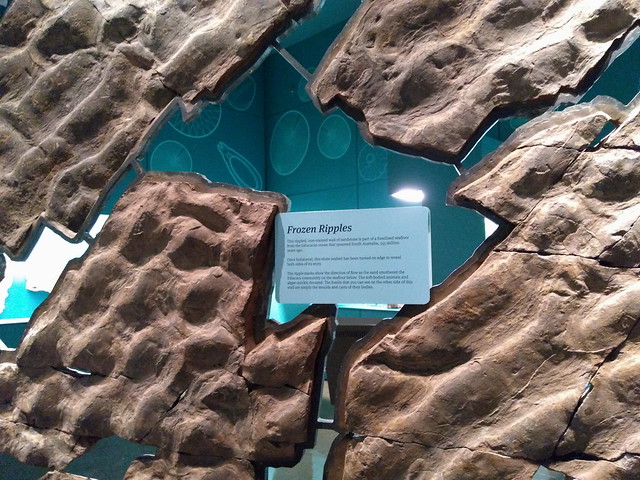
There were even preserved water ripples from 600 million years ago (that’s 6 times older than dinosaurs).

South Australian Museum

These fossils are so important in the biological history of the world that Sir David Attenborough visited the site where these fossils were found as part of his First Life series.

And so folks, that ends our epic trek across Australia from north to south. I’ll explore things closer to home next time.

Adelaide – Part 1

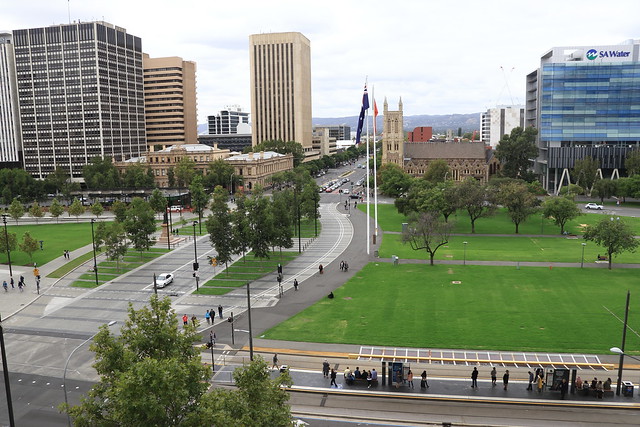
Adelaide hasn’t been a place that I’ve often visited – the last time was perhaps 11 years ago – so I came to the city with fresh eyes.

Victoria Square

It’s not an overwhelmingly busy place, has a well-planned layout that made navigation easy – we got from Victoria Square to Rundle Mall and back with no problems – and so it made a nice entry back to civilisation after some time in the bush.

Rundle Mall

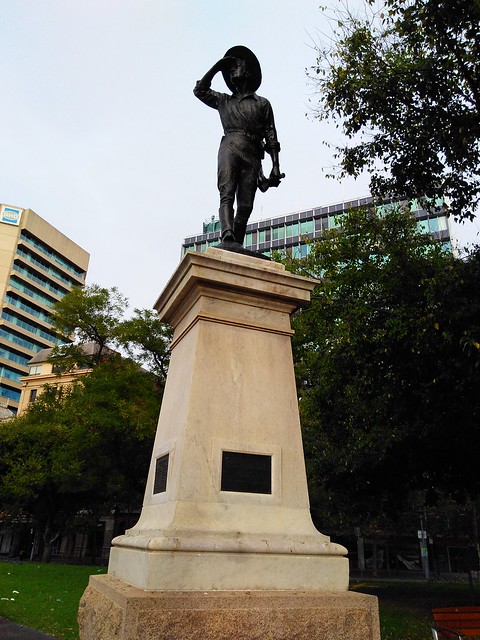
Here’s the explorer that inspired the whole cross-continental thing in the 19th century – Charles Sturt. You won’t be able to see Darwin from here, mate.

Charles Sturt

Desert Stop

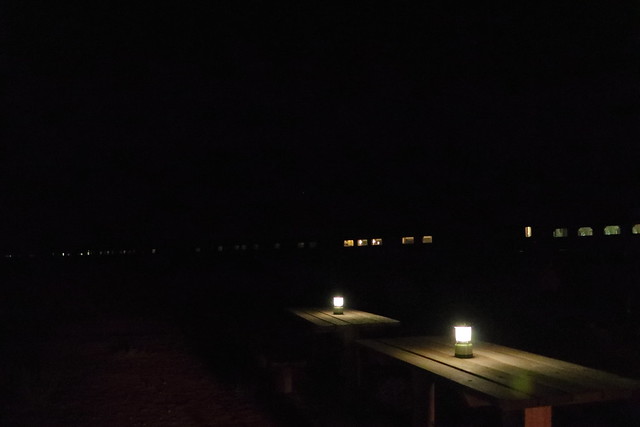
After dinner that night, we stopped at the remote rail siding of Manguri, around 50km from Coober Pedy. The train’s well-lit windows made a cinematic backdrop to the scene.

Manguri Stopover

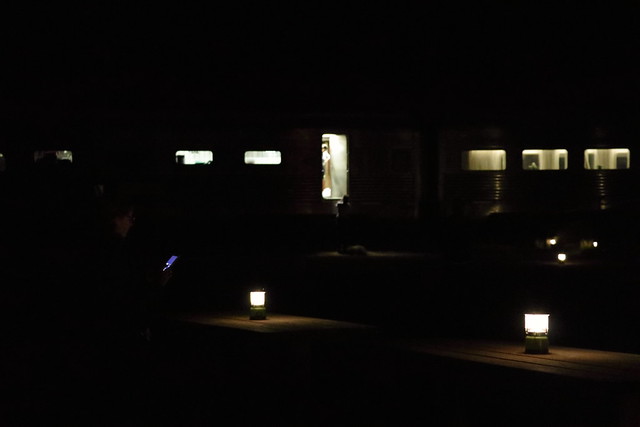
Even in the desert, some people seemed only interested in their phones.

Manguri Stopover

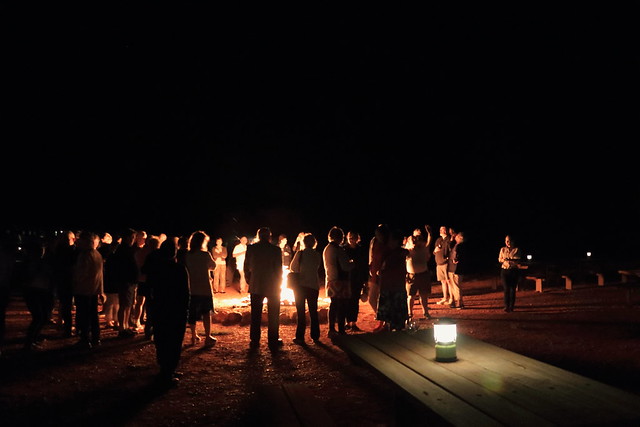
A bonfire was ready and waiting, and most passengers gravitated towards it. The 15C or so temperatures was a cool change to the tropics.

Manguri Stopover

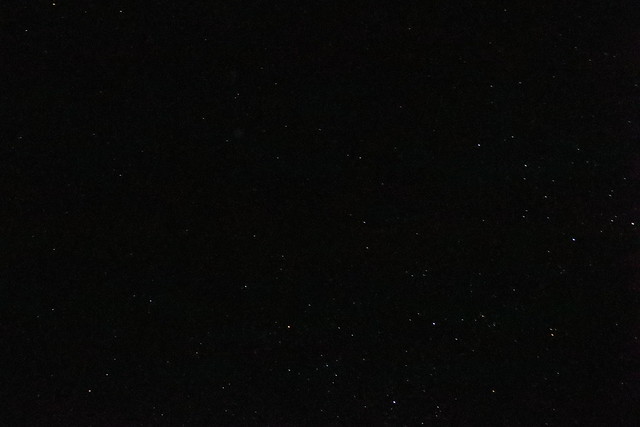
Meanwhile, I was more interested in capturing the stars on a clear, desert night.

Manguri Stopover

My attempt was short-lived though. Moments after this, an over-zealous security guard type said I couldn’t step out of the light due to “OH and S considerations”. That just killed the fun out of the desert night experience for me.

One more morning, and by noon the following day we were back in civilisation – Adelaide.

Terminal

The Red Centre – Part 6

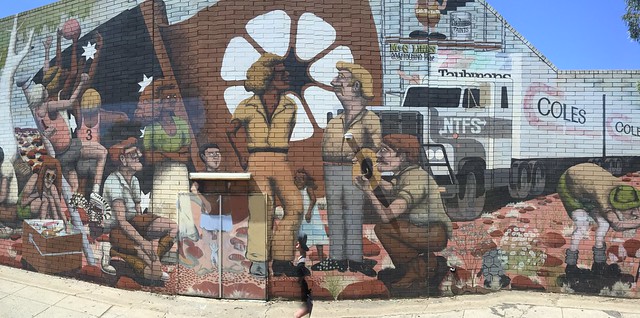
We take a turn about the town, and saw some interesting sites, including this mural at the back of Coles Supermarket.

Coles Mural

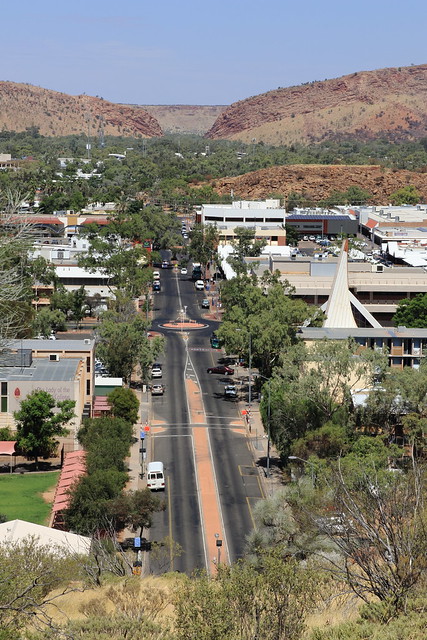
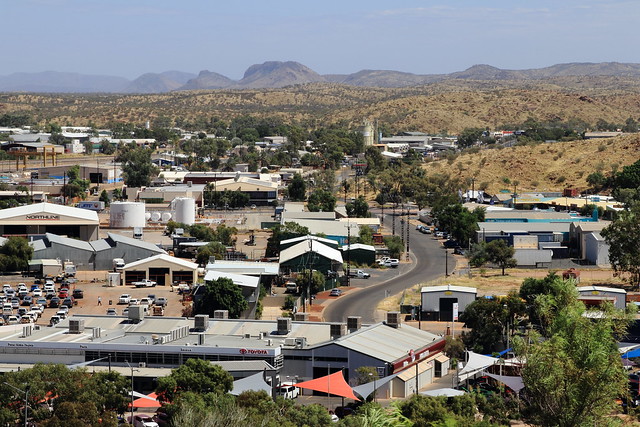
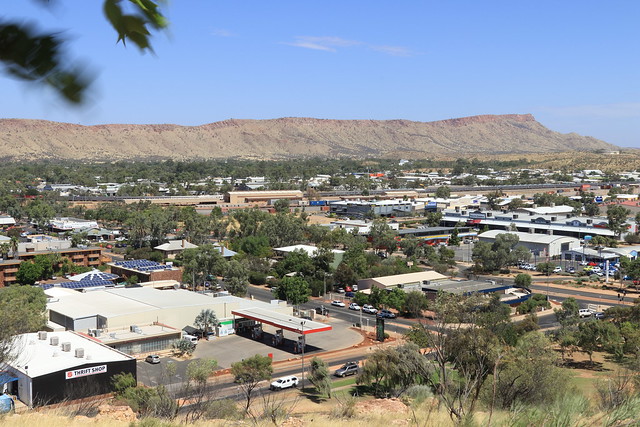
And then for our last stop we climbed atop Anzac Hill for a panoramic view of the Alice.

Anzac Hill

Anzac Hill

The MacDonnell Ranges are never far away and look as spectacular as ever. Pity that this visit is so short.

Anzac Hill

We could even see the Ghan from the top. Look closely, and you can see that it is ridiculously long.

Anzac Hill

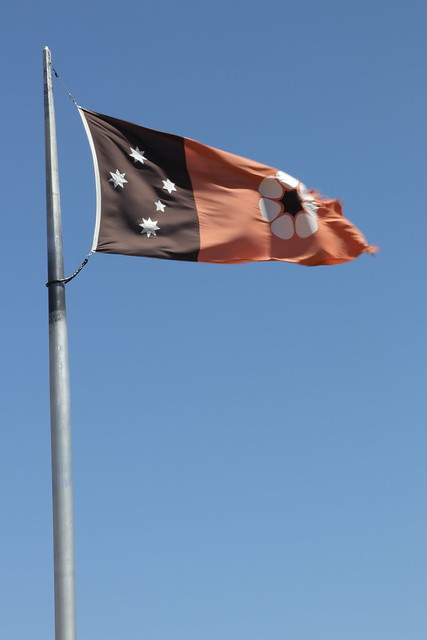
One last view of the Territory State flag.

Anzac Hill

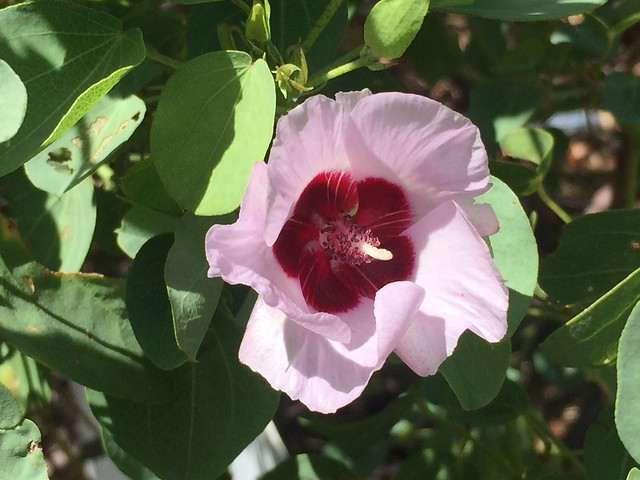
And its state flora, the Sturt Desert Rose.

Anzac Hill

The Red Centre – Part 5

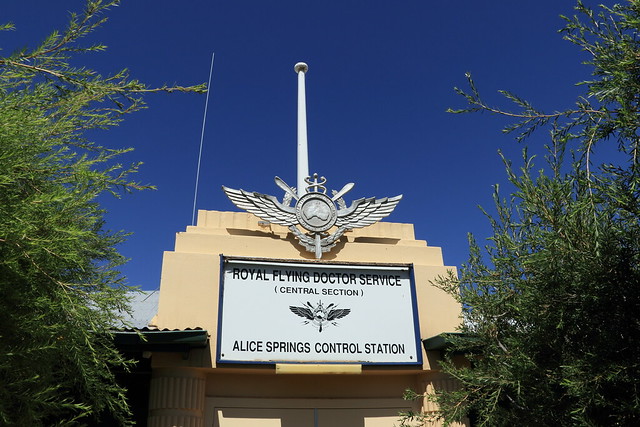
Next, we visited the Royal Flying Doctor Service Museum. The Flying Doctors (RFDS for short), has been servicing the medical needs of remote Australia since 1928, and though we now live in a technological age, their services are more needed than ever.

RFDS Museum

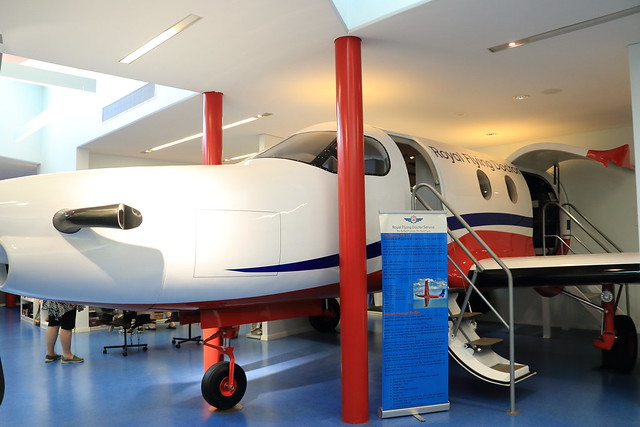
The Alice Springs base began in 1939, and currently services an area of 1.25 square kilometres – that’s more than the size of South Africa or more than five times the size of the UK. It’s a large area, so they need a good, modern fleet of planes.

RFDS Museum

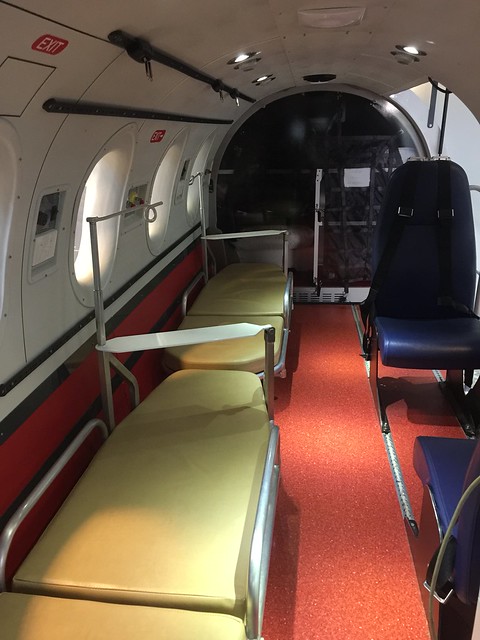
These planes host a medical team as well as vital medical equipment that enables patients to be treated and transported, no matter their condition.

RFDS Museum

The service is so essential to Aussies in these parts that there always seems to be a fundraiser for the RFDS in many outback towns I’ve visited. Coastal Aussies might only know of the service from TV, but perhaps it’s one that should be better supported by them, because you never know when you might need a flying doctor, particularly if you’re planning on travelling the Outback.

The Red Centre – Part 3

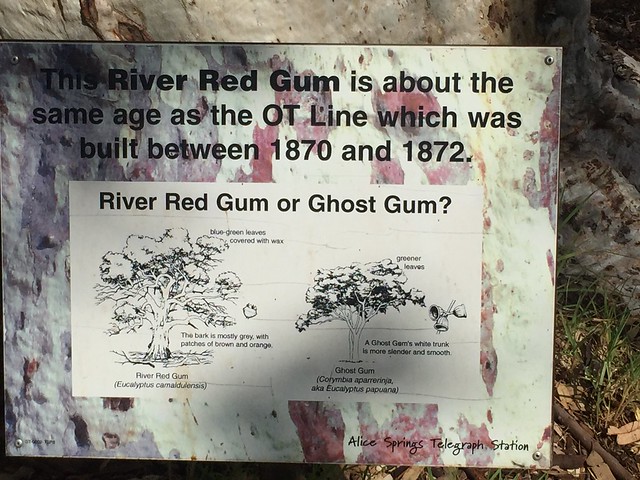
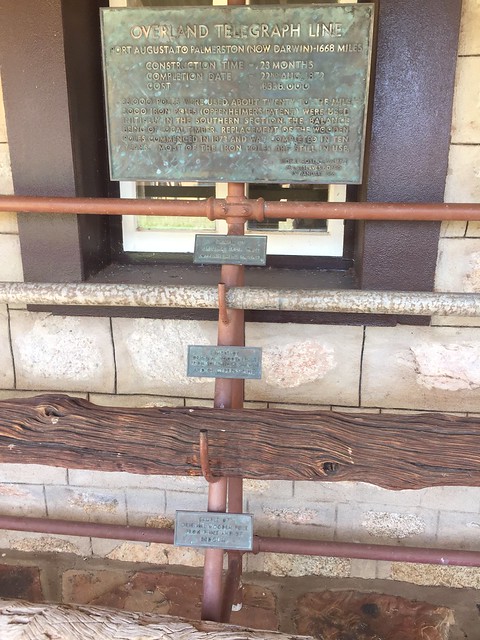
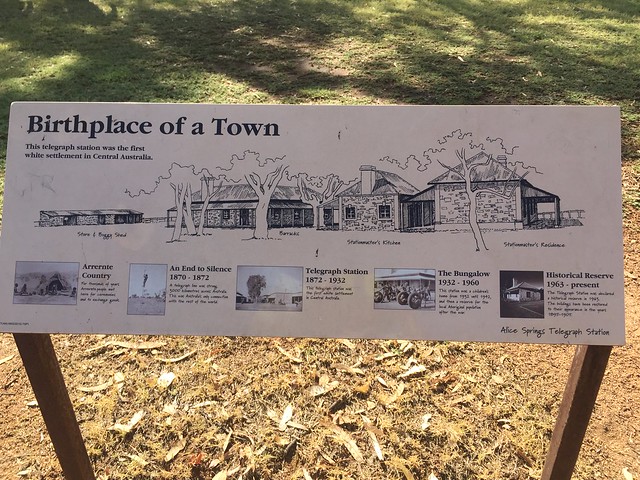
The construction of the telegraph line was a mammoth undertaking, but crucial to Australia as a nation. It meant that communications to the wider world (particularly to the Mother Country), need not take months, but hours. The line was build through the middle of the country, from Adelaide to Darwin, where it met with an undersea cable to Indonesia (or the Dutch East Indies, as it was then called).

Camels were used to haul gear – and they needed handlers – hence Afghani, Pakistani and Indian cameleers came with the camels. It took a couple of goes to get the materials right – the earlier wooden poles were chewed to the ground by termites!

Old Telegraph Station

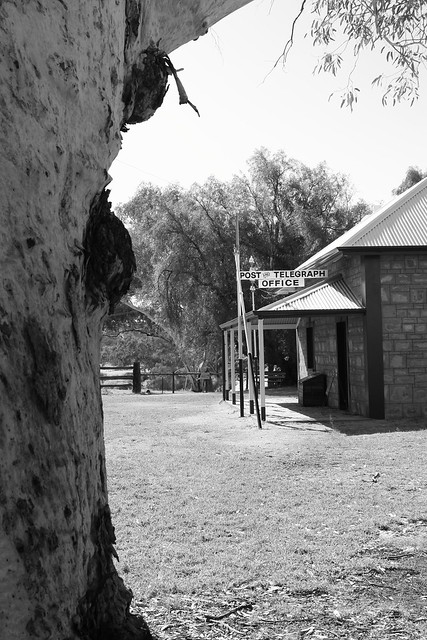
There were no satellites back then, so the signal needed to be relayed after a distance. A series of relay stations were established, and Alice Springs was one of them.

Old Telegraph Station

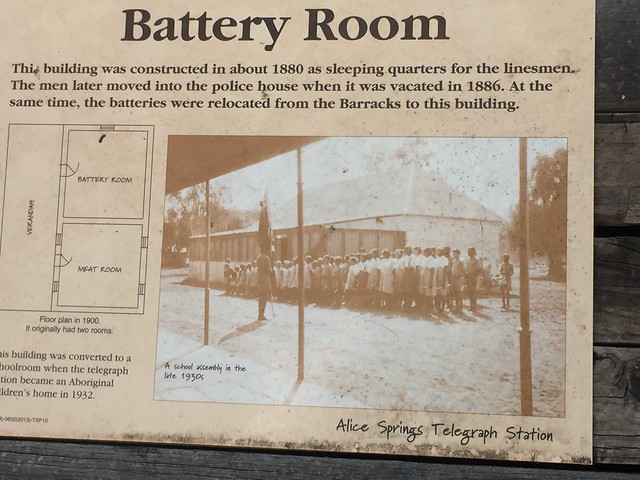
Afterwards, the line had to be maintained. So a whole army of men, called linesmen, were dispatched along the line to inspect and maintain it in shifts. What a job they had, especially in the desert summer heat.

Old Telegraph Station

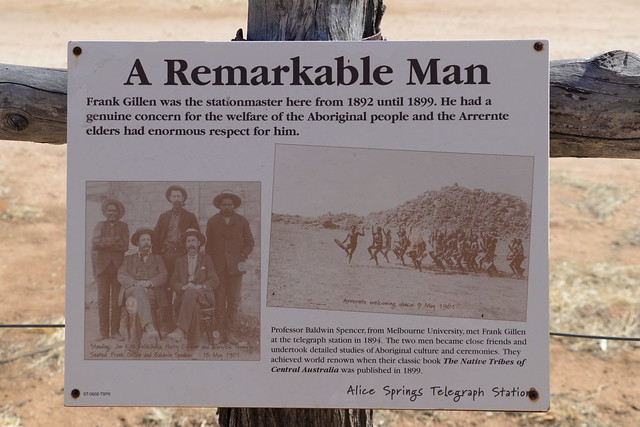
Black and white relations in the Red Centre has a chequered history, like in much of Australia, but it wasn’t all bad. This stationmaster had a particular respect for indigenous people and culture and went on to write a book about it.

Old Telegraph Station

The Red Centre – Part 2

Jumping on to the bus, we were off around Alice Springs for our tour.

Old Telegraph Station

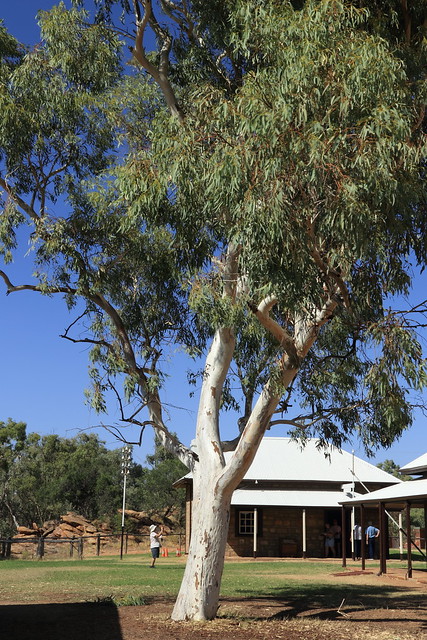
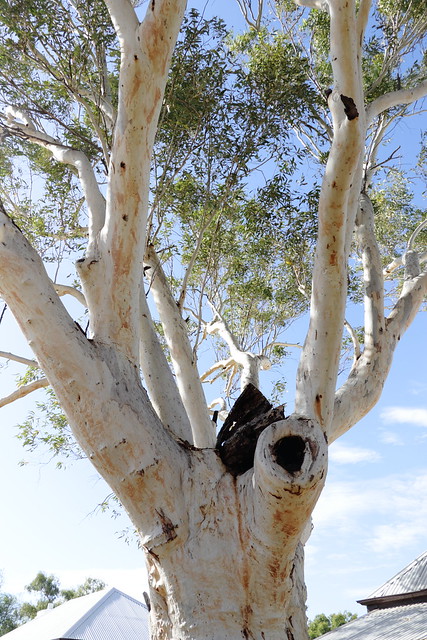
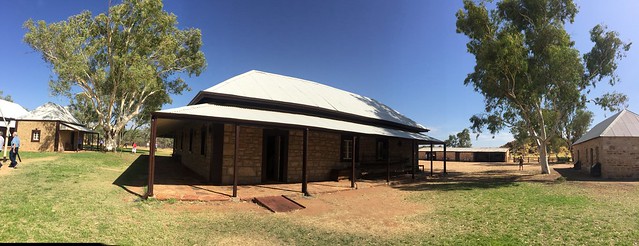
Our first stop was at the Old Telegraph Station – the reason that Alice Springs was founded in the first place.

Old Telegraph Station//embedr.flickr.com/assets/client-code.js

Old Telegraph Station

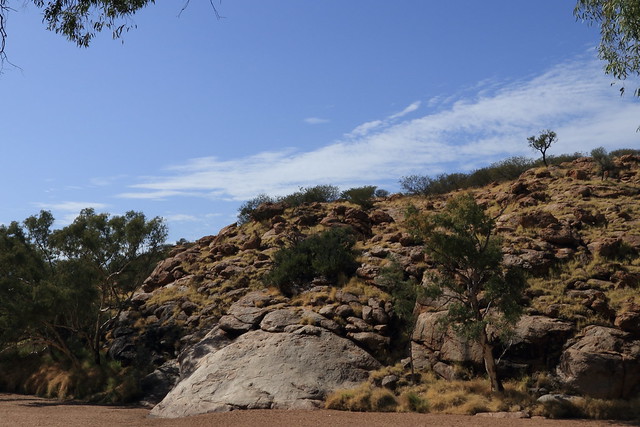
The early explorers thought that this place had a permanent water source. Unfortunately, they didn’t realise that the area had just had a downpour, and that the springs were only temporary.

Old Telegraph Station

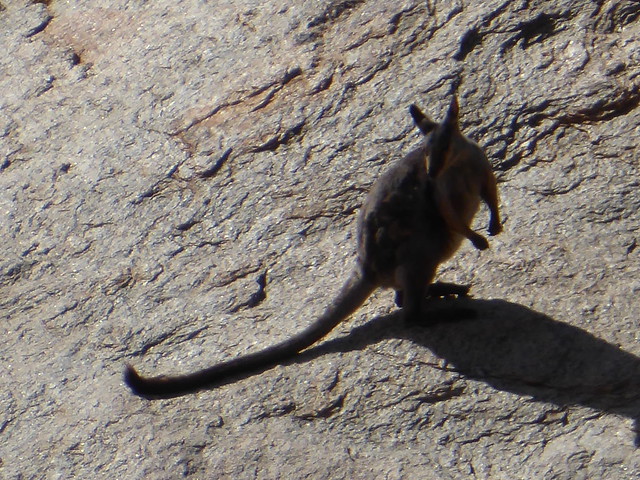
We saw some wildlife though – a rock wallaby in particular – so there must be some water somewhere out there, though not enough to sustain a settlement.

Old Telegraph Station