Category Archives: Uncategorized

The Red Centre – Part 5

Next, we visited the Royal Flying Doctor Service Museum. The Flying Doctors (RFDS for short), has been servicing the medical needs of remote Australia since 1928, and though we now live in a technological age, their services are more needed than ever.
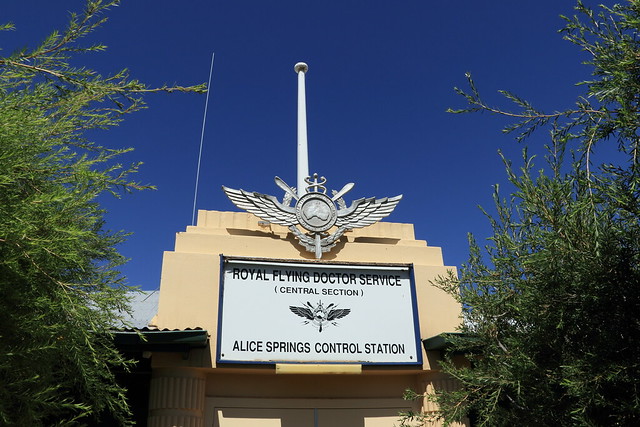
RFDS Museum

The Alice Springs base began in 1939, and currently services an area of 1.25 square kilometres – that’s more than the size of South Africa or more than five times the size of the UK. It’s a large area, so they need a good, modern fleet of planes.
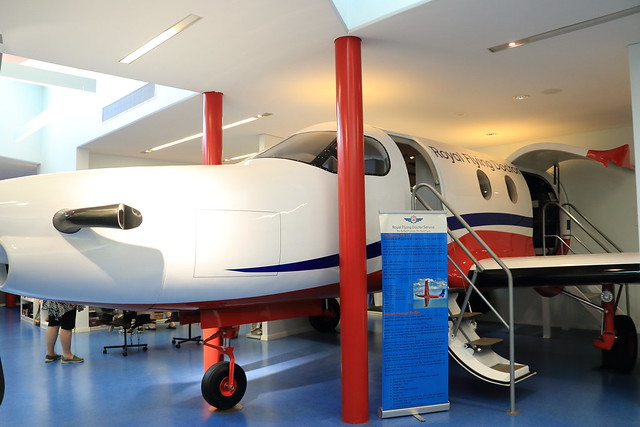
RFDS Museum

These planes host a medical team as well as vital medical equipment that enables patients to be treated and transported, no matter their condition.
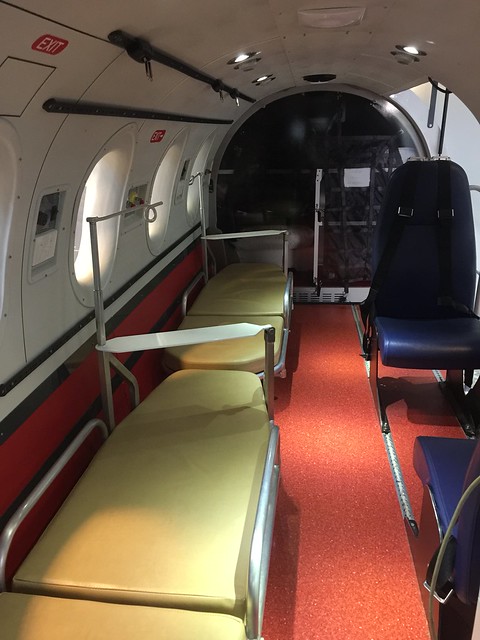
RFDS Museum

The service is so essential to Aussies in these parts that there always seems to be a fundraiser for the RFDS in many outback towns I’ve visited. Coastal Aussies might only know of the service from TV, but perhaps it’s one that should be better supported by them, because you never know when you might need a flying doctor, particularly if you’re planning on travelling the Outback.
The Red Centre – Part 3

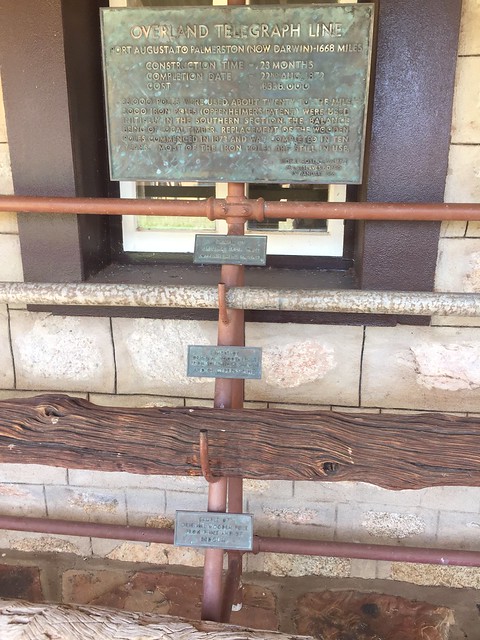
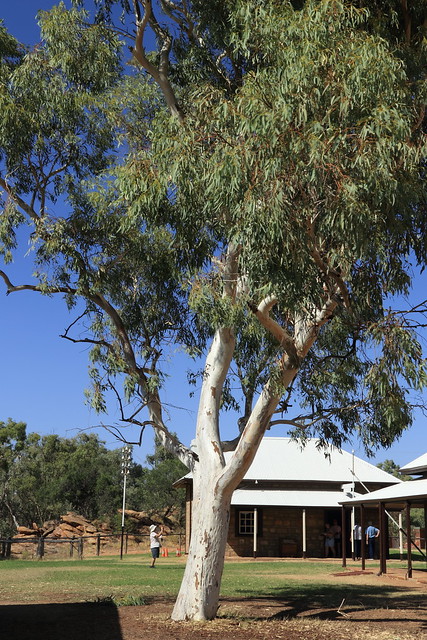
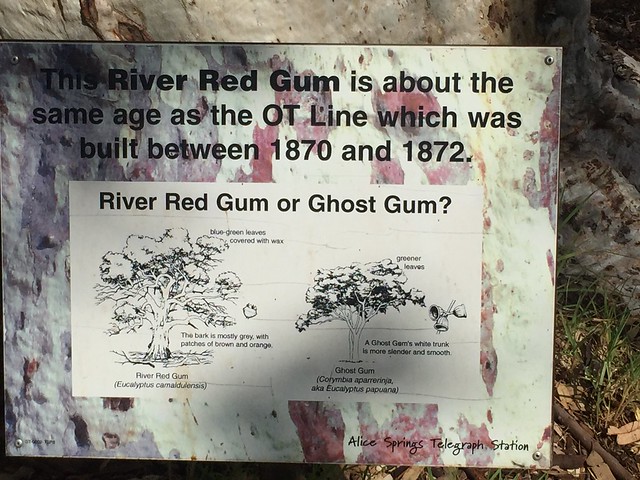
The construction of the telegraph line was a mammoth undertaking, but crucial to Australia as a nation. It meant that communications to the wider world (particularly to the Mother Country), need not take months, but hours. The line was build through the middle of the country, from Adelaide to Darwin, where it met with an undersea cable to Indonesia (or the Dutch East Indies, as it was then called).

Camels were used to haul gear – and they needed handlers – hence Afghani, Pakistani and Indian cameleers came with the camels. It took a couple of goes to get the materials right – the earlier wooden poles were chewed to the ground by termites!

Old Telegraph Station

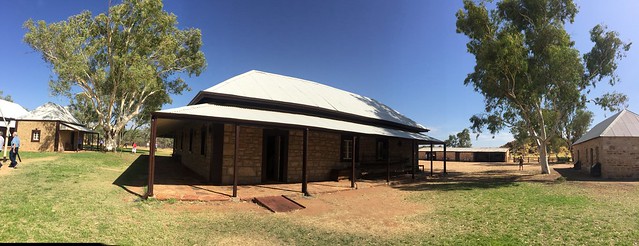
There were no satellites back then, so the signal needed to be relayed after a distance. A series of relay stations were established, and Alice Springs was one of them.

Old Telegraph Station

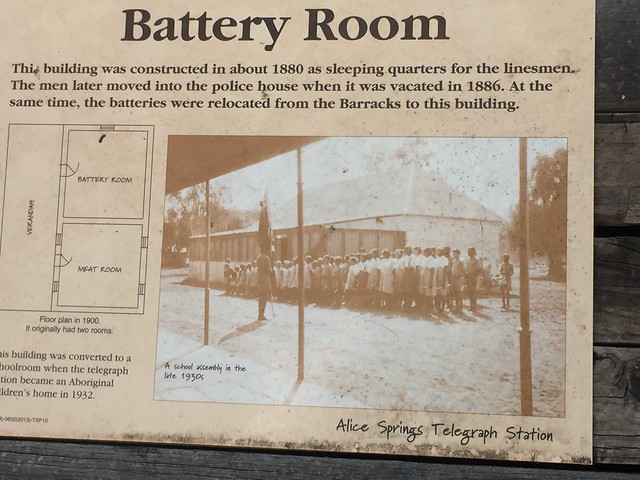
Afterwards, the line had to be maintained. So a whole army of men, called linesmen, were dispatched along the line to inspect and maintain it in shifts. What a job they had, especially in the desert summer heat.

Old Telegraph Station

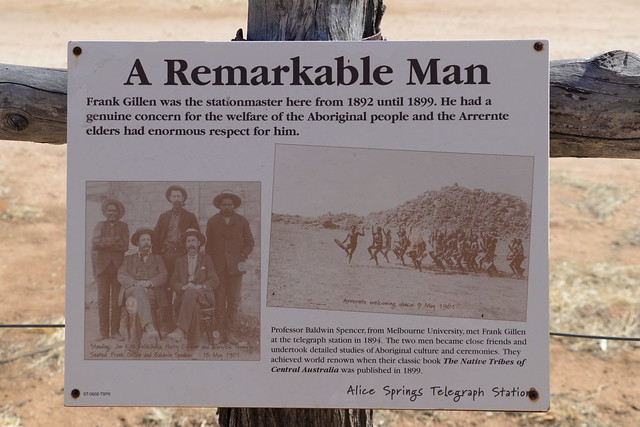
Black and white relations in the Red Centre has a chequered history, like in much of Australia, but it wasn’t all bad. This stationmaster had a particular respect for indigenous people and culture and went on to write a book about it.

Old Telegraph Station

The Red Centre – Part 2

Jumping on to the bus, we were off around Alice Springs for our tour.

Old Telegraph Station

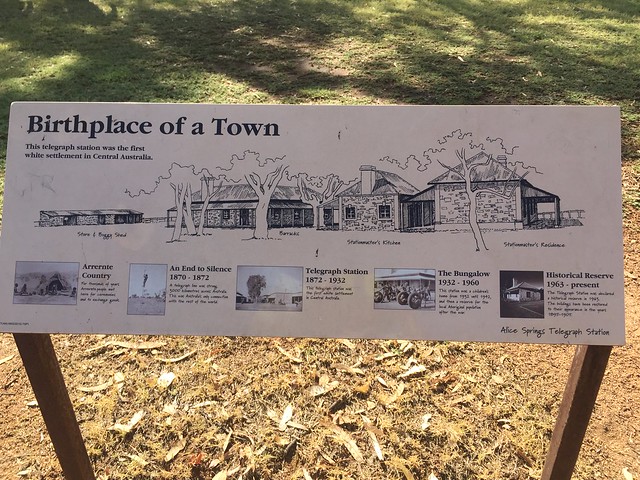
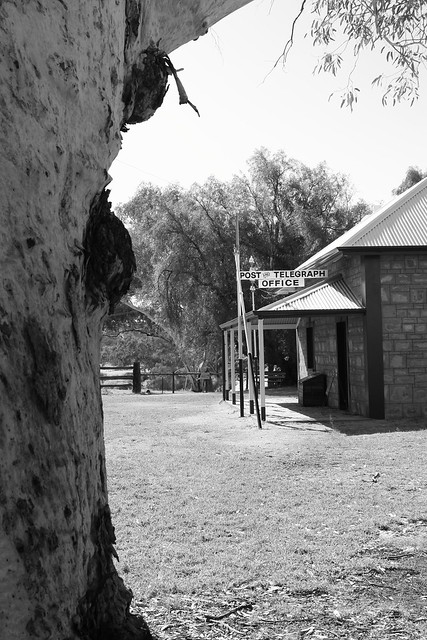
Our first stop was at the Old Telegraph Station – the reason that Alice Springs was founded in the first place.

Old Telegraph Station//embedr.flickr.com/assets/client-code.js

Old Telegraph Station

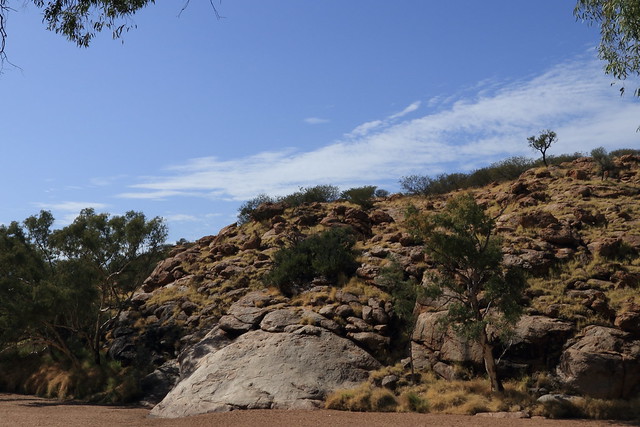
The early explorers thought that this place had a permanent water source. Unfortunately, they didn’t realise that the area had just had a downpour, and that the springs were only temporary.

Old Telegraph Station

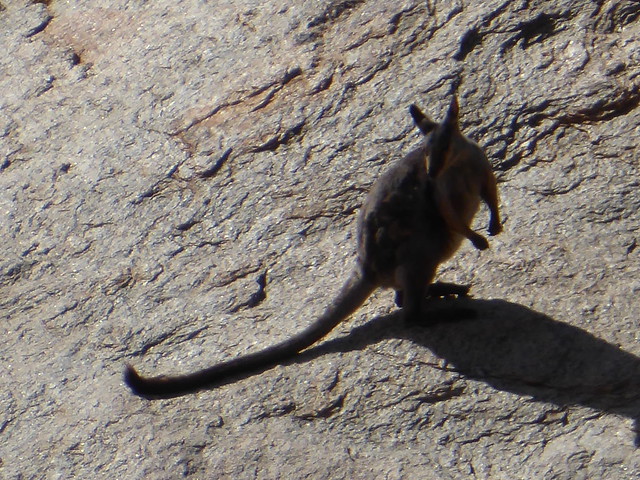
We saw some wildlife though – a rock wallaby in particular – so there must be some water somewhere out there, though not enough to sustain a settlement.

Old Telegraph Station

Nitmiluk Gorge – Part 4

The rainstorm lasted less than ten minutes – brief like most Northern Australian storms. The clouds very soon cleared, and it was as if it had never been.

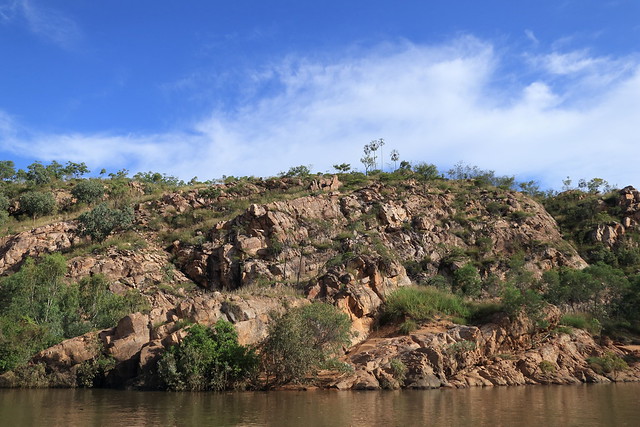
Cruising Nitmiluk Gorge

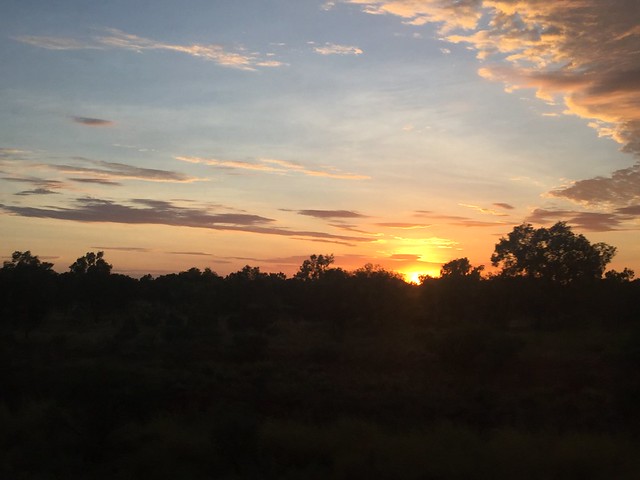
As we cruised back to our starting point, we were able to enjoy some beautiful afternoon light, and temperatures that were 10C lower than when we started.

Cruising Nitmiluk Gorge

Then it was back to the train, ready for our next off-train adventure.

Nitmiluk Gorge – Part 3

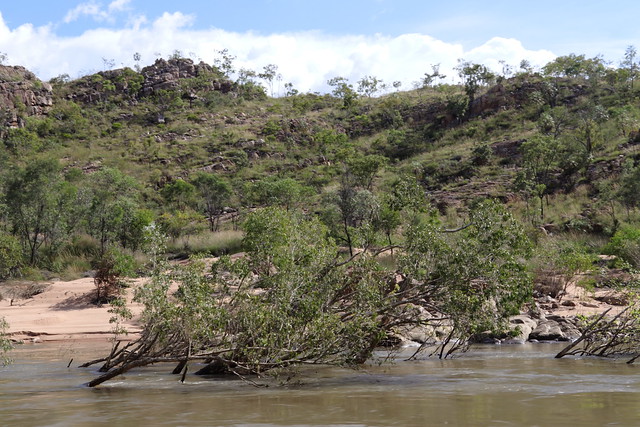
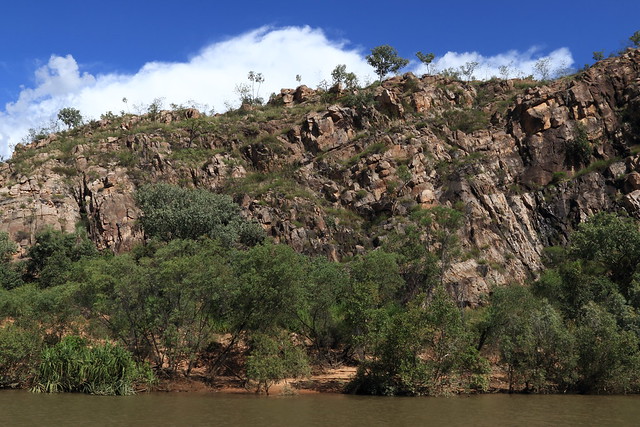
Rain is a big factor in the Gorge in the Wet. These trees were bent at an incredible angle by the sheer force of water that rushes down-stream.

Cruising Nitmiluk Gorge

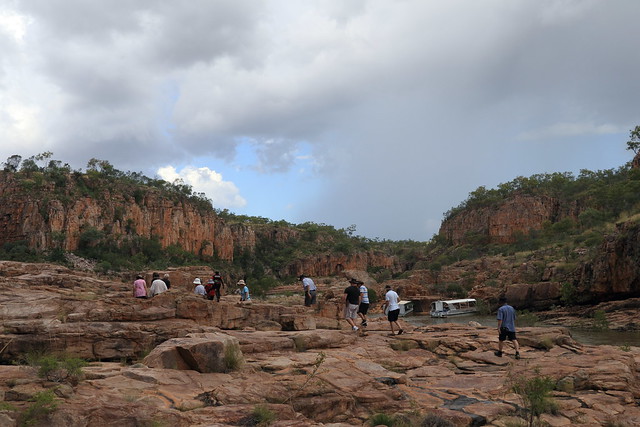
And sure enough, rain wasn’t far away that day. I had just landed to view some rock art…

Cruising Nitmiluk Gorge

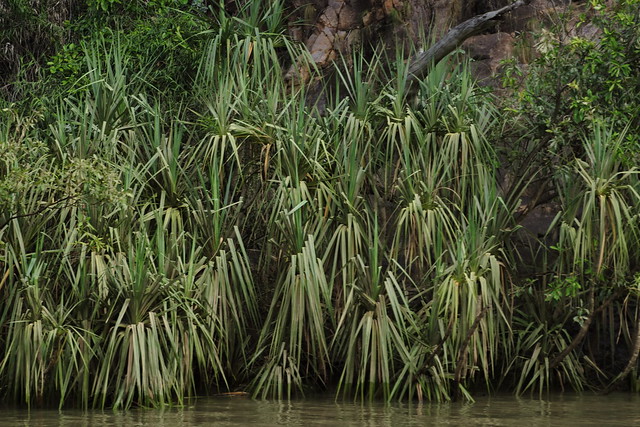
When the rain came rushing down. Even the pandanus looked forlorn.

Cruising Nitmiluk Gorge

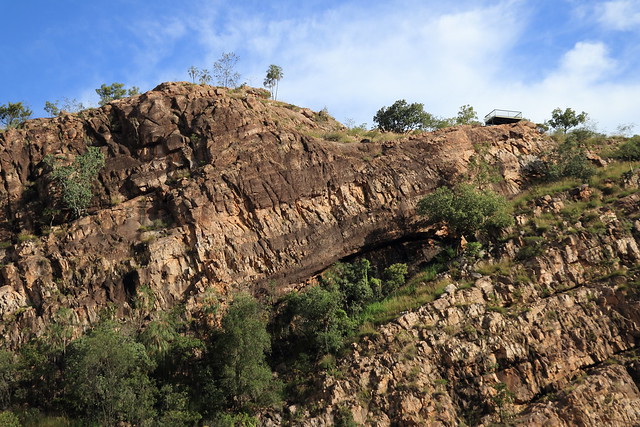
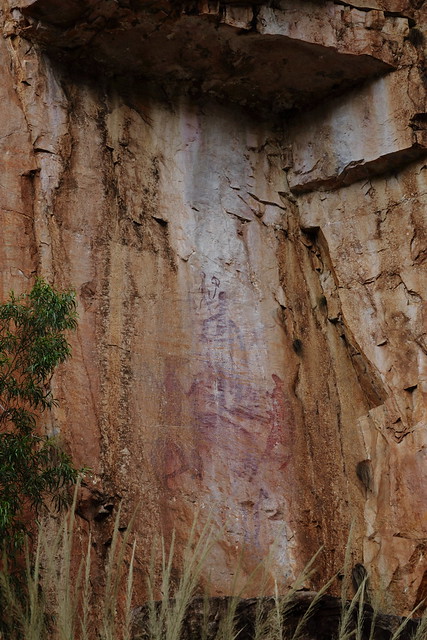
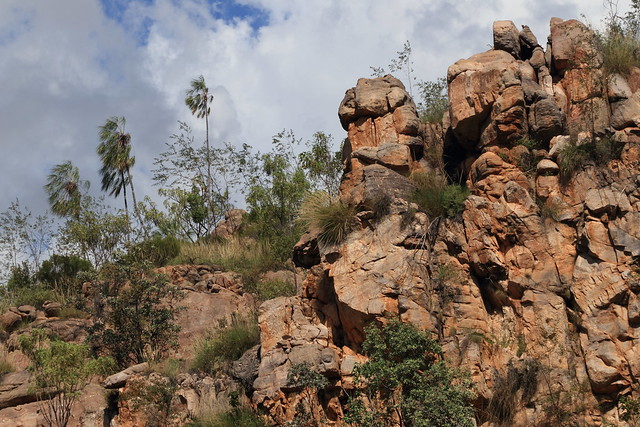
The temperature dropped by 10C in a matter of minutes. Fortunately, I did get a quick glimpse of the 3 metre high rock art on the cliff face before I was forced to return to the boat.

Cruising Nitmiluk Gorge

Nitmiluk Gorge – Part 1

By mid-afternoon, we arrived in Katherine, 317km south-east of Darwin. It was time to get off the train and explore.

Cruising Nitmiluk Gorge

We chose to go to Nitmiluk (formerly Katherine) Gorge, which was a good 30 minutes coach ride away from the train station.

Cruising Nitmiluk Gorge

It was a very hot 37C in Katherine (with humidity!) and we were glad to get on to the boat and under cover.

Cruising Nitmiluk Gorge

Boats are practically the only means of seeing the Gorge in March as the water levels were still high, and so was the chance of seeing a salt-water crocodile!

Cruising Nitmiluk Gorge

The Ghan – Part 2

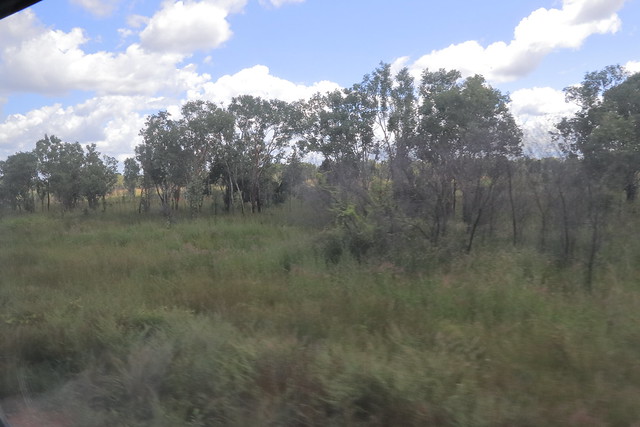
And we were off on our north-south crossing of the continent! One thing I was looking forward to was to be able to watch the landscape change from my cabin window. Out of Darwin, it was a Savannah landscape common to a lot of Northern Australia, from Broome to Townsville.

On the Ghan

It wasn’t long before we made our first trip to the restaurant, about 3 carriages away.

On the Ghan

Lunch was in several sittings – we had an early sitting and the dining room was still quiet. It filled up pretty soon though.

On the Ghan

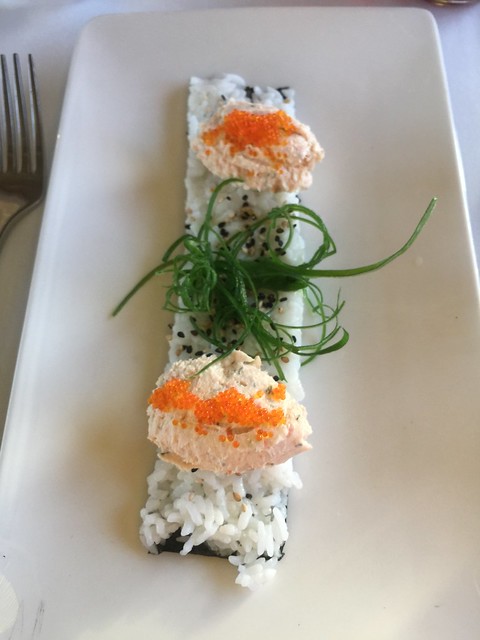
The food in general was of a very high standard. A sample of some of the dishes we had…

Salmon mousse sushi for entree.

On the Ghan

Chicken galantine as a main.

On the Ghan

There was some emphasis on native Australian ingredients, so we had our share of crocodile, buffalo and kangaroo along with some native herbs, spices and fruits.

A sample of our breakfast menu shows that we never went hungry!

On the Ghan