Camping on the Colo – Part 2

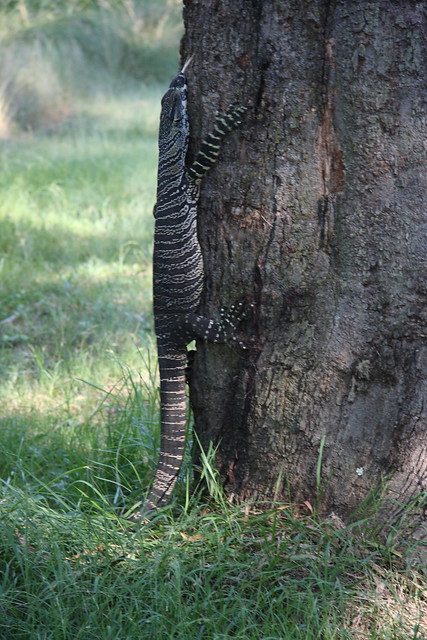
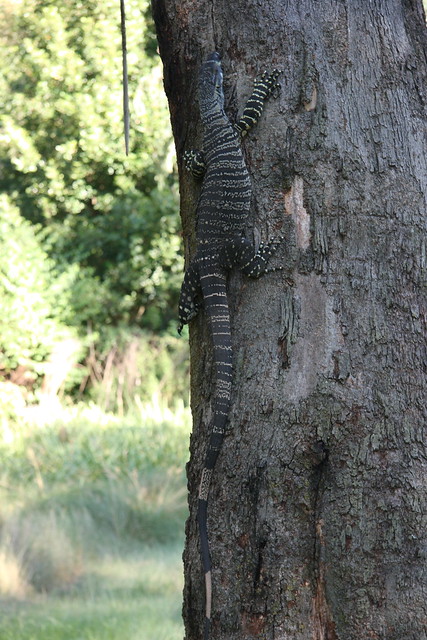
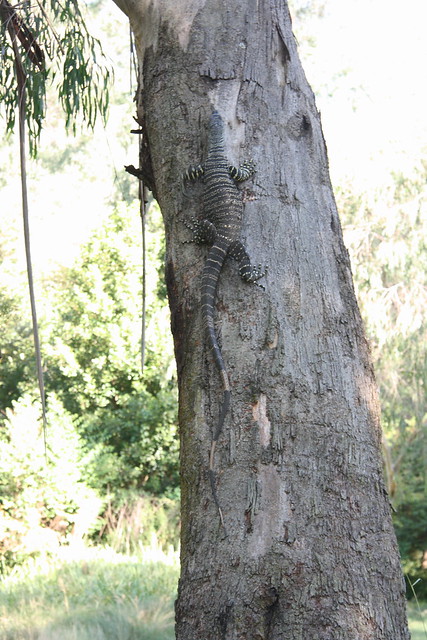
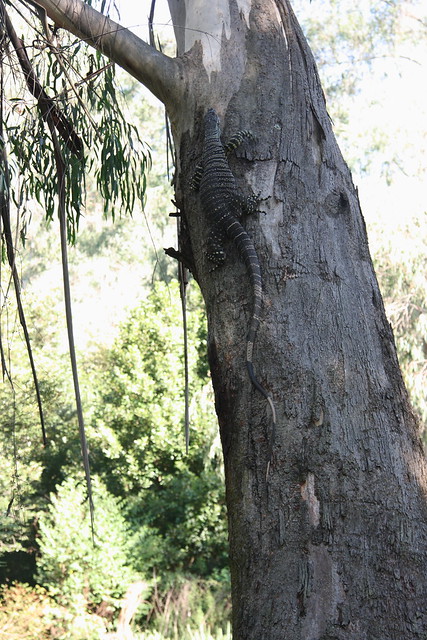
Being on the edge of the Blue Mountains, we thought that we would be in a good place to see some wildlife. Well, perhaps it was too hot for most animals. There were plenty of bird sounds in the morning, but not many that appeared in the open. No mammals to speak of, but we did have this lace monitor climb the tree right next to our camp site.

Upper Colo Reserve

Upper Colo Reserve

Upper Colo Reserve

Upper Colo Reserve

Upper Colo Reserve

Upper Colo Reserve

It wasn’t the only one either – we saw three or four lace monitors wander around during our stay. They all looked pretty healthy, meaning there was plenty of food around for them at least.

Camping on the Colo – Part 1

It’s been two years since our last camping adventure, and when we booked our camp site at the end of January, we thought that we would get a good few days of camping.

We wanted a place that was within a 4 hour drive (including stops), had a place to swim (my request), was dog friendly (so we could bring our beagle), had a toilet, and (at Hubby’s request) had a shower of some sort. Yes, he’s a fussy one. Upper Colo Reserve fitted the bill, having all of those things.

Our last few tries have all been marred by rain, and the last by a little heat, but January seemed mild enough, so perhaps the end of February would be mild too. Little did we know that we’d be camping through the hottest period of this summer…

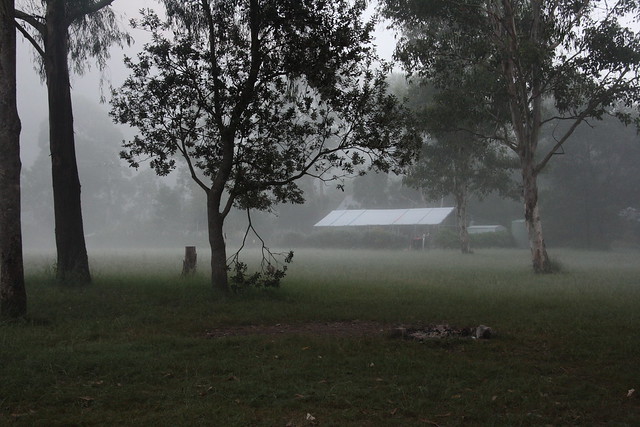
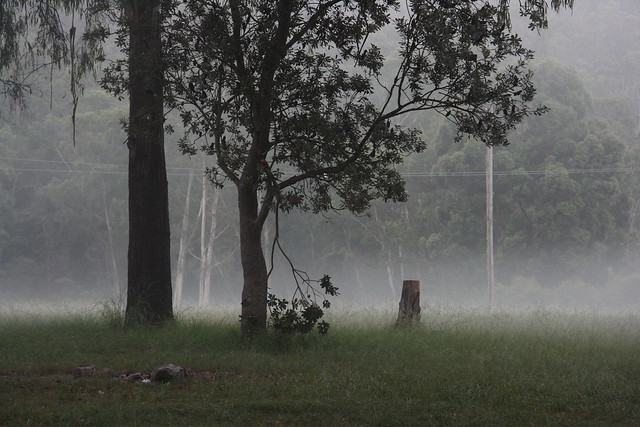
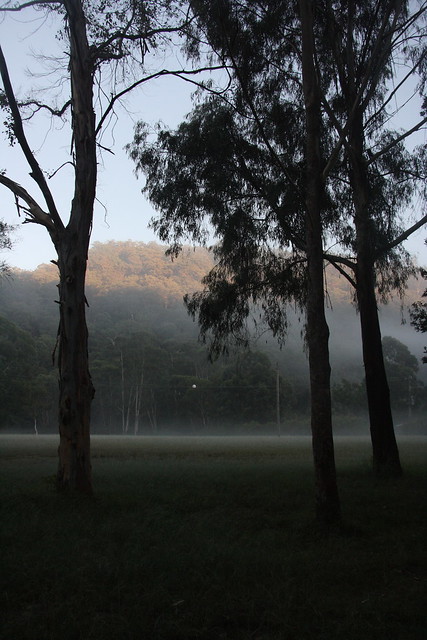
First afternoon was pretty warm, around 33C or so. Because we came mid-week, we had much of the campsite to ourselves. Upper Colo Reserve is at the edge of Wollemi National Park, on the Colo River. Though it’s just under 100km from Sydney CBD, it felt like a whole lot further away.
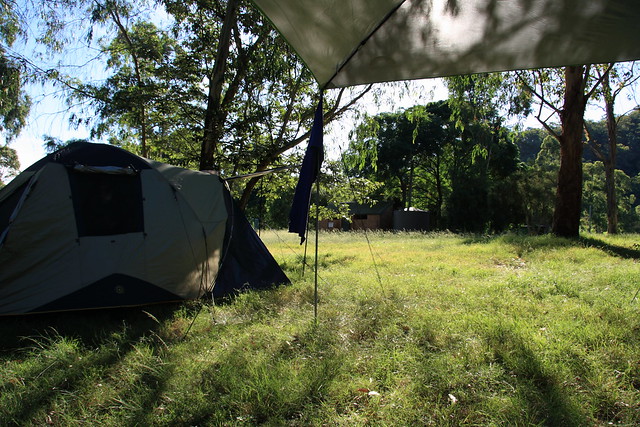
Upper Colo Reserve

Note the jerry cans and water bottles full of water. It would prove to be very important the following 36 hours…
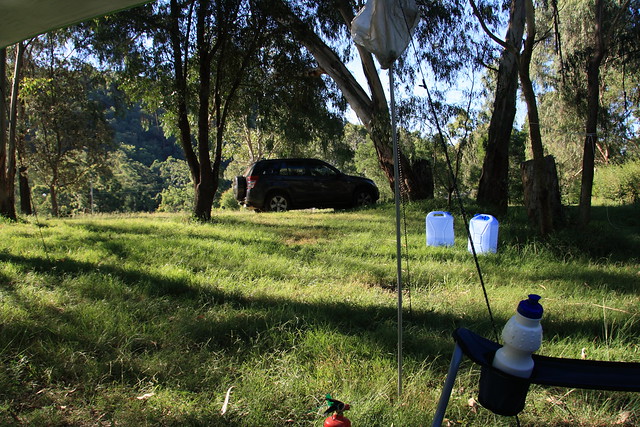

Upper Colo Reserve

Hot Days

We are going through a long hot patch in Sydney at the moment. It’s been 30C or more everyday for almost a month (with only one or two exceptions), and the forecast is for more right into April.

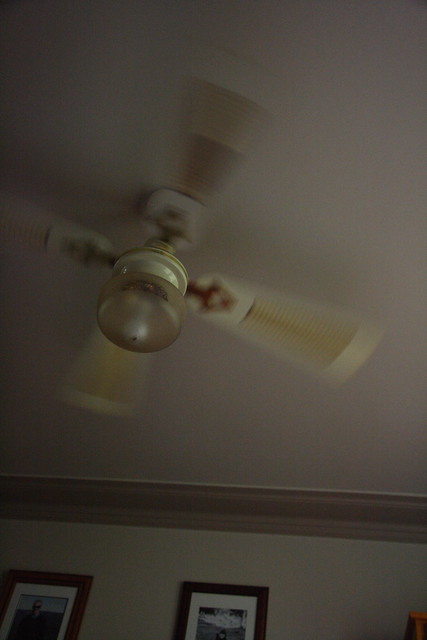
The fan, and more often than I like, the air-con, has been on constantly, day and night.

Hot days

At least some of the plants seem to be liking the weather. Our roses are actually flourishing, with practically no additional watering.

Hot days

Maroubra Beach – Part 3

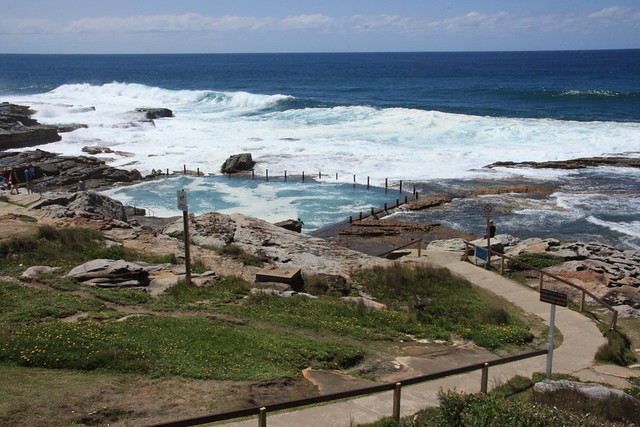
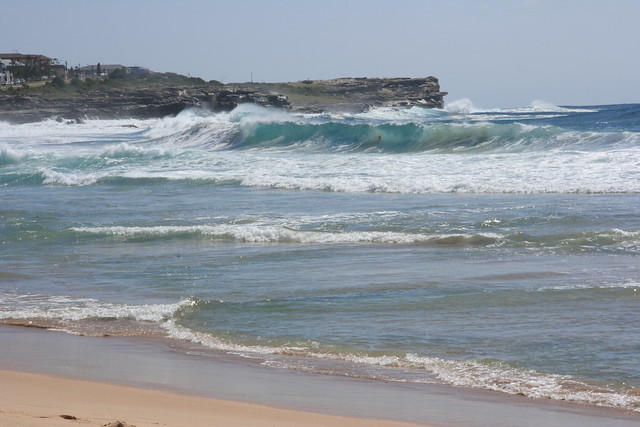
I also did a reconnaissance of the northern end of the Maroubra Beach. There is a rock pool, Mahon Pool, that may have been a good bet if the swell was off-shore, but certainly not on the day of my visit.

Big Wave

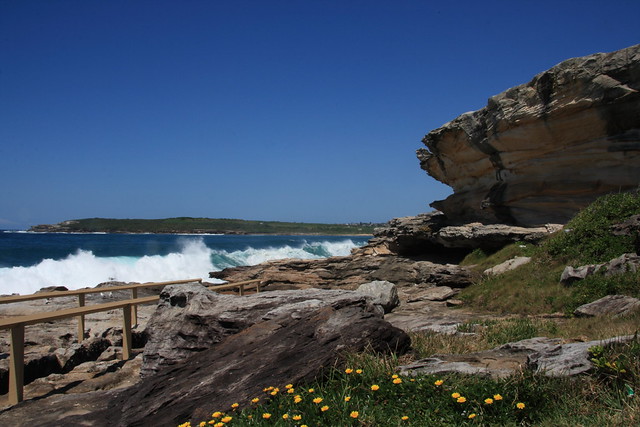
It certainly gave you a good view of the sandstone cliffs.

Big Waves

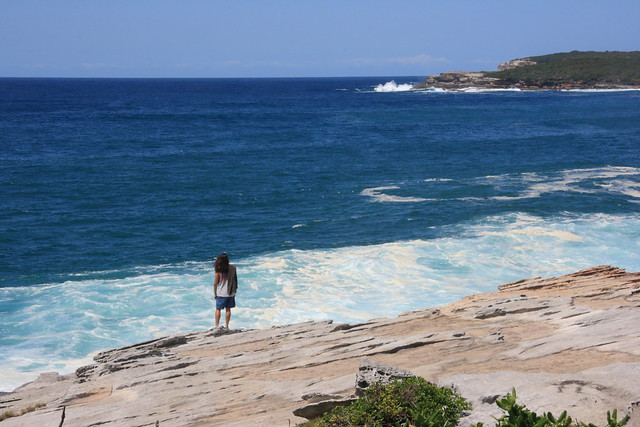
And a spectacular view of the coastline beyond.

Big Waves

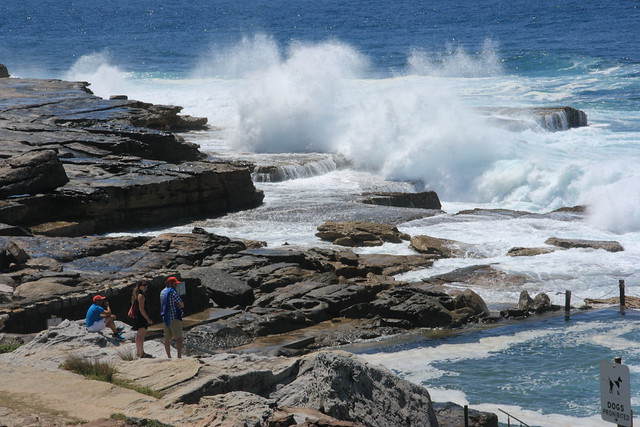
But with the big surf, it drew crowds wanting to get up close and personal with the ocean – without getting too wet.

Big Waves

Big Waves

Big Waves

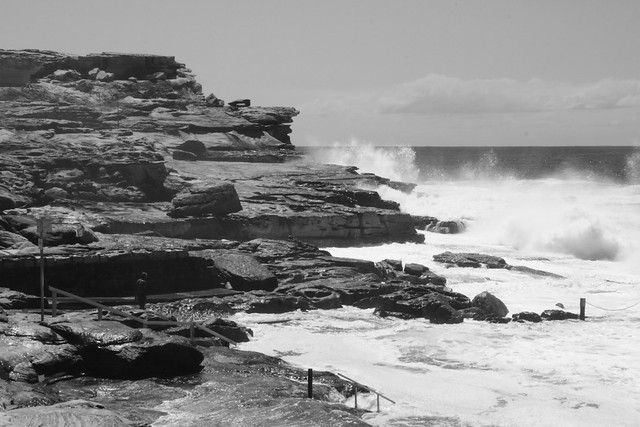
I preferred to keep my distance from the edge and take my photos from relative safety. I think the ocean was mesmerising wherever you stood that day.

Big Waves

Maroubra Beach – Part 2

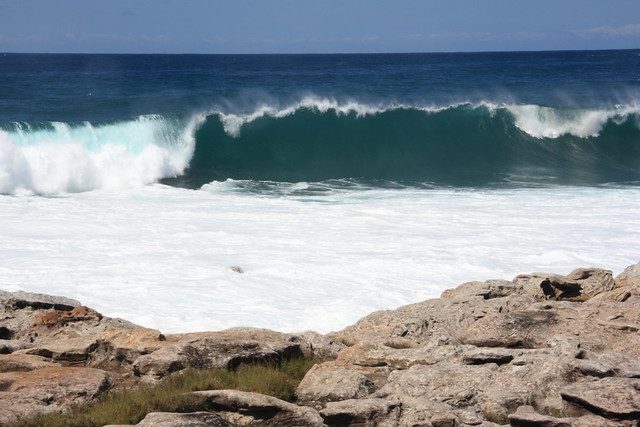
Those waves were really impressive, but not for those up for a swim.

Big Wave

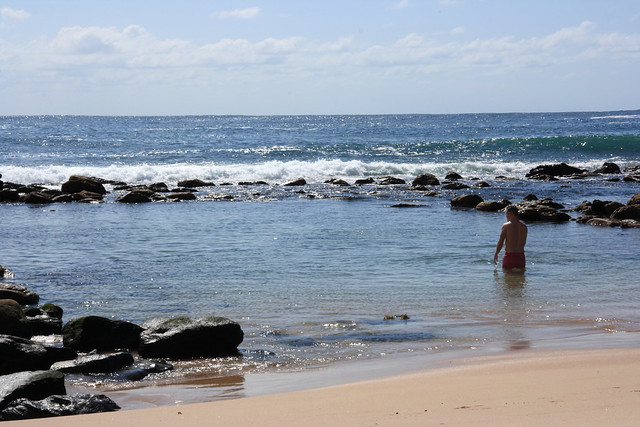
The main beach had been closed for swimming a few days that week, so for those wanting a dip it was time to head to the southern end.

Big Wave

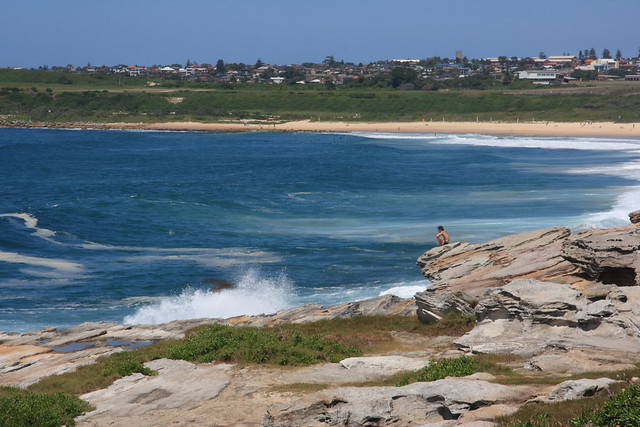
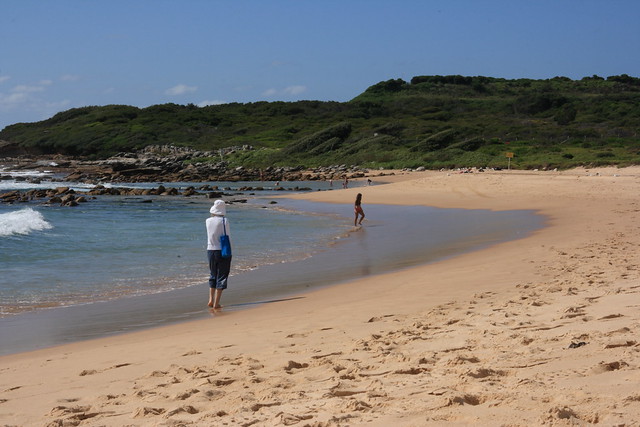
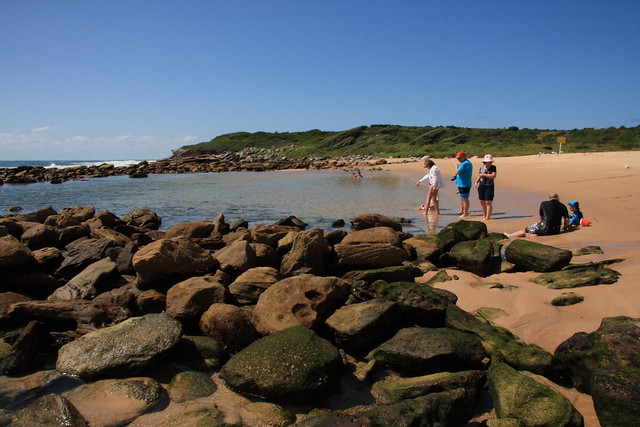
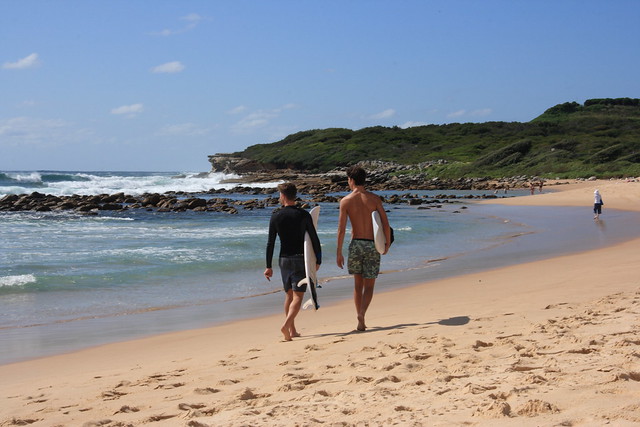
At this end was a more sheltered spot for a quiet dip. Surrounded by the green hill of the Malabar peninsula and the sand dunes, you could be mistaken you’re in a little coastal hamlet.

Big Wave

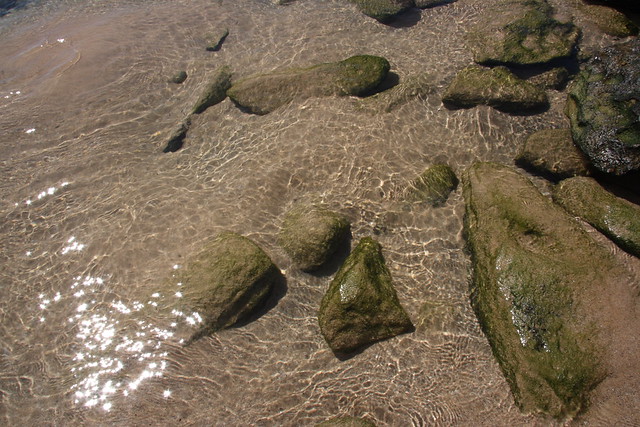
The water was clear, and although not deep, was enough to be refreshing.

Big Wave

Big Wave

And safe enough to introduce the little ones to the water too.

Big Wave

Maroubra Beach – Part 1

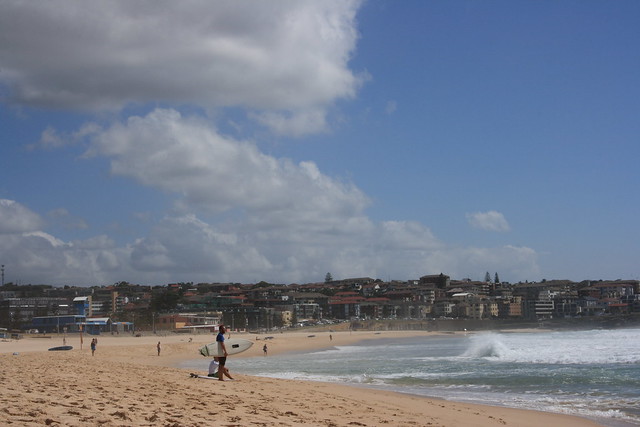
It’s amazing that even after living in Sydney for much of my life, I can still find plenty of places that I have never visited. Maroubra Beach is one of them. I must say that I like it a lot.

Big Wave

It’s a longer beach than either Coogee or Bondi, and far less developed. Not a large-scale developments on the beach front in sight, which is a relief.

Big Wave

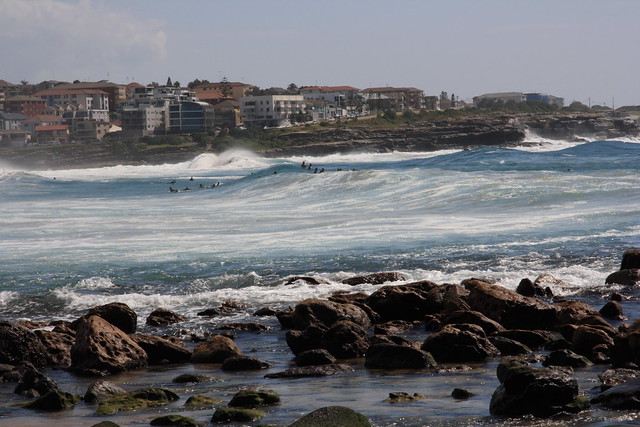
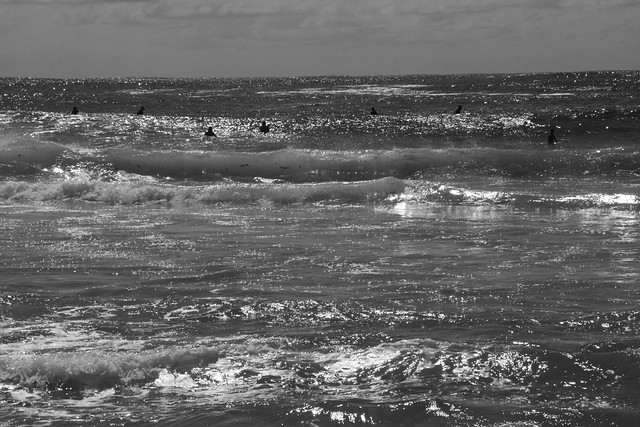
On a weekday, it’s only me, a few swimmers, and the surfers, who were busy tackling the big swell.

Big Wave

Big Wave

In fact, the waves were so good that the surfers bear couldn’t take their eye off the action.

Big Wave

All quiet in the library

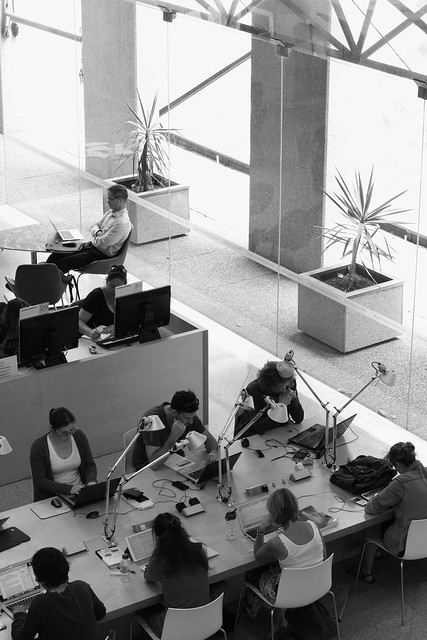
I enjoyed Joan’s recent posts about the State Library NSW, so on a recent flying visit, I snuck in a few more shots to add to my ‘from above’ collection.

State Library of NSW

State Library of NSW

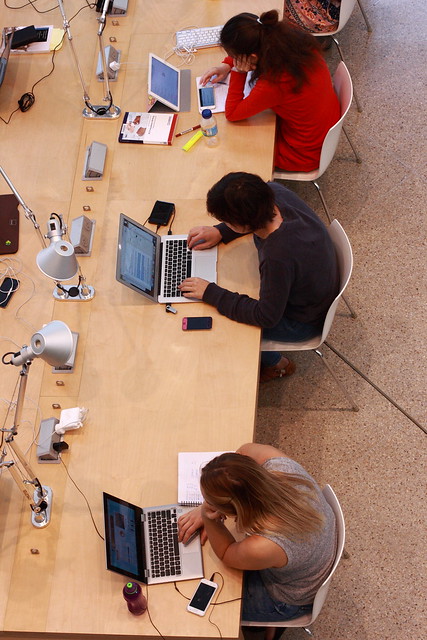
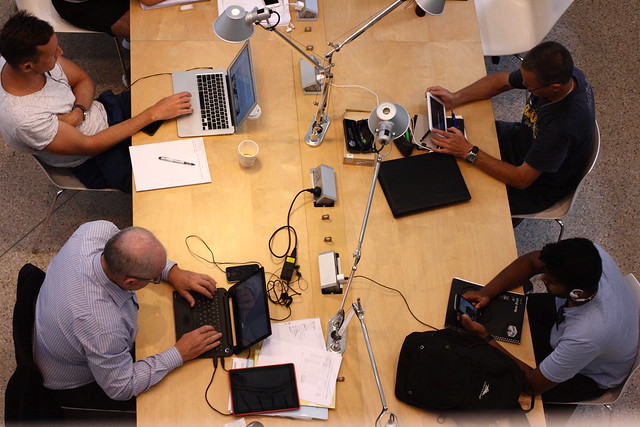
The student army still dress in jeans, but their tools have changed significantly since the days when I was at school. Just think that 20 years ago, there would barely be a laptop in sight. Now, one hardly sees anyone wielding a pen.

State Library of NSW

And what’s this, but a few escapees from the professional world? I suppose you must have somewhere to hide in the big city.

Barangaroo – Part 2

At the northern end of Barangaroo is the newly-opened Barangaroo Reserve. Yes, it’s parkland that’s been added back into the city!

Barangaroo

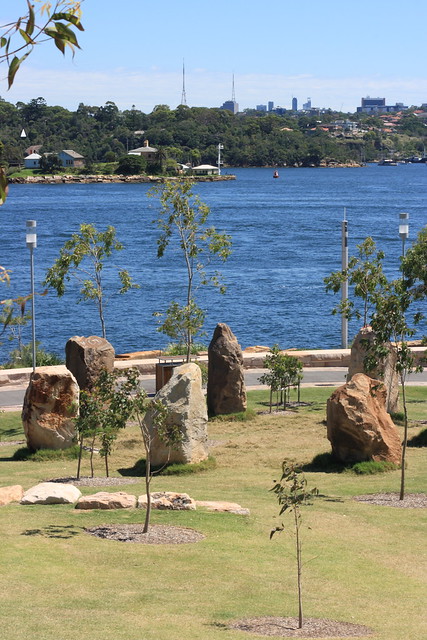
It’s been landscaped with thousands of sandstone blocks that have been quarried from the site, and planted with species that are indigenous to the peninsula. It salutes its indigenous past with many Aboriginal place names on the site.

Barangaroo

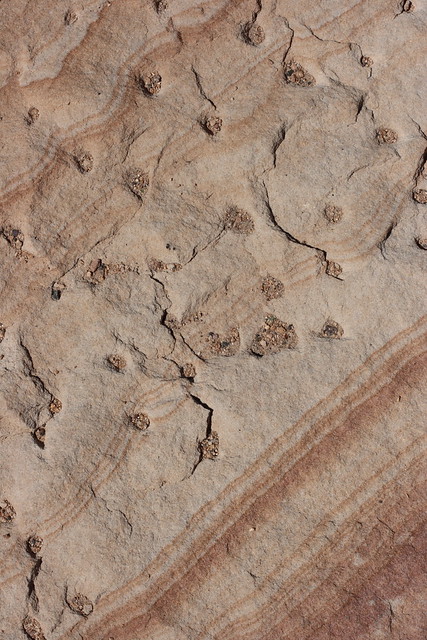
I love the sandstone blocks which came in all shapes and colours.

Barangaroo

Barangaroo

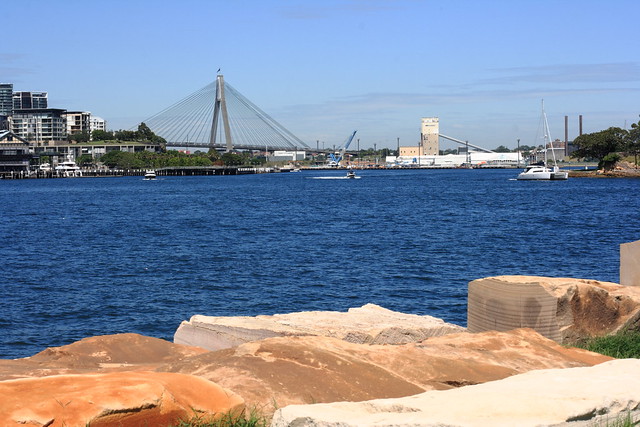
The park also has great views of the harbour, down to the Anzac Bridge.

Barangaroo

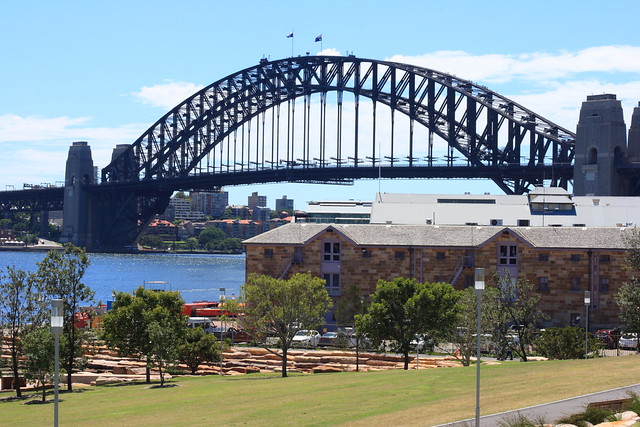
And across Walsh Bay to the Harbour Bridge.

Barangaroo

When the entire Barangaroo is open, we’ll be able to walk along the entire foreshore from Woolloomooloo all the way to Darling Harbour. I think it’s a brilliant addition to the city.

Barangaroo – Part 1

Sydney is a city that changes all the time, and the western part of the CBD is an area that has changed the most. It’s been named Barangaroo, named after the wife of Bennelong, a powerful Cammeraygal woman, and wife of Bennelong, who lived at the time of first European contact. The point was part of the land of the Cadigal people, and the shores of Darling Harbour was an important site for collecting cockles and oysters.

The area was gradually used as a port area in the 19th Century, and was seized by the government at the turn of the century for sole use as a port. It was abandoned in the late 20th Century when changes in shipping required a much larger port, and Sydney’s port was moved to Botany Bay.

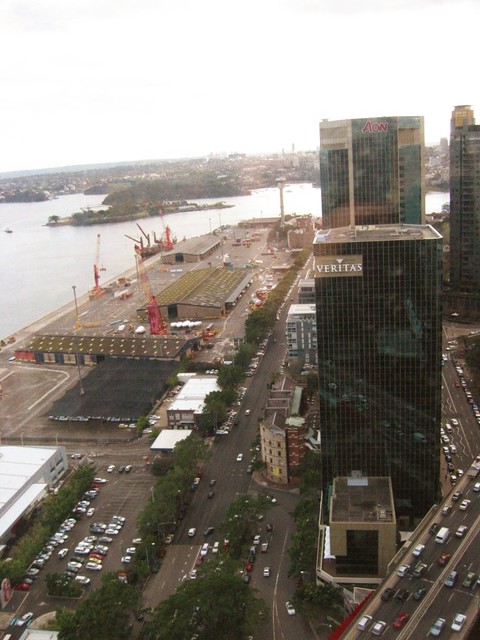
In 2006, this was how the area looked. Most of the previous buildings have been knocked down, just a few warehouses left.

Barangaroo

The area was then cleared in preparation for Catholic World Youth Day in 2008.

Barangaroo

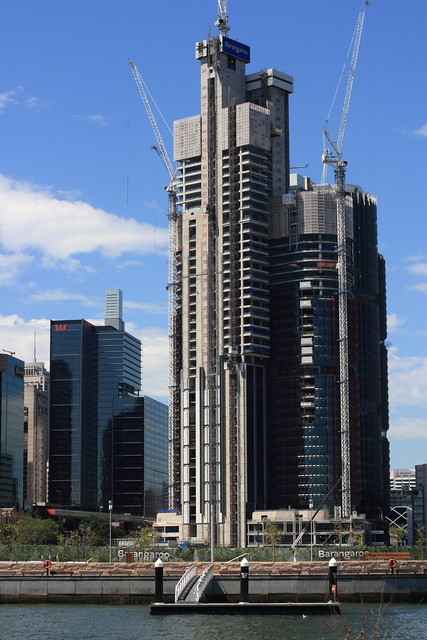
Nowadays, the site looks completely different. The southern part of the site is now dominated by new skyscrapers that completely dwarf the buildings around it.

Barangaroo

However, it is the northern half that I like the most. More in the next post.

Adventures on life's merry-go-round