Tag Archives: kyoto

Shogun Castle

When we went to Europe a few years ago, we got a good dose of historical buildings. The Japanese have their fair share of them too, and it was good to be able to get inside a grand, old one.

There are a few to choose from in Kyoto, being the old imperial capital. We chose to go to Nijo-jo – Nijo Castle – the headquarters of the Tokugawa Shogun. This clan held complete power, even over the Emperor, for over 250 years.
Nijo-Jo Castle

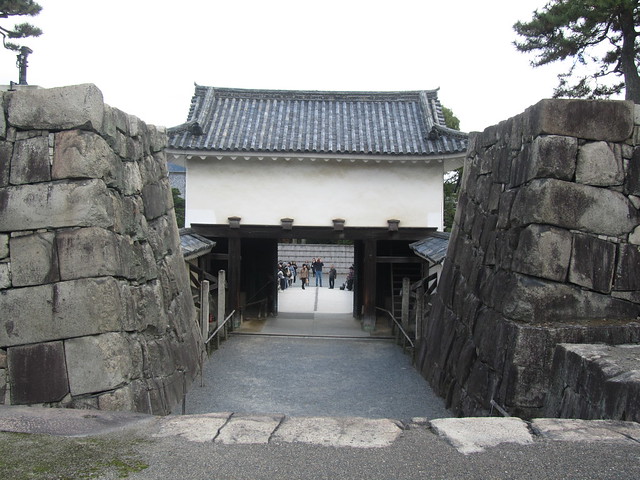
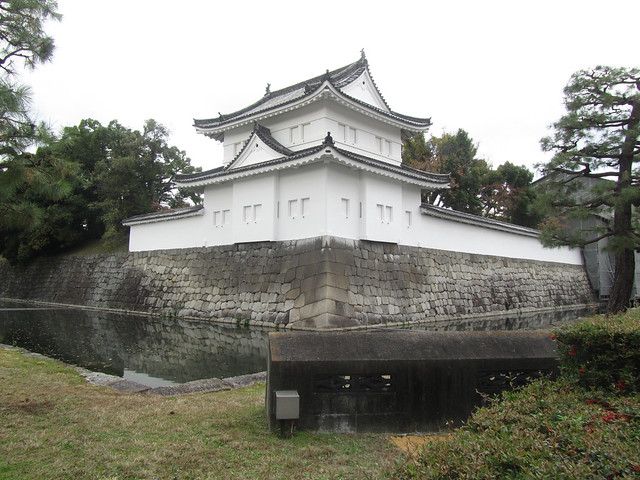
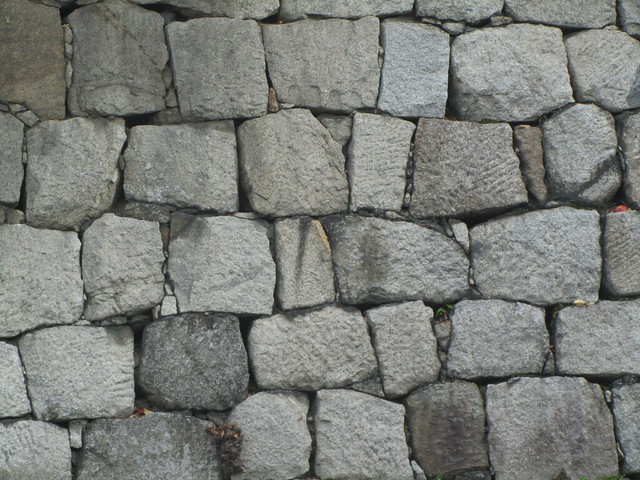
As you can see just by the outer moat and guard-house, they liked things big!
Nijo-Jo Castle

Nijo-Jo Castle

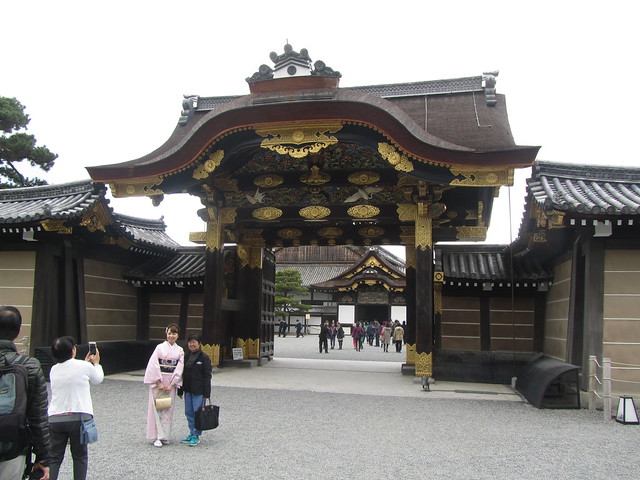
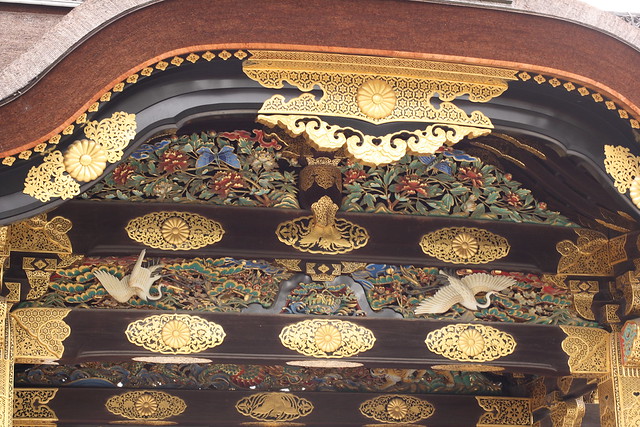
We visited Ninomaru Palace, one of the palaces in the complex. The entry gate was appropriately grand.
Nijo-Jo Castle

Nijo-Jo Castle

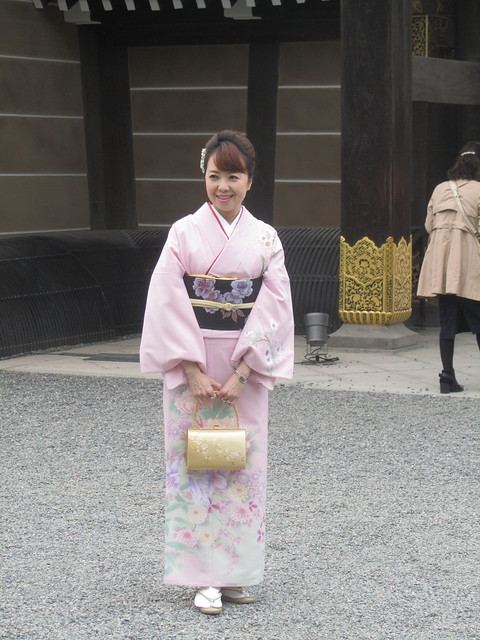
It’s certainly a place to dress up for.
Nijo-Jo Castle

We got into the palace grounds proper, and the castle was definitely of a large size. We weren’t allowed to take any photos, but we can report that there were large, airy reception rooms with beautifully painted walls and ceilings. In the Japanese style, it was tastefully minimalist compared to Western, or even other Asian palaces. We particularly liked the squeeky floor boards – a security measure against ninjas!
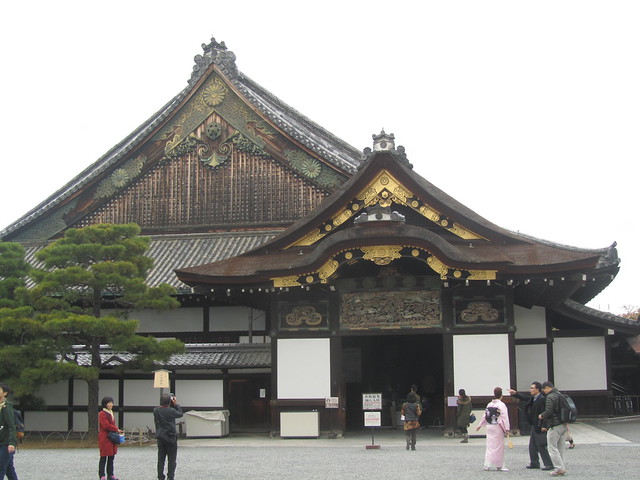
Nijo-Jo Castle

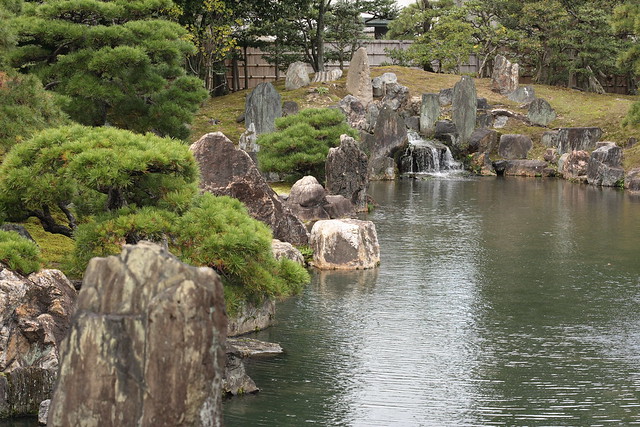
The gardens around the palace were also lovely to walk around.
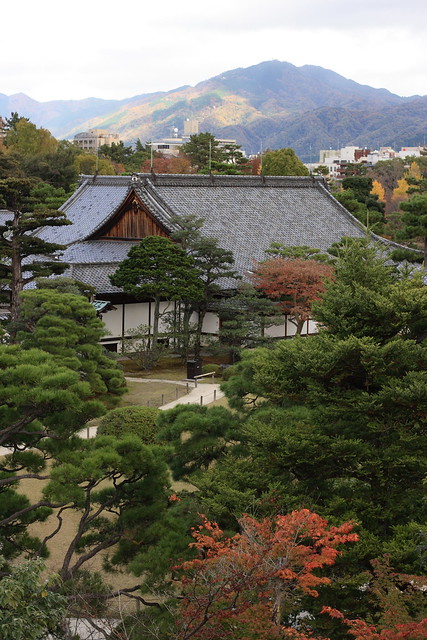
Nijo-Jo Castle

Nijo-Jo Castle

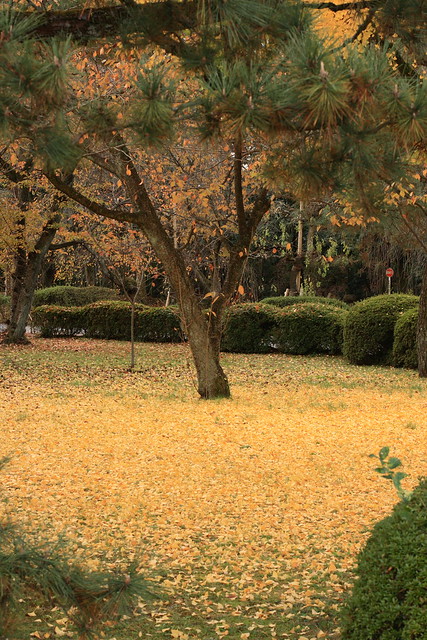
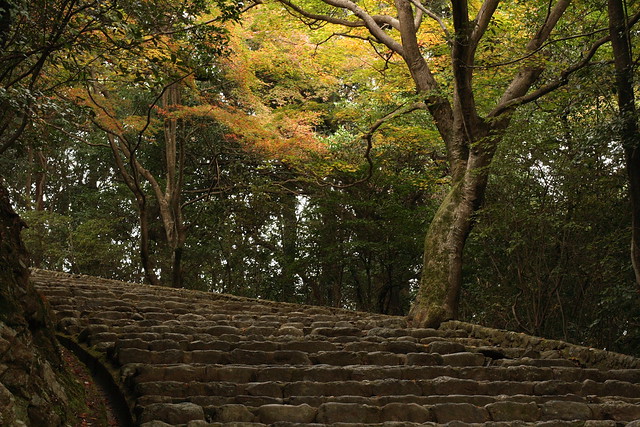
Particularly since the trees were turning.

Nijo-Jo Castle

Nijo-Jo Castle

Nijo-Jo Castle

That’s all from Kyoto. Wishing everyone a merry and safe Christmas. After Christmas we’ll travel to somewhere new in Japan!
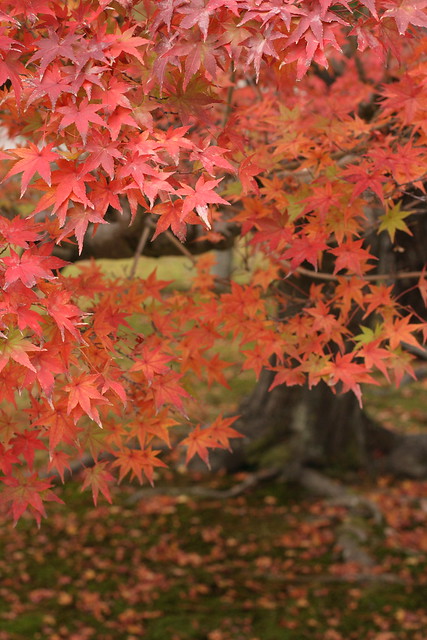
Nijo-Jo Castle

More Kyoto Feeds

Eating in Kyoto, of course, was more than just kaiseki meals. We ate much simpler meals too.

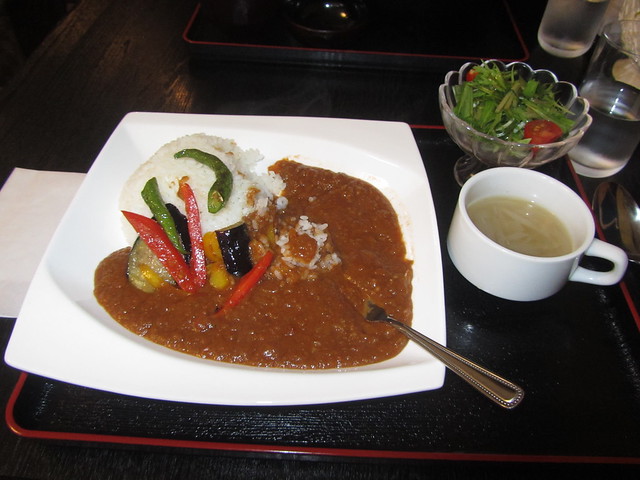
At a cafe around the corner we ate this meal of ‘yasai kare setto’ – Japanese vege curry set meal with the curry, rice, salad and miso soup.

Yasai Kare Setto

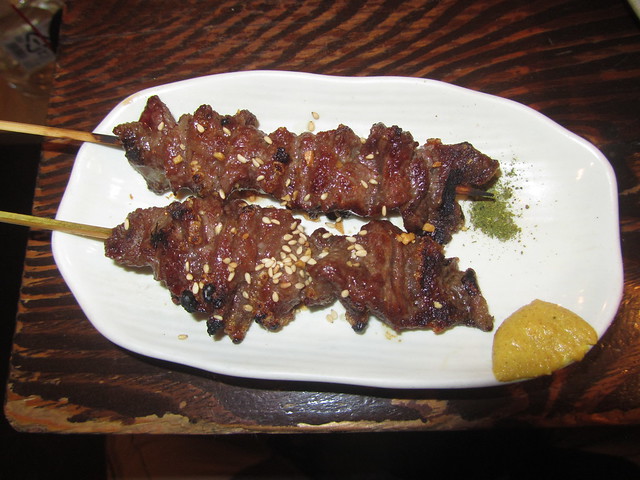
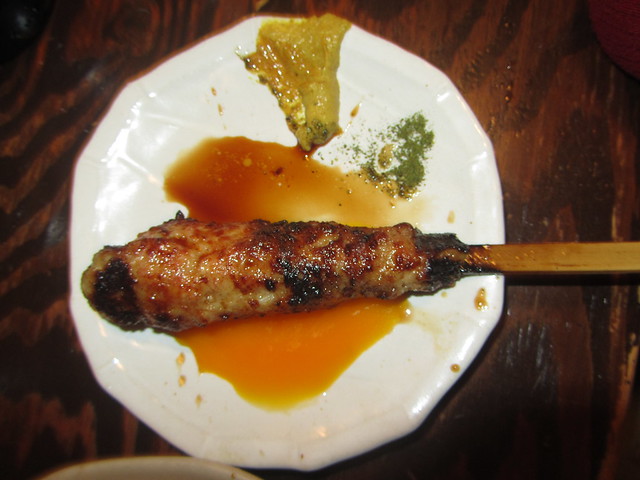
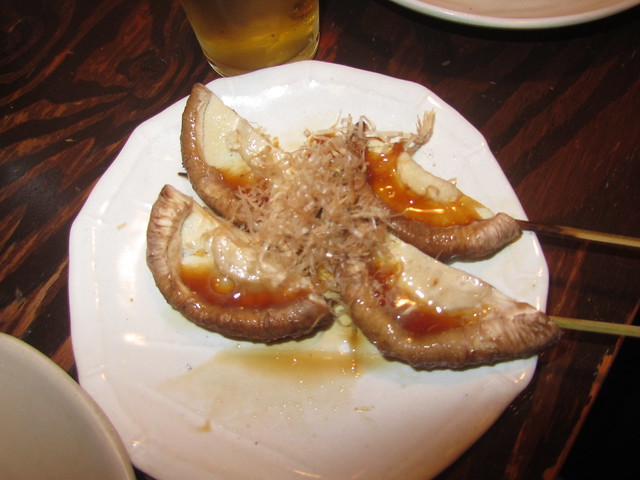
Down the road at a little izayaka (the Japanese version of a pub), the BBQ was going full-tilt, churning out all sorts of grilled things on sticks to have with our beer.

Izakaya Food

Izakaya Food

Izakaya Food

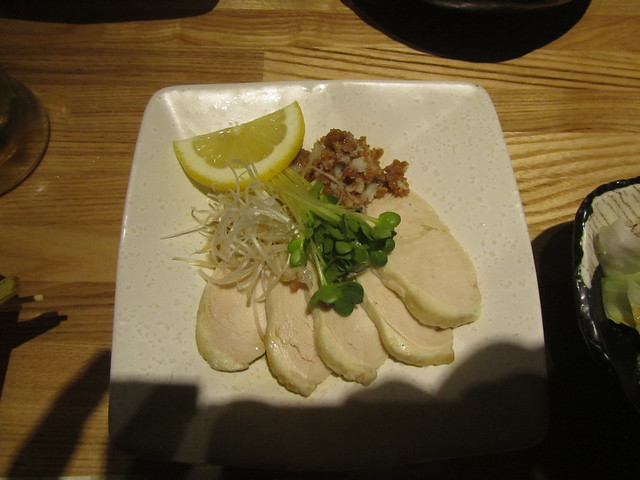
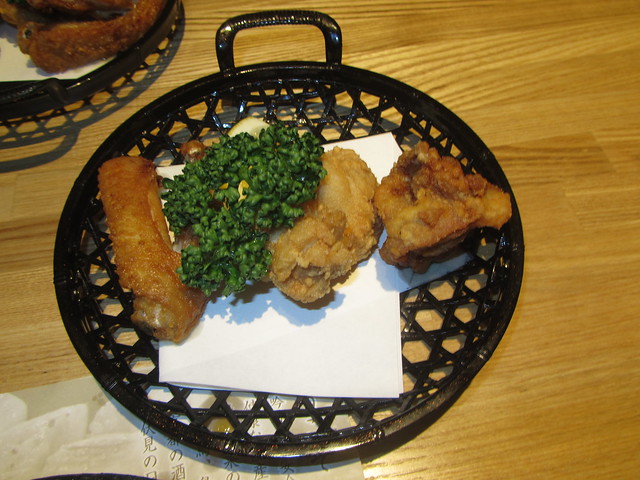
The restaurants often specialise in one type of food or ingredient. One night, we ate at a restaurant that was all about chicken.

Chicken Yakitori Banquet

Chicken Yakitori Banquet

Chicken Yakitori Banquet

Chicken Yakitori Banquet

Chicken Yakitori Banquet

One thing is certain, you’re never short of interesting eating options in Kyoto.

Time for a rest and a feed – Kyoto style

After all that sightseeing in Kyoto, it’s time for a rest, don’t you think? Time to check in.

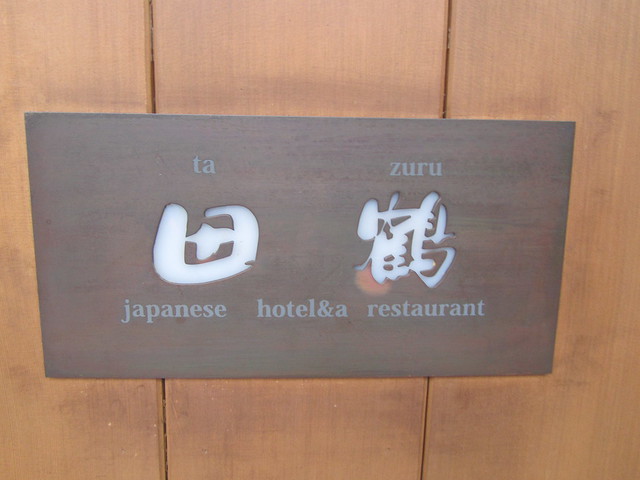
Ryokan Tazuru

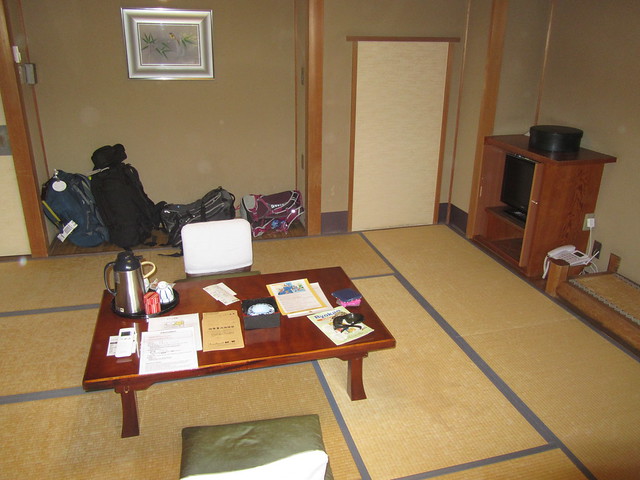
Tazuru is a modern ryokan – a hotel with Japanese-style rooms, o furo (bathroom), with breakfast, and even a kaiseki dinner. During the day, the room is the living area.

Ryokan Tazuru

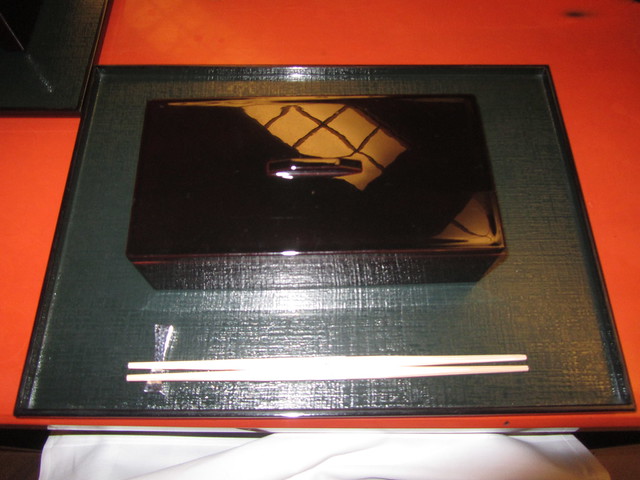
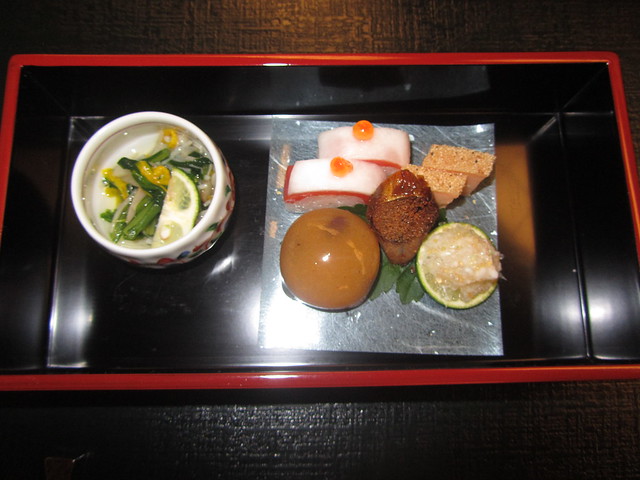
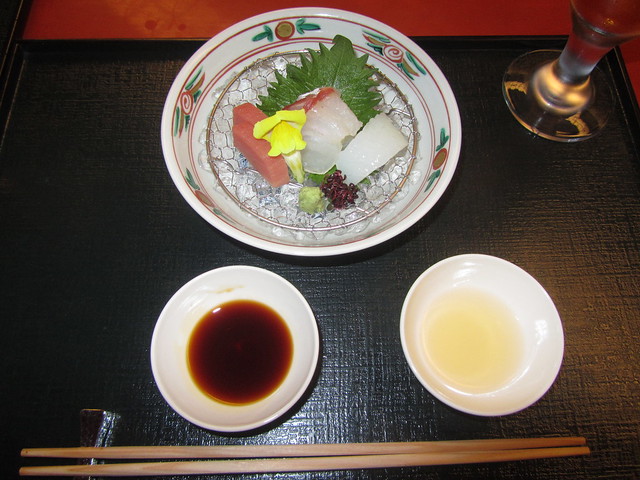
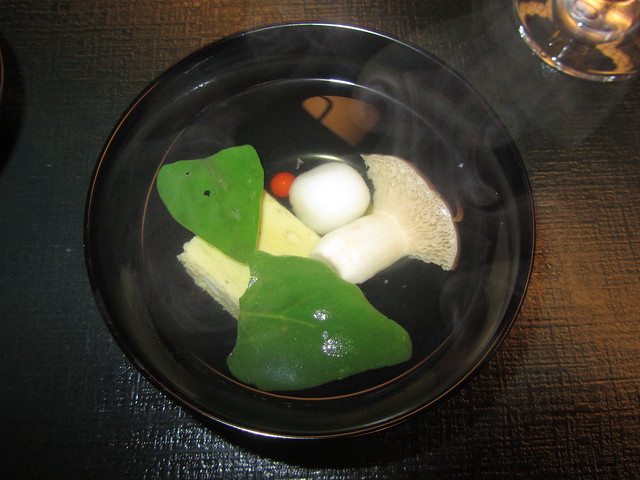
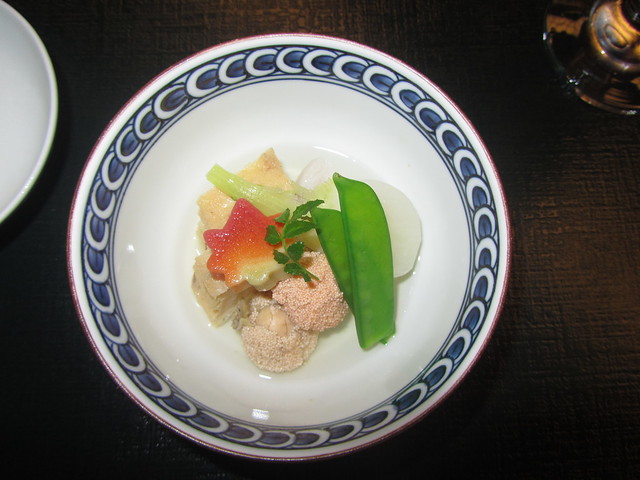
We ordered dinner on the first night, and it was a dinner that was kaiseki style – multi-course, refined meal with dishes that are highly seasonal.

Ryokan Tazuru Kaiseki

I must say that this was a huge step above the food we’d eaten previously that we’d considered to be Japanese, in terms of taste and technique.

Ryokan Tazuru Kaiseki

There were familiar dishes.

Ryokan Tazuru Kaiseki

And then rather more unfamiliar ones.

Ryokan Tazuru Kaiseki

Ryokan Tazuru Kaiseki

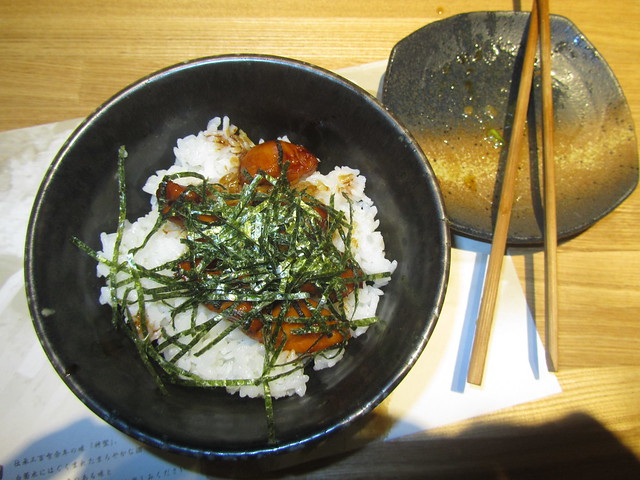
The rice was served as its own course with accompaniments.

Ryokan Tazuru Kaiseki

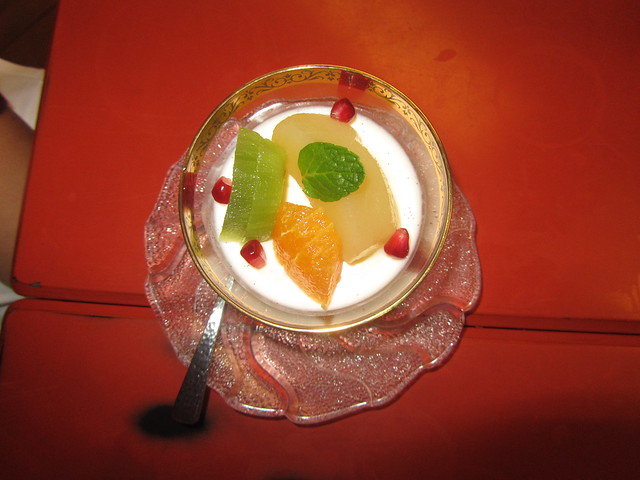
Eight courses later, we reached dessert!
Ryokan Tazuru Kaiseki

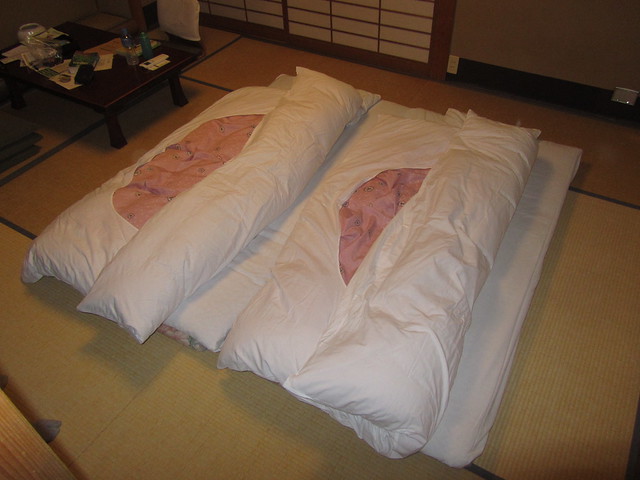
After dinner, our room had been reconfigured to sleeping mode. It was comfortable, although Hubby was complaining that his knees couldn’t take getting off the floor all the time. Hmm, perhaps time for yoga?

Ryokan Tazuru

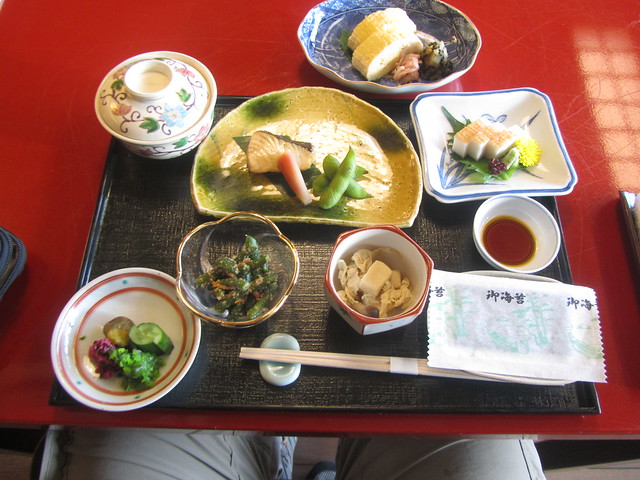
And in the morning, we were greeted with a very hearty breakfast of rice, fish, miso soup, omelette, among other things. That should get us through until the following dinner!

Ryokan Tazuru Breakfast

Monkeying Around Again

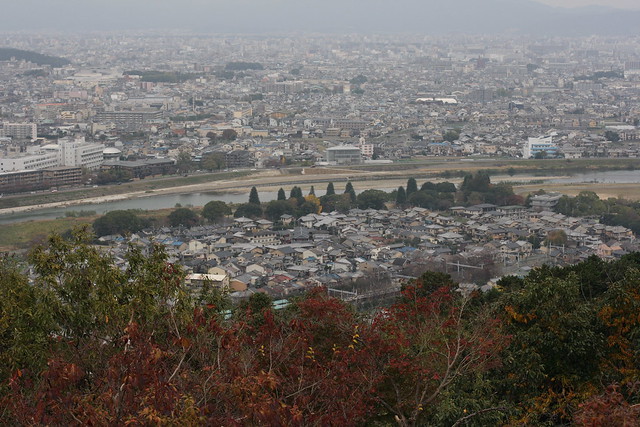
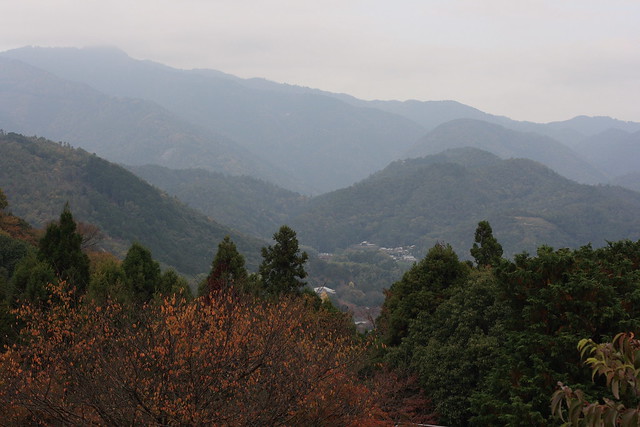
By the time we reached the top of Iwatayama, we saw that we were quite high above it all.

View from Iwatayama

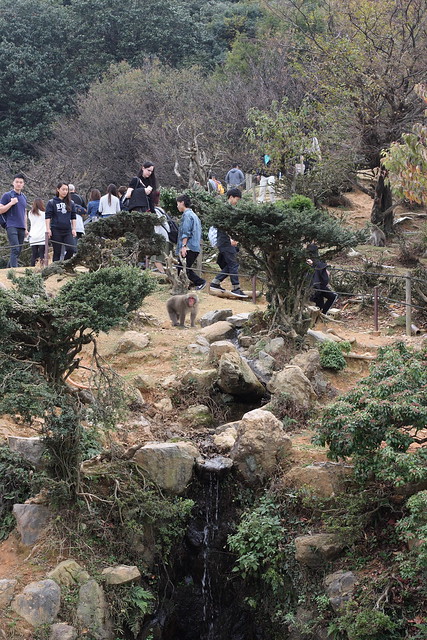
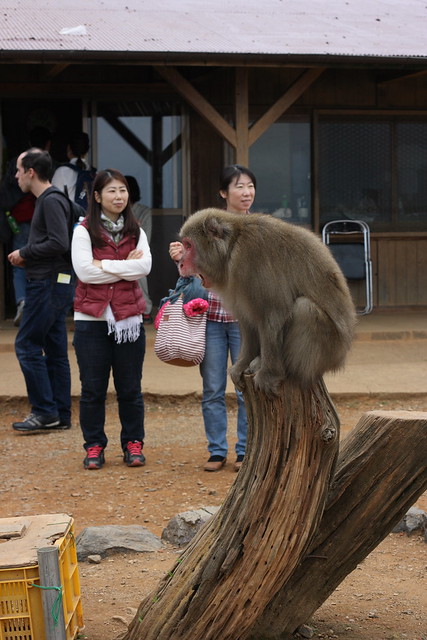
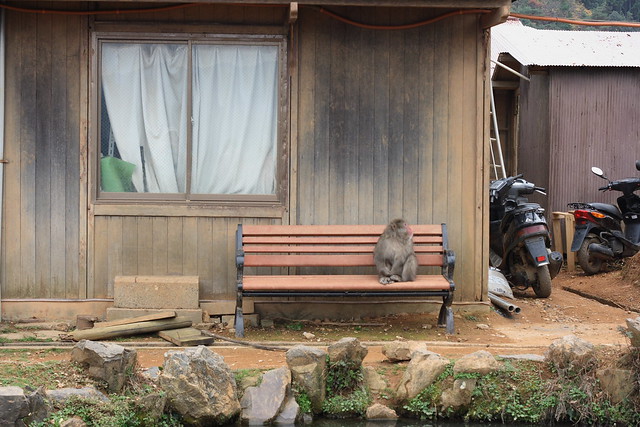
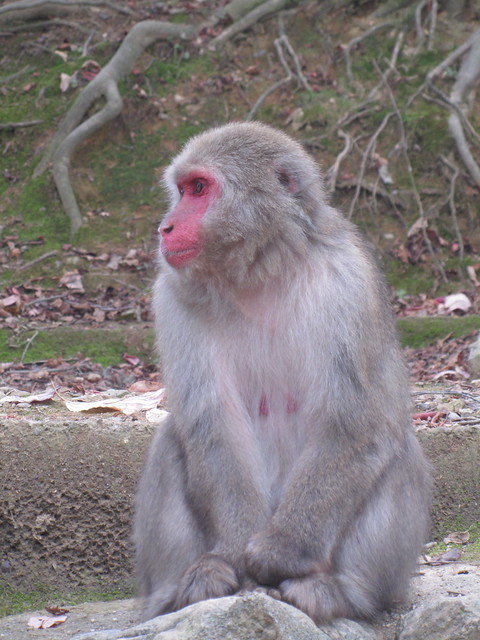
And it’s at this altitude that we find the Iwatayama Monkey Park, a sanctuary for Japanese macaques (or snow monkeys). I’ve met these monkeys before, at Jigokudani near Nagano. This sanctuary might not have hot springs, but the monkeys still run wild and free.

Iwatayama Monkey Park

Iwatayama Monkey Park

Iwatayama Monkey Park

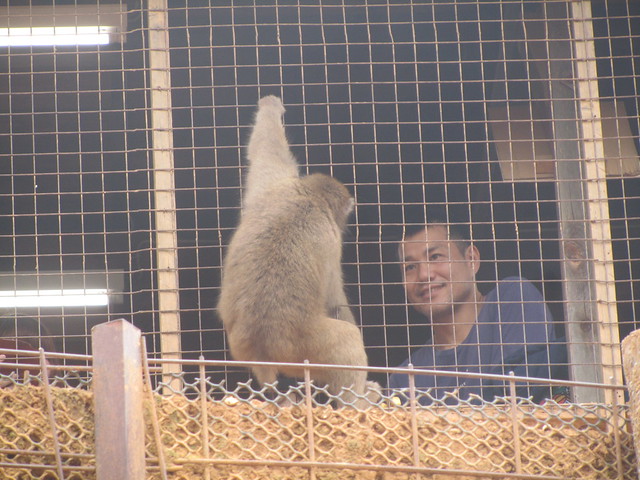
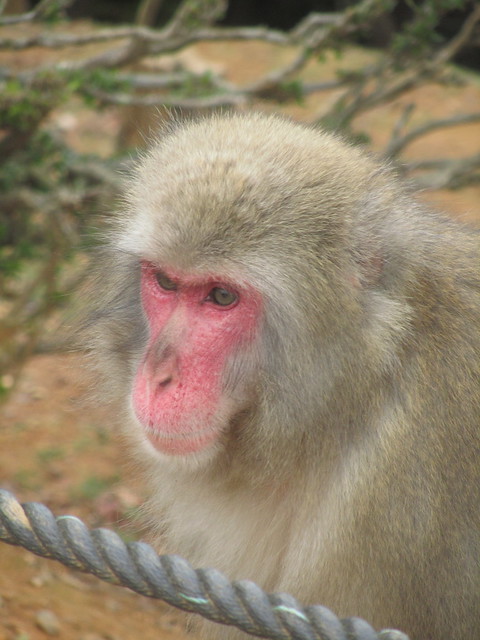
Because the monkeys are wild, humans aren’t allowed to approach, feed or make eye contact with them in the open. So for those who really want to get up close, a cage is provided to keep you safe!

Iwatayama Monkey Park

Still it’s all ‘kawaii’ (cute) and it’s interesting how they all interact with each other – and with us.

Iwatayama Monkey Park

Iwatayama Monkey Park

Iwatayama Monkey Park

Climb Ev’ry Mountain

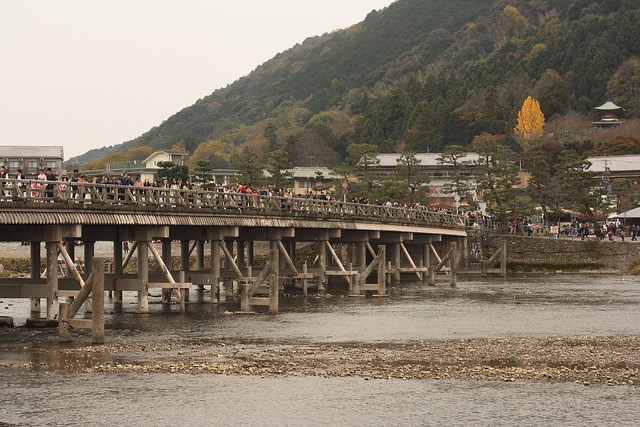
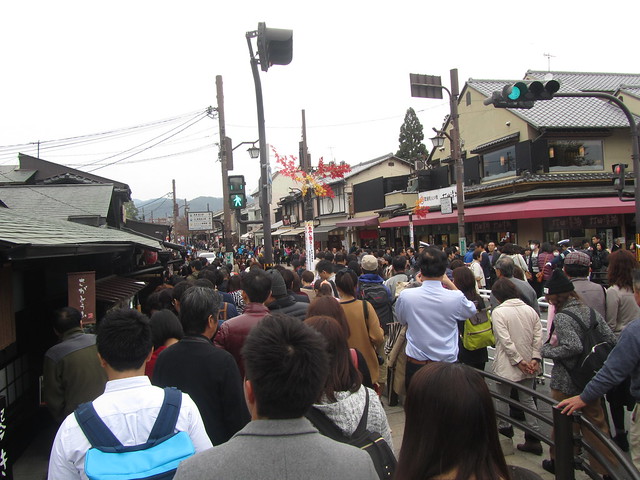
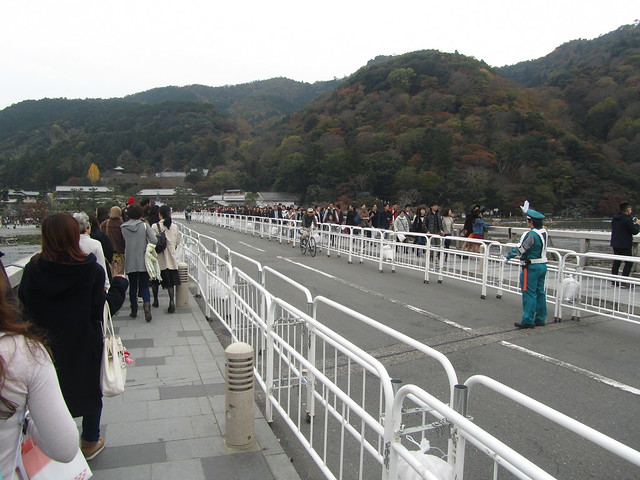
There was no escaping those crowds though, particularly since we wanted to cross Togetsukyo Bridge, that spanned the Oi River.

Across Togetsukyo Bridge

Across Togetsukyo Bridge

Across Togetsukyo Bridge

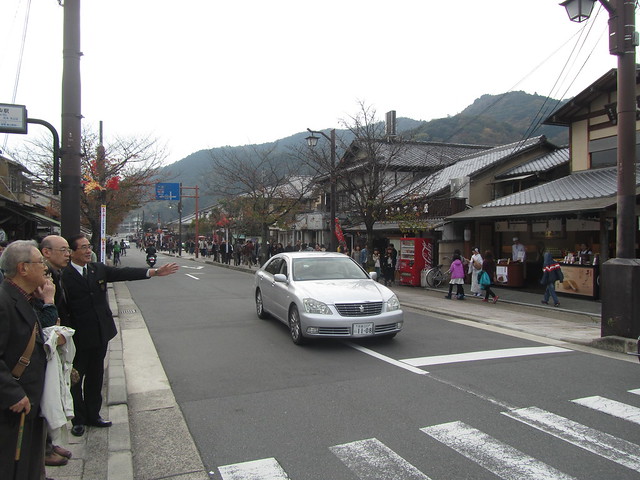
There were barriers, traffic wardens, and constant announcements on the town’s PA system. It really was full-on.

Across Togetsukyo Bridge

The Japanese really love their white gloves when in official roles!

But strangely most people seemed to do an about-turn as soon as they reached the other side. We weren’t complaining.

Across Togetsukyo Bridge

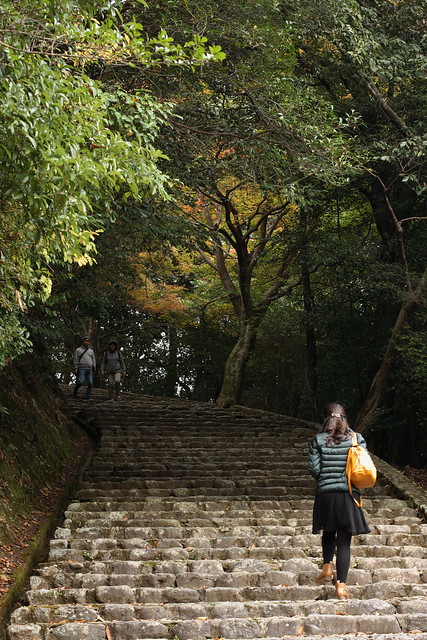
There were even higher hills on this side of the river. We decided to climb the wooded Iwatayama. The path was sure steep, but scenic.

Up Iwatayama

Up Iwatayama

Up Iwatayama

And there was something special at the end of it, too.

Peace at Last

Actually, it wasn’t too difficult to find a bit of peace in Arashiyama. After we walked out of the bamboo forest and into nearby Kameyama Park, we found it straight away.

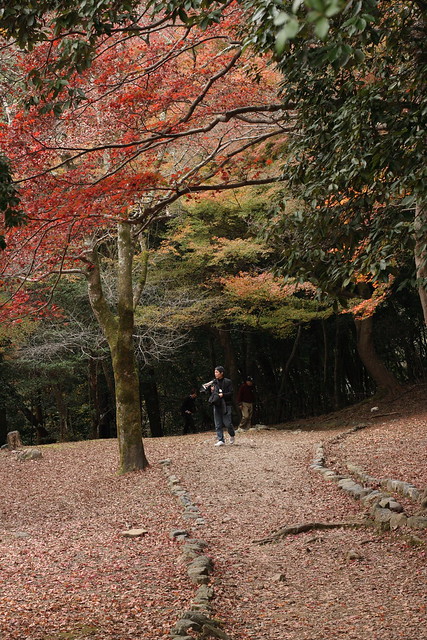
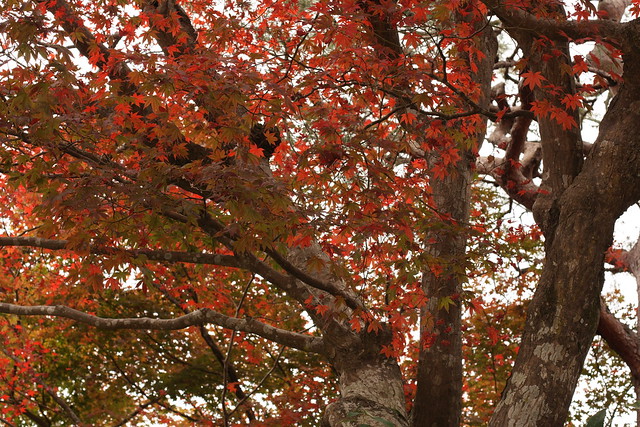
I wouldn’t say that autumn was in full swing at the time, but we enjoyed a few trees that were giving up their colour.

Kameyama Park

Kameyama Park

Kameyama Park

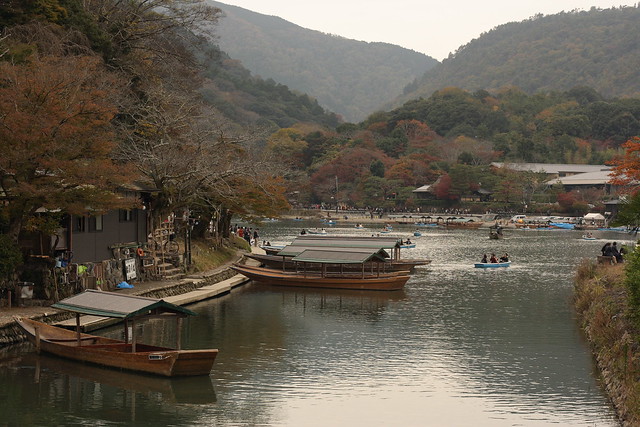
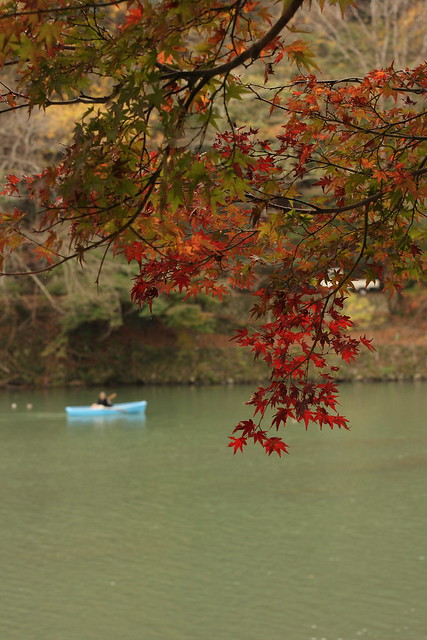
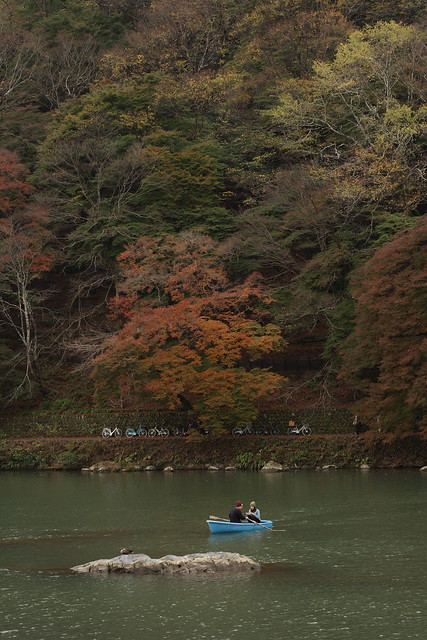
We walked down the hill to the Oi River, and there we found ‘fire’ and water side by side.

By the Oi River

Quite a few people on the water enjoying the scenes.

By the Oi River

By the Oi River

By the Oi River

But we were content to wander along the relatively quiet paths and enjoy the scene on dry land.

By the Oi River

No peace in the forest

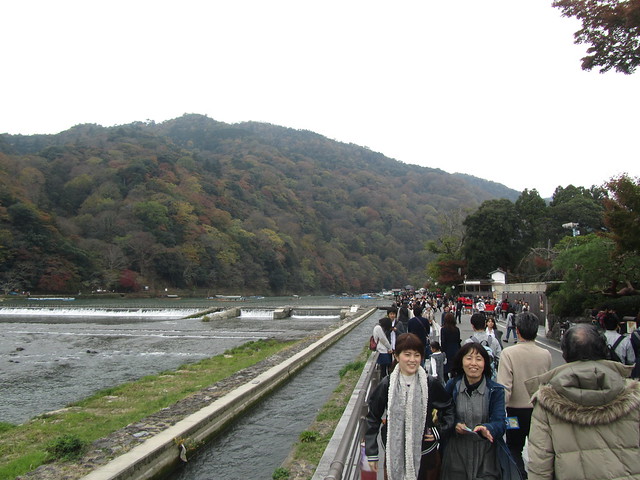
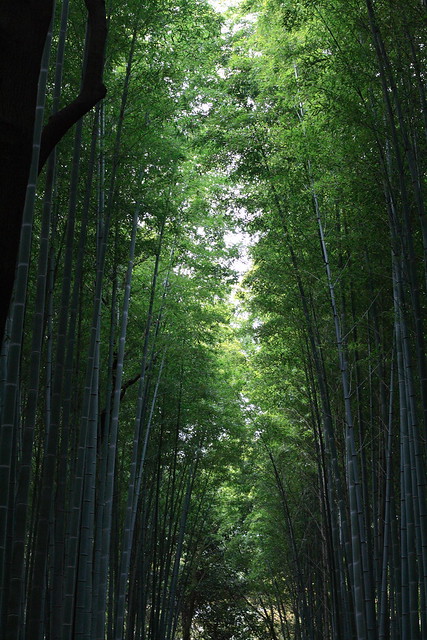
In preparing for the trip, we read the Lonely Planet Japan guide a lot. Its cover wooed us to visit the bamboo forest at Arashiyama, a place in the far west of Kyoto. After seeing some crowds the previous day, we thought we would be mentally prepared.

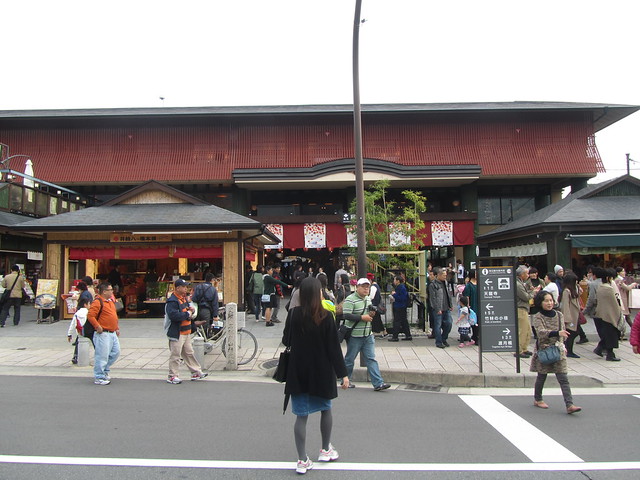
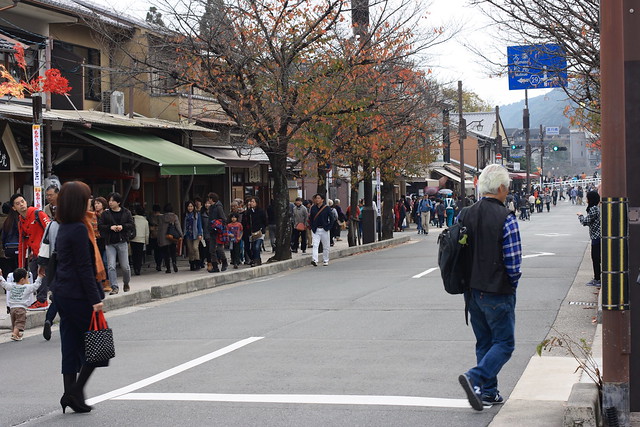
The trip from our side of town was via 2 trains, which was easy enough to navigate, but as soon as we arrived at Arashiyama station, we got a feeling that this was a pretty popular spot.

No peace in the forest

No peace in the forest

No peace in the forest

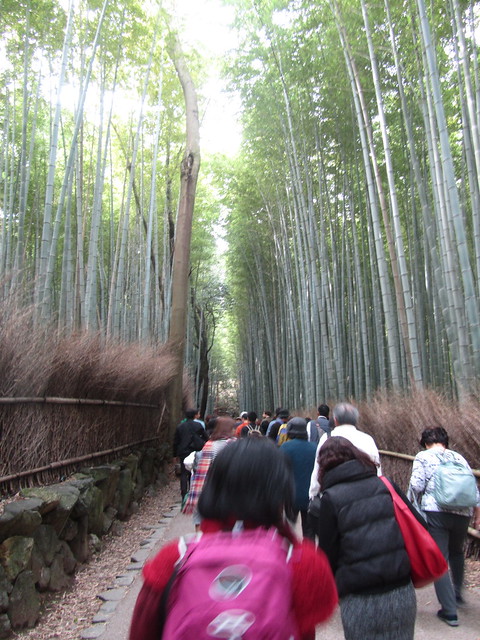
The bamboo forest was a 10 minute walk, which we shared with the crowds. Others seem to have found a quicker way.

No peace in the forest

And of course, the bamboo forest was also shared with the masses.

No peace in the forest

No peace in the forest

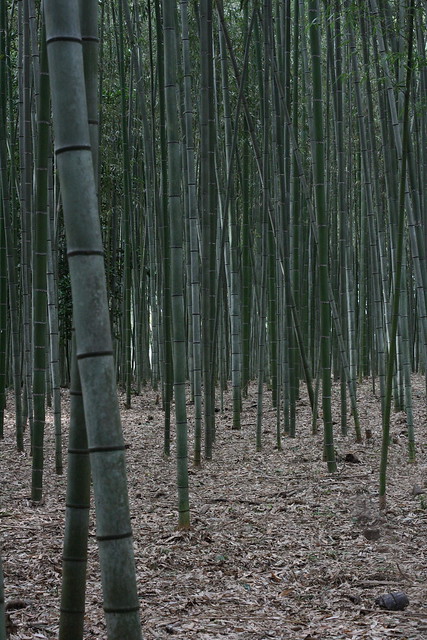
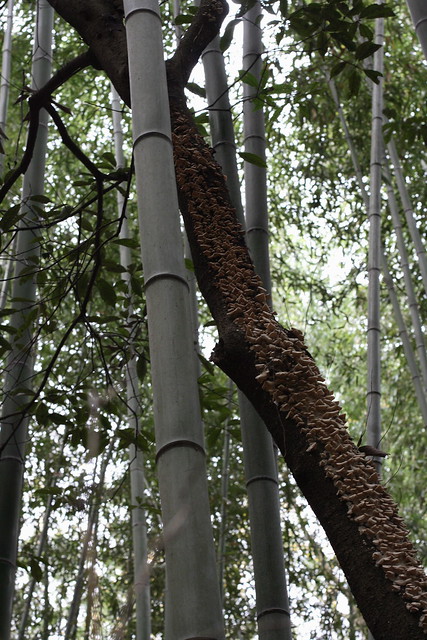
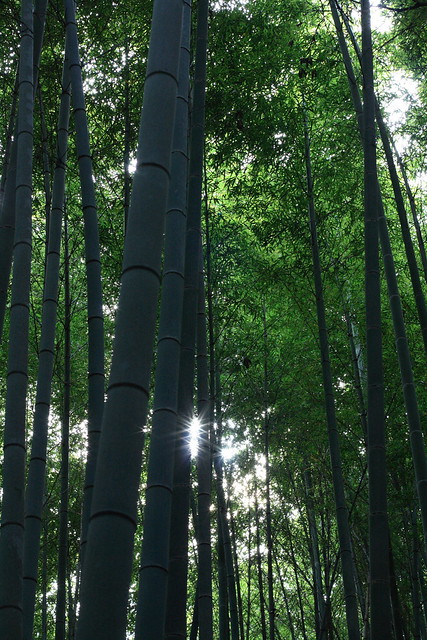
Although I was able to take some pretty shots of the bamboo.

No peace in the forest

No peace in the forest

No peace in the forest

No peace in the forest

I’ve been told that Kyoto gets even more crowded at Hanami (the cherry blossom viewing season in the spring), which I can’t even imagine. So for those thinking about going to Kyoto (or even Japan for that matter) around that time and are wary of crowds, you have been warned!

Inner Sanctum

Kyoto was buzzing with visitors over the weekend, and on the main streets we were forced to move at a snail’s pace because of the crowds. But the good thing about Kyoto is that there are plenty of quiet places too.

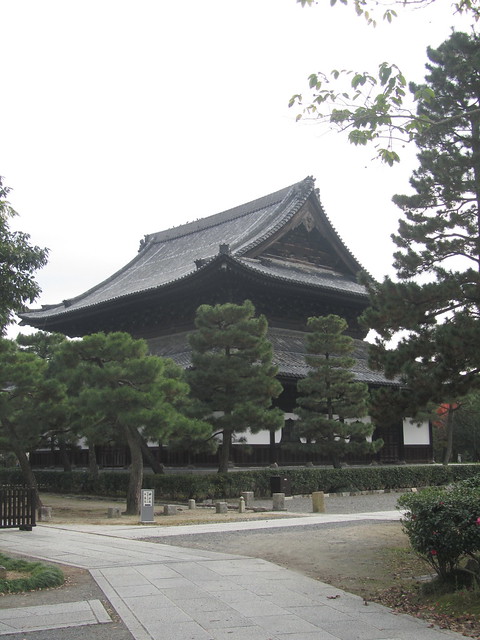
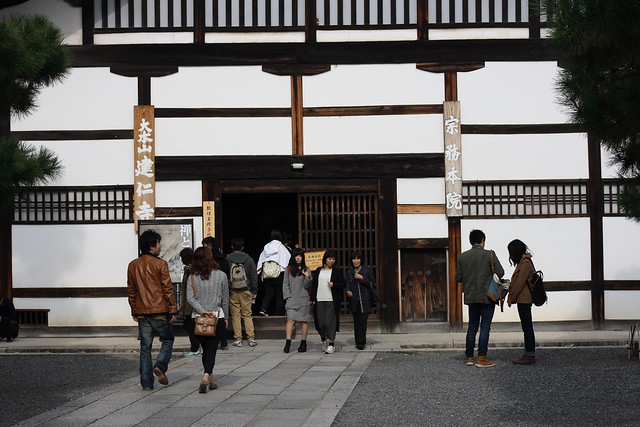
Kenninji Temple

In the middle of the busy Gion district is Kenninji Temple, the oldest Zen Buddhist temple in Kyoto. It’s the area’s ‘inner sanctum’, if you like.

Kenninji Temple

Kenninji Temple

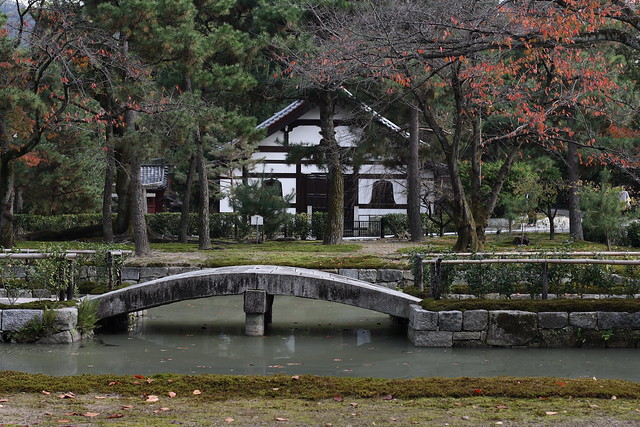
Most of the visitors headed straight for the temple itself, where there were amazing painted ceilings, but we were content to wander through the quiet gardens.

Kenninji Temple

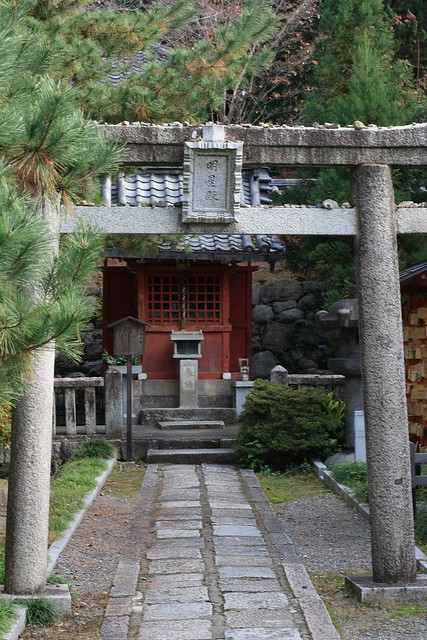
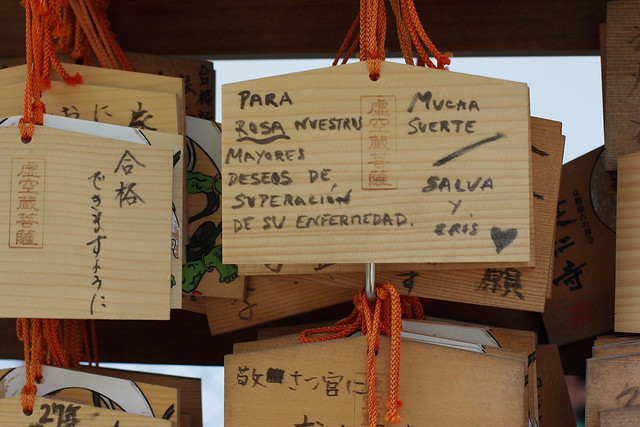
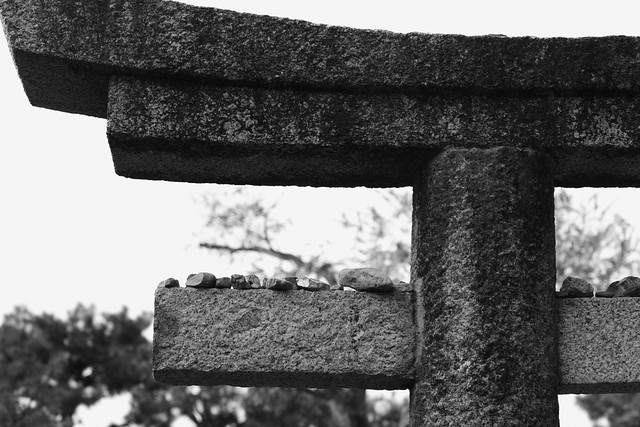
There was a little shrine where people wrote the prayers on wooden boards.

Kenninji Temple

Kenninji Temple

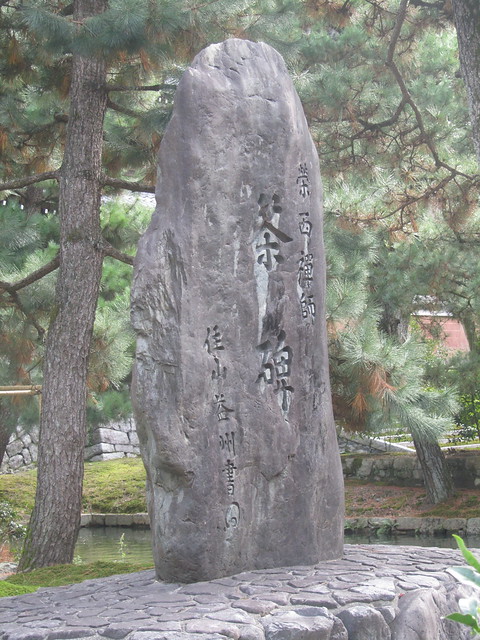
And as it was a zen garden, rocks were used all the way through.

Kenninji Temple

Kenninji Temple

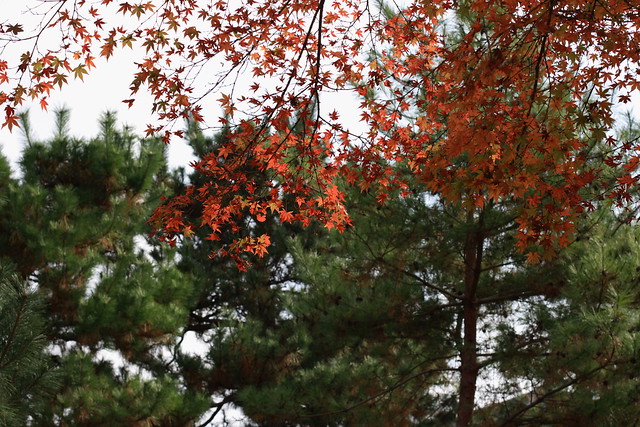
The scenes that I liked most were the little signs that autumn was in full swing in the city.

Kenninji Temple

Kenninji Temple

Kenninji Temple

Kenninji Temple

Kenninji Temple

We soon found out however that in Kyoto it was a luxury to enjoy such beauties in peace and quiet.

Scenes from Old Kyoto

Our first destination was Kyoto – the former capital of Japan up until 1869. It was a place that I visited 9 years ago, but being at the tail-end of the tour, went by in a blur of temples. On this visit, things were taken at a much slower place.

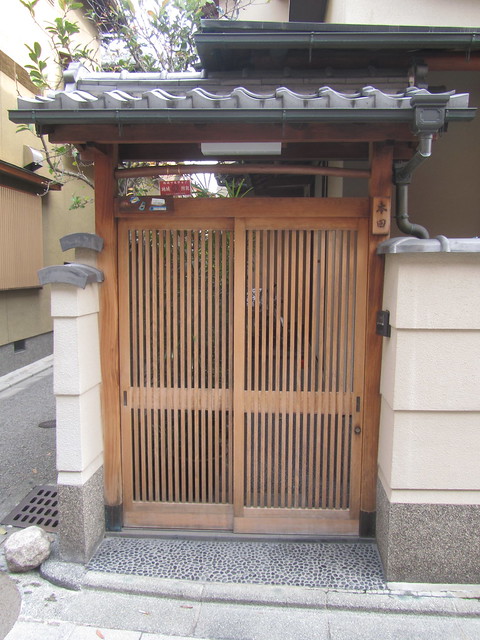
We stayed in the old section, by the Kamo River, and had the opportunity to experience scenes from days past…

Scenes from Old Kyoto

Scenes from Old Kyoto

Scenes from Old Kyoto

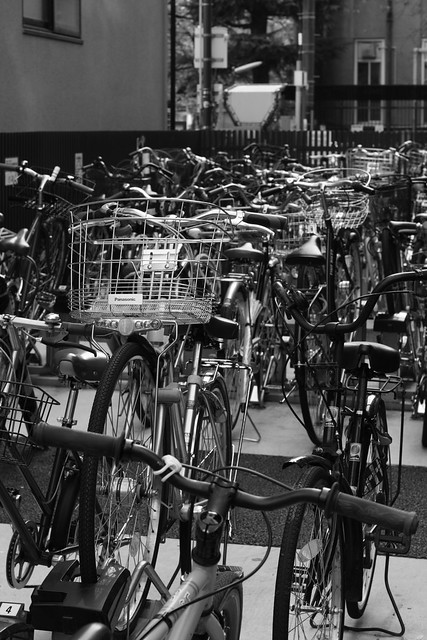
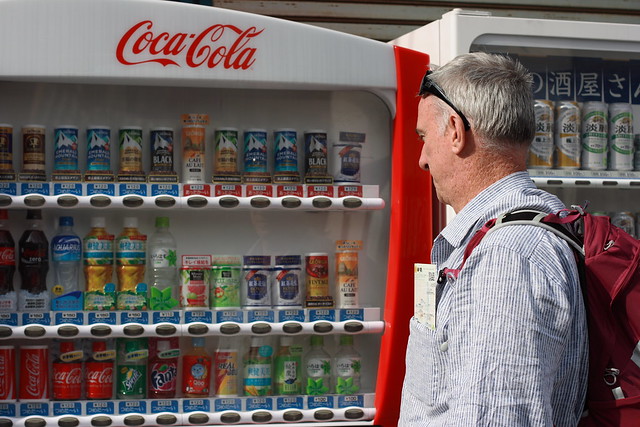
And from more modern times.

Scenes from Old Kyoto

Admiring the Japanese vending machine

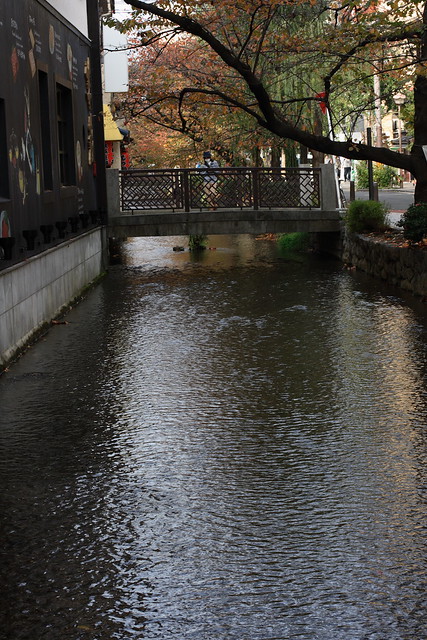
The old town had narrow streets that were intersected by picturesque canals.

Scenes from Old Kyoto

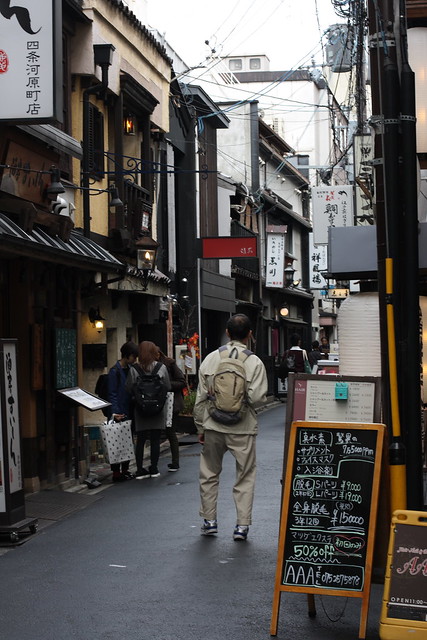
Off the canals were what seemed to be hundreds of alleys full of restaurants, pubs, and entertainment venues.

Scenes from Old Kyoto

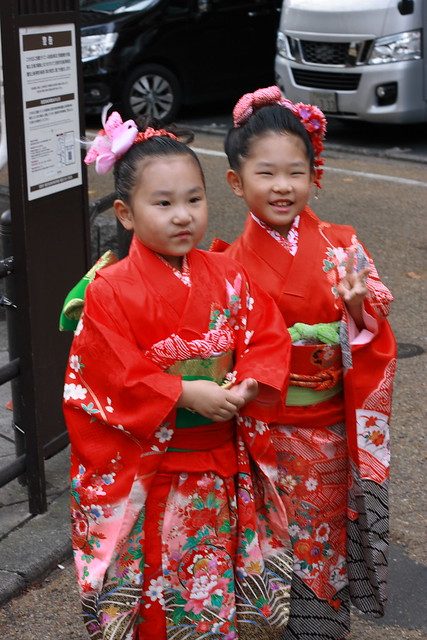
And being a public holiday, everyone was in a festive mood – many dressing up…

Scenes from Old Kyoto

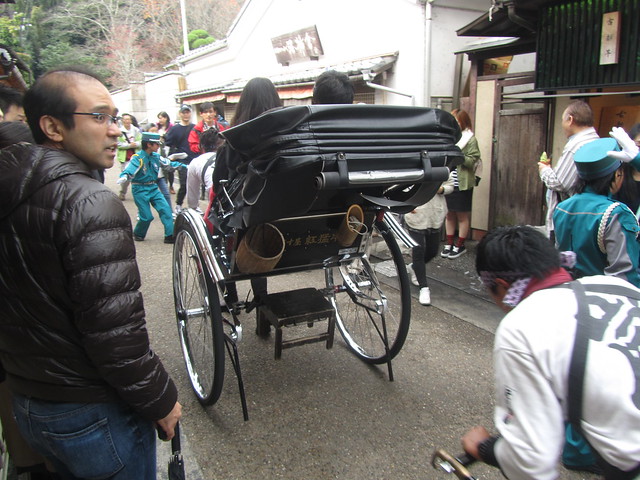
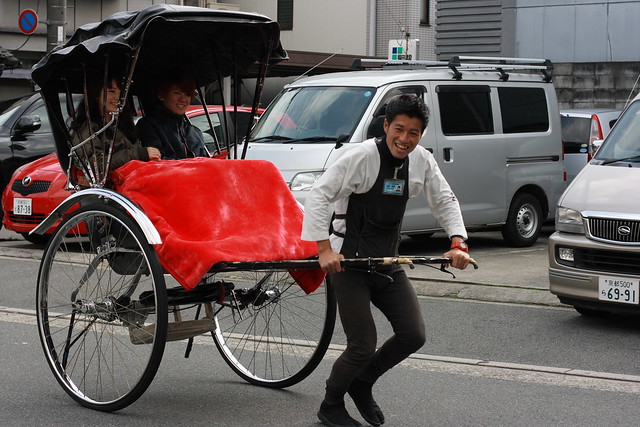
Or even taking more traditional modes of transportation.

Scenes from Old Kyoto

A fascinating mix of a city.