Tag Archives: nt

Indigenous art and life – Part 2

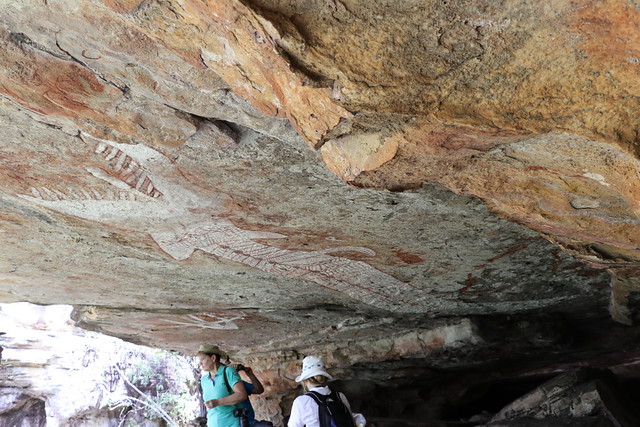
Unlike in Central Australia, where life and art revolved around water, the people of Arnhemland were more interested in capturing their fauna, which was integral to daily life. We viewed many paintings of animals, some recent and some potentially very old.

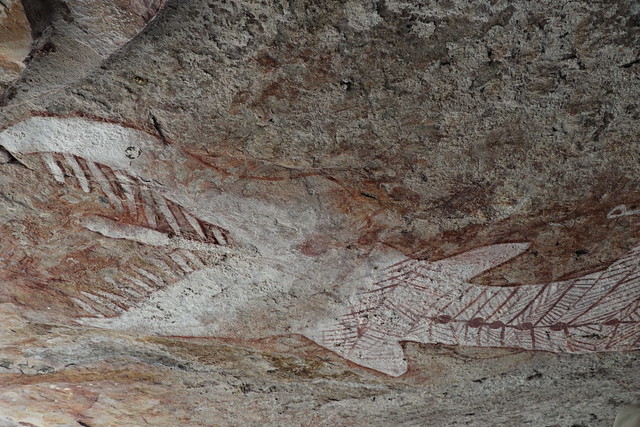
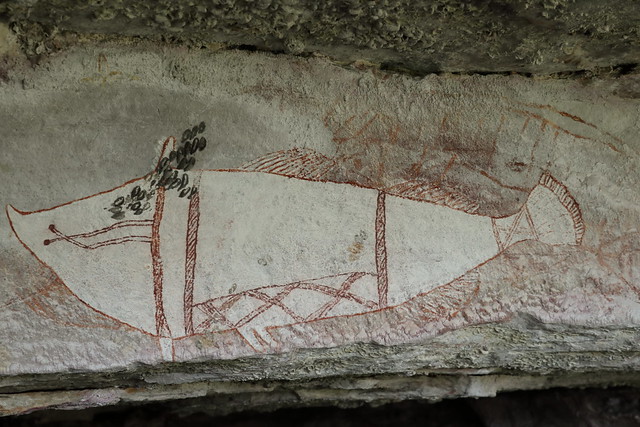
Fish was of course very important, since it was abundant when the water levels were high. The white ochre paint used and the intricate cross-hatching meant that the painting was probably done in the last four thousand years.
Discovering indigenous art and life

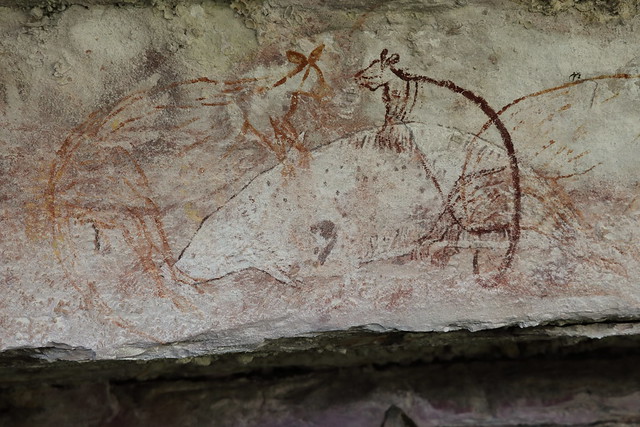
This dugong (a sea cow) has been overpainted with a pair of wallabies.
Discovering indigenous art and life

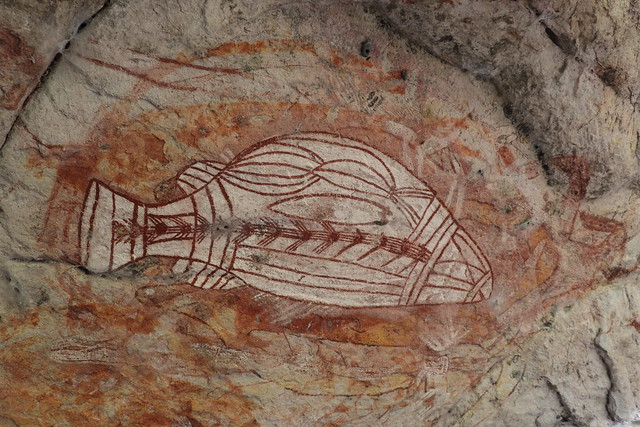
And this fish was so bright that it could have been painted yesterday.
Discovering indigenous art and life

Indigenous art and life – Part 1

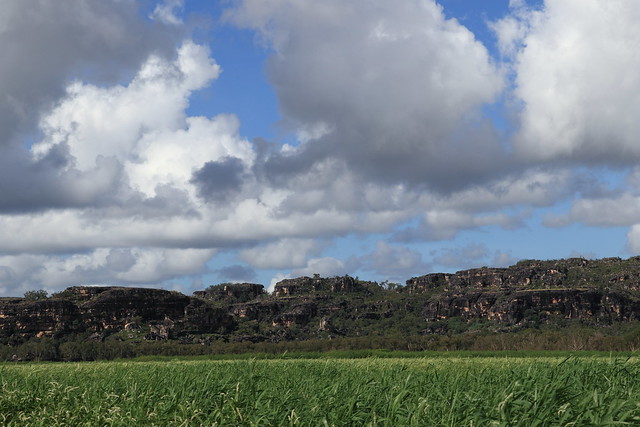
All our adventures had been on Amarak land, lying east of the East Alligator River across from Kakadu National Park. The Amarak lived traditionally on their land until the 1950s, and the land had seen little use until Mount Borradaile was established in the 1980s.

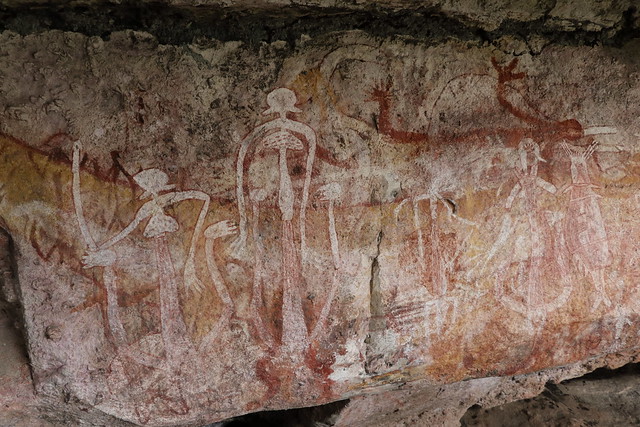
Given that the Amarak lived on the land until relatively recently, there were many paintings and habitation places around the property that are well preserved. We were able to see quite a few in the four days we were there. Some were ‘mens business’ places – mens ceremonial places – as you can tell from these set of paintings – they’re all of busty women!

Discovering indigenous art and life

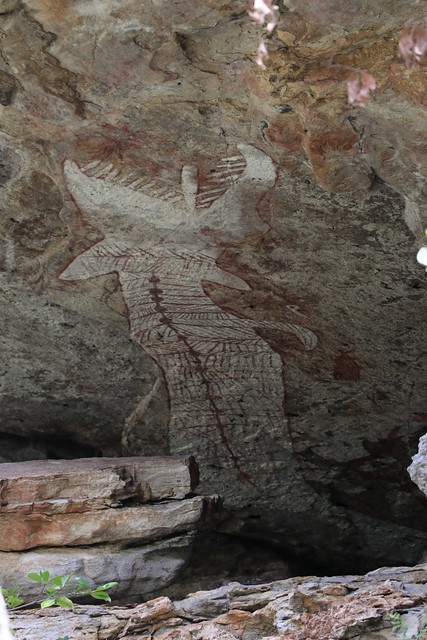
Others were of a more spiritual bent. This giant three metre long serpent was drawn on the roof of an overhang.

Discovering indigenous art and life

Being so close to the coast, the serpent had many shark/crocodile like features.

Discovering indigenous art and life

And was spectacular close-up.

Discovering indigenous art and life

Monsoon Rainforest – Part 4

There were bigger creatures living in the monsoon rainforest.

Along a canal were a whole series of darter bird nests. These extraordinary bird love fishing, and can stay underwater for five whole minutes.

Creatures of the Monsoon Rainforest

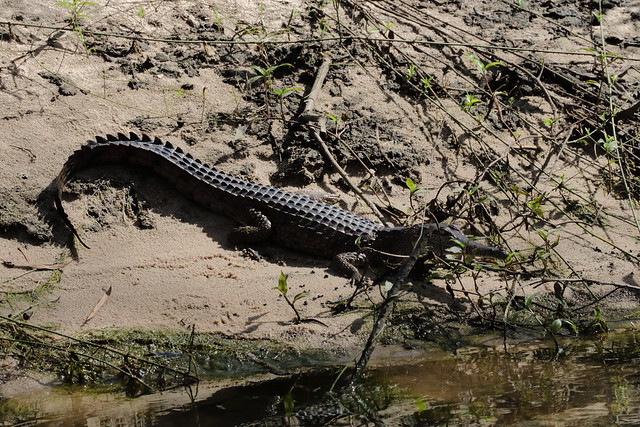
Not too far away lurked our one and only crocodile for the trip – a freshwater crocodile sunbathing on the sandy bank.

Creatures of the Monsoon Rainforest

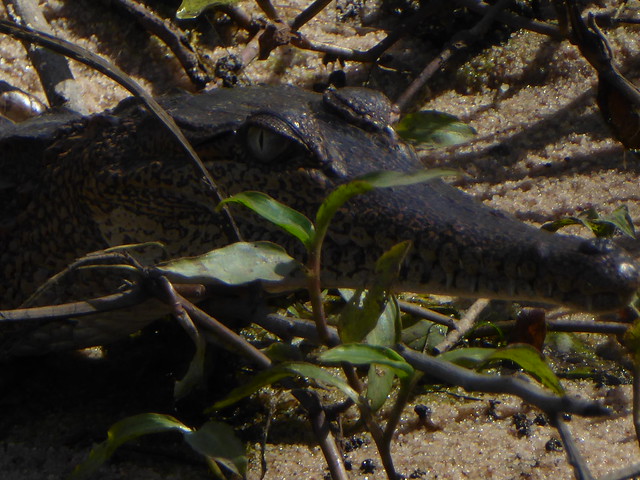
And on the lookout for prey.
Creatures of the Monsoon Rainforest

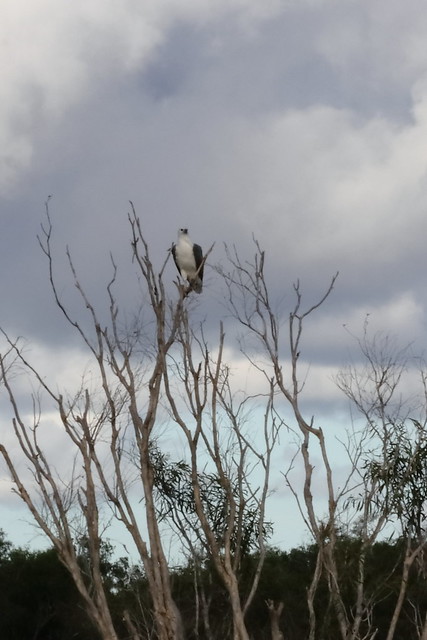
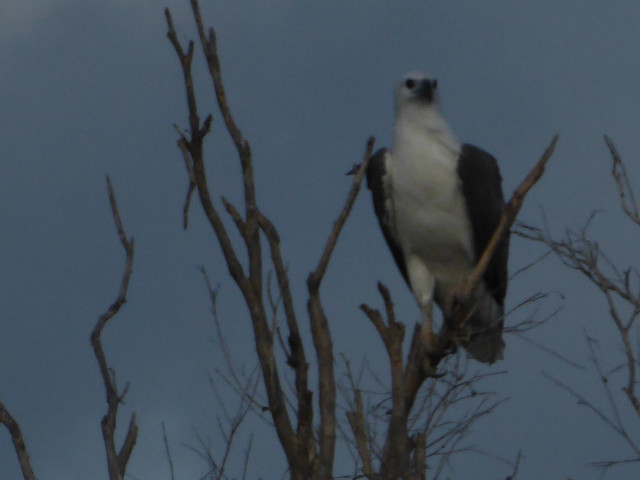
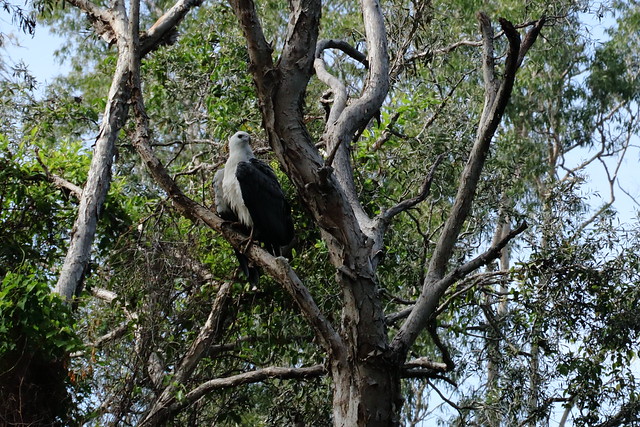
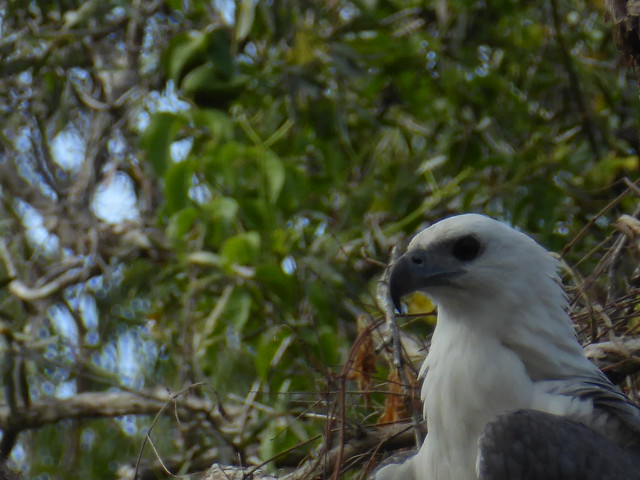
But the most magnificent site was the one we had of the white-breasted sea eagle, which we had interrupted having its breakfast.
Creatures of the Monsoon Rainforest

They may not be the largest bird of prey in Australia, but they were large enough for me.

Creatures of the Monsoon Rainforest

Monsoon Rainforest – Part 2

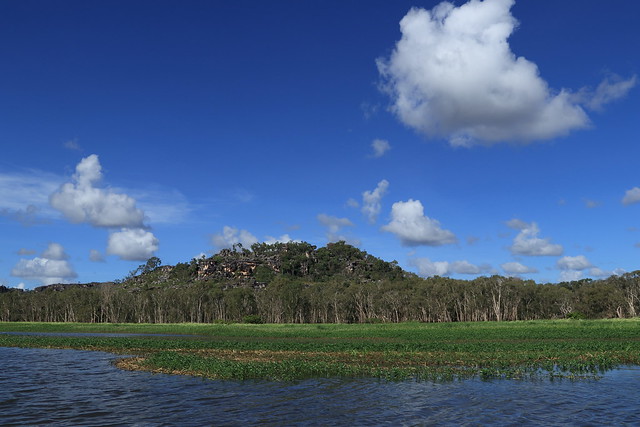
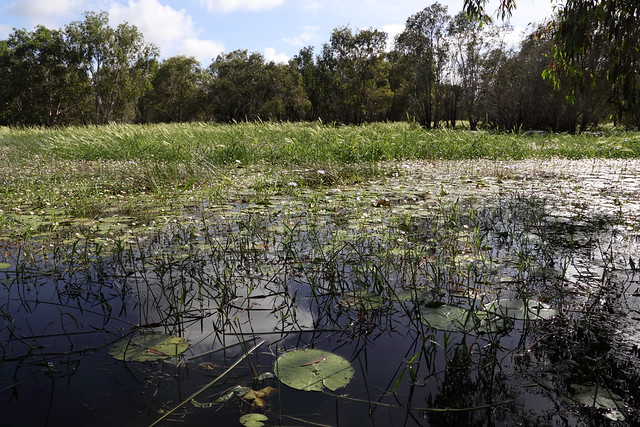
In between the patches of forest, we floated through acres of lily-pads.

Monsoon rainforest habitats

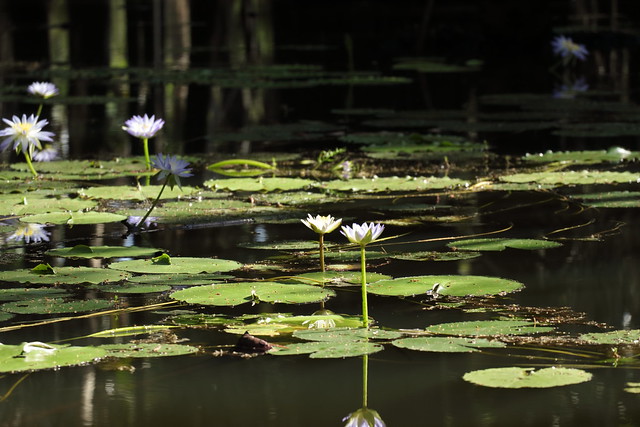
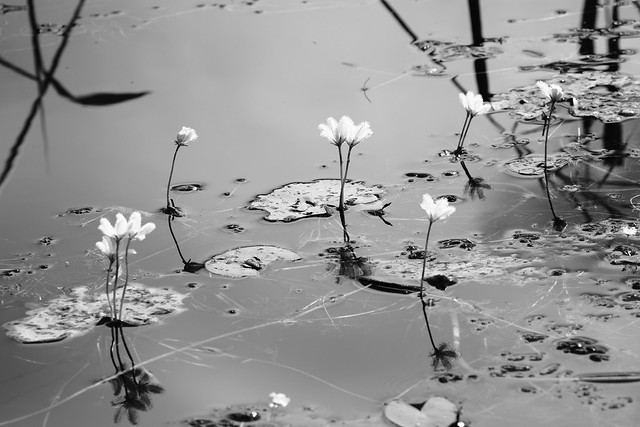
And we were lucky to see many waterlilies in bloom.

Wet season waterlilies

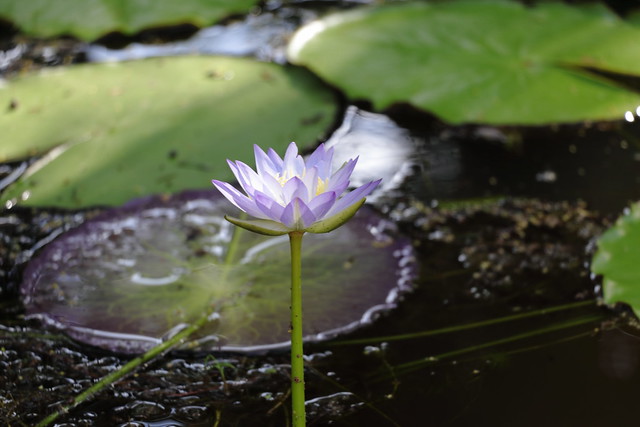
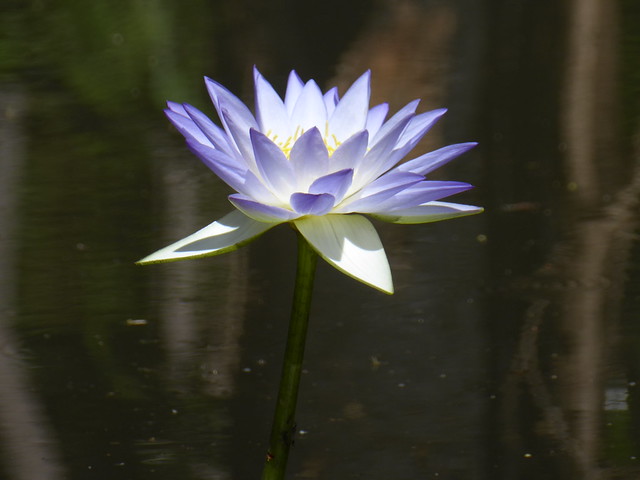
Being on the water, we could see the flowers up-close, and they were stunning.

Wet season waterlilies

Wet season waterlilies

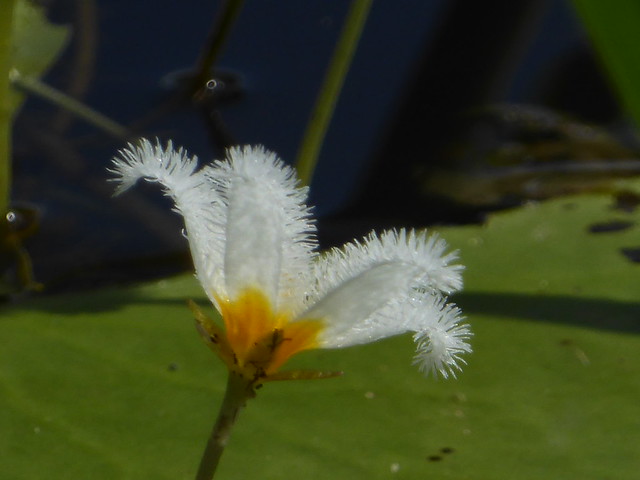
But these waterlilies weren’t the only aquatic flowers we saw. Among them also grew the snowflake lily that only blooms in the Wet.

Wet season waterlilies

Up-close, they look a lot like snowflakes.

Wet season waterlilies

Wet season waterlilies

Monsoon Rainforest – Part 1

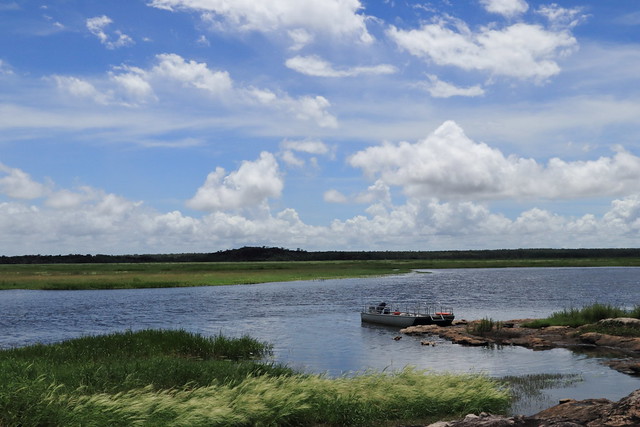
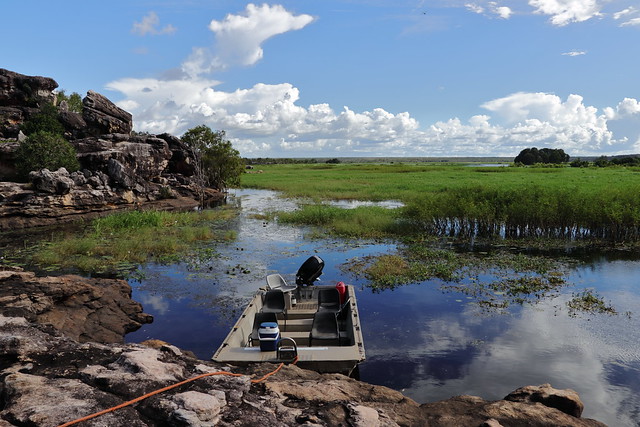
Our other adventures at Mt Borradaile involved cruising the various waterways in this flat-bottomed boat.

Cruising at Mt Borradaile

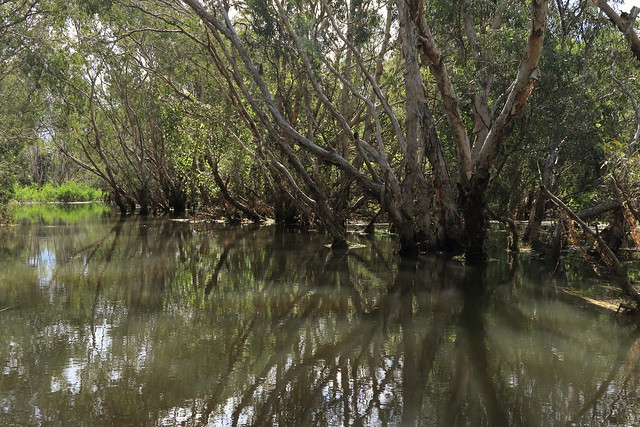
We discovered very quickly that there were many habitats in the wetlands, the first we passed through being the monsoon rainforest. These are tropical areas that are waterlogged during the Wet but are completely dry otherwise. For example, this ‘canal’ under the paperbark trees in the Dry season is a road!

Monsoon rainforest habitats

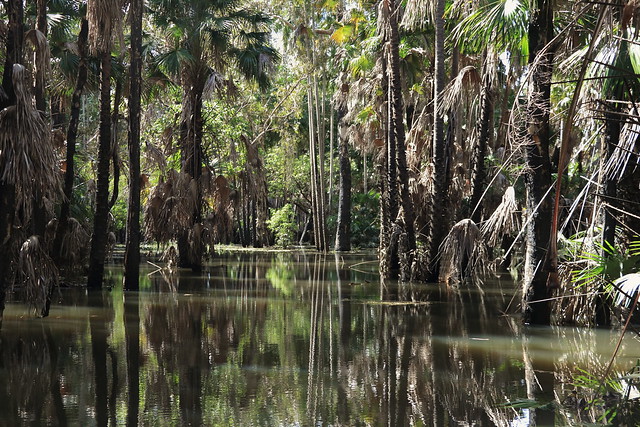
Paperbarks weren’t the only type of forest we cruised through – there were patches of Livingstonia palms, straight out of the dinosaur era.

Monsoon rainforest habitats

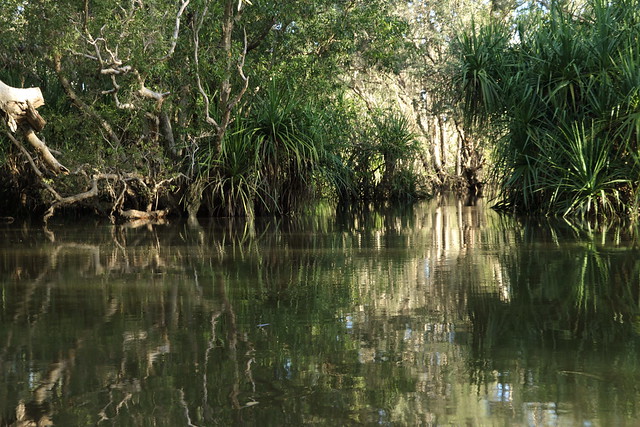
And water-loving Pandanus Aquaticus, which I’ve seen in many parts of Northern Australia that I’ve visited.

Monsoon rainforest habitats

I loved how serene it all was, particularly when our guide cut the motor – beautiful reflections, and no sound bar the trickle of water and the twittering of birds.