Category Archives: central nsw

On My Way Home – Canola Trail

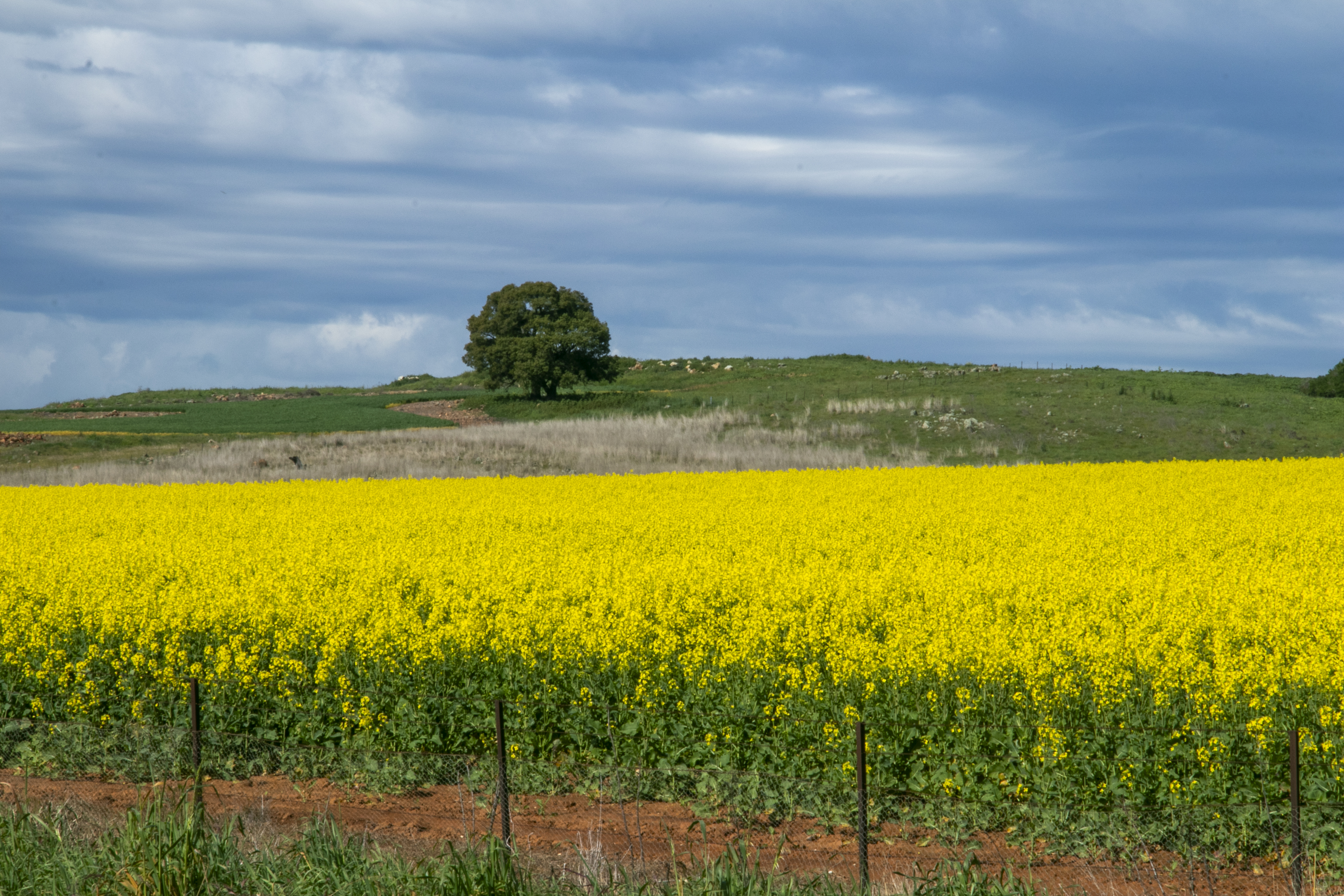
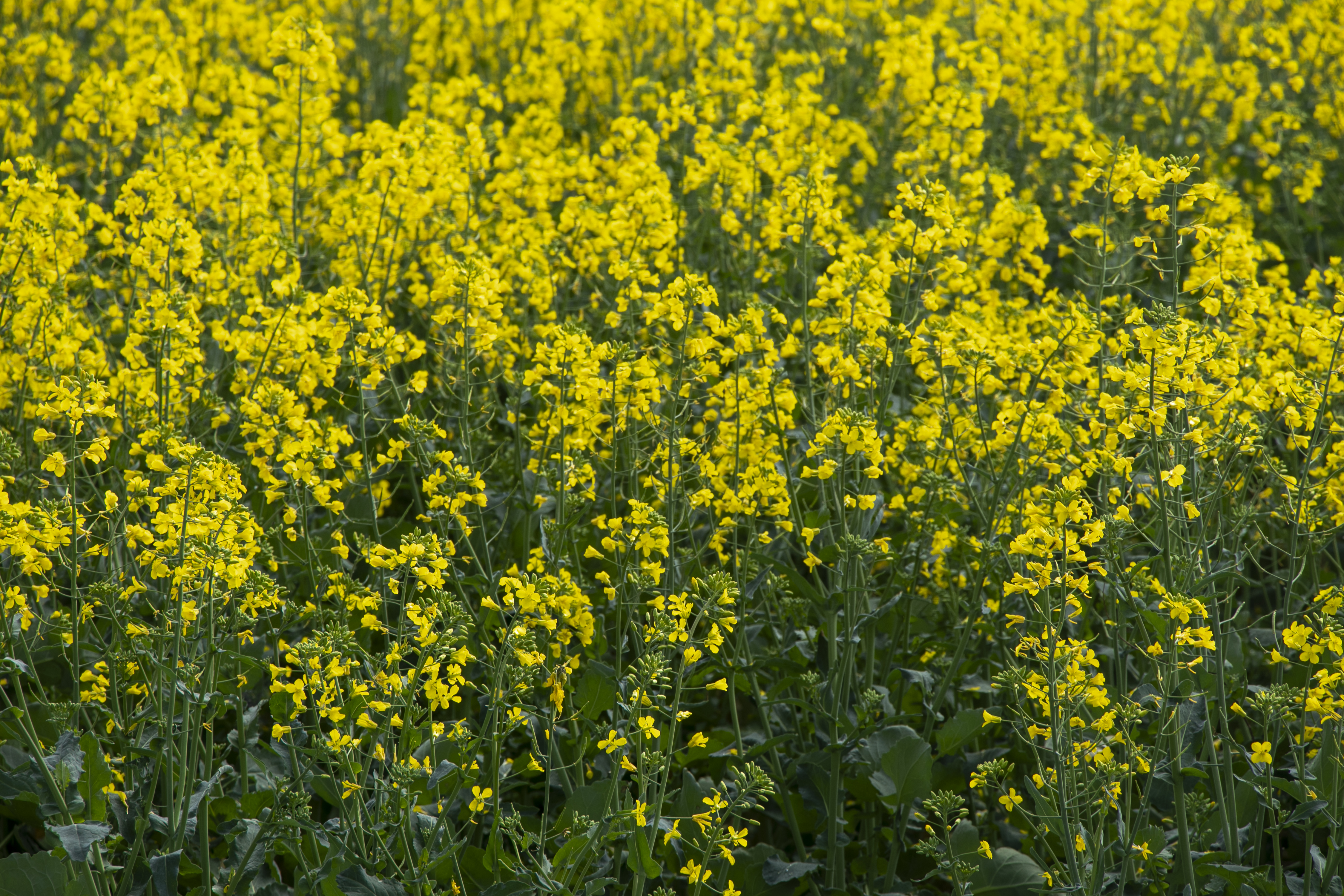
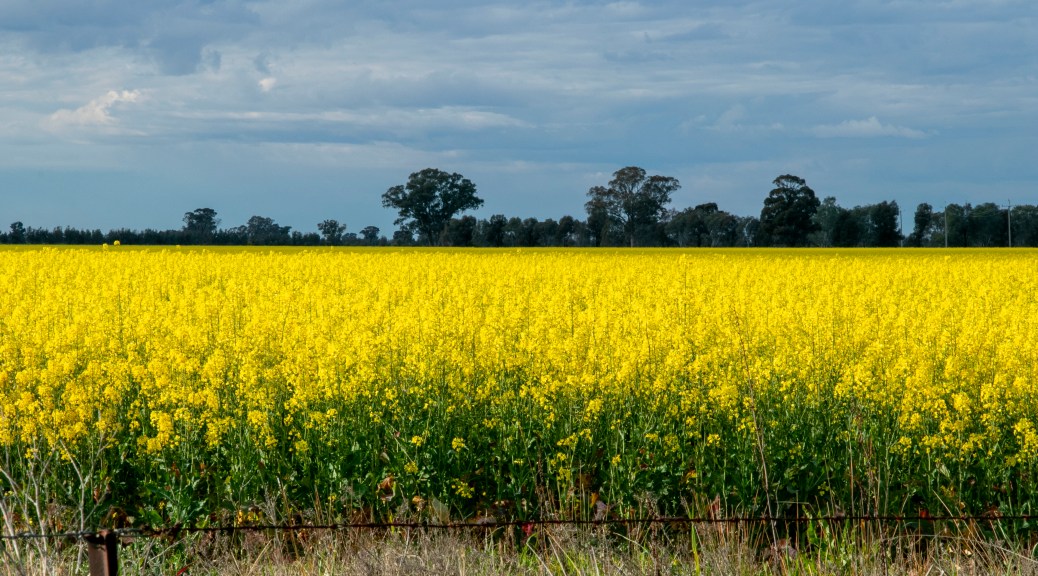
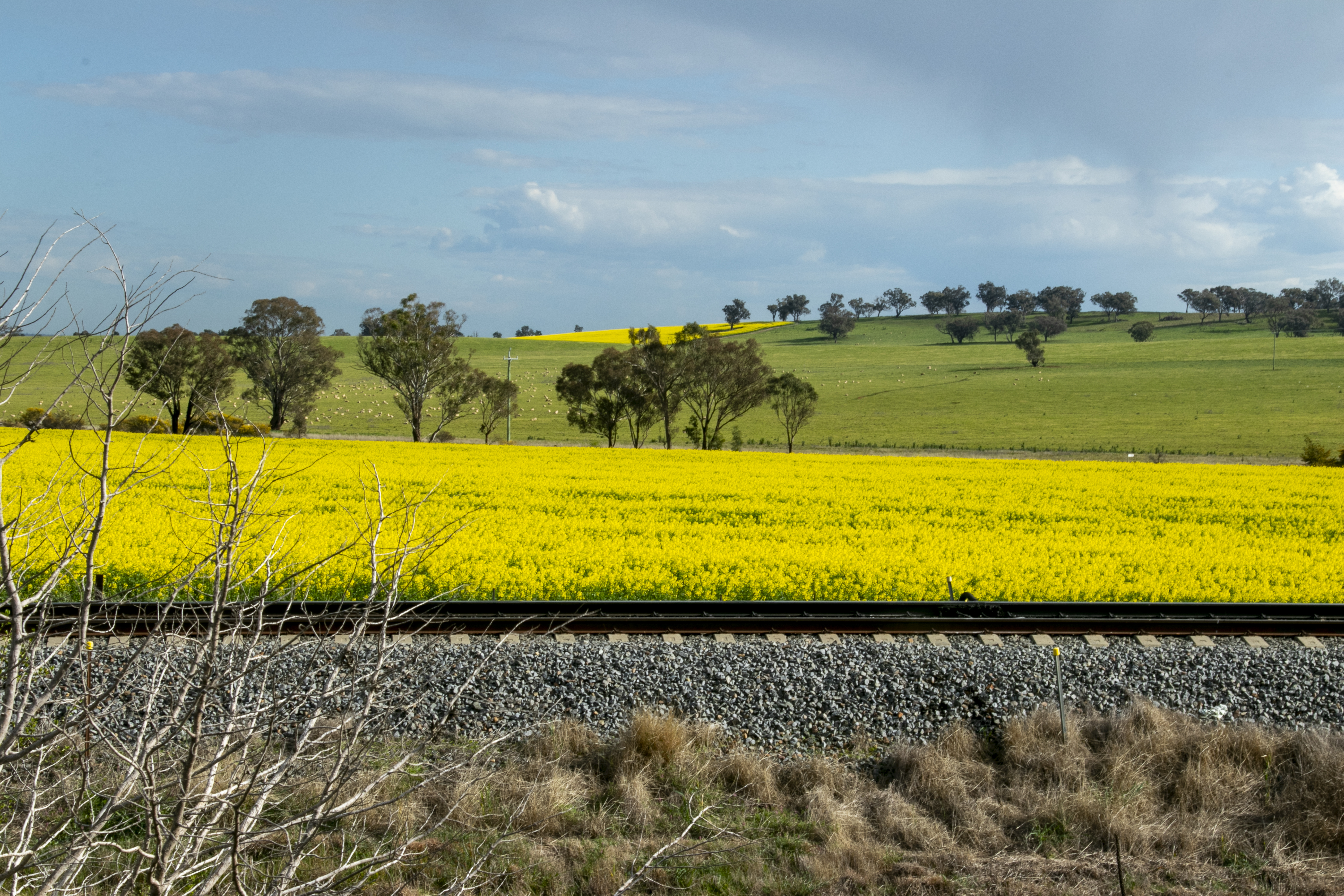
Our last stretch towards home on our Winter 2023 adventure involved driving down the stretch from Narrandera to the Hume Highway. This involved driving on the many quiet country roads that made up the Canola Trail. This is a triangle between the towns of Temora, Coolamon and Junee where the crop canola is grown (to be made into oil).

Canola Way

The crop blooms at the end of winter, and fields suddenly go from lush green to fluoro yellow! Who knew that your humble deep fry oil had such picturesque beginnings?

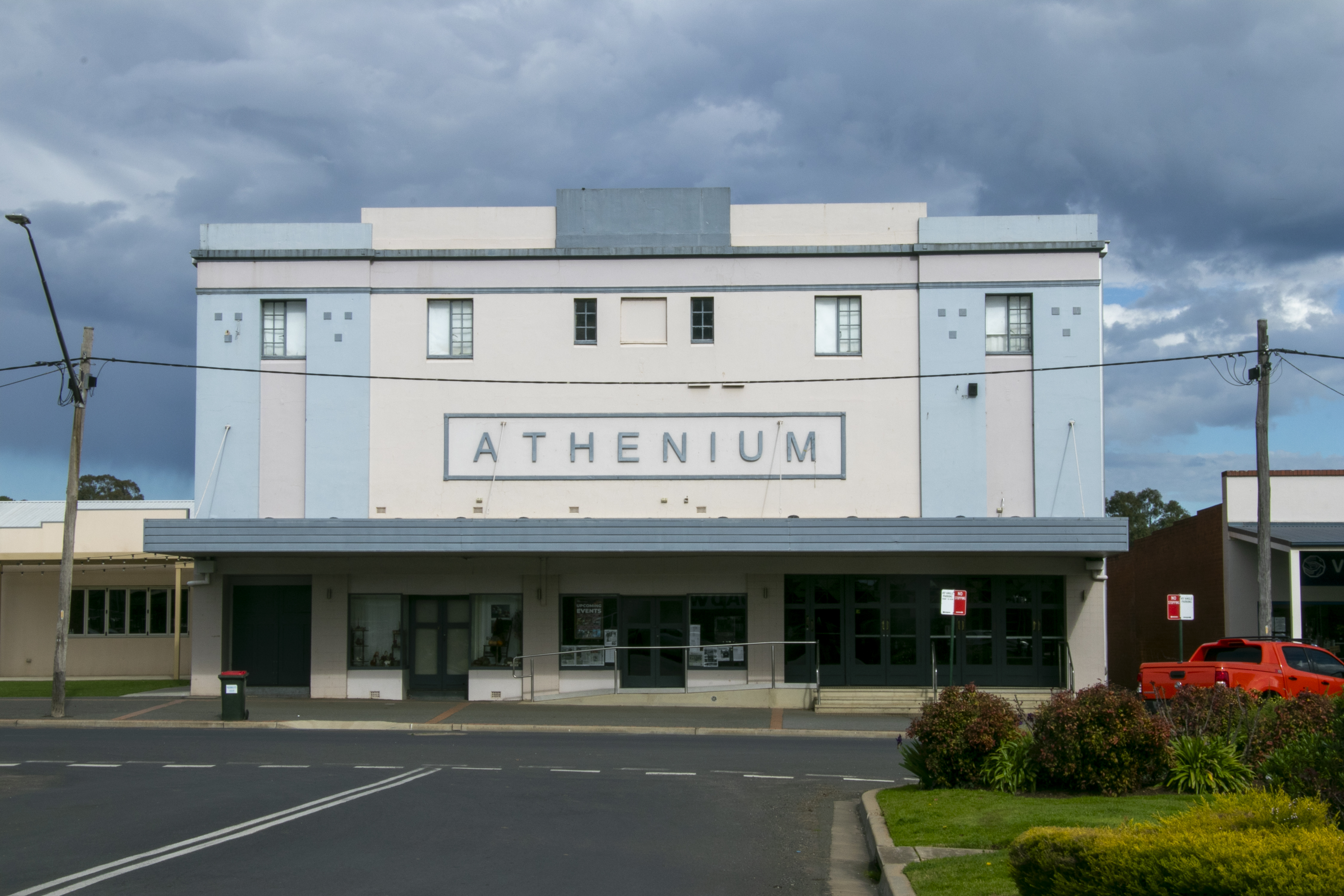
At the end of the trail was the cute little town of Junee. It had an assortment of well-kept historical buildings from various eras. It is also just off the Hume Highway, meaning, the next stop was definitely home.
And that’s the end of our Winter 2023 journey out west. If you’re new to the blog, check out my previous posts about this journey out west. I have more adventures to post about, so stay tuned. Hint, we’re not heading west this time!
Riverina – Temora

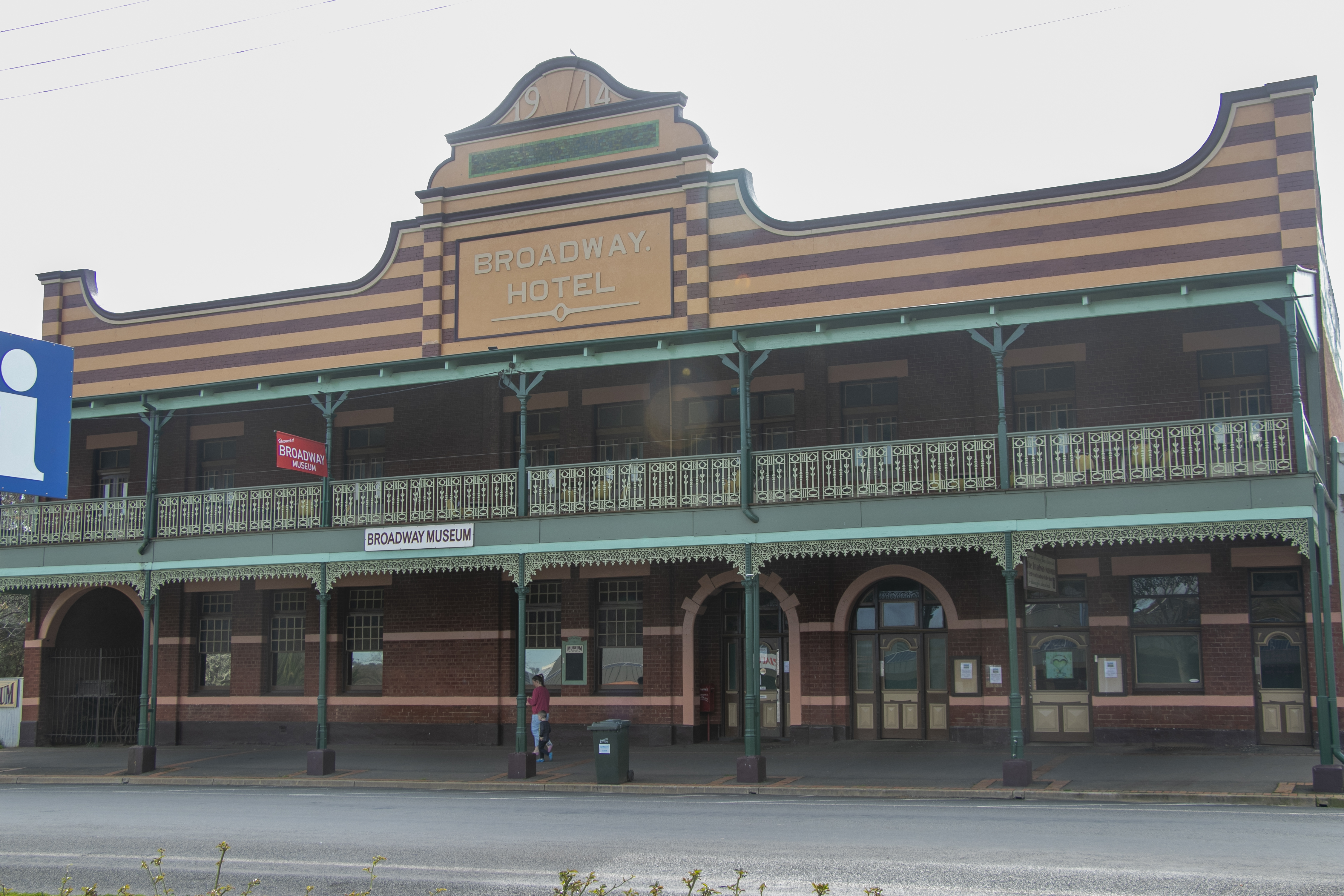
I’m starting a new series about the towns around the ‘Riverina’ area of NSW (and into Victoria as well). These towns run from the Central West into the far South West of the state and are located next to the big rivers of NSW – the Murray, the Darling, the Murrumbidgee, and the Lachlan, among others. I haven’t travelled to all the major towns that span along these rivers, but on a trip that Hubby and I took in August 2023 we drove through a few of them.

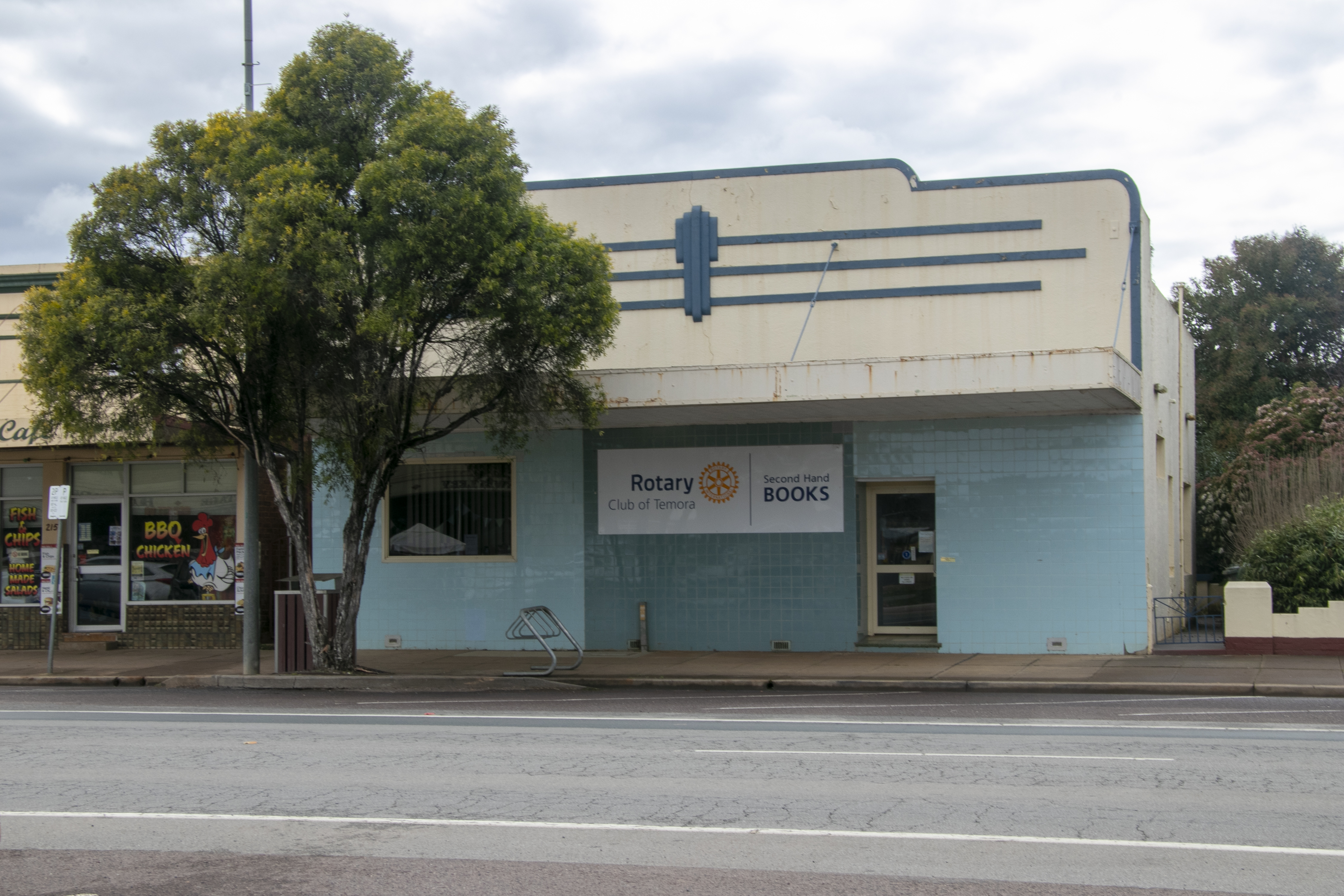
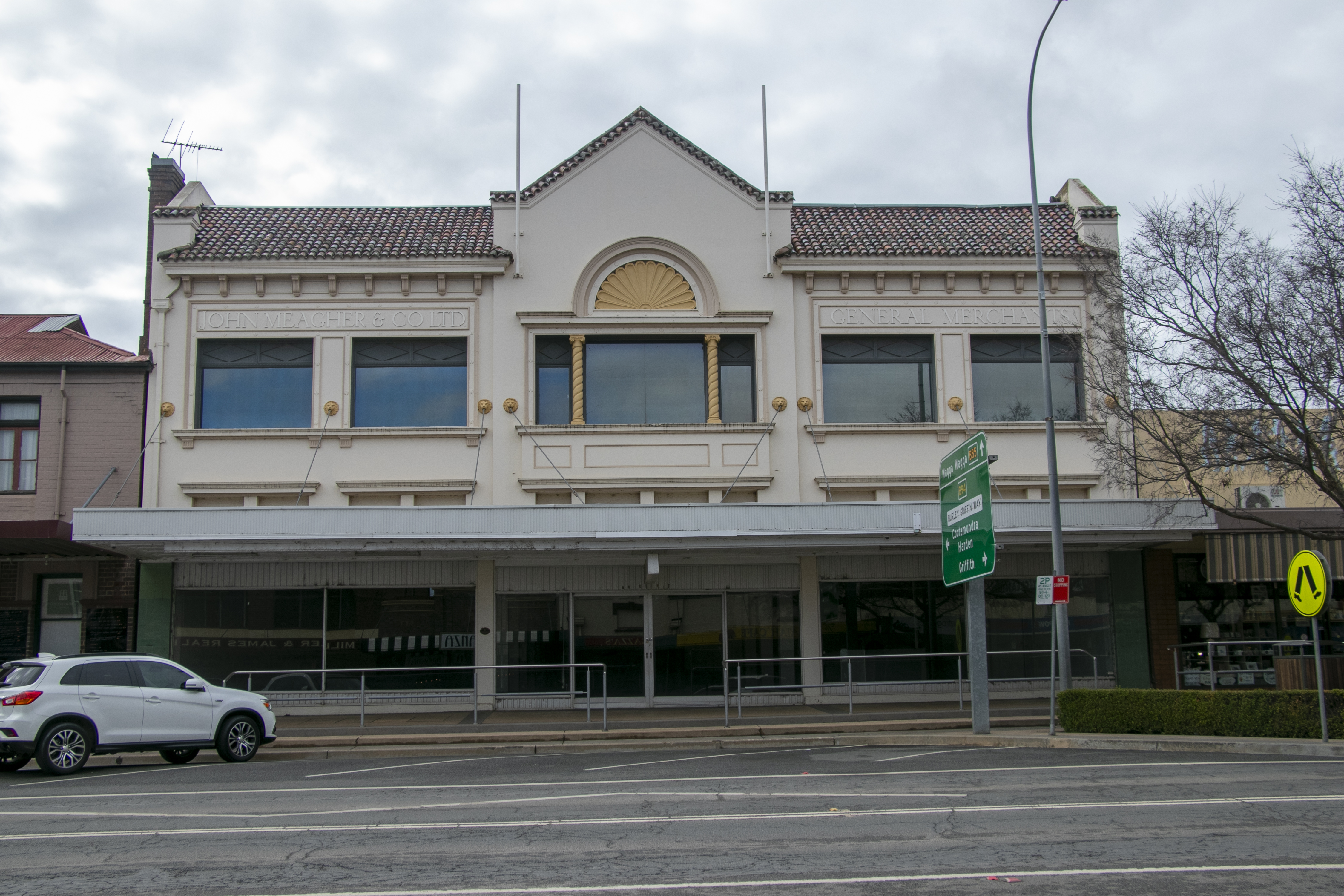
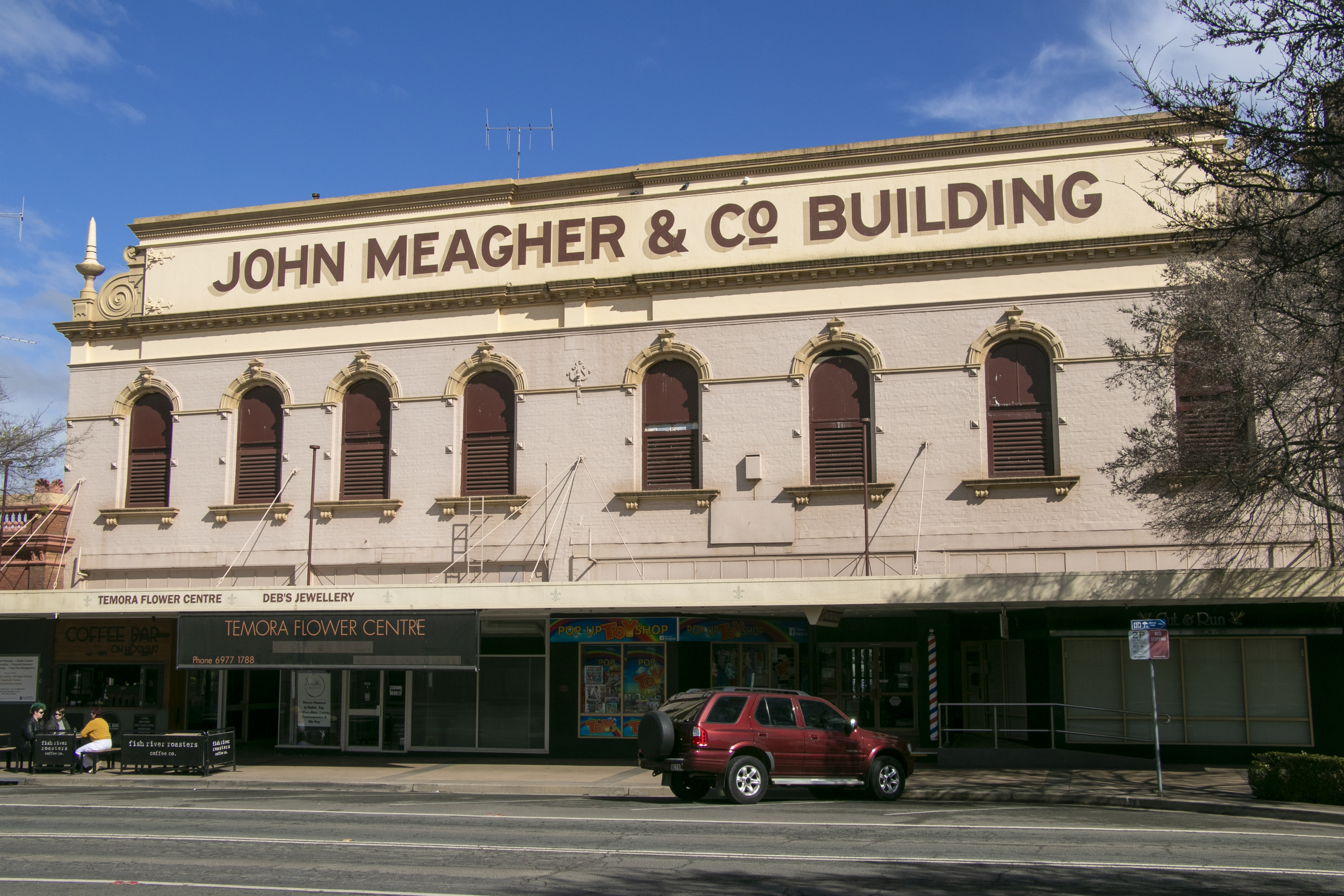
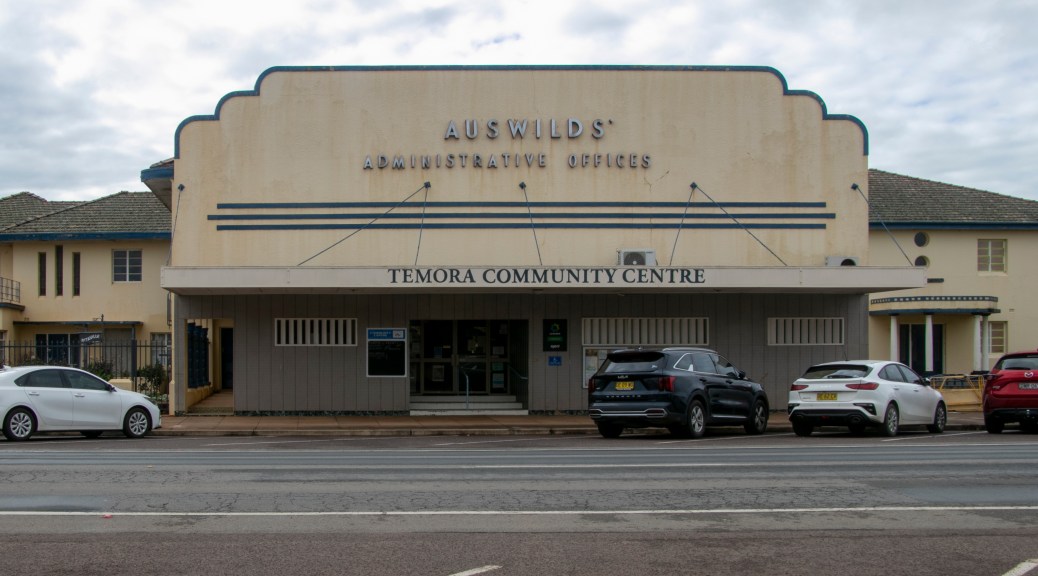
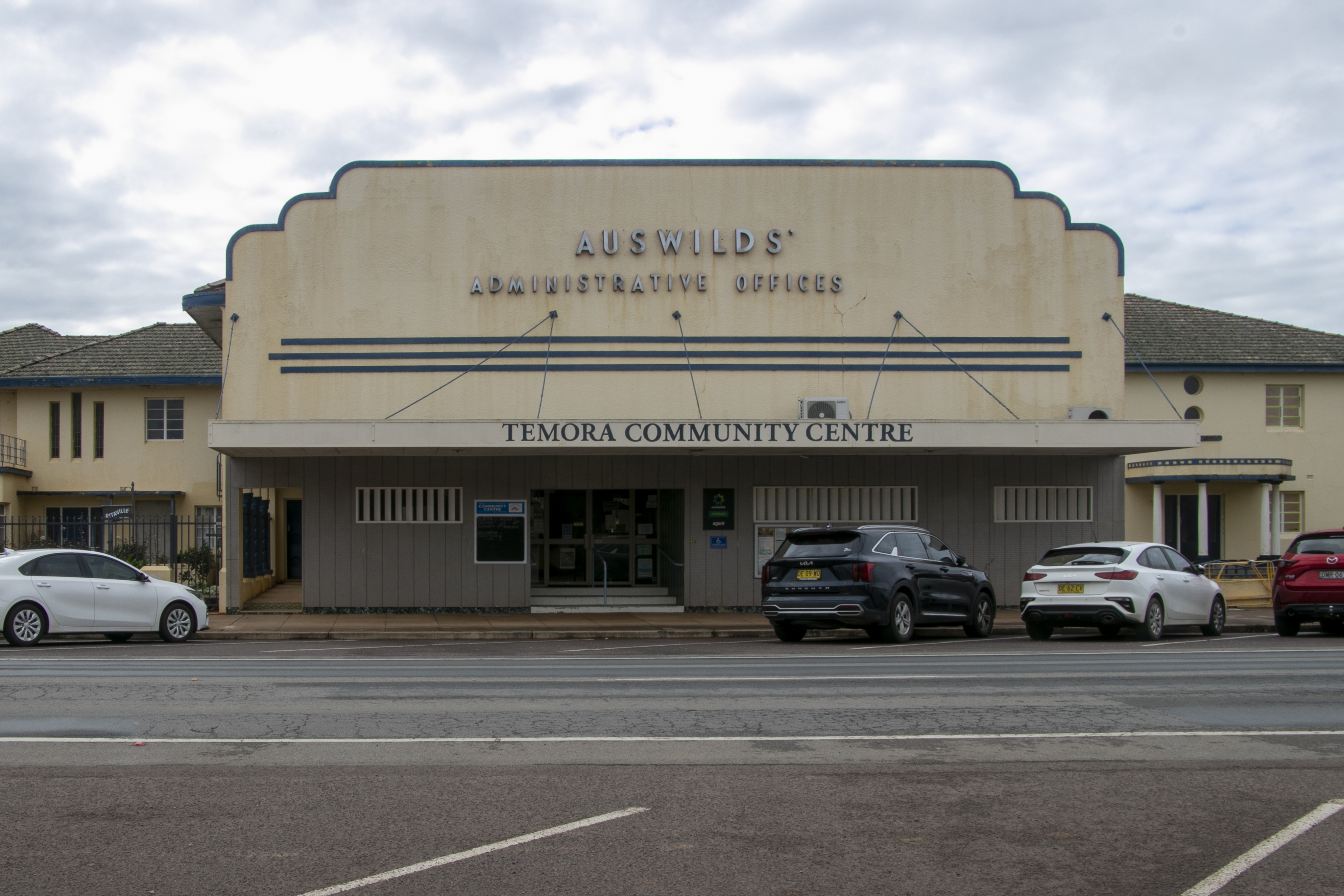
We’re starting off in the North-East corner of the region, in the medium-sized town of Temora. Temora is another town that was founded in the Gold Rush of the mid 19th Century. Once the rush eased, it became an agricultural centre (for grain and wool). Being a mid-sized agricultural town, the town’s buildings are relatively modest, and seem to have been built pre-World War II.

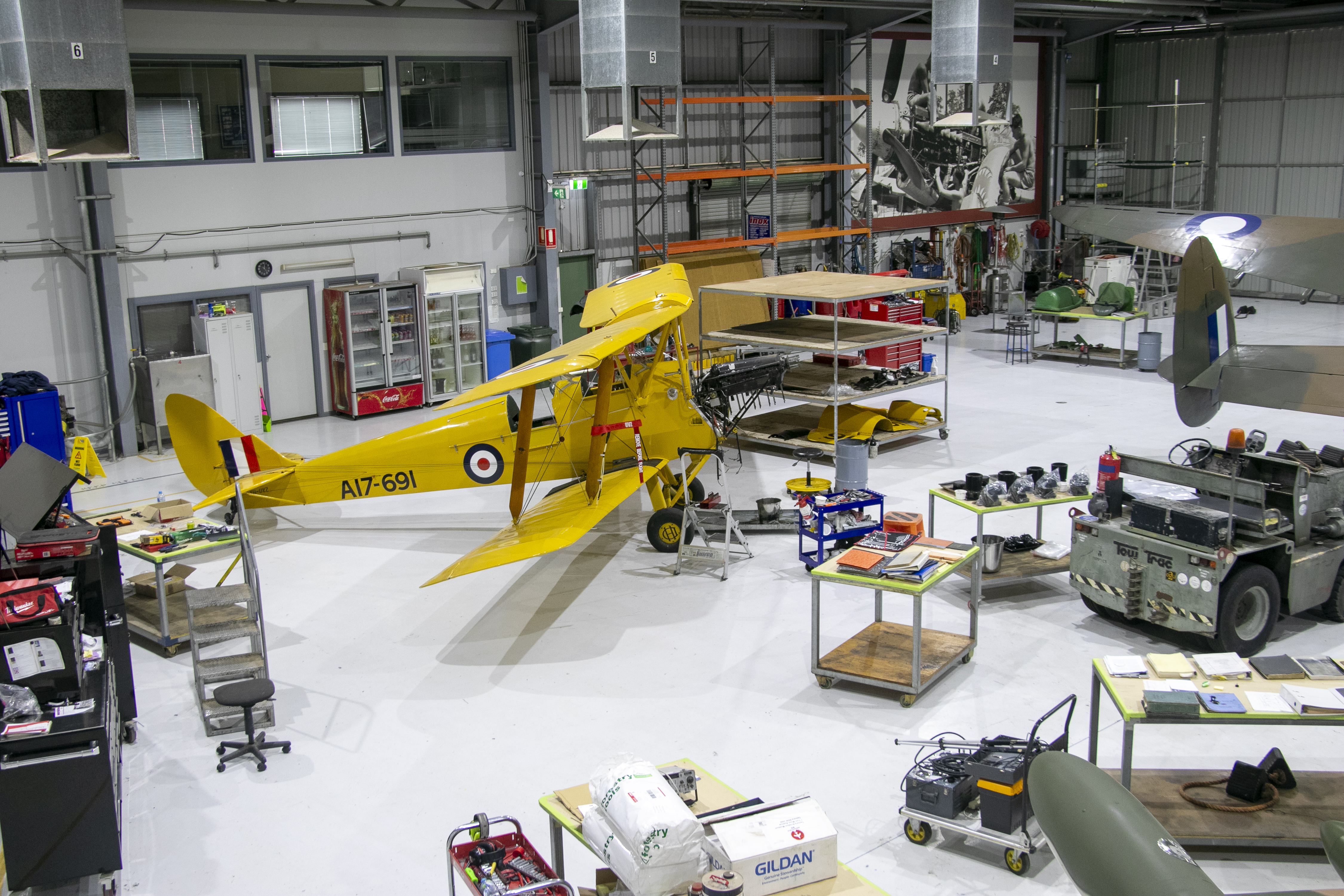
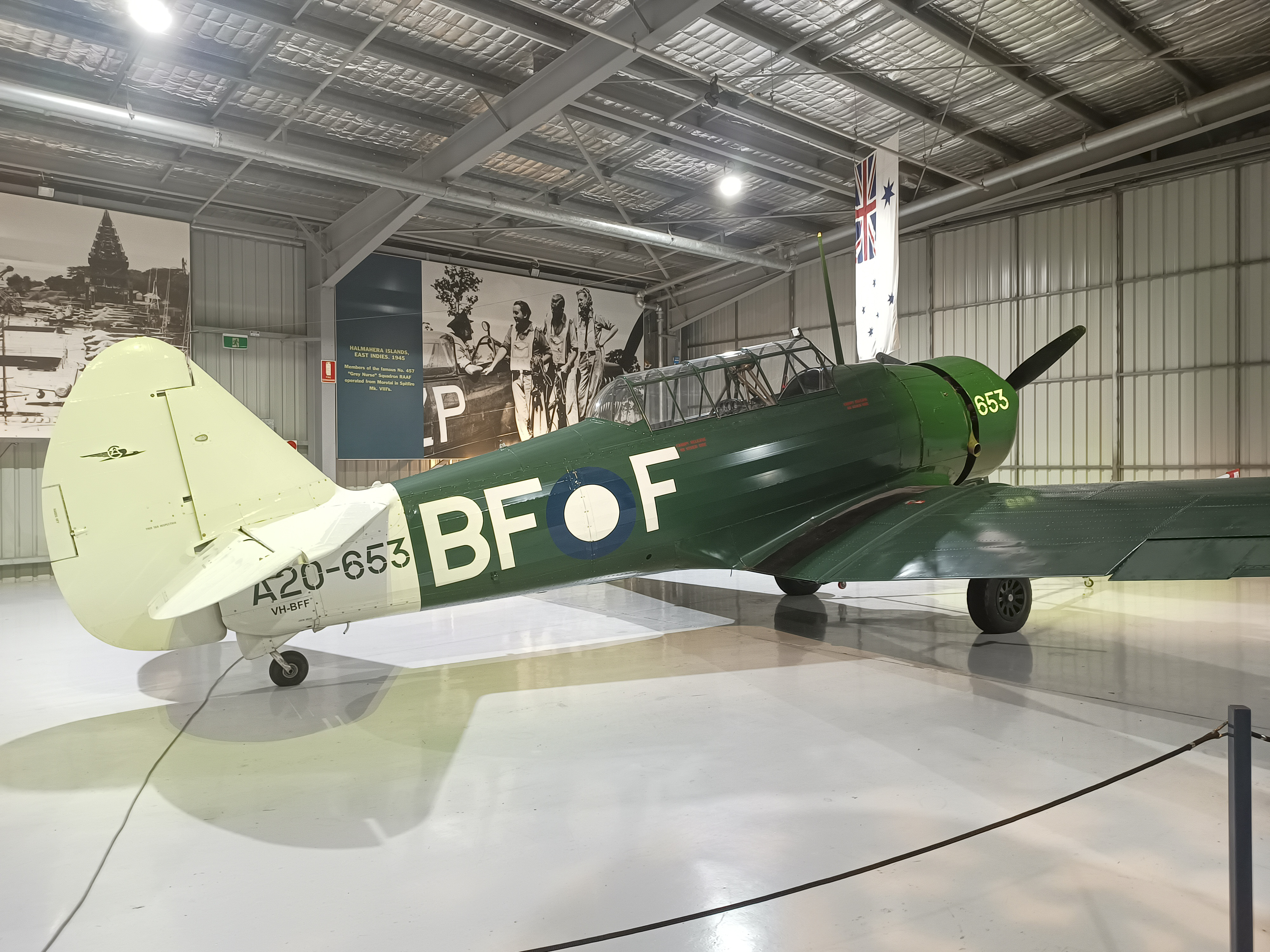
An unusual tourist attraction was the Temora Aviation Museum just out of town. It contained heritage military planes from World War II and Vietnam War. It’s actually someone’s private collection, and all the planes in the hanger are in working order. Not being an airplane geek, I don’t really know the details of the planes that I saw, but there was good signage provided, so I learned quite a bit that day.

Outback NSW – Gilgandra

Let’s start our study of Outback NSW towns with Gilgandra. By definition it is a Central West town (it’s less than 70km north of Dubbo, a genuine Central West NSW town), but since it is on the road to the Outback, we’ll classify it is an outback town for this post.

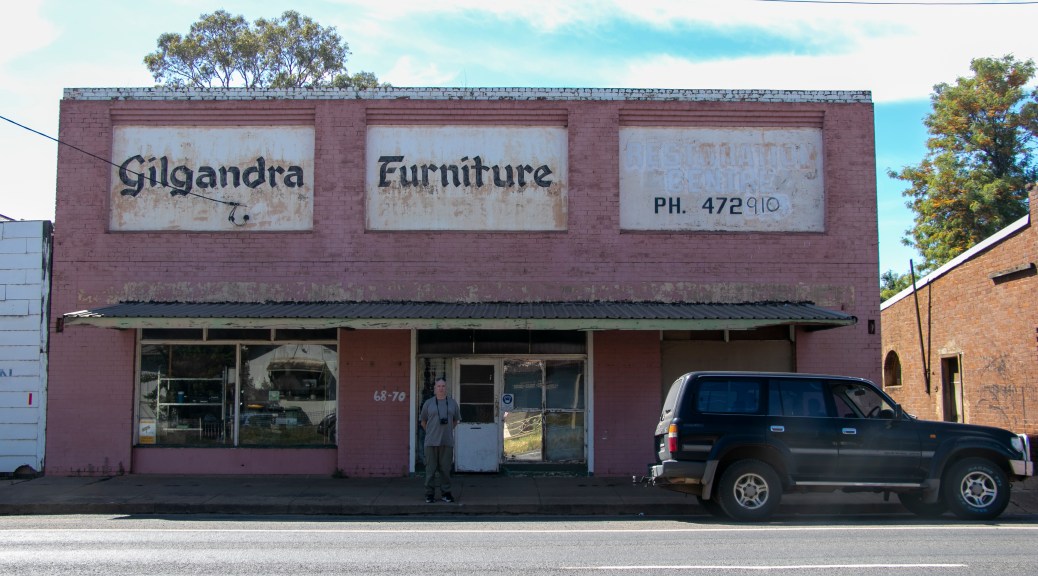
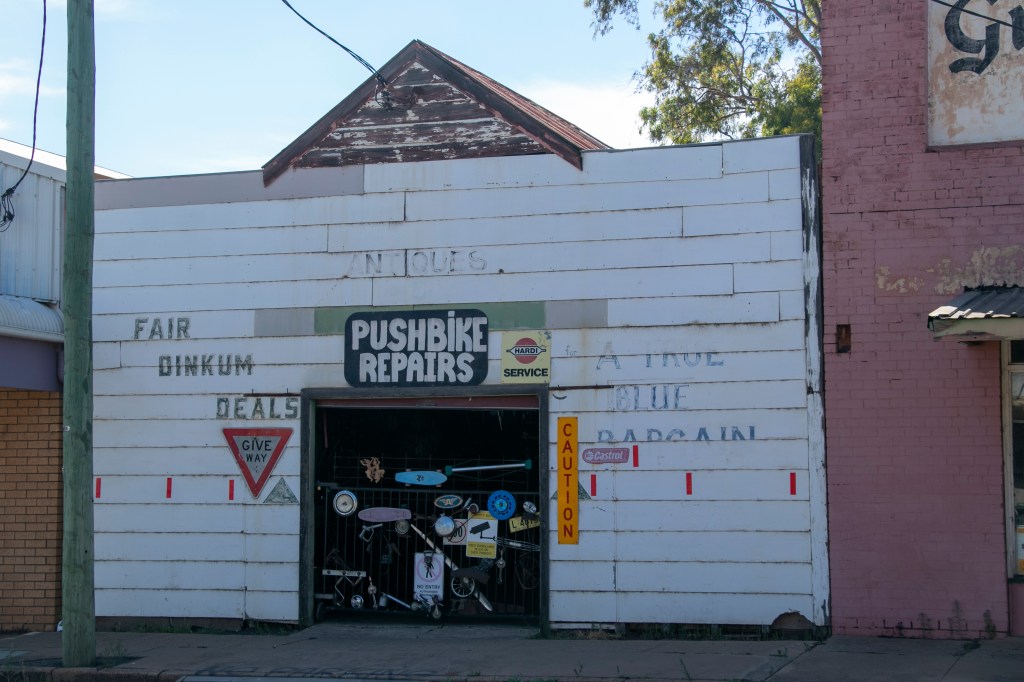
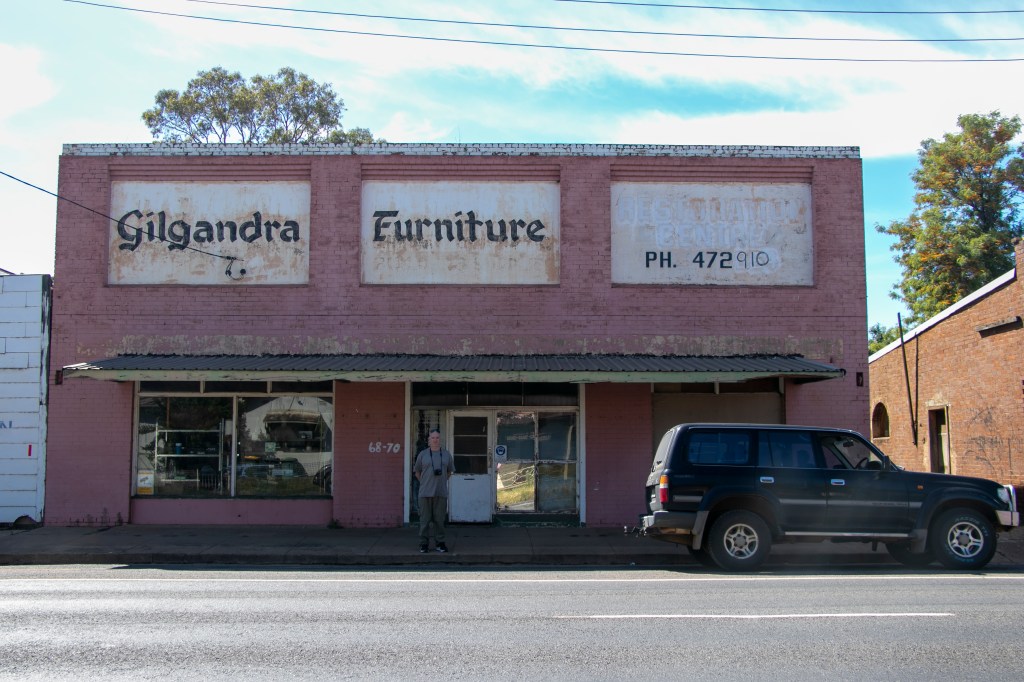
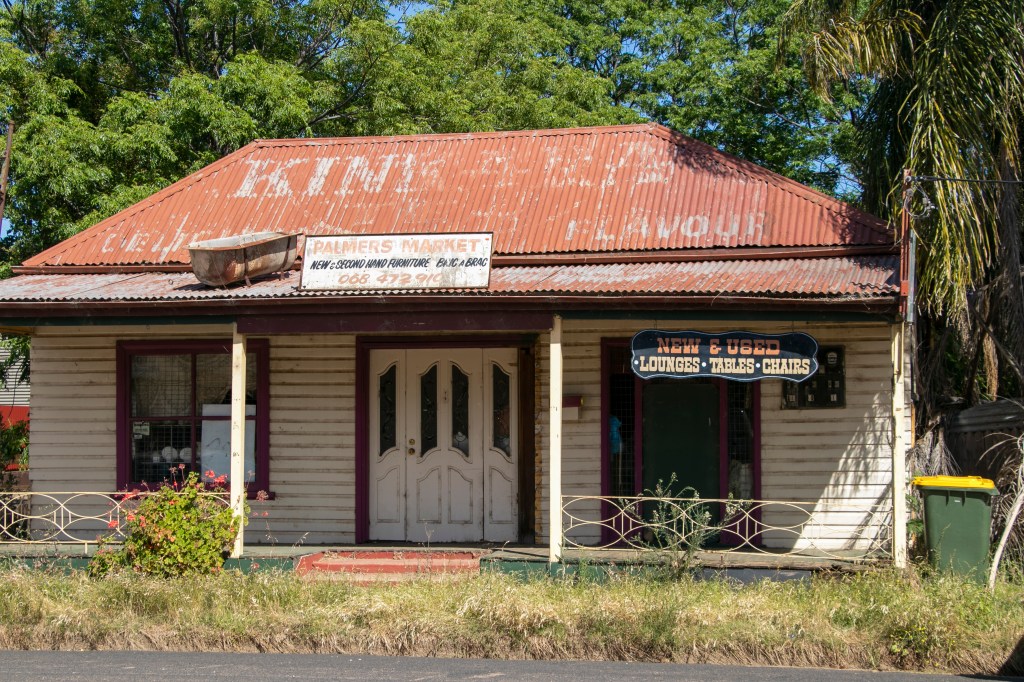
Being so close to the metropolis of Dubbo (whose population is nearing 45,000) means that Gilgandra is virtually a suburb of Dubbo. It also means that any facilities it once had had been taken away, as it’s just as ‘convenient’ to go down the road an hour (which is the country equivalent of 10 minutes by city standards). It’s left many of its shop-fronts vacant – they’re relics of a by-gone era. On the plus-side, it’s close to facilities, with real estate prices that haven’t yet gone through the roof.

The town was certainly on the sleepy side when we dropped by, but was a pleasant change after the controlled chaos of Dubbo (those roundabouts are worse than Canberra’s – big call, I know, but have you ever shared a roundabout with a road-train?). 

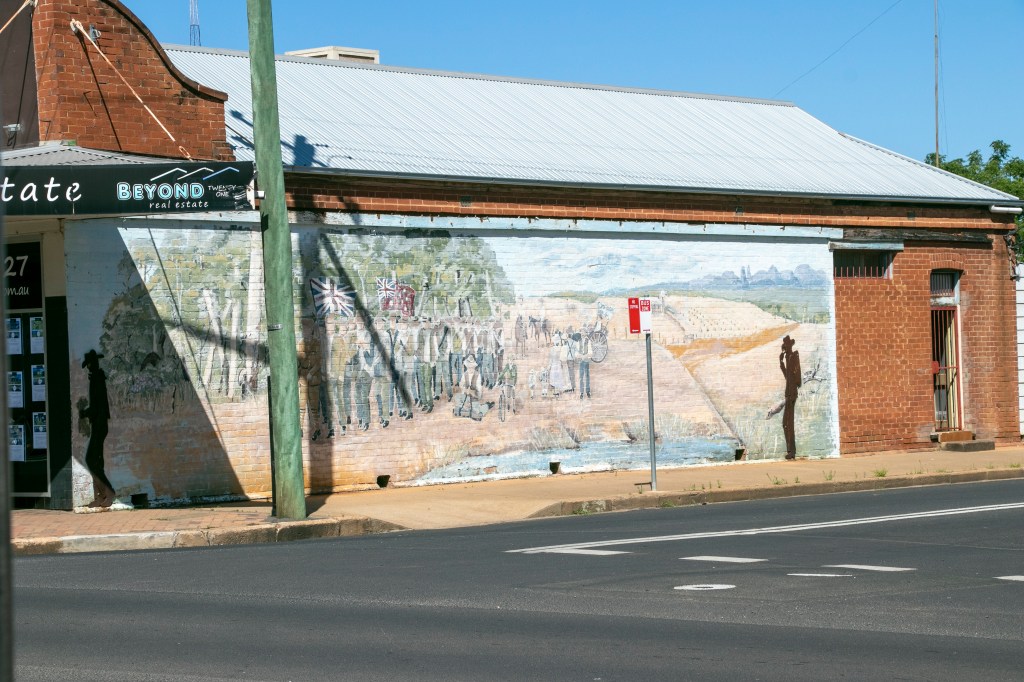
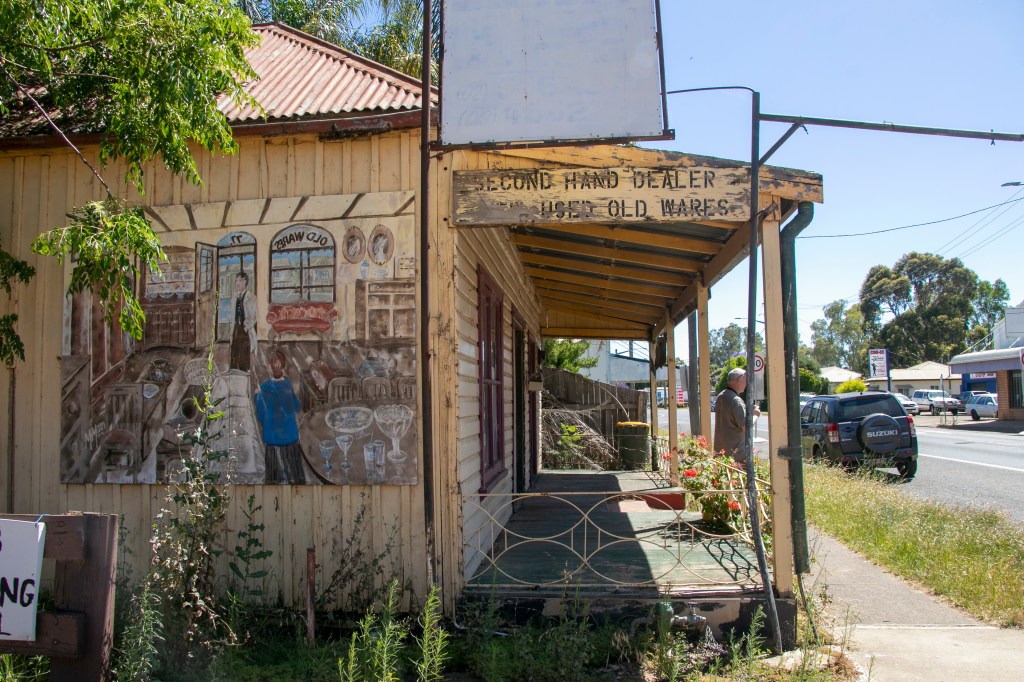
I like the murals that were dotted around the town. They are now a feature of a lot of country towns, I noticed, and I wholly approve. The more art the better, I say! 
Outback NSW – On the Road

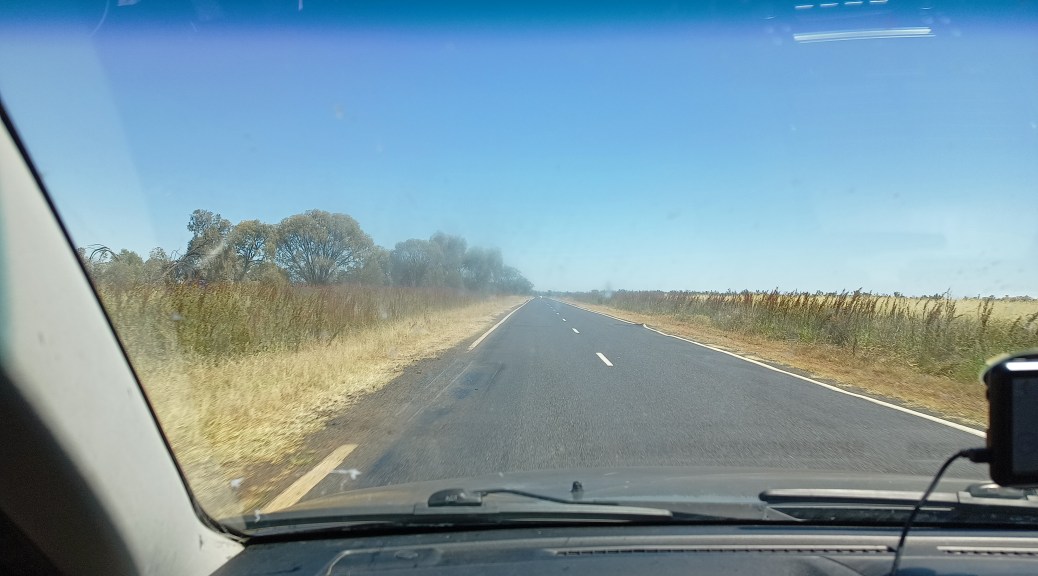
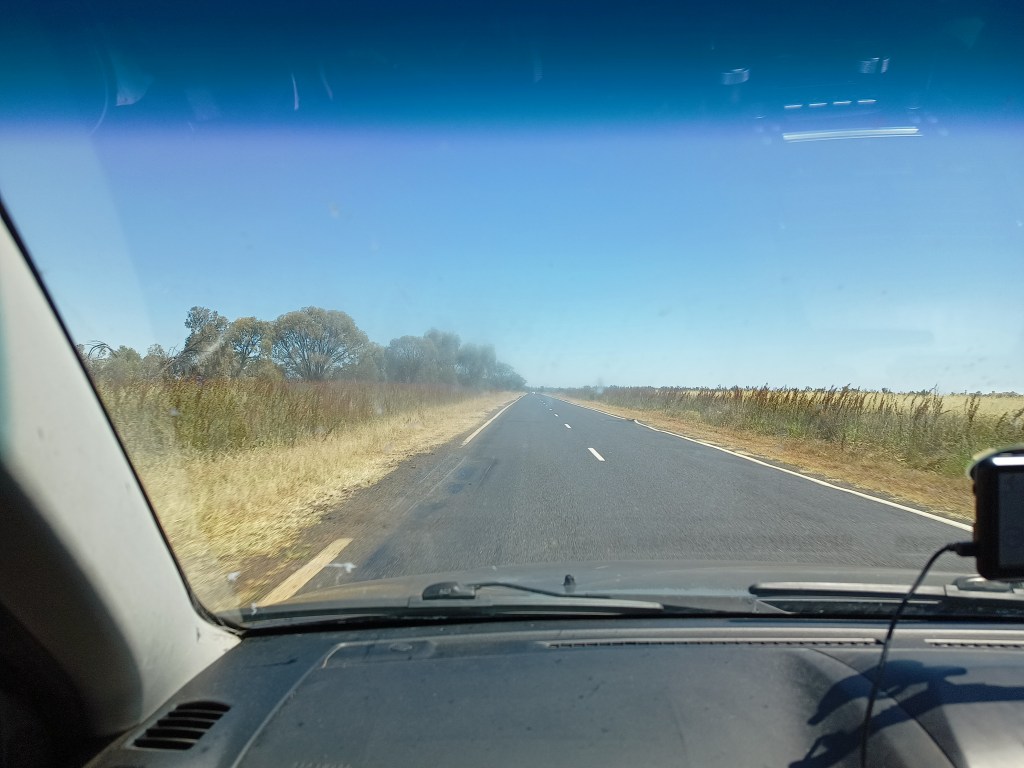
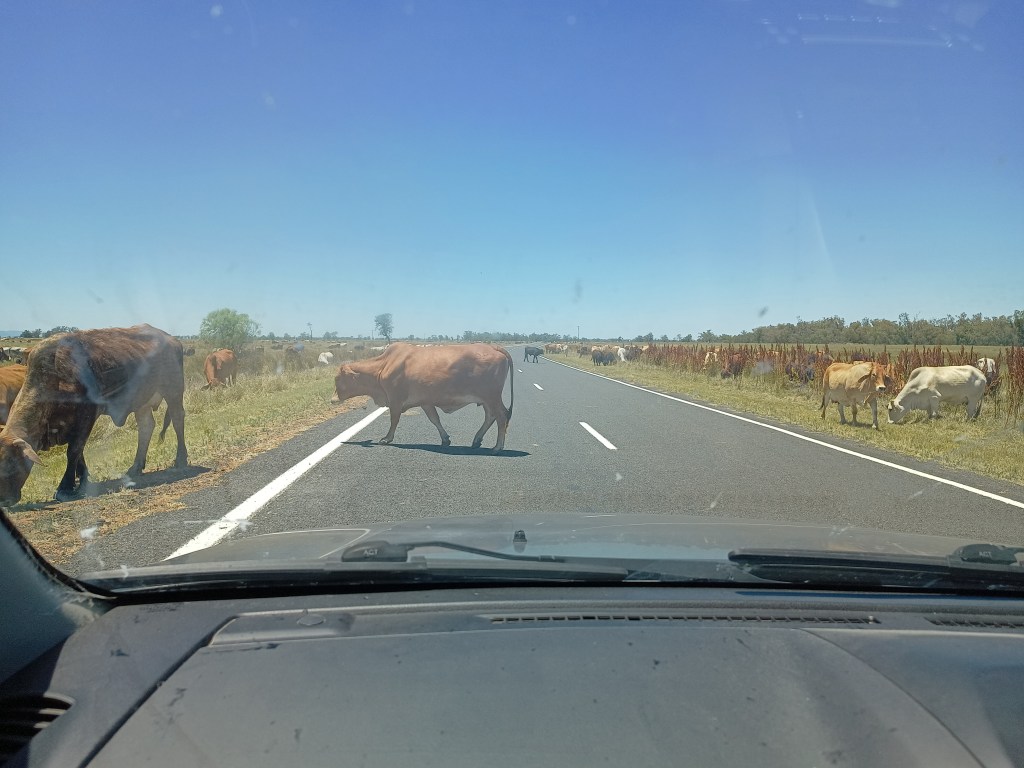
Today I’m starting a new series of posts about our adventures in the far west of NSW. This post is from our trip in December 2022. It was warm to hot, and the previous month had brought heavy rains to this region. In this post, we were driving up the Castlereagh Highway between Gilgandra and Lightning Ridge. The landscape is very flat, with farm-land on either side. 

You can see some of the fields were still flooded, in other places it was functional enough to let the stock back on. 

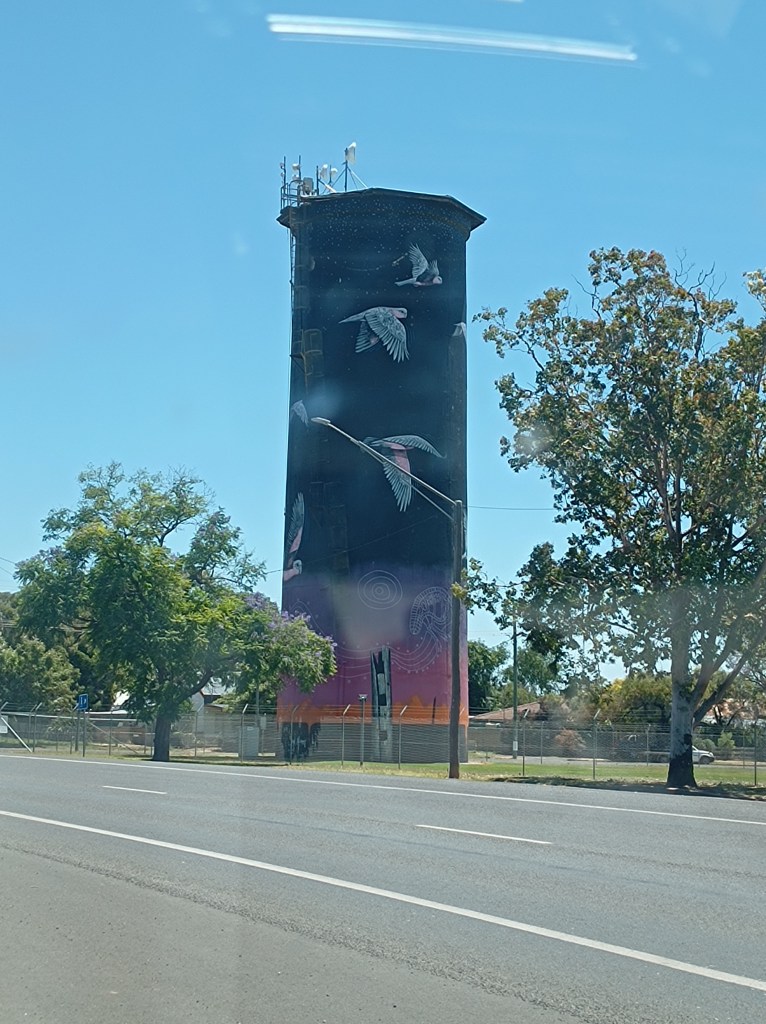
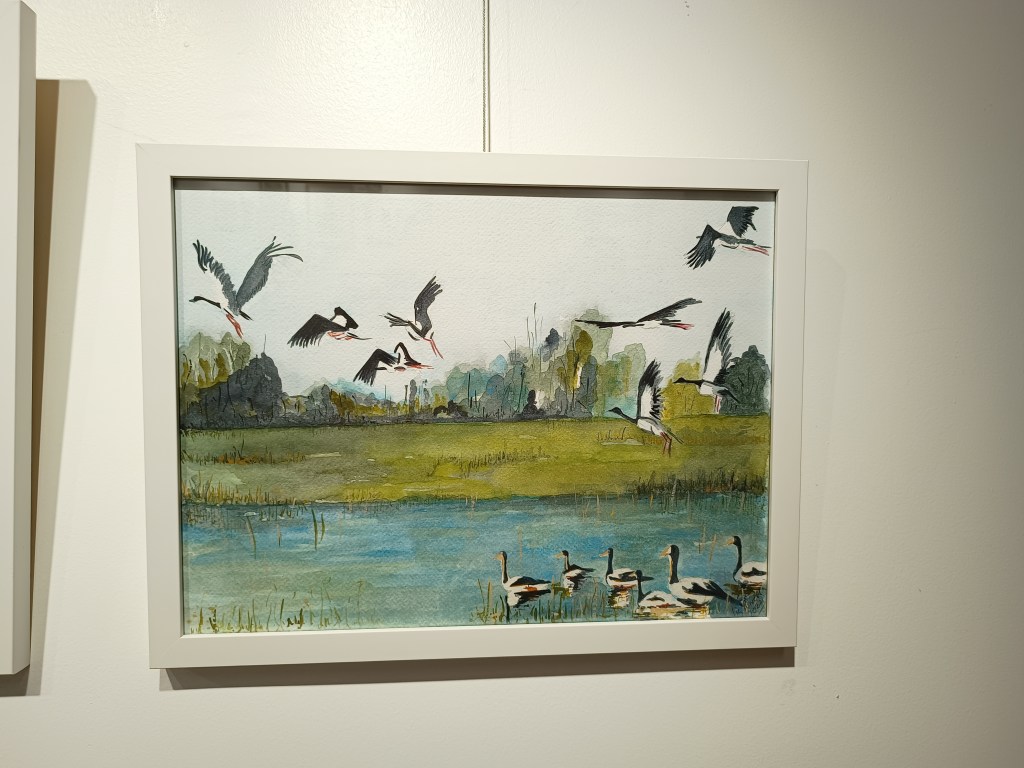
We passed through a few sizeable towns – Gilgandra, Coonamble and Walgett. Some had silo art, while others even had an art gallery.

Taralga and the Southern Tablelands

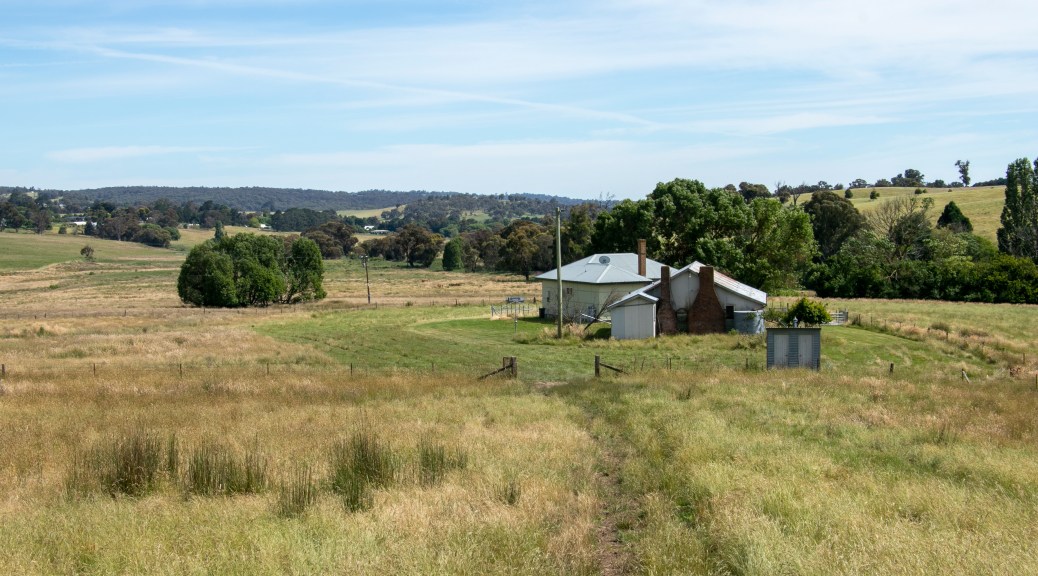
We concluded our trip with a visit to the Southern Tablelands directly south of Abercrombie Caves. Lots of gentle landscapes here, west of the Dividing Range. We stayed in the middle of it near the hamlet of Laggan.

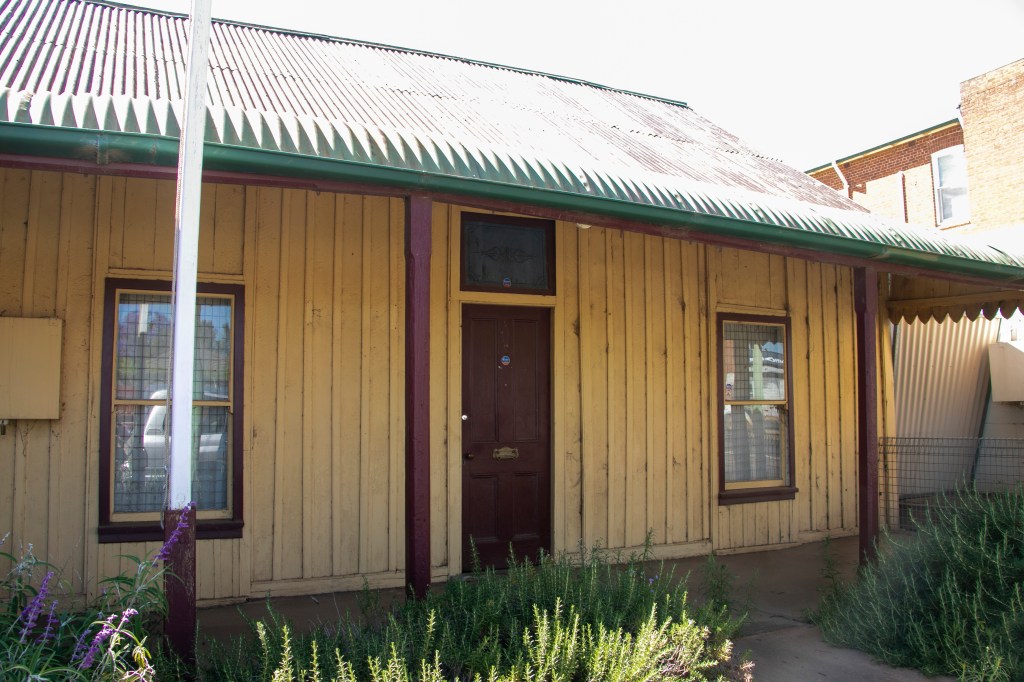
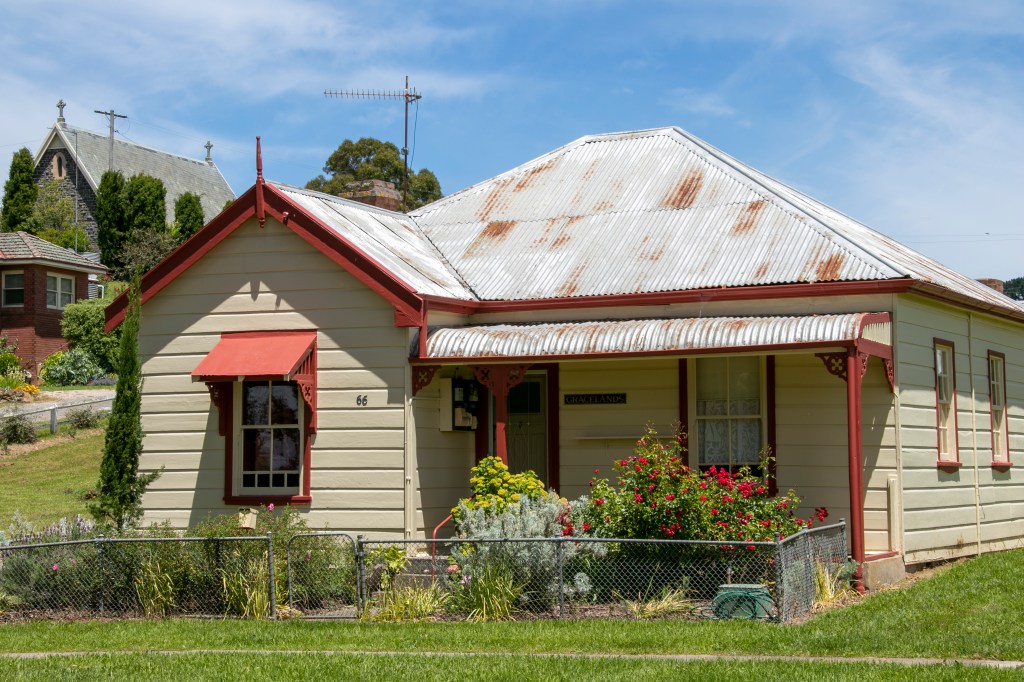
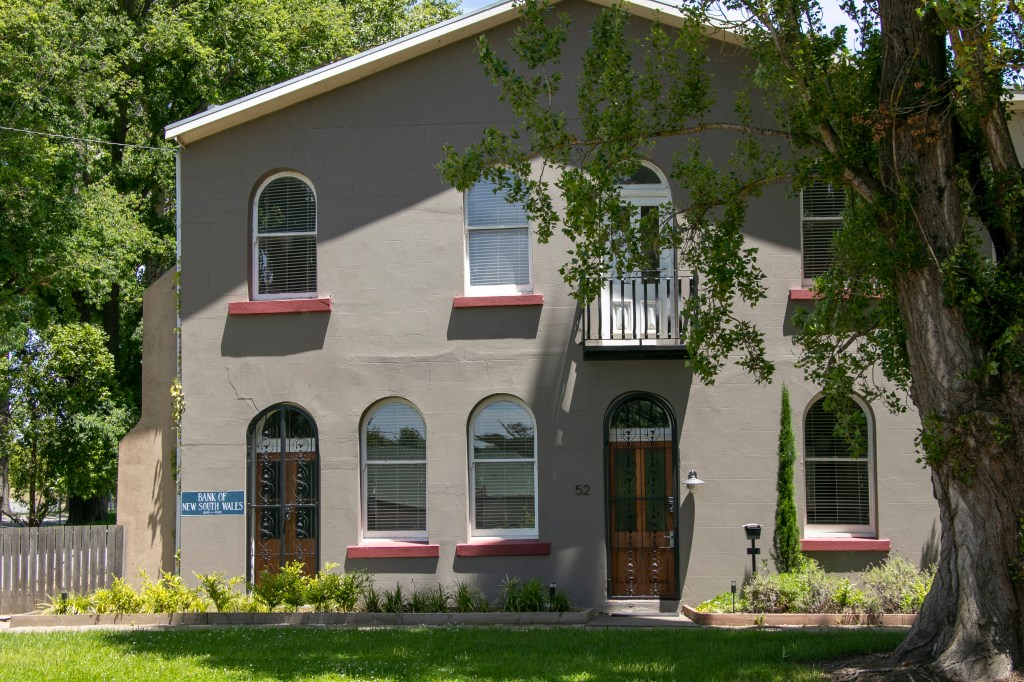
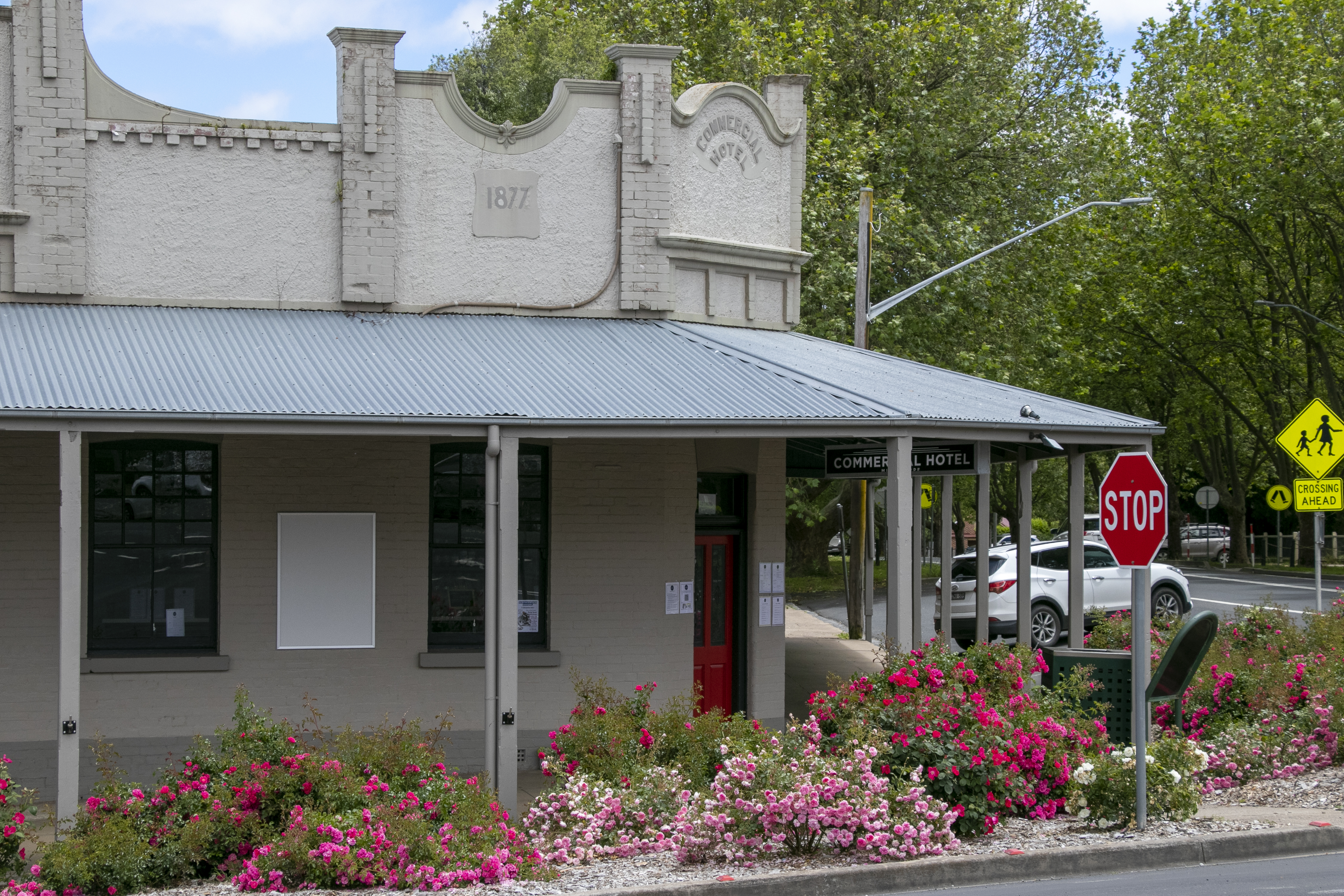
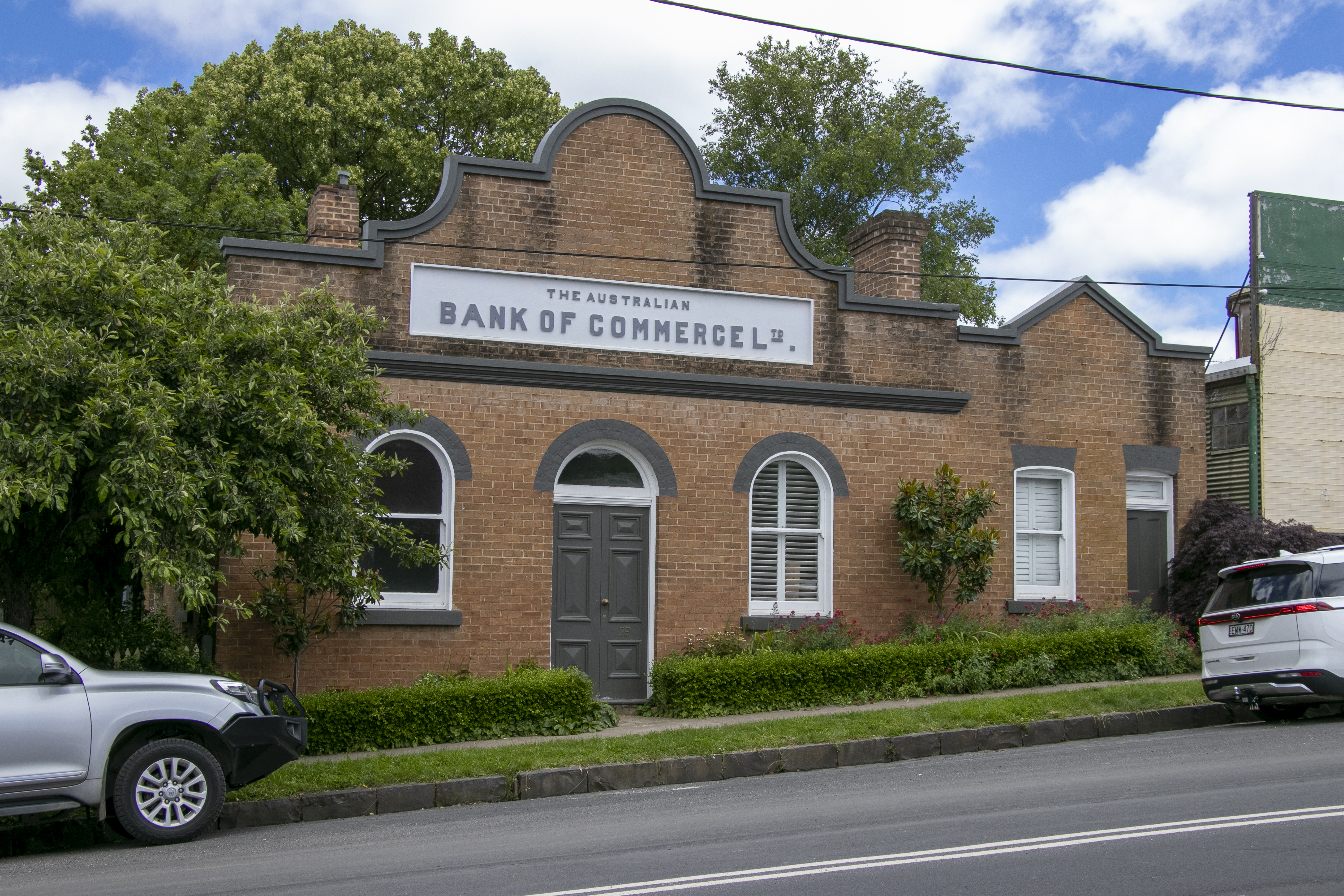
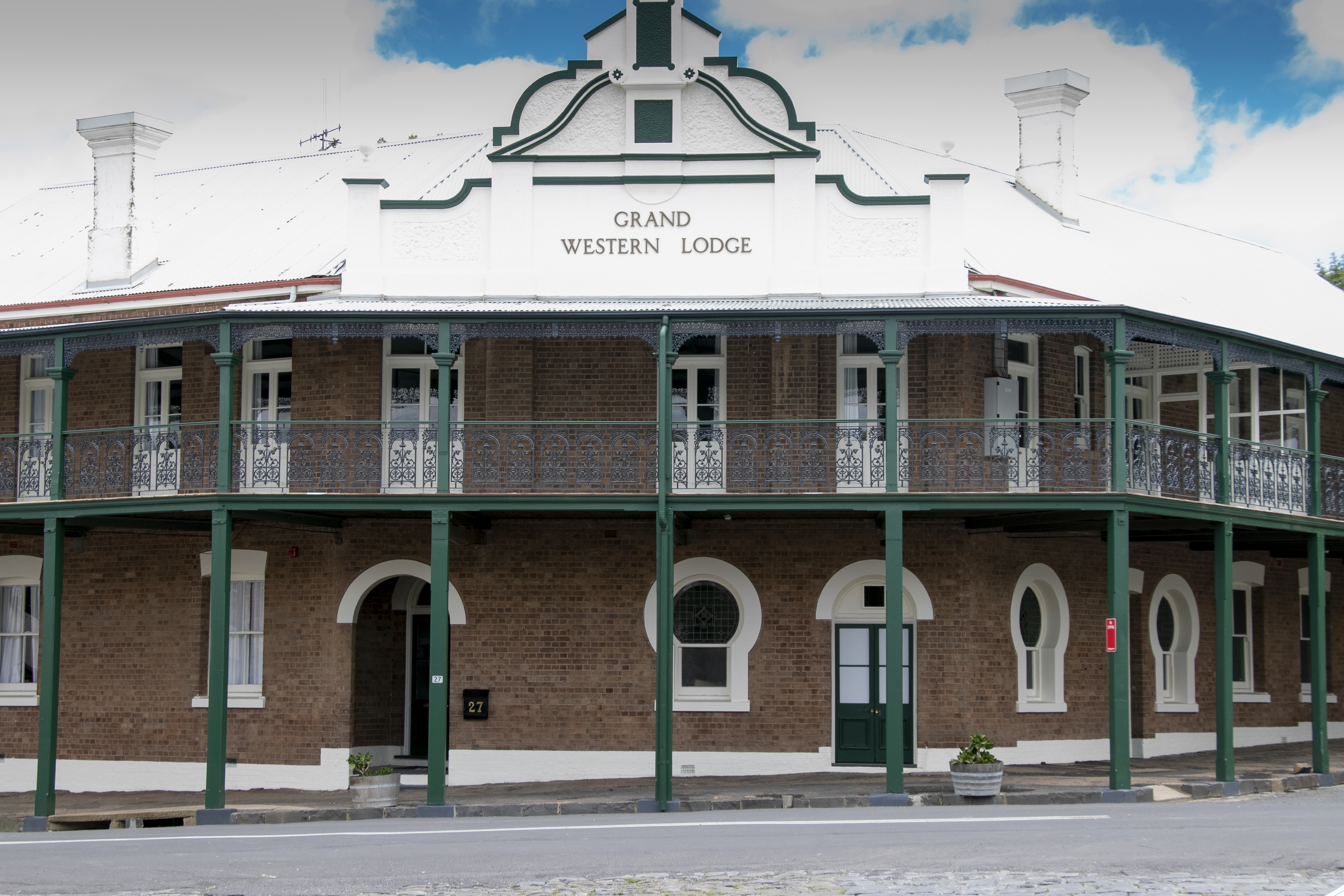
We took little drives around the area, visiting the slightly bigger village of Taralga. Taralga was a pretty sleepy place, but it had some nice architecture of varying vintages along its main street.

That’s all for our drive around Central NSW that took place back in December 2021. Almost two years have passed since then, so I’ve got a lot more of NSW to share. I’ll be back next time with another drive around this lovely state.

Abercrombie Cave

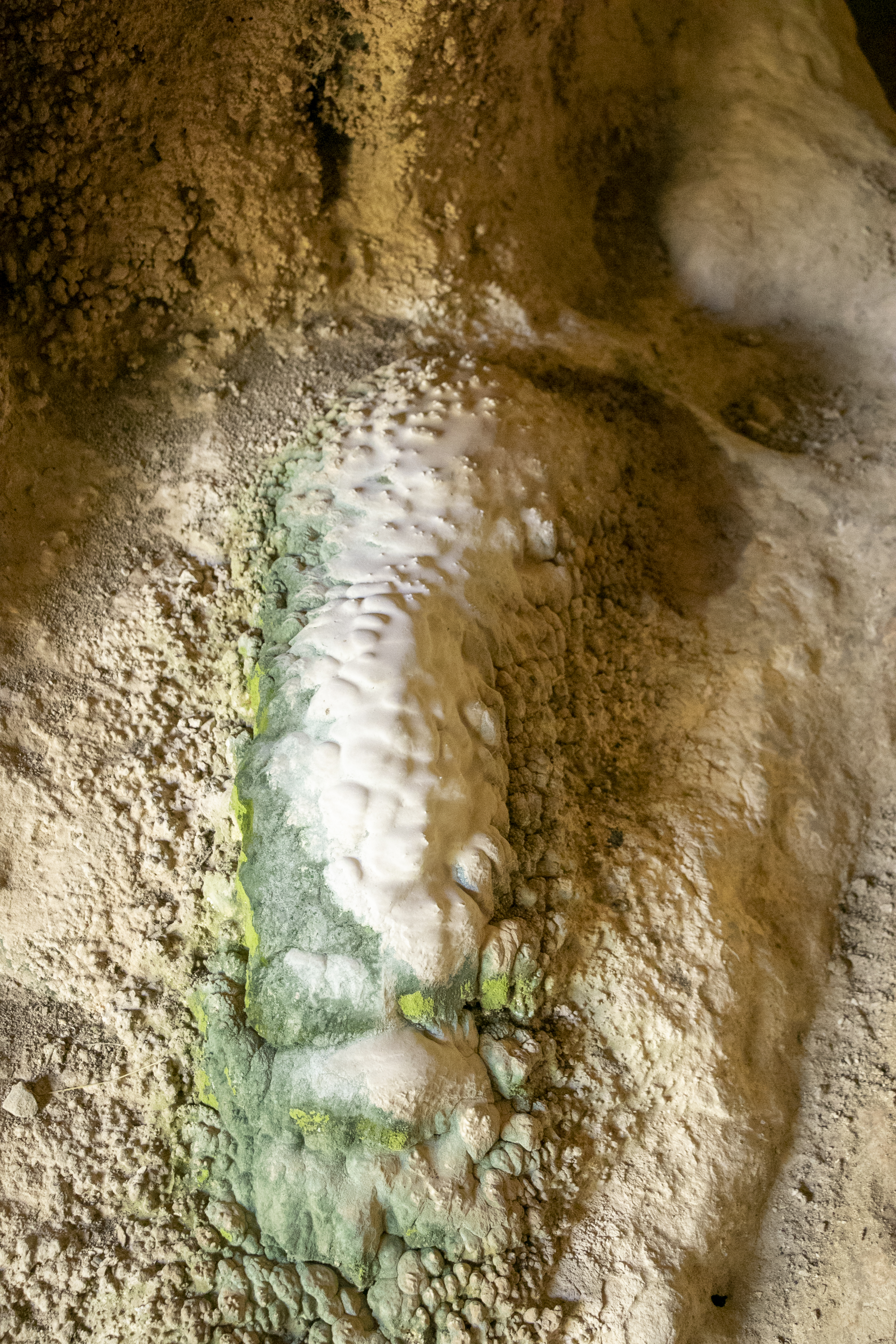
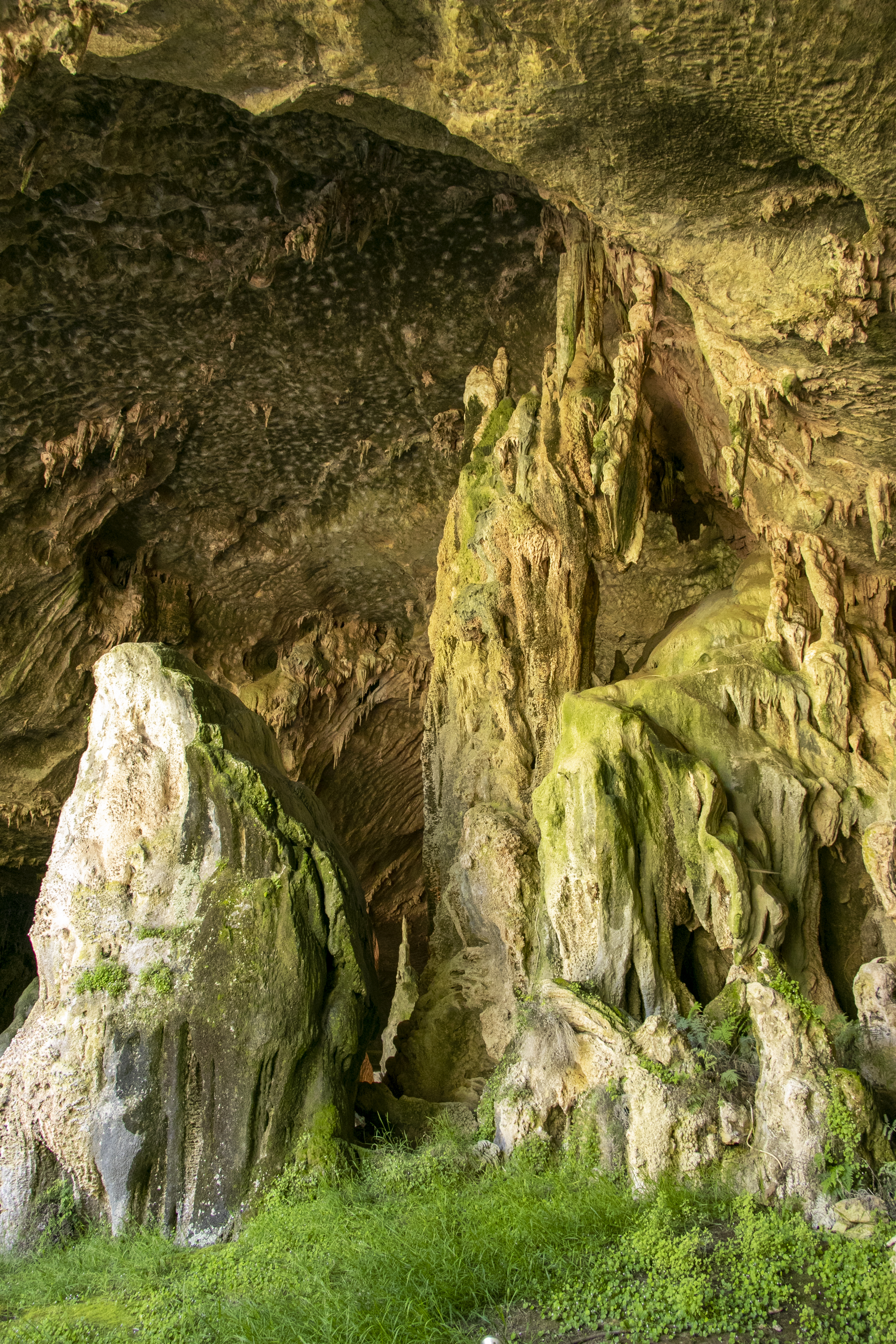
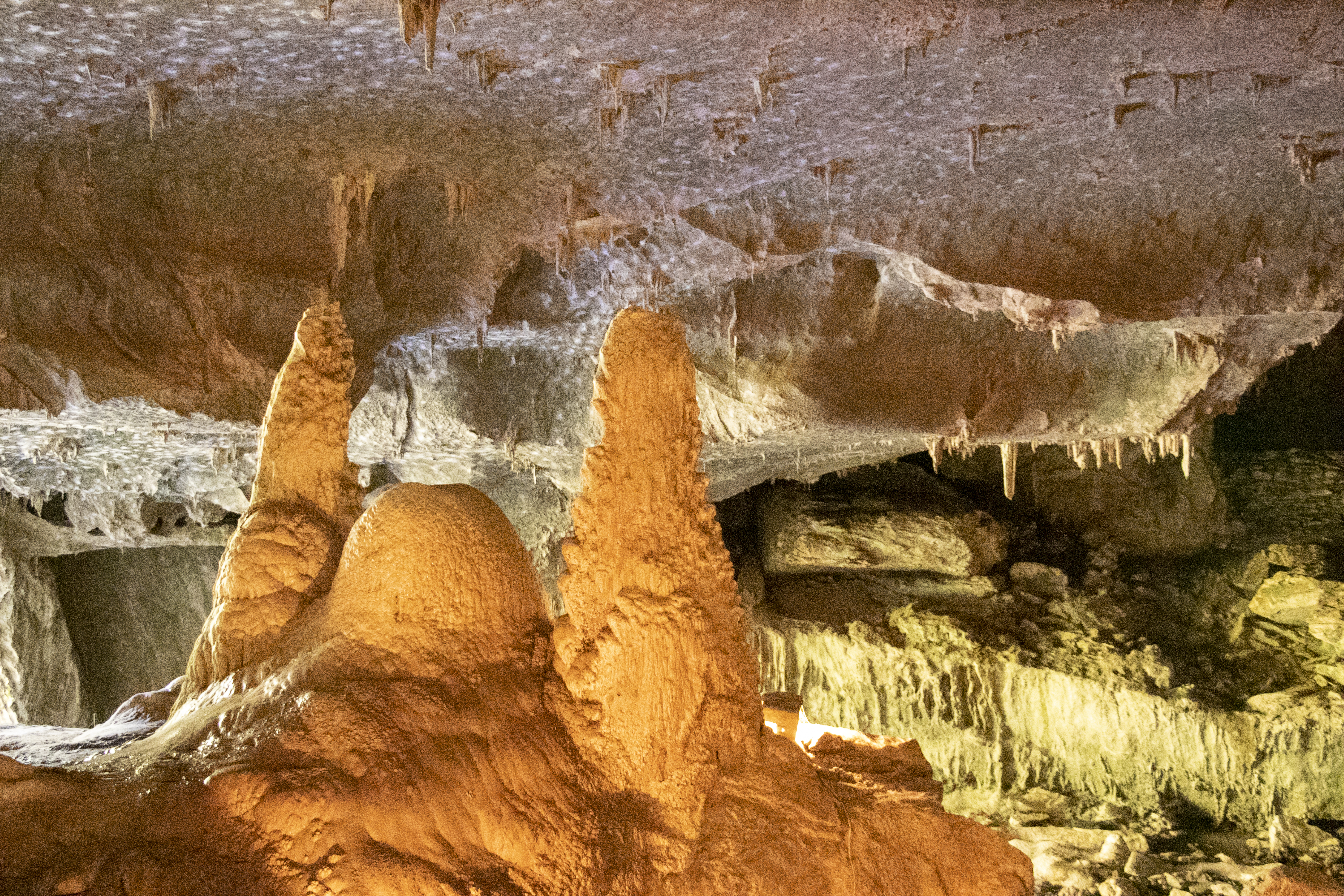
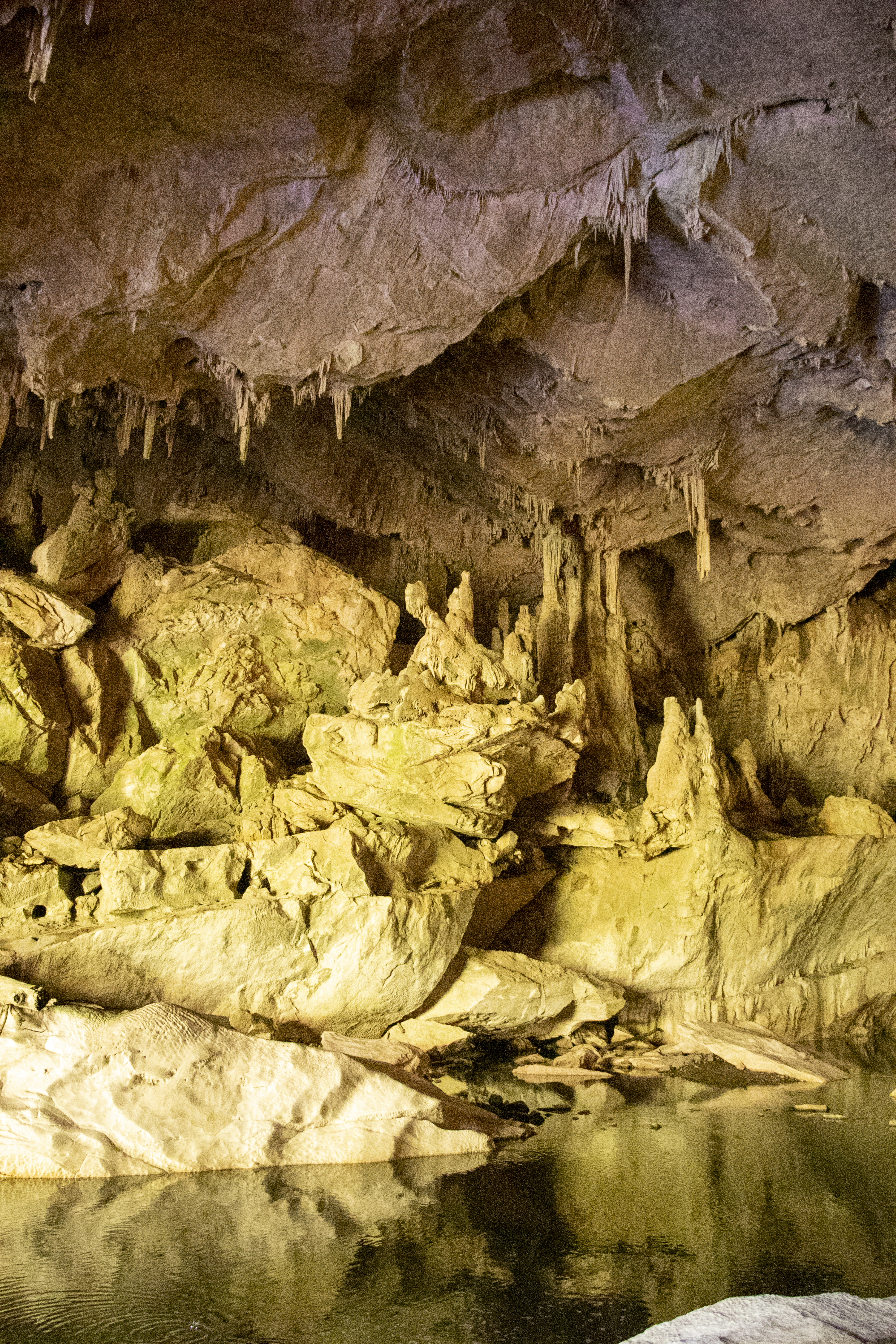
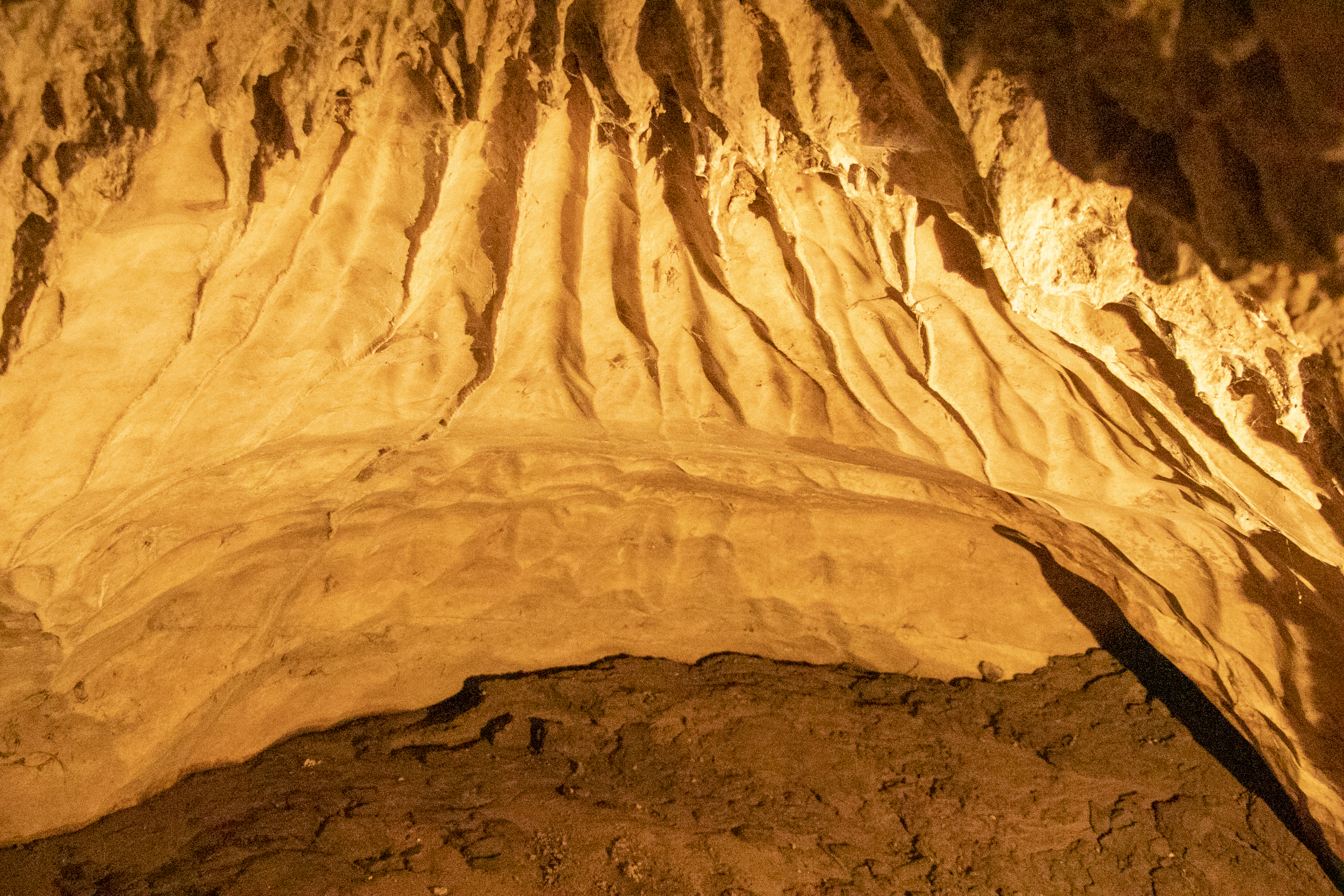
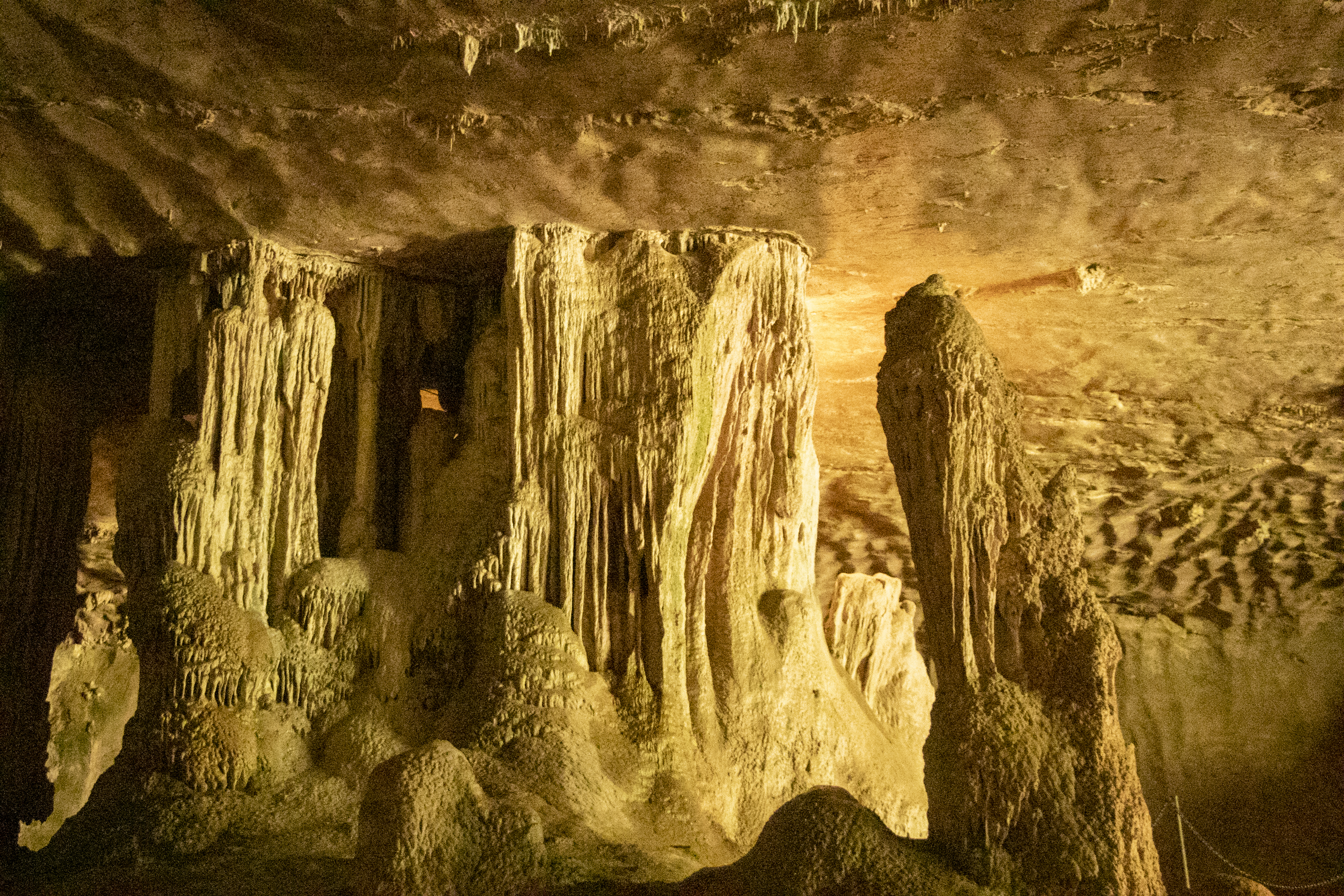
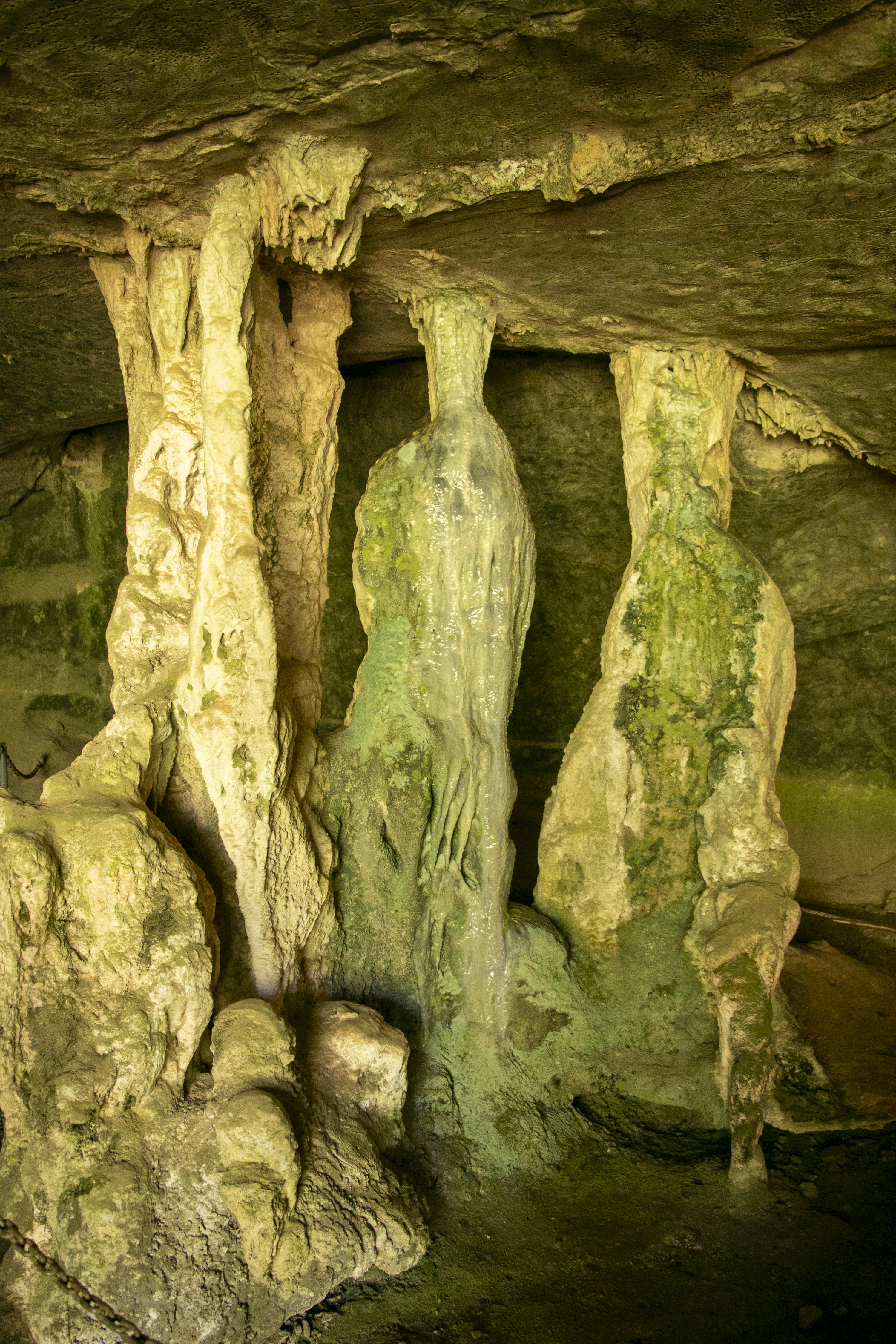
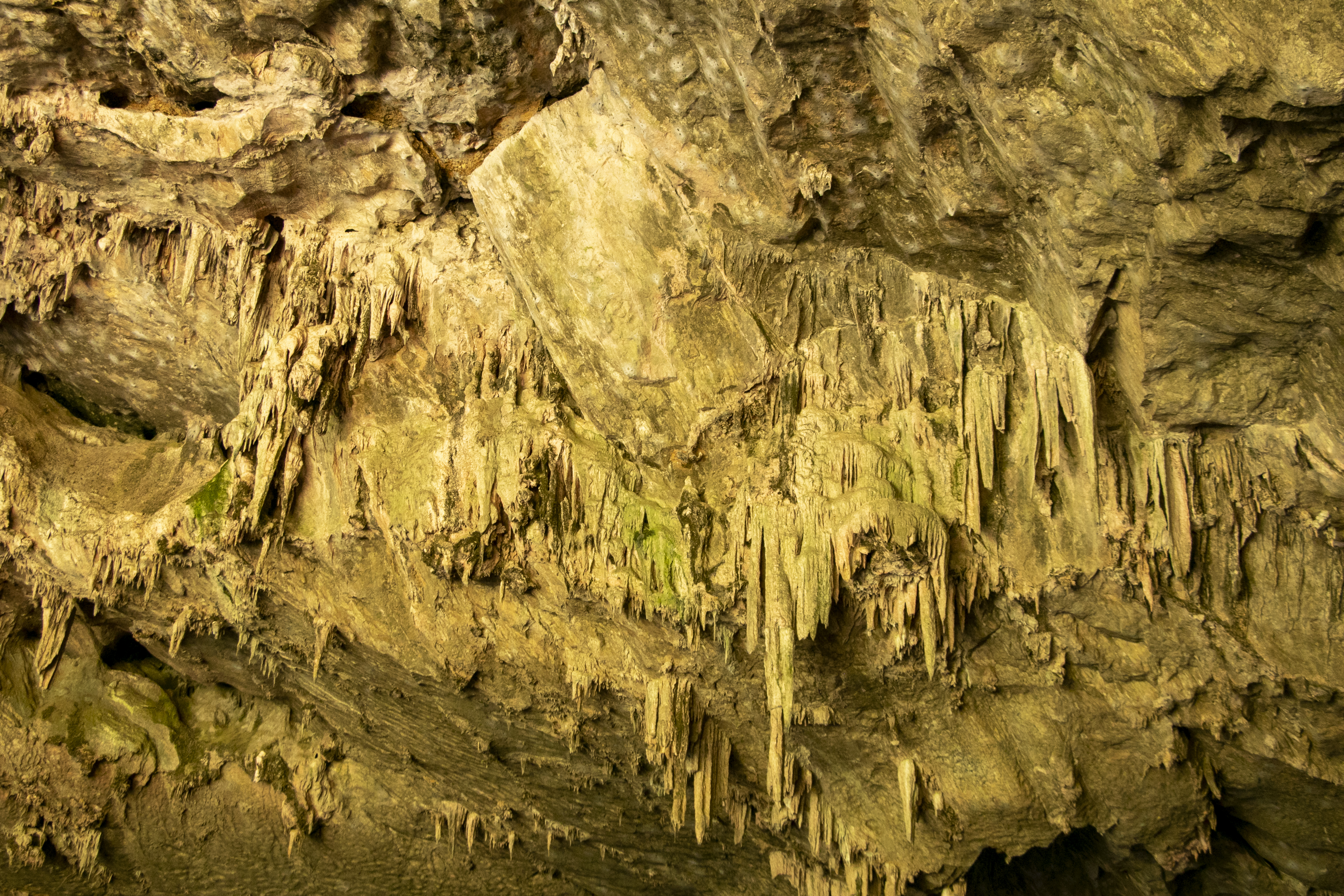
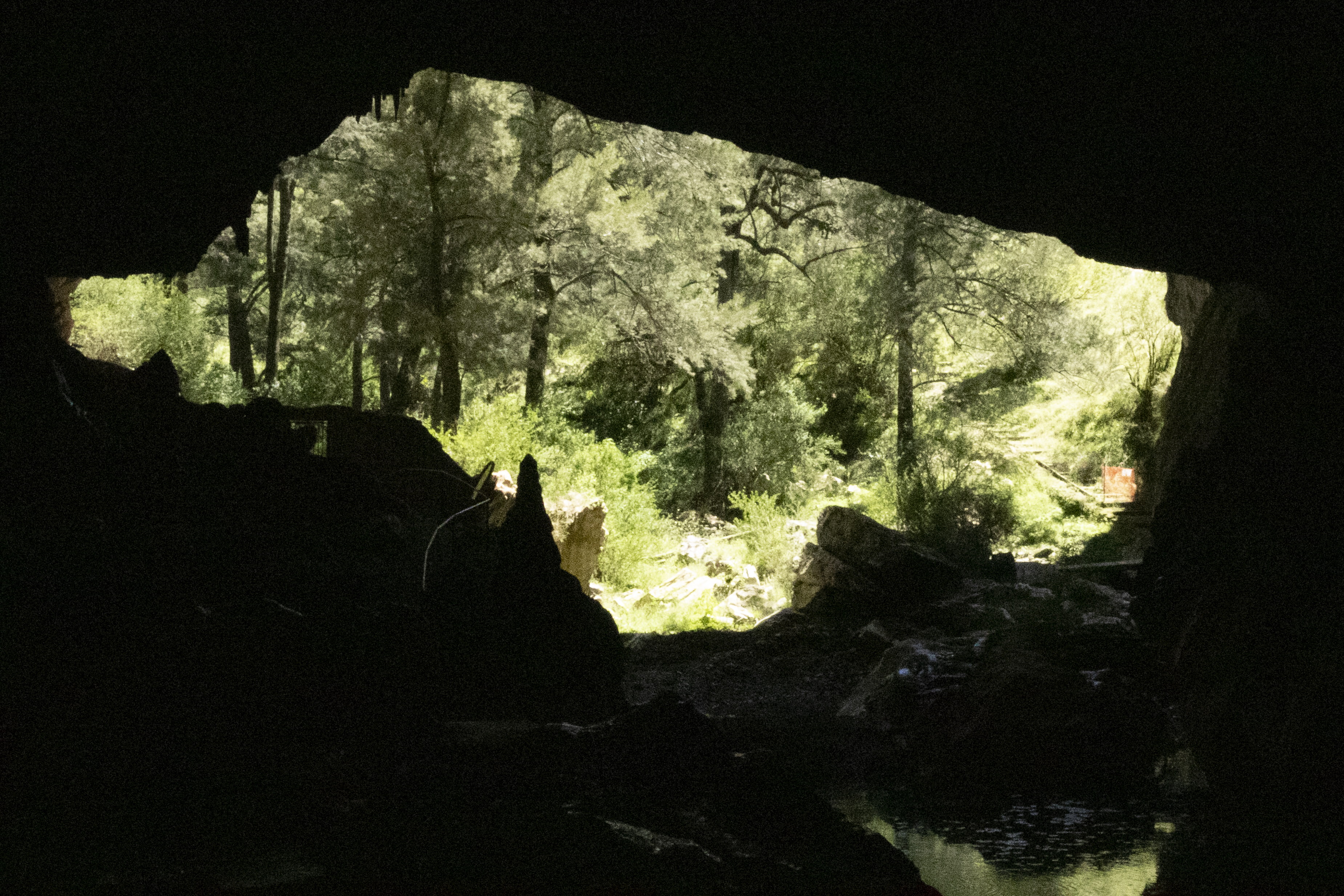
I haven’t posted about caves in a long time. Probably because I haven’t been to any in about 10 years. We’ll visit a less well-known one in this post – Abercrombie Cave.

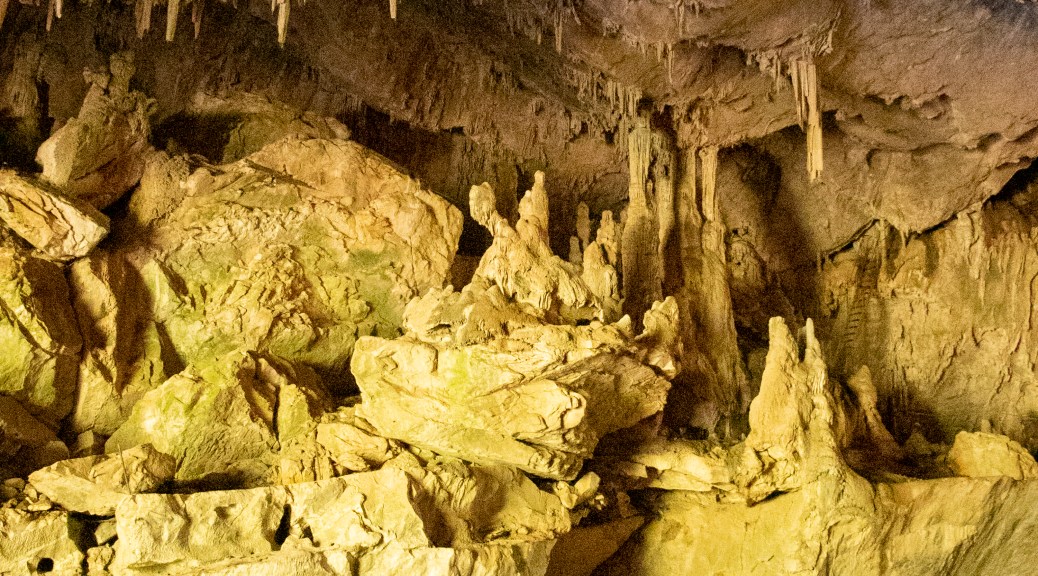
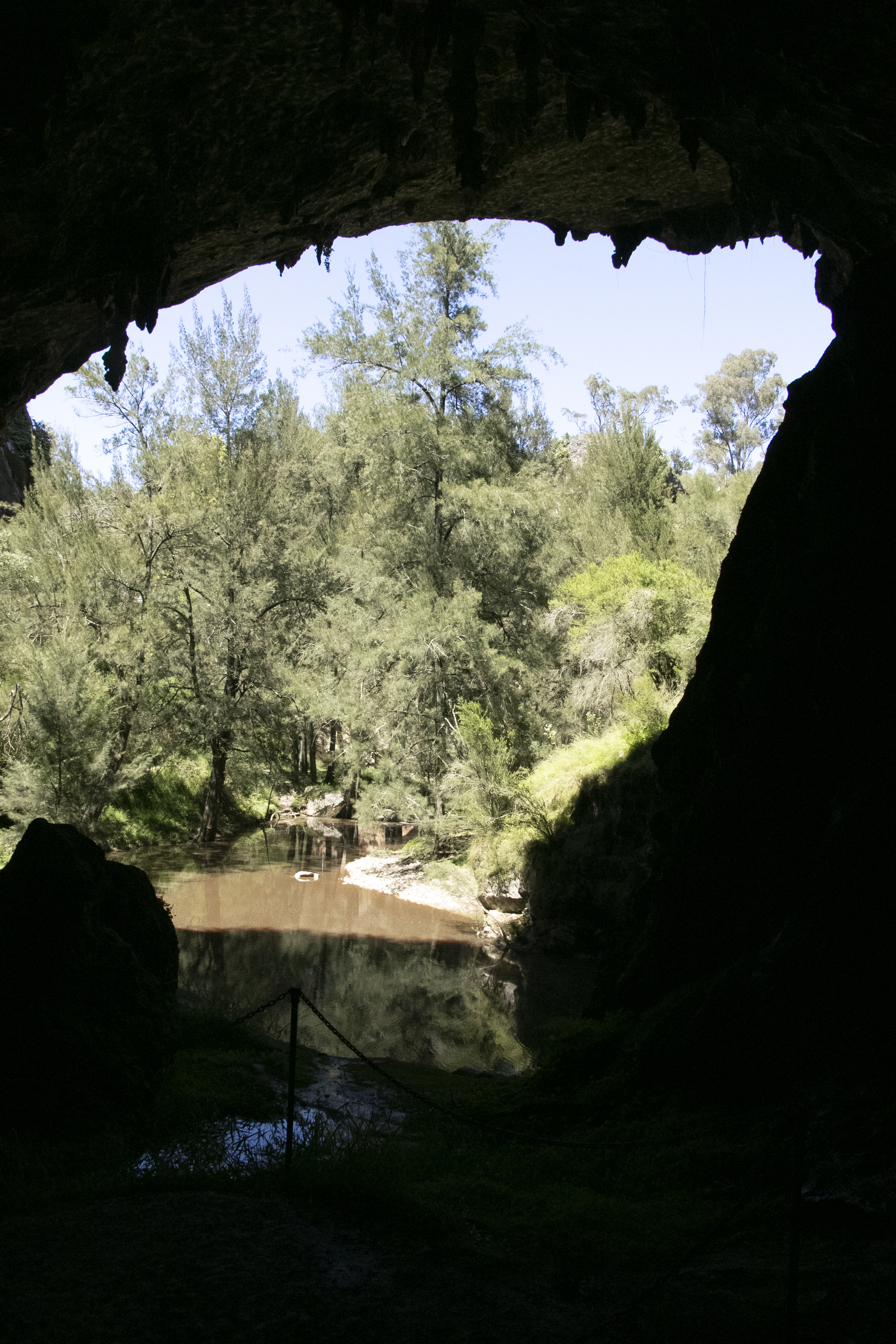
Often outshone by the much more extensive Jenolan Caves or Wombeyan Caves, Abercrombie is tucked away in the western side of the Great Dividing Range, off the Bathurst to Crookwell Road. It’s just one cave, really, and a relatively short and straight-forward one, so it’s self-guided – the ranger let’s you in and then walks away! But because it’s so secluded, we got the cave all to ourselves for a whole 30 minutes!

Milthorpe

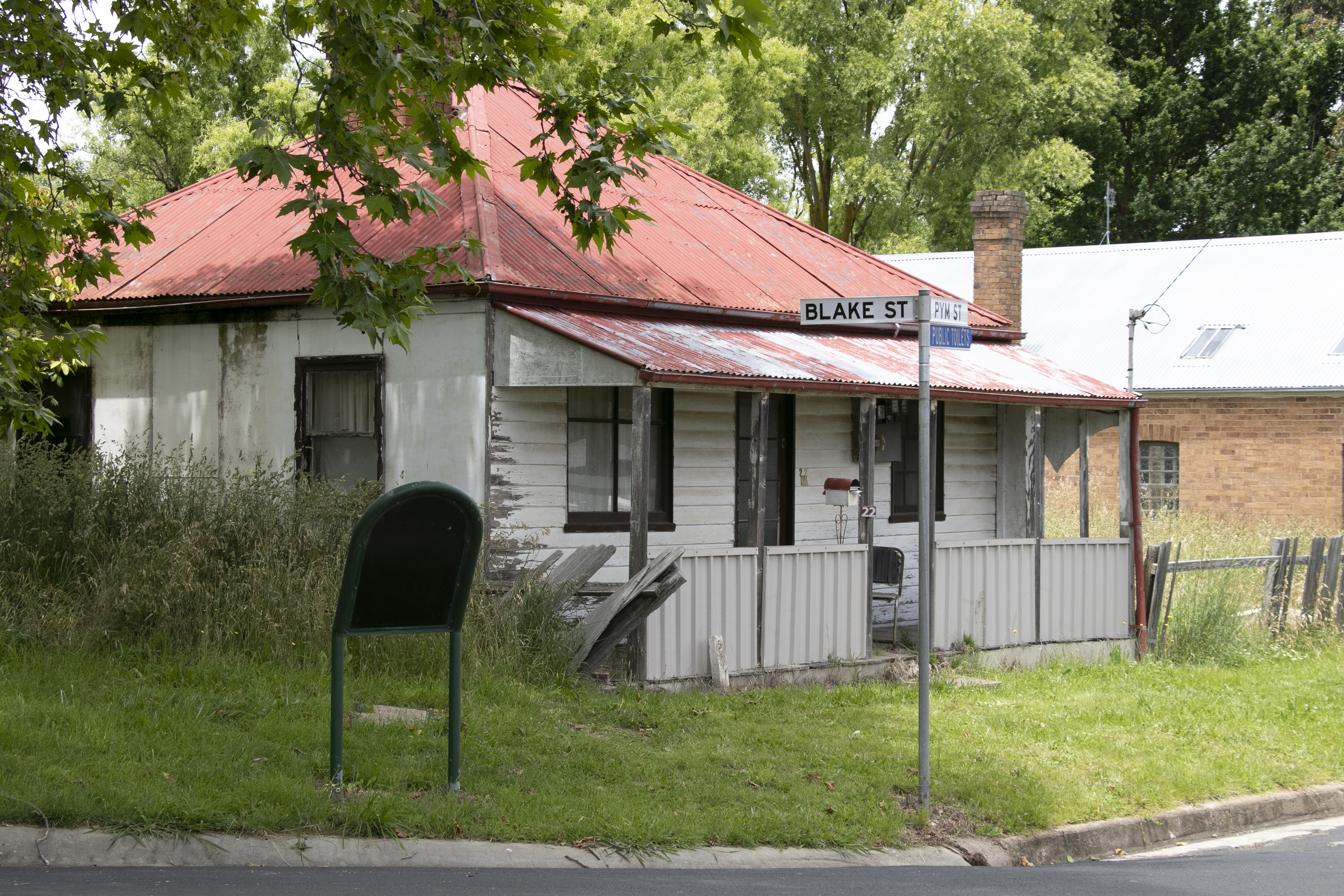
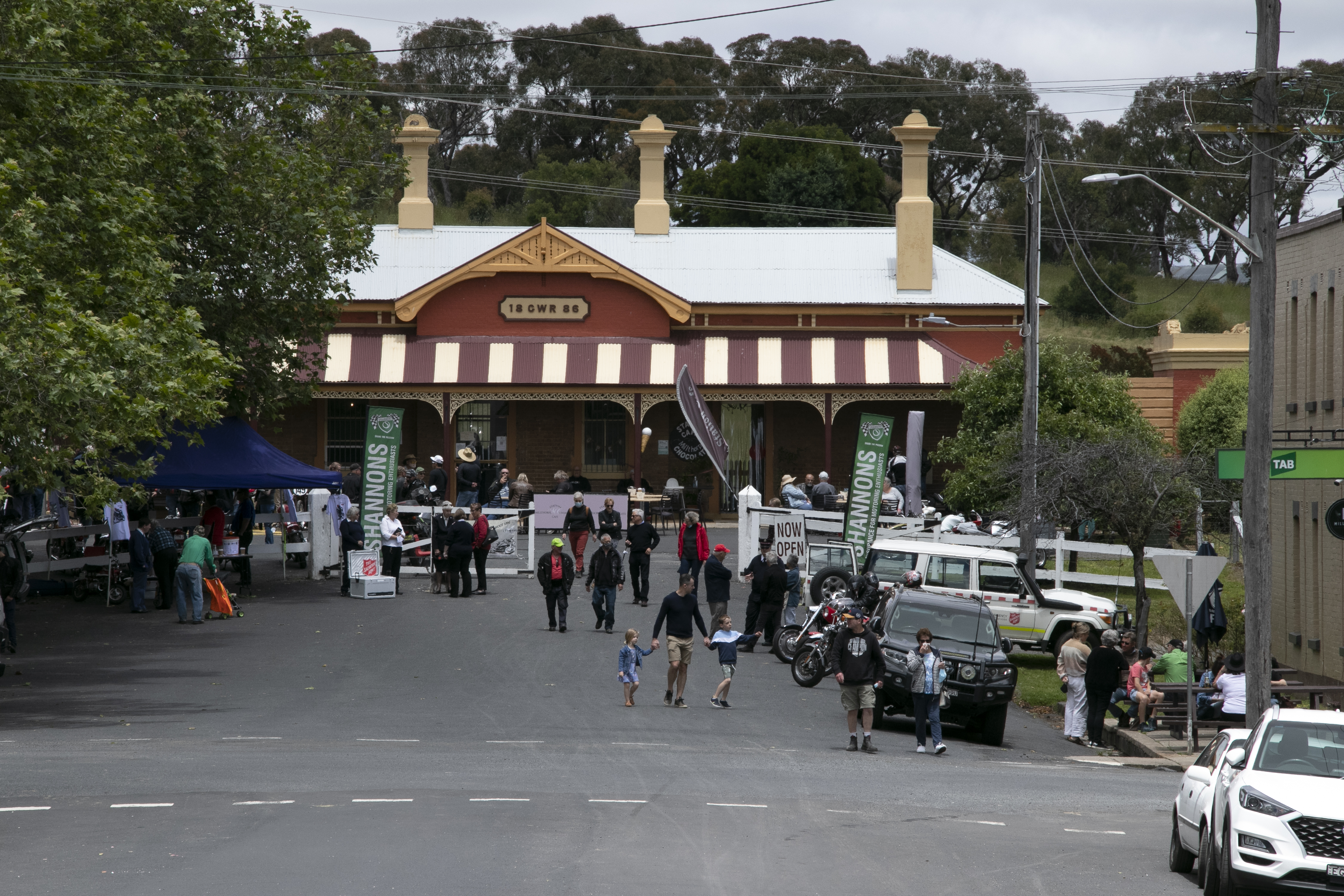
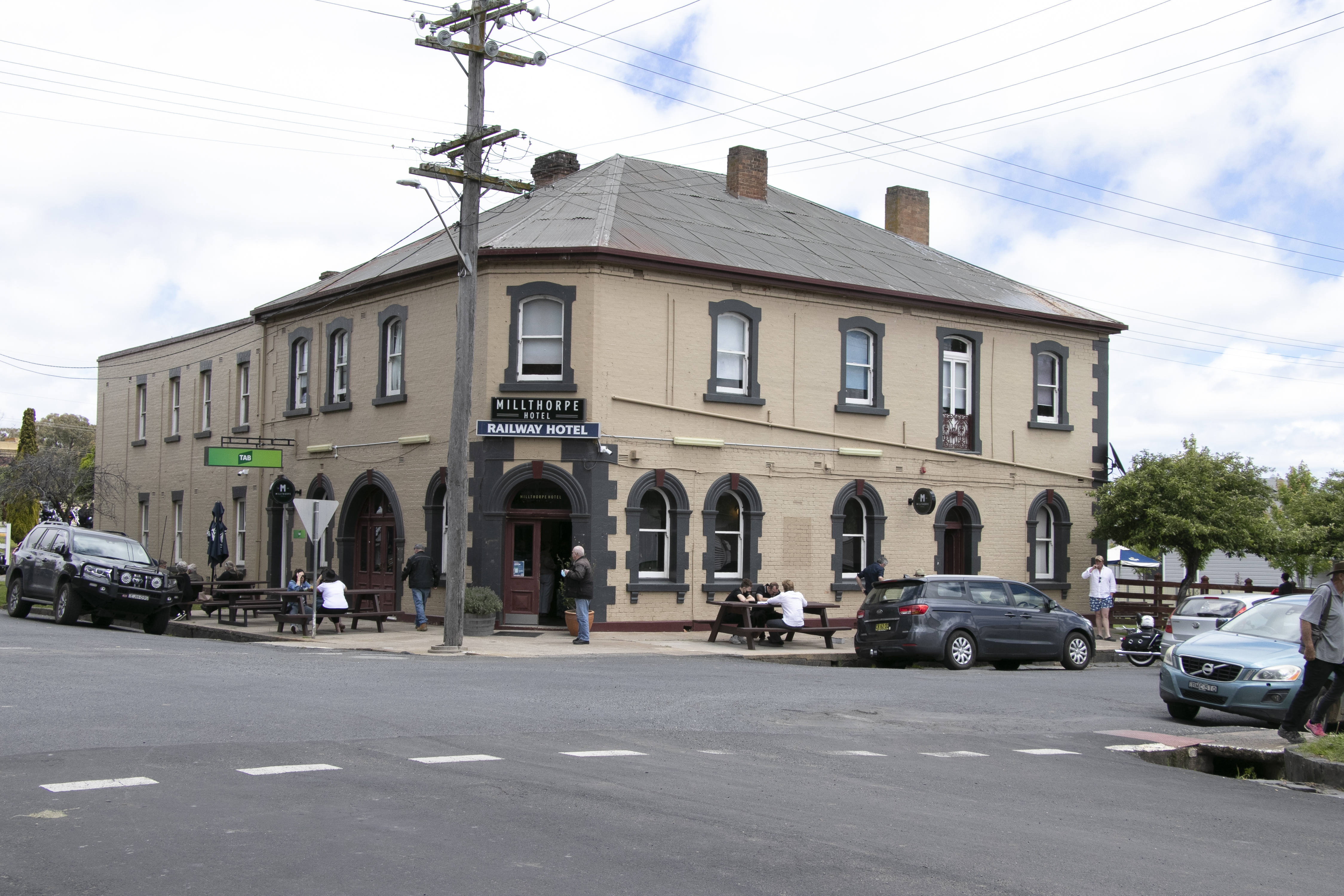
We’re continuing on our tour of NSW country towns. The next town we’re exploring is Milthorpe. It’s located on the other side of Bathurst to Hill End, 240km west of Sydney and 40km south-west of Bathurst. Unlike Hill End, it’s a very accessible town, located mid-way between the large towns of Bathurst and Orange. The land around it is generally flat, which attracted agriculture and grazing. It, like Hill End, is in the country of the Wiradjuri, whose lands extended from Mudgee, all the way across to Hay.

Milthorpe grew prosperous from agriculture and even has a railway station on the Western NSW line, with daily stops by the Dubbo-bound train. It is a busy tourist town of 1,300 people, and gets many visitors on weekends and school holidays. People love the living historical buildings, lovingly maintained. It’s also lucky that it’s now within the Orange wine region.

It might be a touristy town, but unlike towns of similar ilk closer to Sydney, I don’t think it is yet too well-loved.

Hill End – Part 4

We’ll round up our visit to Hill End firstly with the wildlife we encountered. We saw lots of Eastern Grey kangaroos at dawn and at dusk in the outskirts of town.

Hill End Village

And various local parrots feeding at the back of the pub all day, every day.

Hill End Village

They reminded me that Hill End is still a remote town, surrounded on all sides by forested hills, and quite a bit of wildlife (though nothing really human-eating, as in the North American Gold Rushes when those miners were faced with wolves, bears, coyotes etc.). Still, it would have been a bit of an effort to reach the town during the Gold Rush, when there were only rough tracks and no public transport. The miners and their families would have had to walk in from Sydney (a distance of over 250km nowadays, and might have been much longer in those days) with all of their possessions in tow.

On the outskirts of town, there were more remnants of the town’s mining past. These open tracts of land used to host miner’s campsites. Nowadays it hosts tourist campsites.

Hill End Village

And we passed an old miner’s shack, ironically named. Then again, it would have been one of the more luxurious modes of accommodation available, especially in the early days of the town when most people would have been sleeping under canvas.

Exploring Hill End

And from a nearby lookout, we could still see the scars on the hill-sides where the diggings were.

Exploring Hill End

During the Gold Rush, the valley would have been filled with the noise of miners and their machines working. Now, we heard only the sounds of nature.

Hill End – Part 3

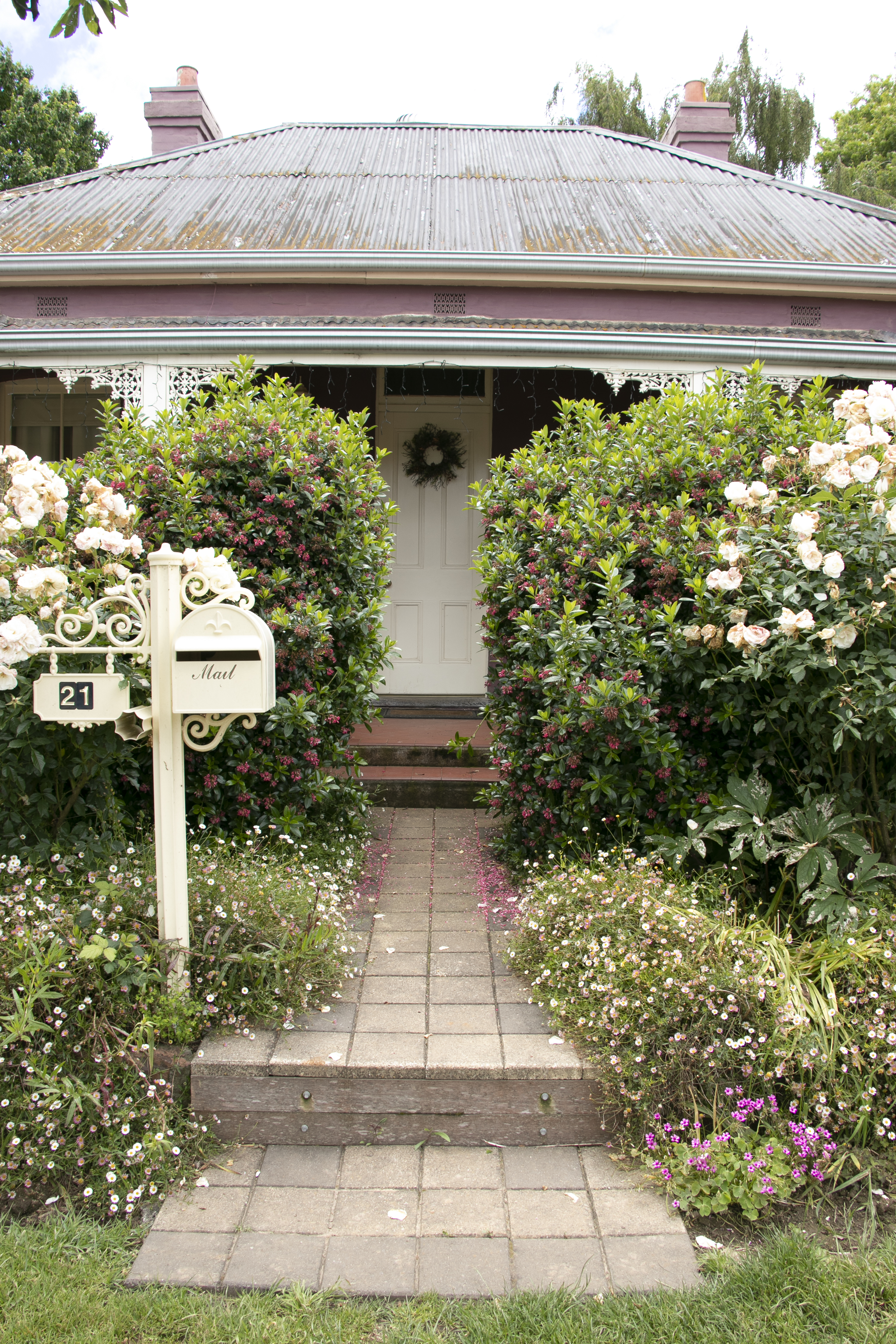
The most delightful buildings for me in this little town are its little historical cottages. They come in different shapes and sizes, and some look as if it’s been little changed since the Gold Rush.

Hill End Village
Hill End Village
Hill End Village
Hill End Village
Hill End Village

As you can probably tell, they’re pretty well maintained and some are even lived in. Although I suppose if you’re a resident you’d have to tolerate tourists like me taking snapshots of (potentially) your washing.