Category Archives: Holiday

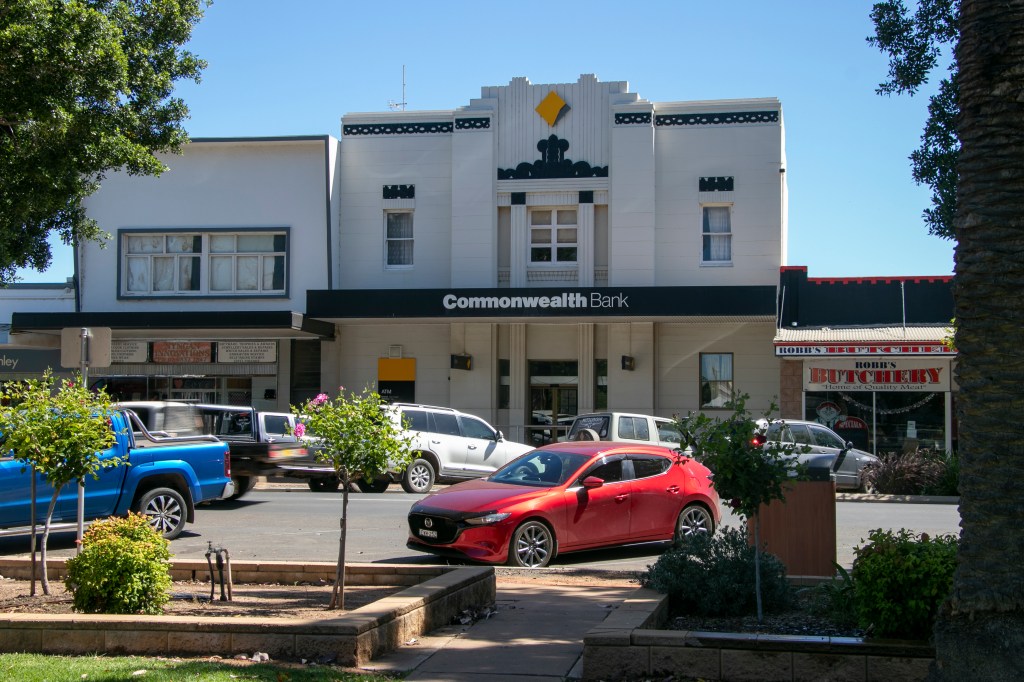
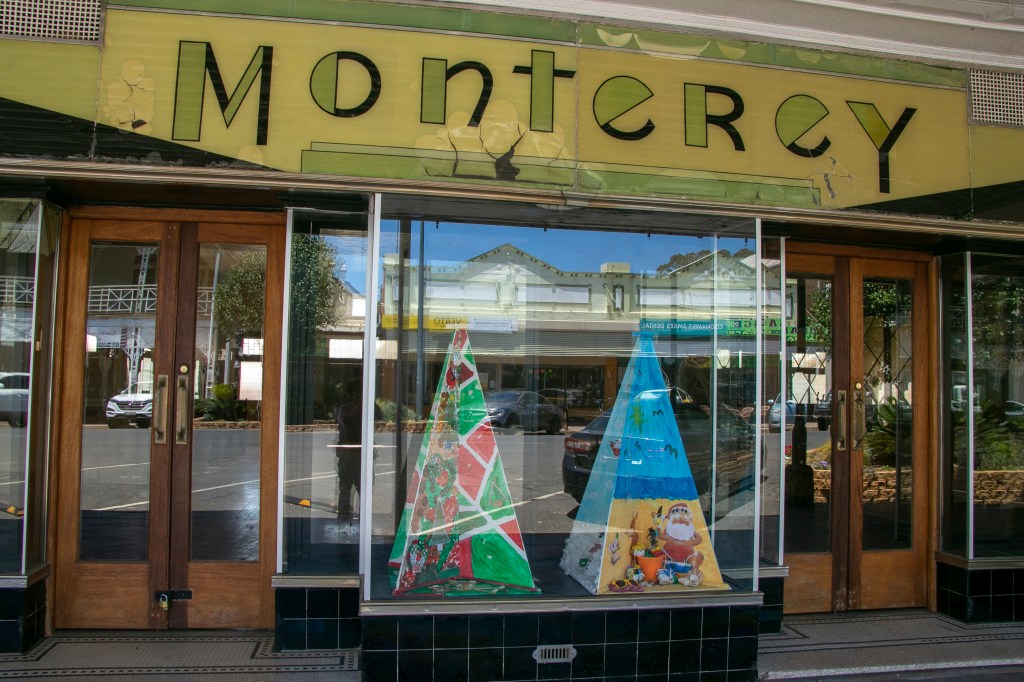
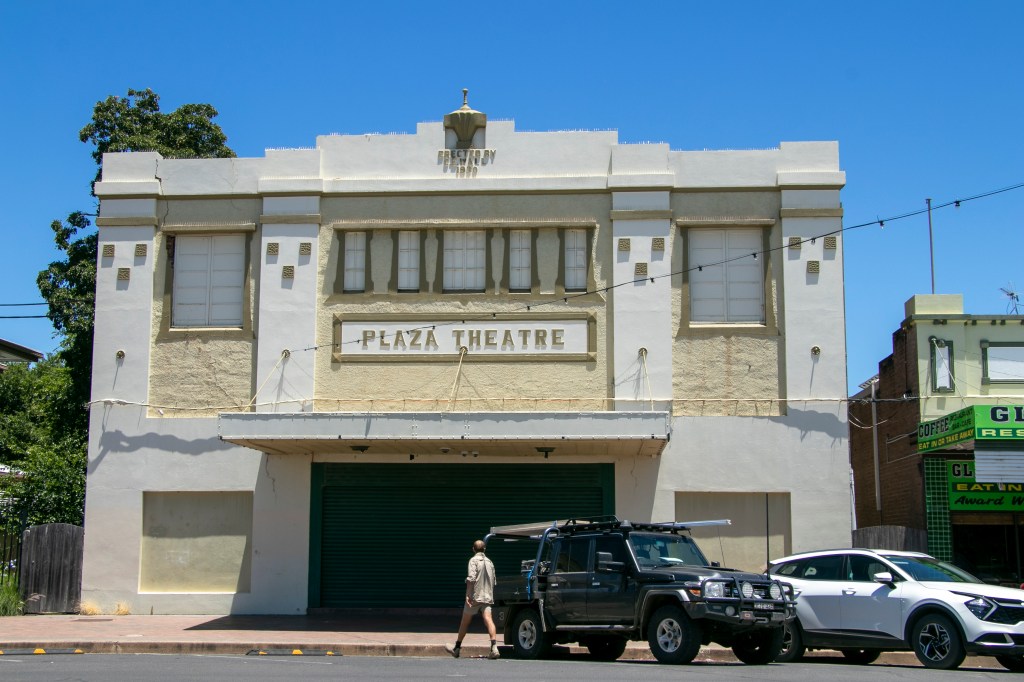
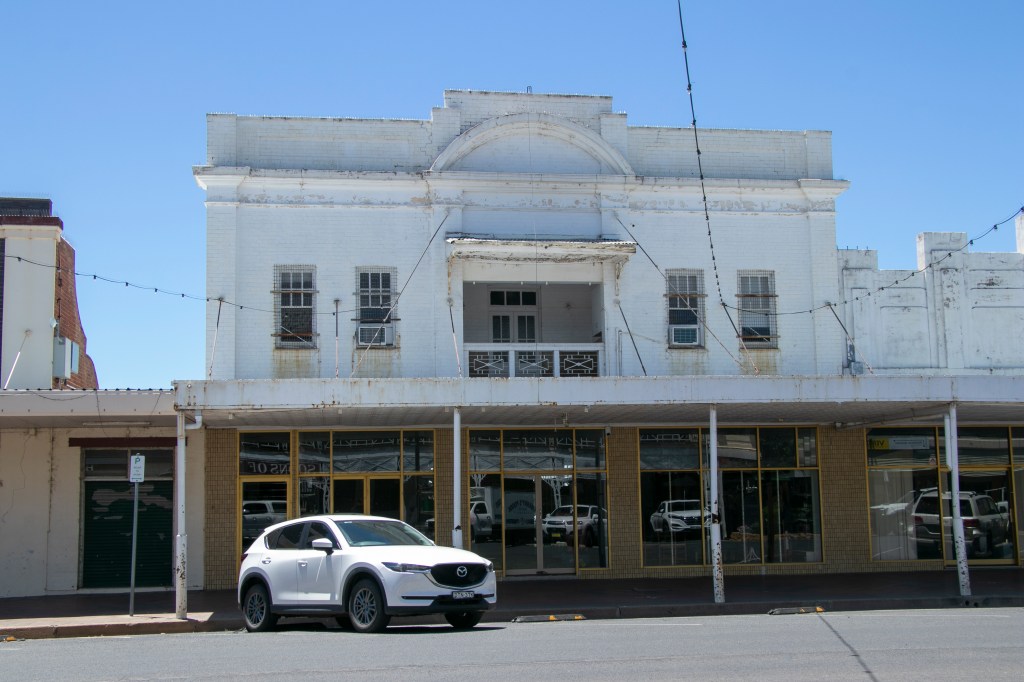
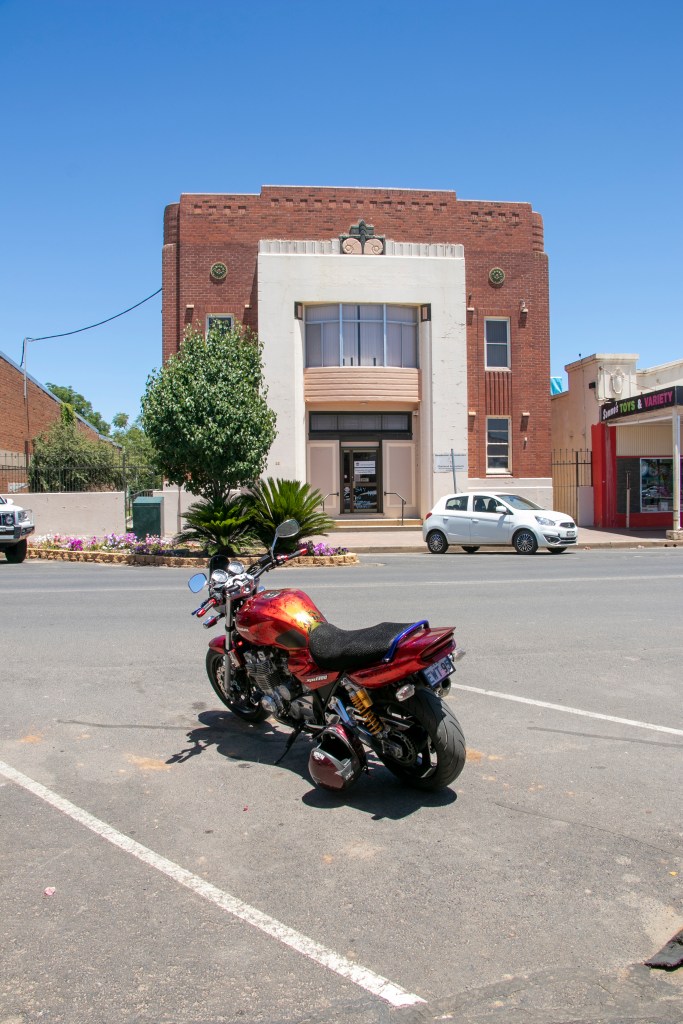
Riverina – Temora

I’m starting a new series about the towns around the ‘Riverina’ area of NSW (and into Victoria as well). These towns run from the Central West into the far South West of the state and are located next to the big rivers of NSW – the Murray, the Darling, the Murrumbidgee, and the Lachlan, among others. I haven’t travelled to all the major towns that span along these rivers, but on a trip that Hubby and I took in August 2023 we drove through a few of them.

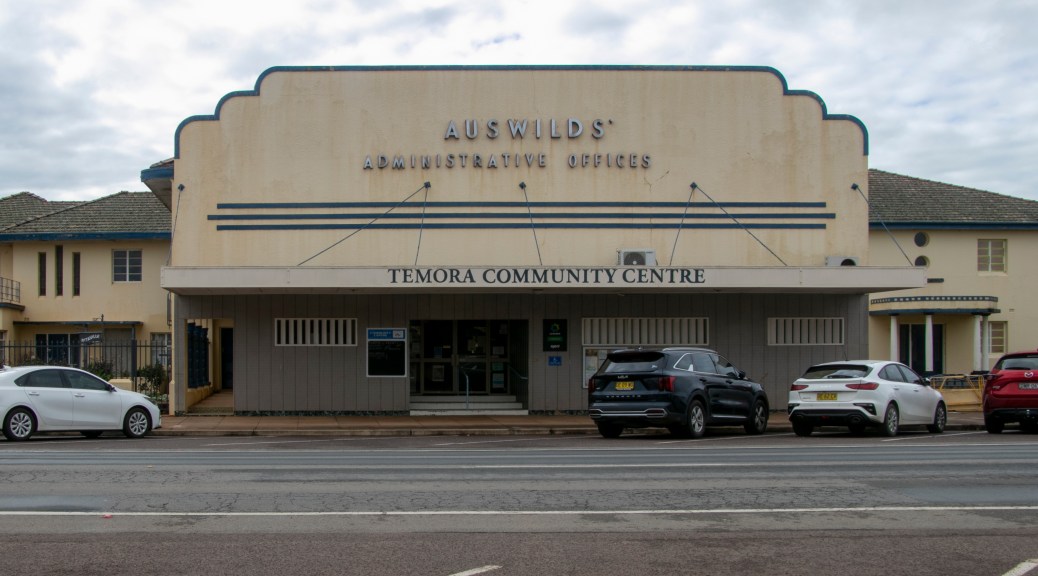
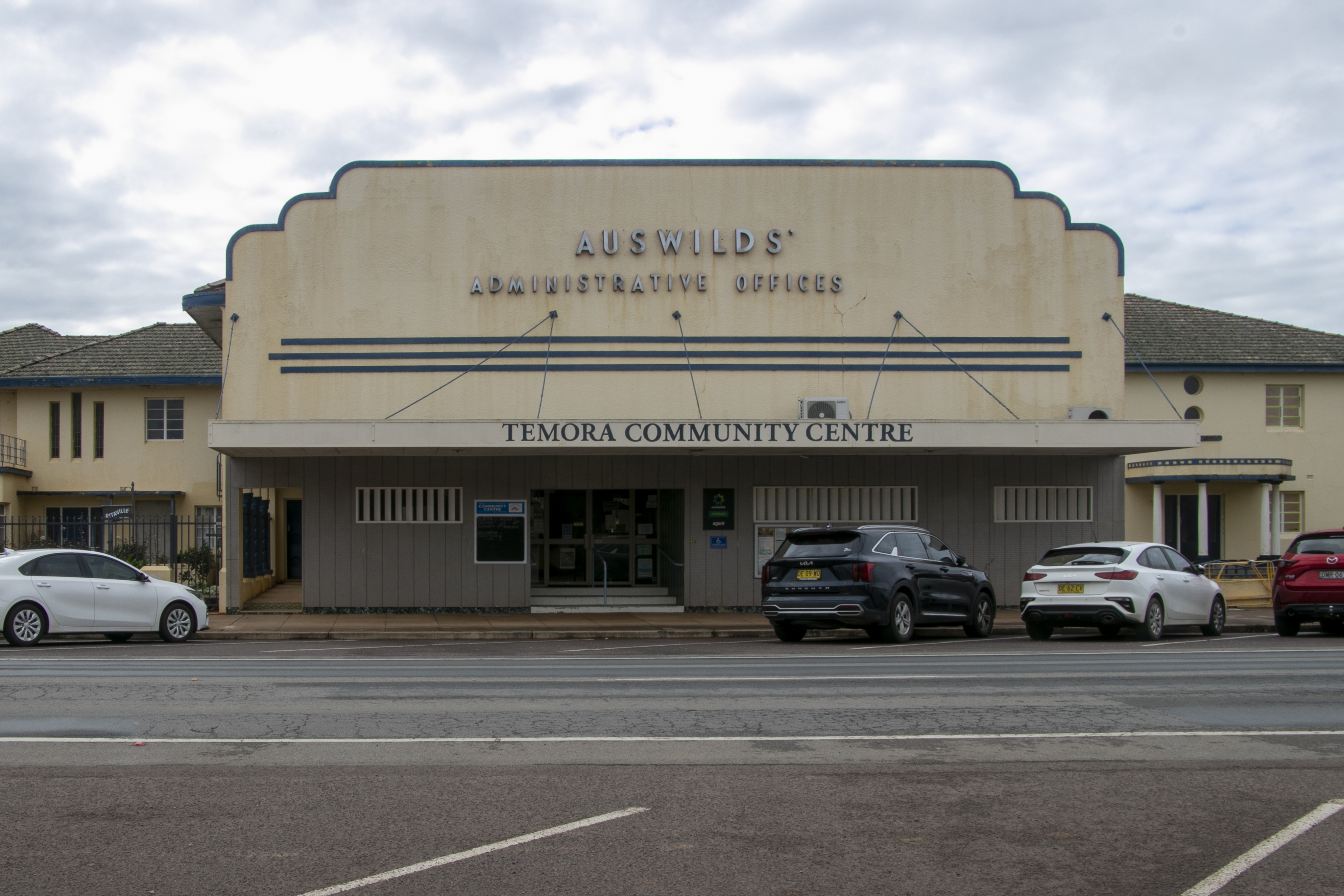
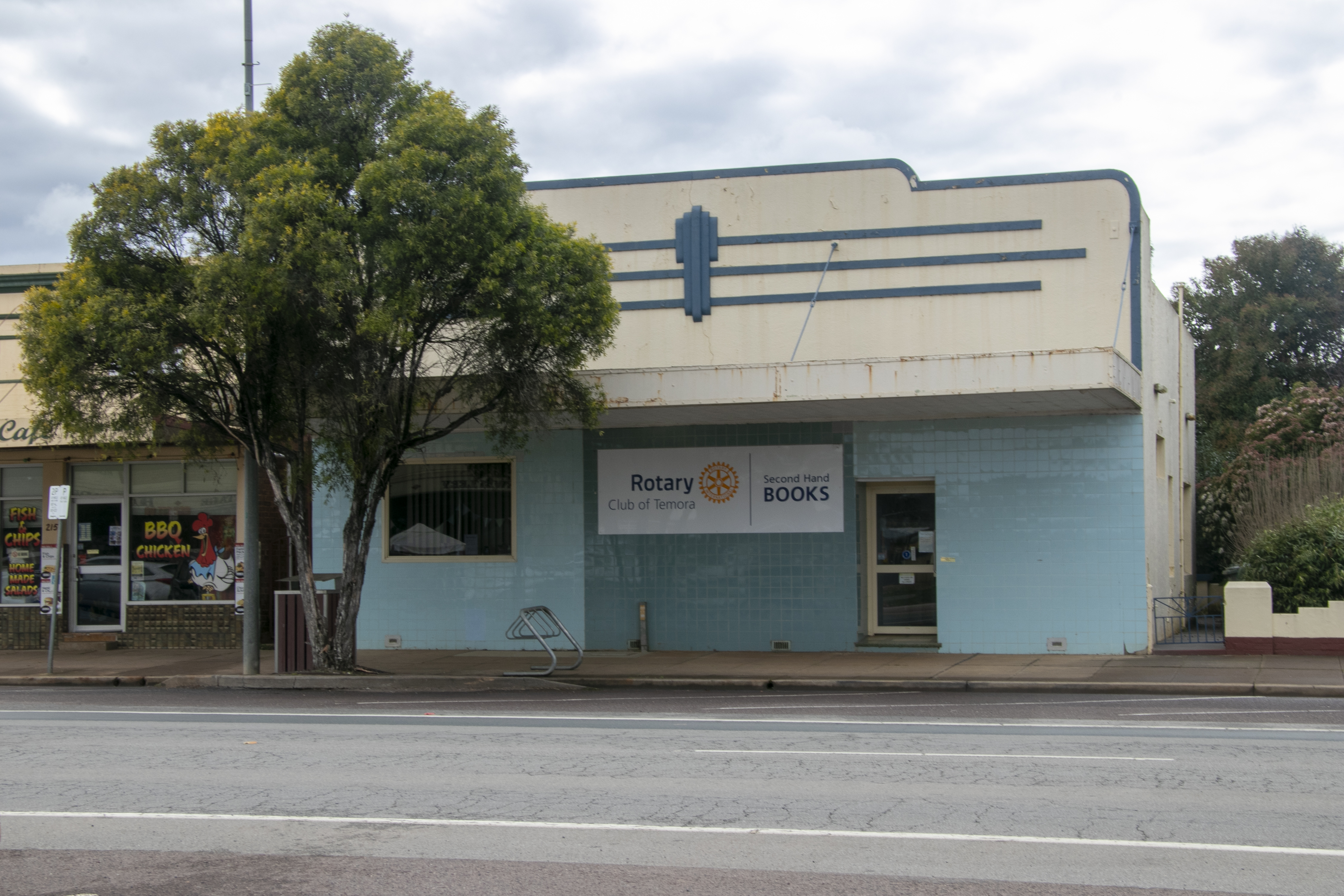
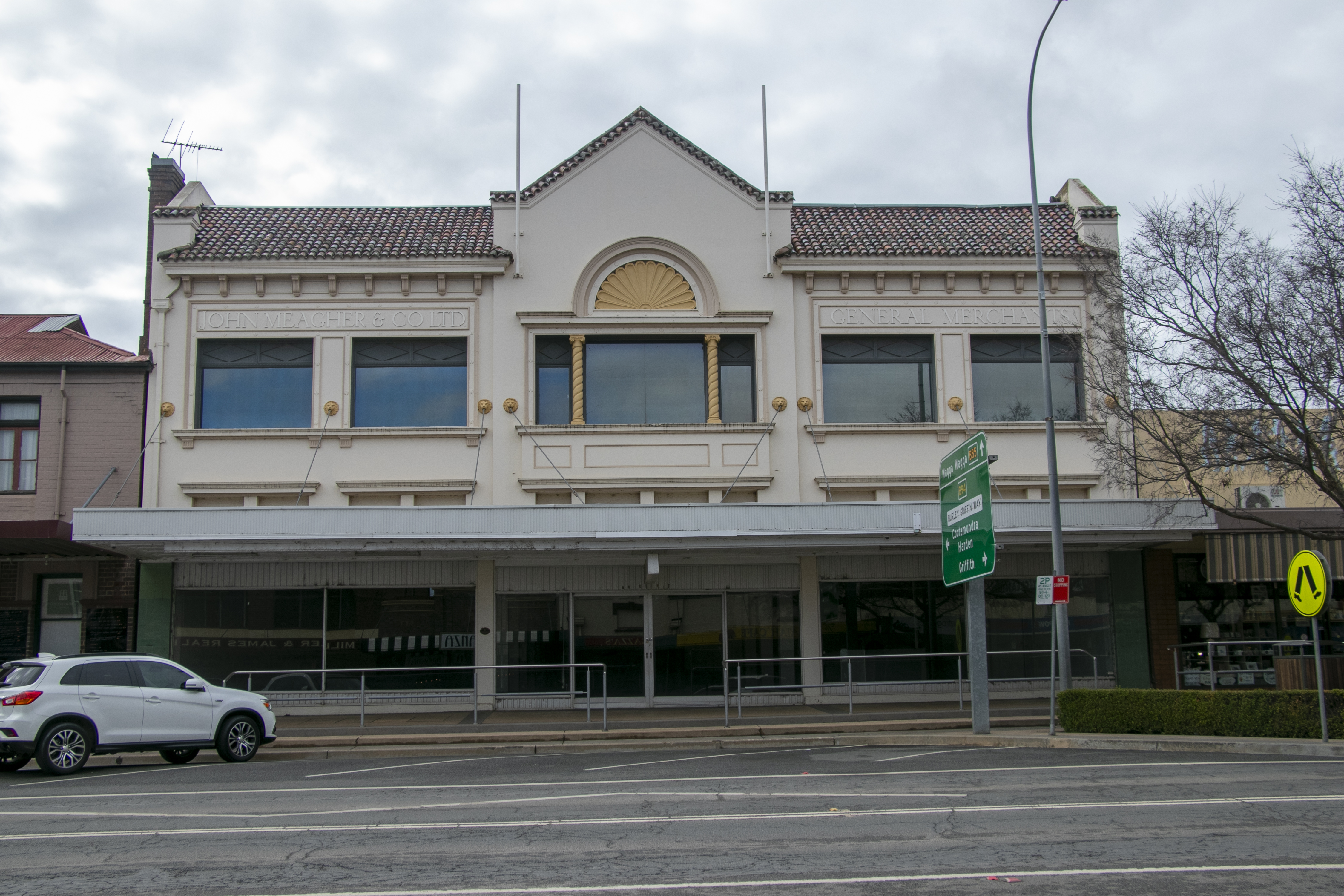
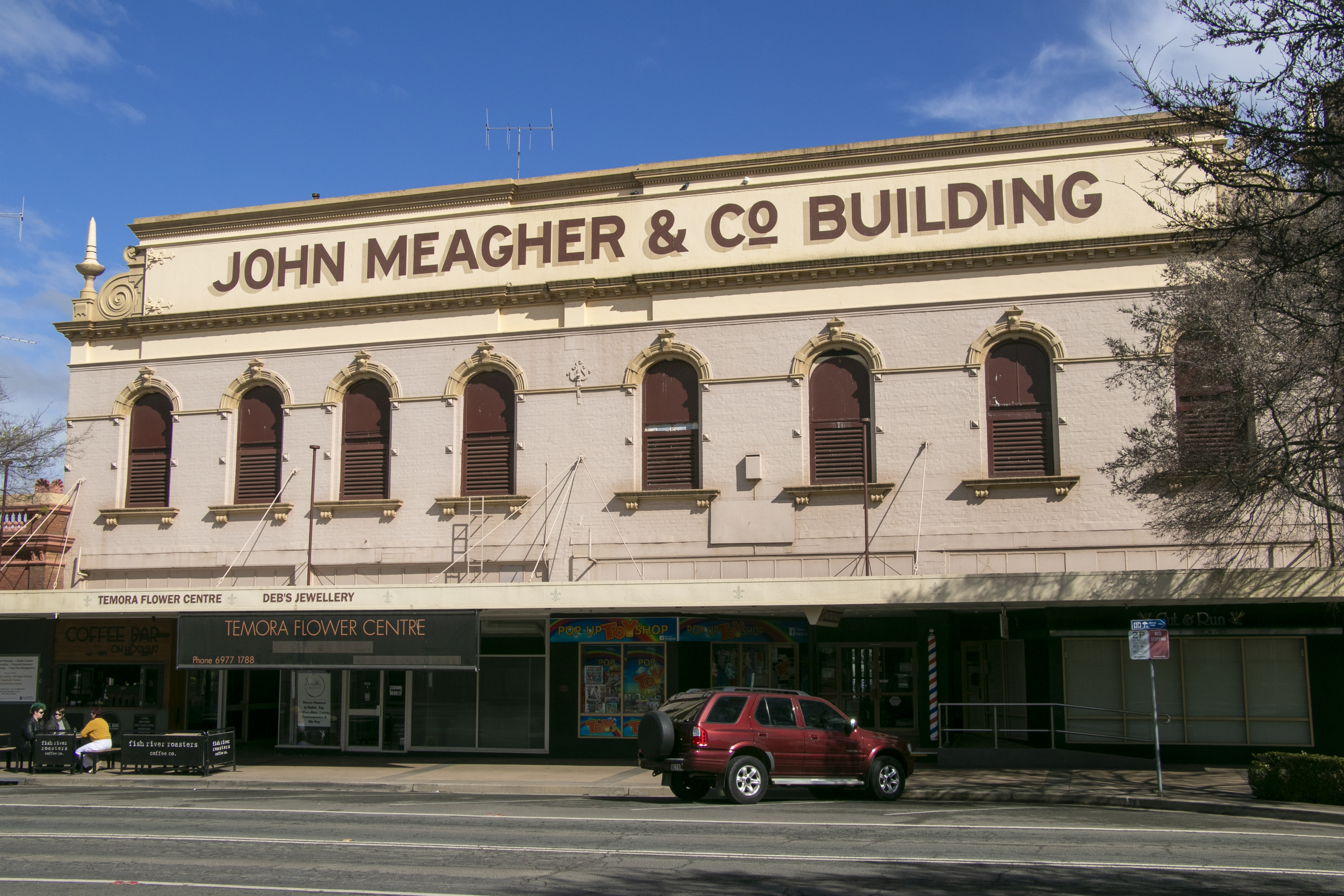
We’re starting off in the North-East corner of the region, in the medium-sized town of Temora. Temora is another town that was founded in the Gold Rush of the mid 19th Century. Once the rush eased, it became an agricultural centre (for grain and wool). Being a mid-sized agricultural town, the town’s buildings are relatively modest, and seem to have been built pre-World War II.

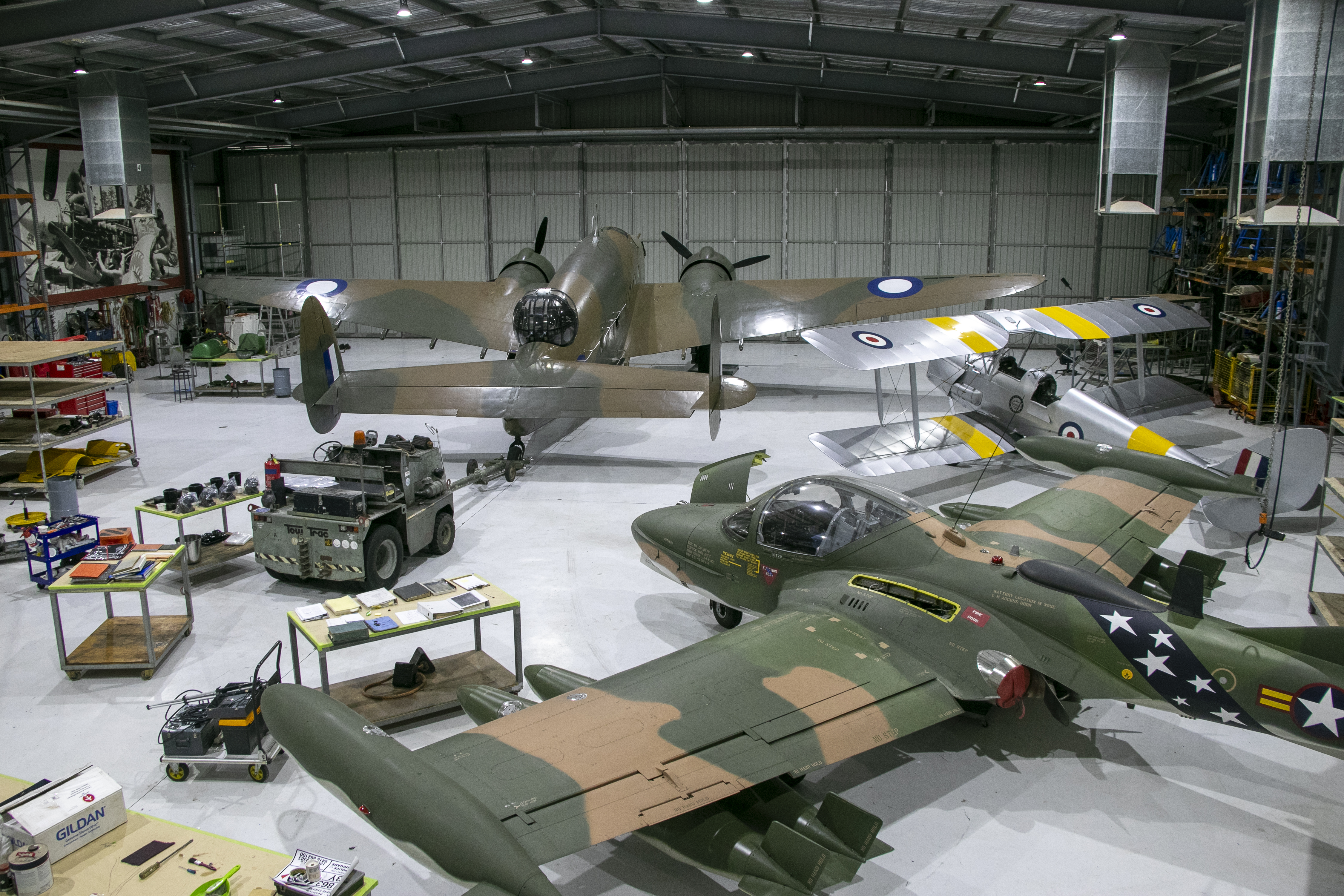
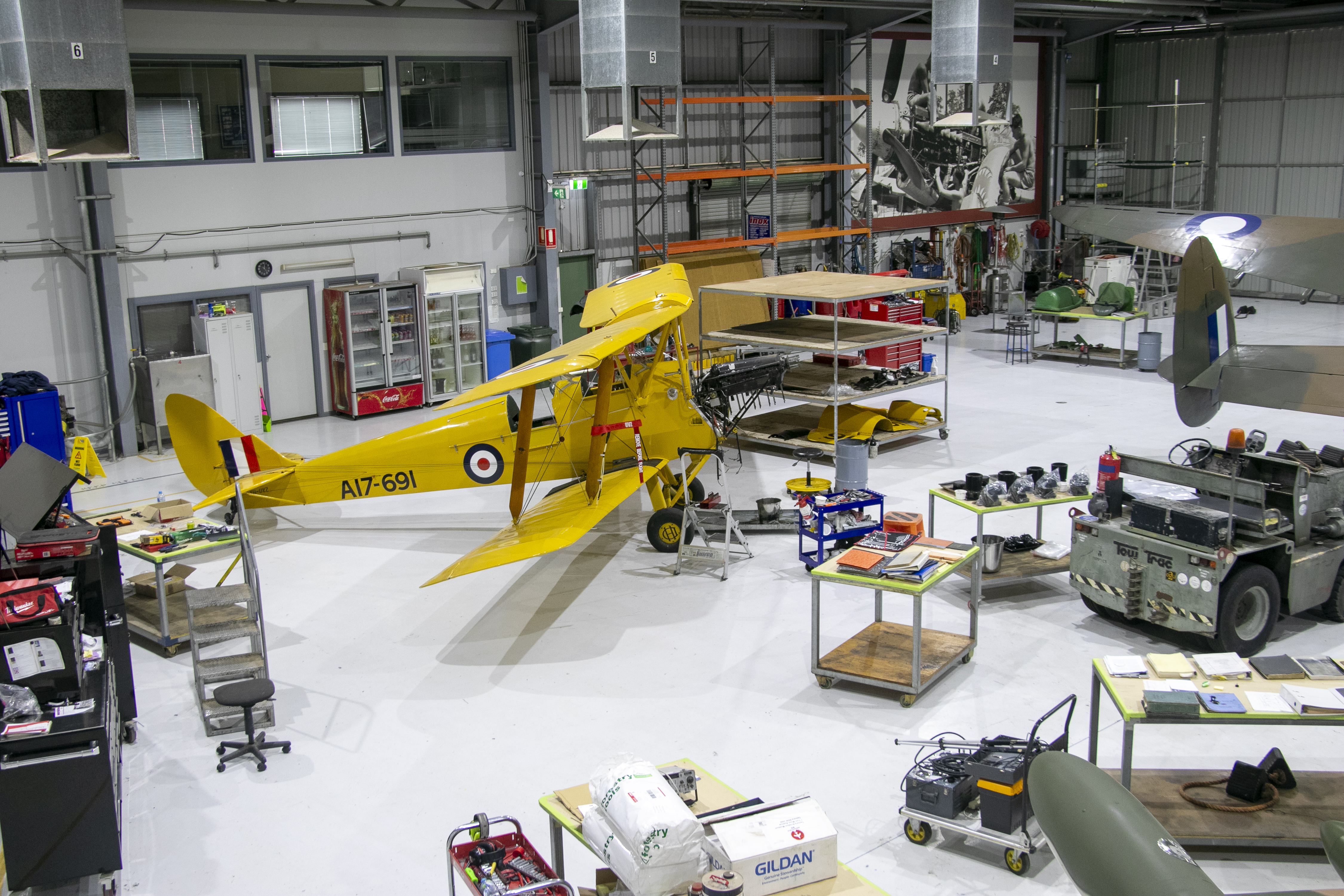
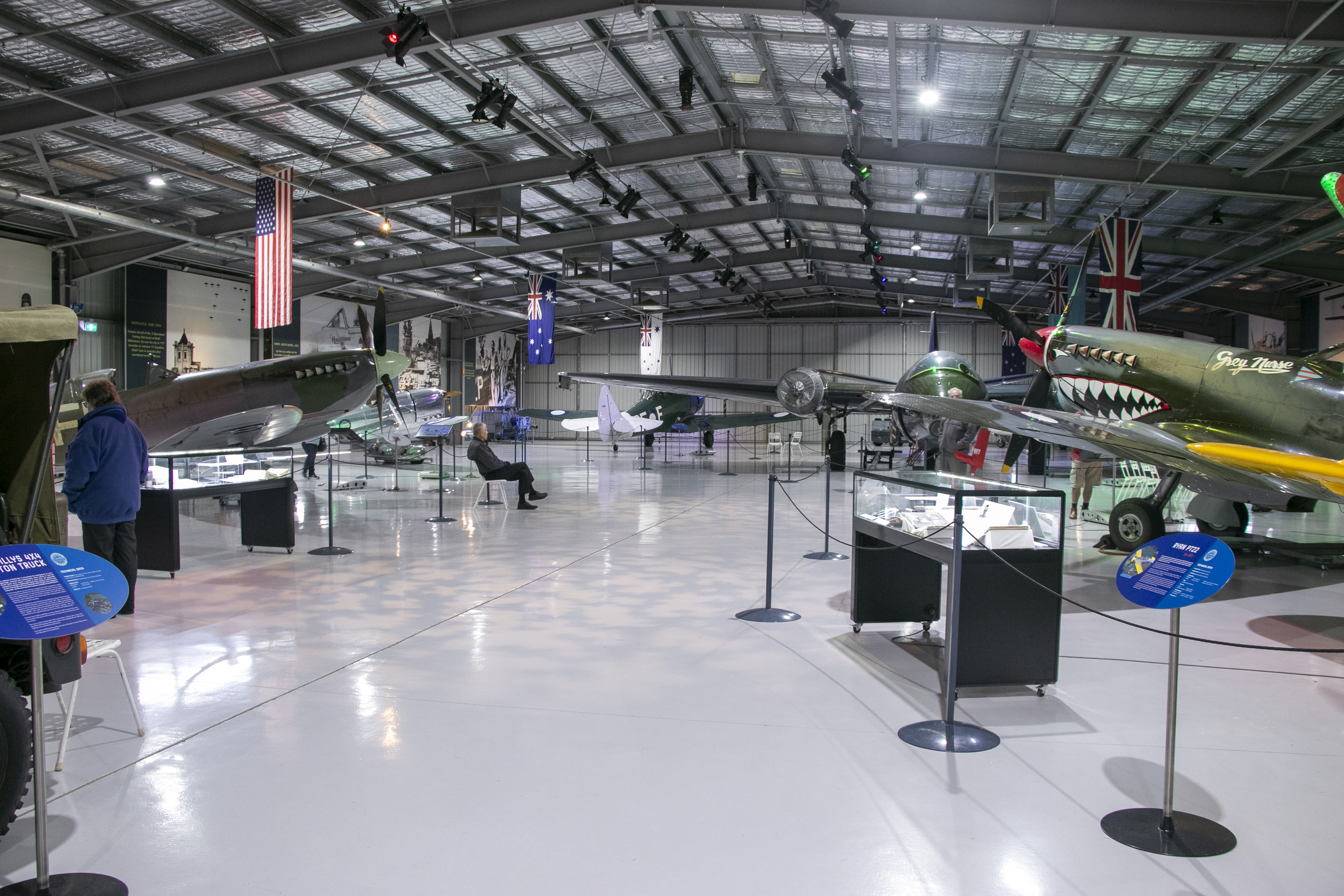
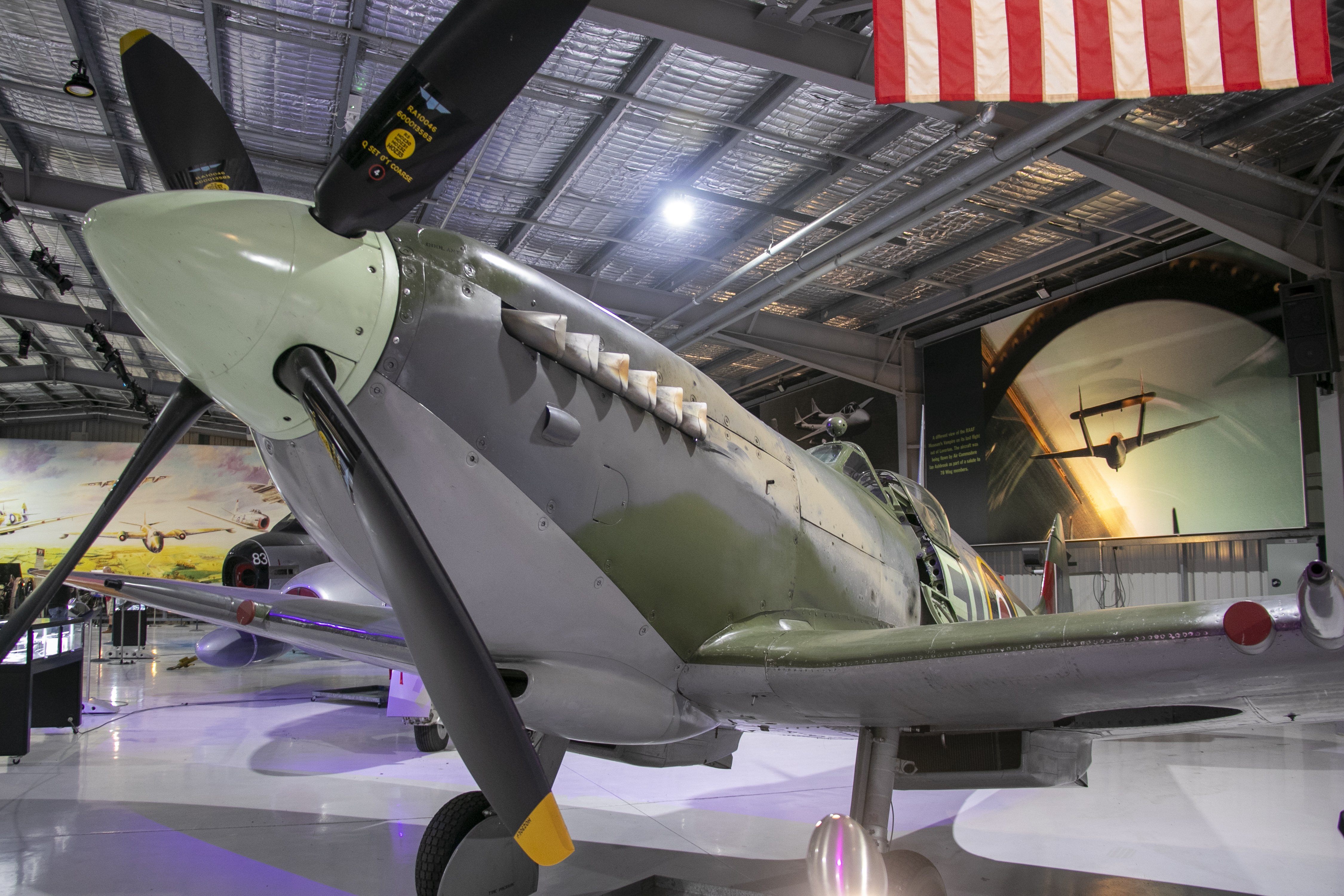
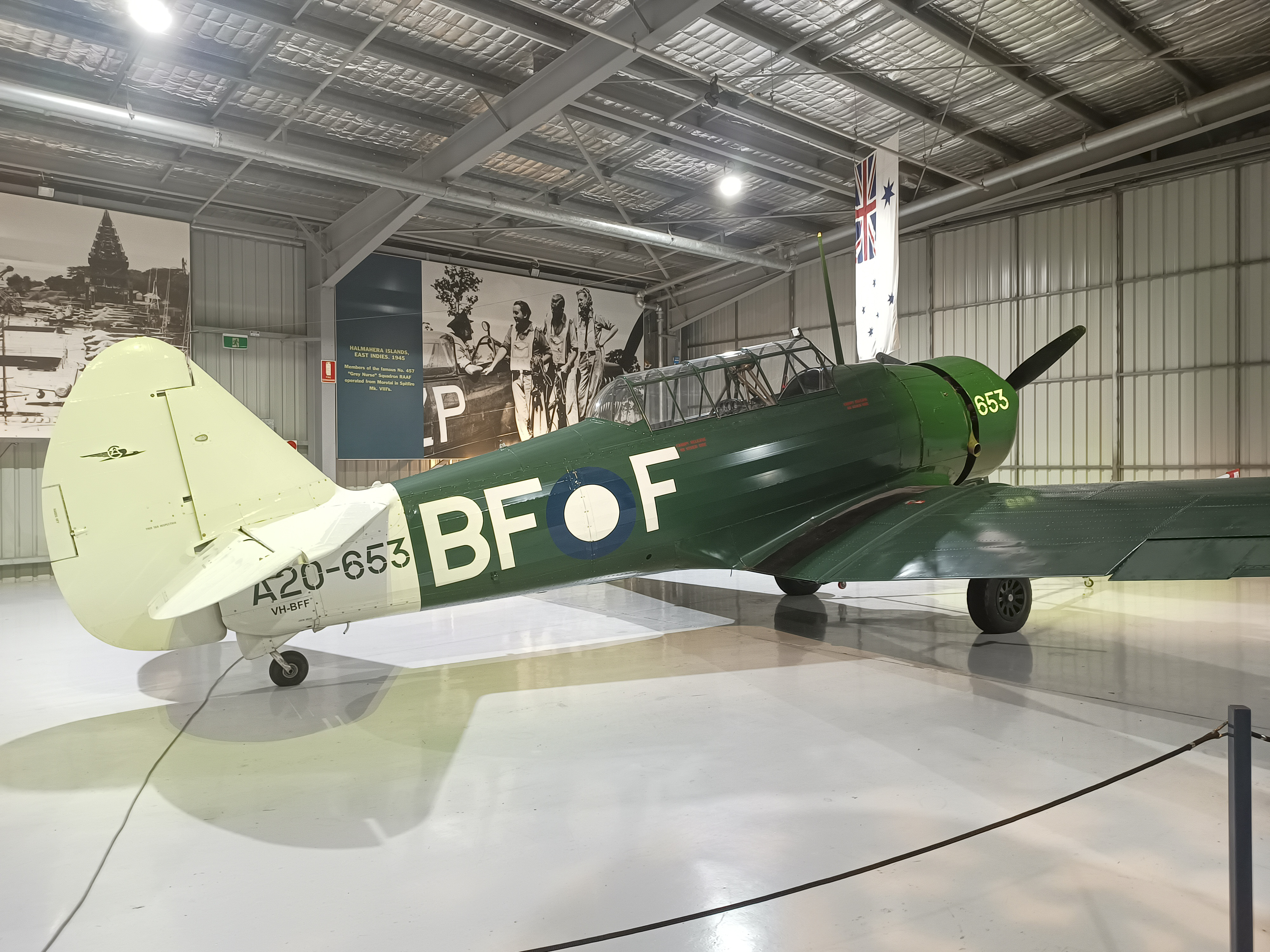
An unusual tourist attraction was the Temora Aviation Museum just out of town. It contained heritage military planes from World War II and Vietnam War. It’s actually someone’s private collection, and all the planes in the hanger are in working order. Not being an airplane geek, I don’t really know the details of the planes that I saw, but there was good signage provided, so I learned quite a bit that day.

Outback NSW – Cobar

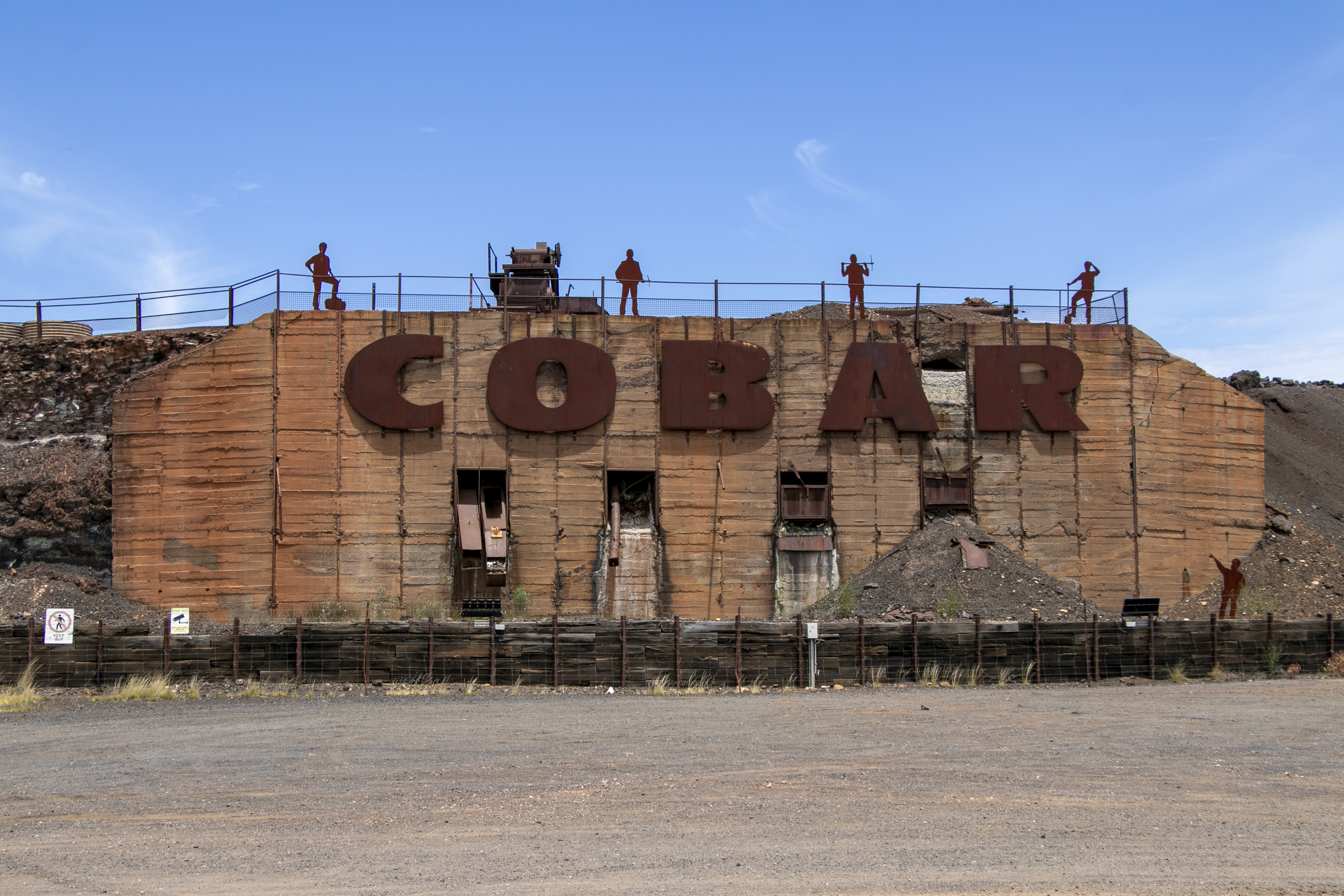
Cobar was our final stop on our December 2022 drive. It is 130km west of Nyngan (in the previous post), 300km west of Dubbo, and 700km north-west of Sydney. That means, it’s very far away from anything that resembles the ‘big smoke’. This is still in the area of the Wangaaypuwan people, whose lands start at Nyngan and stretches west until Ivanhoe.
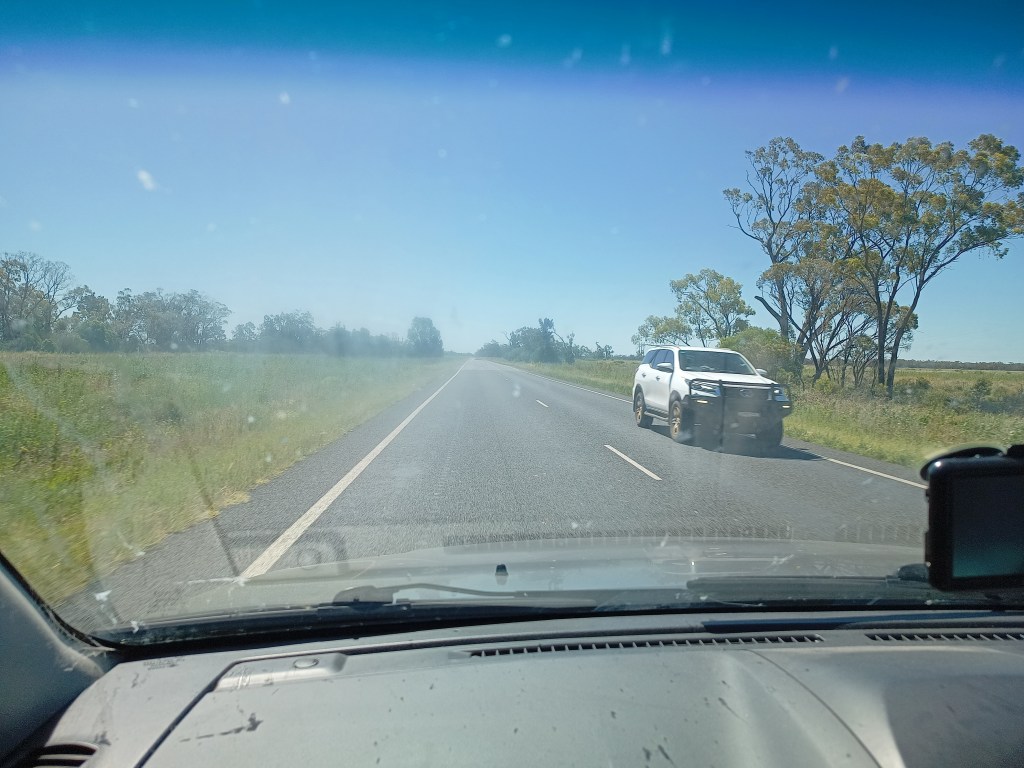
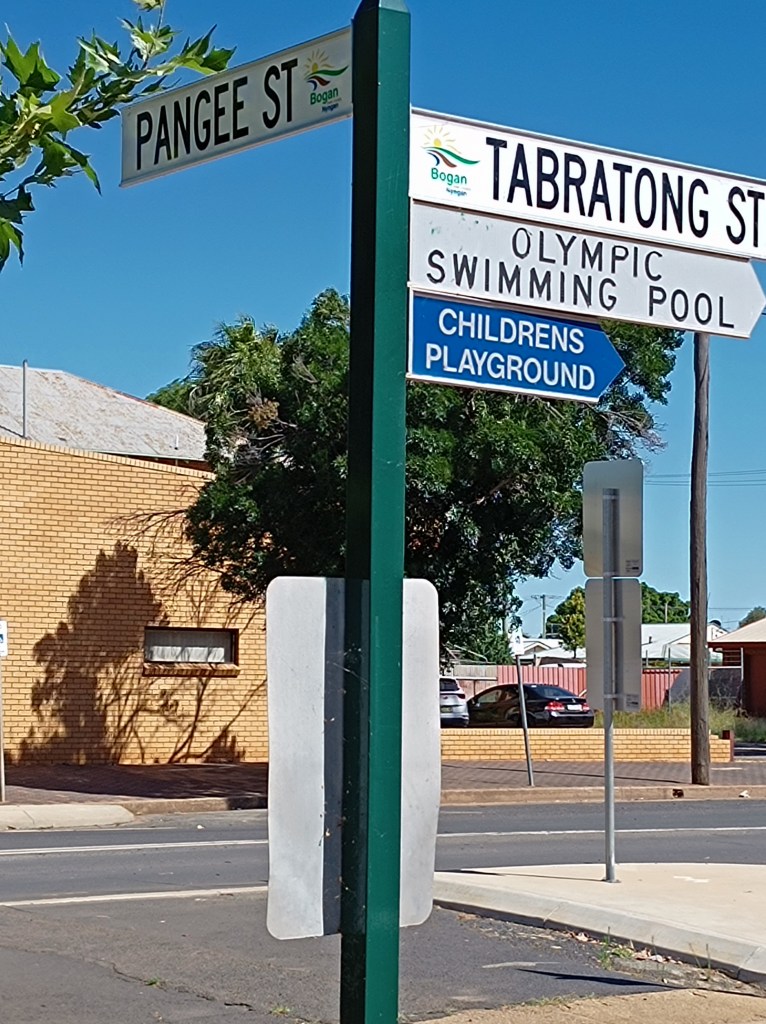
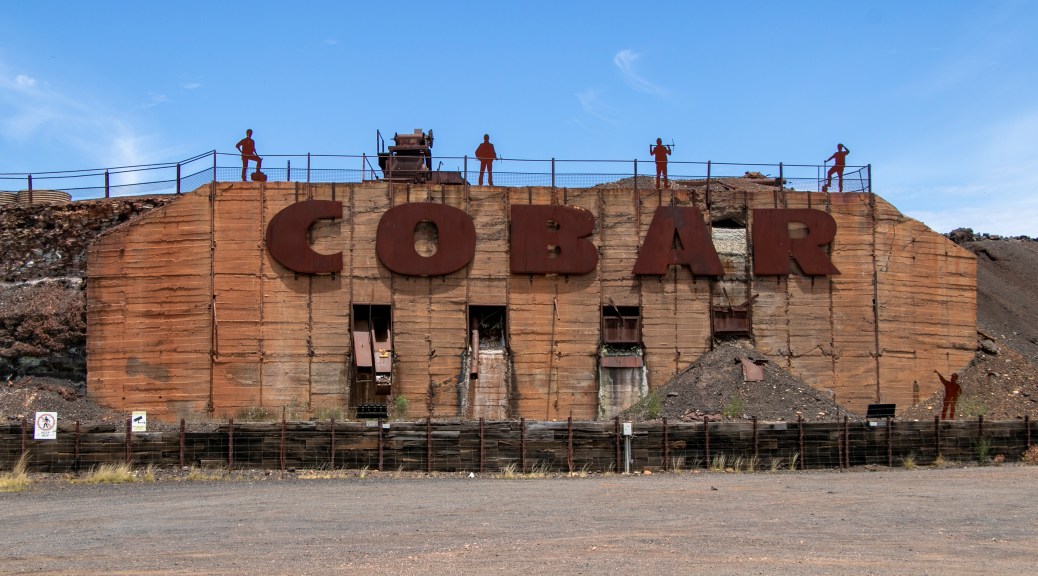
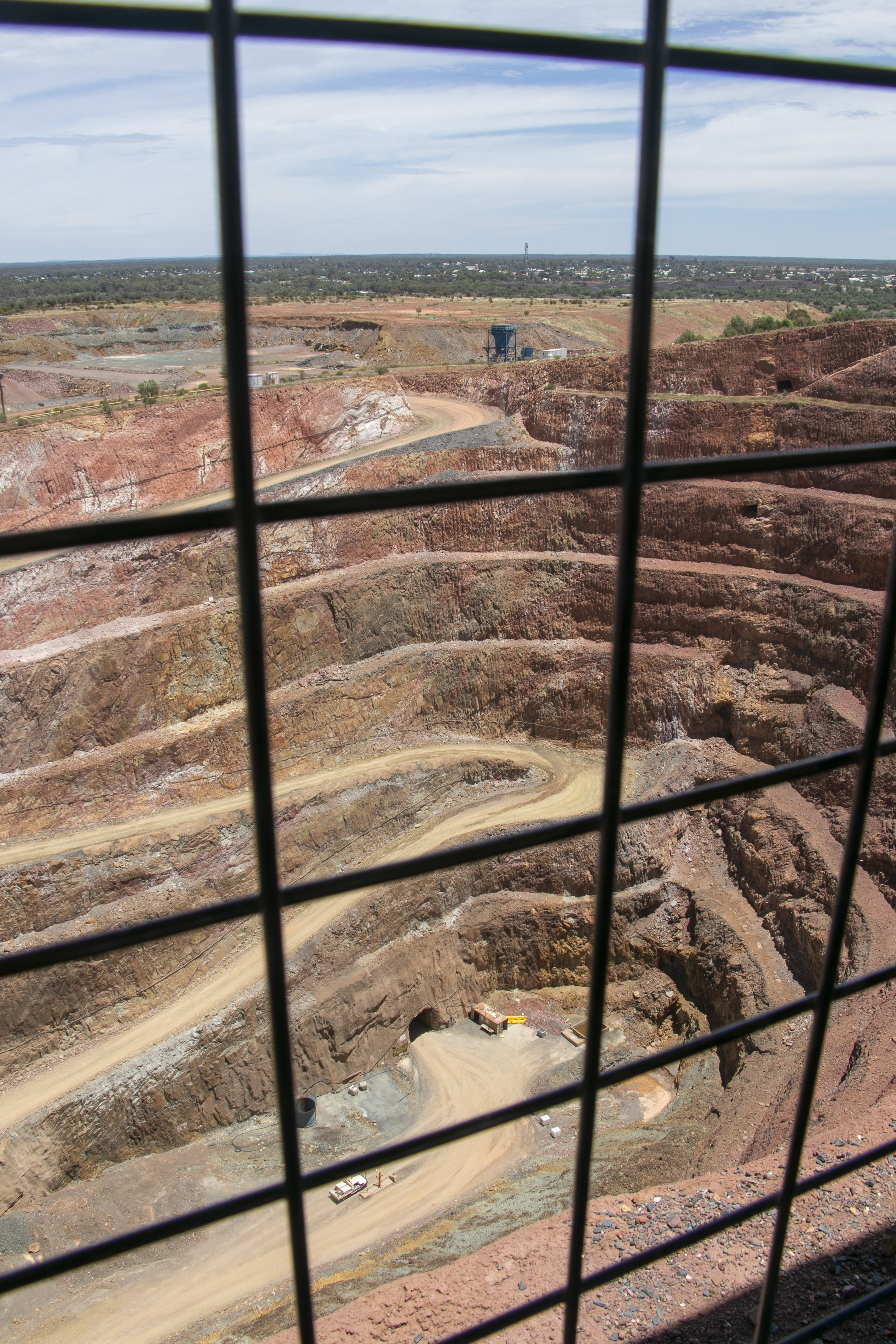
Cobar was founded on mining, and the industry still rules the roost. You can see evidence of mining all over the place, from the town’s introduction, to the lookout at Fort Bourke Hill over the Peak Gold Mine. It’s nowhere near the size of Kalgoorlie’s Super Pit but it’s big enough for me.

Cobar has much in common with its big sister, Broken Hill, 450km west, in terms of having mining at its core. However, Cobar has always been on the smaller side, its population currently being at around 3,400. Broken Hill meanwhile is much larger at over 17,000, and in the 1950s and 1960s it was over 30,000!

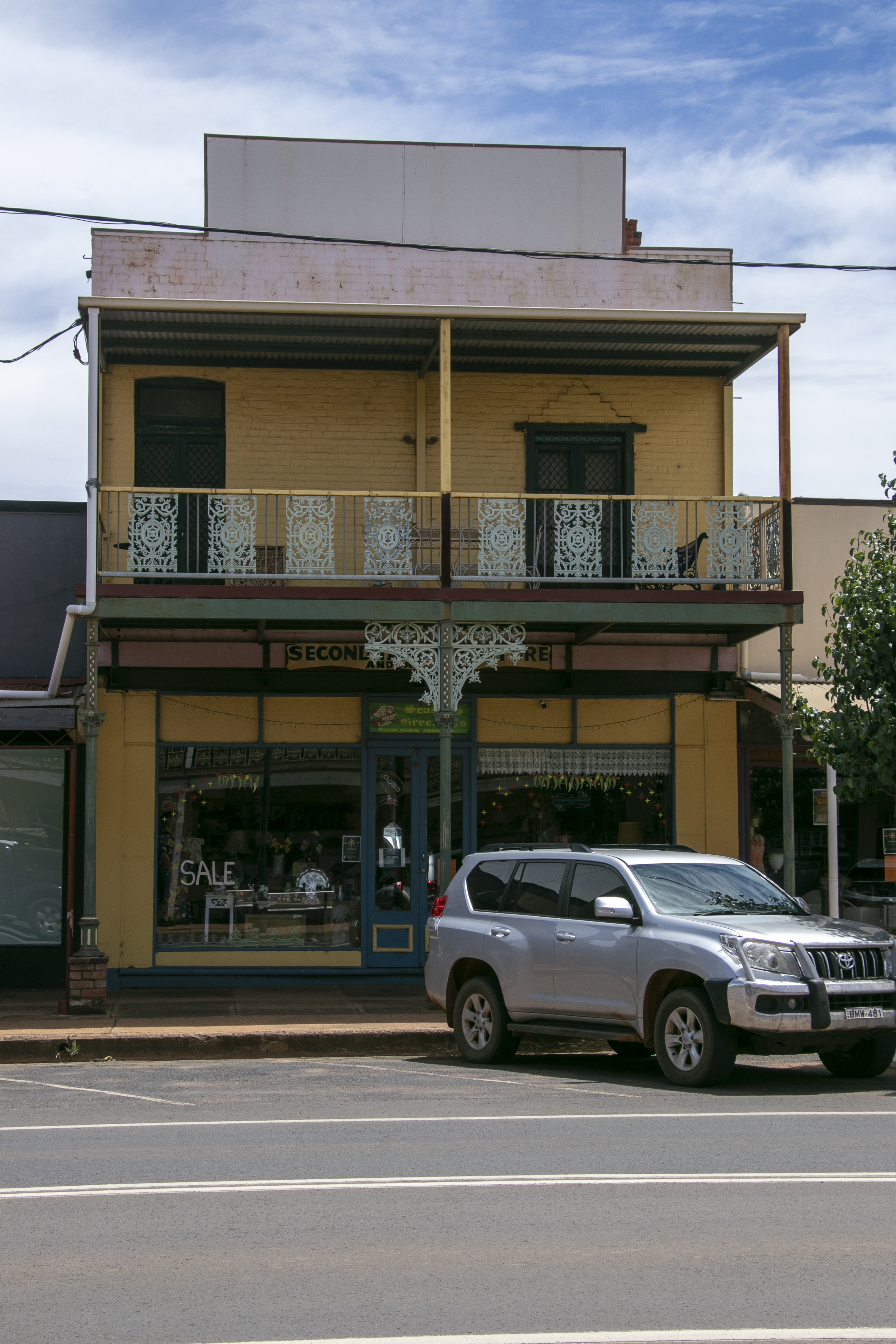
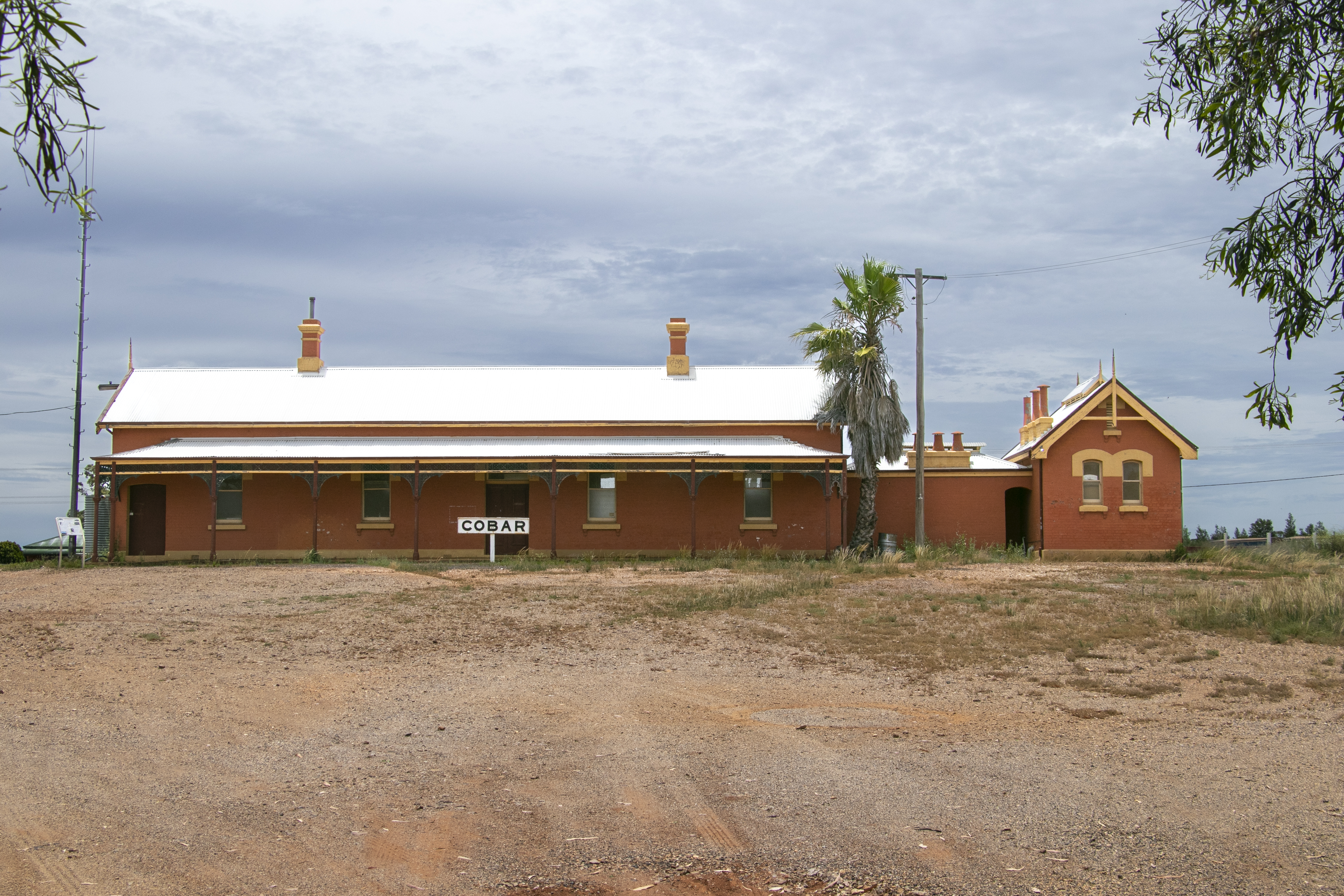
Being a smaller town, Cobar’s architecture is on a more modest scale. There was some nice wrought-iron work on its shops and pubs, and standalone buildings (like the train station that doesn’t receive anymore trains, and the petrol station) that wouldn’t look out of place in an American Western.

Next time, I’ll be venturing to more regional NSW towns, this time heading south-west of Sydney.

Outback NSW – Nyngan

We made our way even further west, and passed through the small town of Nyngan. The country around Nyngan has well and truly flattened out, but not yet tree-less.

The town of Nyngan is pretty compact and the main buildings surround the old railway station, which has become a museum. The chopper in front is a salute to the defence forces who rescued the entire town when it was flooded in 1990.

The most controversial attraction though, is the ‘Big Bogan’. It has lots of negative connotations, though to be fair, the local river is actually called the Bogan, and it was called that long before the term ‘bogan’ was a thing. Up to you to decide whether the Bogan is a good or bad thing for the town. What do you think about towns building big things as tourist attractions?

Outback NSW – Lightning Ridge – Part 3

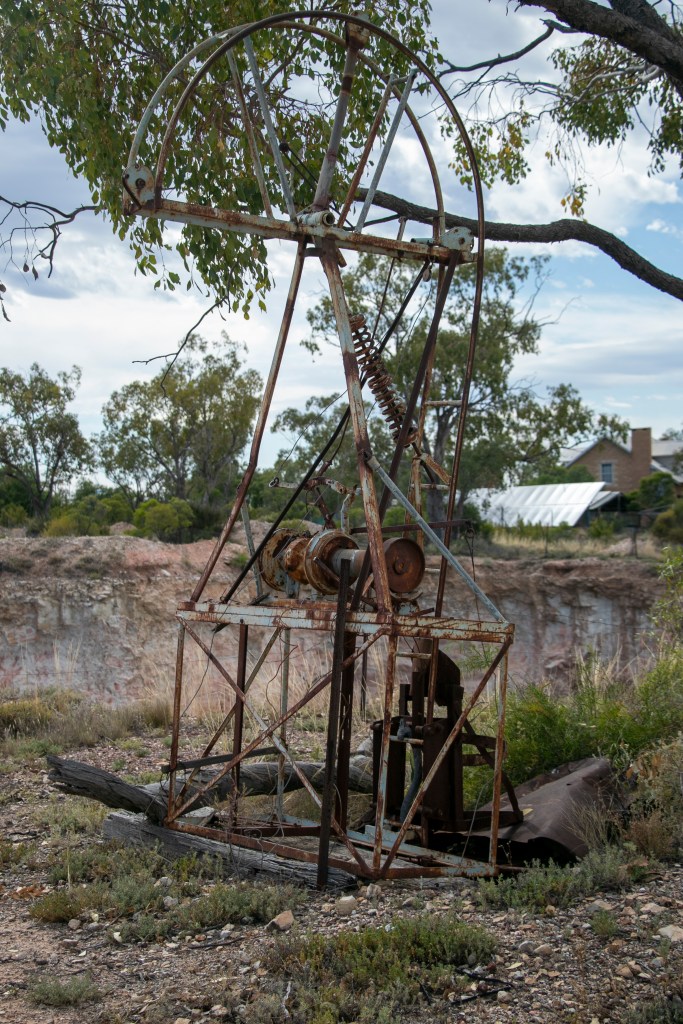
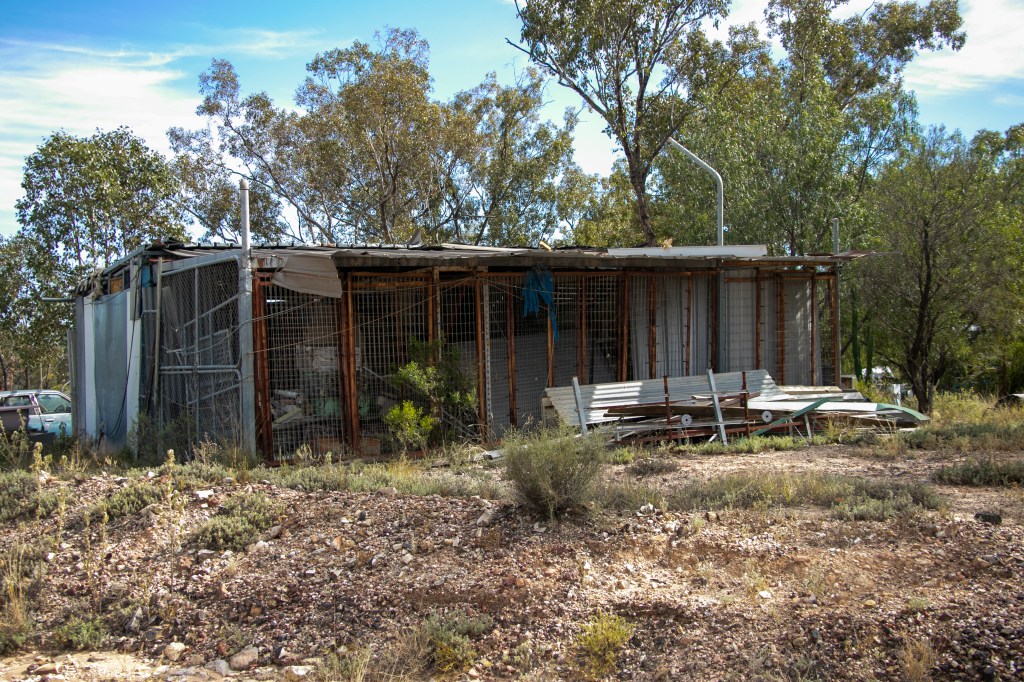
Opal mining is a hard life, as can be seen in the TV series, Outback Opal Hunters. Miners are generally a secretive lot, but travelling with a geologist (a.k.a. Hubby) has its perks as he has connections. We ended up going on a bit of a sightseeing tour in and around Lightning Ridge with one of his connections, S. He first showed us around the famous digs of Lightning Ridge (featured in my previous post). Here are some other places he showed us.

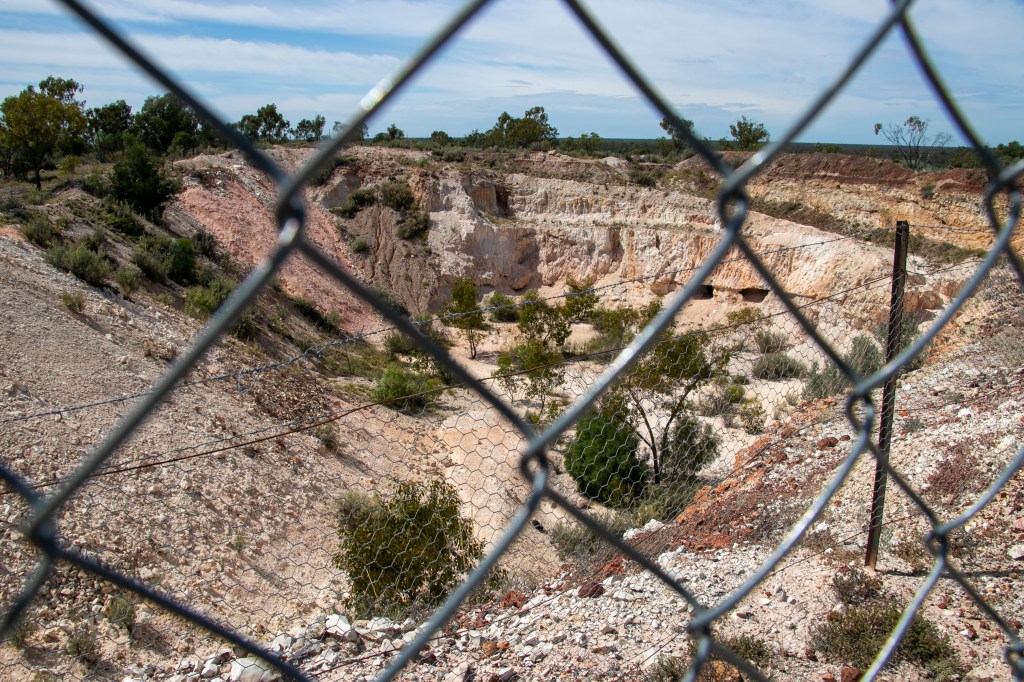
I showed you some smaller claims previously, but we were shown bigger workings as well. This claim is no longer being worked.

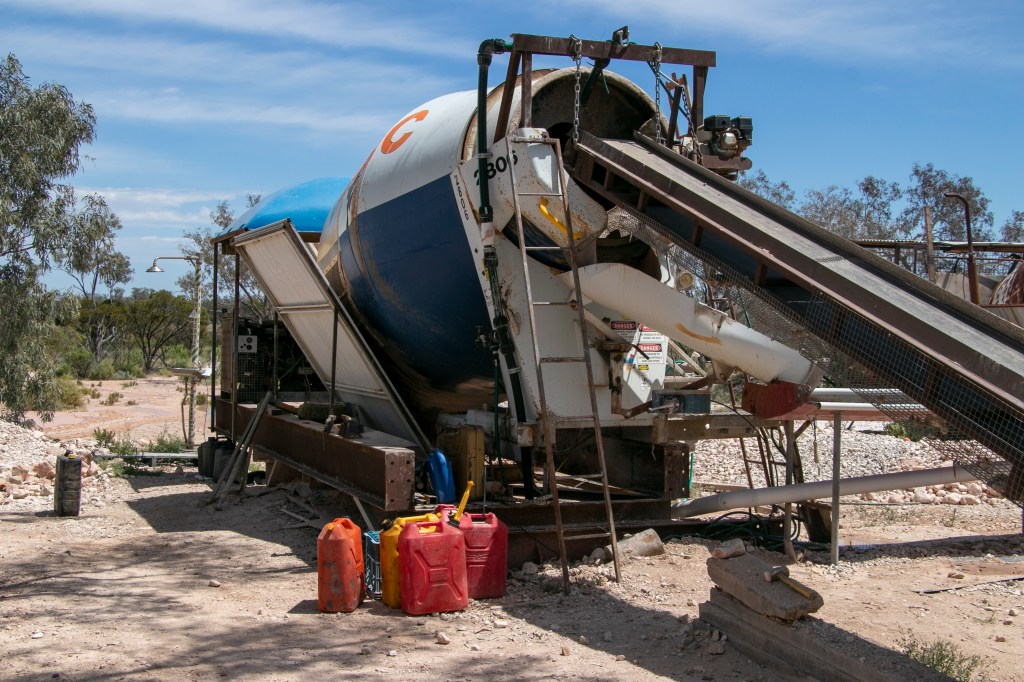
To see if you have any good opals, you have to sort your diggings (with the help of a cement mixer/tumbler, and then give it a good wash to get the dust off. Then you look at the rocks in the dark under UV light to see if anything glows – opals glow under UV light! Told you it wasn’t easy. Luckily, Lightning Ridge has a community wash plant, and we got to see it at work.

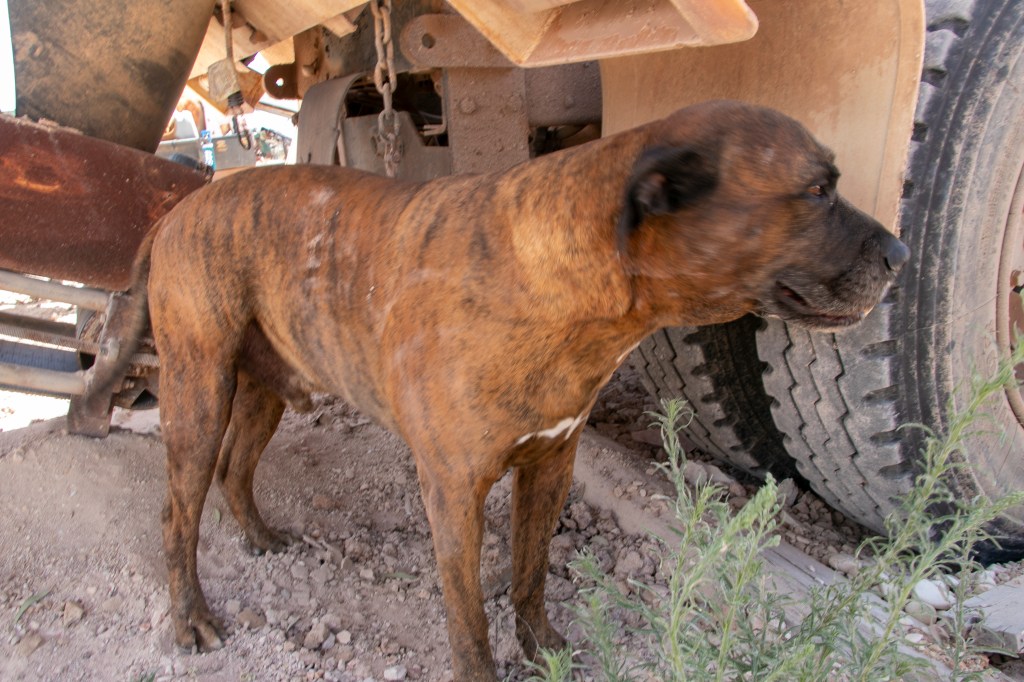
Miners bring their dogs out for company (and perhaps protection). If it was my dog, she’d be out chasing the wildlife and you’d never see her again.

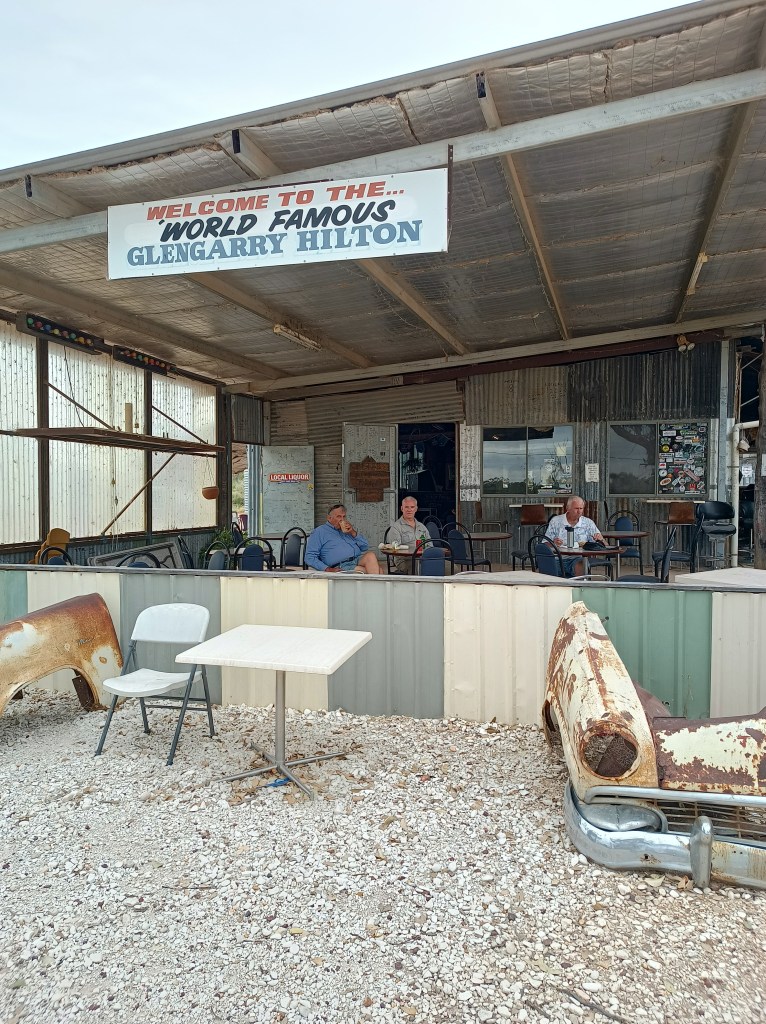
There are other smaller localities close to Lightning Ridge that are also opal fields. We drove to the locality of Grawin, where we found that one of the local watering holes (there were several) was uniquely Australian. And their War Memorial was ‘down-to-earth’.

Outback NSW – Lightning Ridge – Part 2

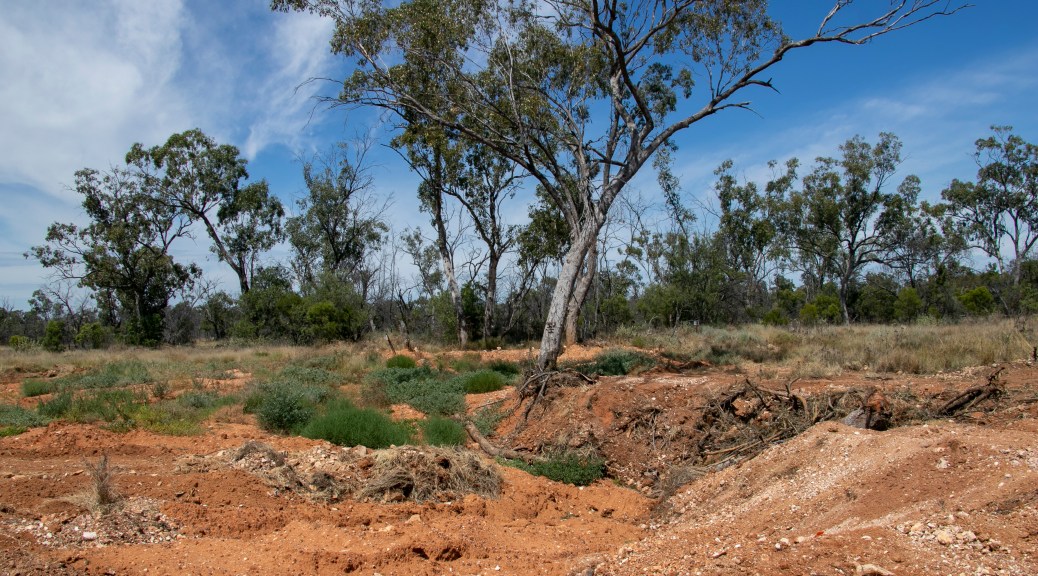
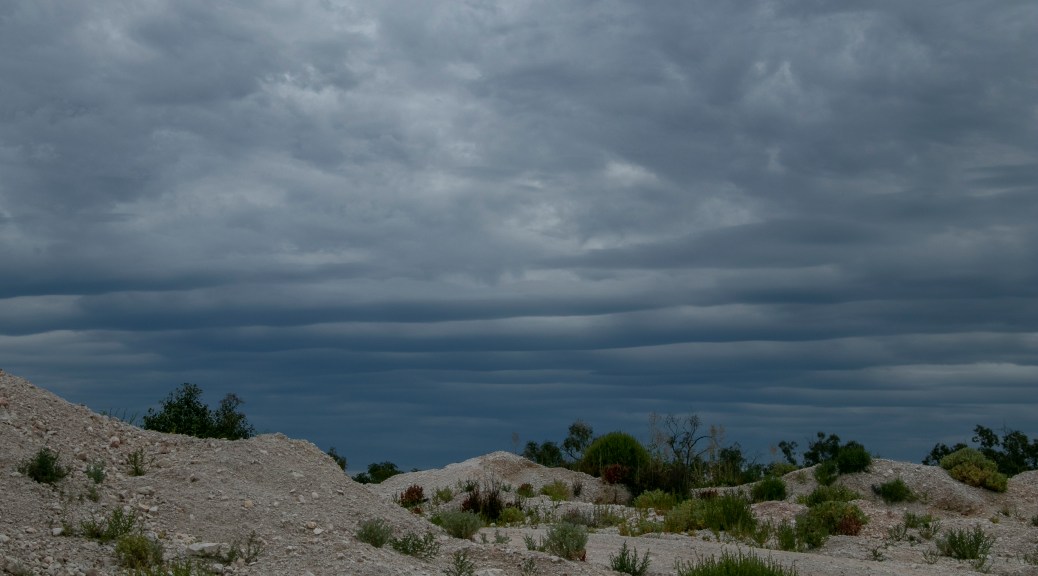
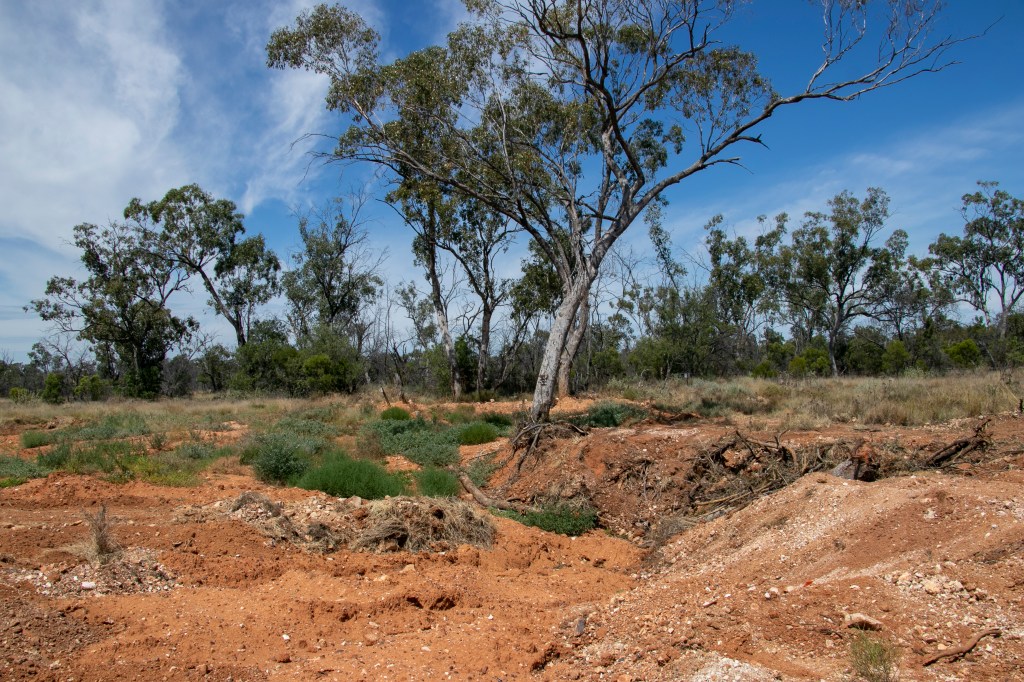
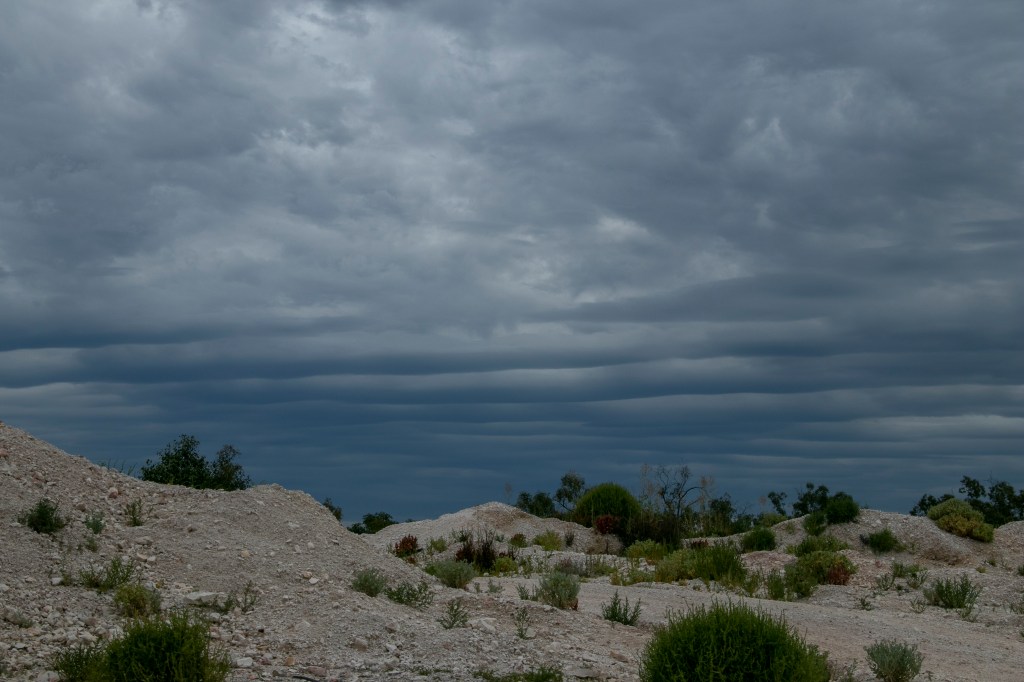
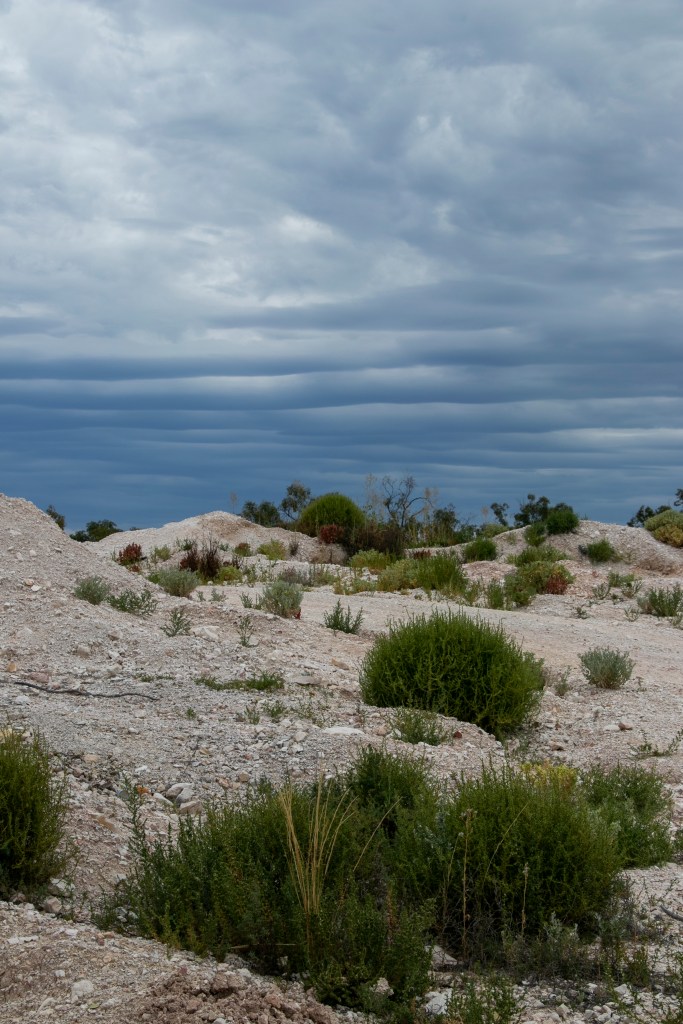
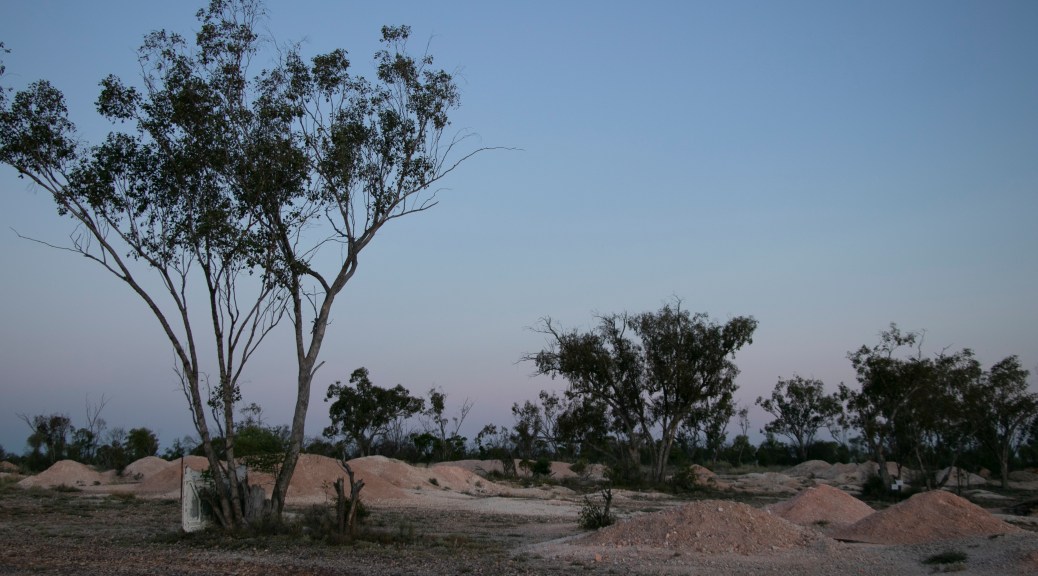
Lightning Ridge is a mining town. It is remote. It has a harsh climate. It is in ‘woop woop’ by the standards of most East Coasters. What does the land look like? A bit like this.

The mining that occurs around the town is usually done by individuals or small groups as opals can’t successfully be mined on an industrial scale. Hence there are no really enormous holes in the ground, just thousands of little ones.

Mining is usually people’s winter ‘job’, as the high summer temperatures mean that it’s too difficult to stay year-round. In summer, they run back to the coast!

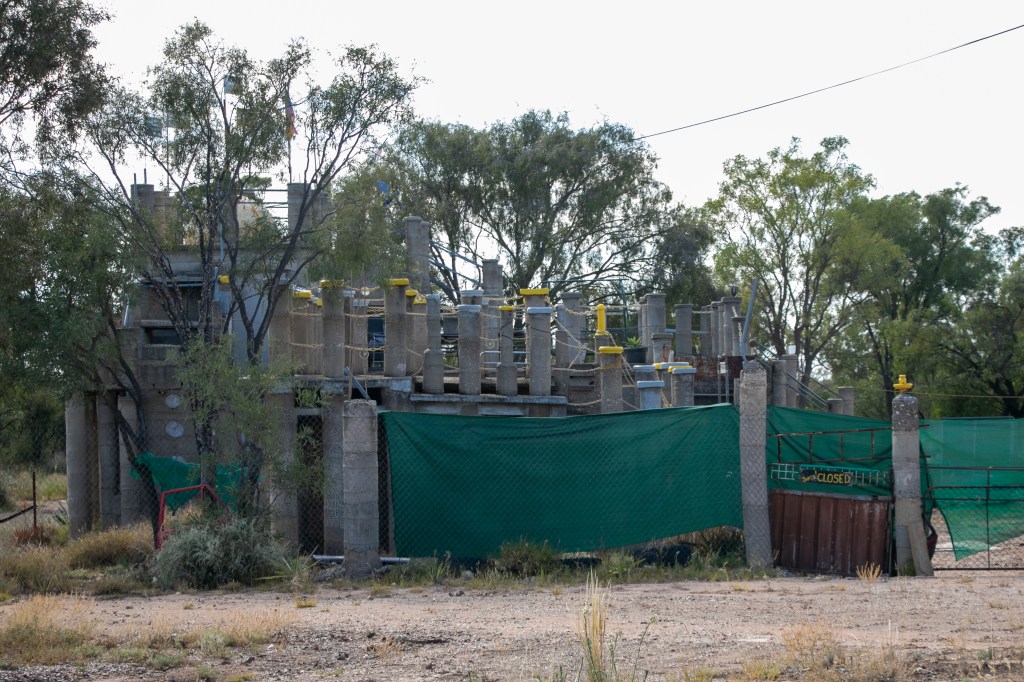
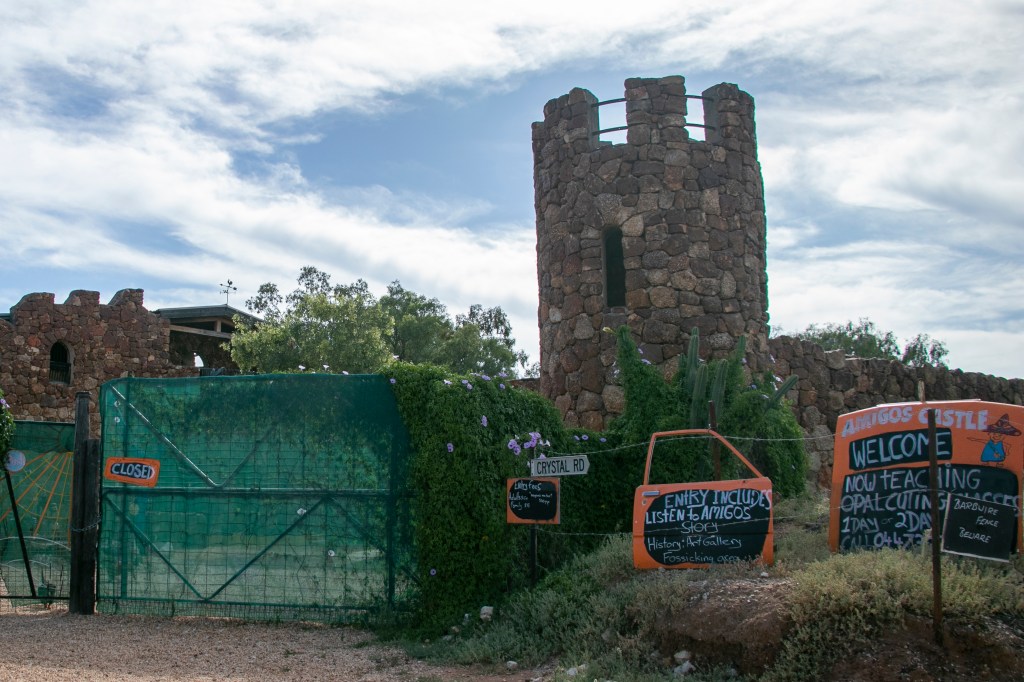
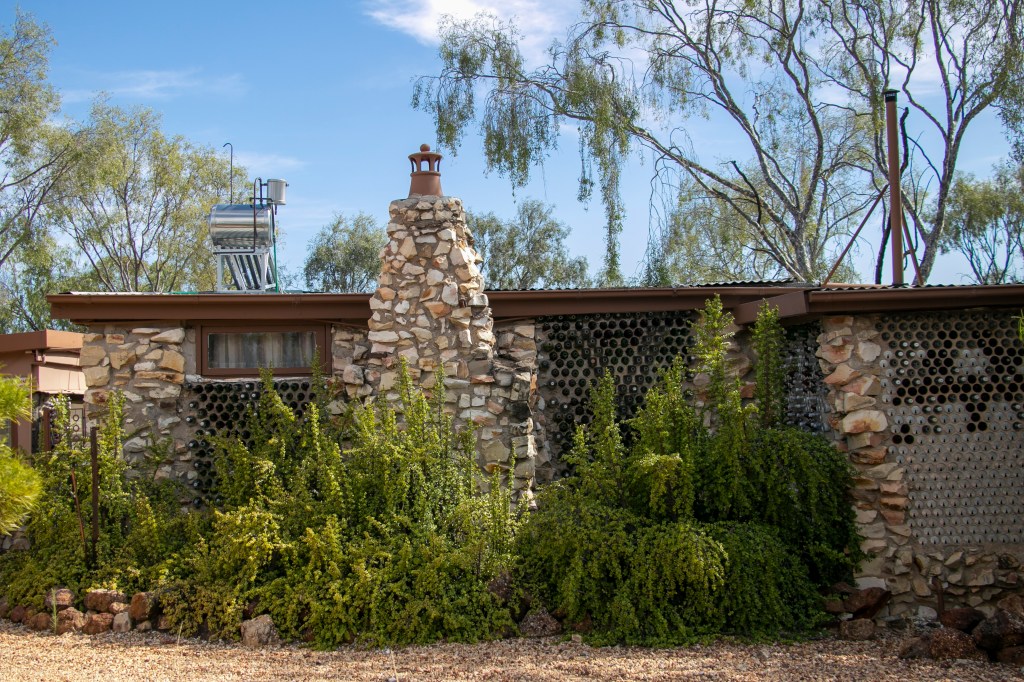
Many miners live on or near their mine ‘lease’, and council regulations appear non-existent, so they are free to build what they like. Some are so imaginative that they’re now tourist attractions.

Outback NSW – Walgett and Lightning Ridge – Part 1

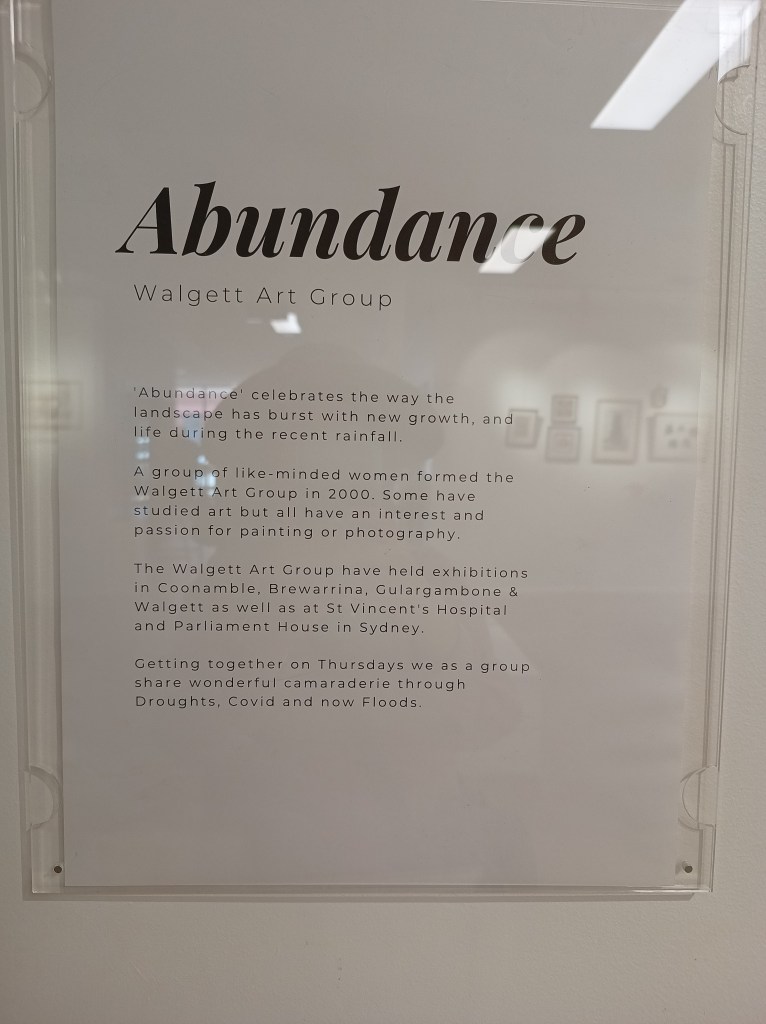
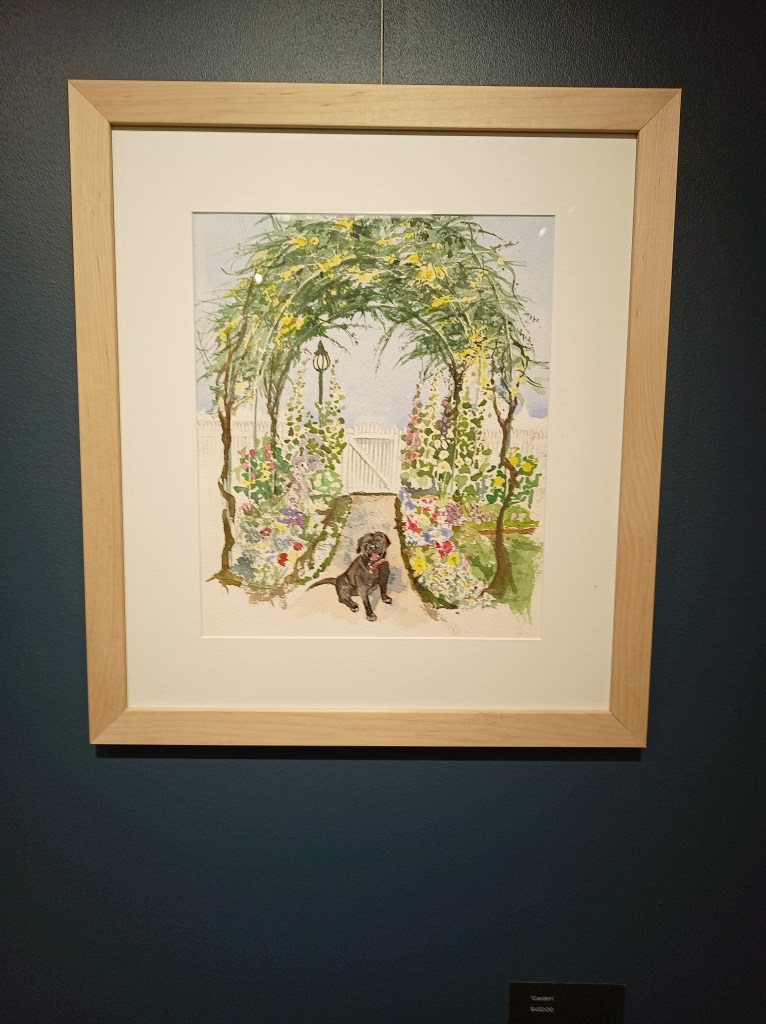
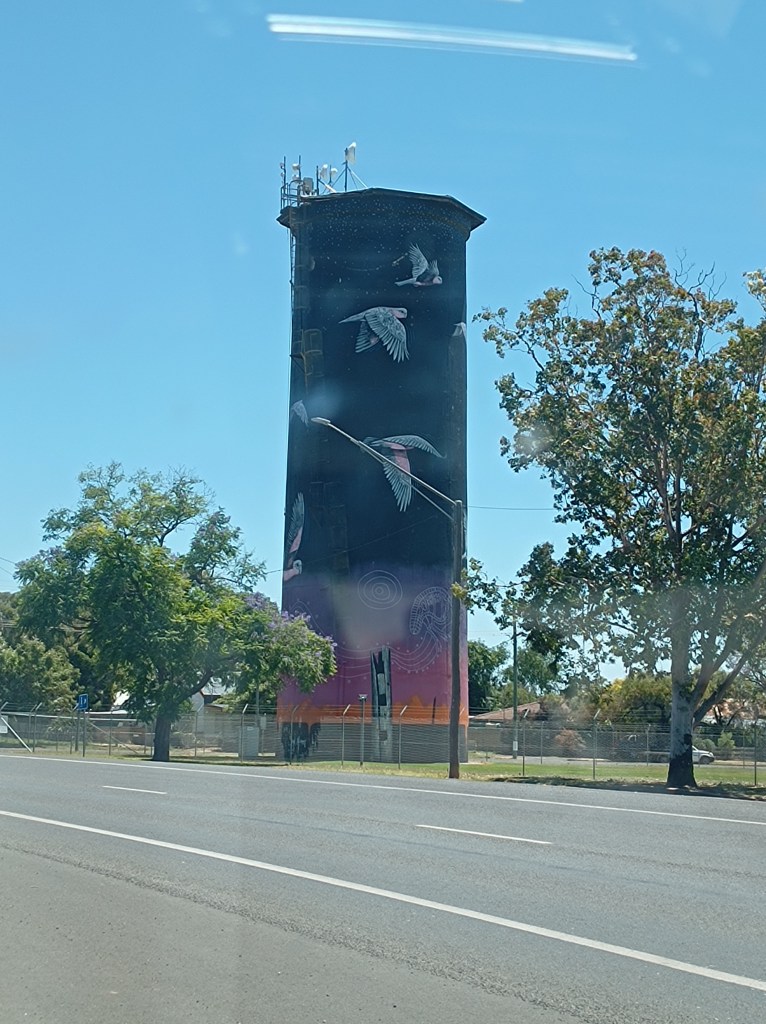
We’ll continue on our December 2022 road trip and drive further north. The next town we passed through was Walgett. It didn’t have any real architectural marvels, but it was a busy, sizeable town. And it had a bit of art with a painted silo and a little art gallery.

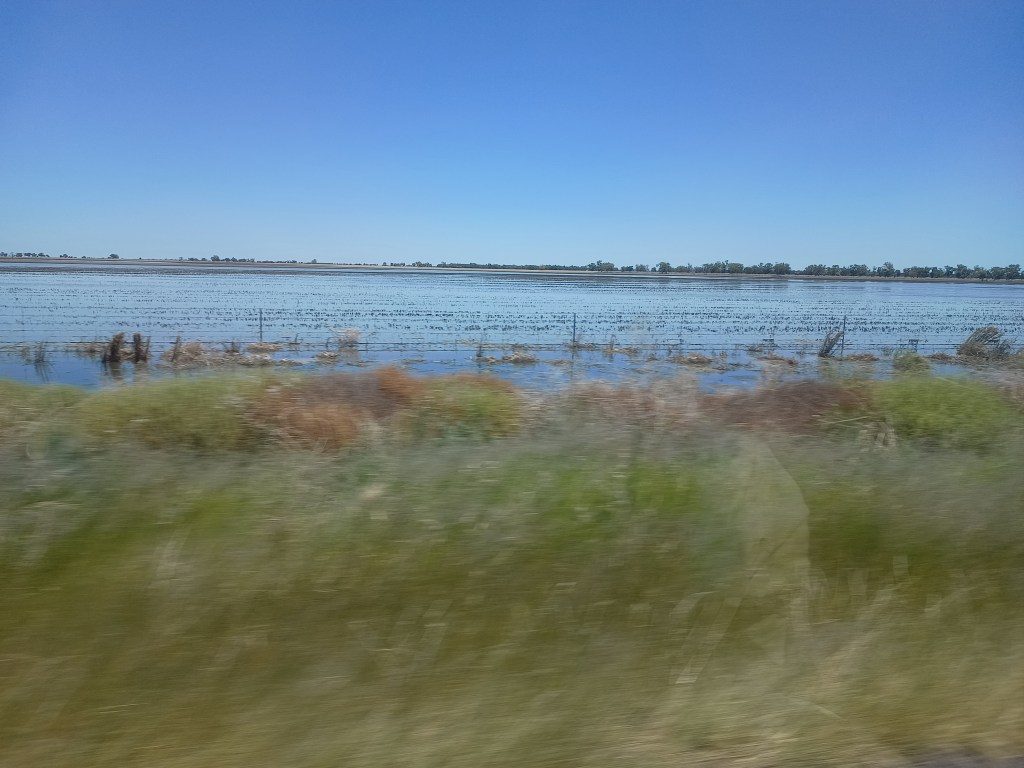
Beyond Walgett, we drove on a very straight and flat road, and saw evidence of the Q4 2022 floods in the surrounding coutry-side.

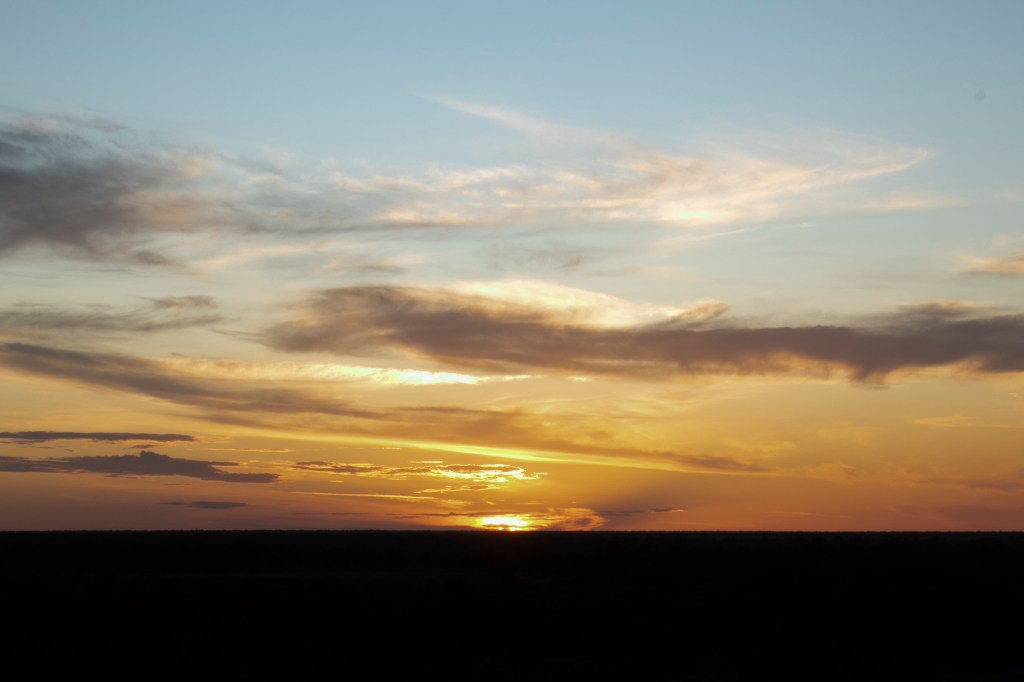
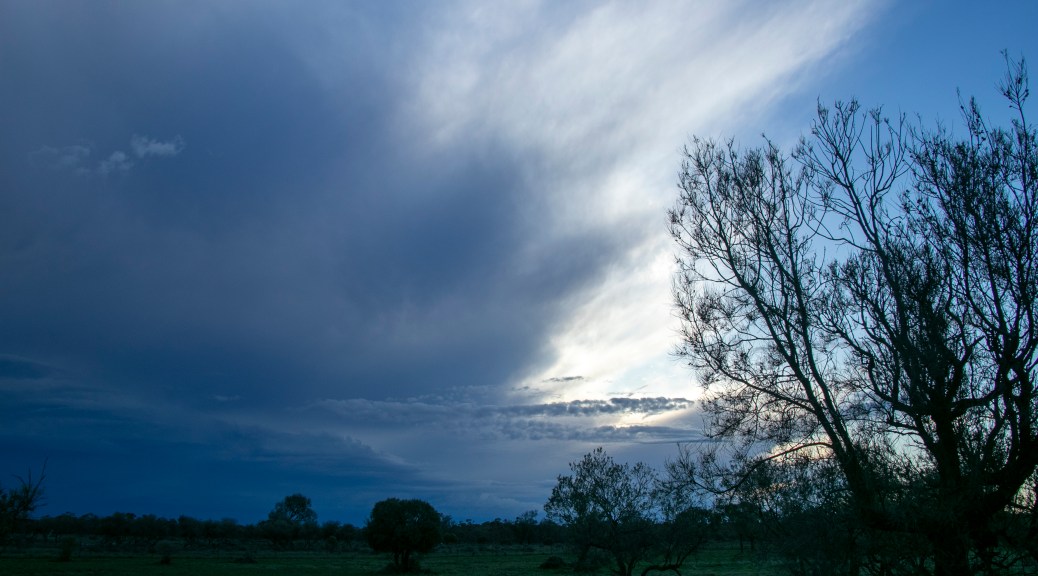
We arrived at Lightning Ridge late in the afternoon, in time to view the sunset. Lightning Ridge is an opal mining town and proper outback country, and we’ll explore it in the following post or two.

Outback NSW – Coonamble

About 100km up the road from Gilgandra is the town of Coonamble. It is a small agricultural town of around 2,700, grazing sheep and cattle. We visited in early December so it was decidedly hot in the middle of the day.

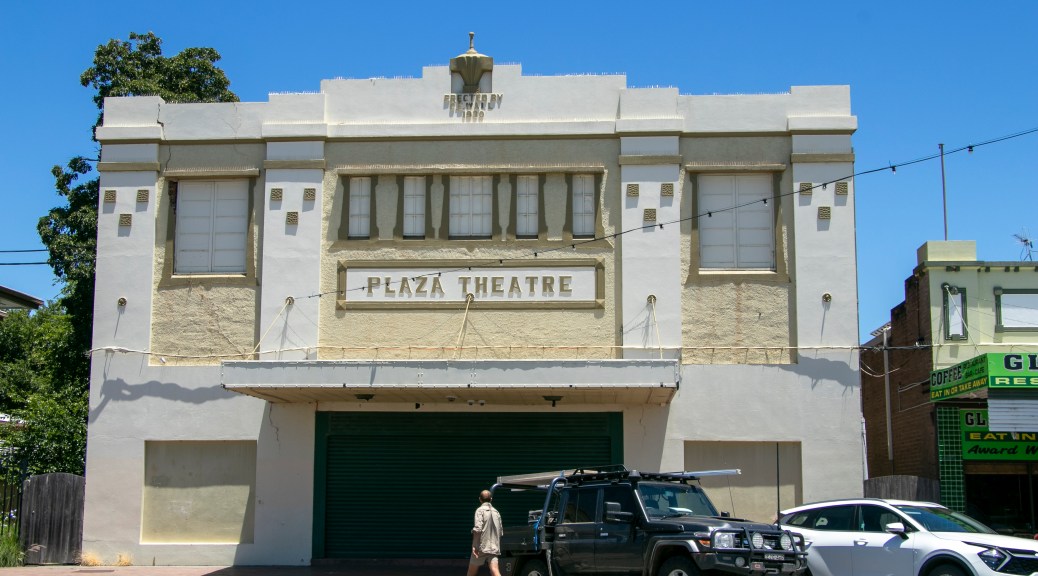
The town itself is home to some lovely art deco architecture.

It is also home to a sizeable First Nations population, namely the Wailwan and Gamilaroi nations.

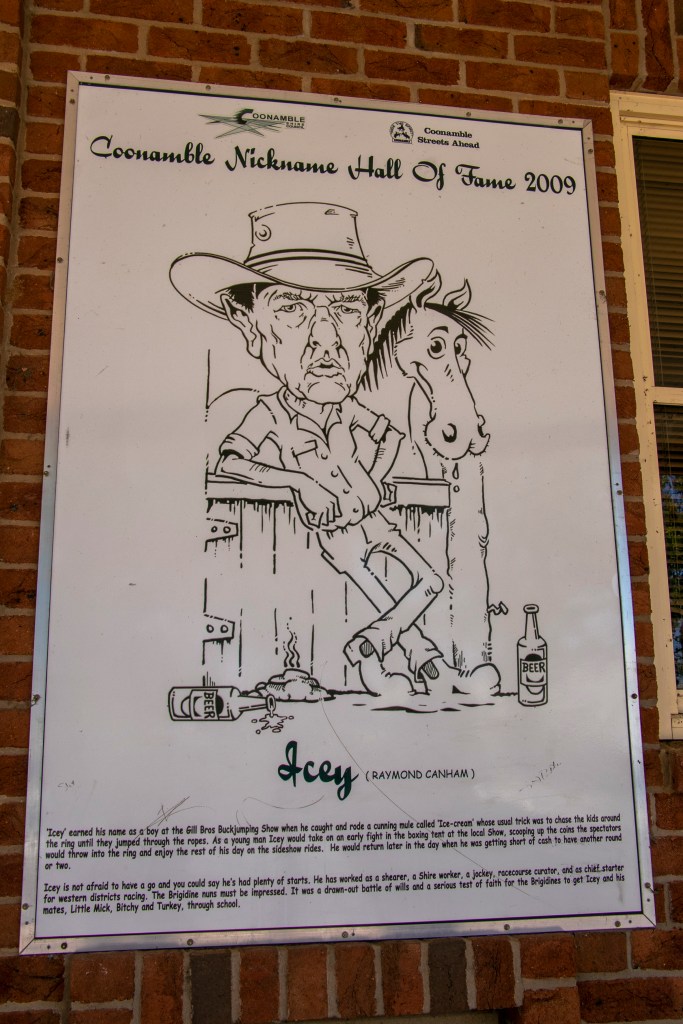
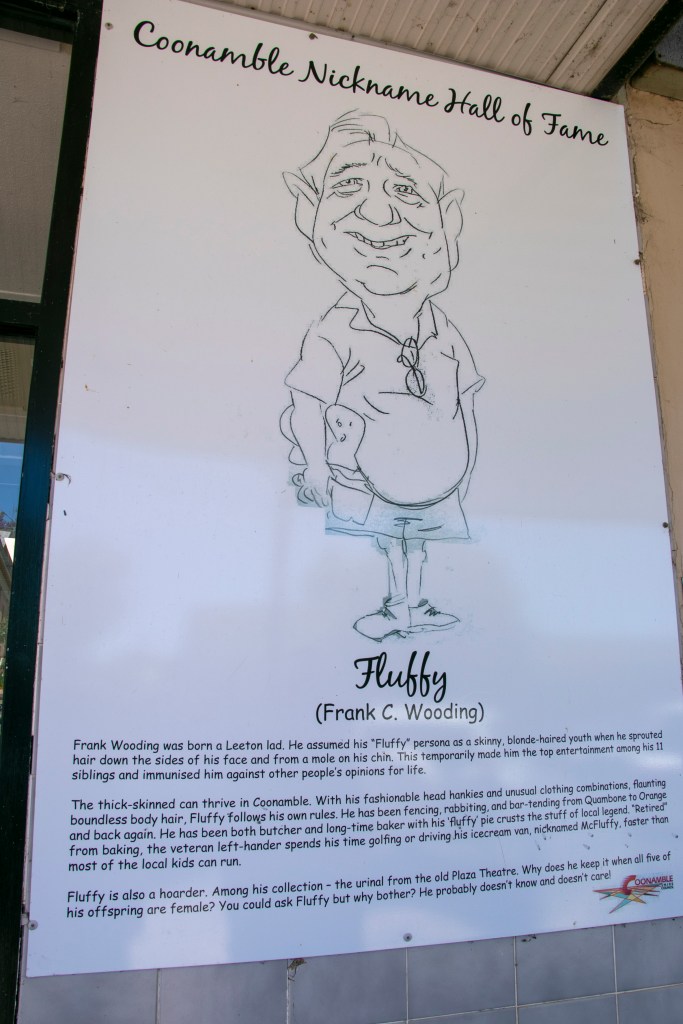
Country towns are full of characters, and Coonamble decided to commemorate many of them on plaques all around the main street. They’re distinctly… Australian.

Outback NSW – Gilgandra

Let’s start our study of Outback NSW towns with Gilgandra. By definition it is a Central West town (it’s less than 70km north of Dubbo, a genuine Central West NSW town), but since it is on the road to the Outback, we’ll classify it is an outback town for this post.

Being so close to the metropolis of Dubbo (whose population is nearing 45,000) means that Gilgandra is virtually a suburb of Dubbo. It also means that any facilities it once had had been taken away, as it’s just as ‘convenient’ to go down the road an hour (which is the country equivalent of 10 minutes by city standards). It’s left many of its shop-fronts vacant – they’re relics of a by-gone era. On the plus-side, it’s close to facilities, with real estate prices that haven’t yet gone through the roof.

The town was certainly on the sleepy side when we dropped by, but was a pleasant change after the controlled chaos of Dubbo (those roundabouts are worse than Canberra’s – big call, I know, but have you ever shared a roundabout with a road-train?). 

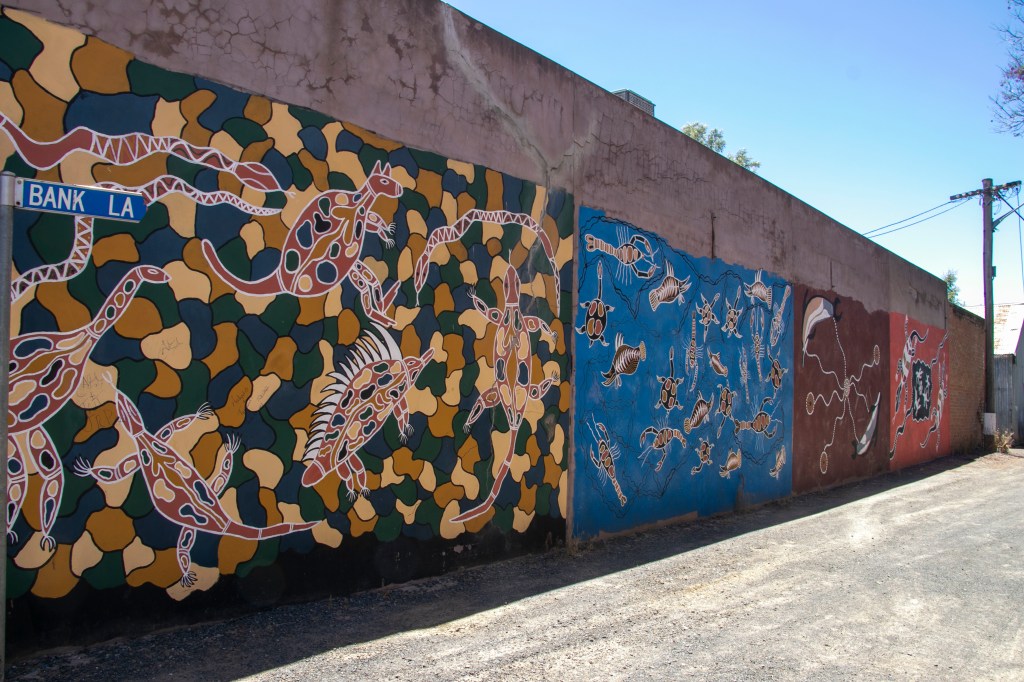
I like the murals that were dotted around the town. They are now a feature of a lot of country towns, I noticed, and I wholly approve. The more art the better, I say! 

Outback NSW – On the Road

Today I’m starting a new series of posts about our adventures in the far west of NSW. This post is from our trip in December 2022. It was warm to hot, and the previous month had brought heavy rains to this region. In this post, we were driving up the Castlereagh Highway between Gilgandra and Lightning Ridge. The landscape is very flat, with farm-land on either side. 

You can see some of the fields were still flooded, in other places it was functional enough to let the stock back on. 

We passed through a few sizeable towns – Gilgandra, Coonamble and Walgett. Some had silo art, while others even had an art gallery.

Southern Highlands – Joadja – Part 2

This is the second and final post of this series on my farm stay at Joadja.

The afternoon of the second day was sunny. You can see the difference in the landscape. Everything looks lush and hopeful.

I woke up early on the last morning in order to take advantage of the gentle early morning light. Being a mid-May morning, there was a little mist and a lot of dew. It’s a magical time to be out-and-about.

The sun eventually cleared the horizon, bringing about another clear morning. I think I appreciated the day a bit more knowing what has come before.