Category Archives: Holiday

Southern Highlands – Joadja – Part 1

My last few posts were about the seaside, but we’re going to gradually make our way deeper in-land for awhile.

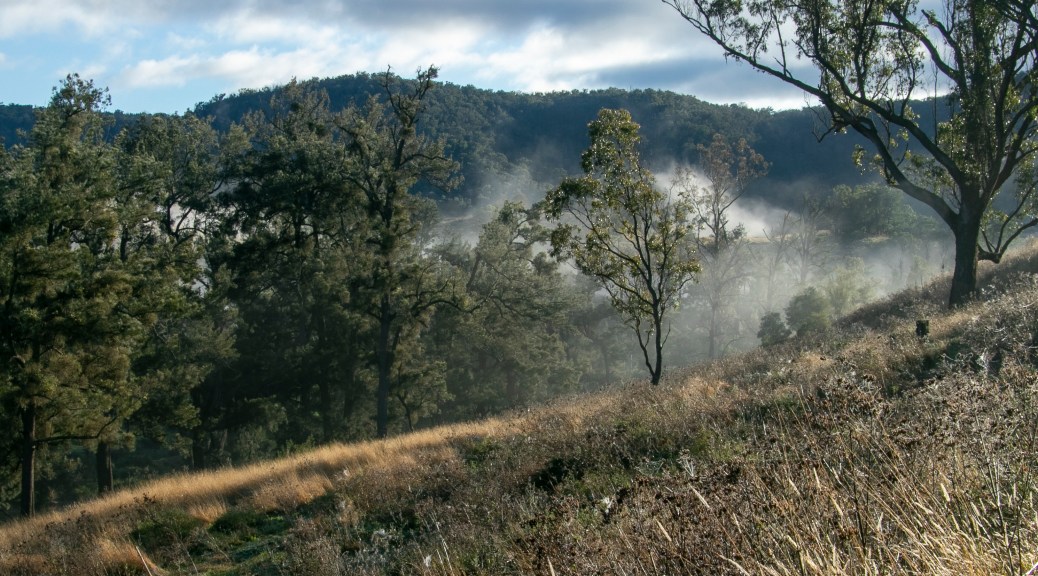
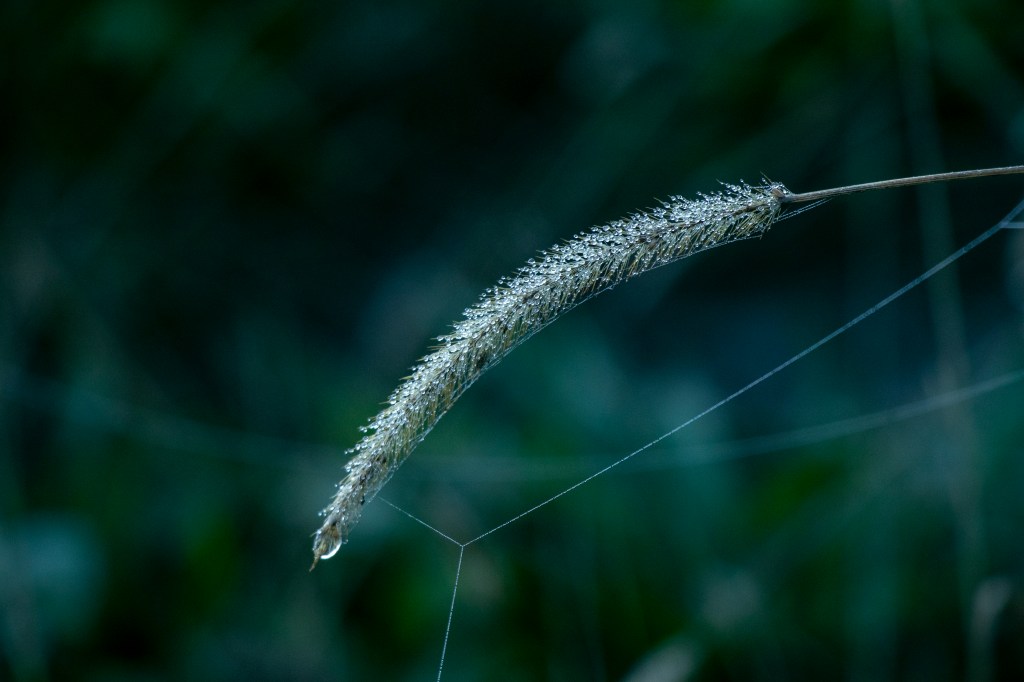
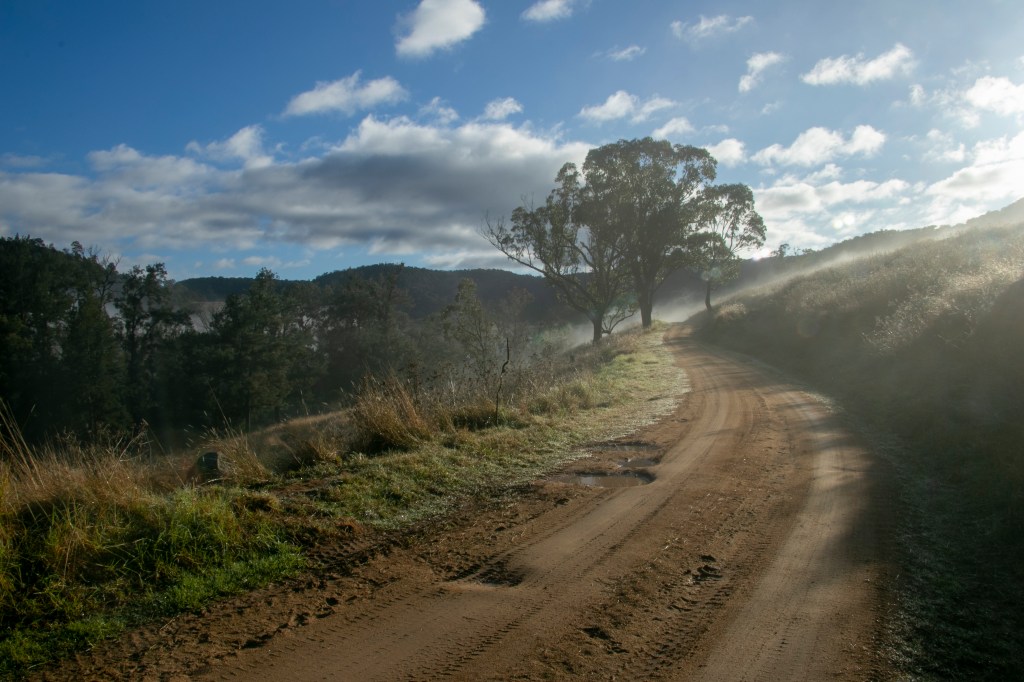
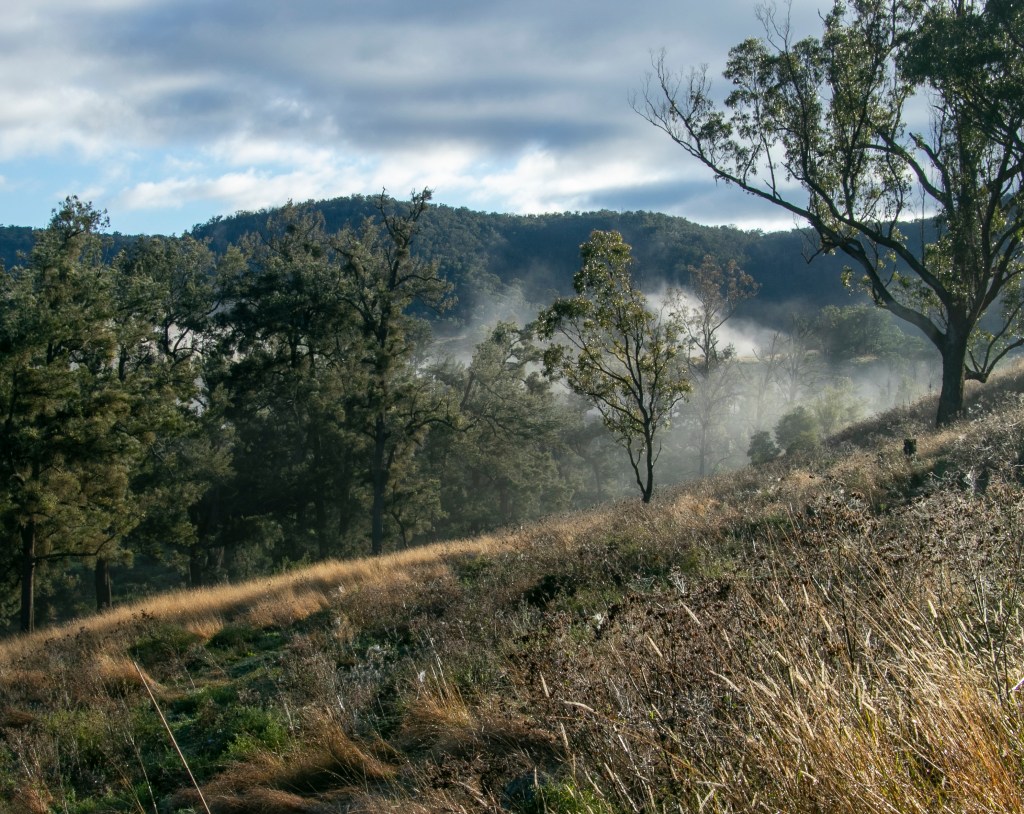
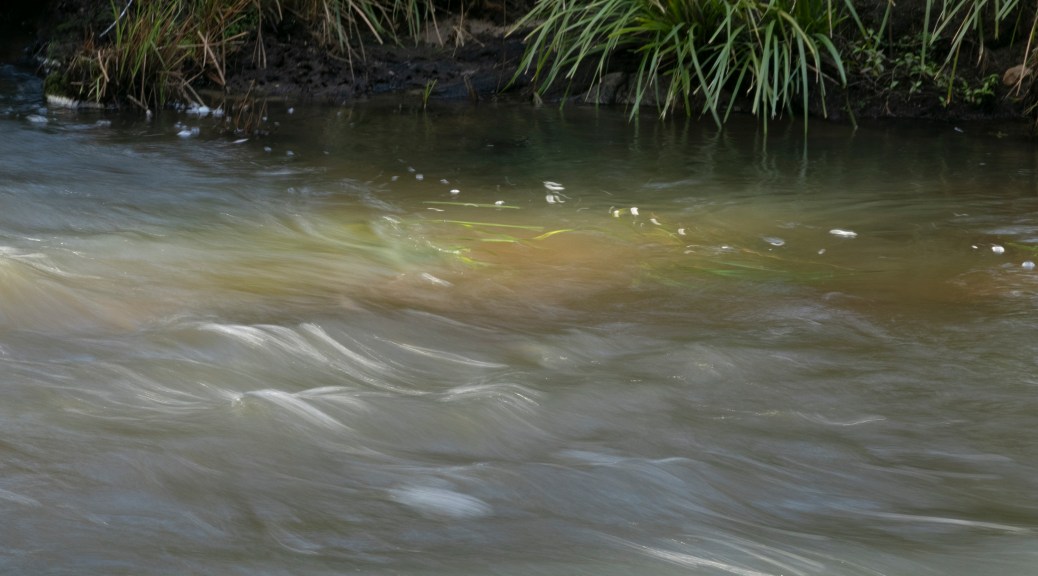
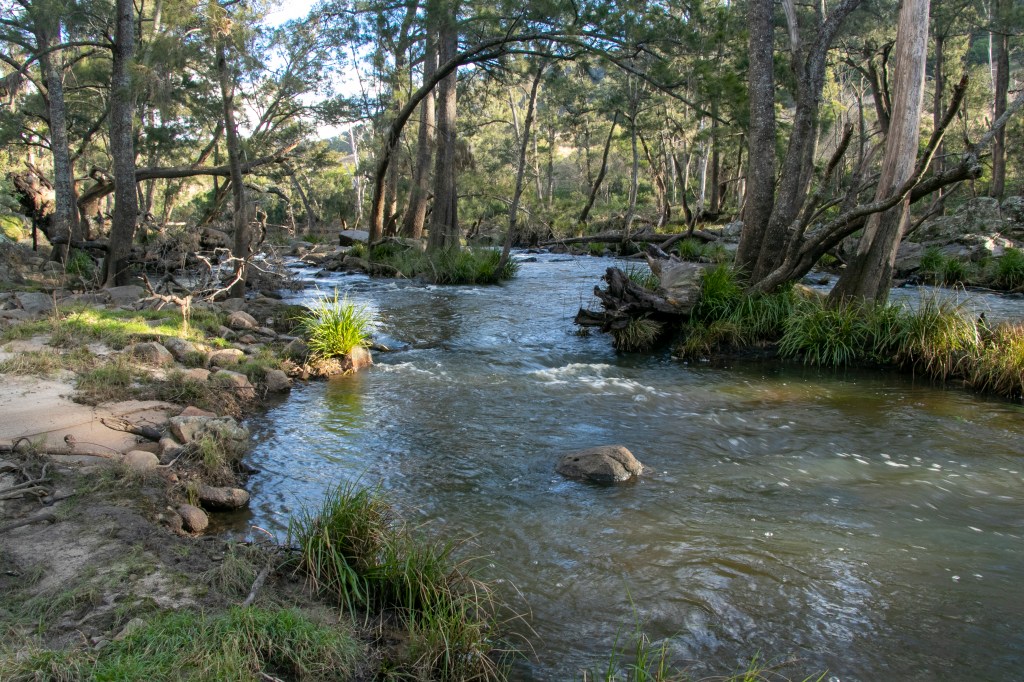
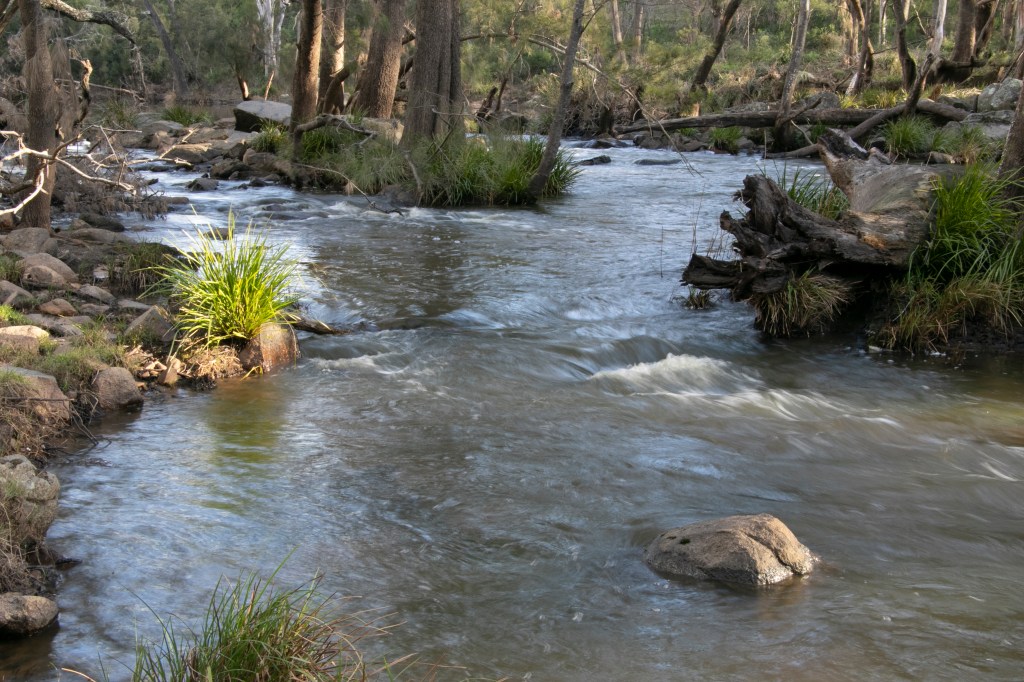
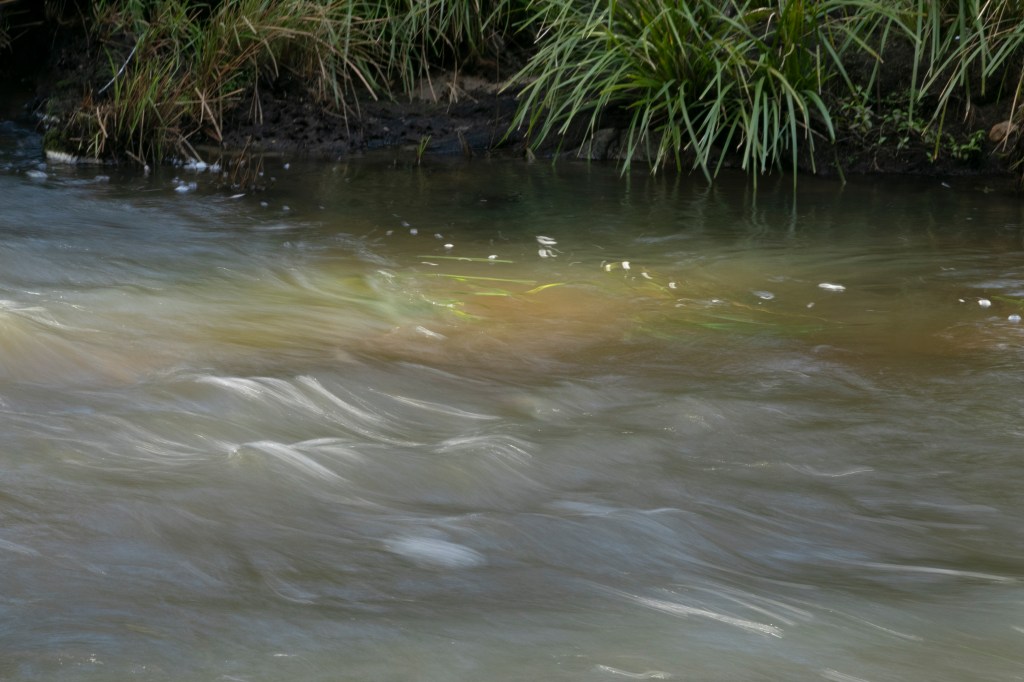
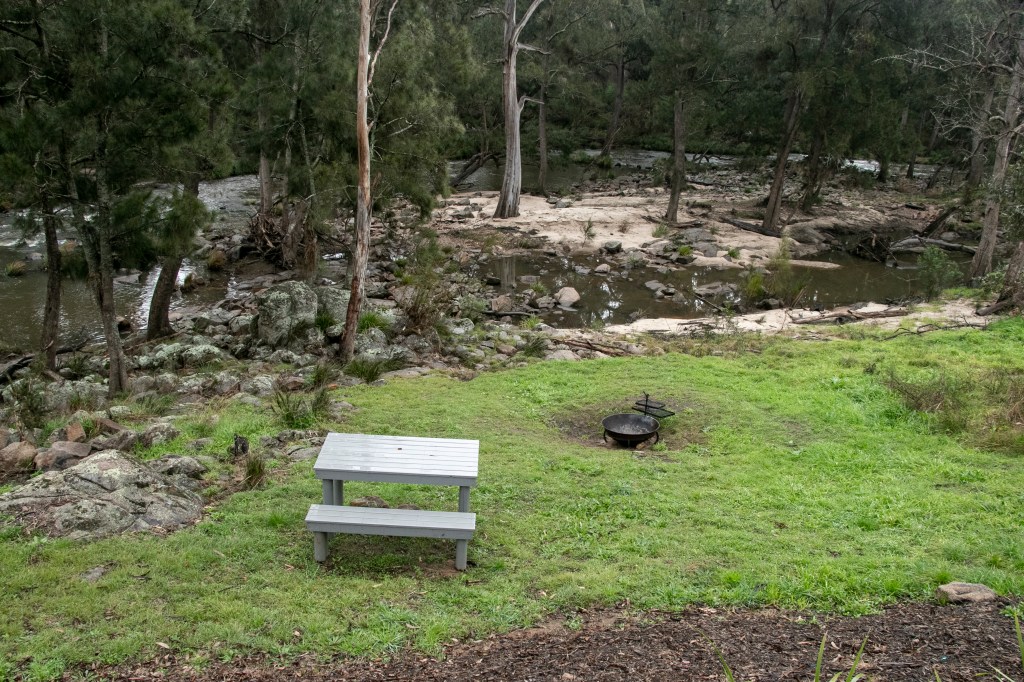
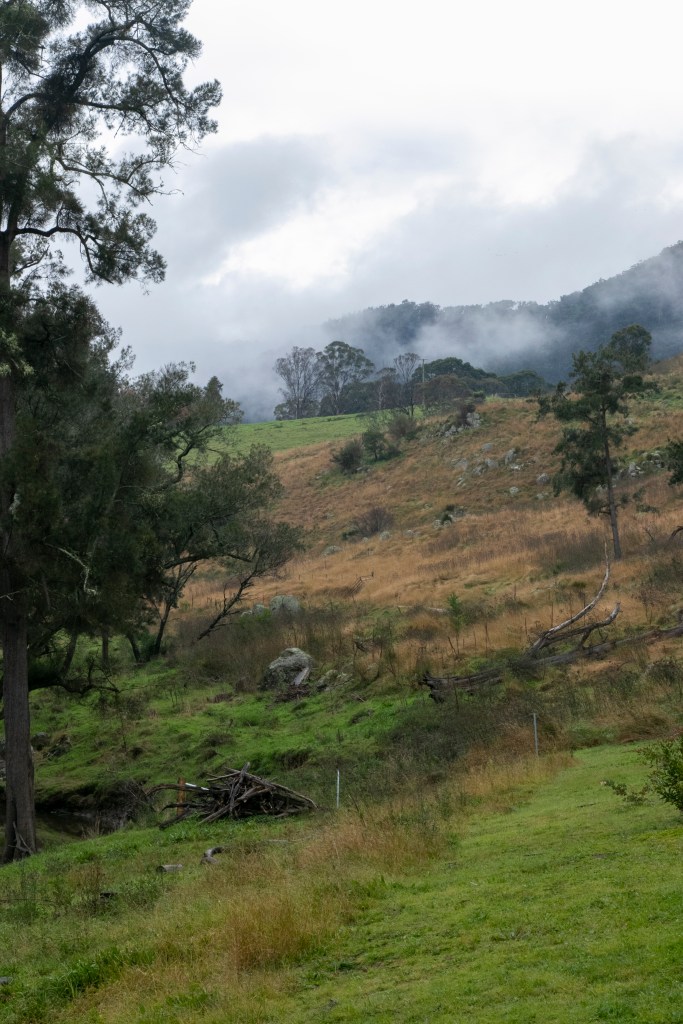
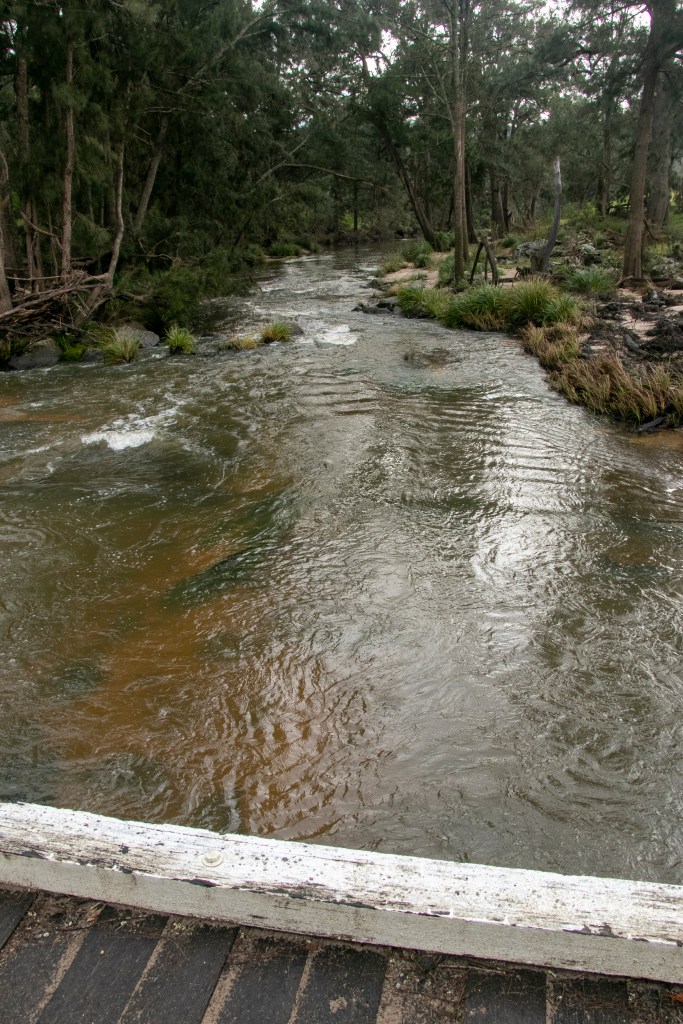
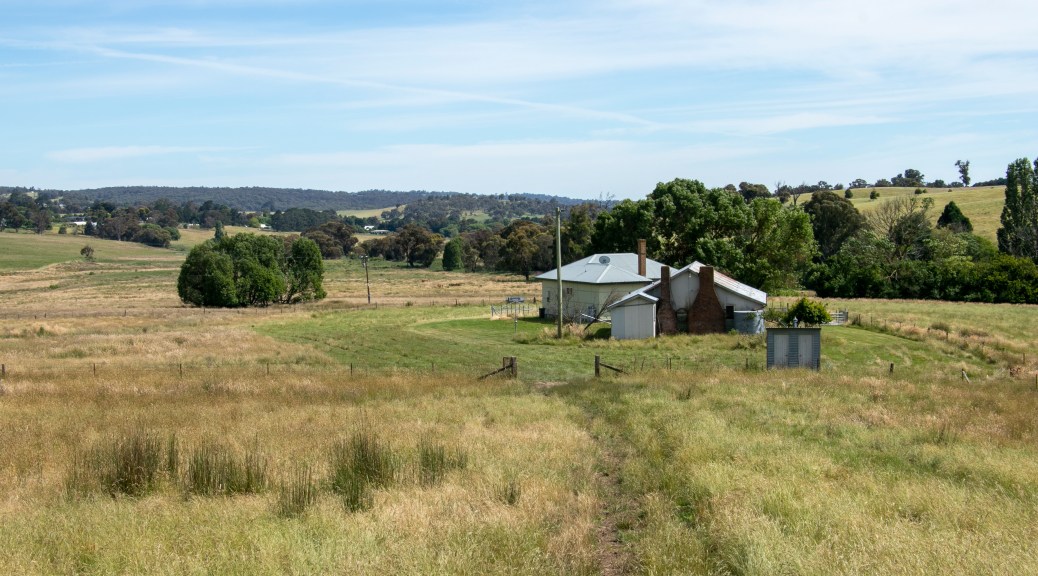
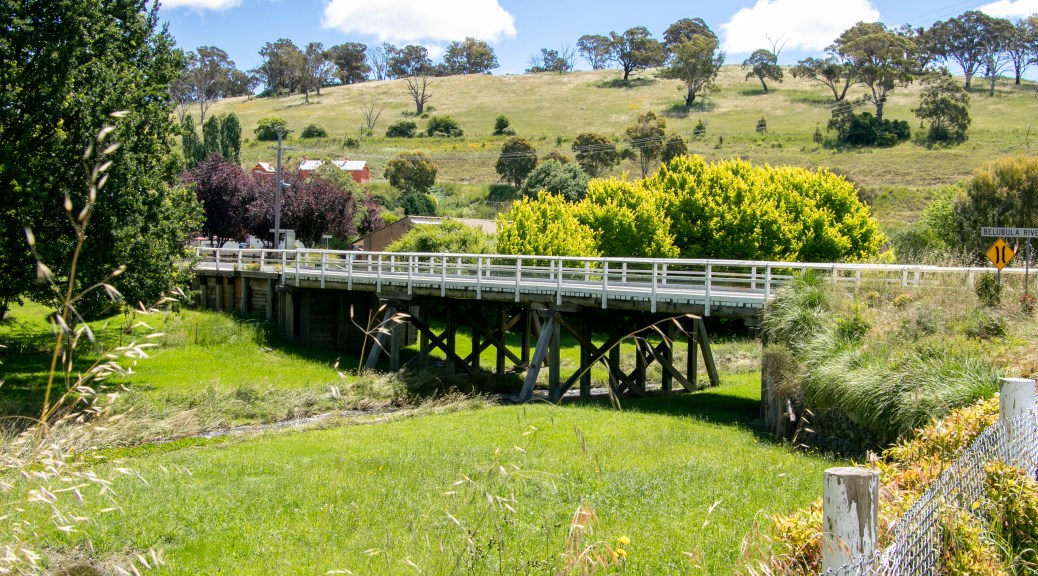
In this little series, we’re on a farm-stay in the Southern Highlands region of Joadja. These photos were taken back in May, 2022. The property we stayed at is on the Wingecarribee River, which threads itself through the region. It is a good 30-45 minutes from the nearest town (Berrima), so it’s certainly a place to getaway from it all. The stay took place over 3 days, so I got to know the many moods of the landscape. The weather does change how a place looks quite dramatically. I’m obviously using my photographers/landscape painter’s eye now…

On a sunny afternoon…

On a rainy morning…

There were lots of walks on farm roads to be had. I’ll post more rural scenes from Joadja in my next post.

By the Seaside – Gerroa

We’ll explore the neighbouring village of Gerroa. Historically, Gerroa has been the much smaller sibling to Gerringong, but in the last 10 years, estate developments in between the two towns mean that they’re really now joined at the hip.

Gerroa is located on the north end of Seven Mile Beach – which stretches all the way down to Shoalhaven Heads. It’s another stretch of coast that I’m very familiar with.

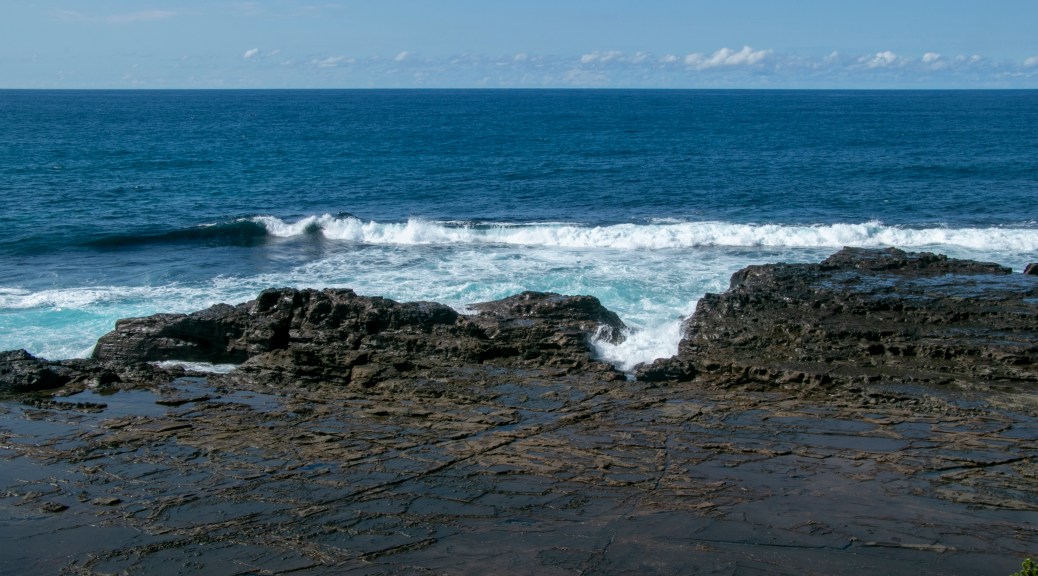
It is a collection of beach-side caravan parks and houses that are perched up on Black Head. Black Head itself consists of dark basalt produced by a volcano that was active in the area about 30 million years ago.

Gerroa is perfect if you just like a paddle in the surf or a really long walk along the beach.

By the Seaside – Gerringong

We’ll break up our adventures in-land with a bit of a seaside sojourn to the near South Coast. Gerringong is now a hop-skip-jump from Sydney since the Princes Highway by-passes were completed. It is usually very popular on weekends and in the summer.

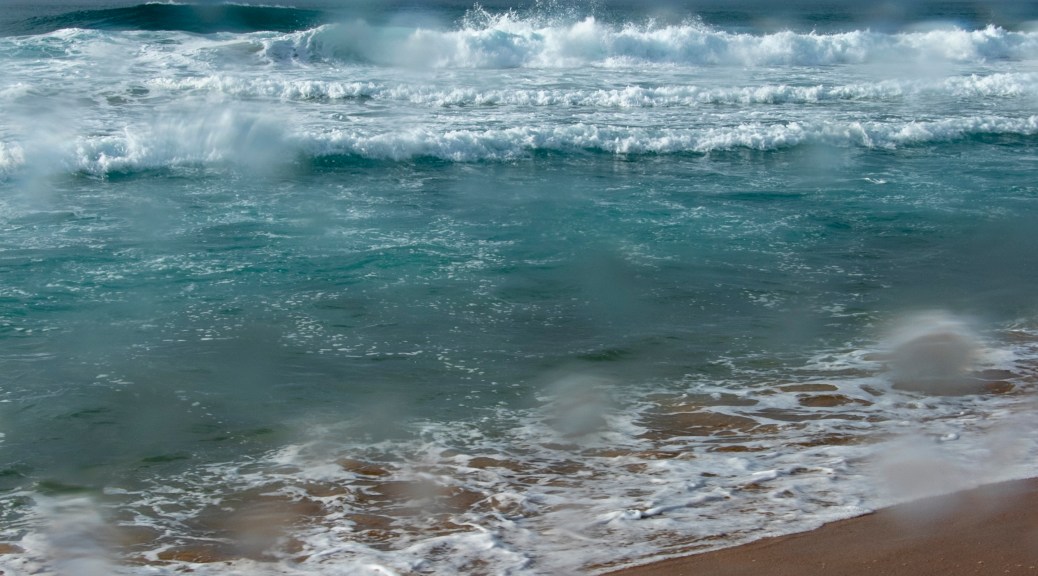
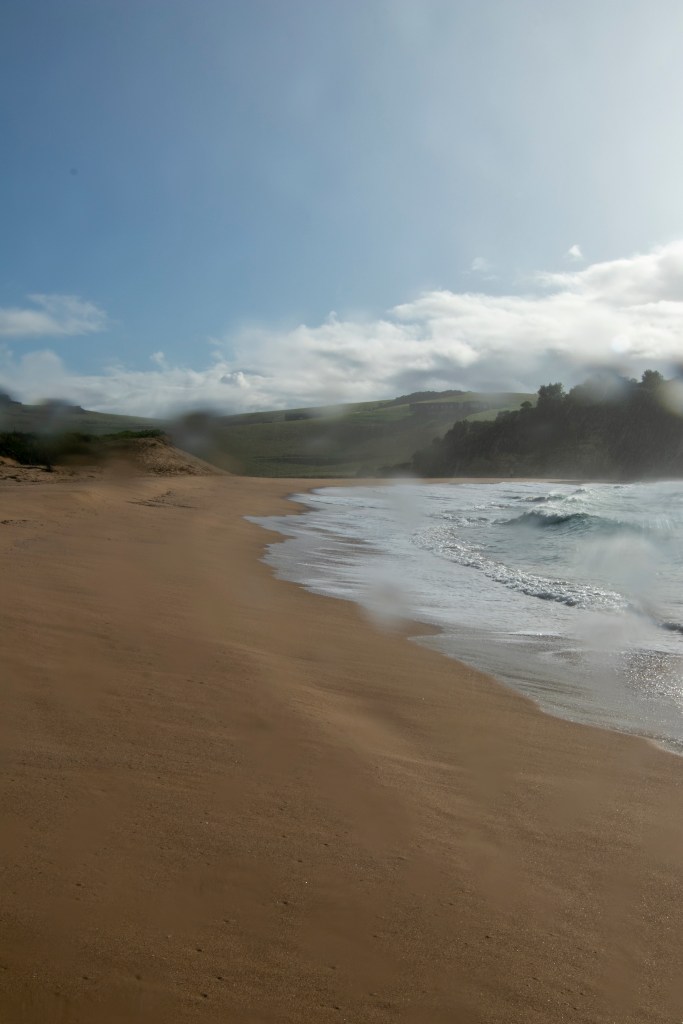
Our visit however was on a particularly changeable weekend in winter 2022. We stayed close to the beach, so although the weather wasn’t the best, the first thing I did in the morning was venture out to Werri Beach, where I was greeted with a rainbow (or two). As you can see, I was obviously one of the more enthusiastic visitors that morning.

It’s worth getting up early for the sight of the lovely, stormy beach.

Taralga and the Southern Tablelands

We concluded our trip with a visit to the Southern Tablelands directly south of Abercrombie Caves. Lots of gentle landscapes here, west of the Dividing Range. We stayed in the middle of it near the hamlet of Laggan.

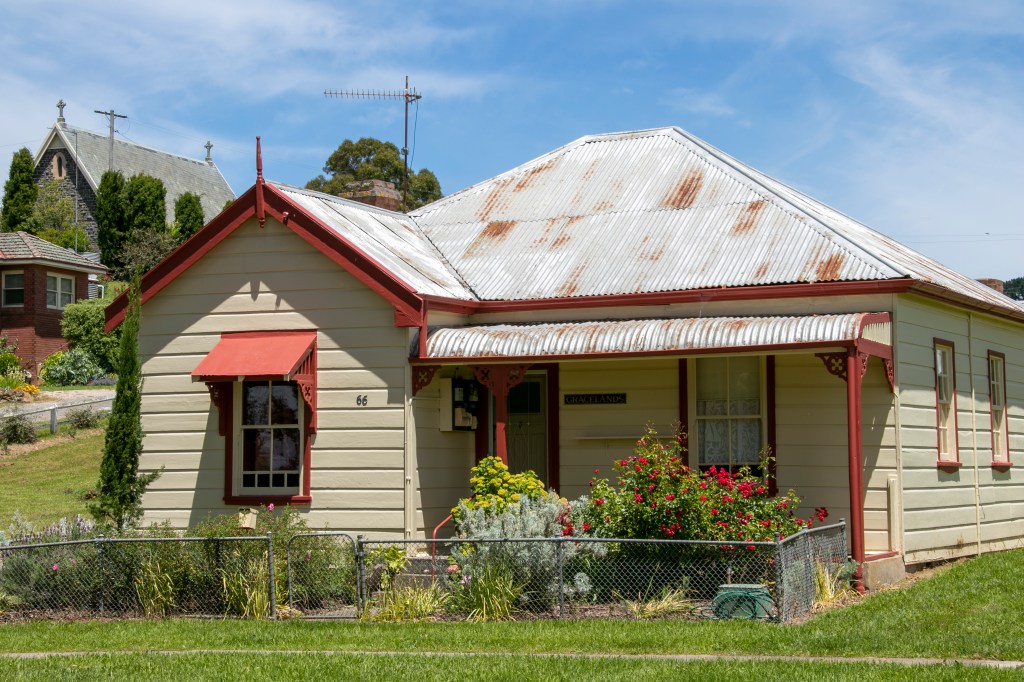
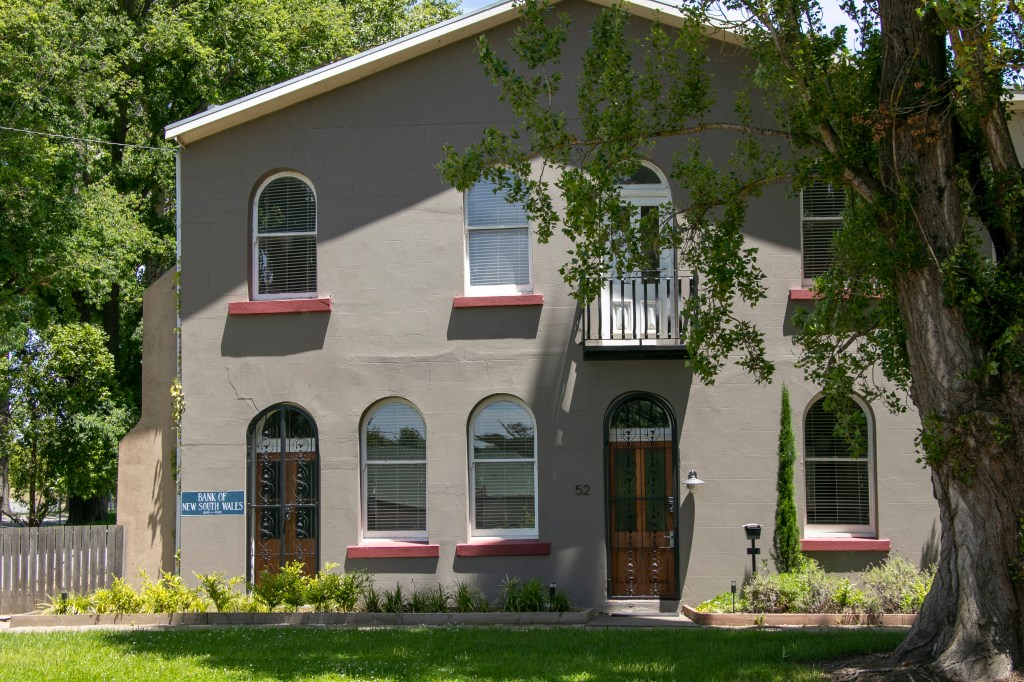
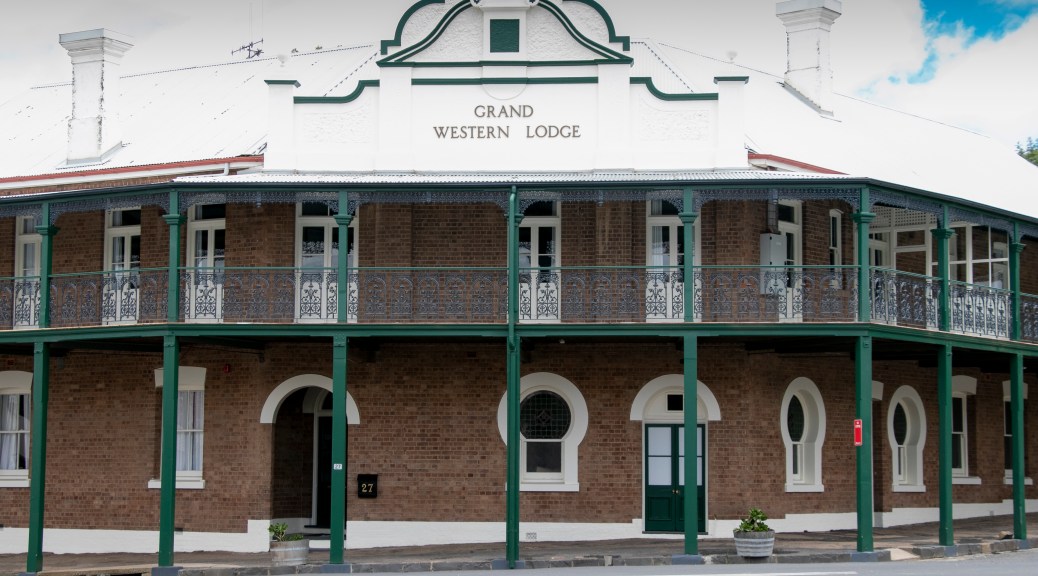
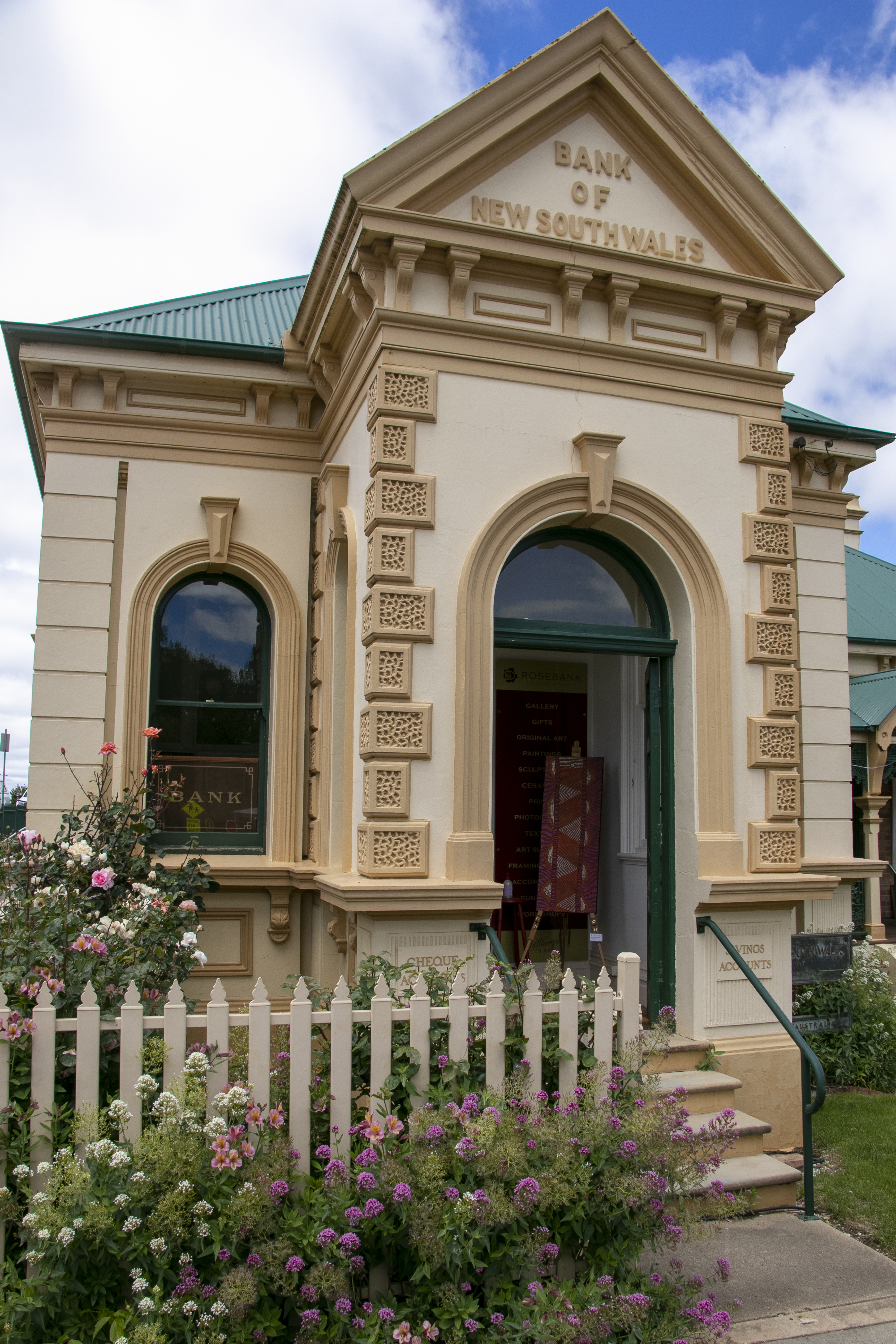
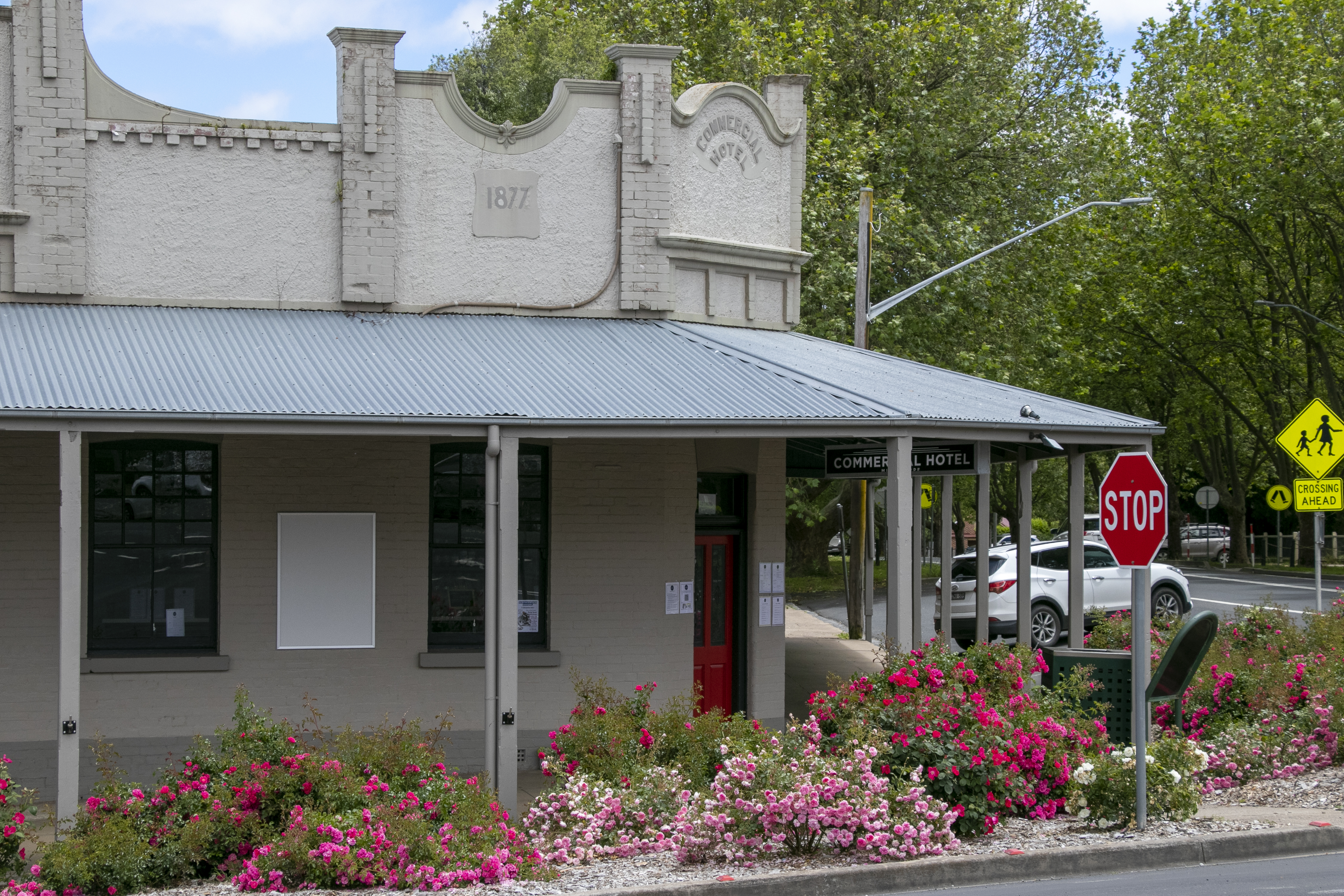
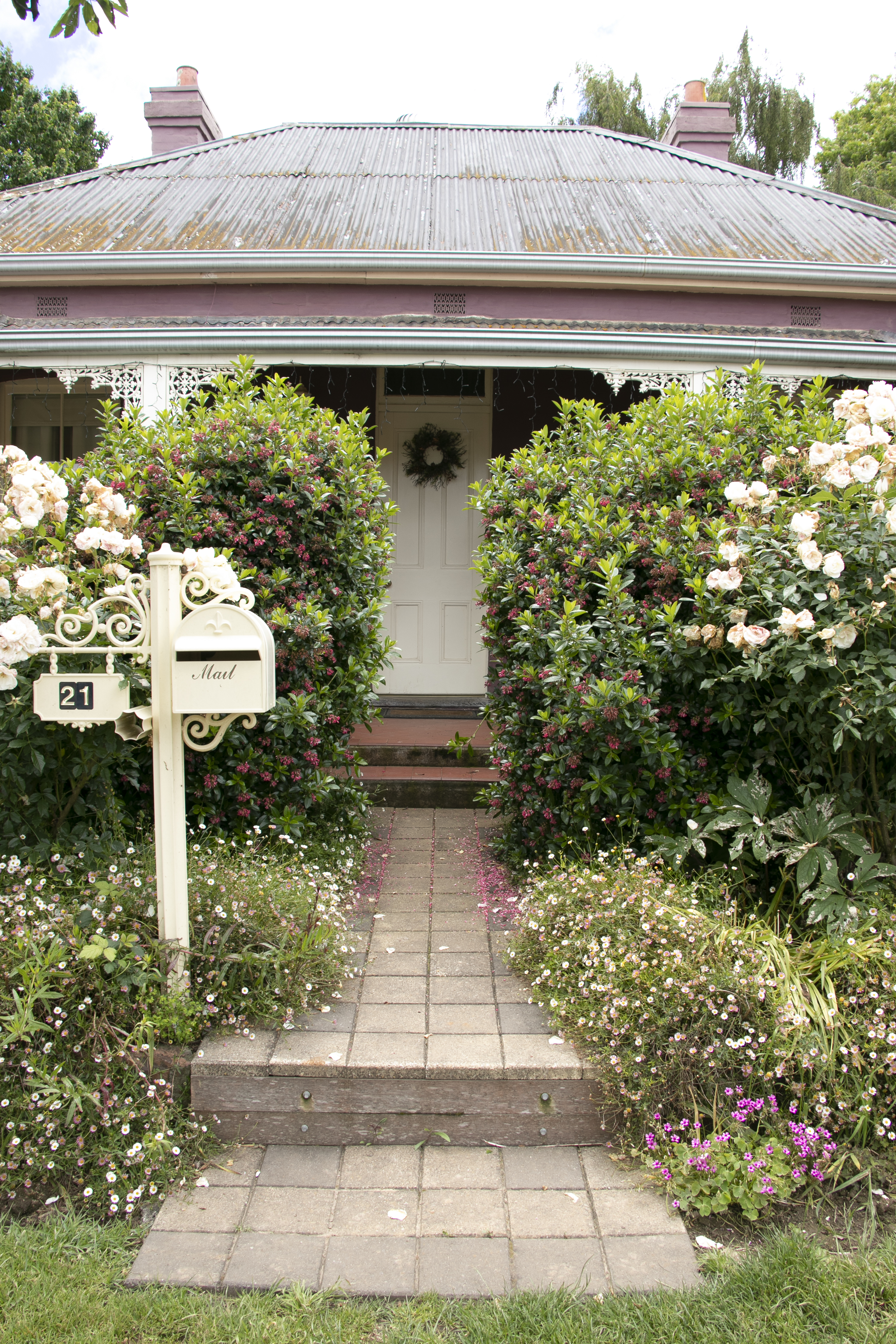
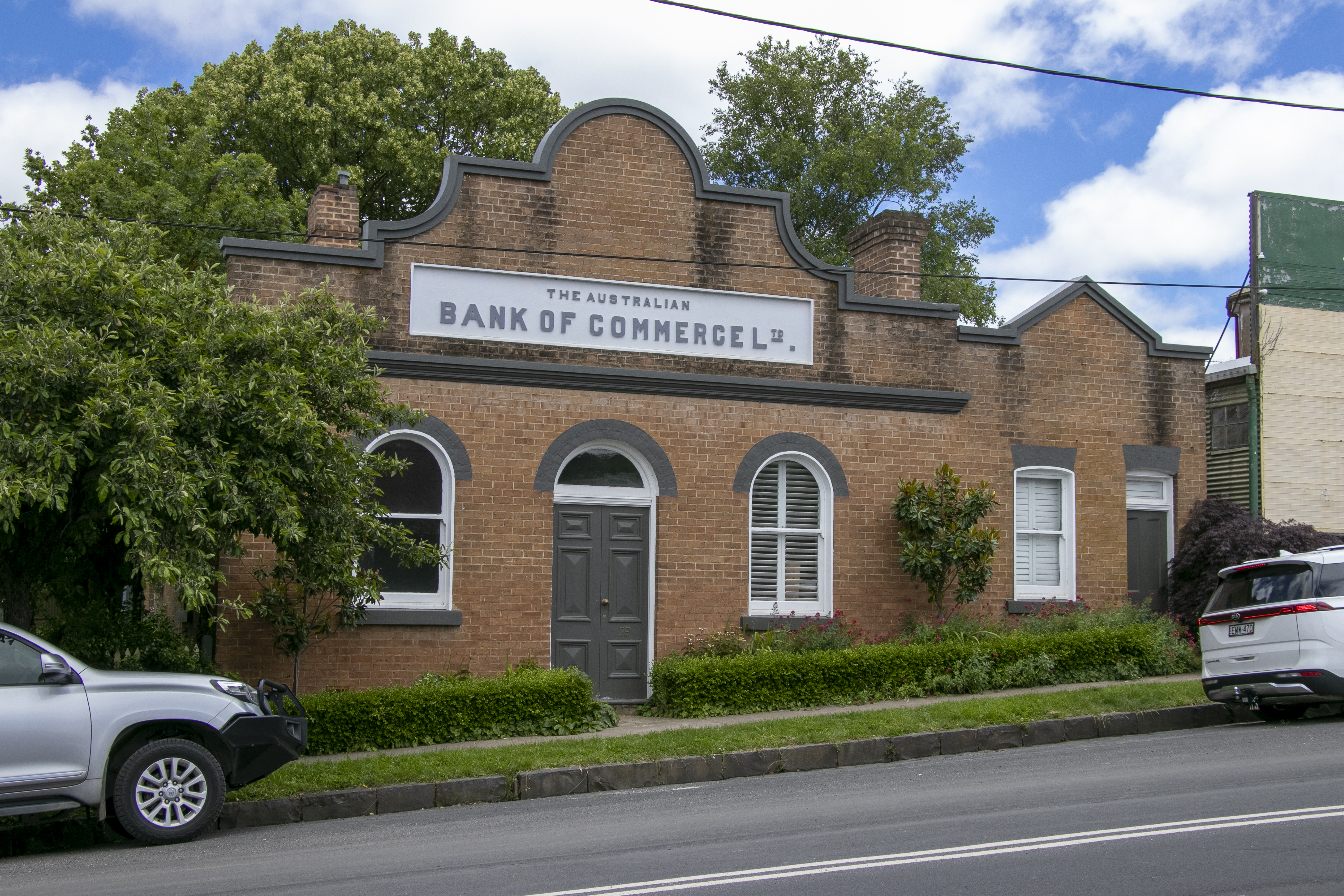
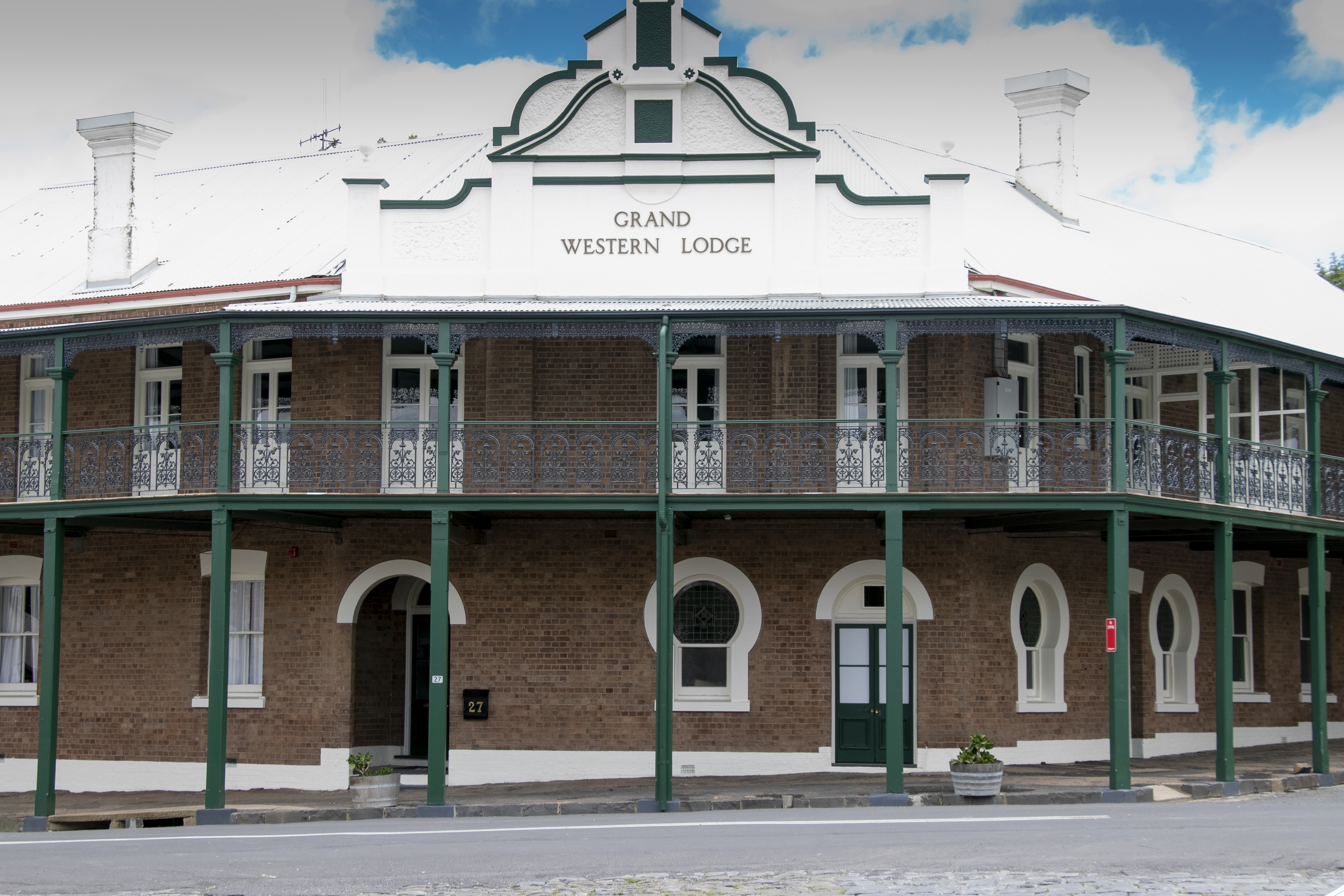
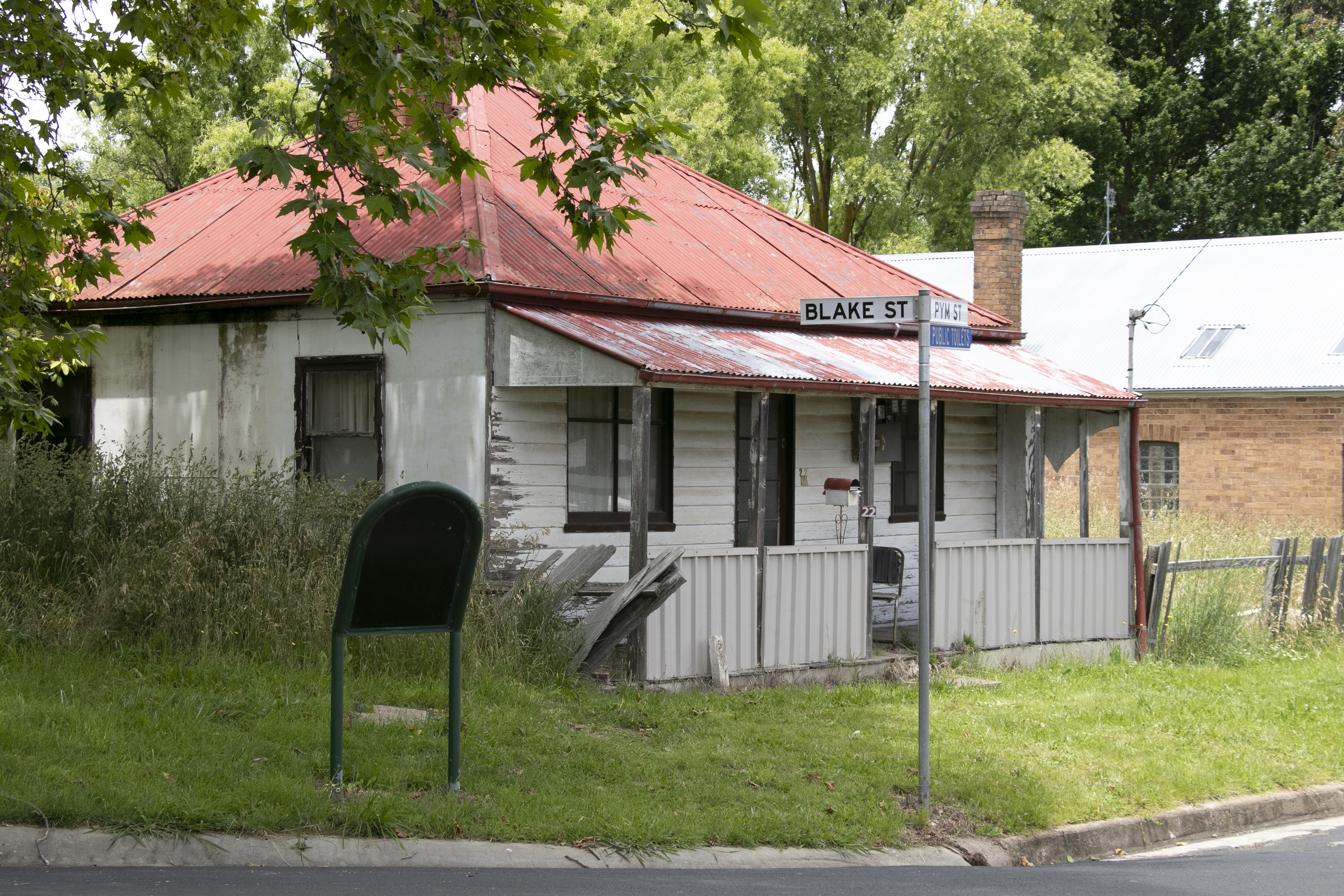
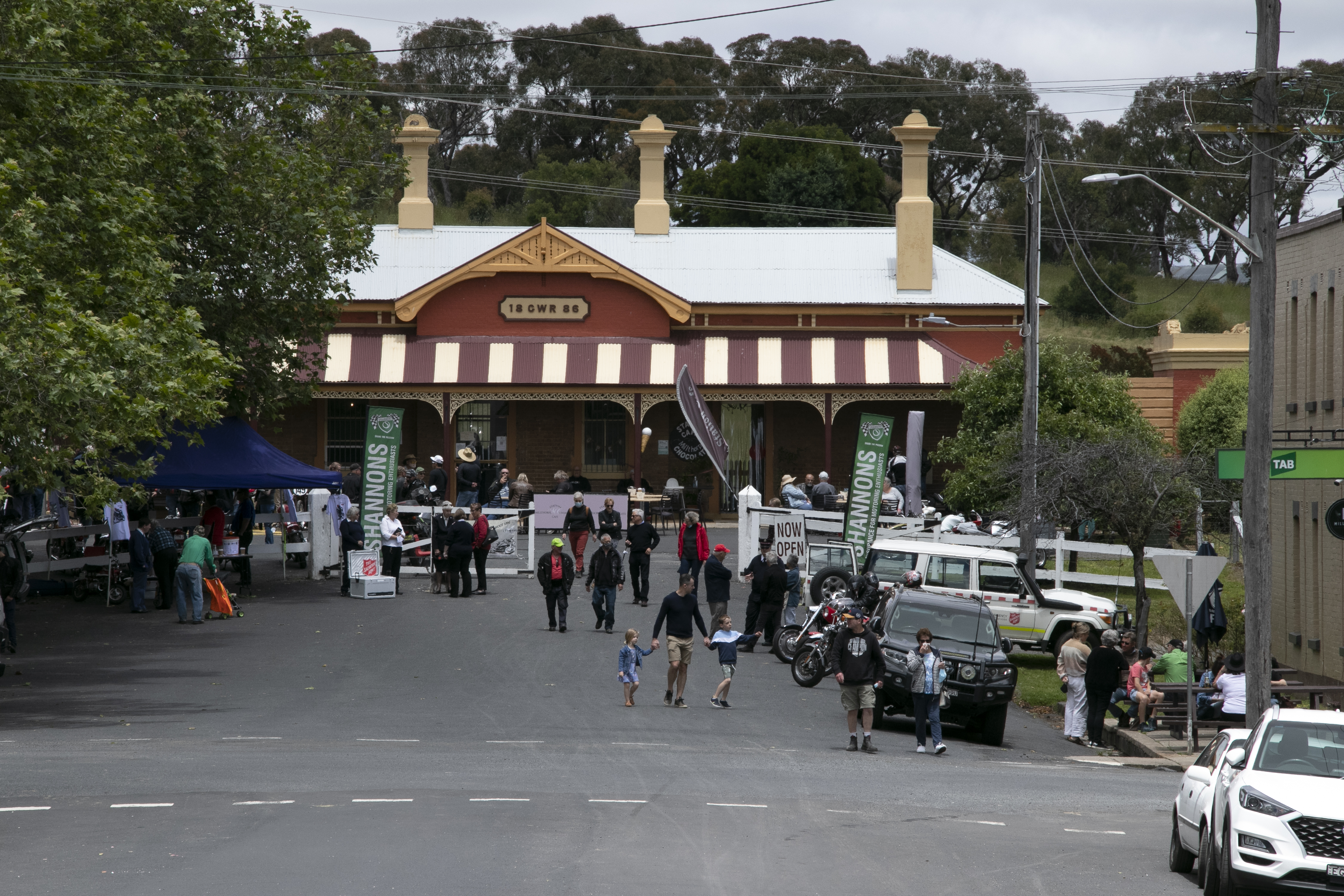
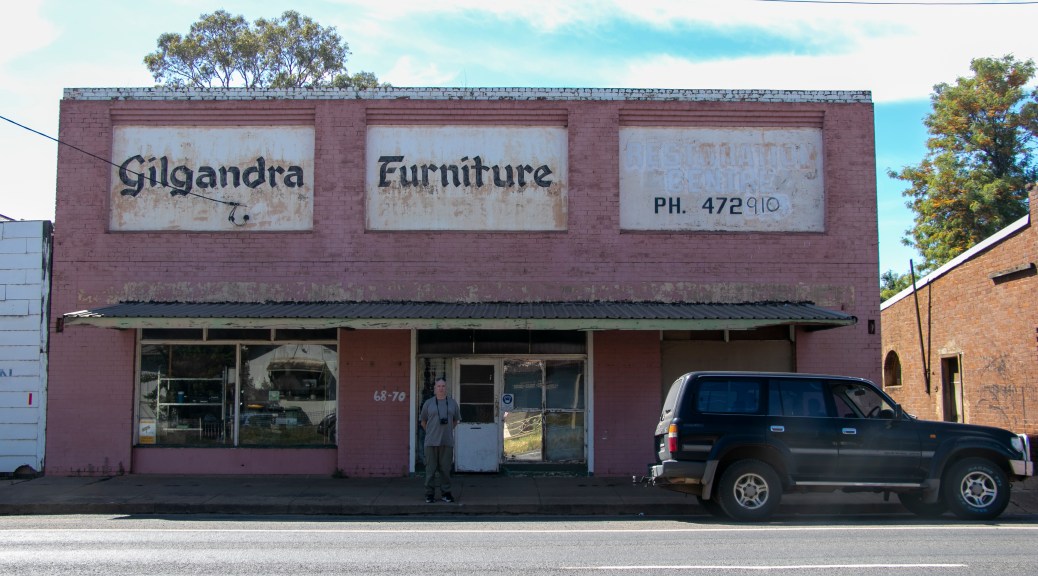
We took little drives around the area, visiting the slightly bigger village of Taralga. Taralga was a pretty sleepy place, but it had some nice architecture of varying vintages along its main street.

That’s all for our drive around Central NSW that took place back in December 2021. Almost two years have passed since then, so I’ve got a lot more of NSW to share. I’ll be back next time with another drive around this lovely state.

Abercrombie Cave

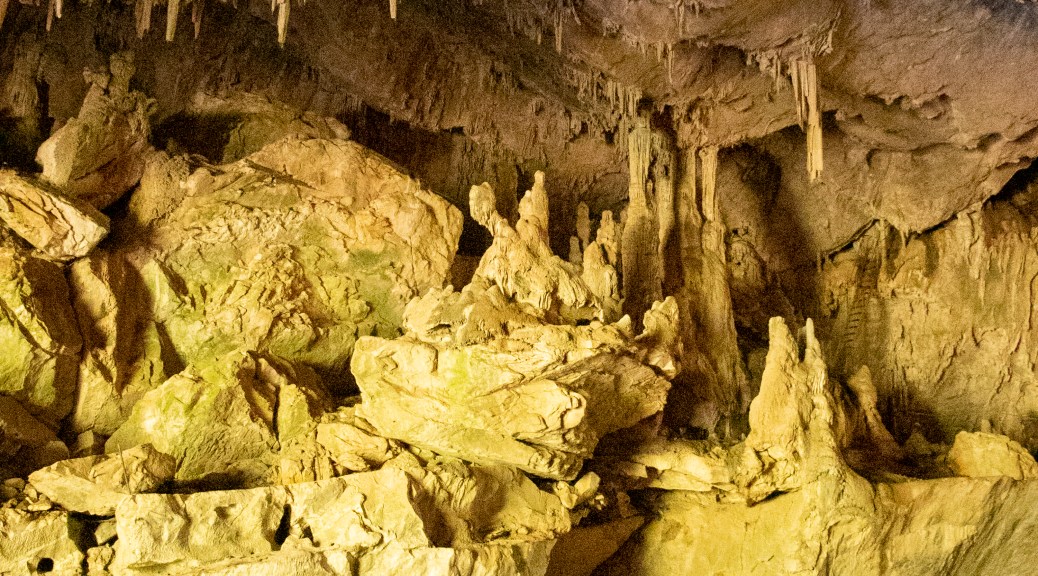
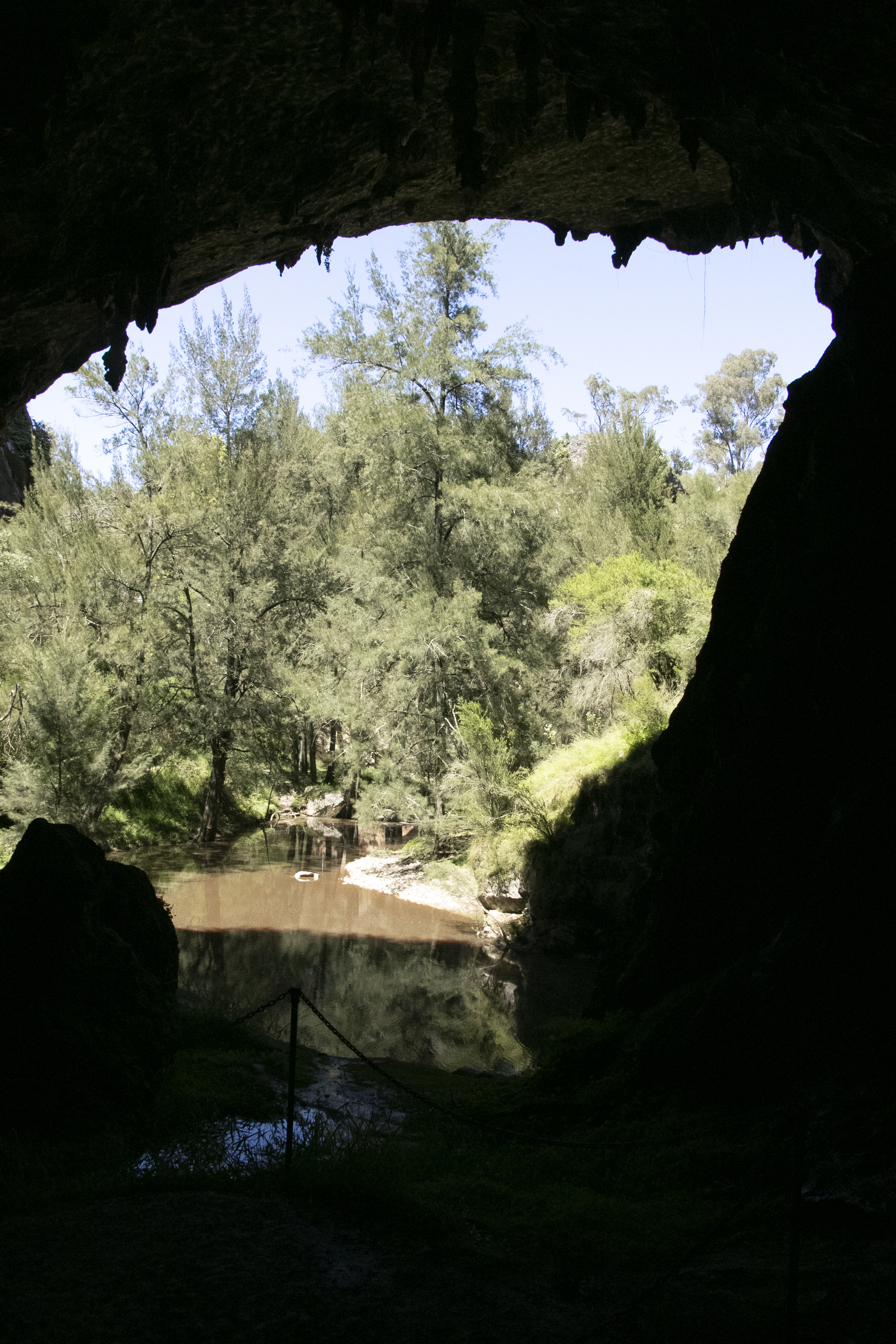
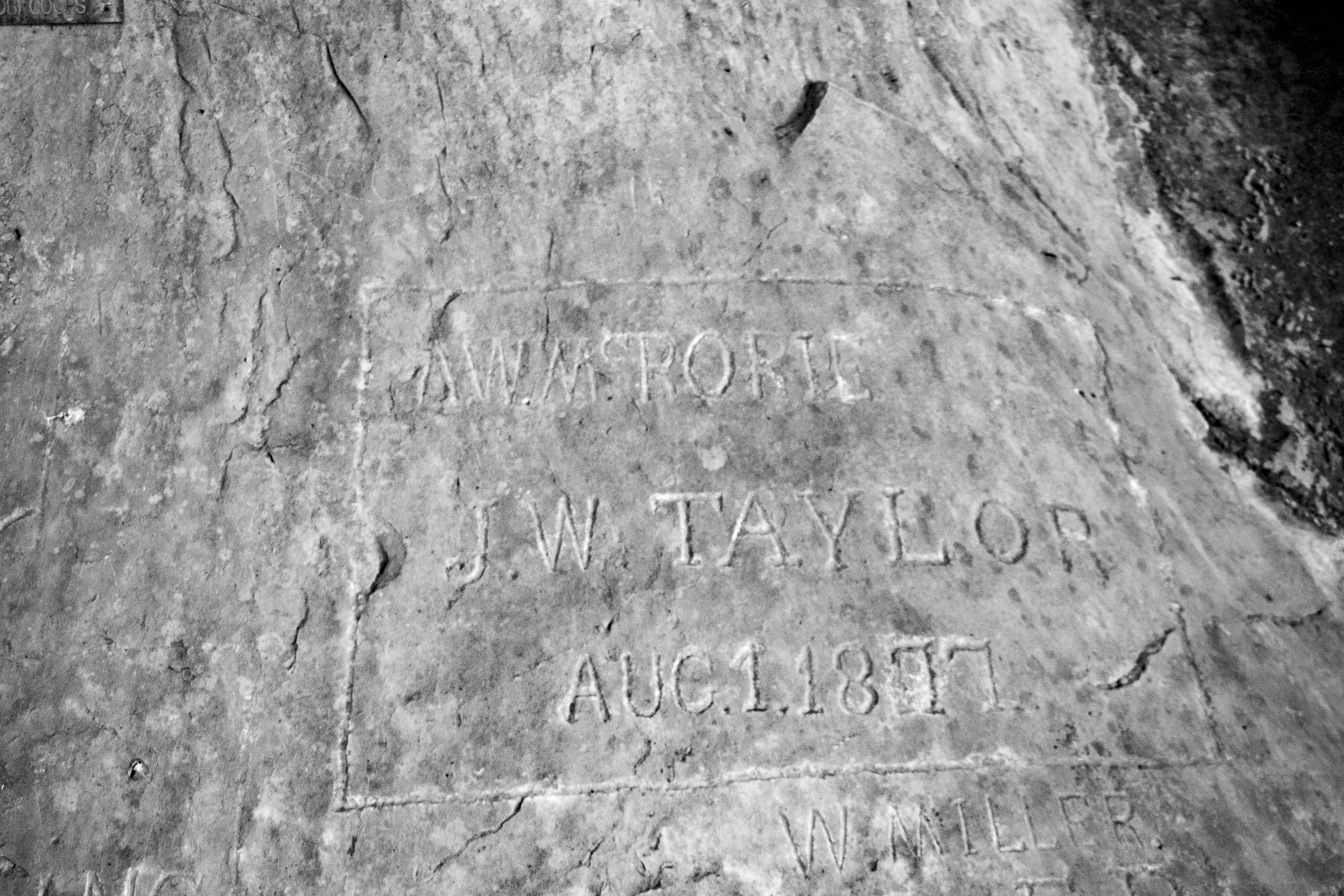
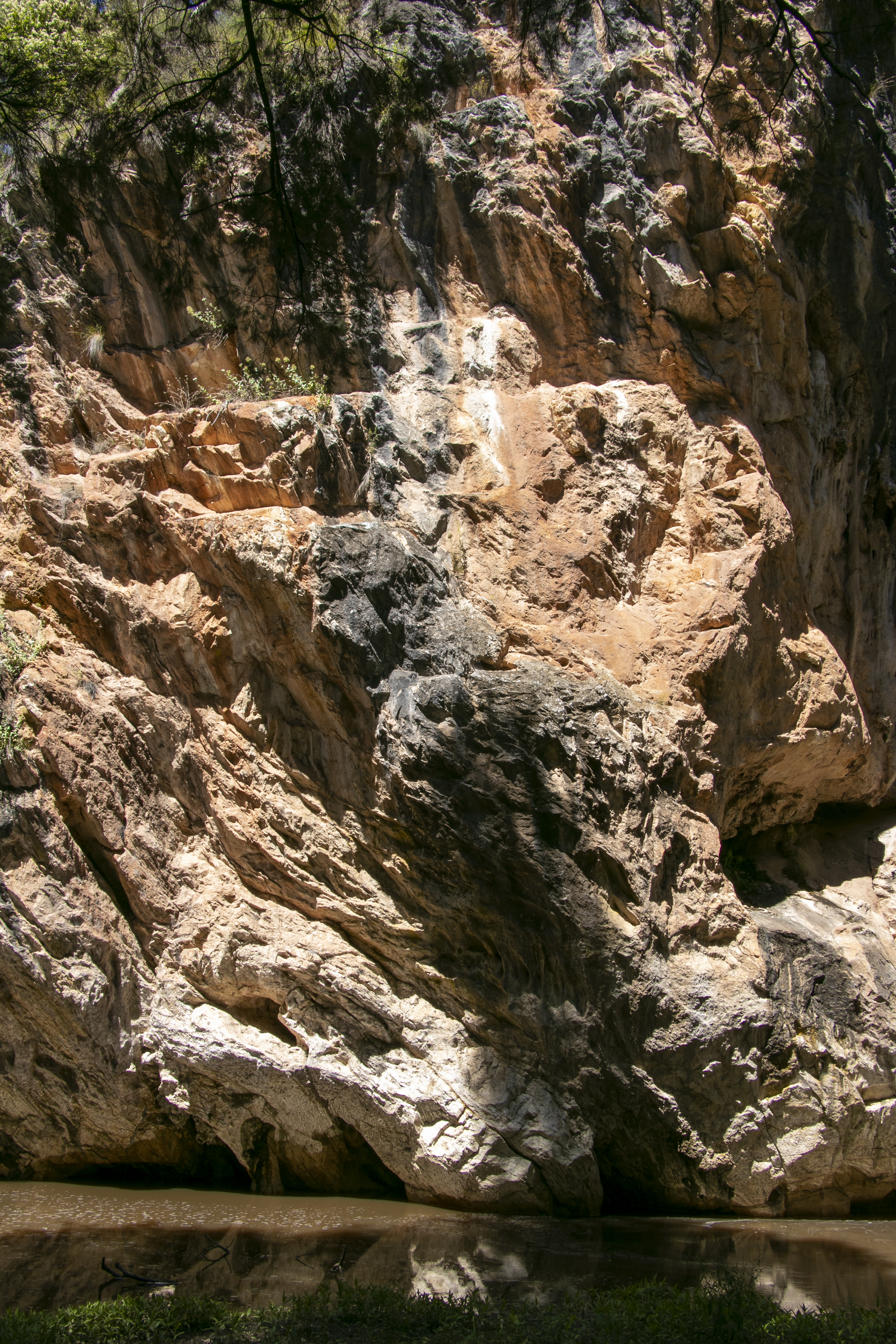
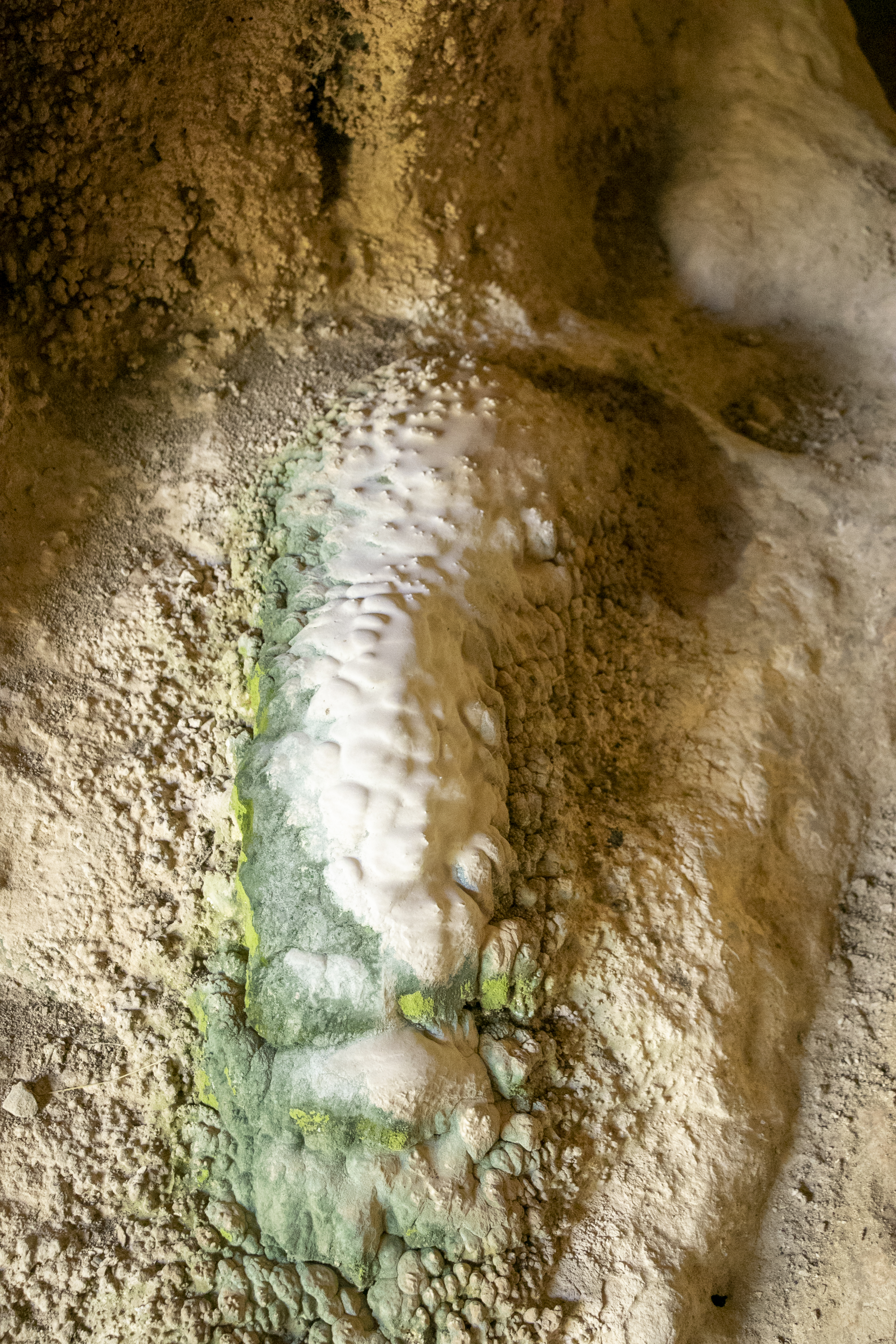
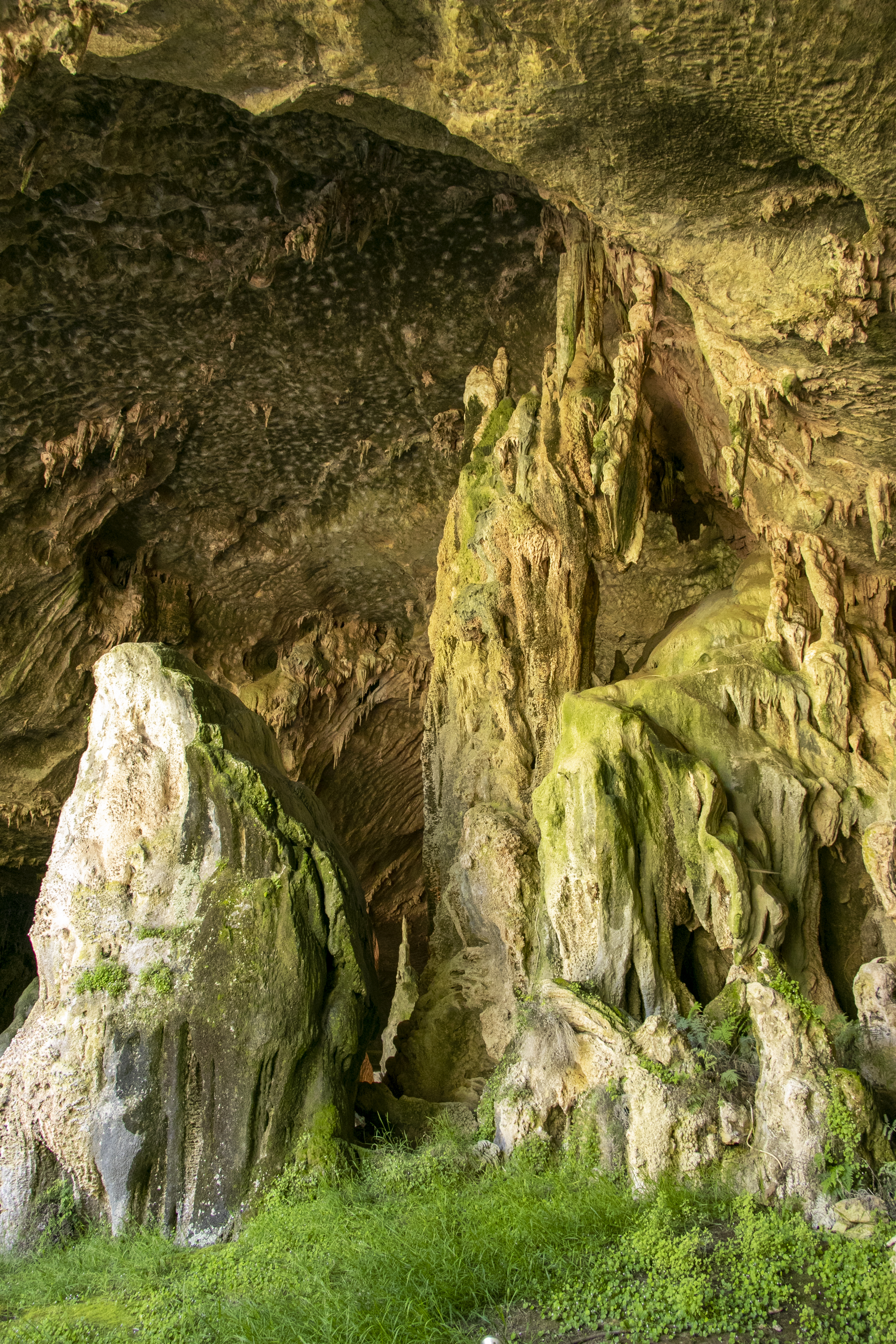
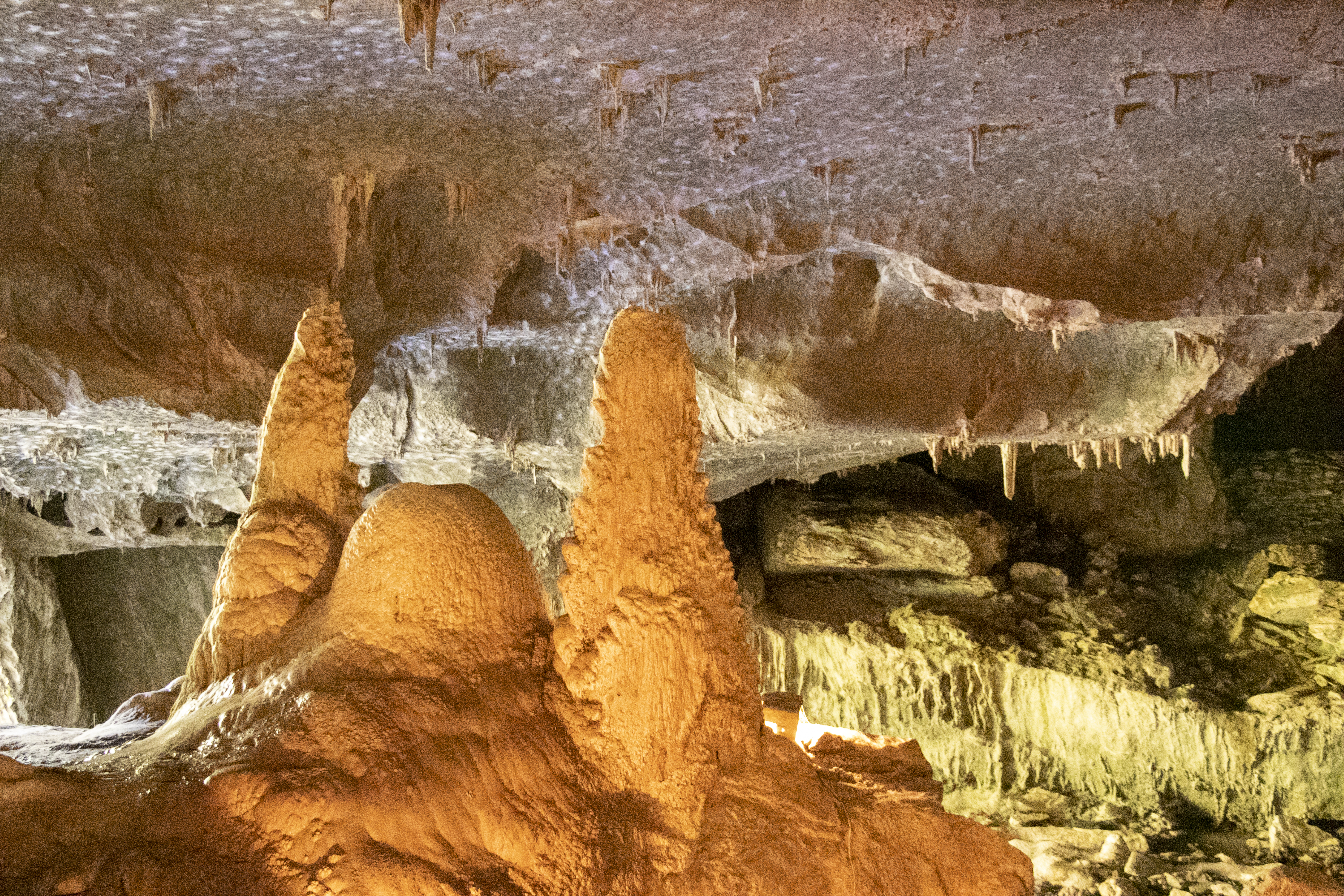
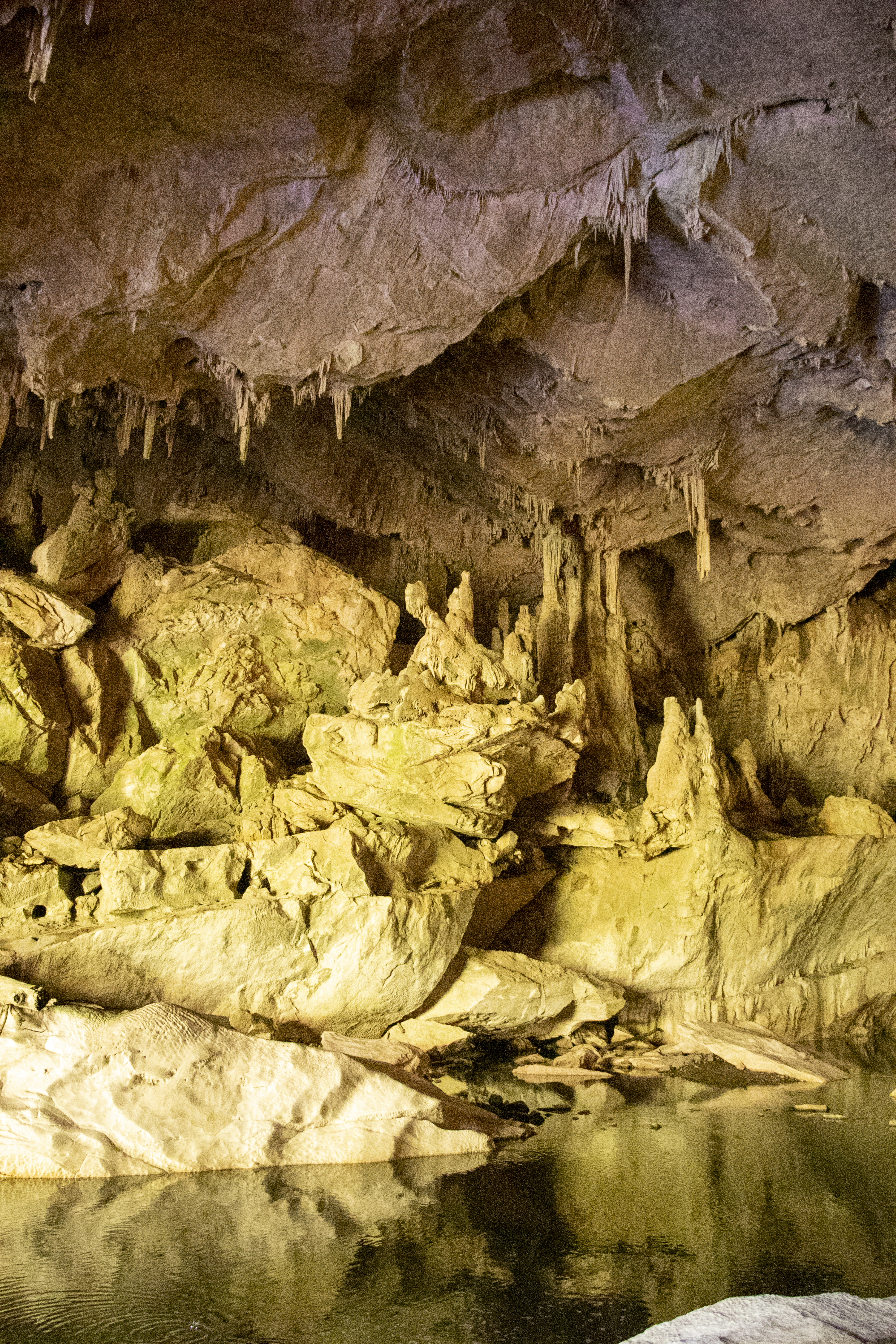
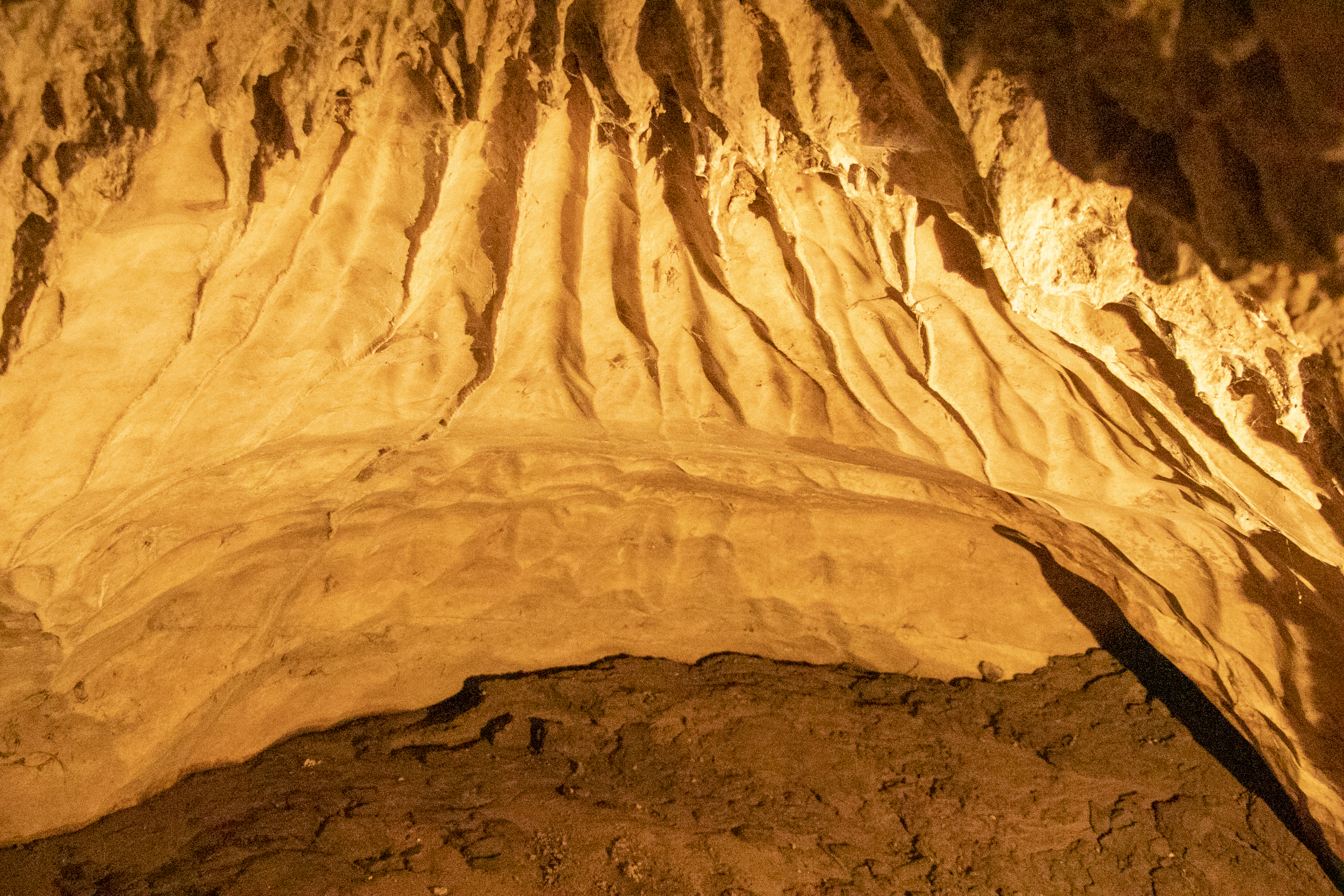
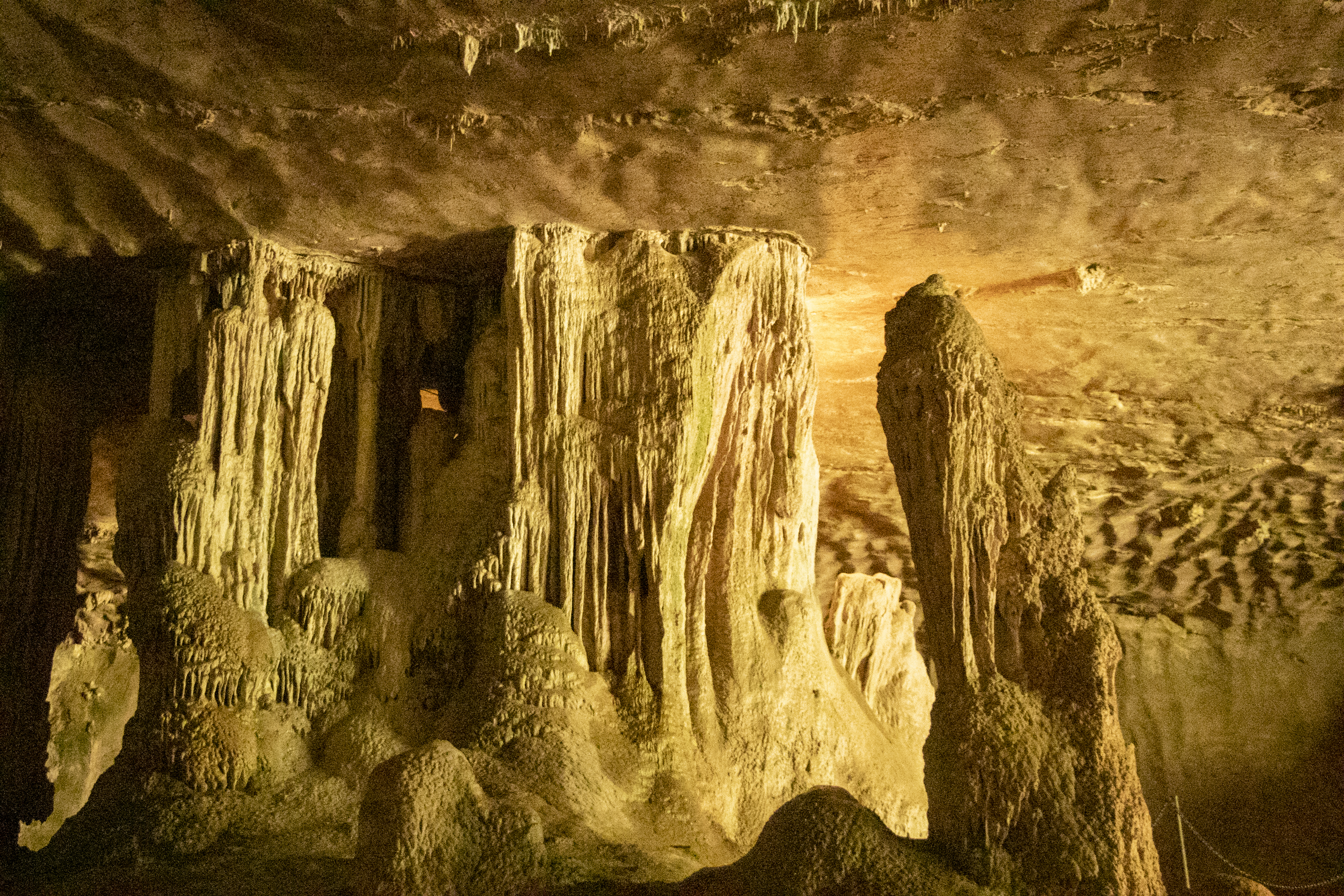
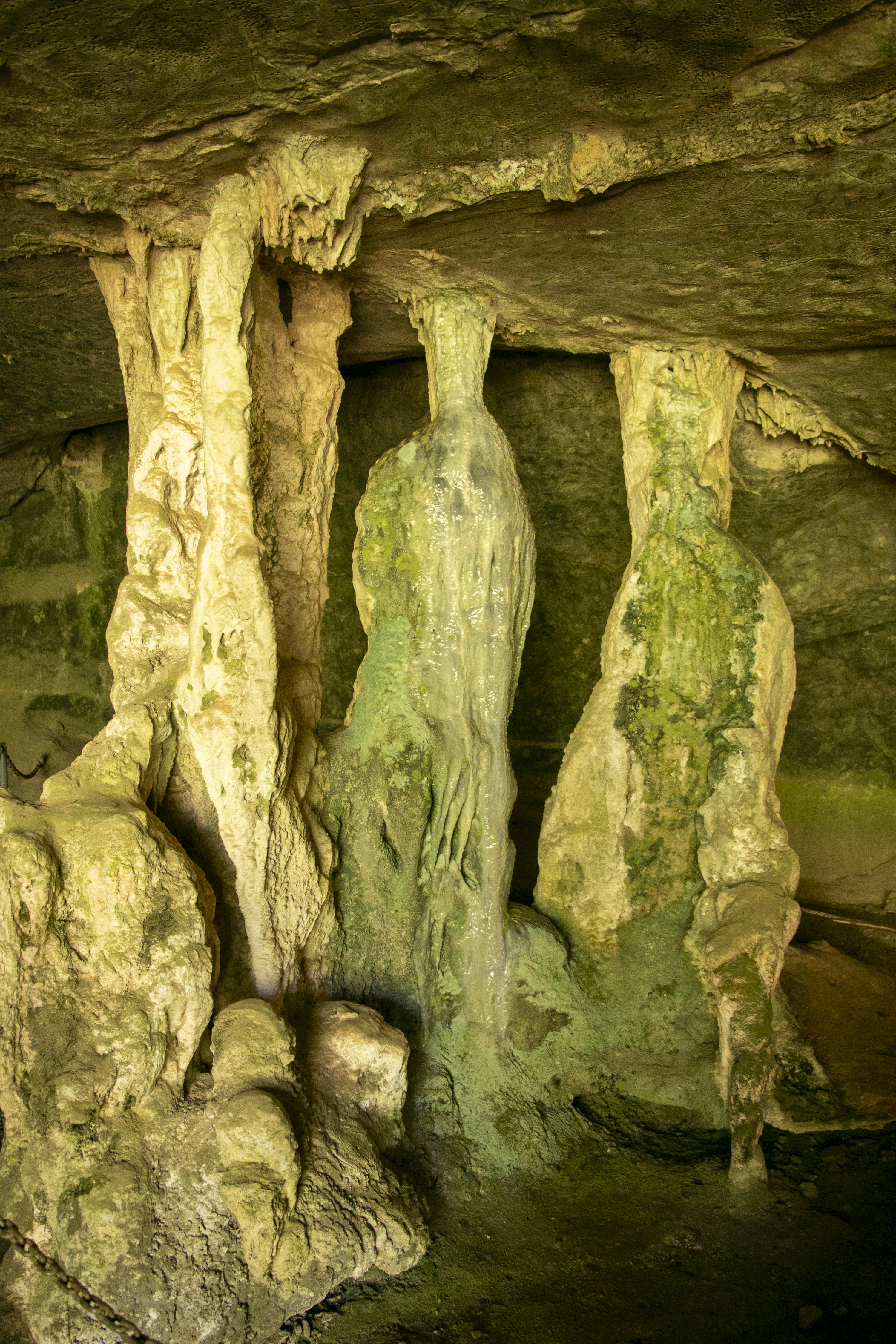
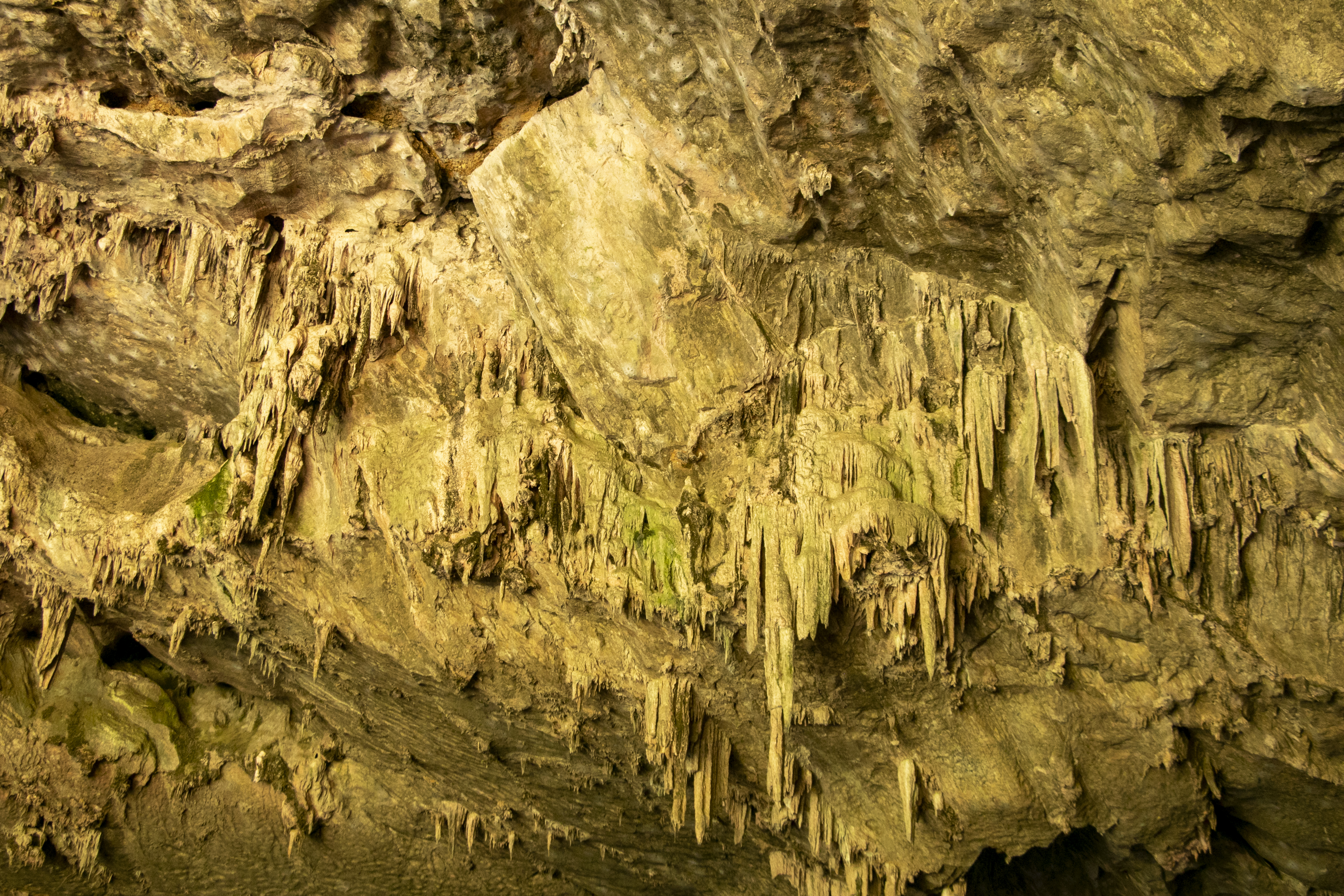
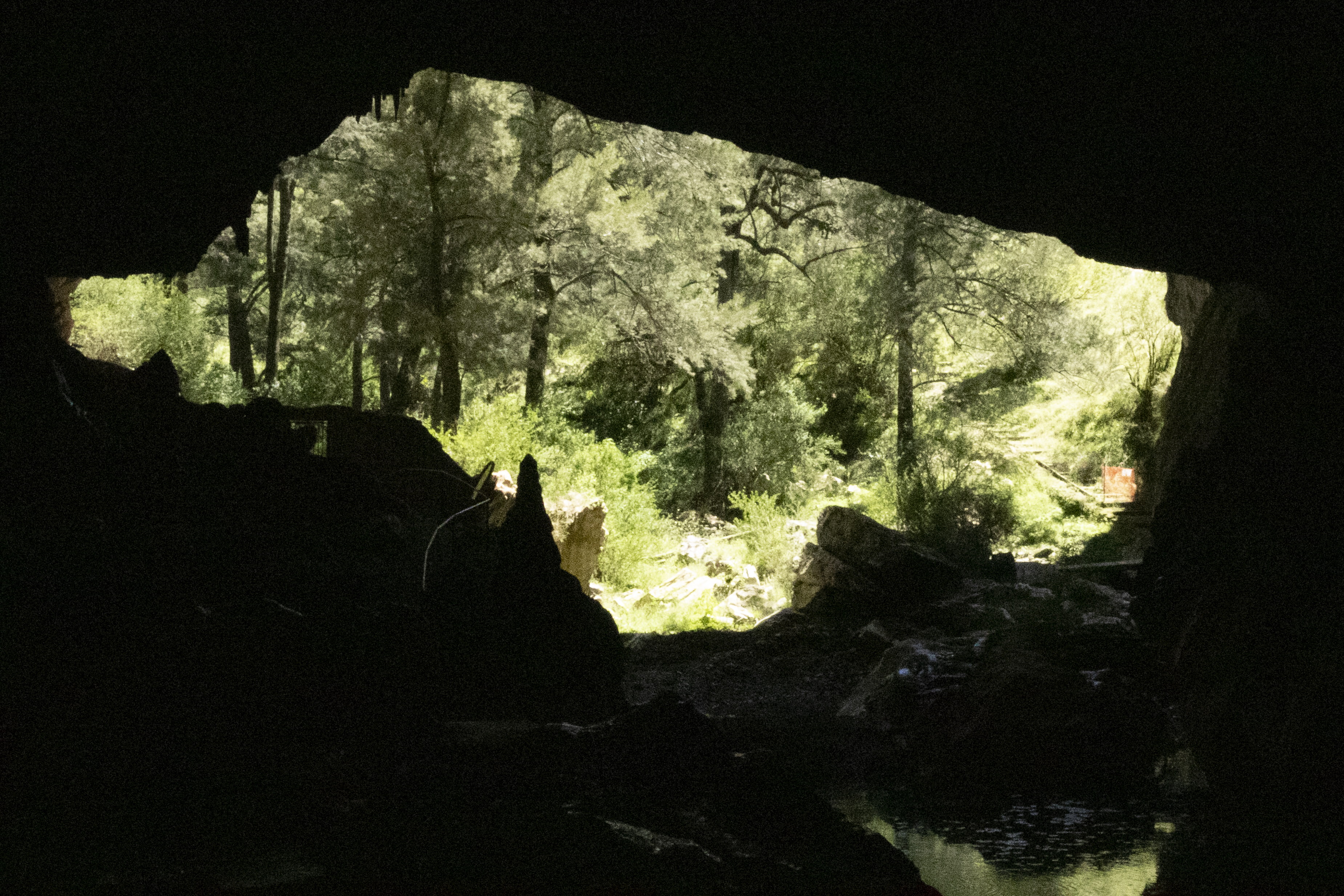
I haven’t posted about caves in a long time. Probably because I haven’t been to any in about 10 years. We’ll visit a less well-known one in this post – Abercrombie Cave.

Often outshone by the much more extensive Jenolan Caves or Wombeyan Caves, Abercrombie is tucked away in the western side of the Great Dividing Range, off the Bathurst to Crookwell Road. It’s just one cave, really, and a relatively short and straight-forward one, so it’s self-guided – the ranger let’s you in and then walks away! But because it’s so secluded, we got the cave all to ourselves for a whole 30 minutes!
Milthorpe

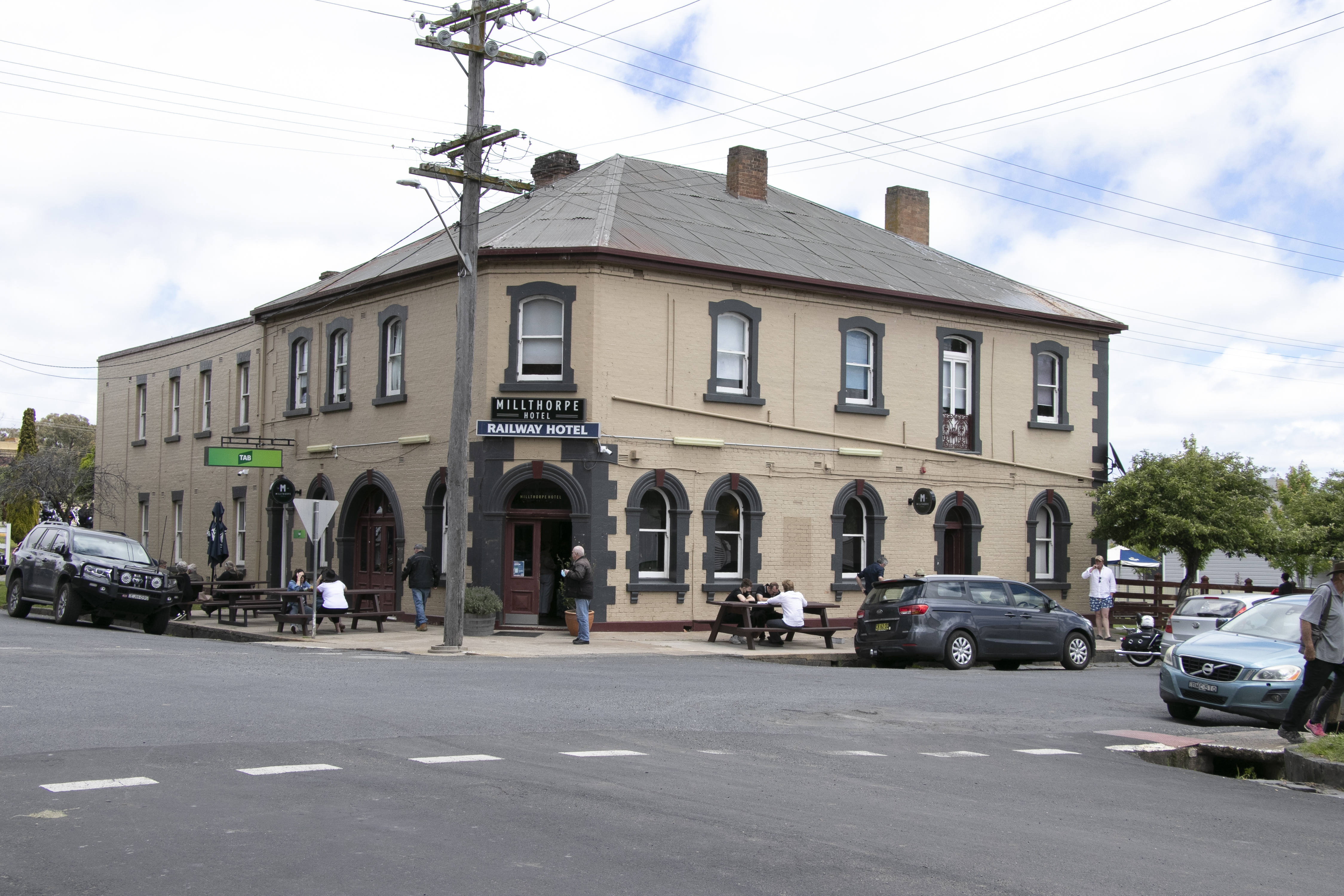
We’re continuing on our tour of NSW country towns. The next town we’re exploring is Milthorpe. It’s located on the other side of Bathurst to Hill End, 240km west of Sydney and 40km south-west of Bathurst. Unlike Hill End, it’s a very accessible town, located mid-way between the large towns of Bathurst and Orange. The land around it is generally flat, which attracted agriculture and grazing. It, like Hill End, is in the country of the Wiradjuri, whose lands extended from Mudgee, all the way across to Hay.

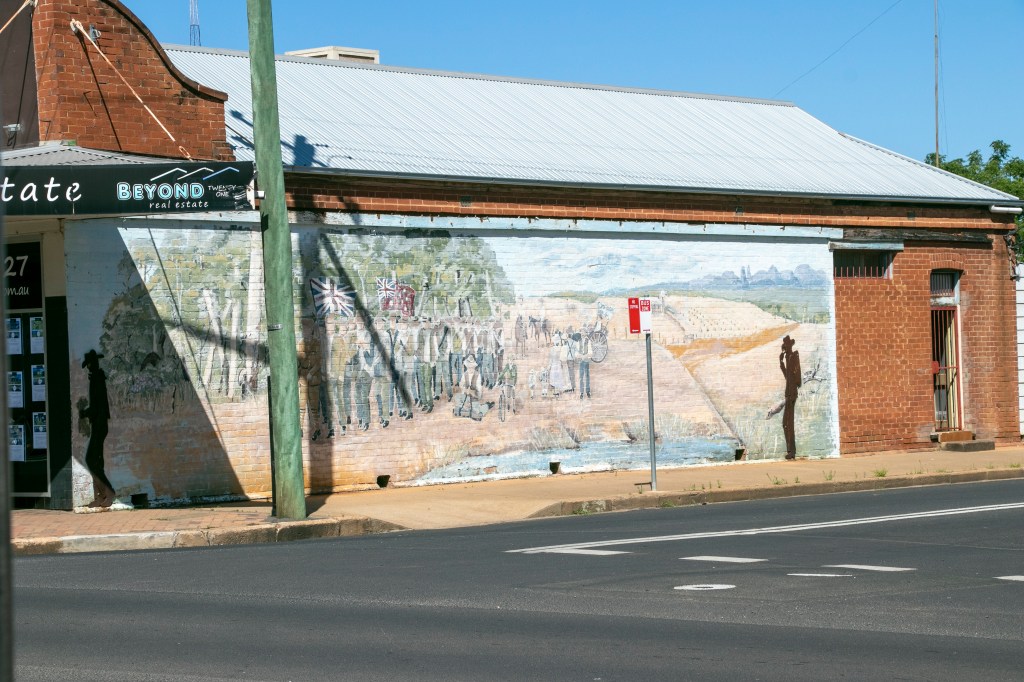
Milthorpe grew prosperous from agriculture and even has a railway station on the Western NSW line, with daily stops by the Dubbo-bound train. It is a busy tourist town of 1,300 people, and gets many visitors on weekends and school holidays. People love the living historical buildings, lovingly maintained. It’s also lucky that it’s now within the Orange wine region.

It might be a touristy town, but unlike towns of similar ilk closer to Sydney, I don’t think it is yet too well-loved.

Hill End – Part 4

We’ll round up our visit to Hill End firstly with the wildlife we encountered. We saw lots of Eastern Grey kangaroos at dawn and at dusk in the outskirts of town.

Hill End Village

And various local parrots feeding at the back of the pub all day, every day.

Hill End Village

They reminded me that Hill End is still a remote town, surrounded on all sides by forested hills, and quite a bit of wildlife (though nothing really human-eating, as in the North American Gold Rushes when those miners were faced with wolves, bears, coyotes etc.). Still, it would have been a bit of an effort to reach the town during the Gold Rush, when there were only rough tracks and no public transport. The miners and their families would have had to walk in from Sydney (a distance of over 250km nowadays, and might have been much longer in those days) with all of their possessions in tow.

On the outskirts of town, there were more remnants of the town’s mining past. These open tracts of land used to host miner’s campsites. Nowadays it hosts tourist campsites.

Hill End Village

And we passed an old miner’s shack, ironically named. Then again, it would have been one of the more luxurious modes of accommodation available, especially in the early days of the town when most people would have been sleeping under canvas.

Exploring Hill End

And from a nearby lookout, we could still see the scars on the hill-sides where the diggings were.

Exploring Hill End

During the Gold Rush, the valley would have been filled with the noise of miners and their machines working. Now, we heard only the sounds of nature.

Hill End – Part 3

The most delightful buildings for me in this little town are its little historical cottages. They come in different shapes and sizes, and some look as if it’s been little changed since the Gold Rush.

Hill End Village
Hill End Village
Hill End Village
Hill End Village
Hill End Village

As you can probably tell, they’re pretty well maintained and some are even lived in. Although I suppose if you’re a resident you’d have to tolerate tourists like me taking snapshots of (potentially) your washing.

Hill End – Part 2

Given that Hill End was home to 8,000 people at its height, there are quite a few buildings of note. They are a good representation of 19th Century Australian country architecture. Many are no longer in use, and the two that are, are predictably, the pub…

Hill End Village

And the general store/cafe.

Hill End Village

They both seem to do a good trade catering to the needs of the locals and visitors.

Around the village was a full complement of traditional churches that seemed to still be in operation as well.

Hill End Village

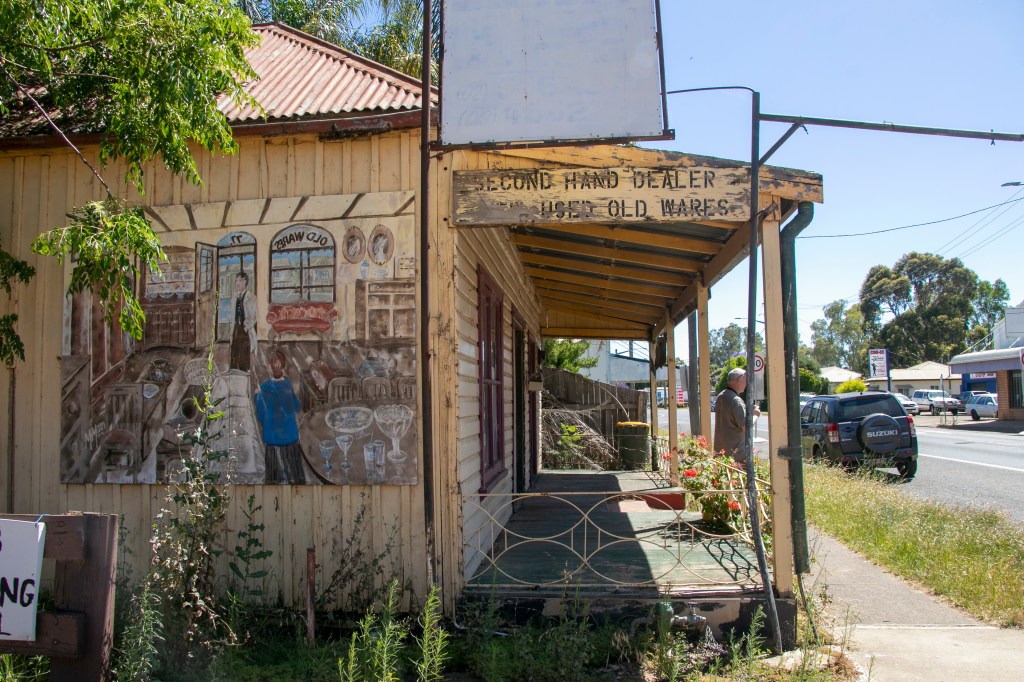
But there were also a lot of buildings that seemed to have been commercial premises at some stage of their lives but are now either empty or used for residential purposes. I wonder what they were all used for?