Category Archives: Uncategorized

On the Way to Cape Point – Part 3

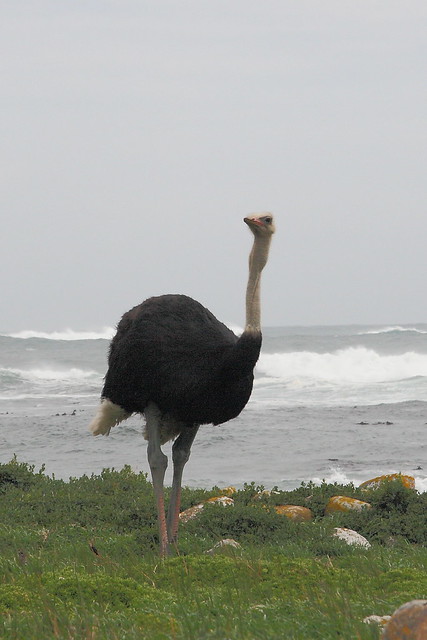
There were a few more animal diversions on the way to Cape Point. Ostriches were common-place in the park. We saw this guy by the roadside.

Ostrich

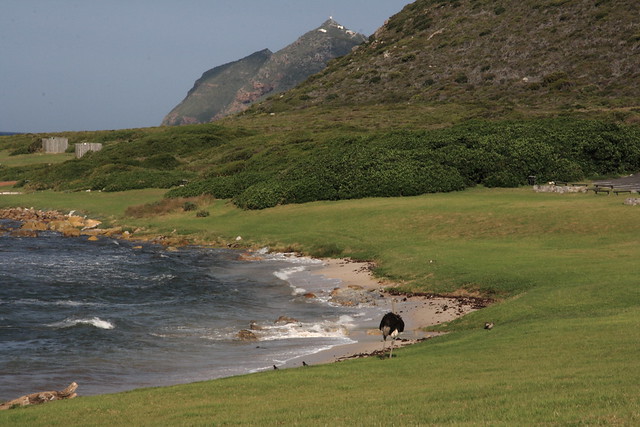
And this guy was in a very beautiful picnic spot. In the distance, you can also see the lighthouse on Cape Point, our destination.

Ostrich

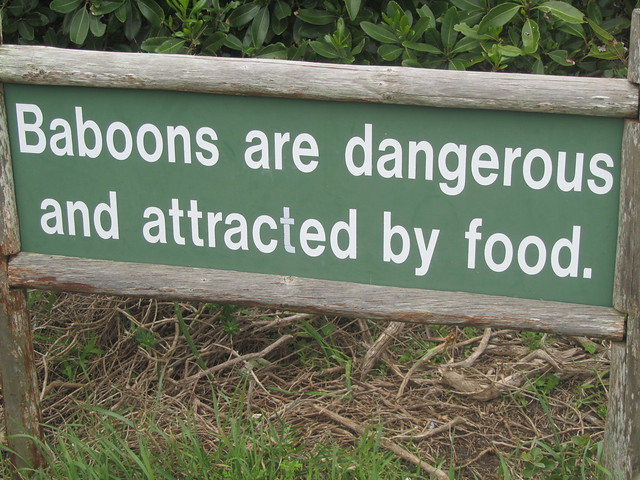
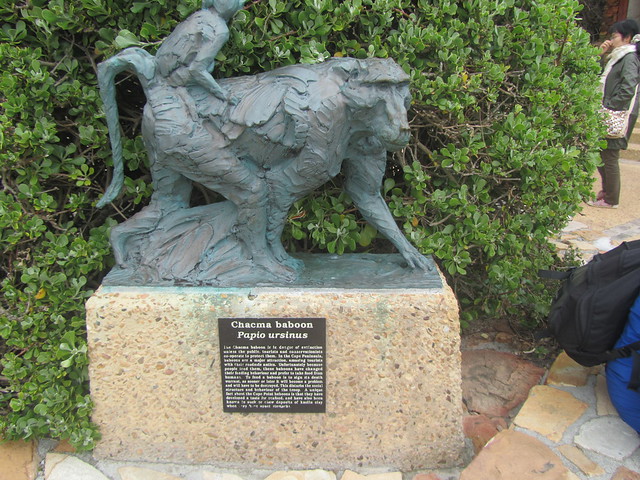
At Cape Point itself, there were many reminders of baboons, although none were actually in sight that day.

Baboon//embedr.flickr.com/assets/client-code.js

Baboon

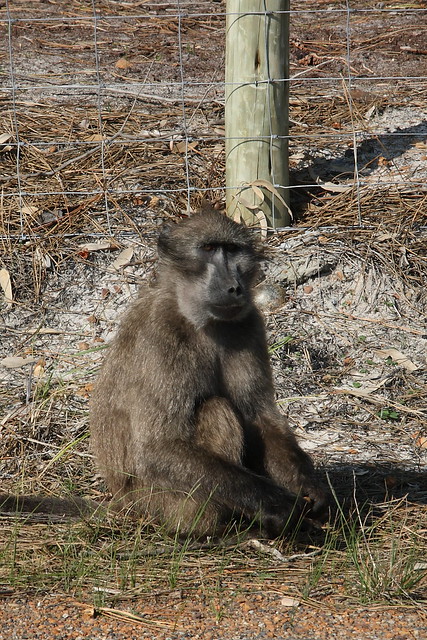
However, we saw this guy (lady?) by the roadside and stayed well-clear.

Baboon

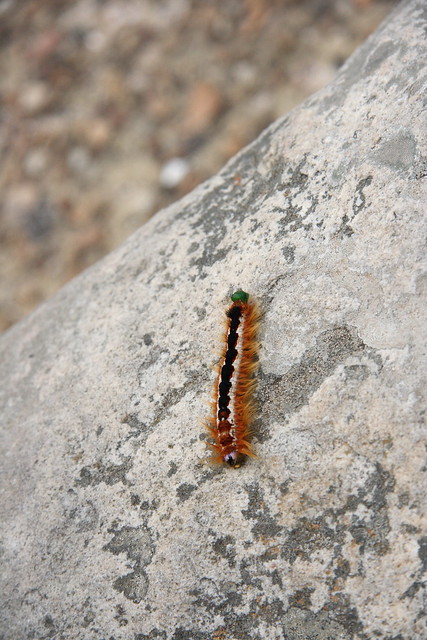
And from big things to small – this hungry caterpillar was looking for its next meal, but none in sight on this rock.

Hungry caterpillar

On the Way to Cape Point – Part 2

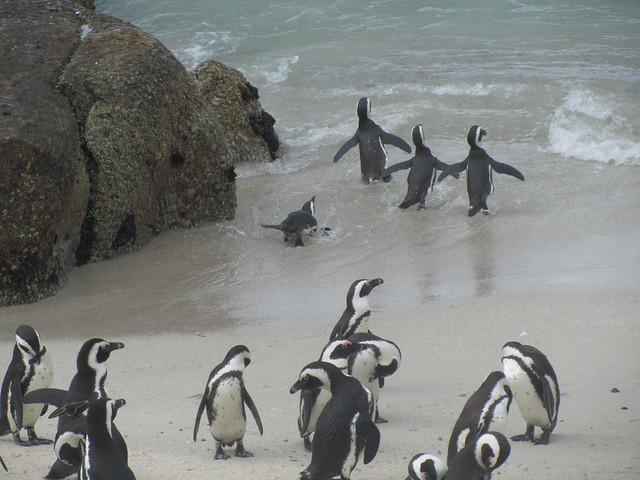
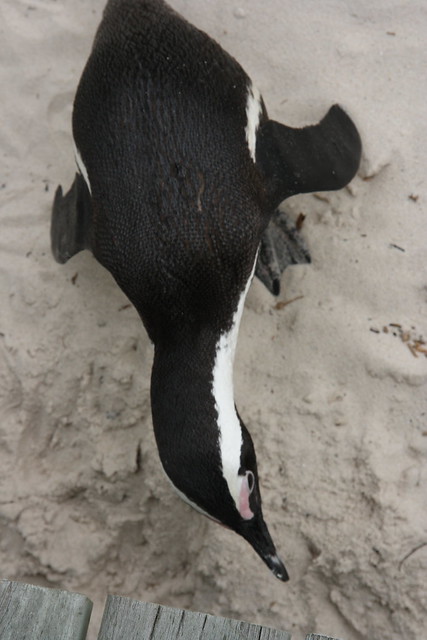
At Simon’s Town, on the Indian Ocean side of the Cape Peninsula and 27km south-east of Hout Bay, we visited some more animal attractions – penguins!

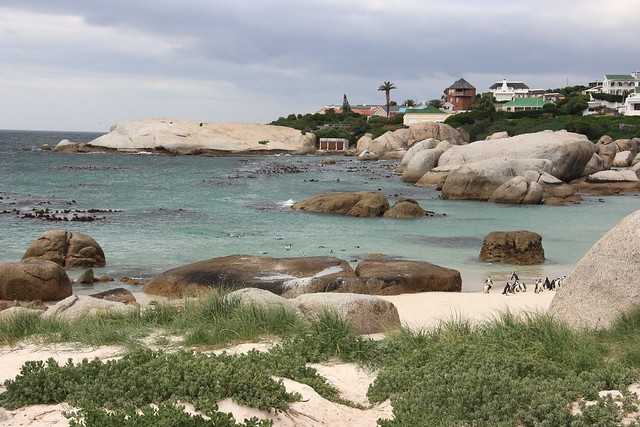
African penguins

African penguins

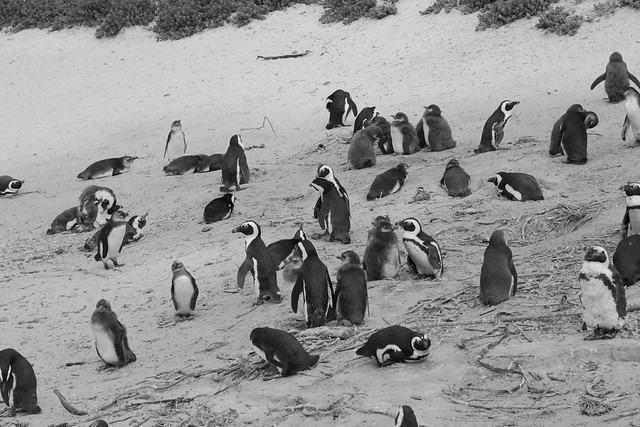
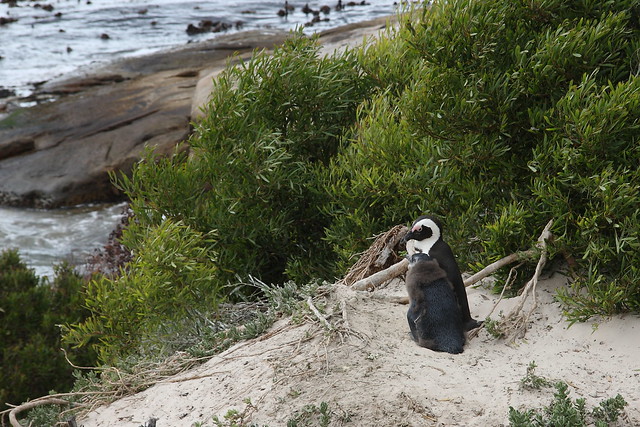
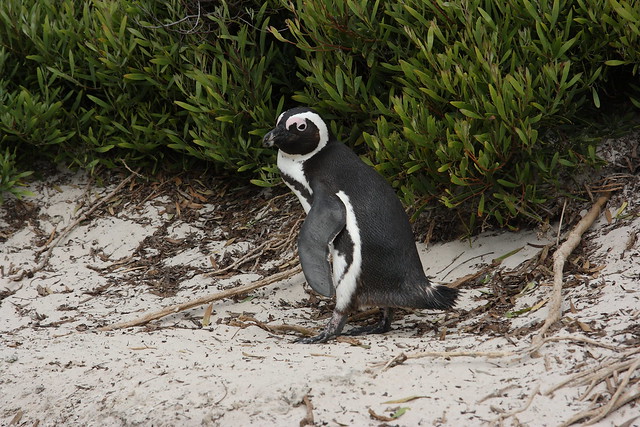
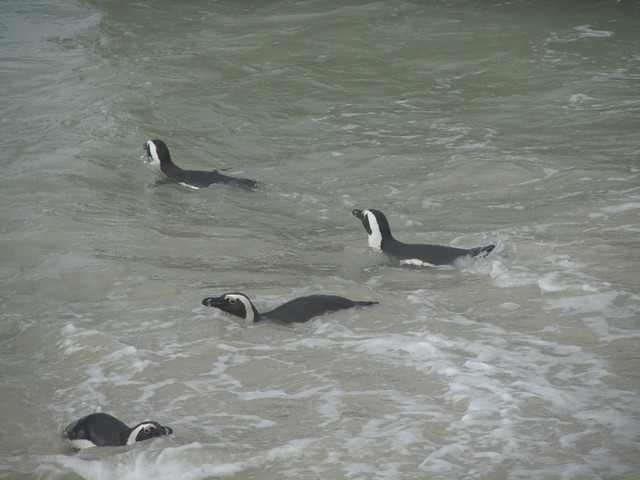
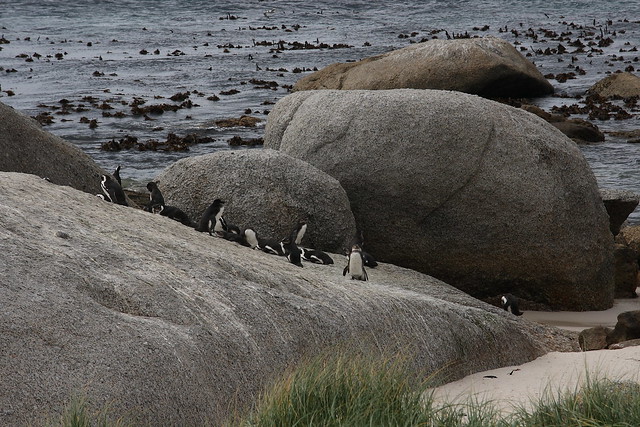
These African penguins live on Boulders Beach in the midst of a residential area as you can see. They’re a bit larger than fairy penguins, which are common to South East Australia. And unlike fairy penguins who generally come onshore only at dusk, these penguins were conveniently onshore all day.

African penguins

African penguins

They’re pretty happy to be amongst humans, and having access to a great food source that is the Indian Ocean, they’re so happy that the colony has grown from 4 penguins in 1982 to 3,000! Consequently, a reserve was created for them and now it’s a very established tourist attraction.

African penguins

African penguins

They’re very funny to observe, waddling, swimming, playing, fighting, grooming.

African penguins

African penguins

African penguins

I could watch them all day, but we had other things to do and to see, so I had to say goodbye.

African penguins

On the Way to Cape Point – Part 1

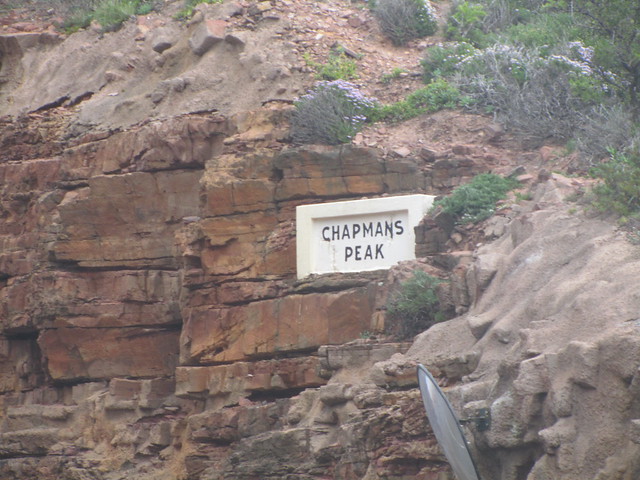
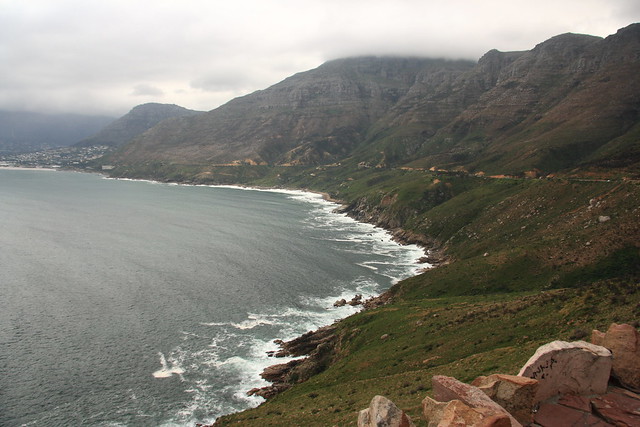
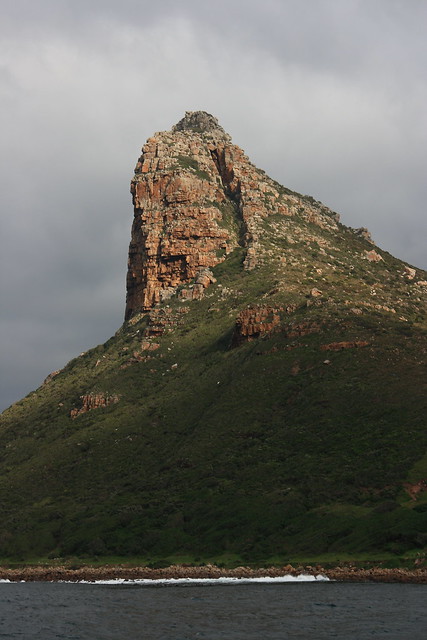
We leave Hout Bay via Chapmans Peak Drive and continued our journey to Cape Point.

Chapmans Peak Drive

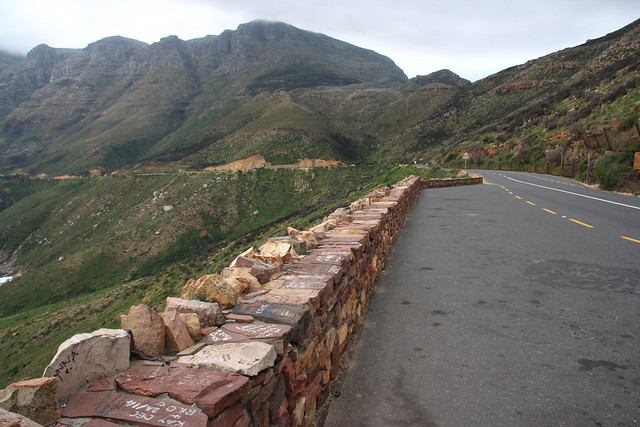
This two-laned road hugs the mountain-side and hence was spectacular, if a little freaky, what with convoys of tour buses going along it.

Chapmans Peak Drive

The pass road was hacked out by hand in the early 20th Century, and was regarded as a feat of engineering at the time.

Chapmans Peak Drive

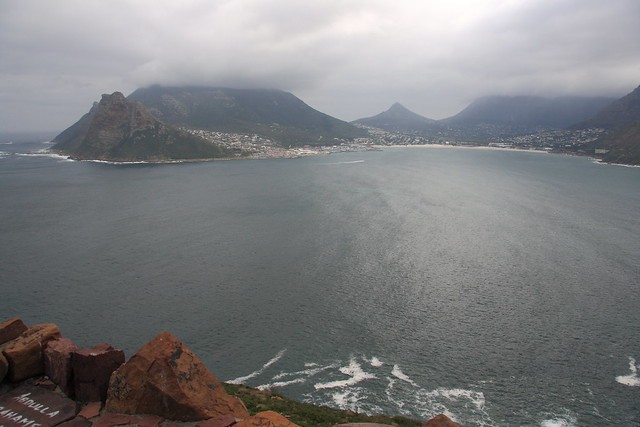
Half-way through we could look back across Hout Bay to the town.

Chapmans Peak Drive

There’s still a long way to go to Cape Point though. Next, more animal attractions.

Seal viewing at Hout Bay – Part 3

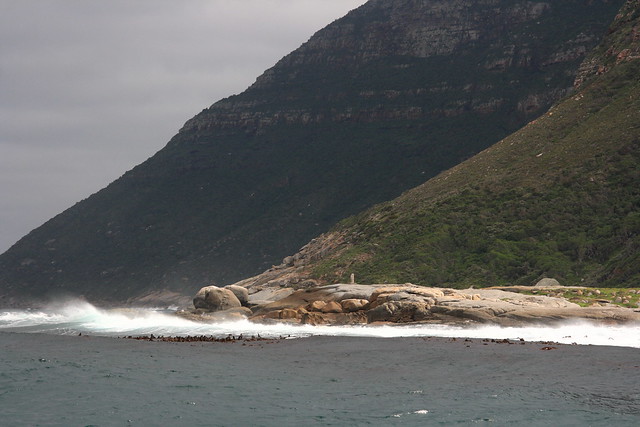
After braving a few waves, the rocky outcrop that was Duiker Island came into sight.

Seal cruise

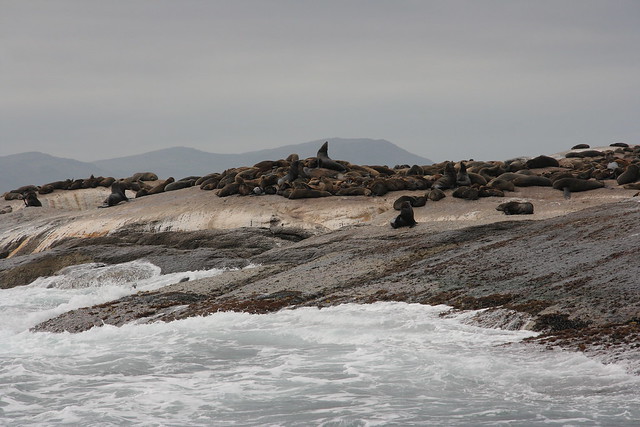
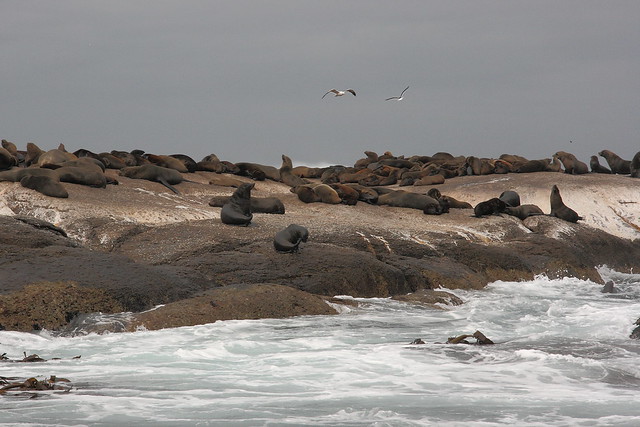
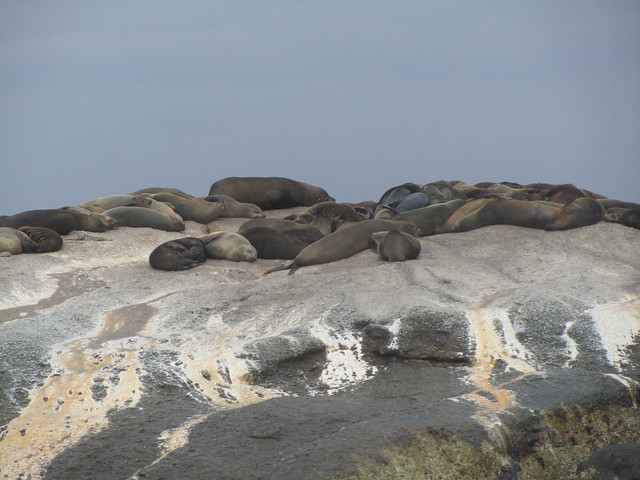
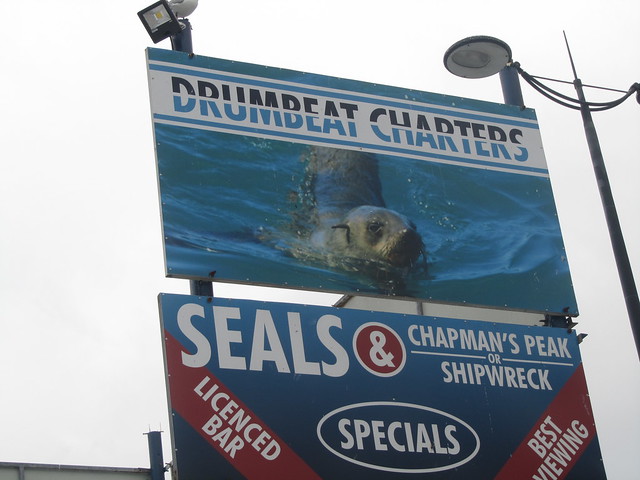
And on it were hundreds of mostly male Cape fur seals. They are closely related to the Australian fur seals found in Victoria and Tasmania.

Seal cruise

Seal cruise

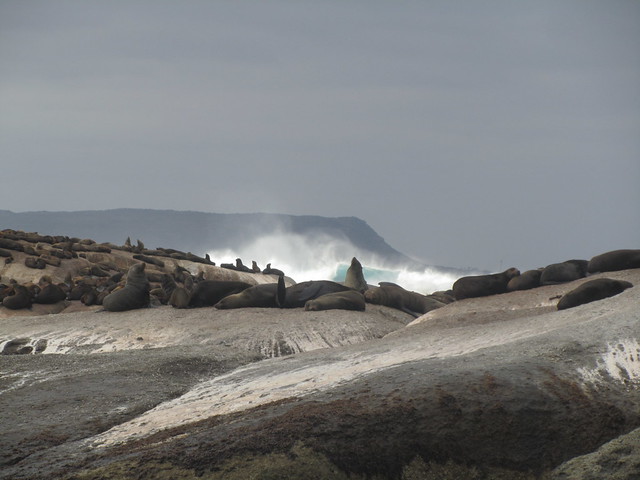
What a slothful bunch they were. We saw some frolicking in the water, but most were having their extended nap, away from the sights of the great white shark, whose waters they inhabit.

Seal cruise

They certainly weren’t too perturbed by the gale force winds, swell and rain, that was for sure. What a life.

Seal cruise

After taking a few shots, it was time to brave the Atlantic once more.

Seal cruise

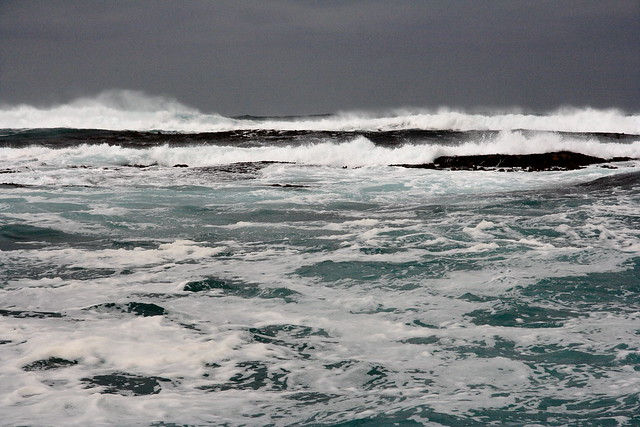
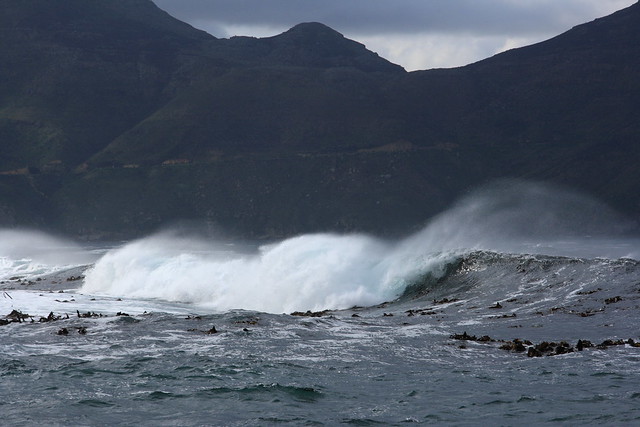
Look at those ominous waves. They’ll never make a sailor out of me!

Seal viewing at Hout Bay – Part 2

Our mission was to view the fur seals at Duiker Island, a rocky outcrop just beyond Hout Bay.

Seal Cruise

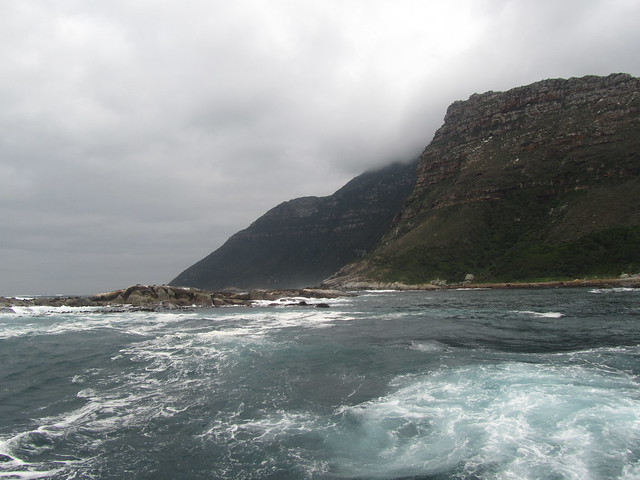
But first we had to round the headland and head out into the wild Atlantic Ocean.

Seal Cruise

Seal Cruise

The swell was probably only moderate, but that was rather enough for me as I’m not much of a sea dog. However I do admit that having the wind through my hair and watching the waves roll in was an exhilarating experience.

Seal Cruise

Seal Cruise

Seal viewing at Hout Bay – Part 1

The most popular day trip from Cape Town is probably the drive down to Cape Point, about 60km south of the city. It goes along spectacular drives to coastal suburbs and villages, and then finally through the Cape Point National Park to wild capes.

Our first stop of the day was in the fishing town of Hout Bay. Originally it was the source of Cape Town’s timber – not much of the forest is still in existence, as you can see.

Seal Cruise

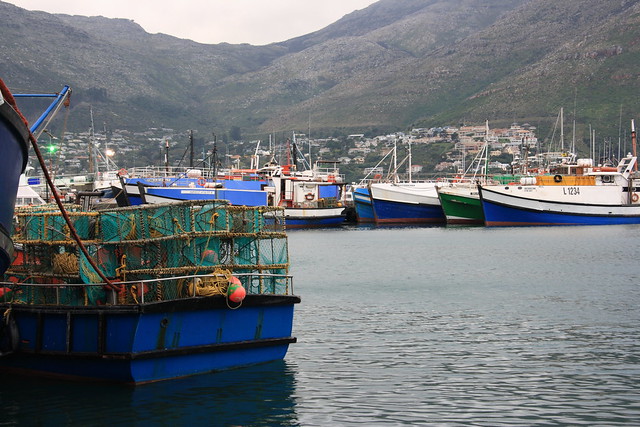
Its natural harbour made it a perfect place for a fishing port. It still maintains a fishing fleet today, although much of the catch seemed to be for export.

Seal Cruise

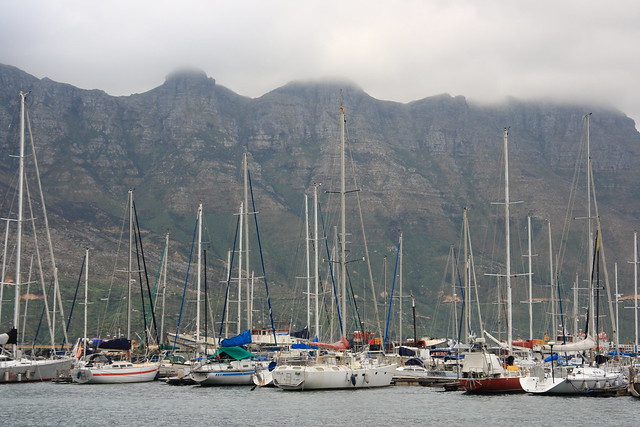
Nowadays, the holiday-makers, sea-changers and recreational sailors have also moved in.

Seal Cruise

Next, we’ll go on the water.

On the Wine Route – Part 2

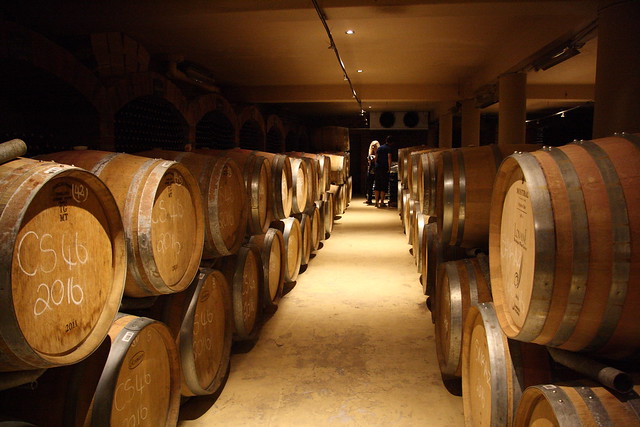
We ended up visiting five wineries that day, and sampled a lot of wines, including sparkling and sweet wines!

Wine Flies Wine Tour

South Africa doesn’t just make good whites like chennin blanc, sauvignon blanc and chardonnay, but also great reds like cabernet sauvignon, shiraz, and its own variety which I grew found of, pinotage.

Wine Flies Wine Tour

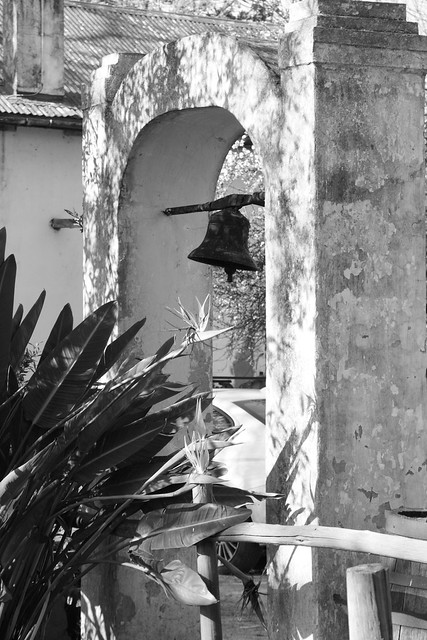
And the wineries I visited weren’t only of the fashionable kind, but also a few that were rough and ready. This one had tasting in a dusty Dutch-style barn, but the shiraz I tasted were very fine indeed.

Wine Flies Wine Tour

On the Wine Route – Part 1

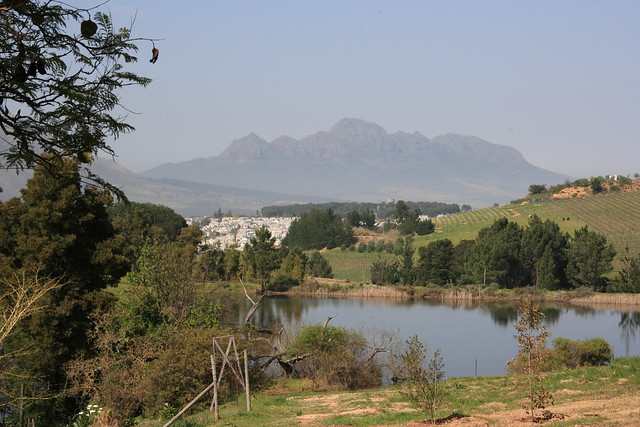
One of the great things about Cape Town is that it’s blessed with a number of wine regions within a 100km radius, making wine tasting day trip a very attractive and relaxing option. I took a day tour to the wineries around Stellenbosch, just 50km away from the centre of Cape Town. With the jagged mountain ranges in the background, the wineries of the region were often in very scenic locations.

Wine Flies Wine Tour

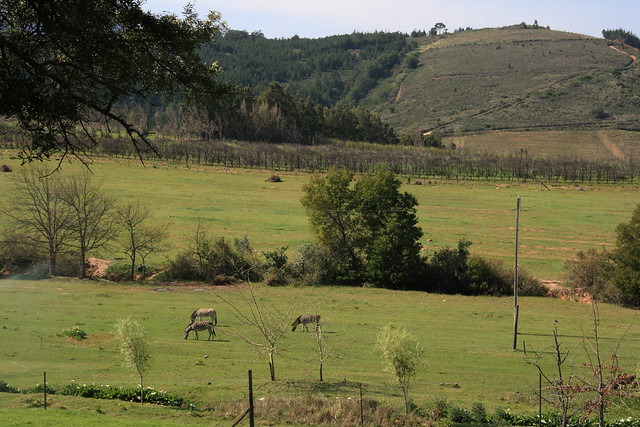
And with interesting side attractions – like zebras.

Wine Flies Wine Tour

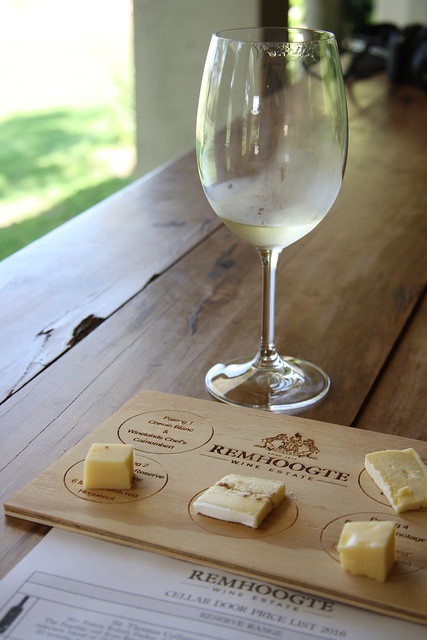
But I was also there to taste a bit of wine. The wine styles were generally more restrained than in Australasia, making it very nice with a bit of French-style cheese.

Wine Flies Wine Tour

Cape Town – Part 5

One of the most colourful neighbourhoods in Cape Town is Bo-Kaap. It has traditionally been the home of the Cape Malays – descendants of slaves and traders originating from the East Indies (now Indonesia). The oldest house in the area was built in 1760s but the community has its origins all the way back in the mid 17th Century.
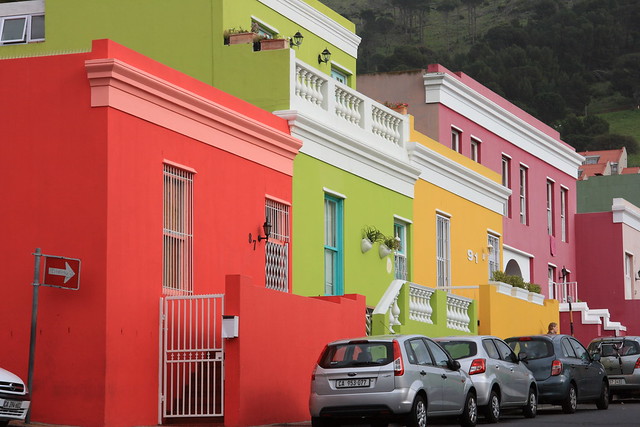
Bo-Kaap

Most were (and still are) Muslim, hence the high concentration of mosques on the block. Despite this, there did not seem to be much tension based on religion. Talking to locals and going by the nightly news, South Africans are much more concerned about the state of their government than differences in religion.
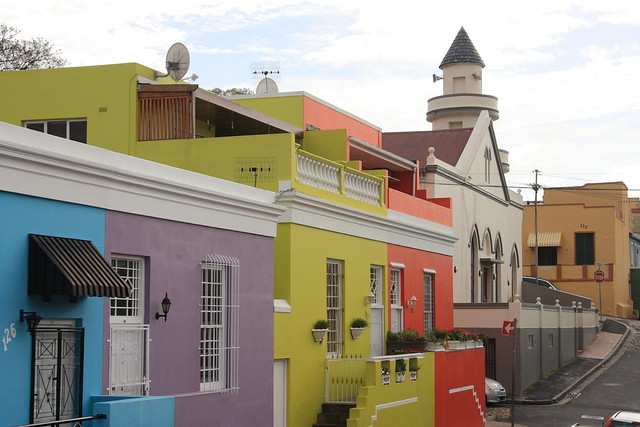
Bo-Kaap

The Cape Malays brought with them their culture and food – so much so in Cape Town that today many South African national dishes are quite heavily spiced, and popular with all South Africans, regardless of race. I sampled some of the food while in town, and generally liked what I ate, I must say that they are very different to any Indonesian/Malaysian/Indian or Malaysian dishes that I know. And yes, the samosas (or samoosas as the South Africans call them) are good.
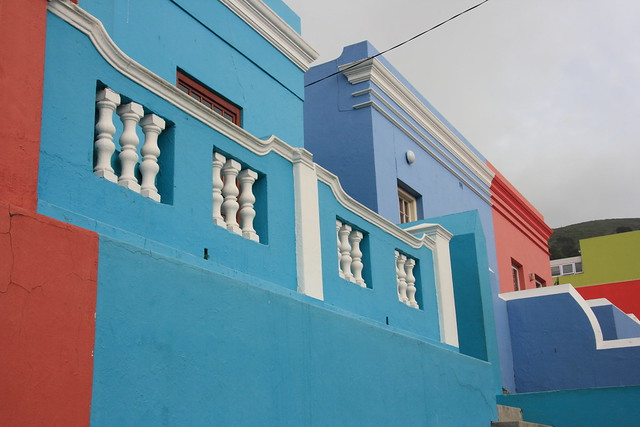
Bo-Kaap

Nowadays, South Africa is a country of immigrants, especially from other parts of Africa. One community represented are the Ethiopians.
Addis in Cape

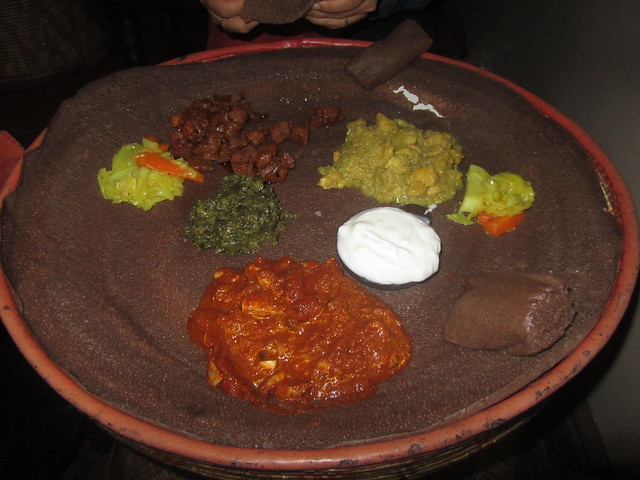
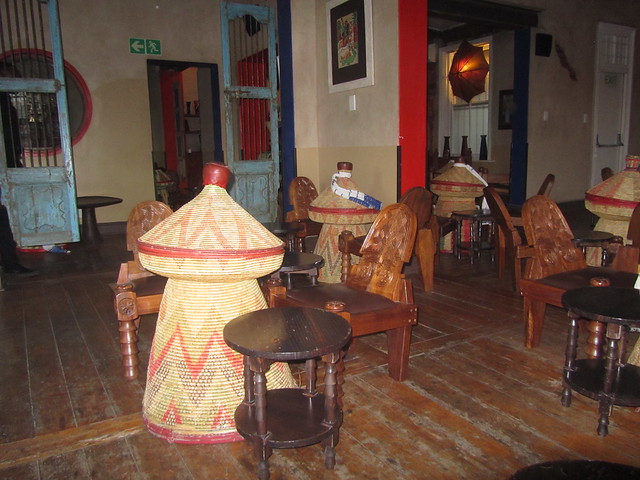
We had a taste of Ethiopian food one night. It’s certainly a different way of eating!
Addis in Cape

Addis in Cape

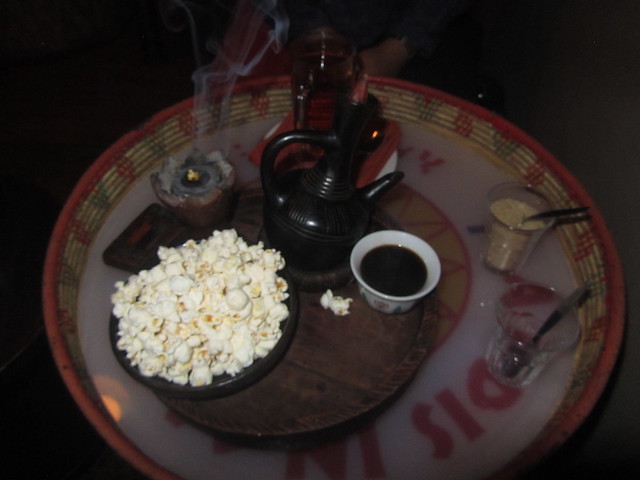
The spicing is rather unique, I thought – they seem to use quite a bit of cardamon in their savoury food. Their way of taking coffee was also unique. I’ve never heard of popcorn as an accompaniment!

Addis in Cape