Tag Archives: central nsw

On My Way Home – Canola Trail

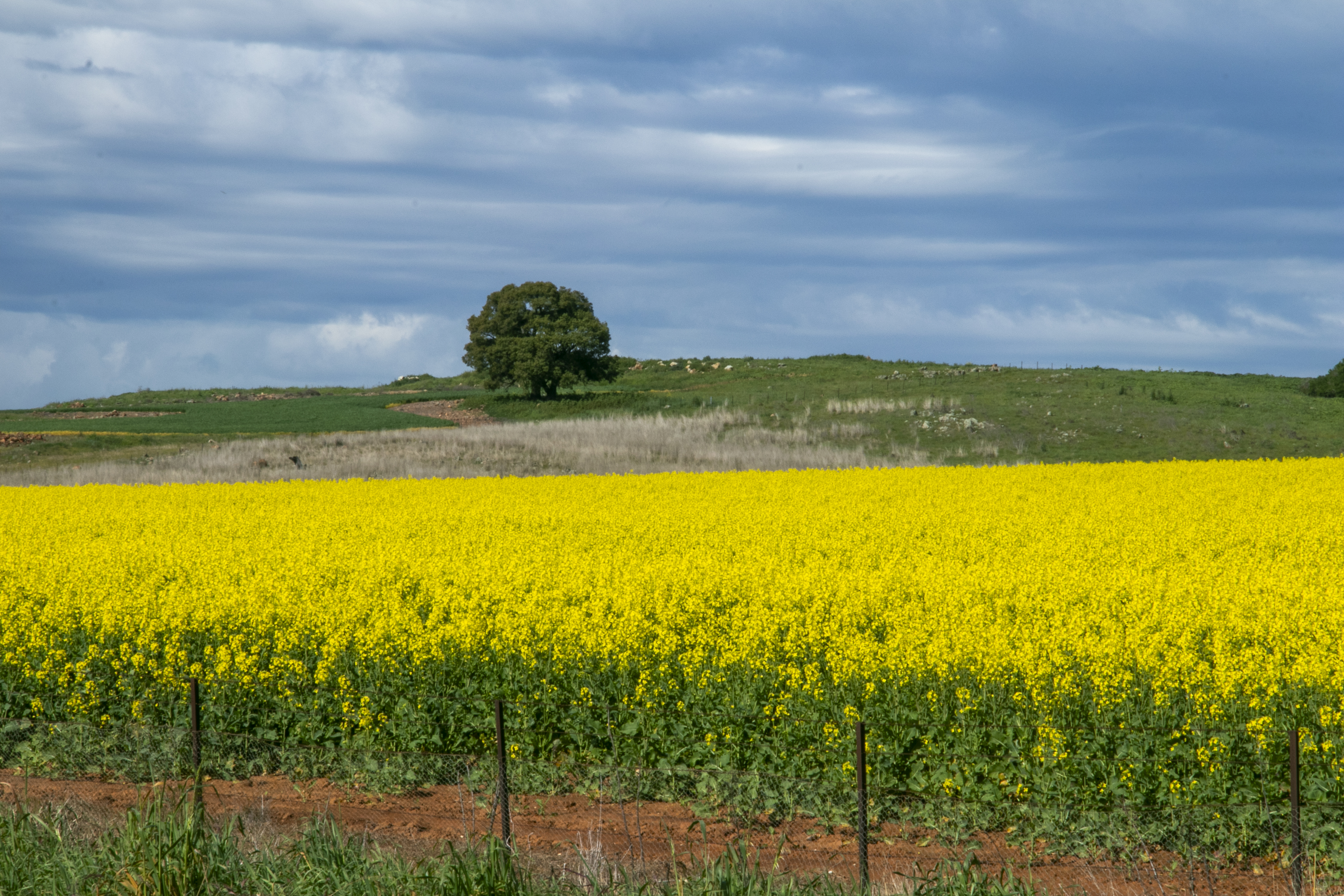
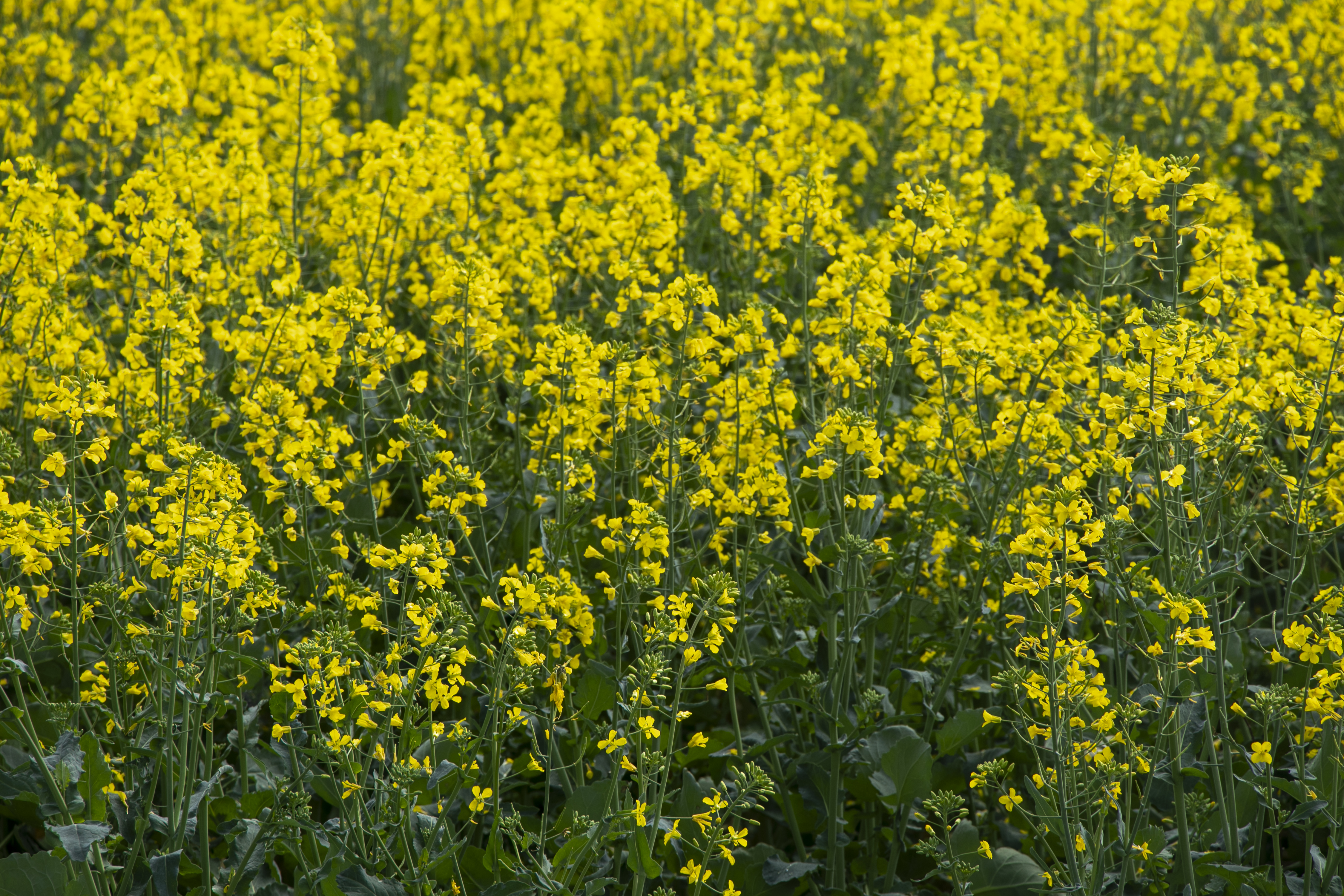
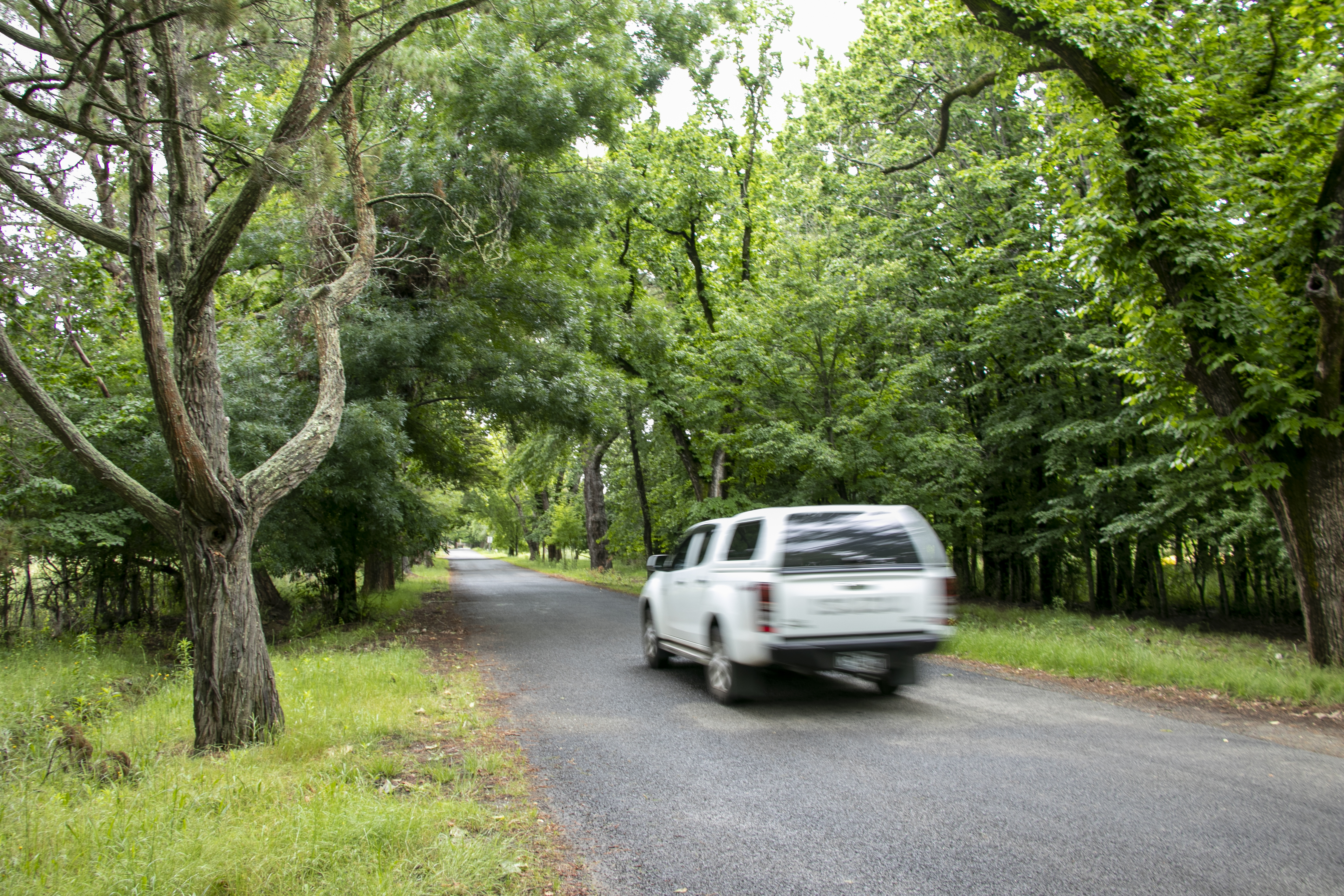
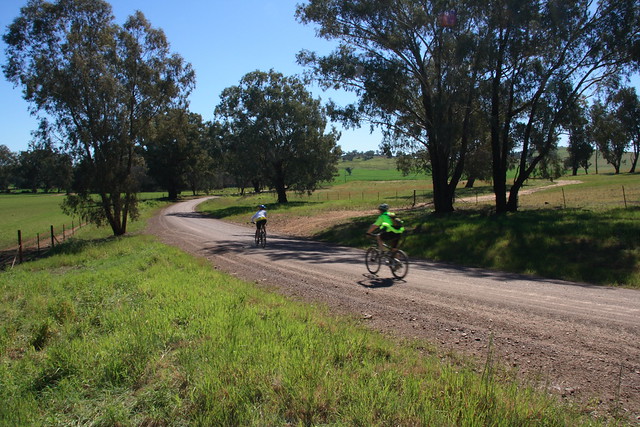
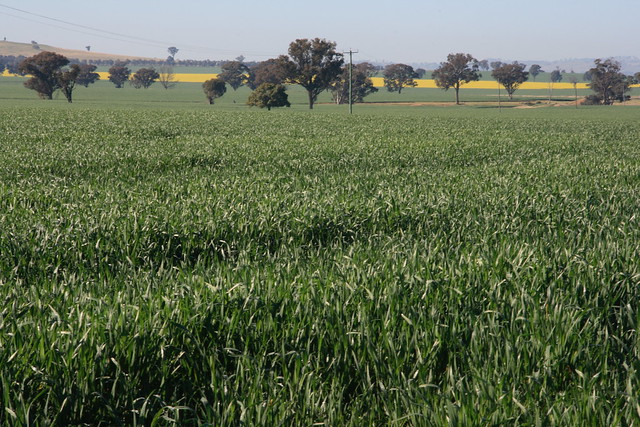
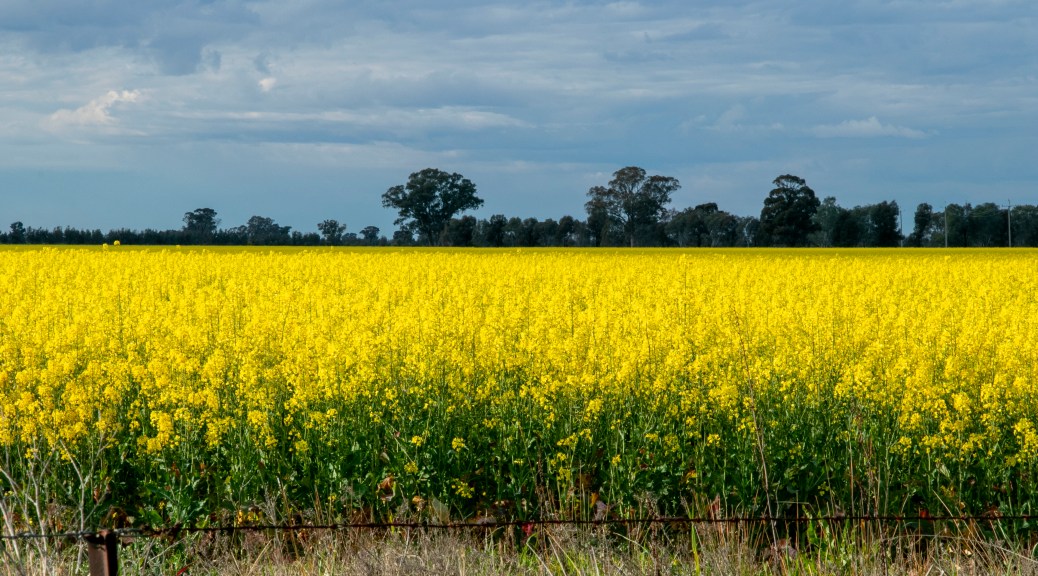
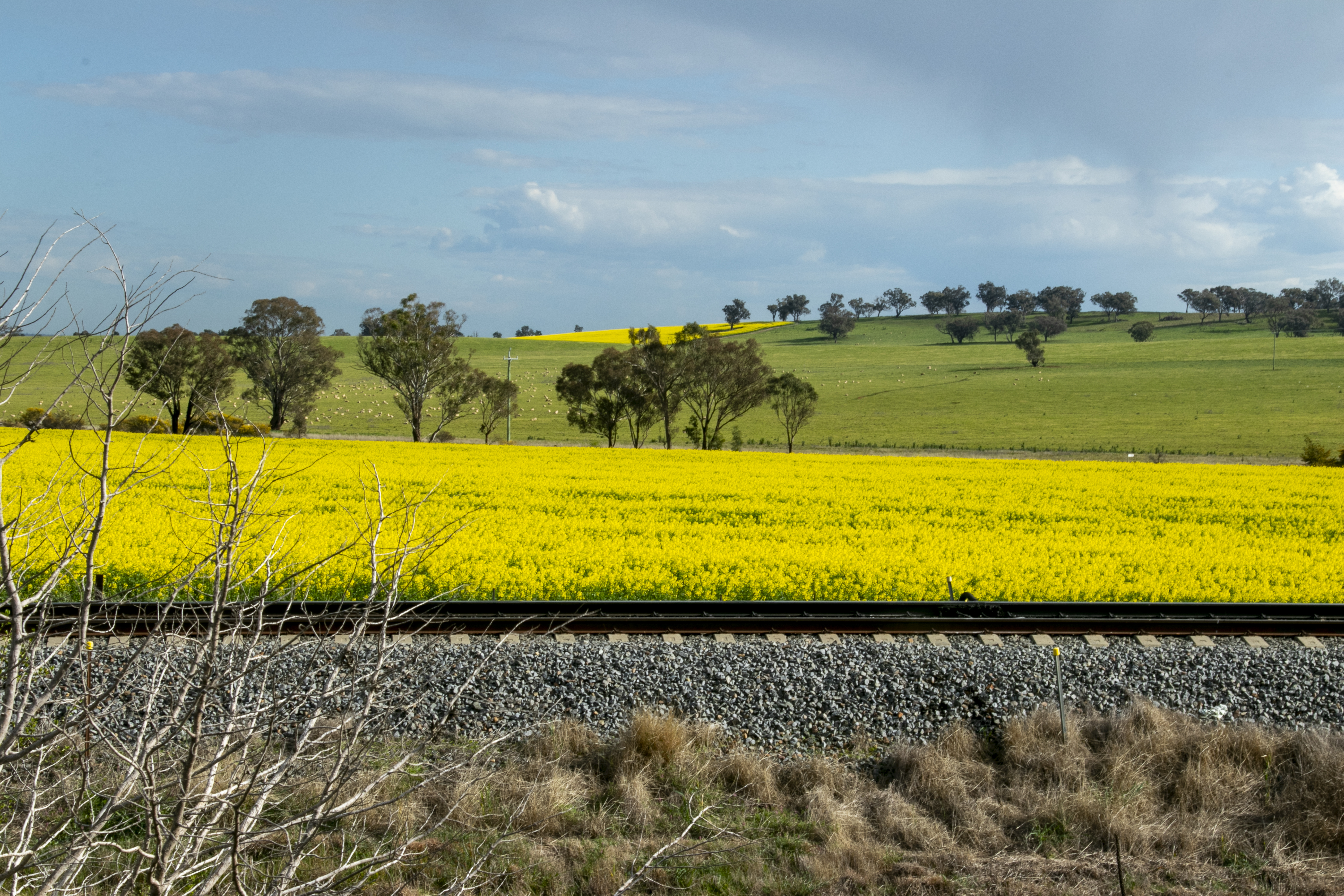
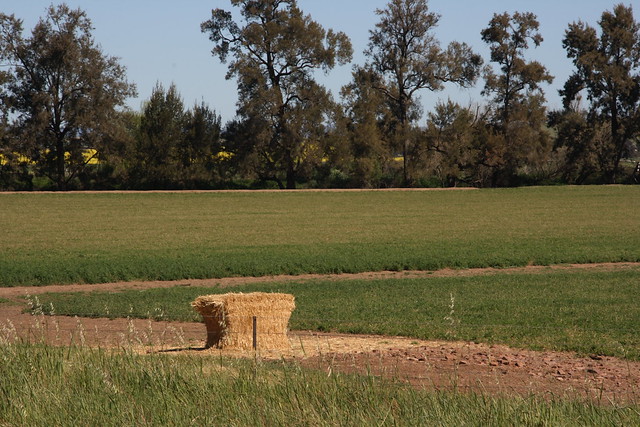
Our last stretch towards home on our Winter 2023 adventure involved driving down the stretch from Narrandera to the Hume Highway. This involved driving on the many quiet country roads that made up the Canola Trail. This is a triangle between the towns of Temora, Coolamon and Junee where the crop canola is grown (to be made into oil).

Canola Way

The crop blooms at the end of winter, and fields suddenly go from lush green to fluoro yellow! Who knew that your humble deep fry oil had such picturesque beginnings?

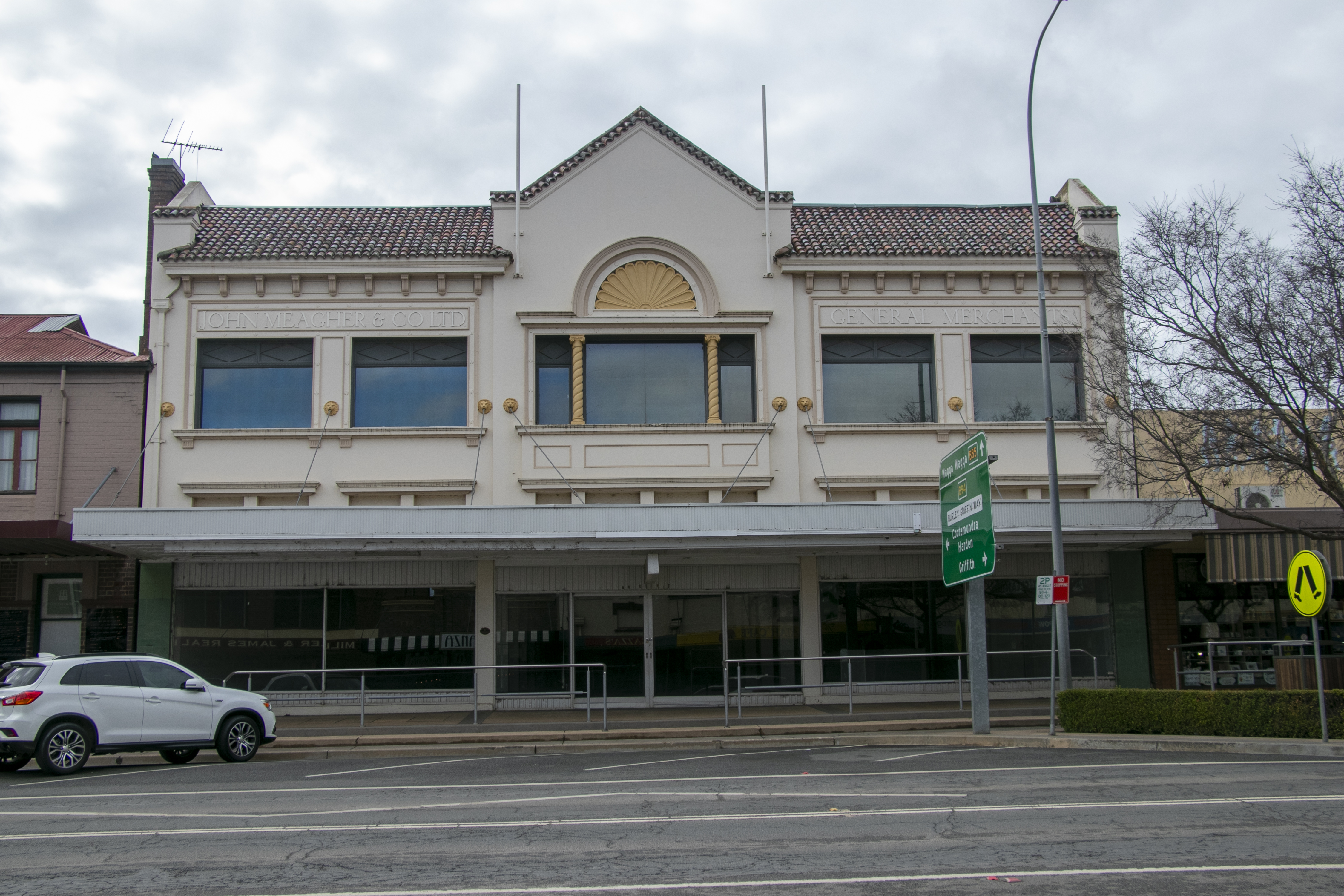
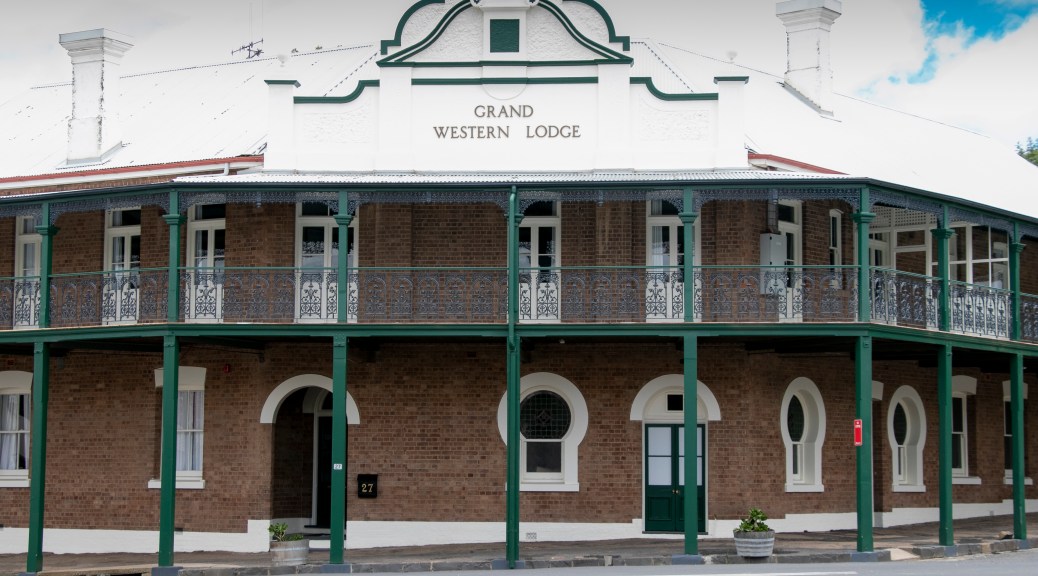
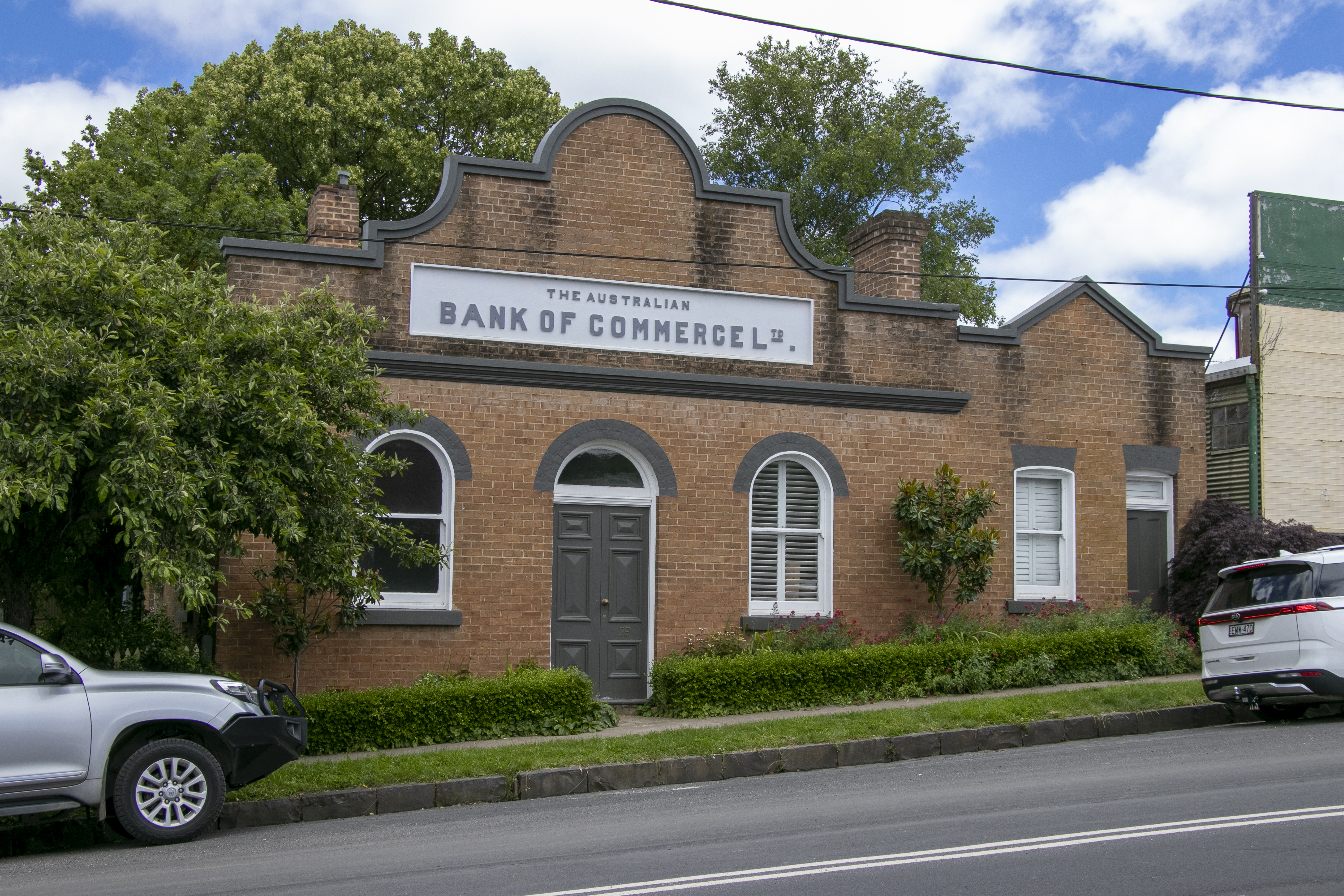
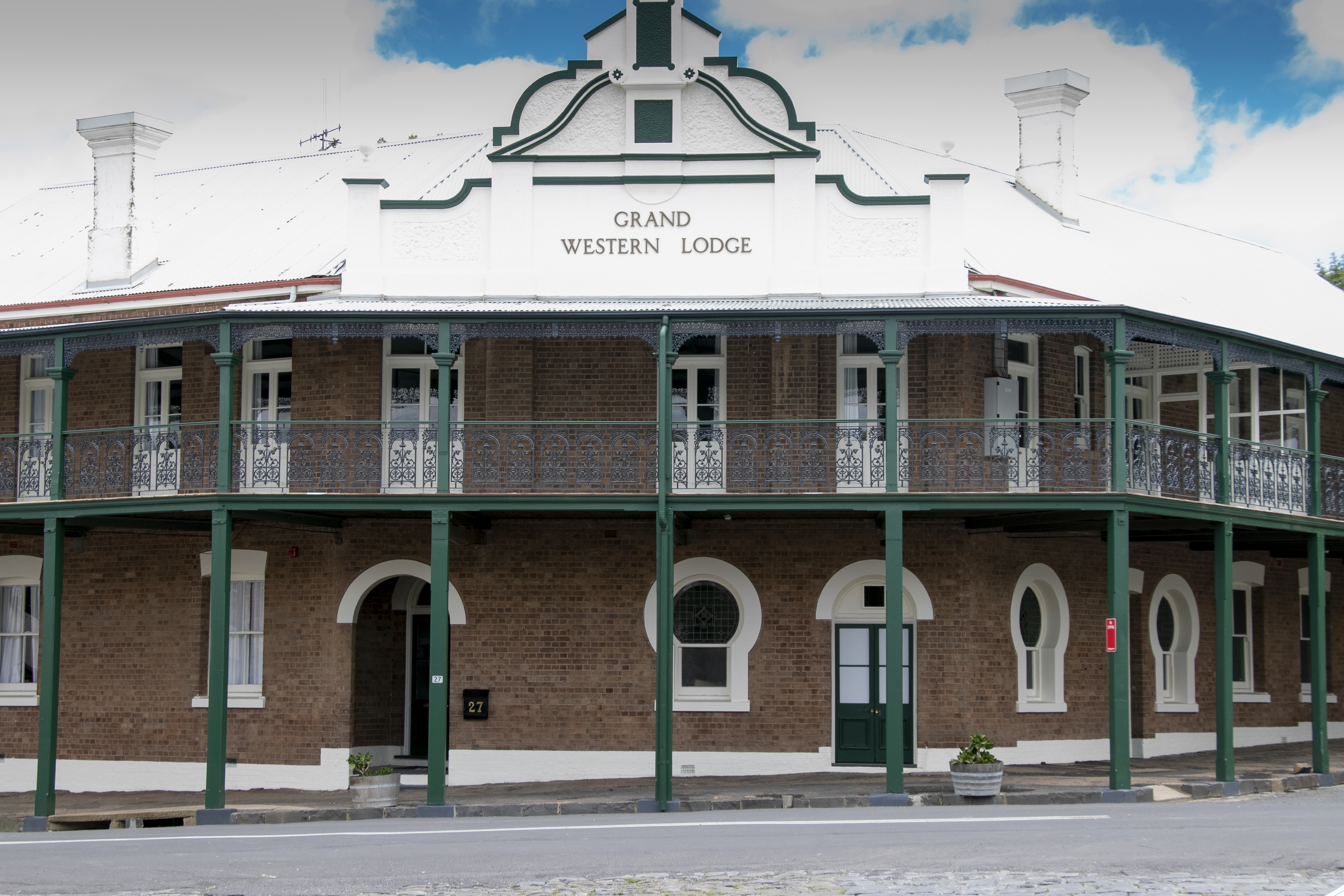
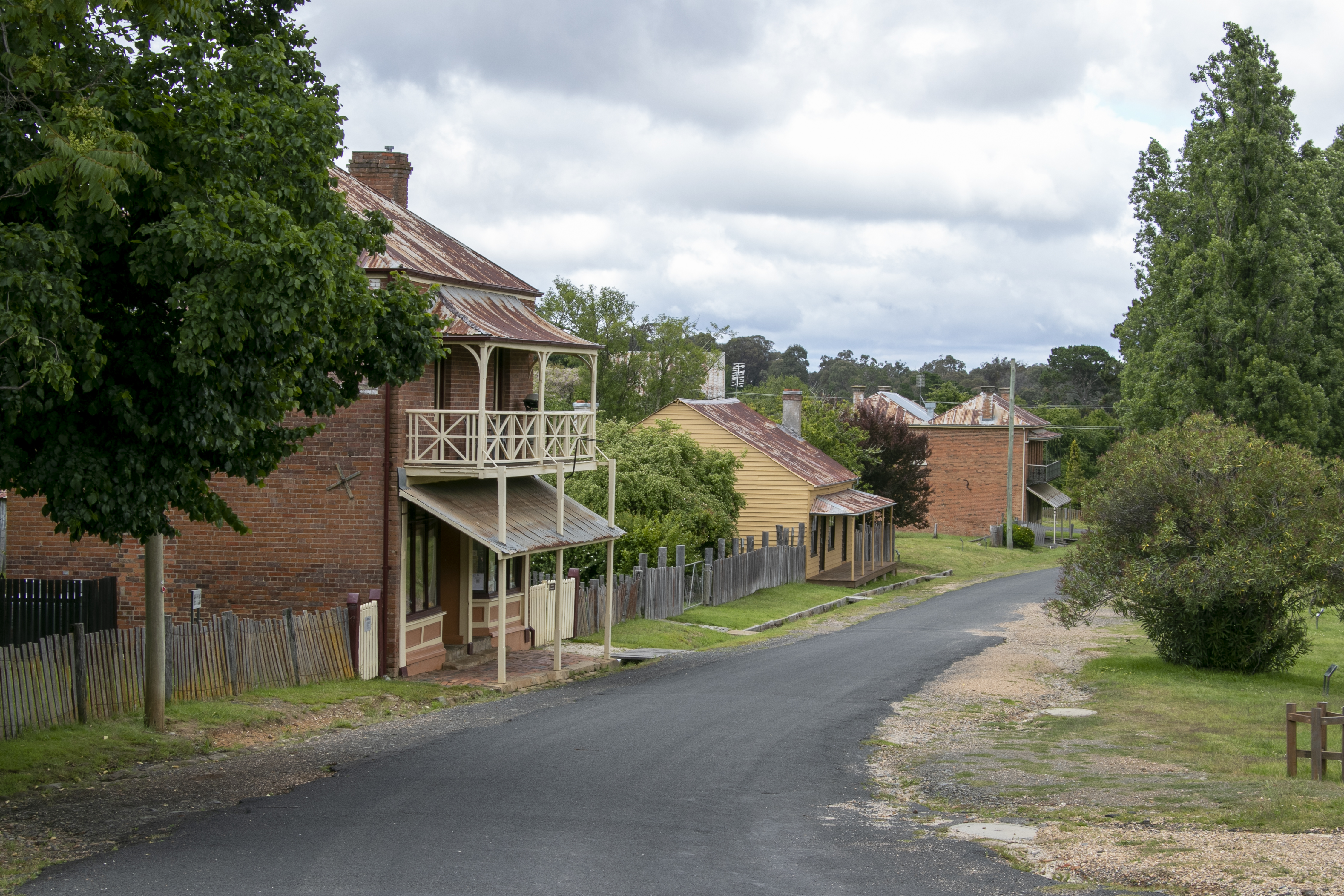
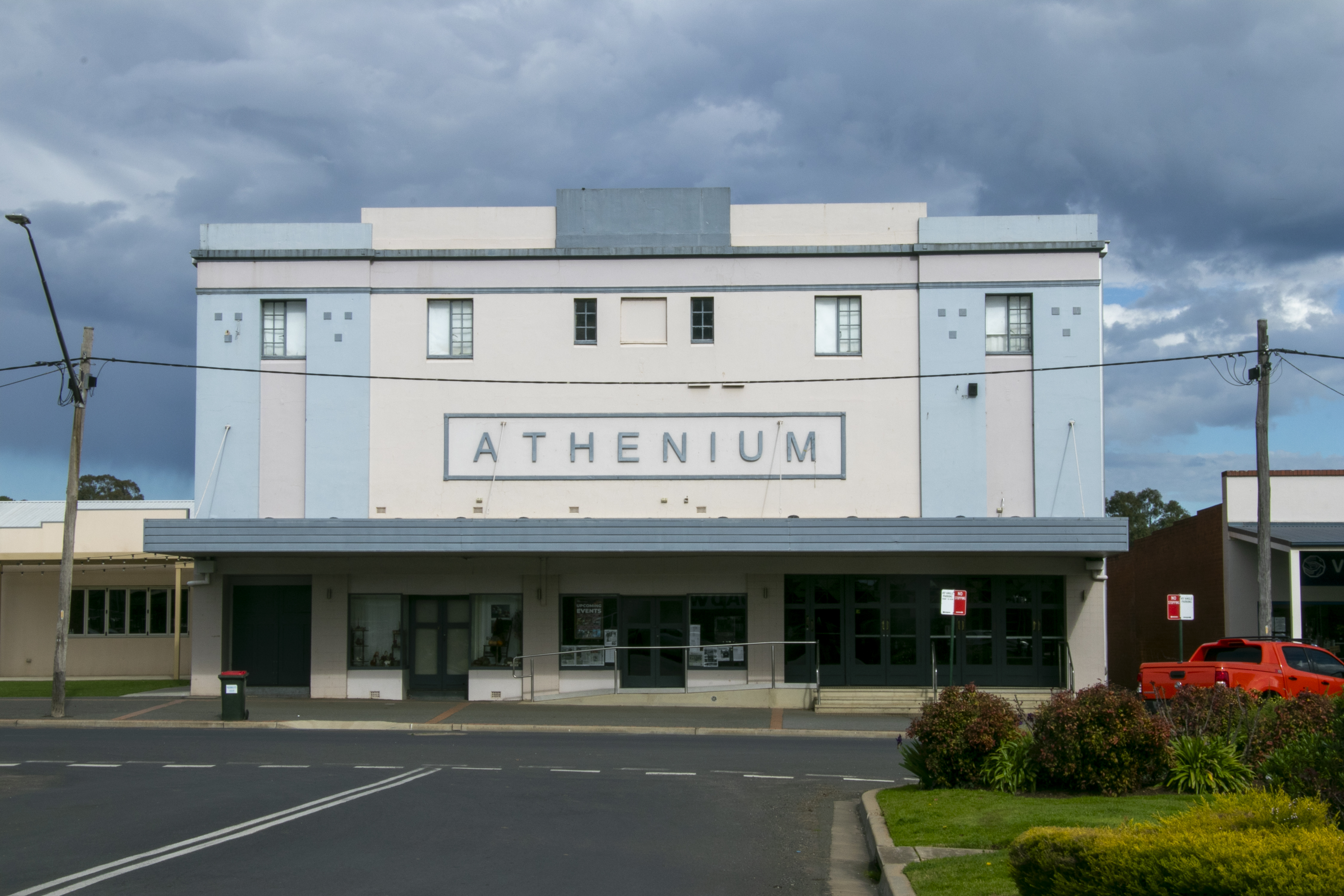
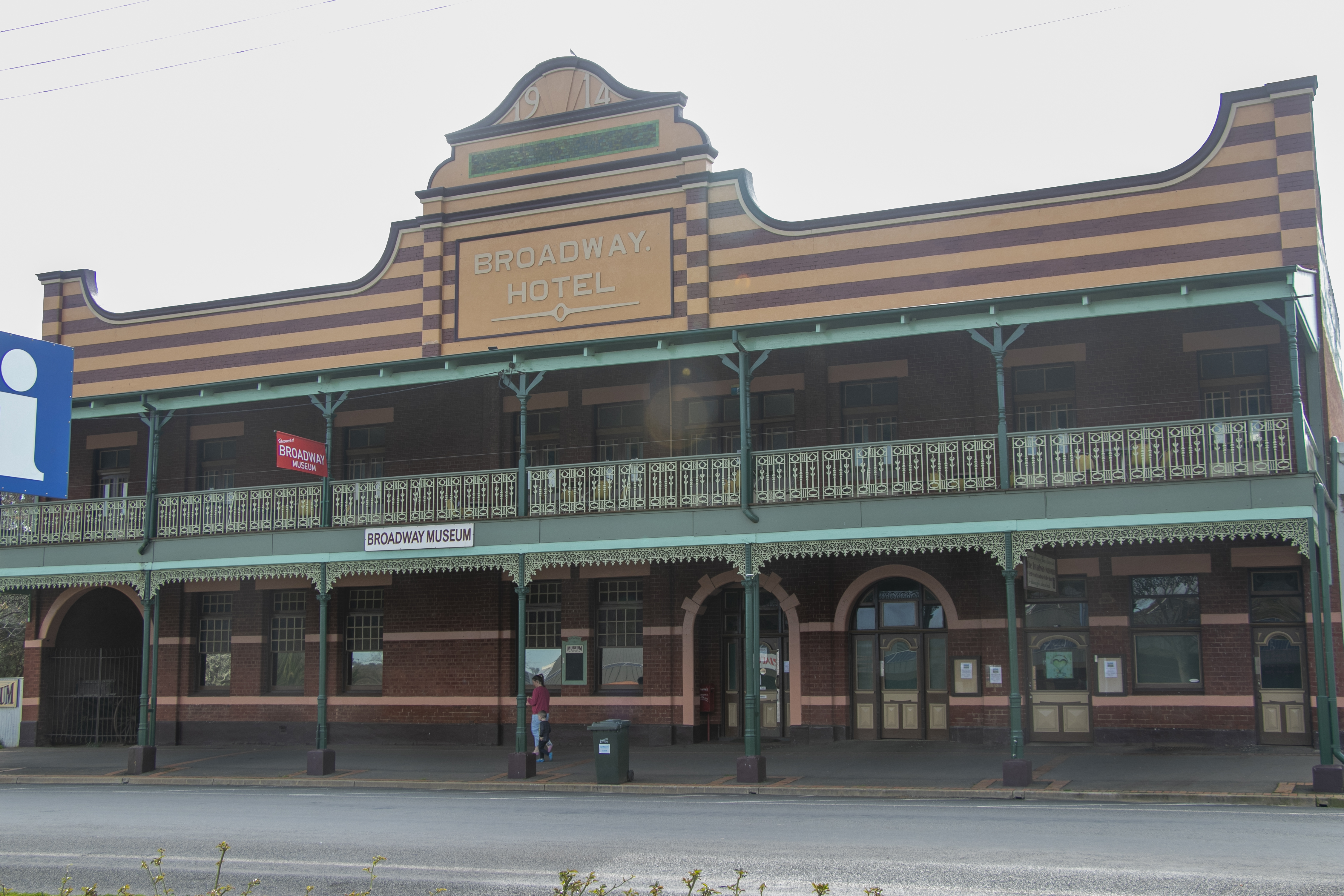
At the end of the trail was the cute little town of Junee. It had an assortment of well-kept historical buildings from various eras. It is also just off the Hume Highway, meaning, the next stop was definitely home.
And that’s the end of our Winter 2023 journey out west. If you’re new to the blog, check out my previous posts about this journey out west. I have more adventures to post about, so stay tuned. Hint, we’re not heading west this time!
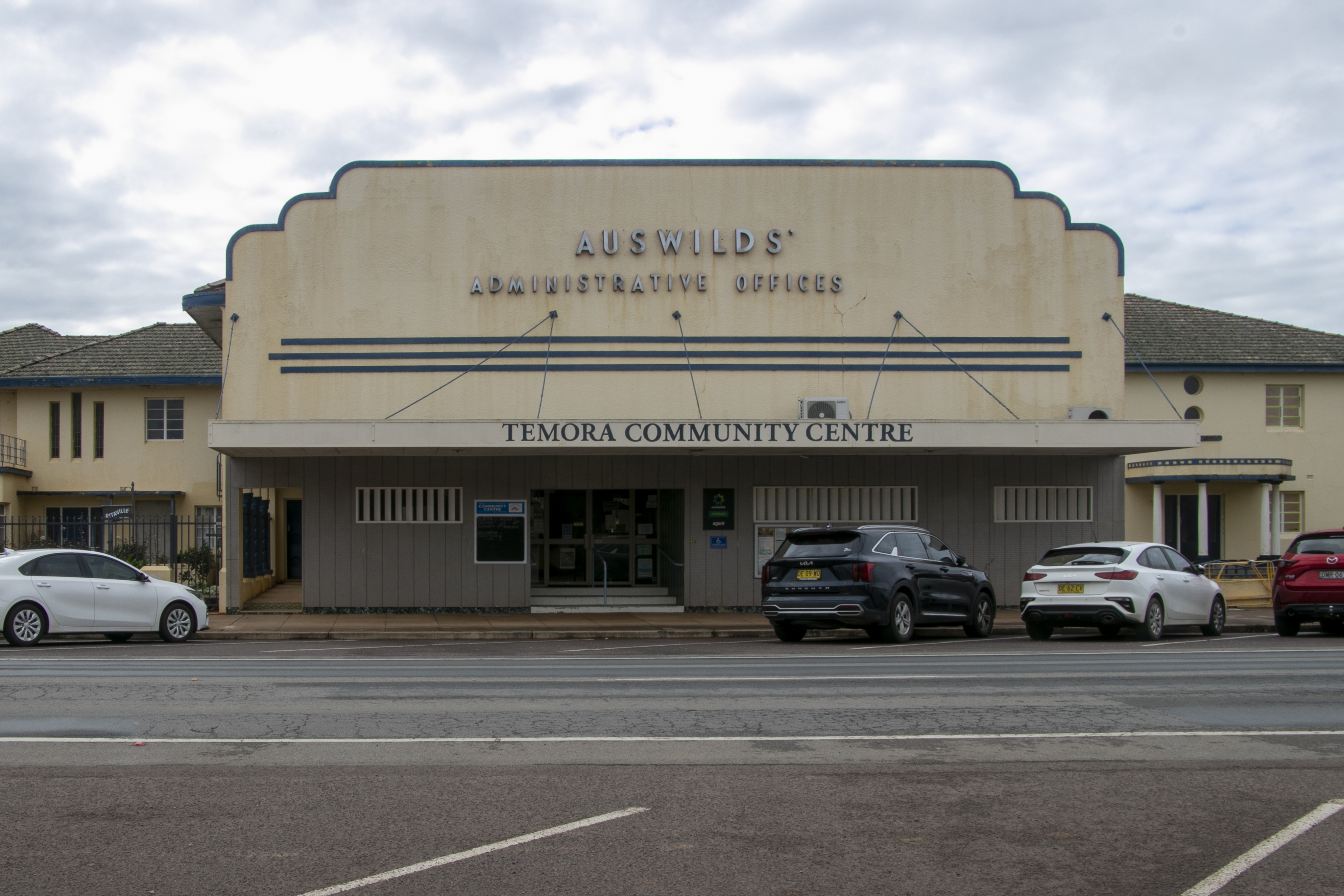
Riverina – Temora

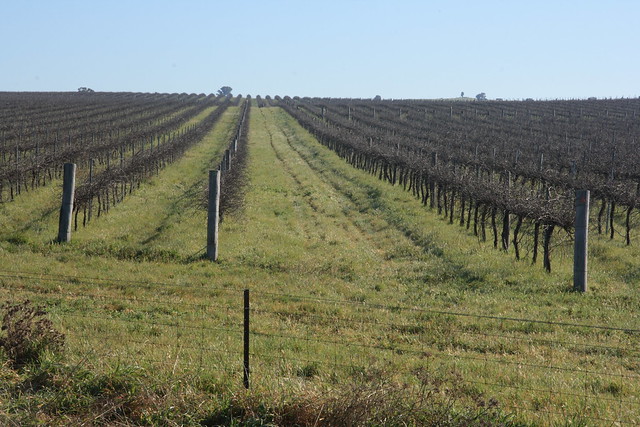
I’m starting a new series about the towns around the ‘Riverina’ area of NSW (and into Victoria as well). These towns run from the Central West into the far South West of the state and are located next to the big rivers of NSW – the Murray, the Darling, the Murrumbidgee, and the Lachlan, among others. I haven’t travelled to all the major towns that span along these rivers, but on a trip that Hubby and I took in August 2023 we drove through a few of them.

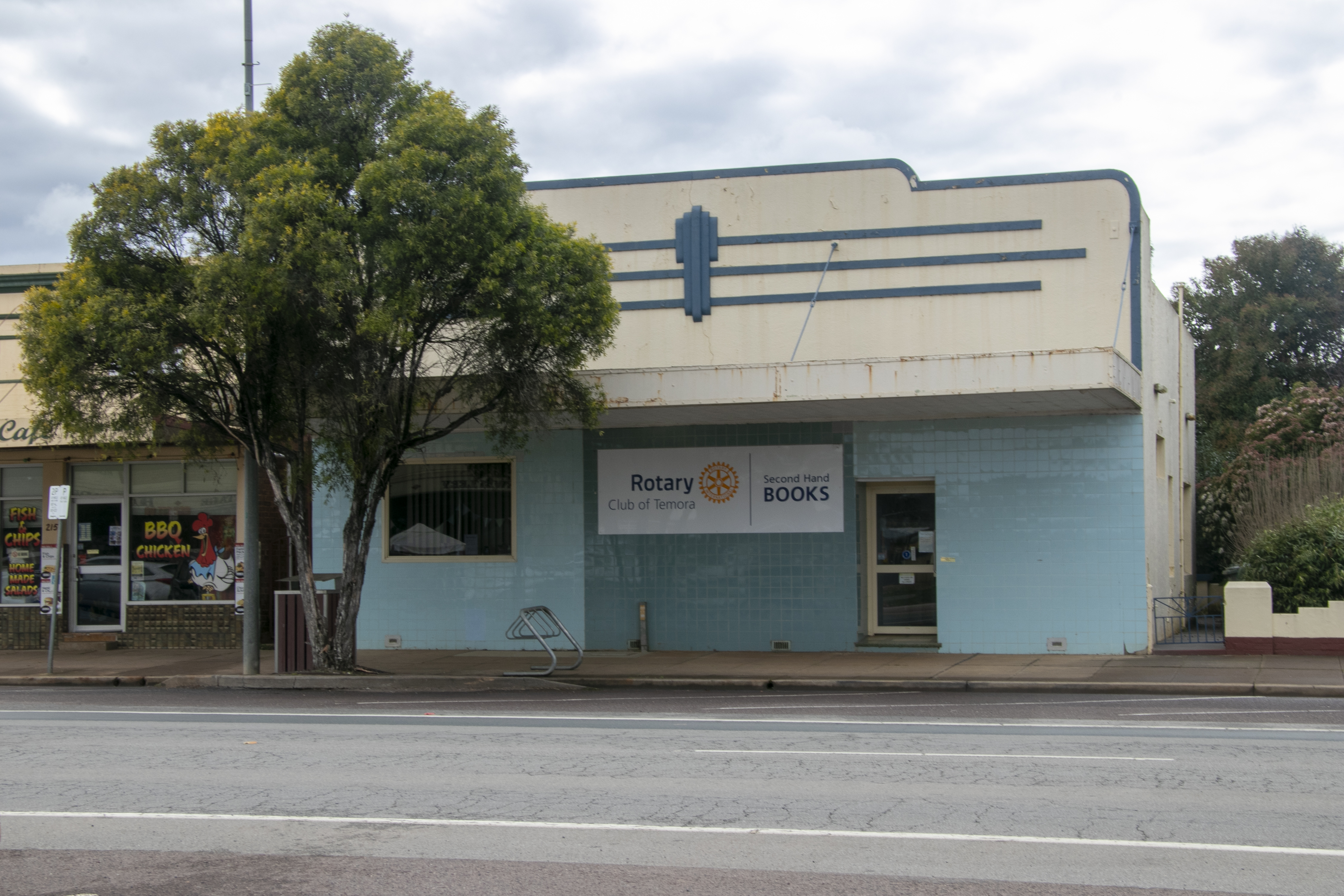
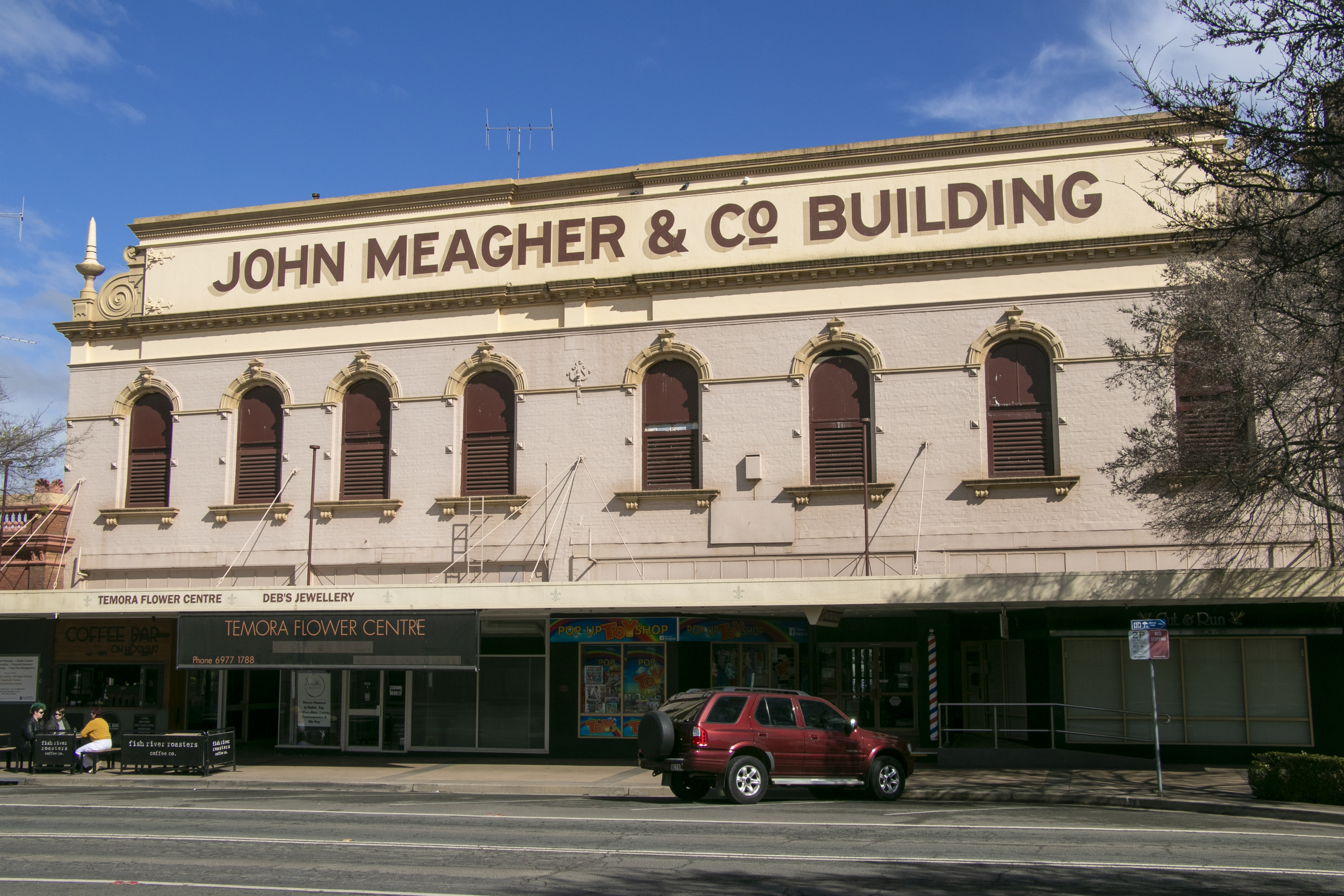
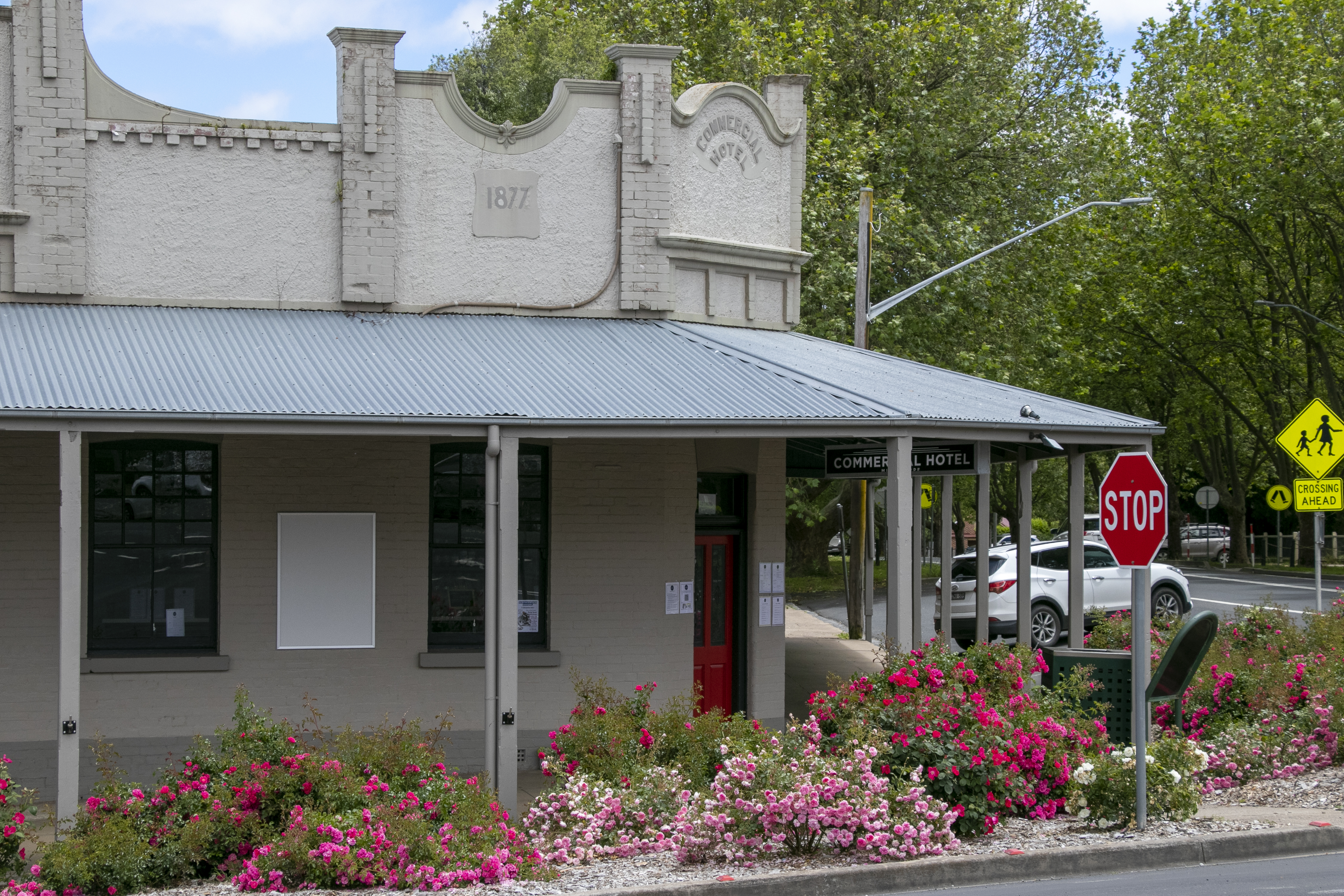
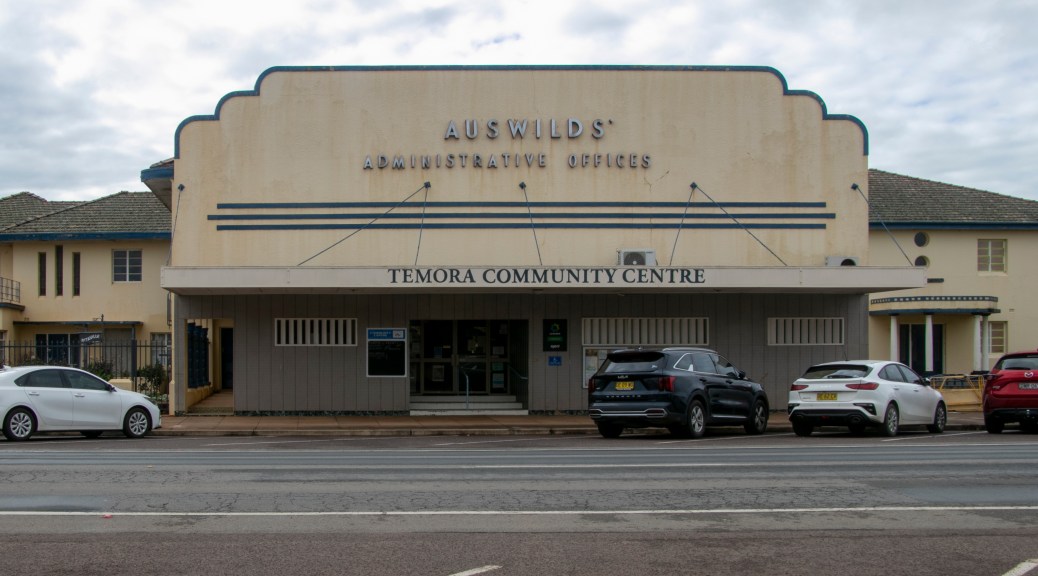
We’re starting off in the North-East corner of the region, in the medium-sized town of Temora. Temora is another town that was founded in the Gold Rush of the mid 19th Century. Once the rush eased, it became an agricultural centre (for grain and wool). Being a mid-sized agricultural town, the town’s buildings are relatively modest, and seem to have been built pre-World War II.

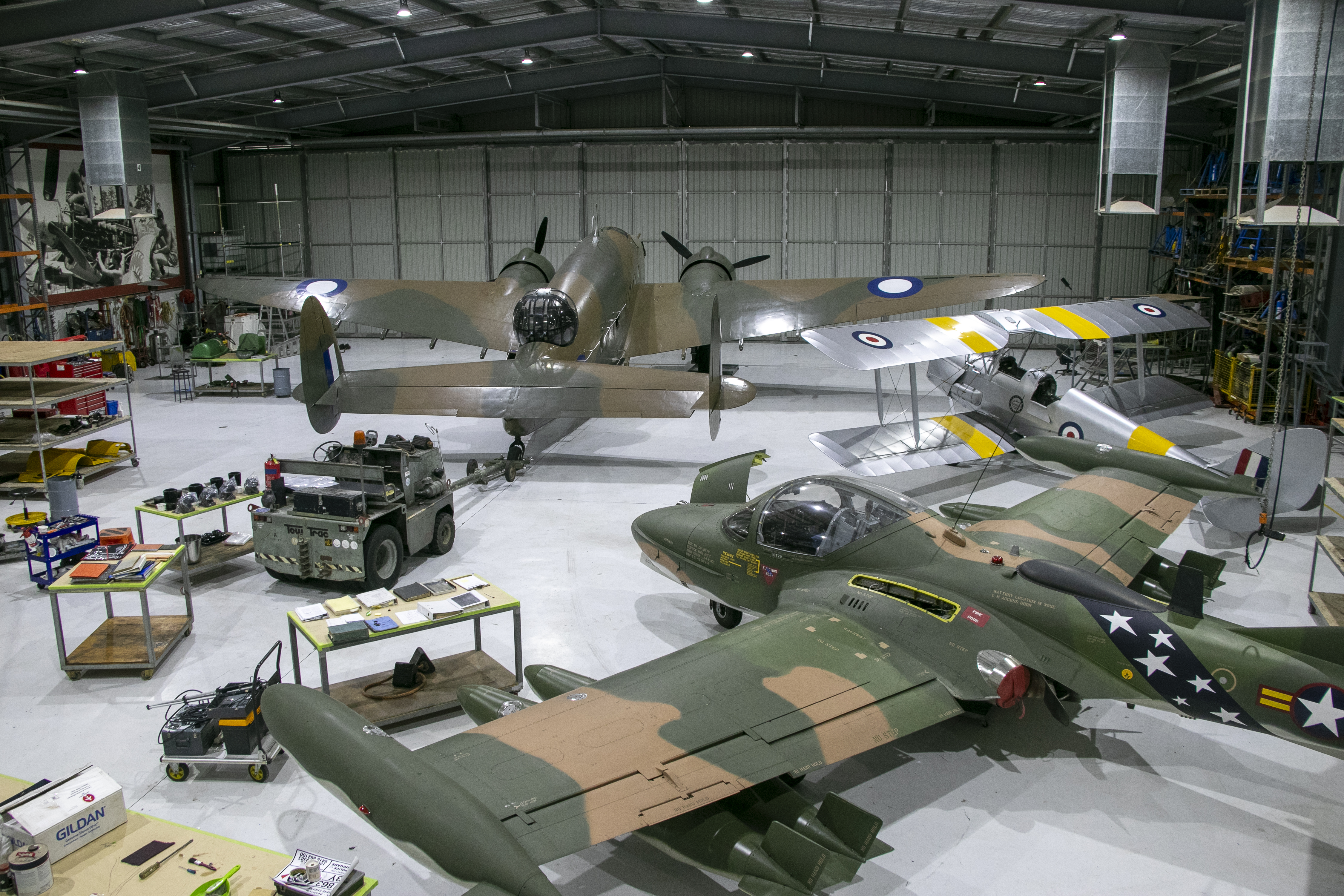
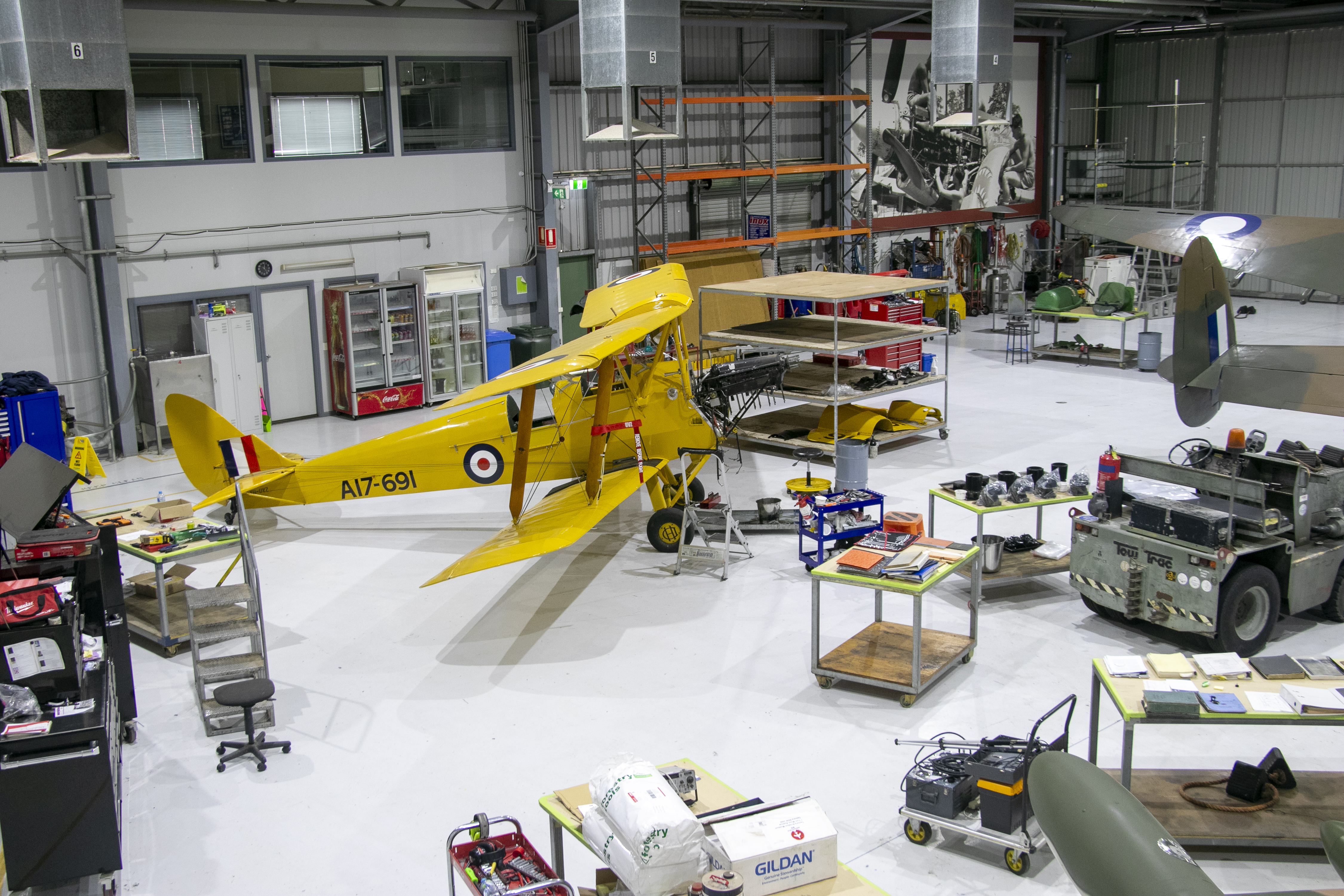
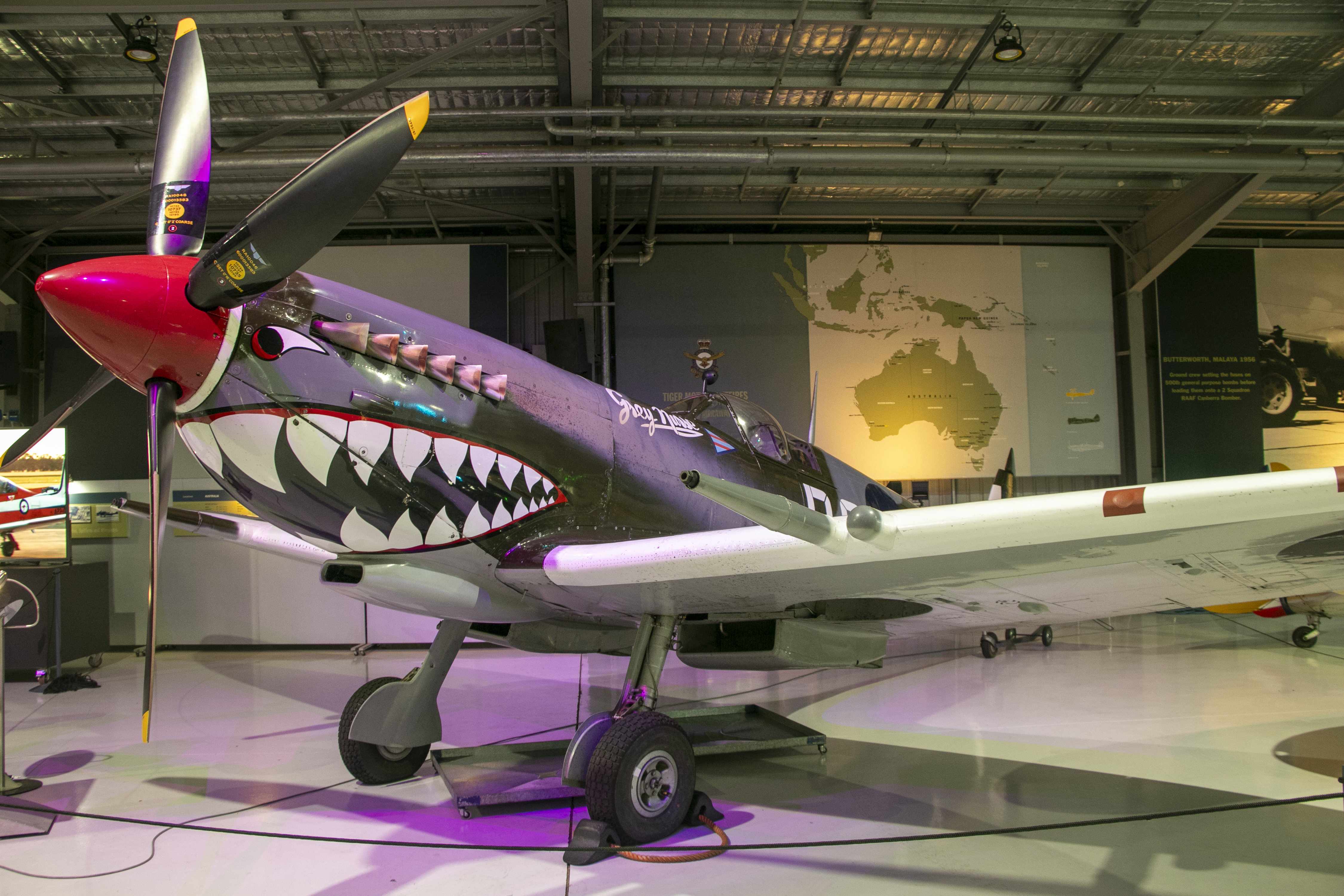
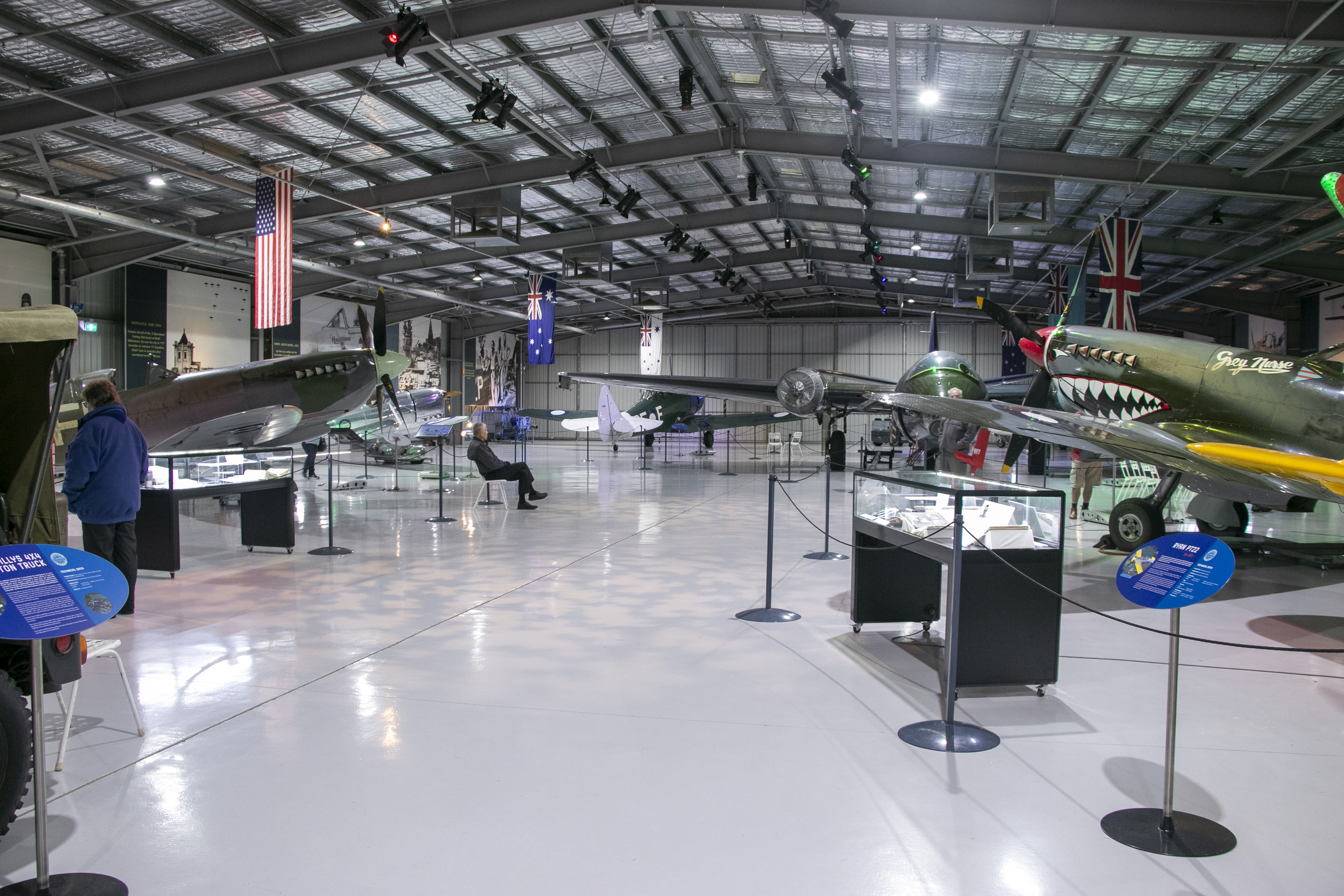
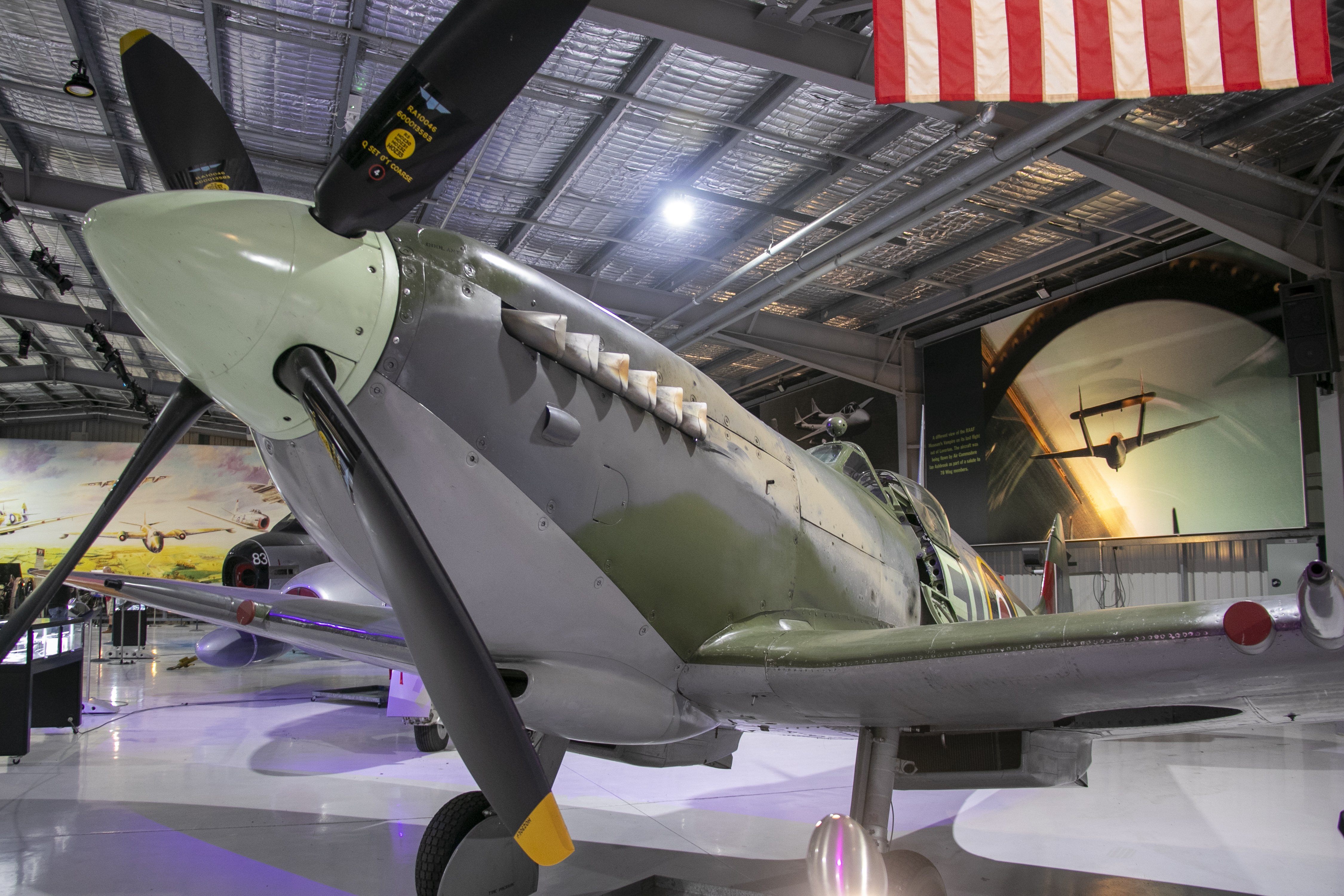
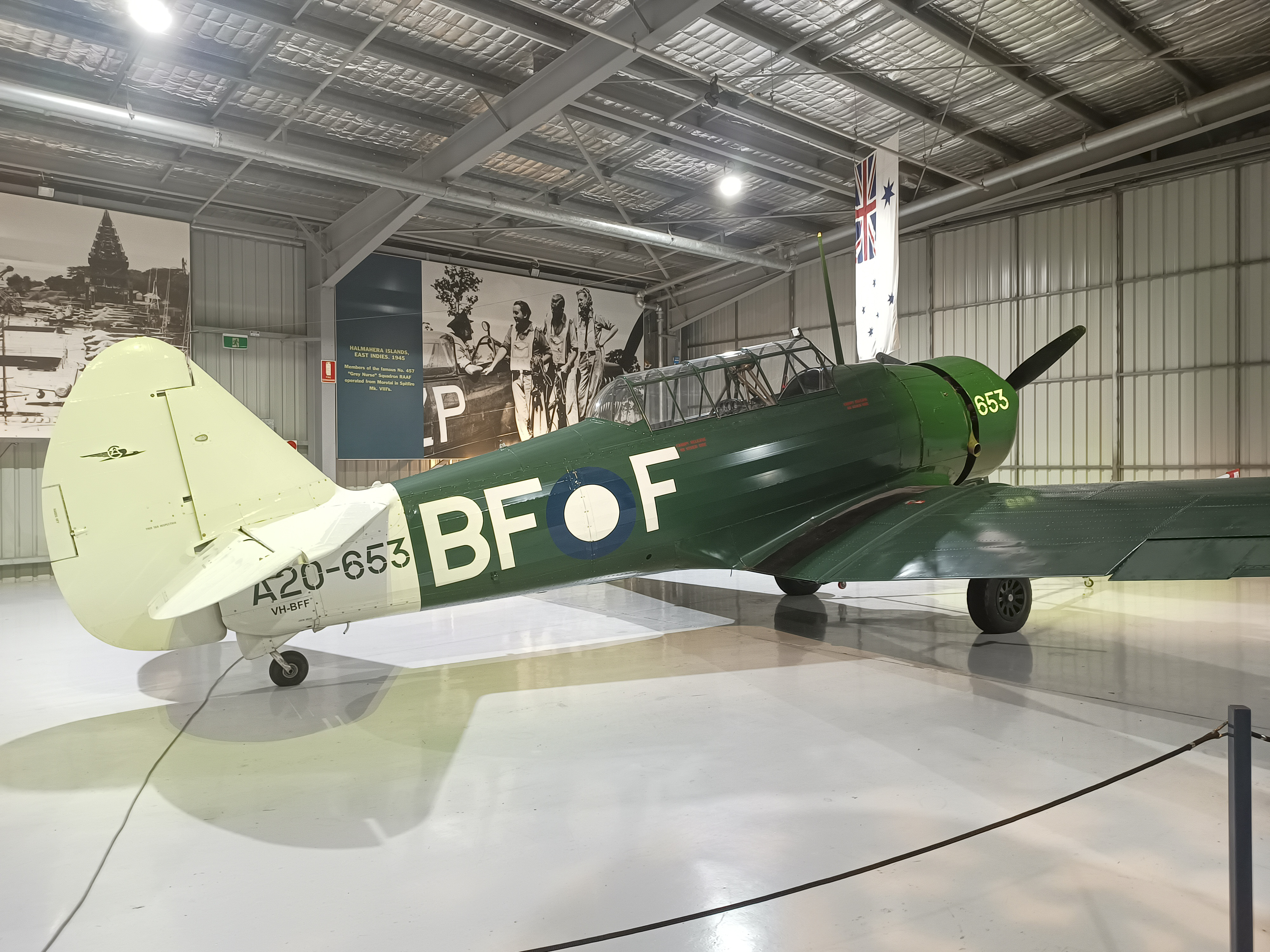
An unusual tourist attraction was the Temora Aviation Museum just out of town. It contained heritage military planes from World War II and Vietnam War. It’s actually someone’s private collection, and all the planes in the hanger are in working order. Not being an airplane geek, I don’t really know the details of the planes that I saw, but there was good signage provided, so I learned quite a bit that day.

Milthorpe

We’re continuing on our tour of NSW country towns. The next town we’re exploring is Milthorpe. It’s located on the other side of Bathurst to Hill End, 240km west of Sydney and 40km south-west of Bathurst. Unlike Hill End, it’s a very accessible town, located mid-way between the large towns of Bathurst and Orange. The land around it is generally flat, which attracted agriculture and grazing. It, like Hill End, is in the country of the Wiradjuri, whose lands extended from Mudgee, all the way across to Hay.

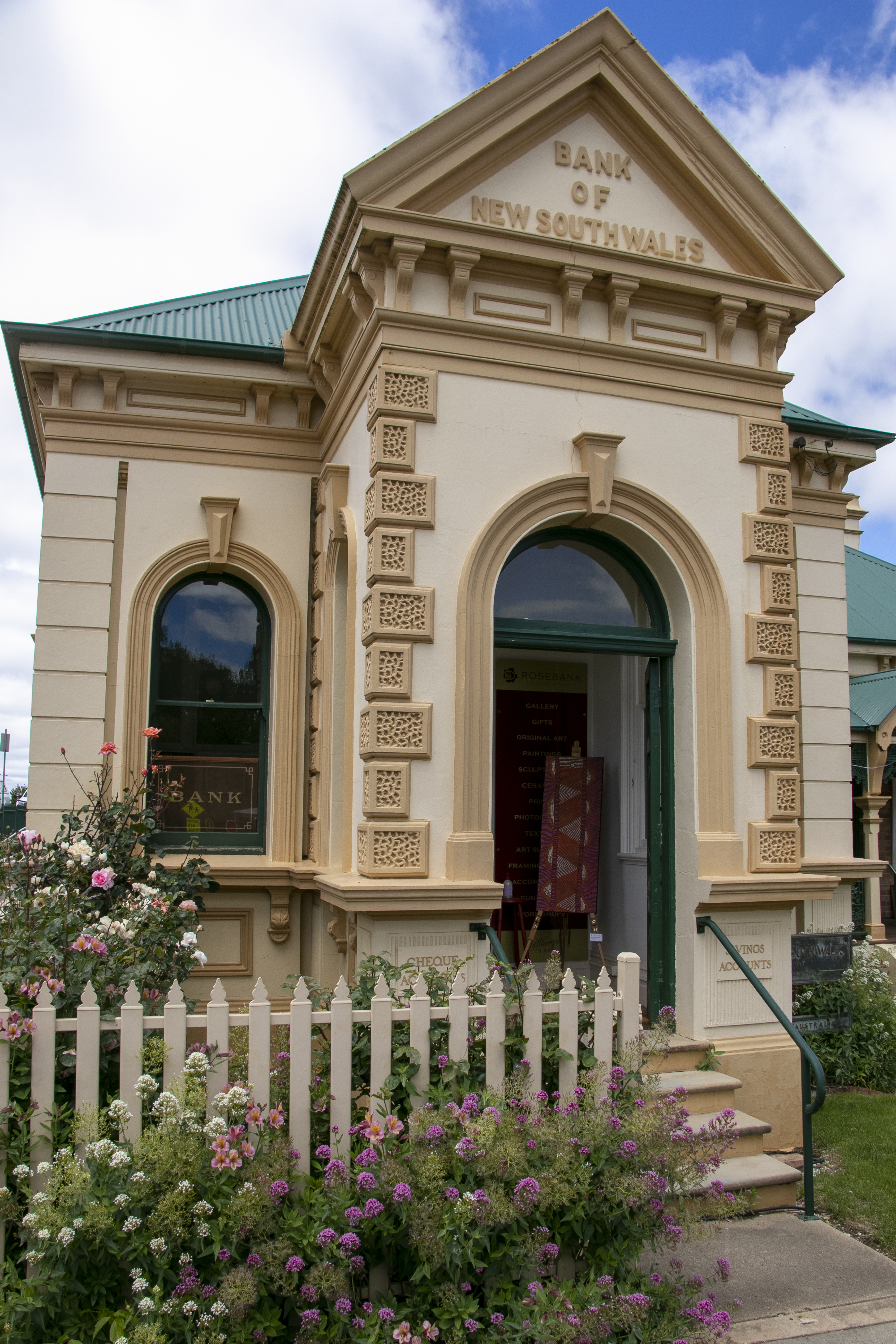
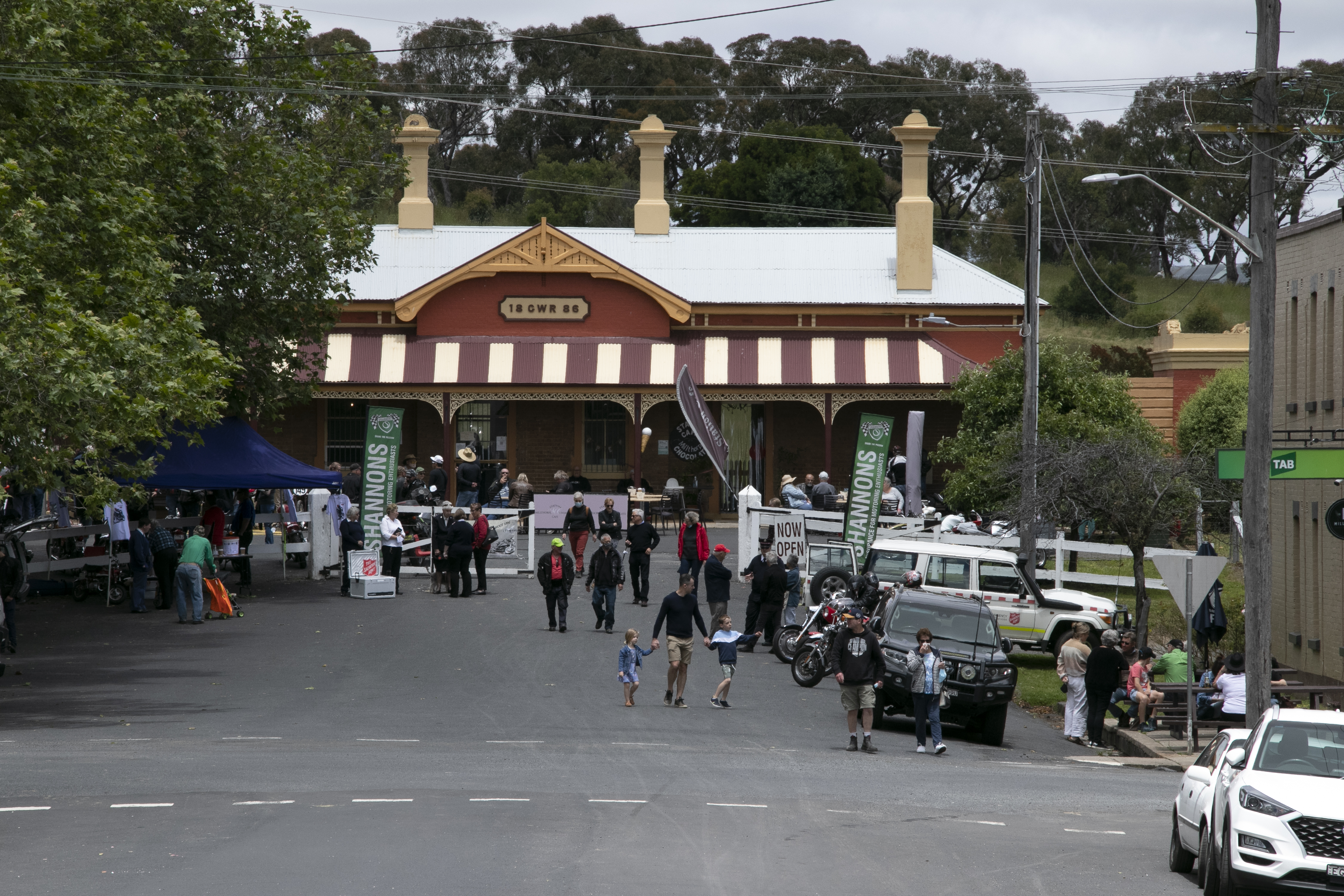
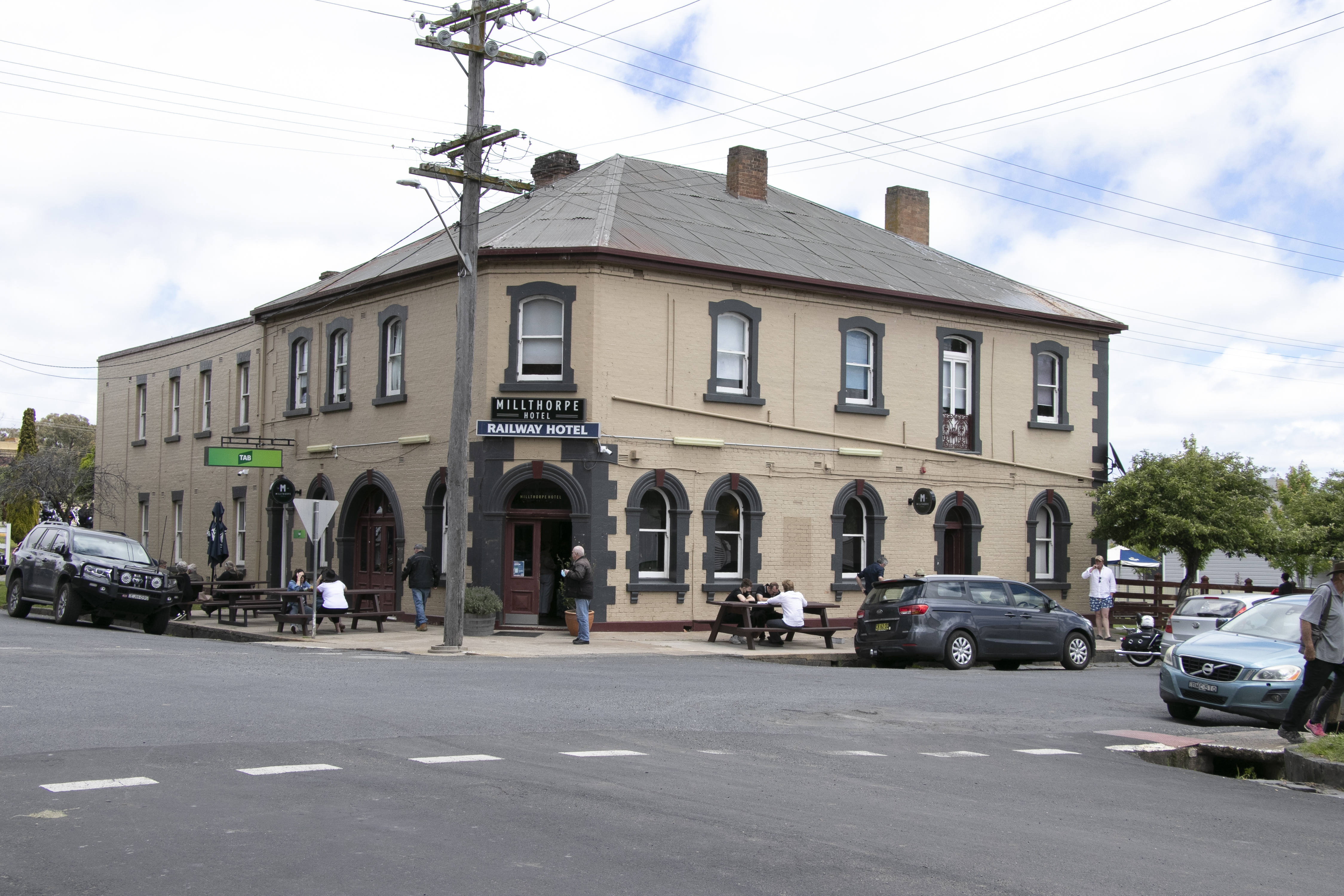
Milthorpe grew prosperous from agriculture and even has a railway station on the Western NSW line, with daily stops by the Dubbo-bound train. It is a busy tourist town of 1,300 people, and gets many visitors on weekends and school holidays. People love the living historical buildings, lovingly maintained. It’s also lucky that it’s now within the Orange wine region.

It might be a touristy town, but unlike towns of similar ilk closer to Sydney, I don’t think it is yet too well-loved.

Hill End – Part 4

We’ll round up our visit to Hill End firstly with the wildlife we encountered. We saw lots of Eastern Grey kangaroos at dawn and at dusk in the outskirts of town.

Hill End Village

And various local parrots feeding at the back of the pub all day, every day.

Hill End Village

They reminded me that Hill End is still a remote town, surrounded on all sides by forested hills, and quite a bit of wildlife (though nothing really human-eating, as in the North American Gold Rushes when those miners were faced with wolves, bears, coyotes etc.). Still, it would have been a bit of an effort to reach the town during the Gold Rush, when there were only rough tracks and no public transport. The miners and their families would have had to walk in from Sydney (a distance of over 250km nowadays, and might have been much longer in those days) with all of their possessions in tow.

On the outskirts of town, there were more remnants of the town’s mining past. These open tracts of land used to host miner’s campsites. Nowadays it hosts tourist campsites.

Hill End Village

And we passed an old miner’s shack, ironically named. Then again, it would have been one of the more luxurious modes of accommodation available, especially in the early days of the town when most people would have been sleeping under canvas.

Exploring Hill End

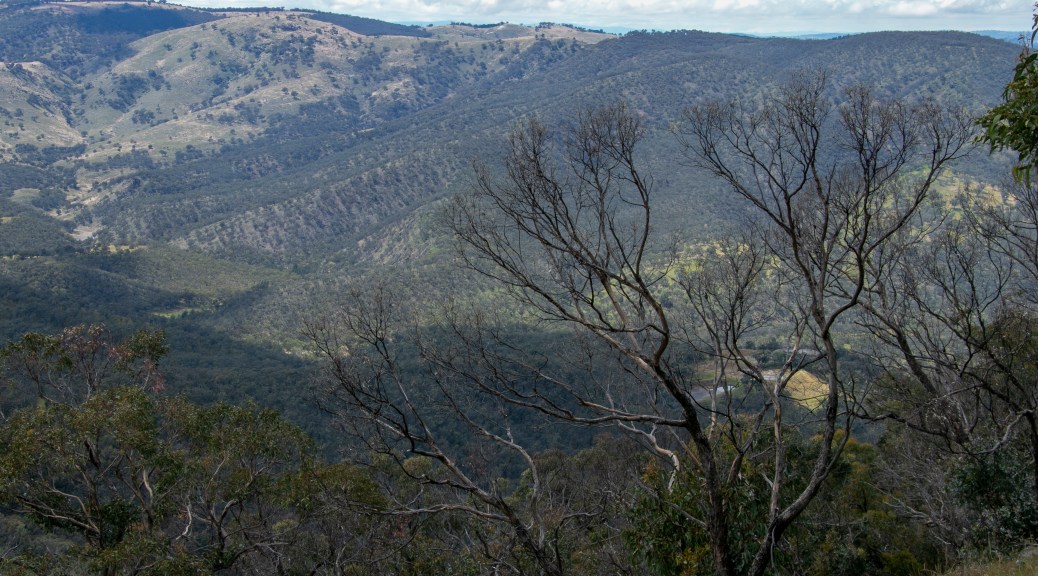
And from a nearby lookout, we could still see the scars on the hill-sides where the diggings were.

Exploring Hill End

During the Gold Rush, the valley would have been filled with the noise of miners and their machines working. Now, we heard only the sounds of nature.

Hill End – Part 1

At the end of 2021, after nearly 2 years of Covid-19, we took a car holiday in NSW. Not wanting to travel too far from our home in Sydney, in case the state borders, or the city borders, locked down once again (as it had done multiple times in the preceding months), we set our sights rather close to home to Central NSW. It’s a region that we were familiar with, having visited different places at various times, however there was still plenty of pockets left to explore.

Our first stop was the historical village of Hill End. This is a former gold rush town, which hit the area during the 1850s and inflated its local population to 8,000. When the easy gold (originally alluvial, found in local water-ways) ran dry, the population declined. By 1945, the population was 700. In 2016, it was 80. I’m not really sure of the population post-Covid as at 2023. I would think there might be a few people who would want to move to such an historic and scenic spot.

This is the northern approach to the town. It’s not the most accessible town in the Central West, accessible by sealed but quiet and twisting, country roads from either Bathurst or Mudgee. But once you’re there you can visit a heritage town. A shout out to the brave people north of Hill End, who valiantly fought a bushfire a fortnight ago. The fire thankfully did not reach the village.

Here Fishy – Part 2

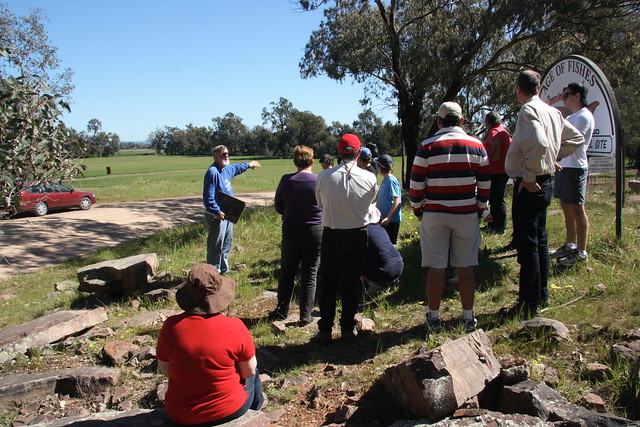
After our museum visit we drove out into the Canowindra country side and stopped to visit the original site of the fishes.

Original Canowindra Fish Site

It’s quite astonishing that the slabs of fish were dug up from under this road.

Original Canowindra Fish Site

Since the original dig only went for a mere two weeks, they could only remove a limited amount of material. Afterwards the site was covered up, and the road rebuilt.

Original Canowindra Fish Site

Dr Ritchie thinks there are still a whole load of fishes out there – if only the local council would let him dig here. He has not been able to dig here since the early nineties, despite plenty of petitions. There’s still a lot to learn about this site, but at the moment bureaucracy has grounded any further studies to a halt. Shame when politics gets in the way of things, but isn’t it the way these days?

Original Canowindra Fish Site

Here Fishy – Part 1

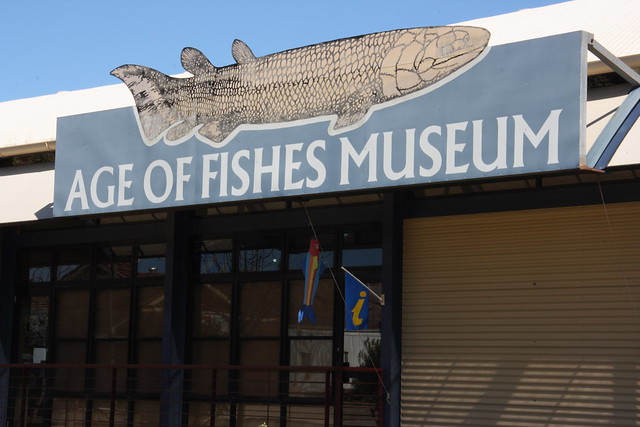
Lovely as the countryside was, we were on a science tour, and the Canowindra Age of Fishes Museum was our destination.

Age of Fishes Museum

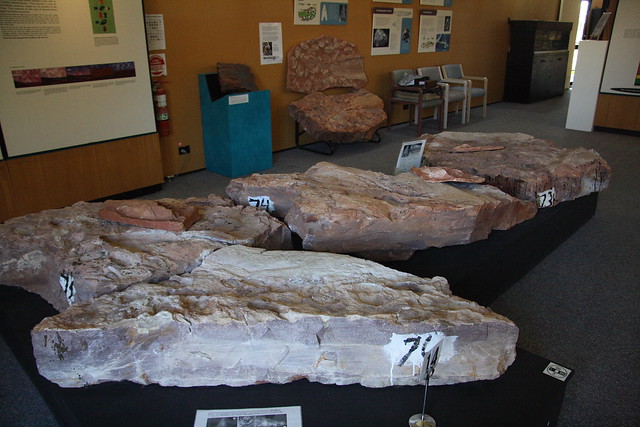
The story goes that while digging up a nearby road, some workmen stumbled on some fossil fish. They called the Australian Museum, and when the road was opened up, they discovered loads and loads of dead fish from the Age of Fishes in Devonian times, around 360 million years ago. The fish had died probably when their water source completely dried out in a bad drought. These slabs below are the tip of the iceberg.

Age of Fishes Museum

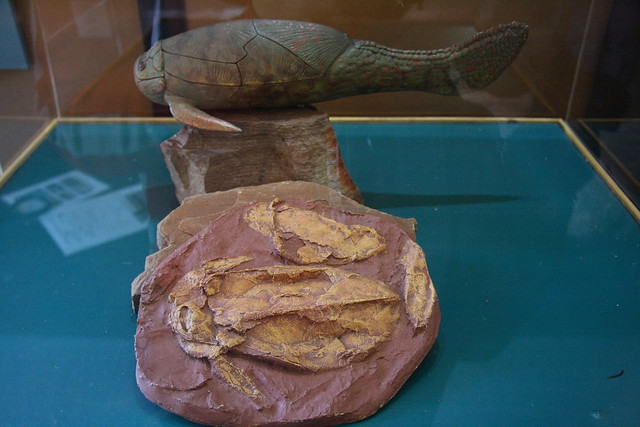
Back then fishes were the height of evolution. No animals had made it out of the water as yet. You can imagine that there was a lot of competition out in the water! Consequently, these fish aren’t like most of the modern fish you see. They had a suit of armour to protect them instead of scales or skin.
Age of Fishes Museum

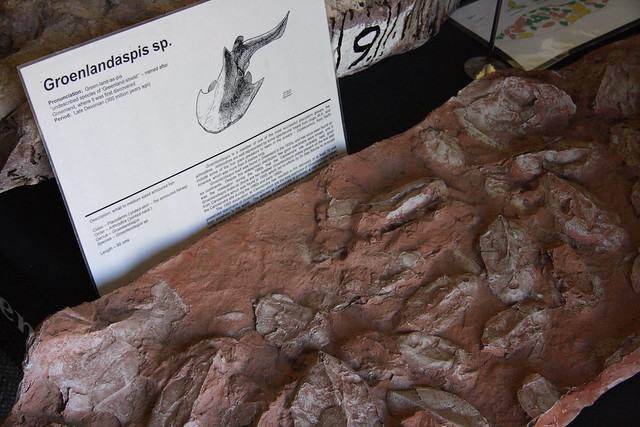
Some of the fish were quite small, perhaps 10cm long at most. This one looks a bit like a weird mini sting ray.

Age of Fishes Museum

Others were up till 1.6 metres in length.

Age of Fishes Museum

We were lucky enough to have the foremost expert in these fishes telling us his story. It’s not often that you find so many fossil fish in the one place, even Sir David Attenborough visited recently.