Tag Archives: flora

On My Way Home – Canola Trail

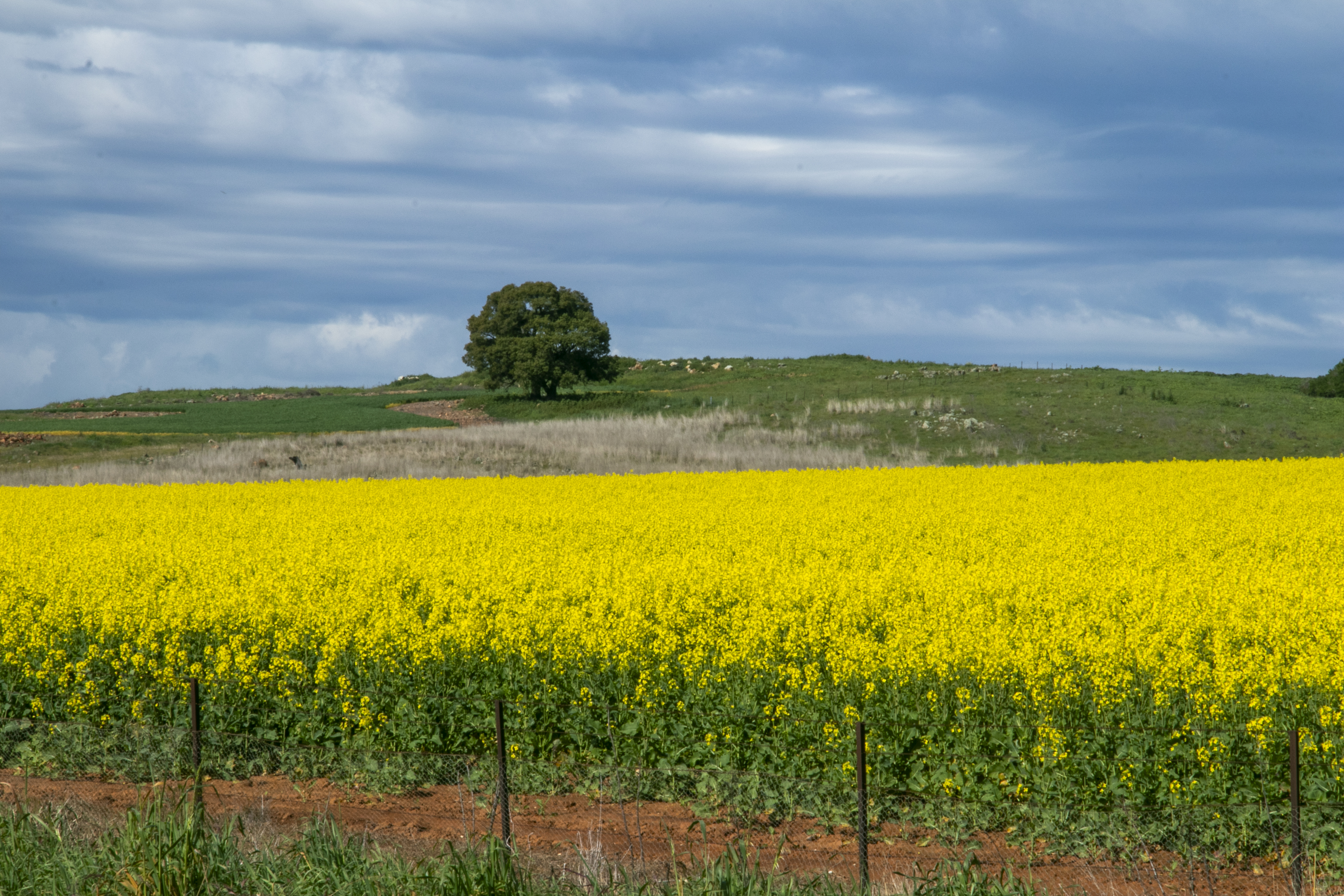
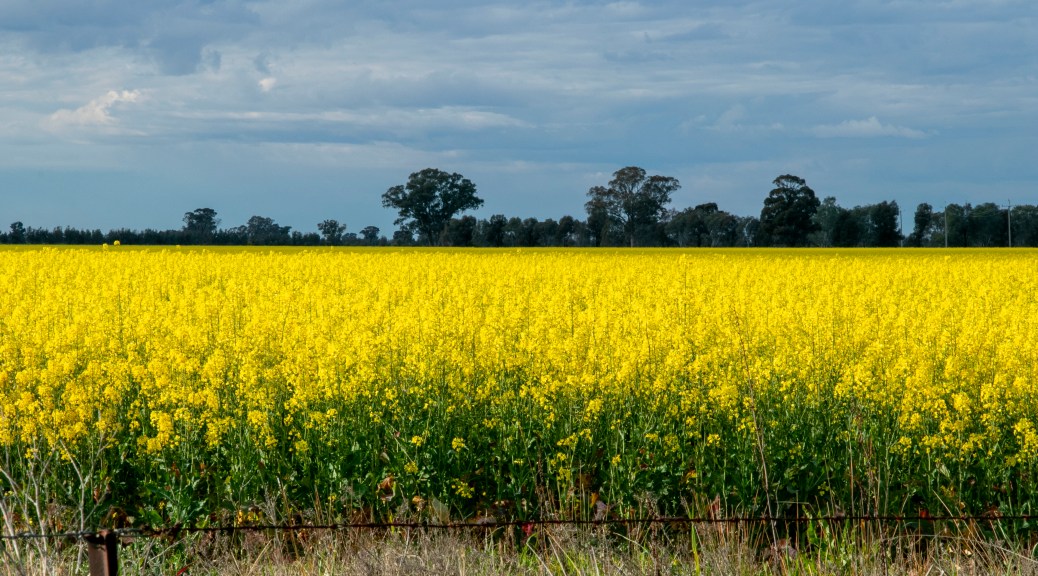
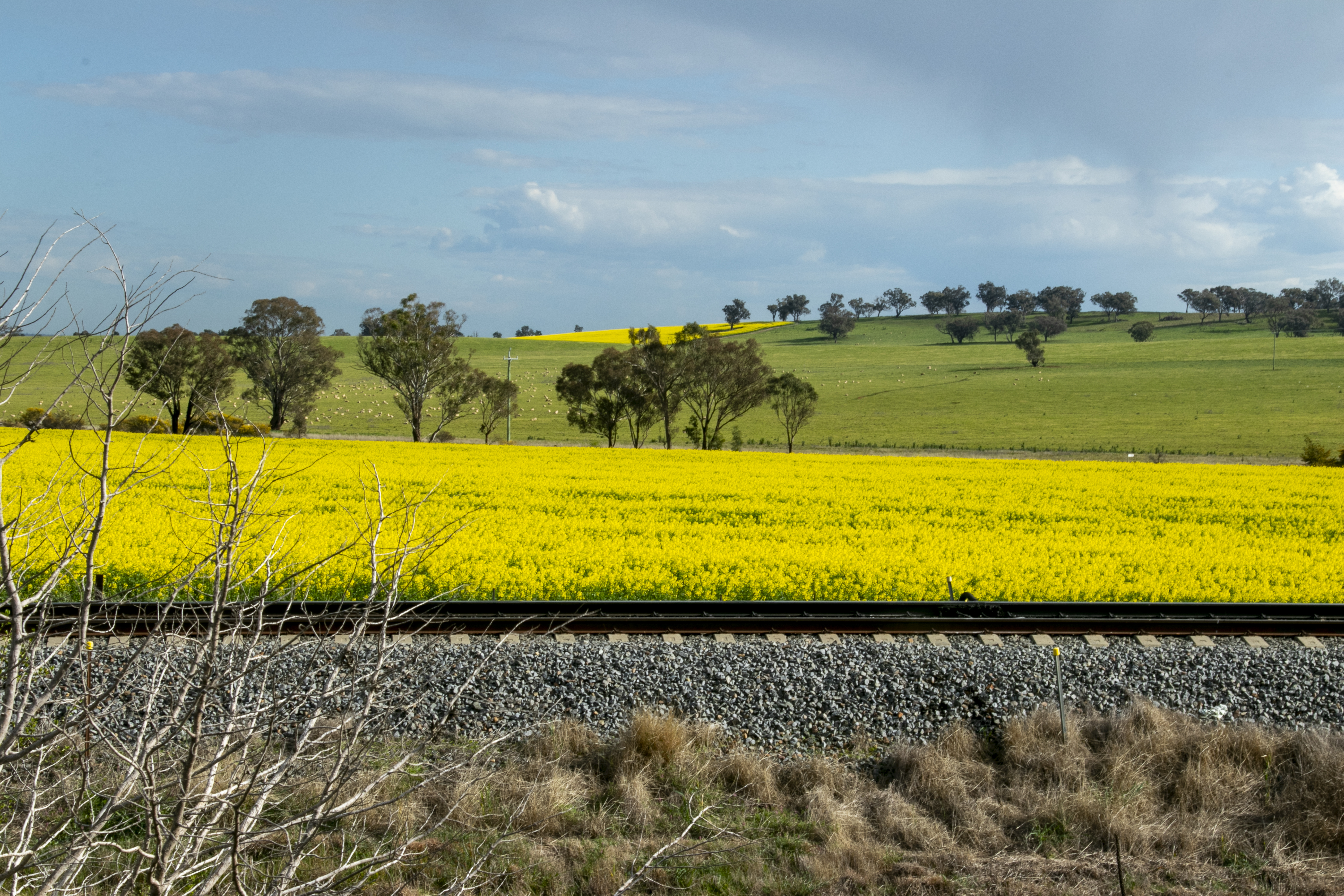
Our last stretch towards home on our Winter 2023 adventure involved driving down the stretch from Narrandera to the Hume Highway. This involved driving on the many quiet country roads that made up the Canola Trail. This is a triangle between the towns of Temora, Coolamon and Junee where the crop canola is grown (to be made into oil).

Canola Way

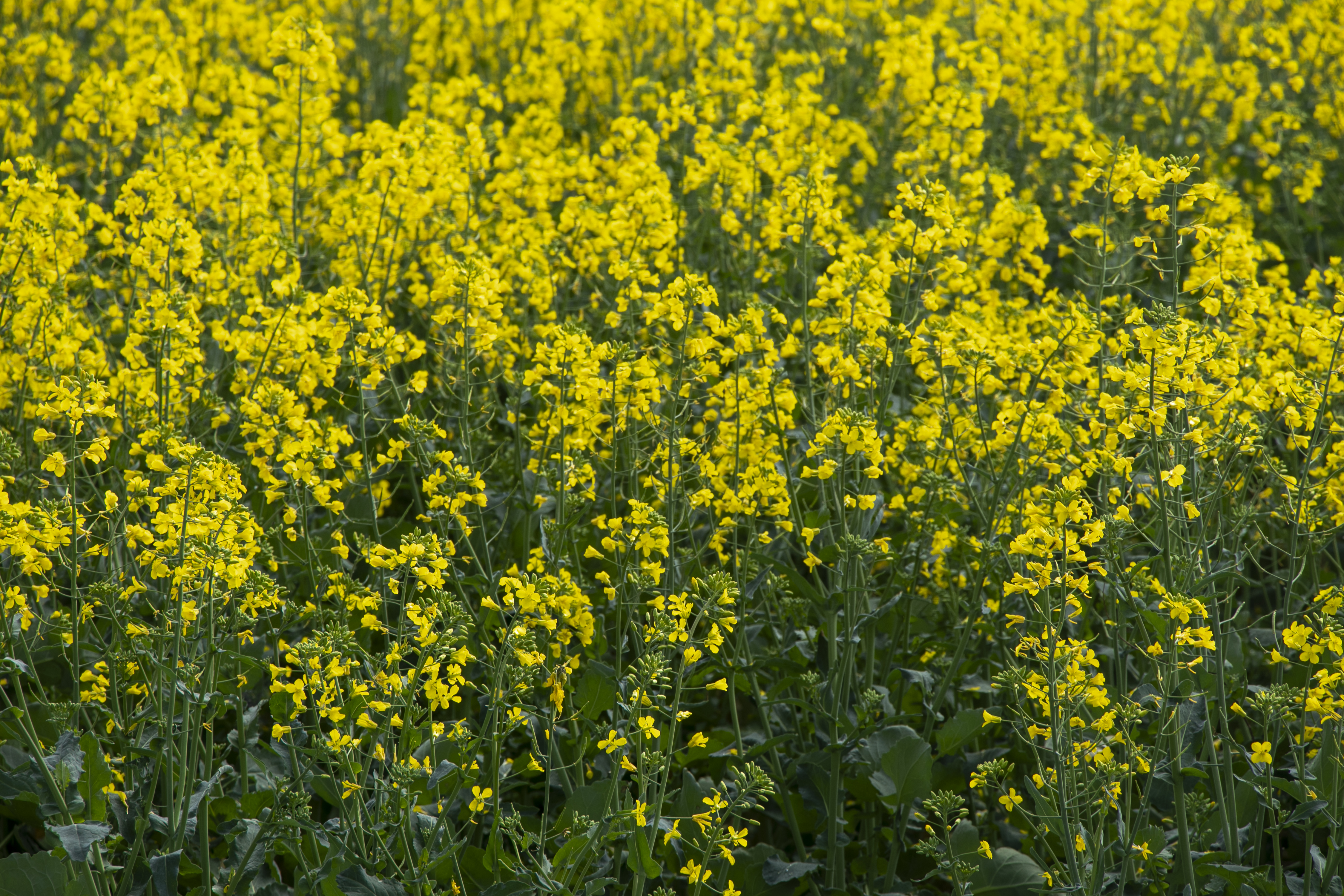
The crop blooms at the end of winter, and fields suddenly go from lush green to fluoro yellow! Who knew that your humble deep fry oil had such picturesque beginnings?

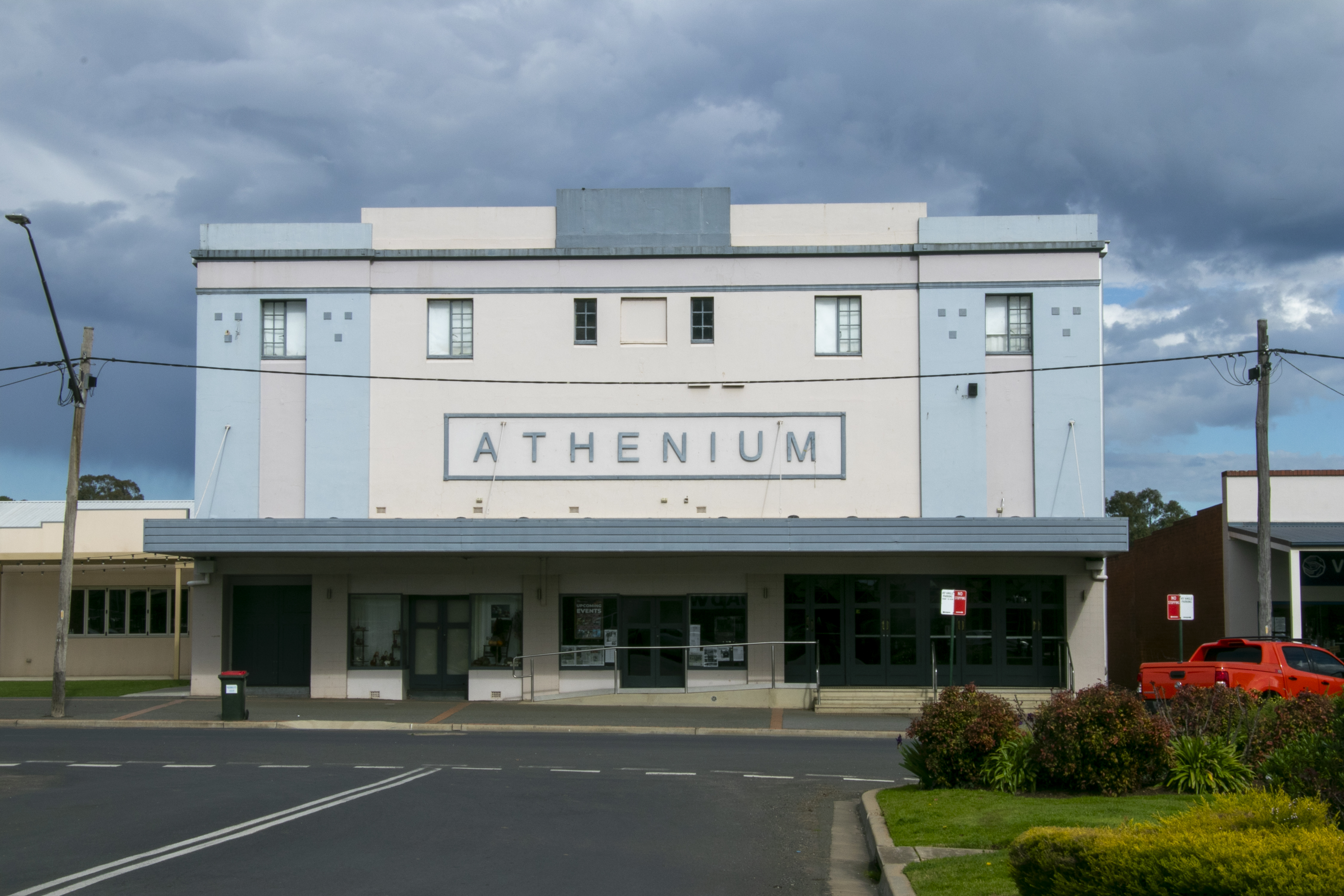
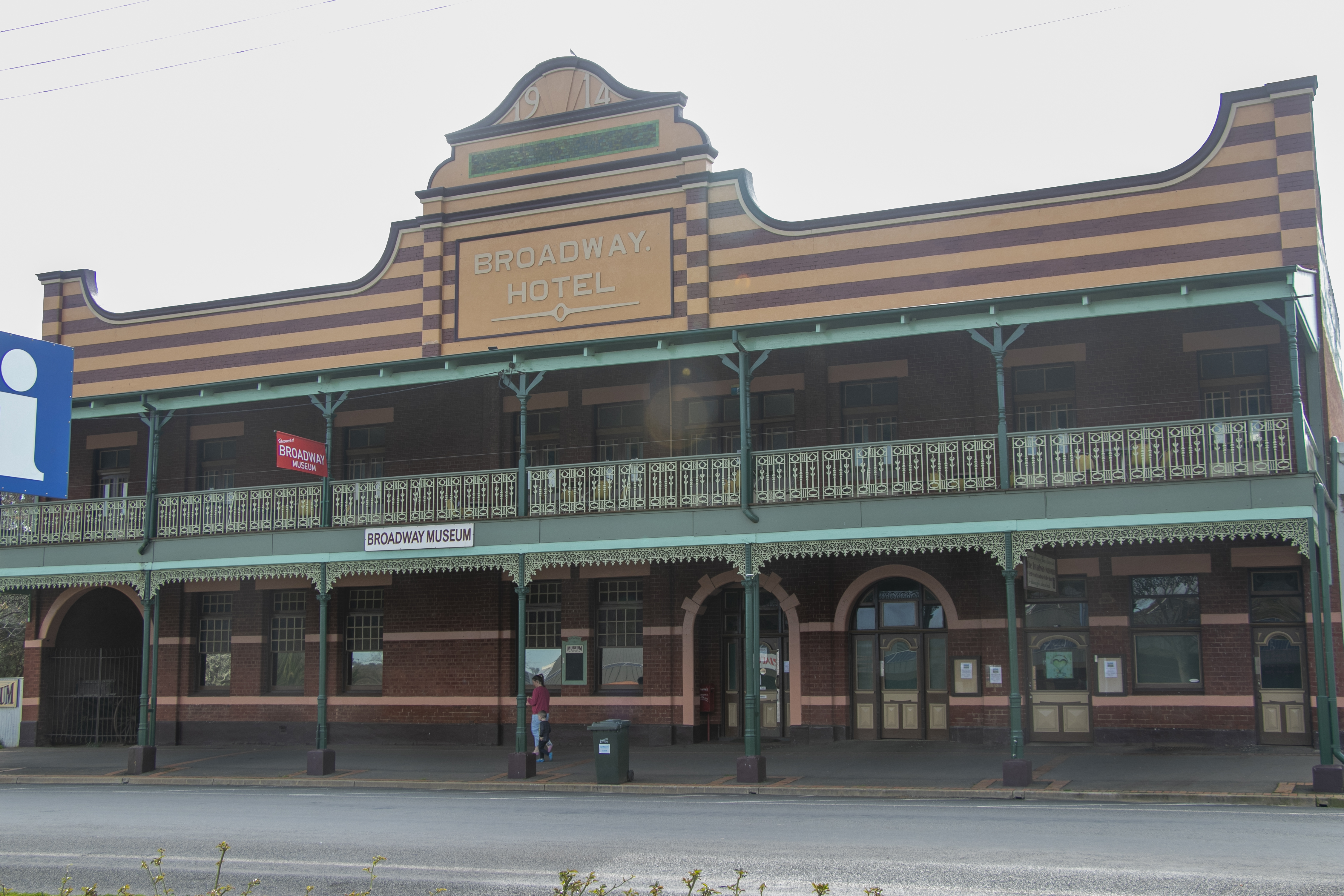
At the end of the trail was the cute little town of Junee. It had an assortment of well-kept historical buildings from various eras. It is also just off the Hume Highway, meaning, the next stop was definitely home.
And that’s the end of our Winter 2023 journey out west. If you’re new to the blog, check out my previous posts about this journey out west. I have more adventures to post about, so stay tuned. Hint, we’re not heading west this time!
Mungo National Park – Part 5

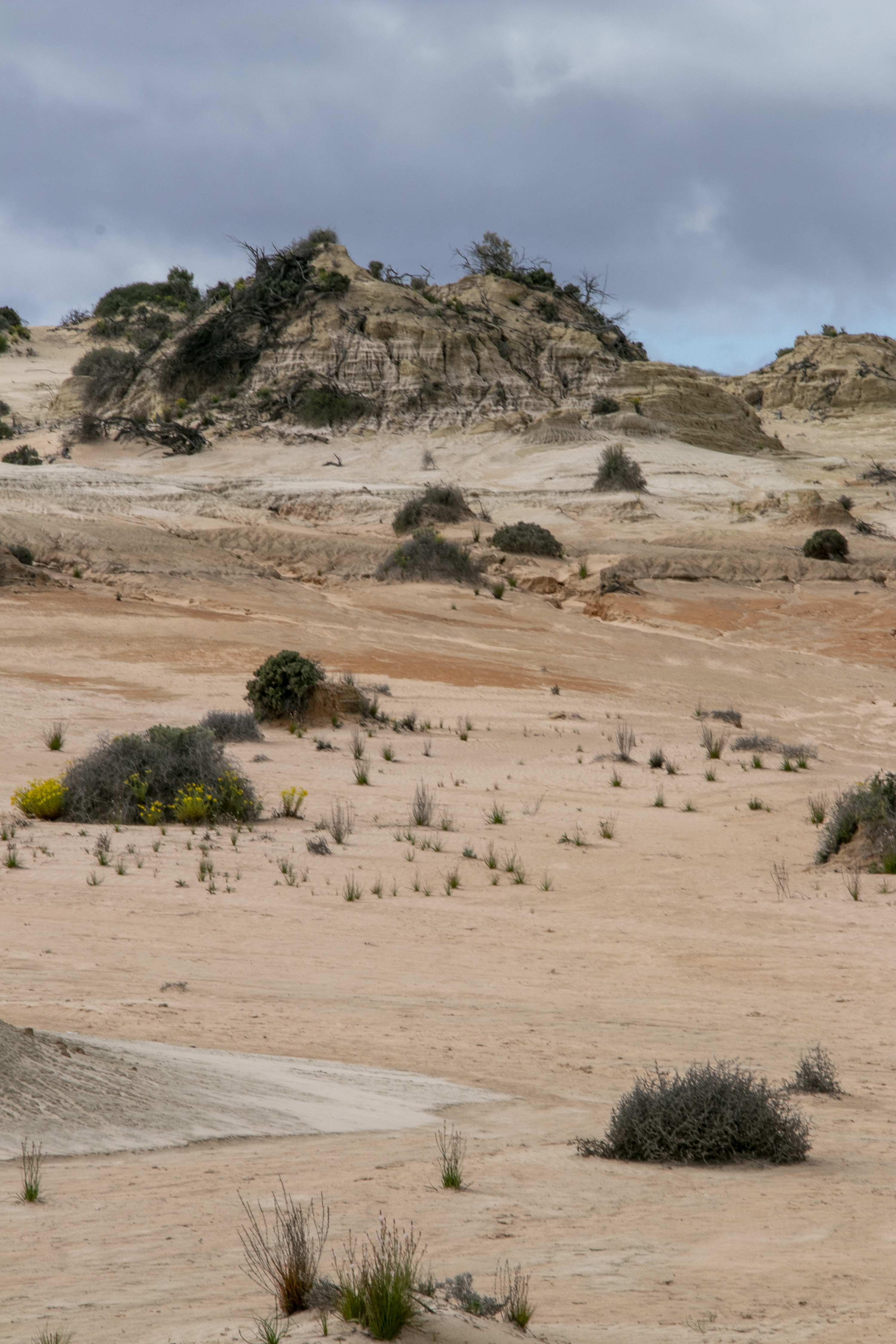
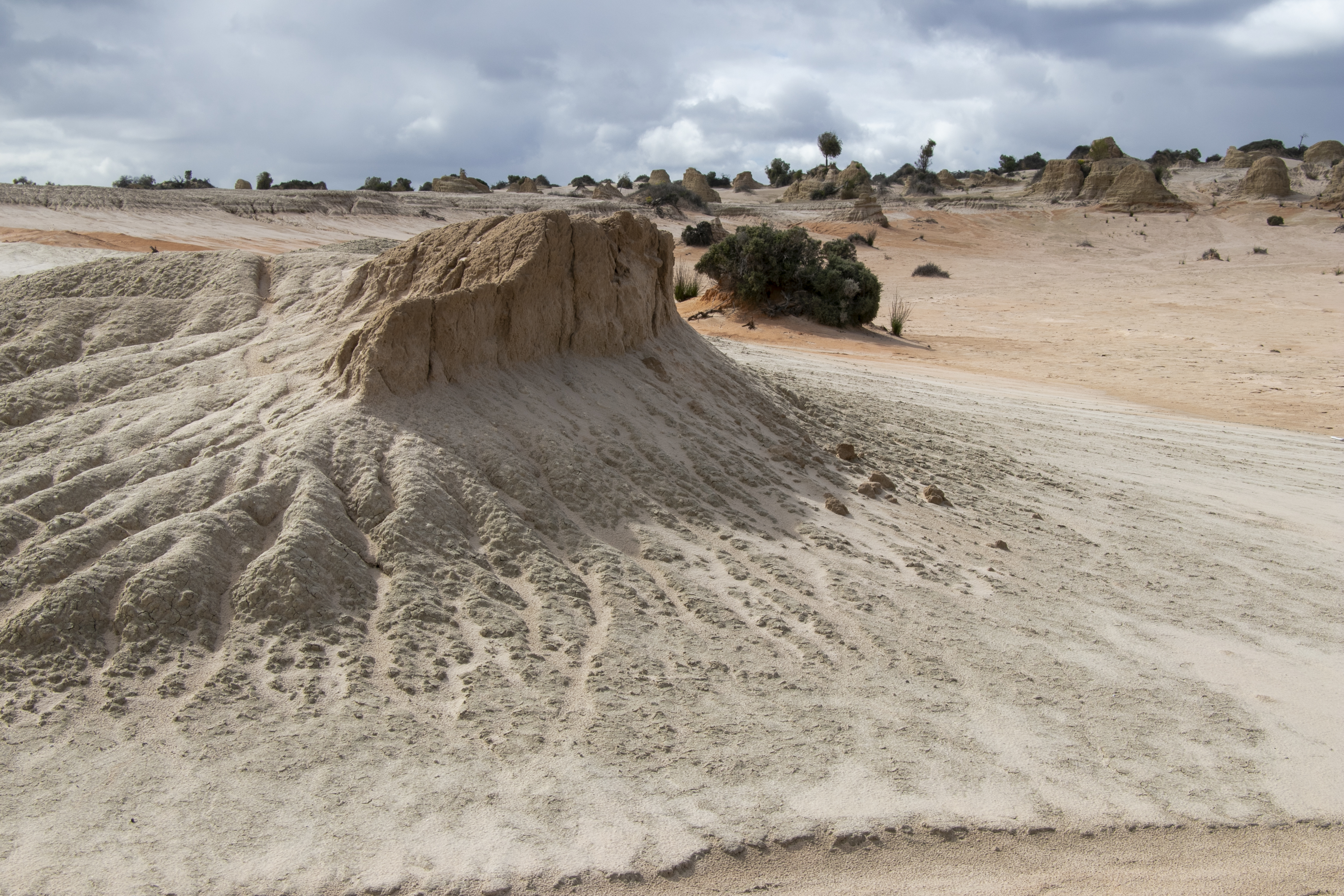
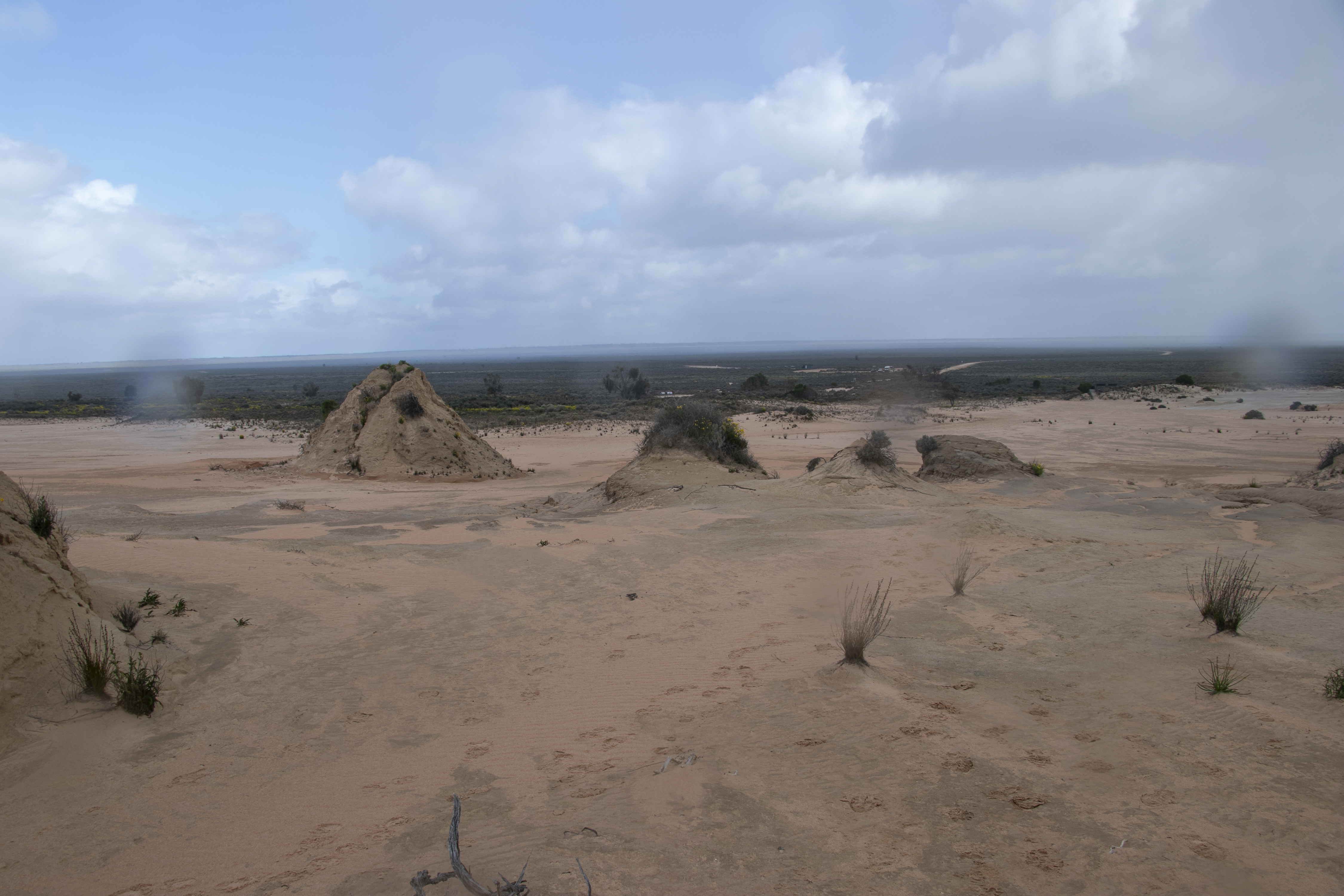
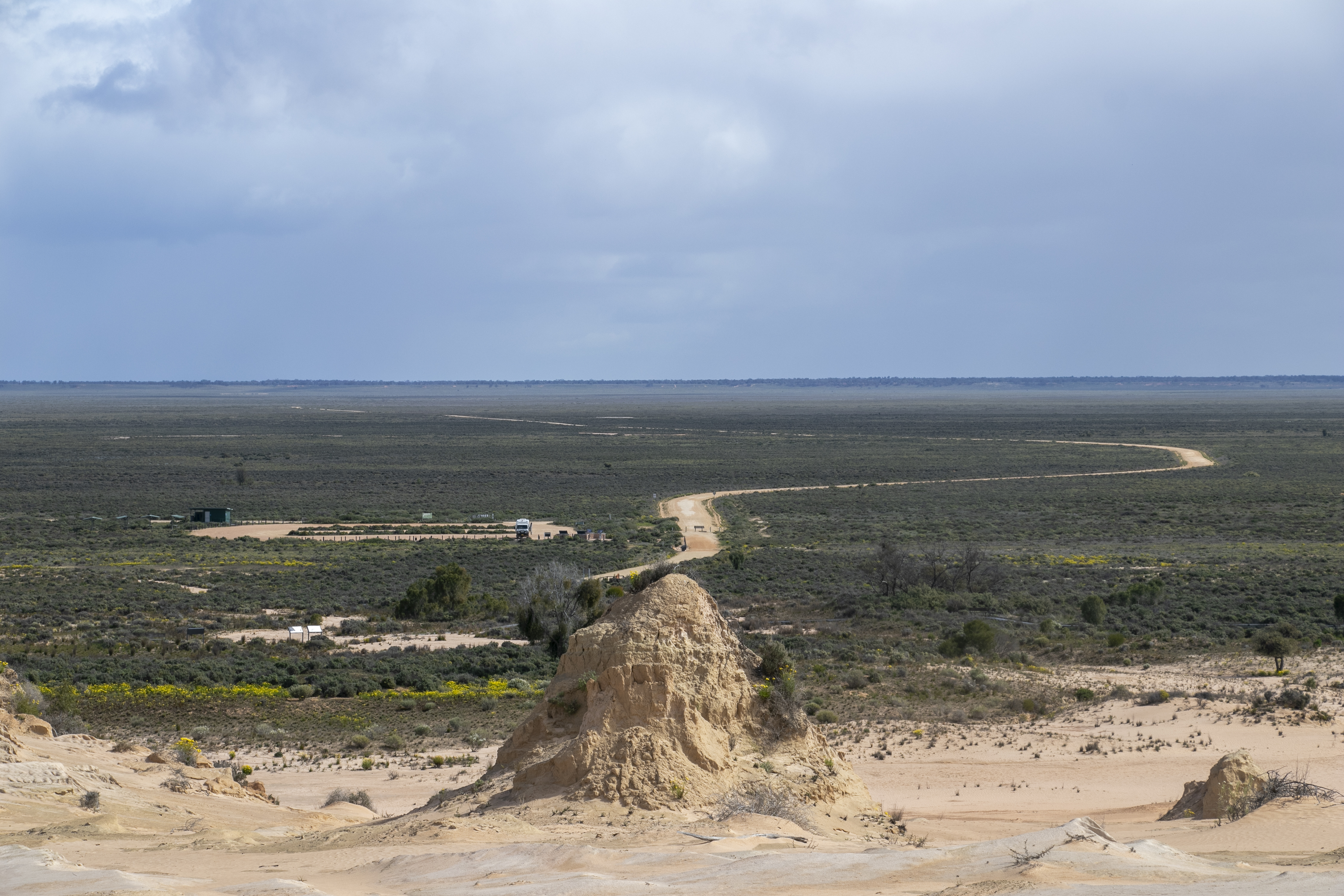
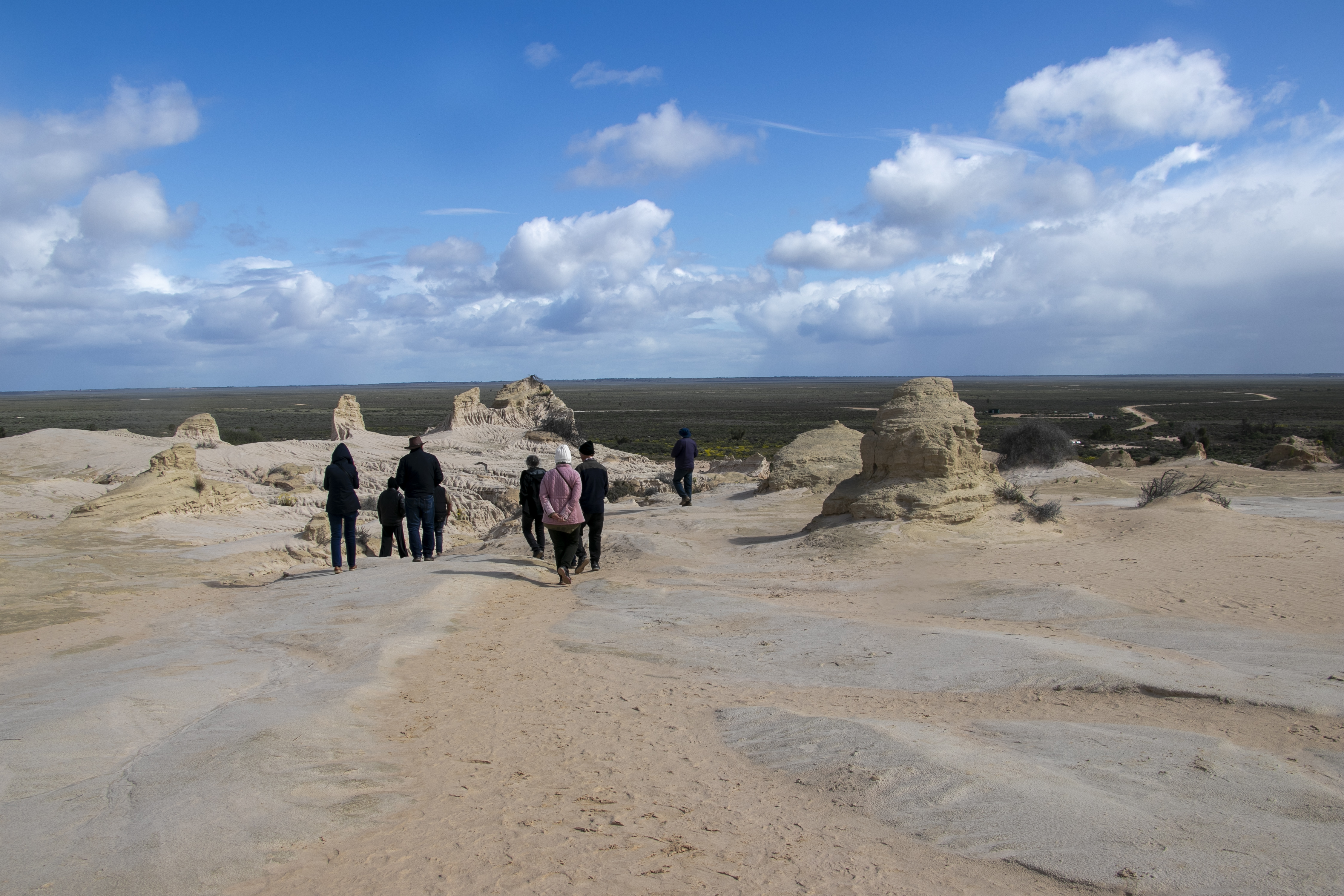
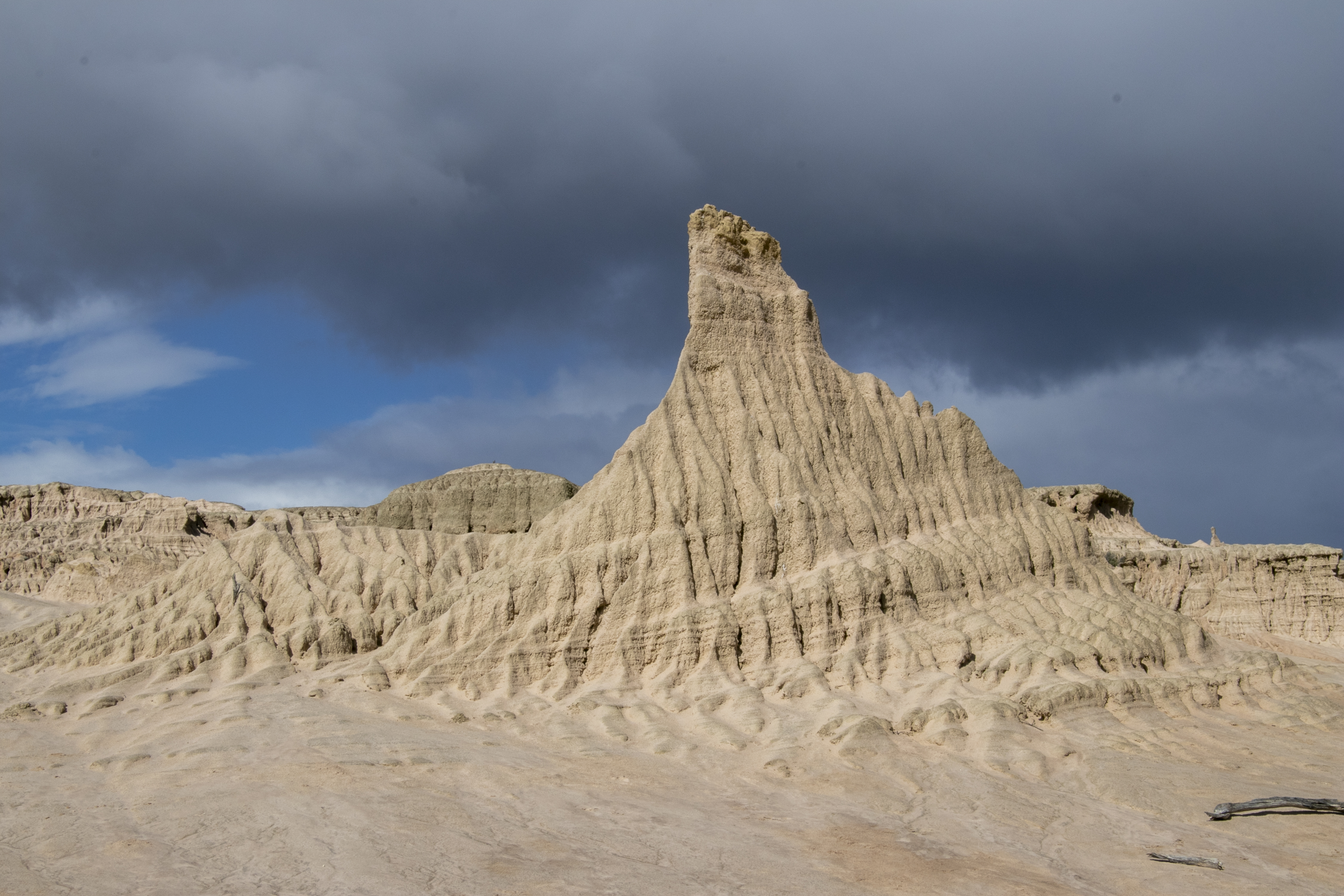
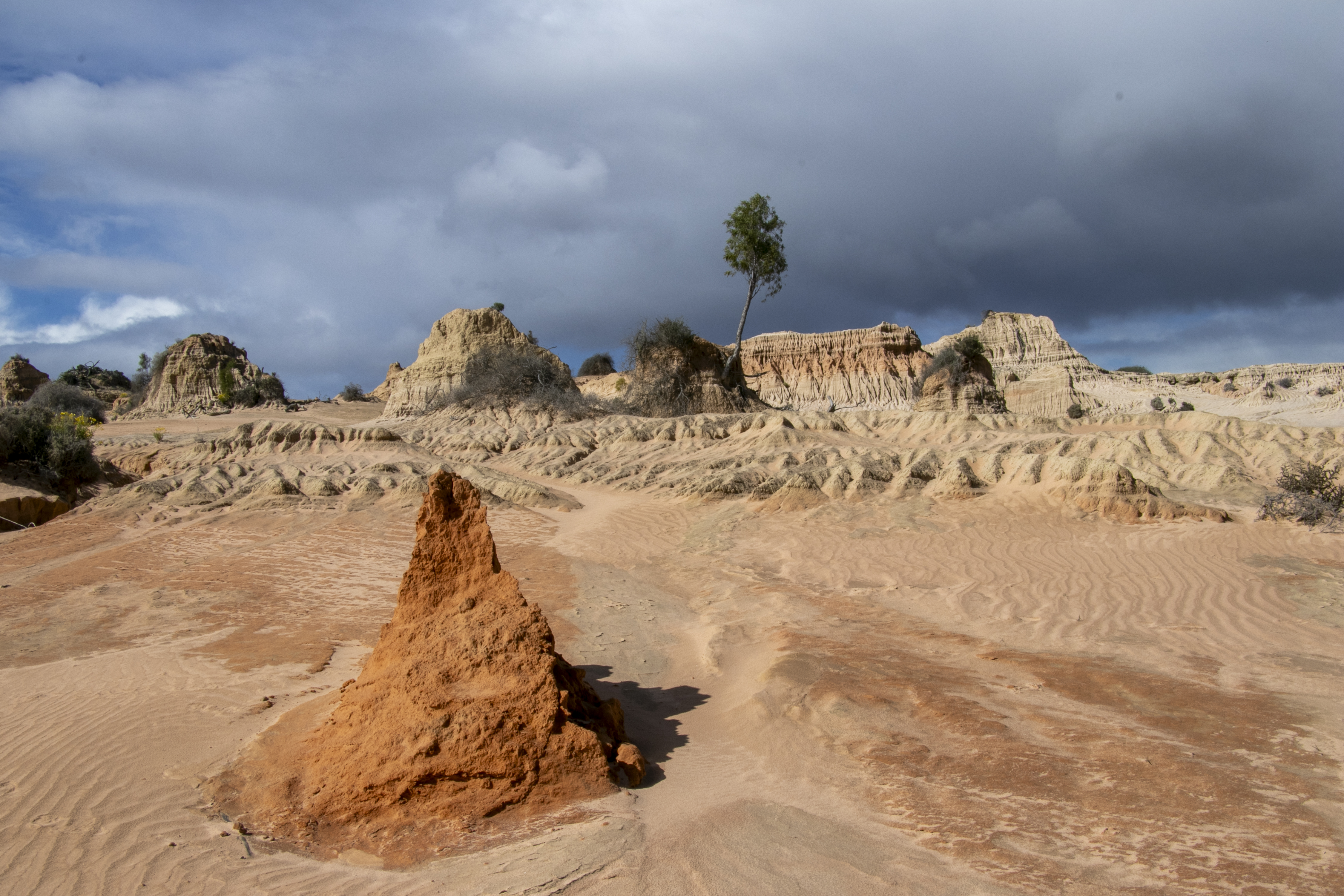
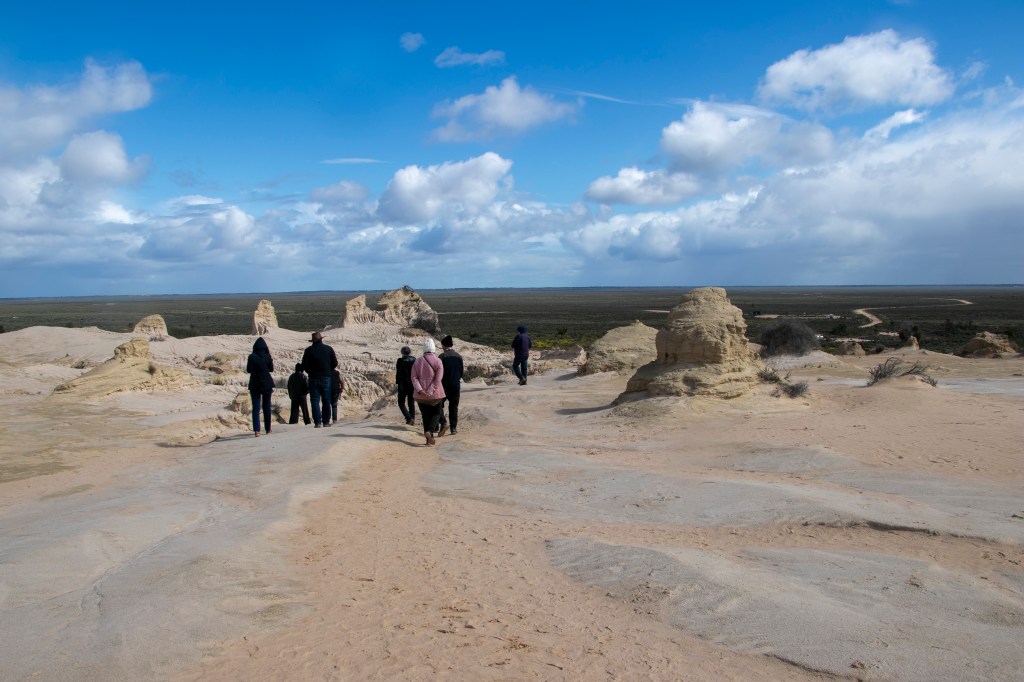
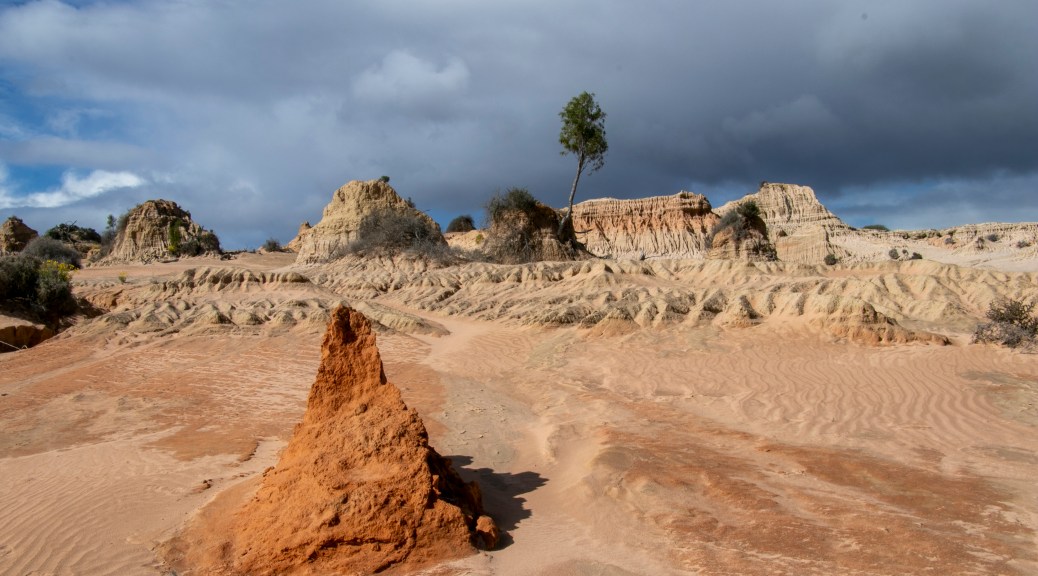
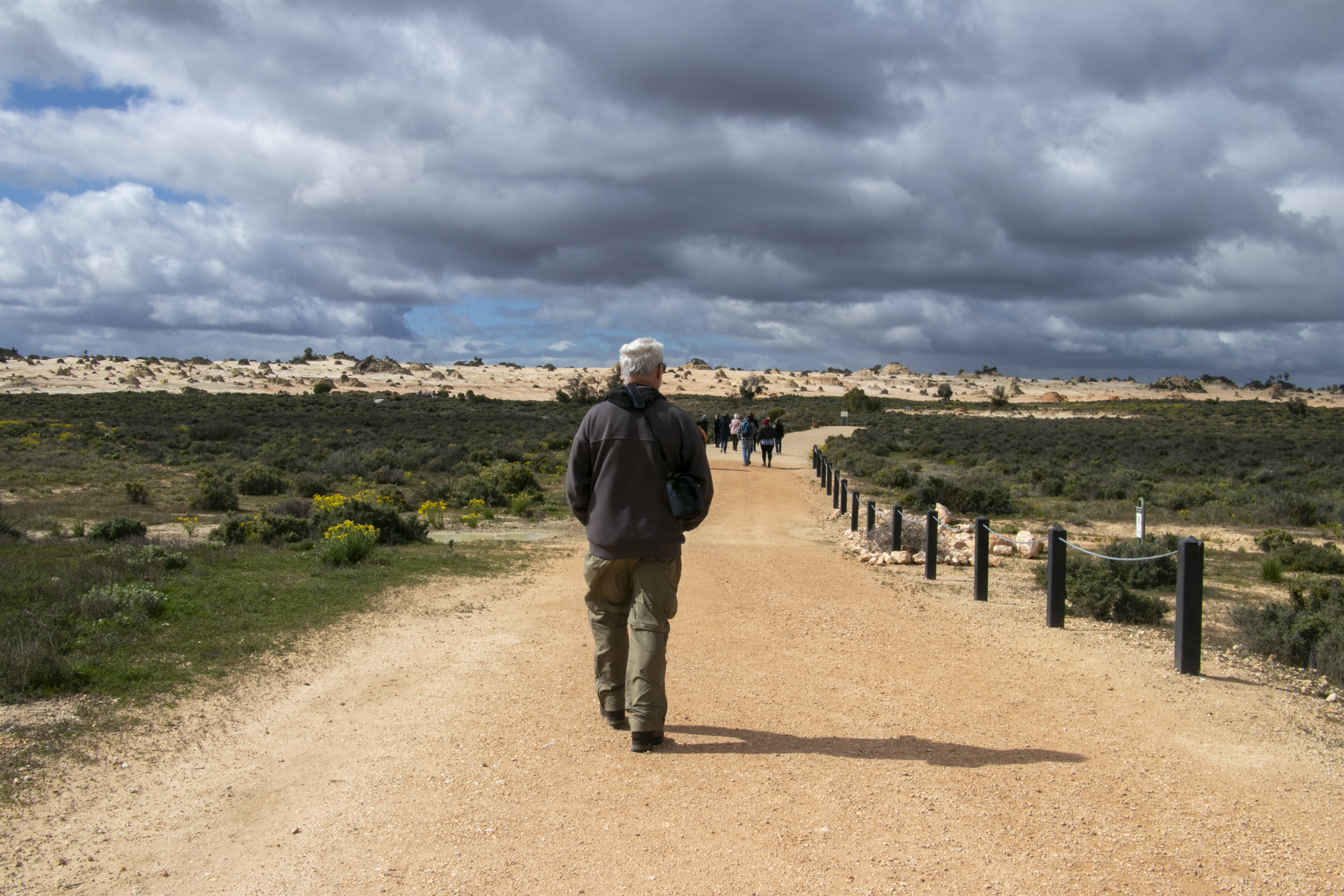
It’s been awhile between posts (life got in the way) but I do have a few more things to say about Mungo National Park. Today, we’ll take a walk among the dunes that is the ‘Wall of China’. This was part of a guided tour – you are not allowed to walk among the dunes on your own as the environment is very fragile.

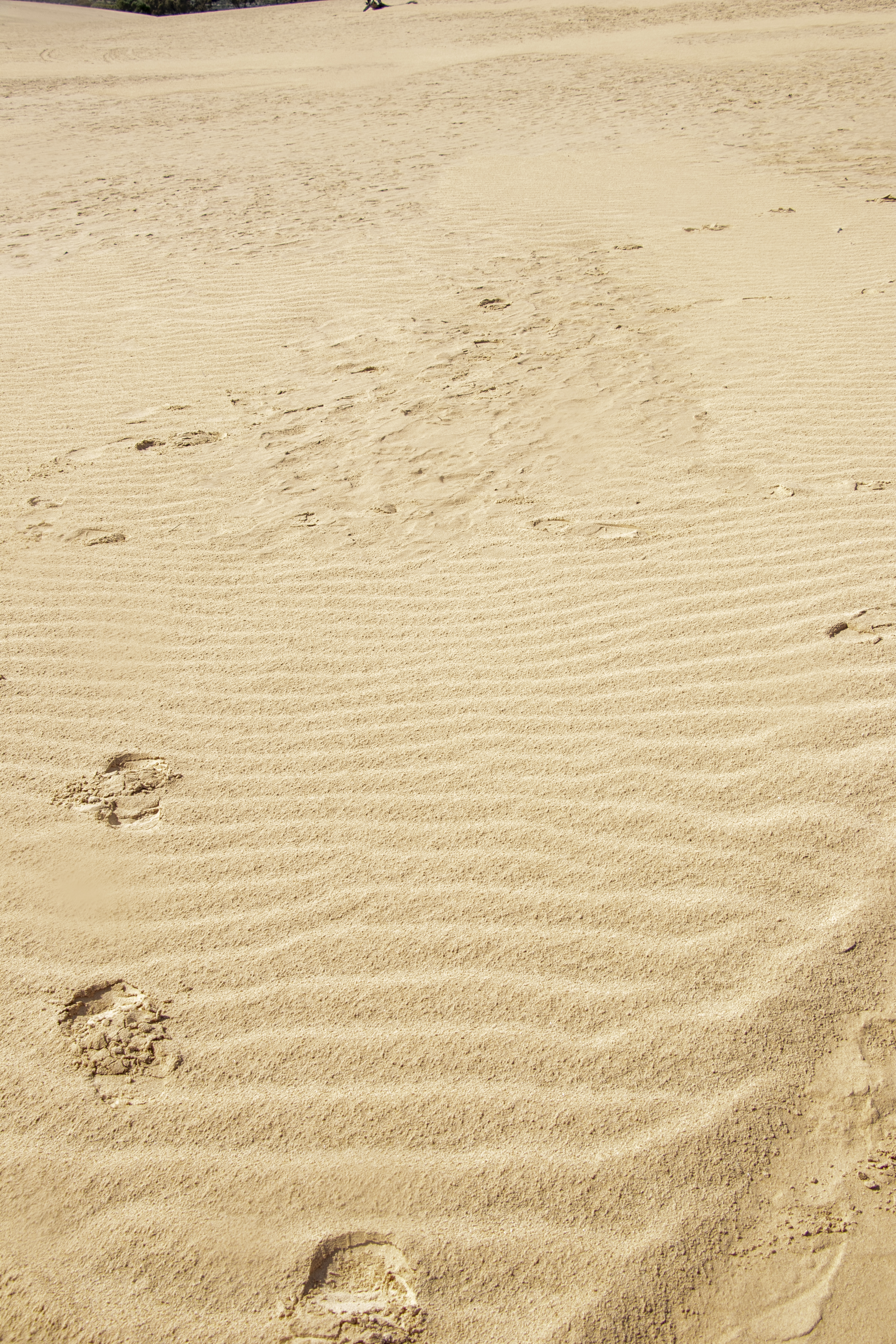
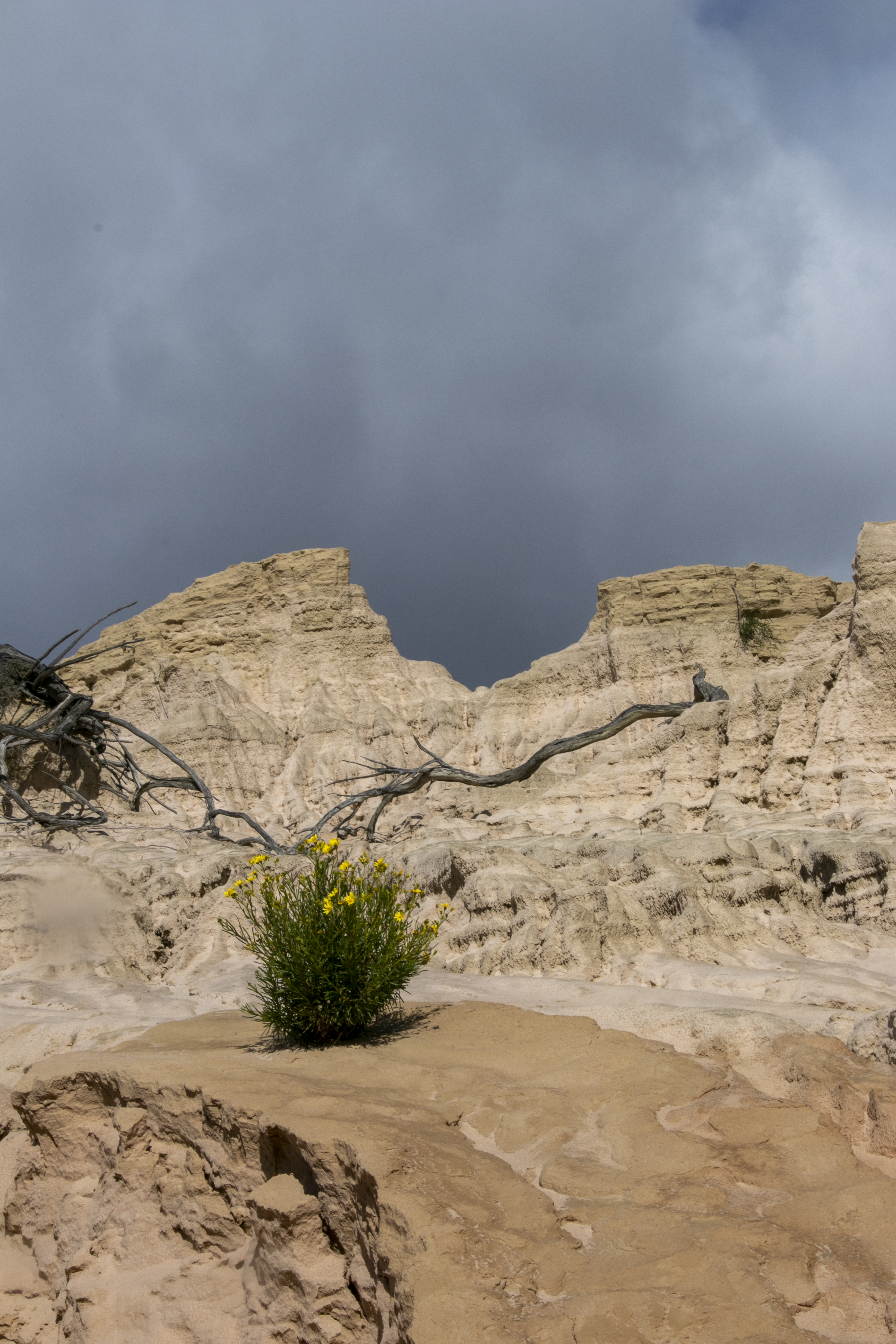
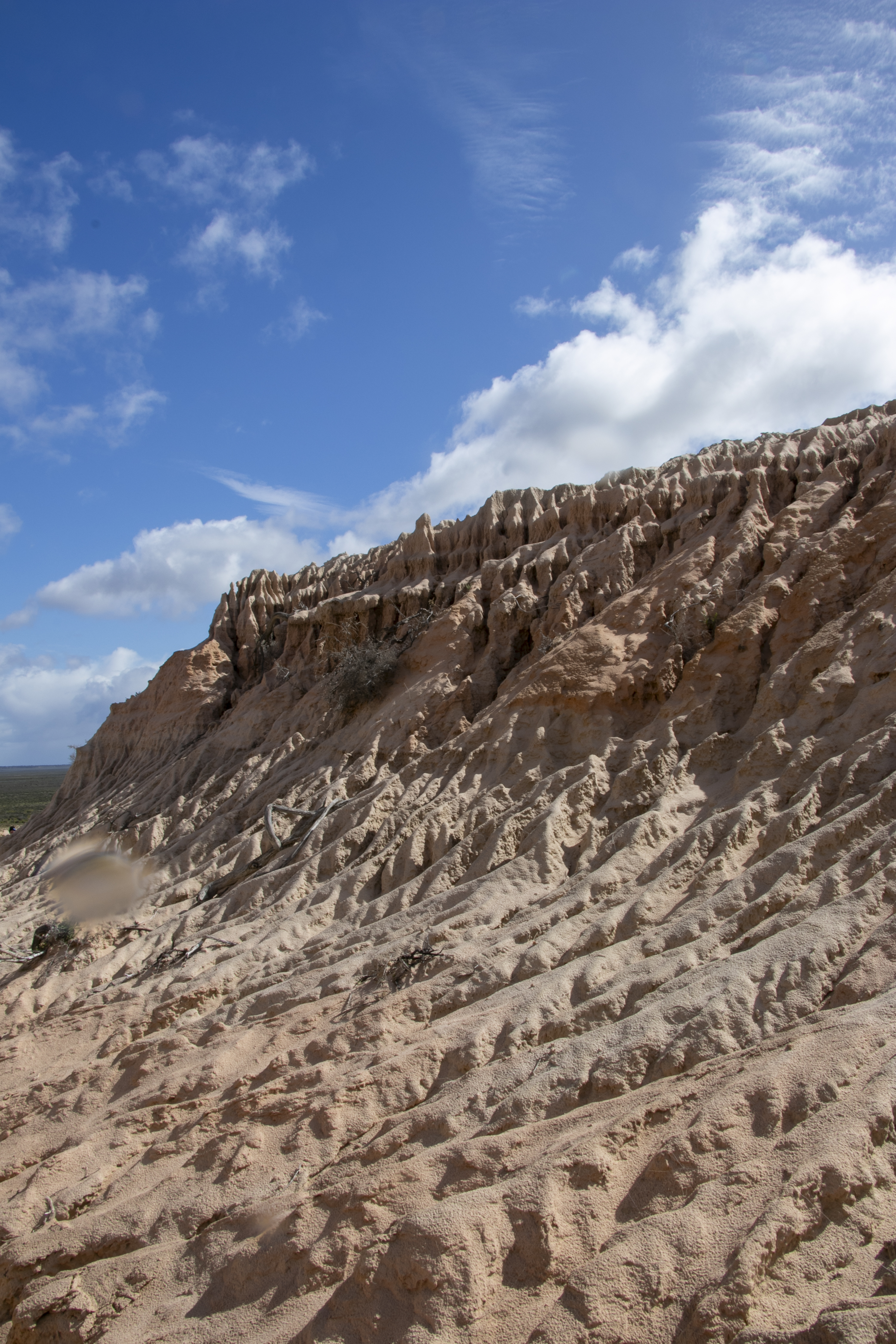
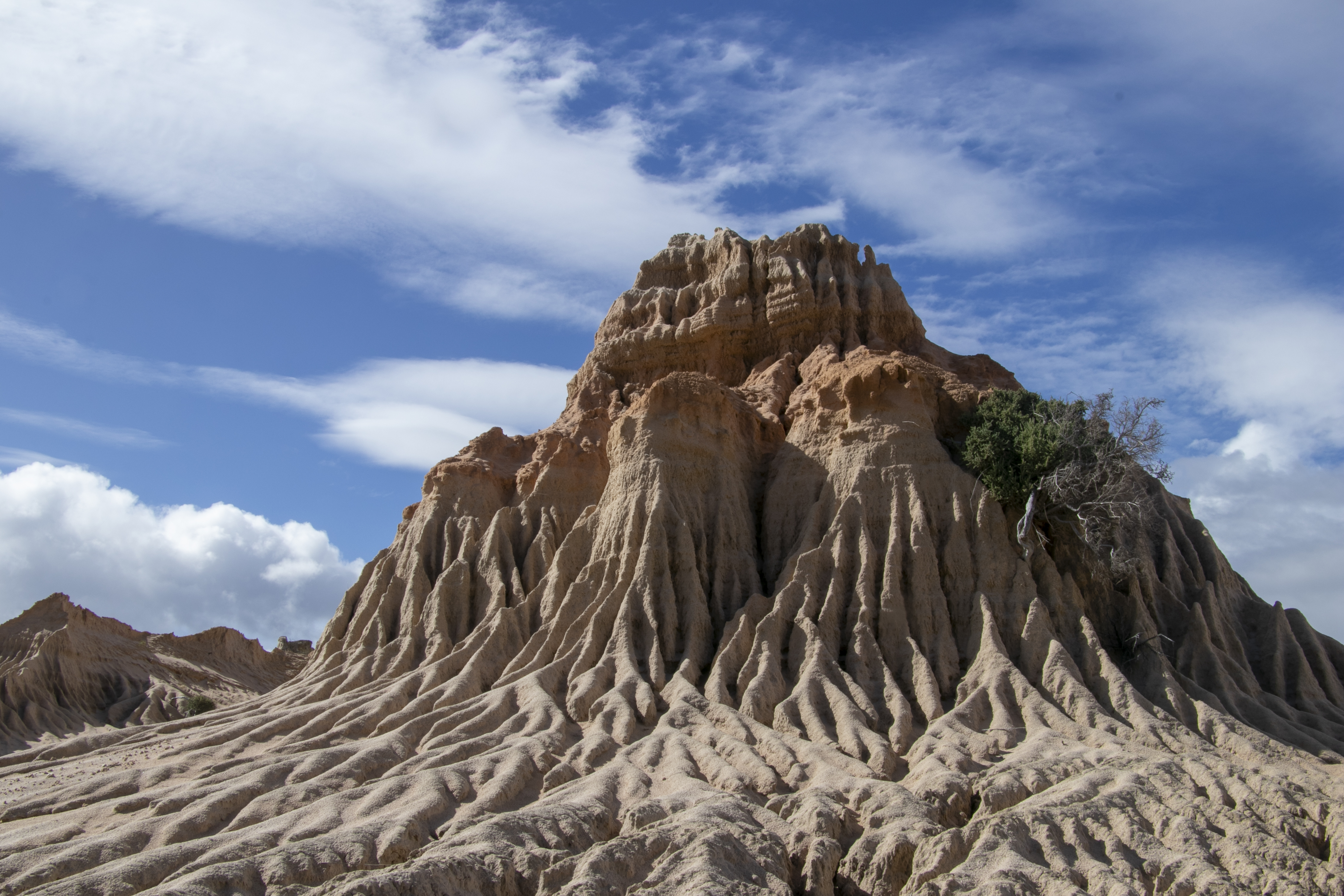
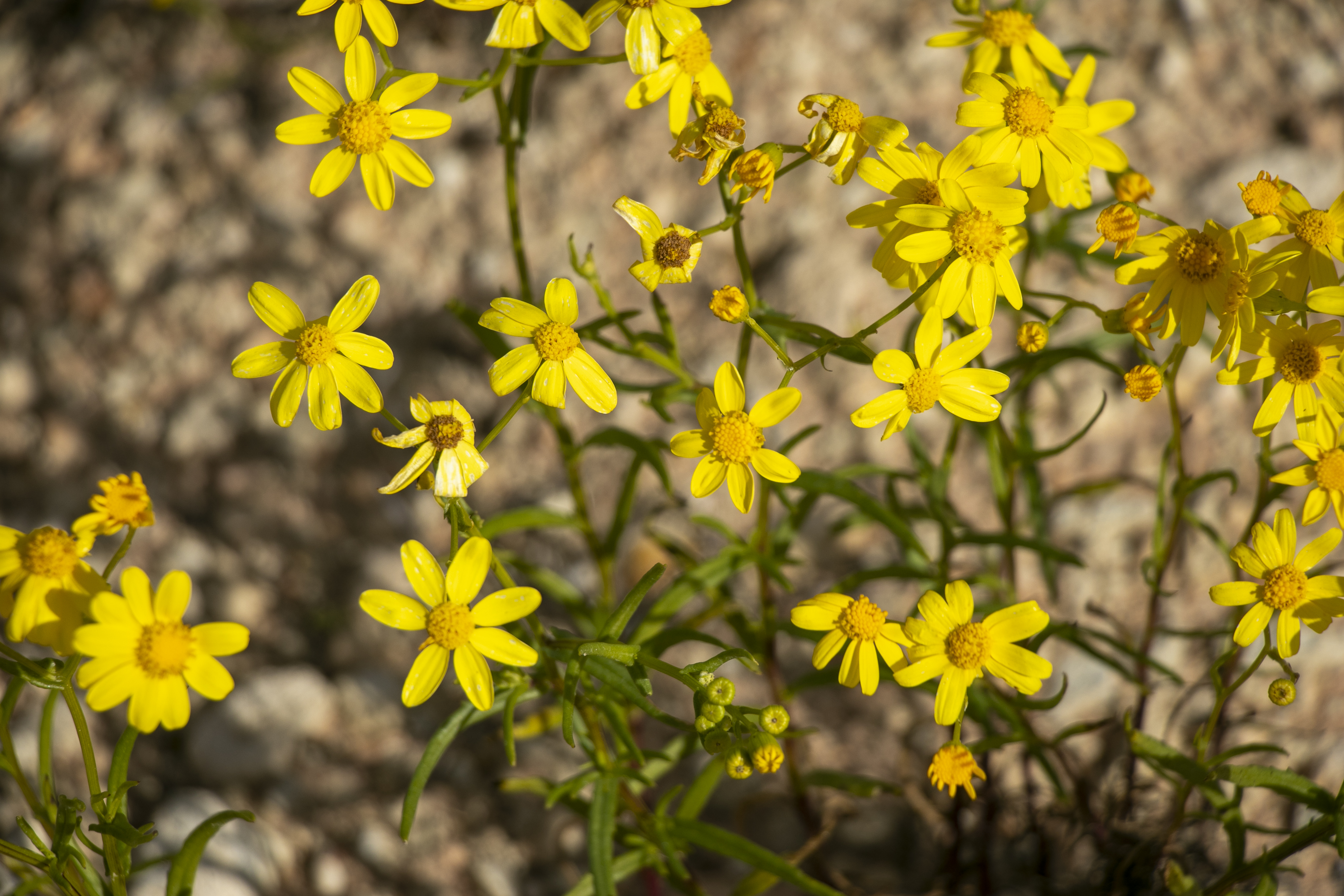
We first walk along the flat lake bed before ascending into the dunes. Surprisingly, we see some very hardy flowers growing there. The dunes comprise of different layers – the top is a very soft white sand, the layers underneath are ochre in colour. The elements have also create lots of interesting formations.

Interestingly, the top sand layer is constantly being eroded by the wind, hence ‘tidbits’ of the long buried past are constantly being revealed. We saw little fragments of bone and other things peeping up as we walked along. This was how Mungo Man and Woman were discovered. It was an interesting walk and I found it interesting as history, geology and palaeontology all came together here.

Riverina – Kings Billabong – Flora

Kings Billabong is a wet-land area near Mildura that feeds the mighty Murray River. It is also flowing through what is an arid region. So on one hand, I saw bodies of water like this.

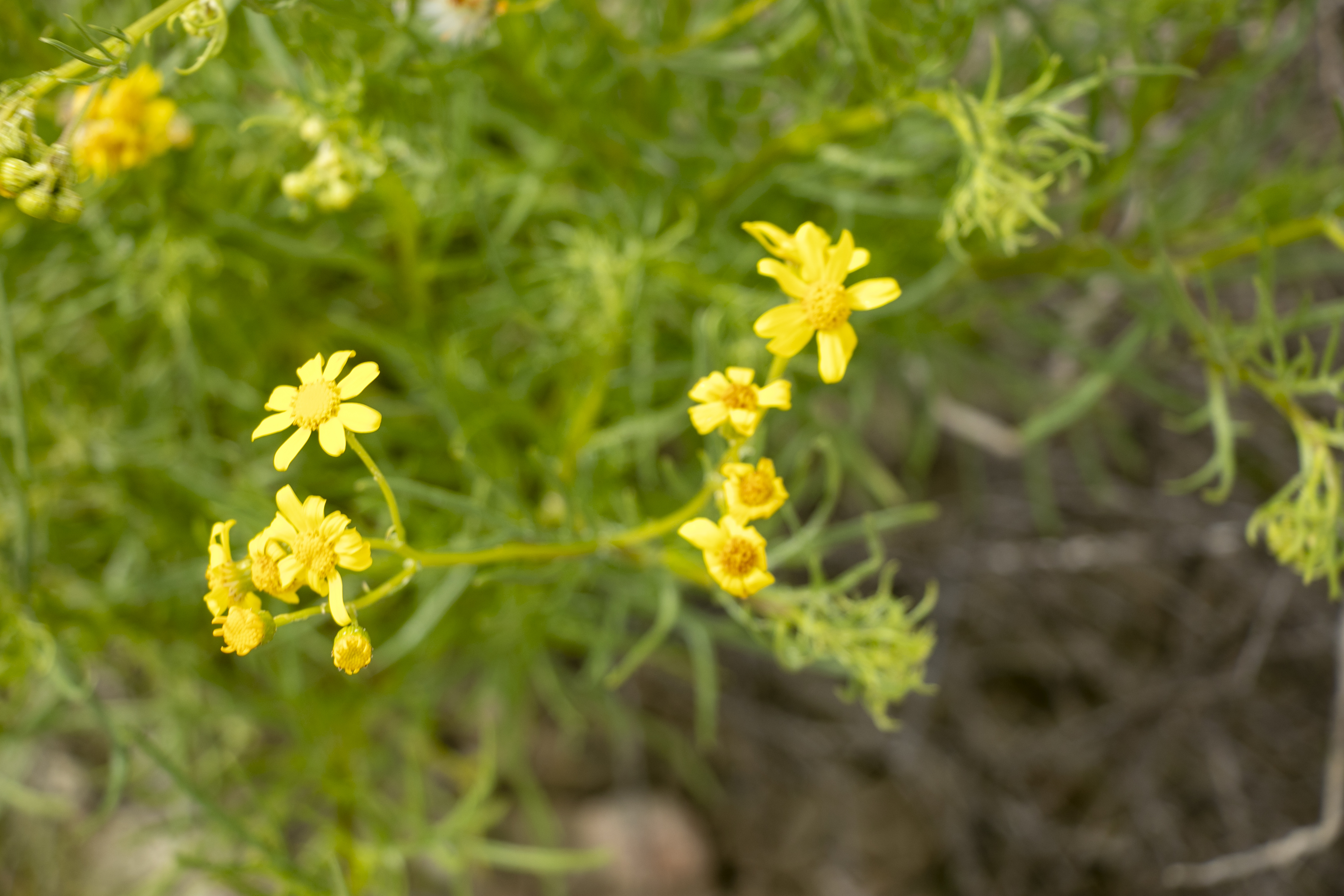
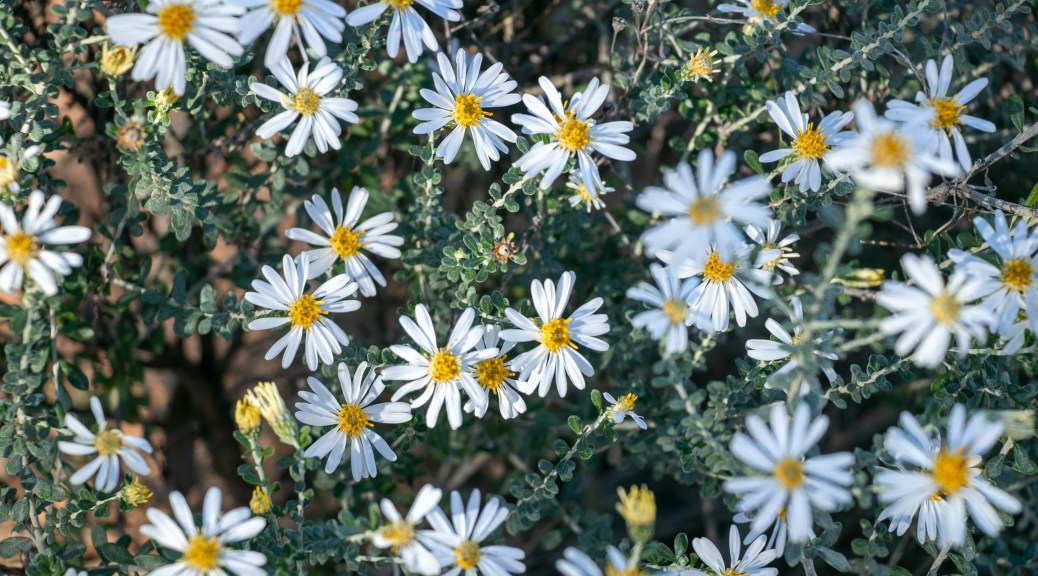
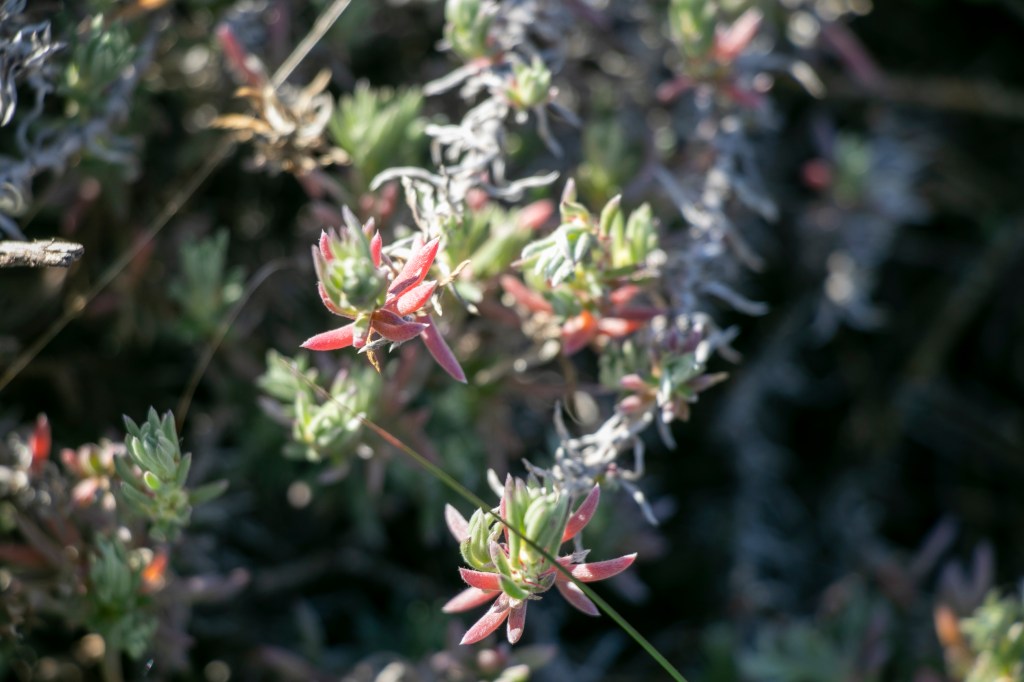
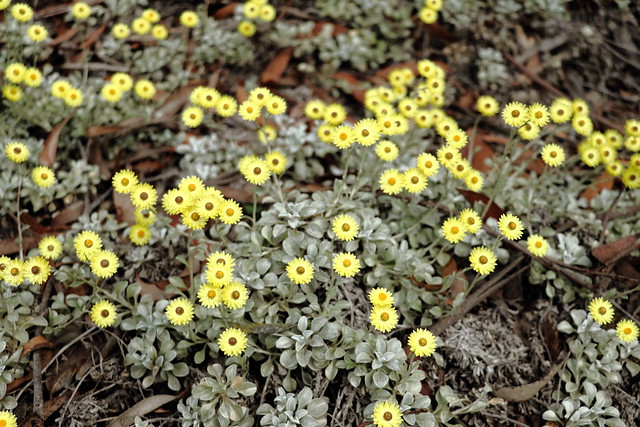
But when I look at my feet, I saw what seemed to me to be plants that belonged in much drier regions. They’re species that are certainly a bit different to those I find around Sydney, anyway. And of course they’d be different, since I was 1,000km west!
Lord Howe Island – Views of the Lagoon

Lord Howe is an island, foremost, so let’s have a few more views of the water. We stayed on the western side of the island and hence got our fill of views of the Lagoon. No name, just Lagoon, since it’s the only one.

It is the most southern reef system in the world, and it is beautiful to look at and swim in whatever the weather, since there is no sewage or storm-water run-off to pollute its clean waters. The uniqueness of the marine environment obviously helped gain the island a UNESCO world heritage listing.

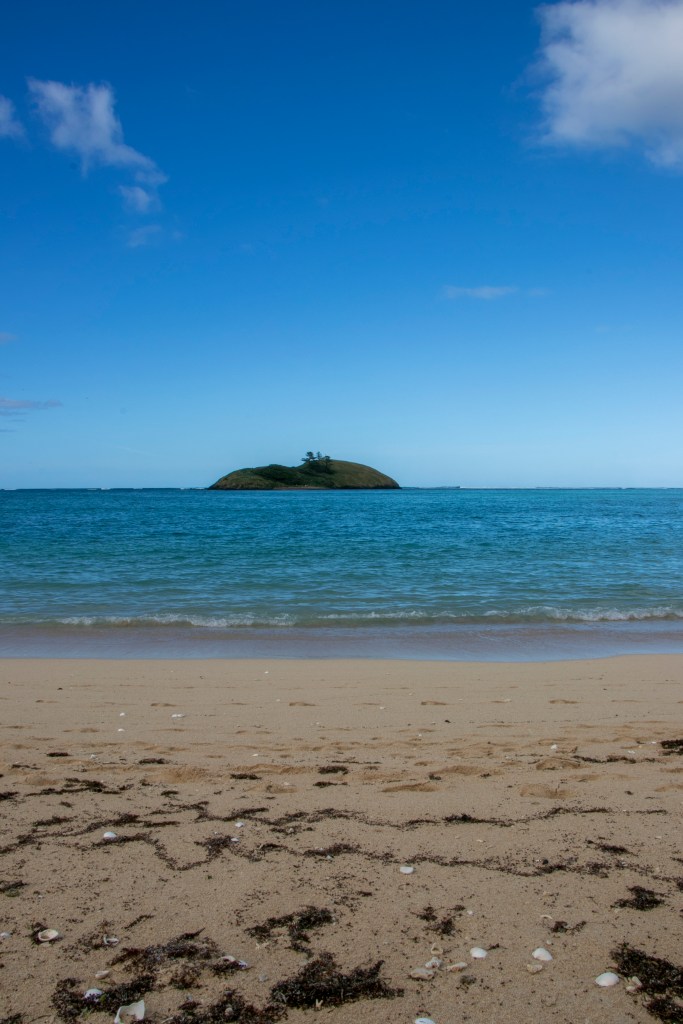
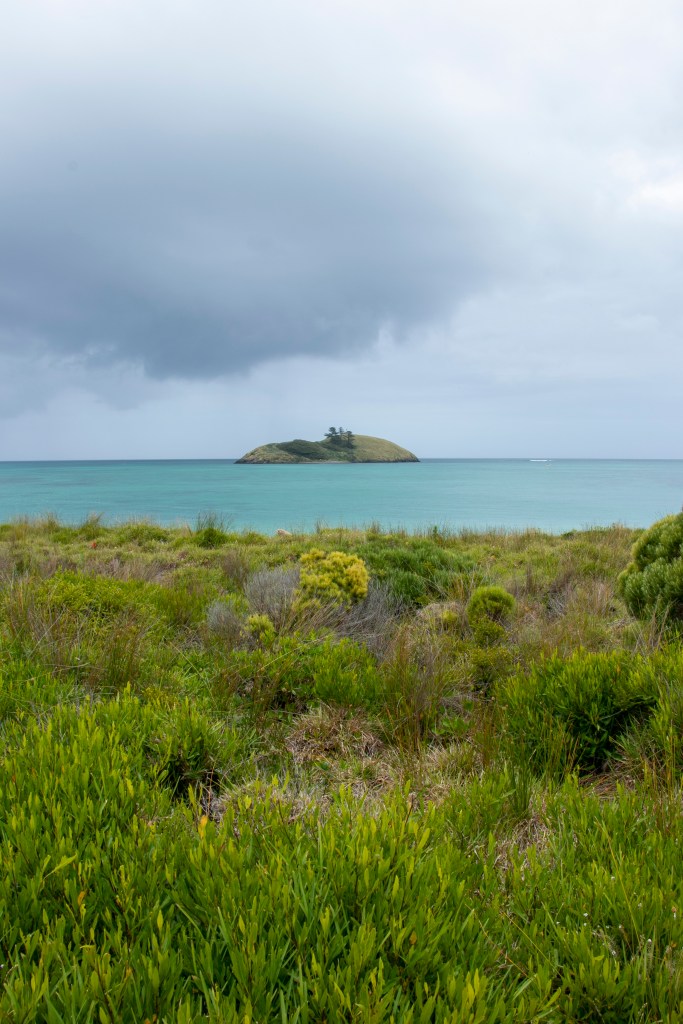
In the middle of the lagoon, about 700m off-shore, is Rabbit Island (officially, Blackburn Island), which produces a lovely focal point to the view. It might have been overrun with pests like rabbits in the past (hence its name), but after the big clean-up, it’s now pristine.

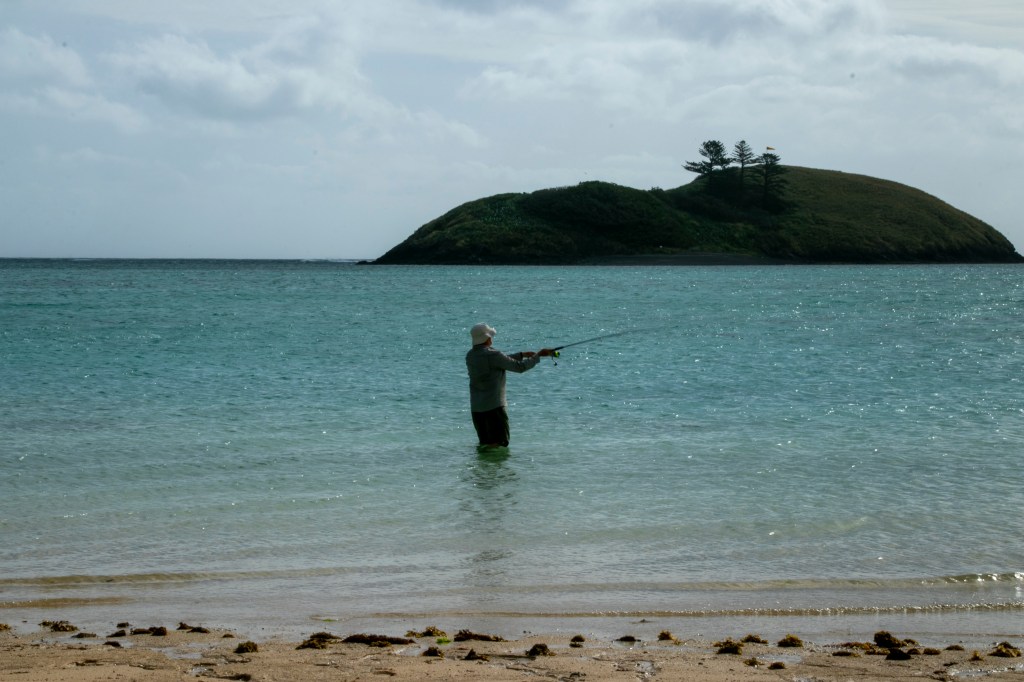
There are lots of snorkeling opportunities on the Lagoon, as well as lots of fishing opportunities. Hubby brought his fishing gear all the way from home and was eager to cast a line. It’s certainly a scenic place to do it.

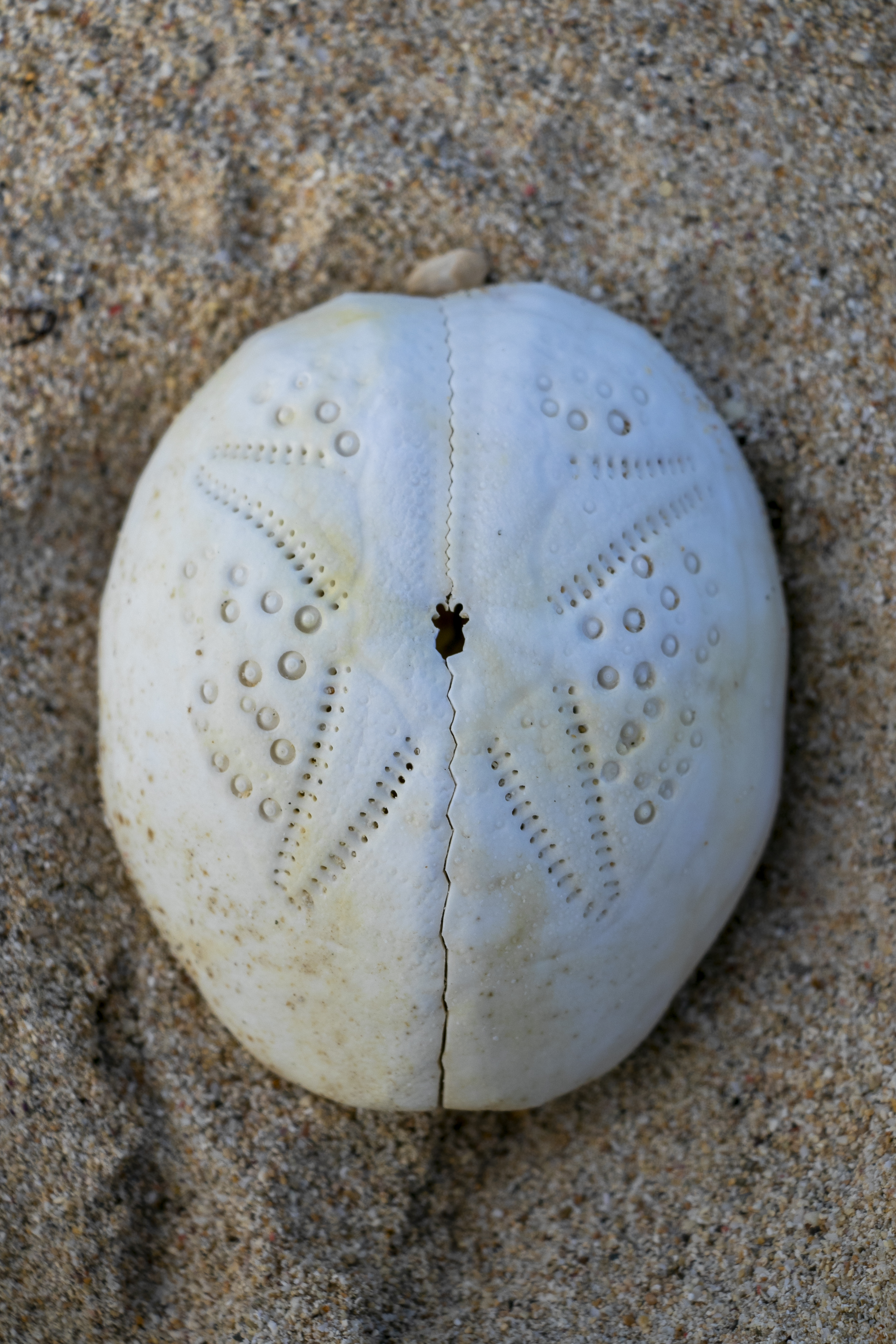
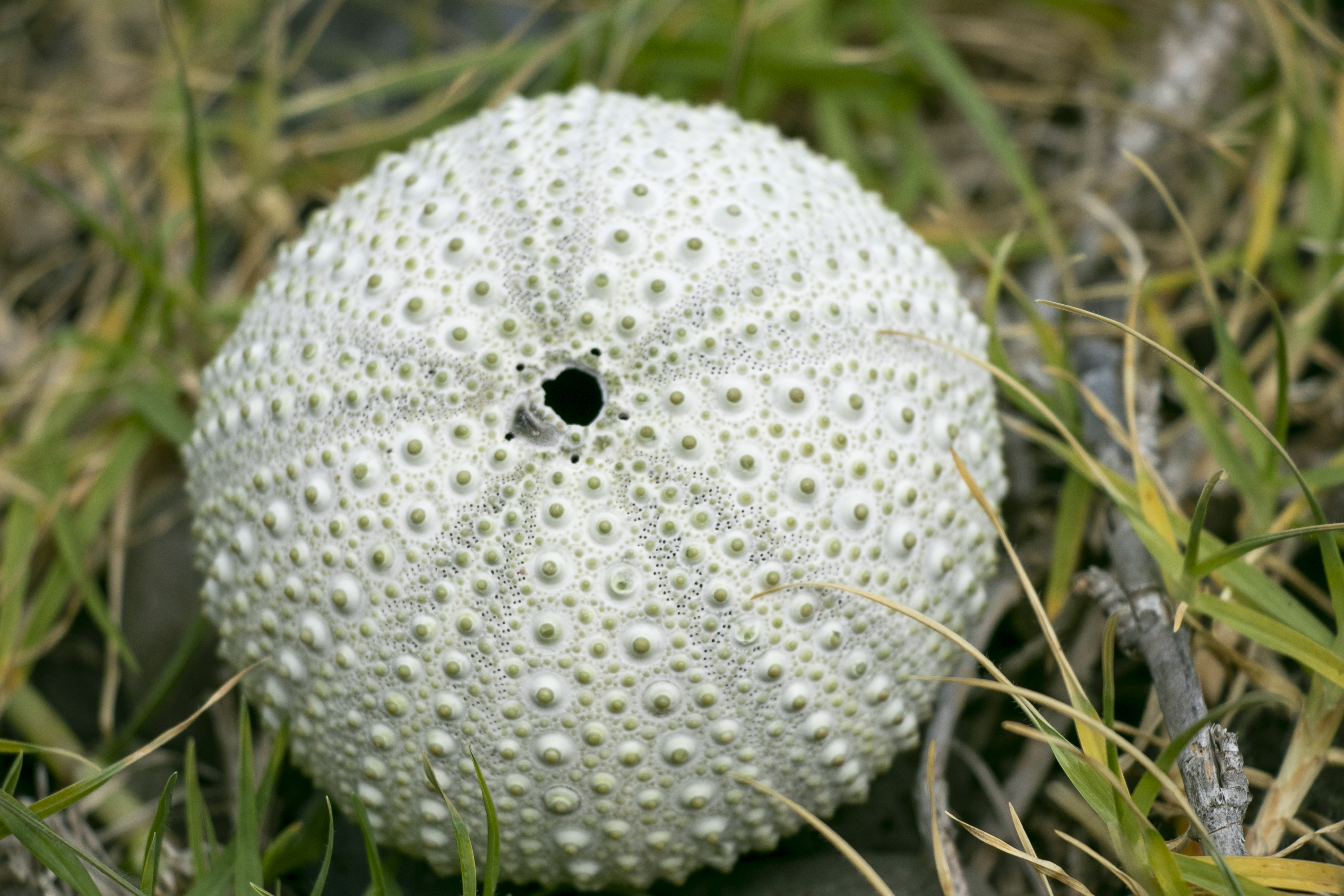
And on the shore, there were interesting details to examine while I waited for hubby to land a catch (he did eventually, by the way).

Lord Howe Island – Under the Canopy

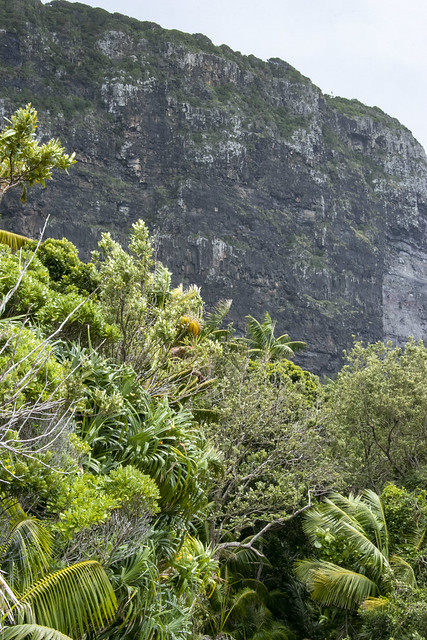
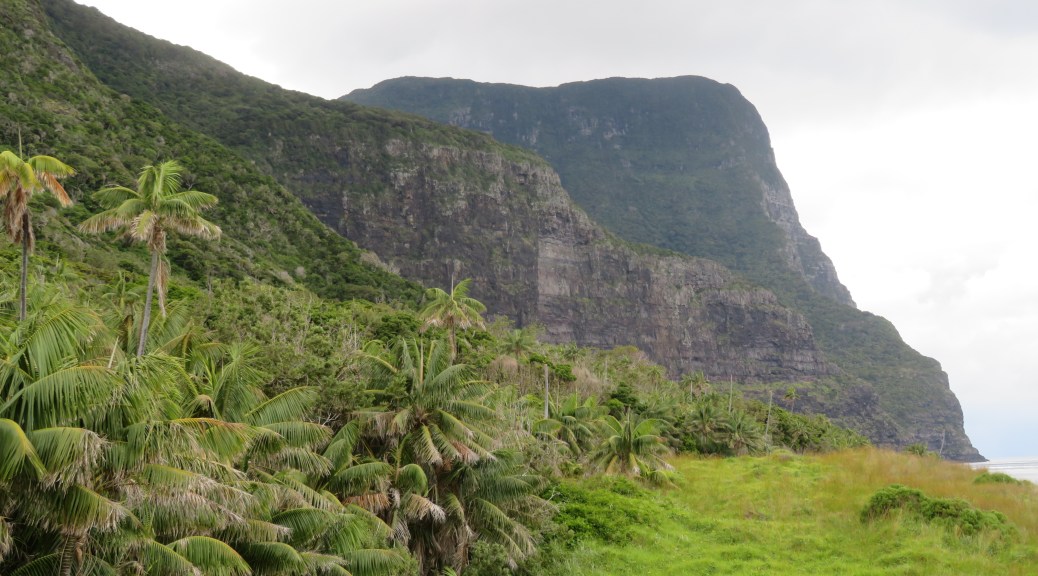
Despite the presence of settlers for almost 190 years, the island still retains much of its original vegetation. That vegetation is in the form of subtropical rainforest. With the impressive landforms of Mounts Lidgbird and Gower (the remnants of a 7 million year old volcano) that drop off right into the ocean, the landscape is very Jurassic Park– like.

Under Mount Gower
Little Island Track.
Under Mount Gower
Under Mount Gower
Under the Canopy

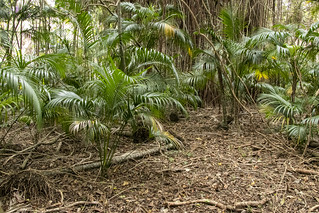
You can see the presence of Kentia palms everywhere in the rainforest. These palms are commonly found as indoor plants everywhere around the world from back in the 19th Century.

Under the Canopy

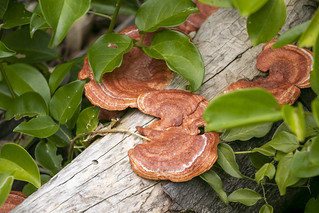
Aside from these palms, there is also a variety of strangler vines and multi-coloured fungi.

Strangler Figs
Forest fungi

All of this is a short stroll from civilisation – and with the both easy and challenging tracks about, and the lack of stinging insects, it means that this rainforest is just about perfect (for me anyway)!

Natural (or Unnatural) Spring Wonders

Two completely unrelated photos, the only connection is that they are of the natural world.

Some Egg and Bacon Pea flowers besides the walking track at Mount Ettalong on the Central Coast last spring. Drought or not, the show must go on.

Blooming peas

And this is a sight that most of us won’t forget in a hurry – the sight of a blood-red bushfire sunset in the middle of the autumn bushfires last year, as seen from my backyard. This scene was repeated for weeks. Spectacular but not one I really would like to see repeated.

Bushfire Sun

Autumn in the Mountains – Part 5

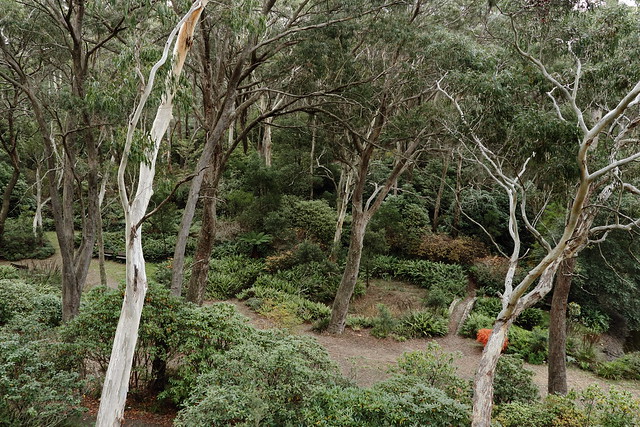
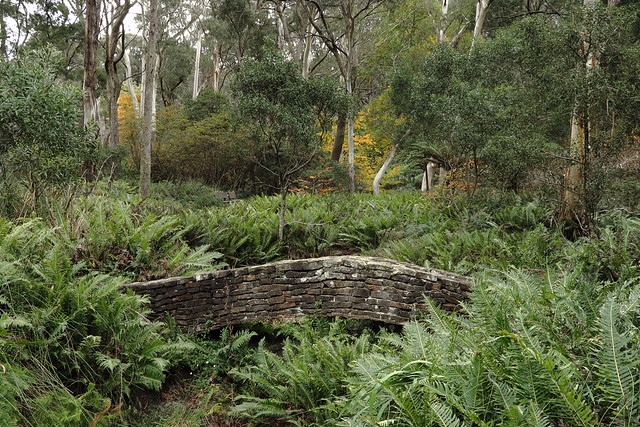
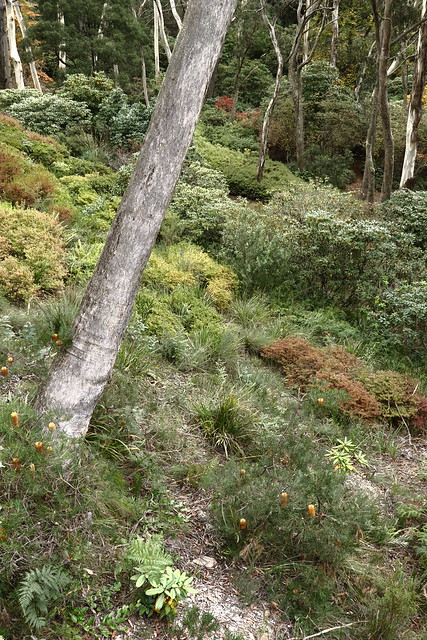
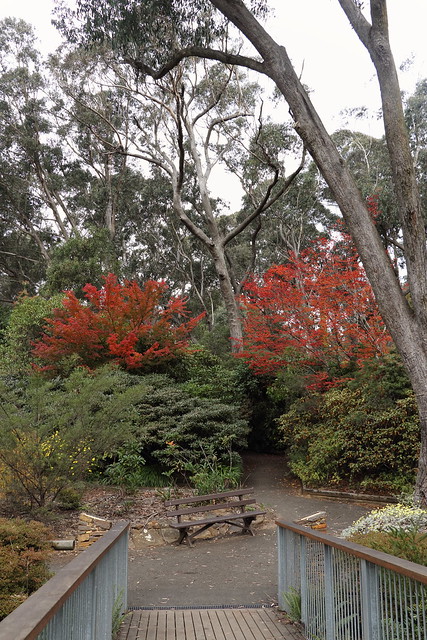
Last stop of the day was the Campbell Rhododendron Gardens. I found out about them from the brochures at my accommodation, and the signs around town led me to the garden that was tucked away in a sleepy corner of Blackheath.

Campbell Rhododendron Garden

It was the wrong time of year for rhododendrons, but I was quite enchanted by this place. Set in a dell, the garden was a very peaceful place to be on a weekday.

Campbell Rhododendron Garden

Campbell Rhododendron Garden

There were some autumn leaves to view.

Campbell Rhododendron Garden

And a few flowers were in bloom to add to the colour.

Campbell Rhododendron Garden

Campbell Rhododendron Garden

All in all, a lovely day out.

Campbell Rhododendron Garden