Tag Archives: geology

From the Forest to the Sea – Part 1

After all that food at the onsen, we really needed a walk. Luckily, the onsen had that covered too – the next morning we joined their free guided walk down to the Jogasaki Coast.

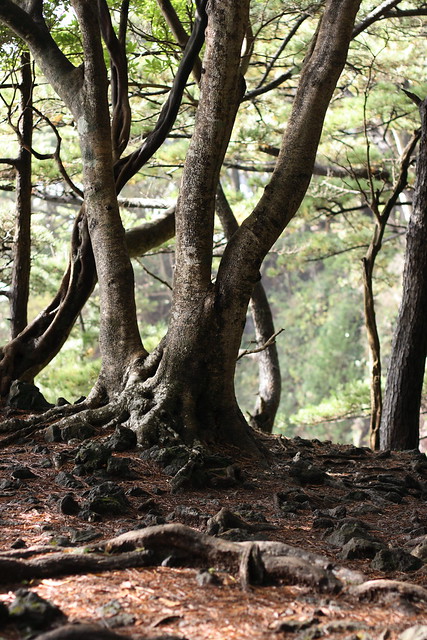
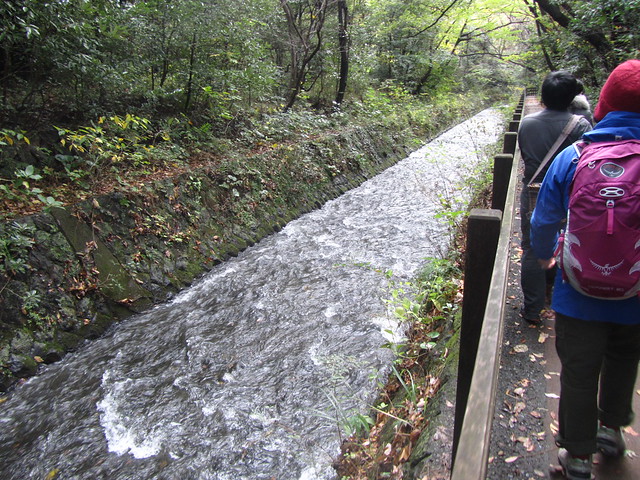
The first part of the walk was by a fast-flowing river that ran through some spectacular forest.
Jogasaki Coast Walk

Jogasaki Coast Walk

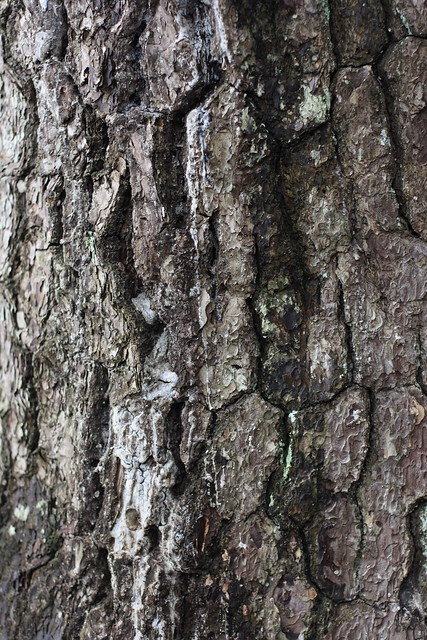
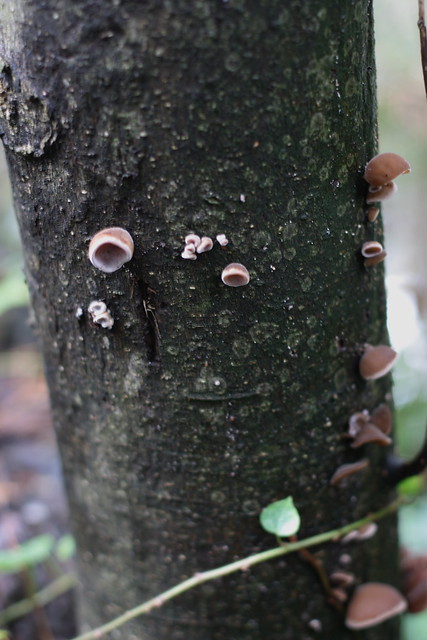
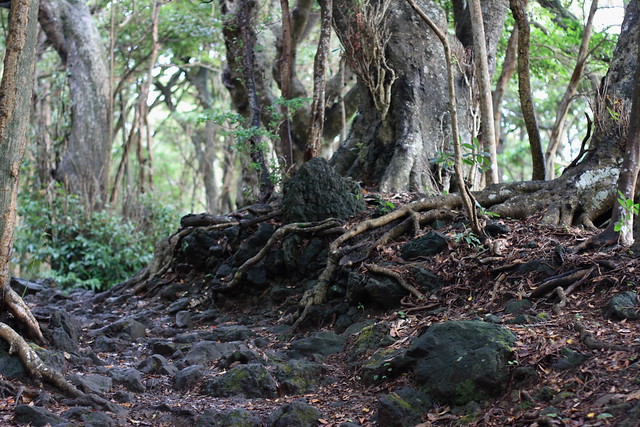
It was a temperate rainforest, and there were plenty of details to take in.
Jogasaki Coast Walk

Jogasaki Coast Walk

Jogasaki Coast Walk

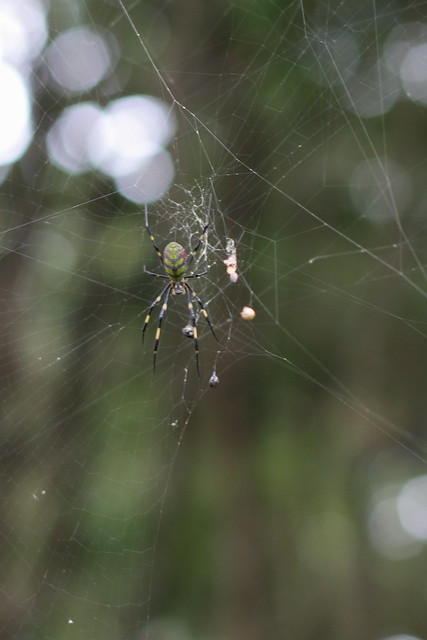
We even saw a lovely-looking spider. These guys aren’t deadly, but they do make you pretty sick. Luckily they are pretty tame, unlike some of its Aussie relatives.
Jogasaki Coast Walk

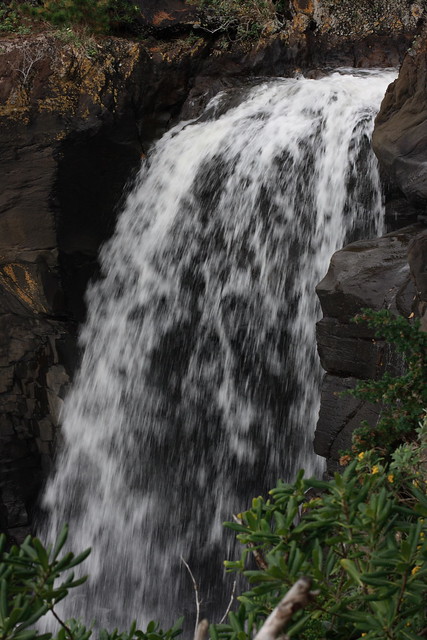
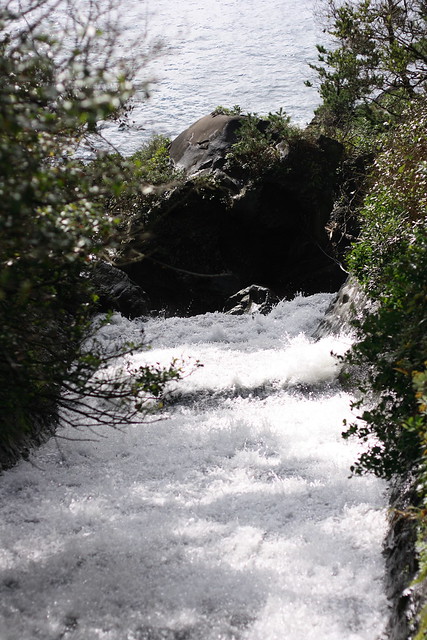
We followed the river until it tumbled into the sea.
Jogasaki Coast Walk

Jogasaki Coast Walk

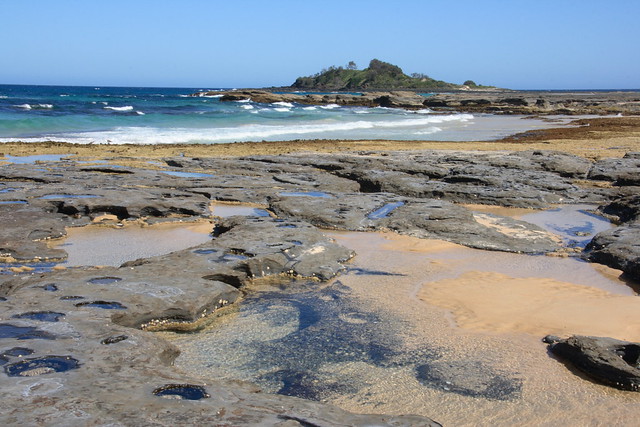
And then, what did we find?
Running Waters – Part 1

Our destination, and home for the week, was Running Waters. It’s a series of permanent waterholes on the ancient Finke River. It’s at the edge of the large Henbury pastoral station, almost on the boundary with Finke Gorge National Park. I had visited Palm Valley last time, but this was something very different.

Running Waters

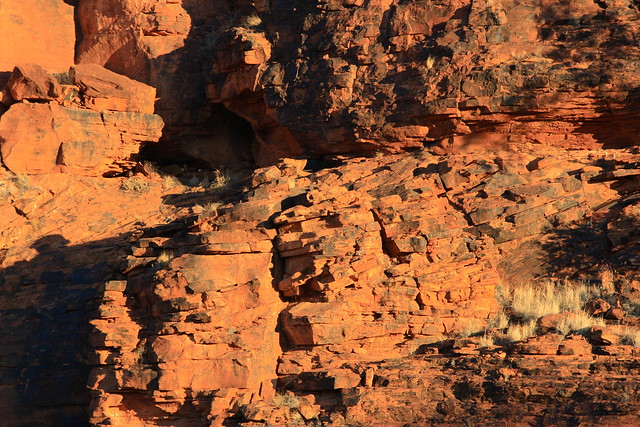
The rocks of the escarpment were a highlight. Because we were camped beside it for a week, we saw all manner of light play upon it. This was later in the afternoon on our first evening.

Running Waters

Mollymook – Part 1

Earlier this week I tagged along with Hubby on a field trip down to the South Coast town of Mollymook. More specifically to a little-known cove, Jones’s Beach, on the north side of Bannister Head. Hubby came with his student to collect some basalt rocks for further analysis.

Jones's Beach

I came to enjoy the view. It’s like a place that time forgot.

Jones's Beach

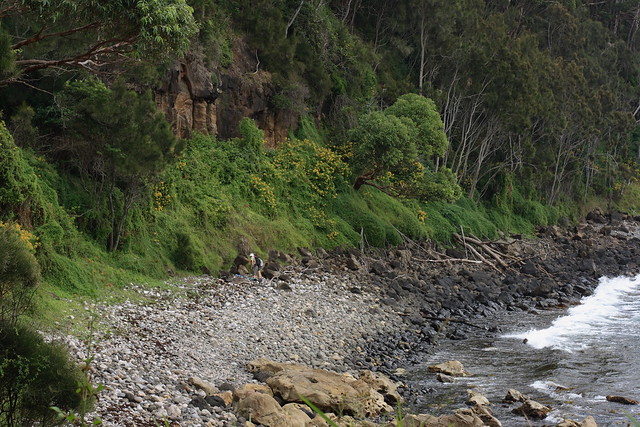
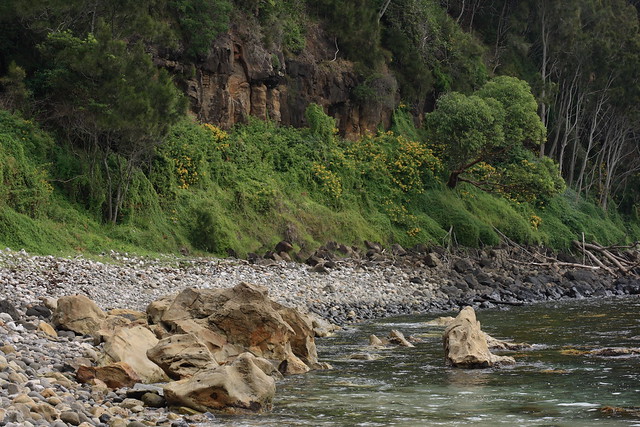
There was a pebble beach, weeds, and lots of gum trees towering over the water.

Jones's Beach

What a little gem.

Spring Seaside Getaway – Part 2

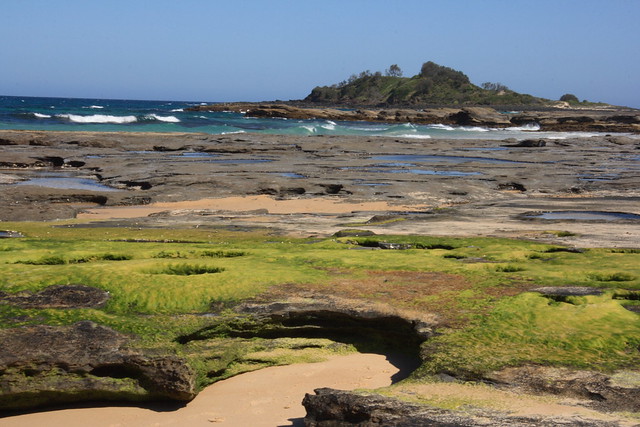
Farther along the beach there were some rock platforms.

Manyana Beach

The pools were clear, but since the tides here are strong, I didn’t see any notable creatures in them.

Manyana Beach

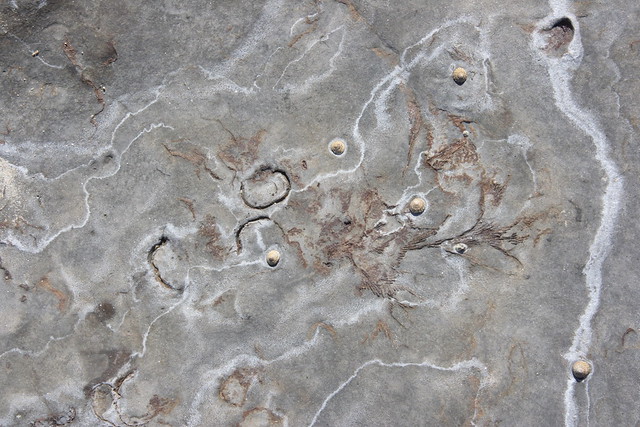
What we did find though were fossils from the time when this platform was at the bottom of the sea. There were leaves,

Manyana Beach

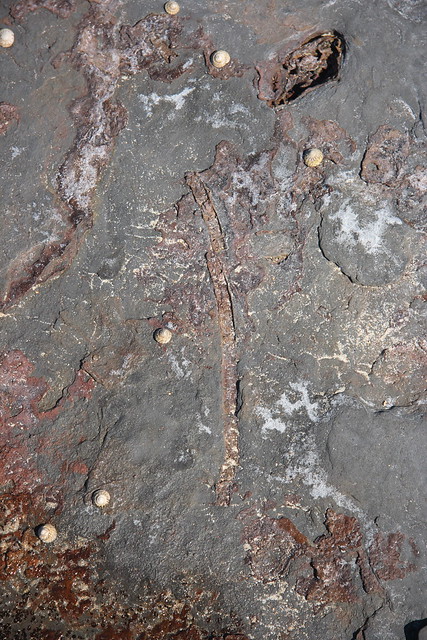
And a stem from a crinoid,

Manyana Beach

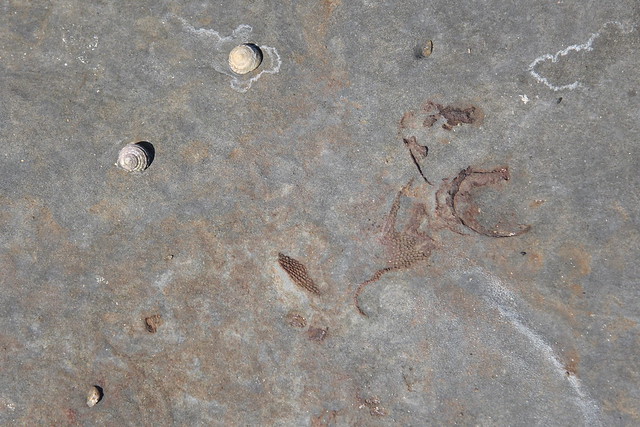
As well as shells and corals.

Manyana Beach

Goes to show that life in these parts go way back.

Manyana Beach

Here Fishy – Part 2

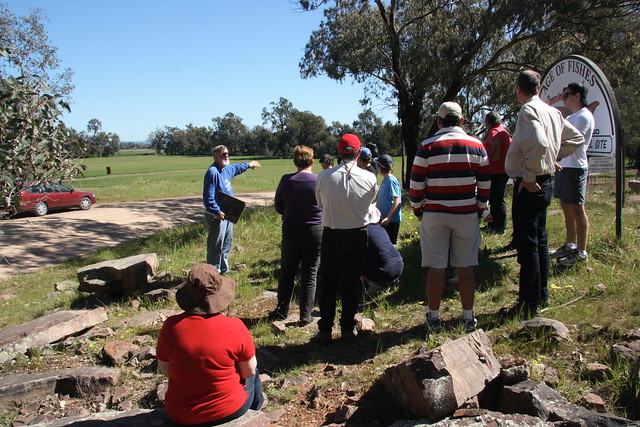
After our museum visit we drove out into the Canowindra country side and stopped to visit the original site of the fishes.

Original Canowindra Fish Site

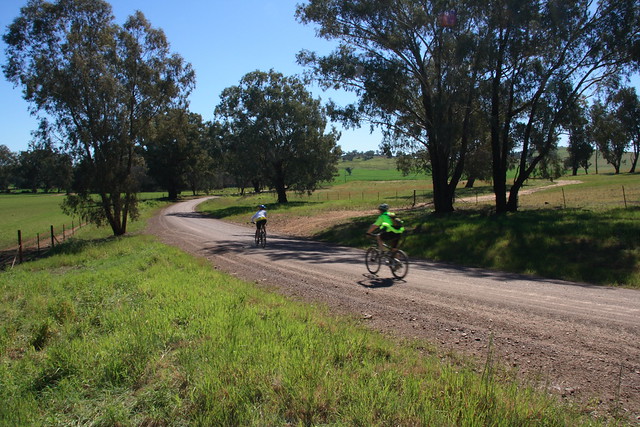
It’s quite astonishing that the slabs of fish were dug up from under this road.

Original Canowindra Fish Site

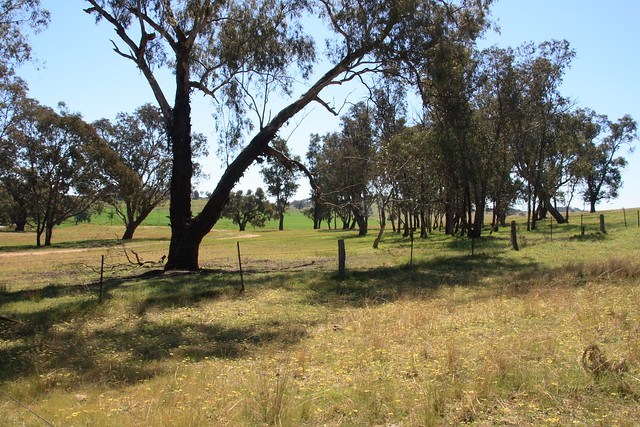
Since the original dig only went for a mere two weeks, they could only remove a limited amount of material. Afterwards the site was covered up, and the road rebuilt.

Original Canowindra Fish Site

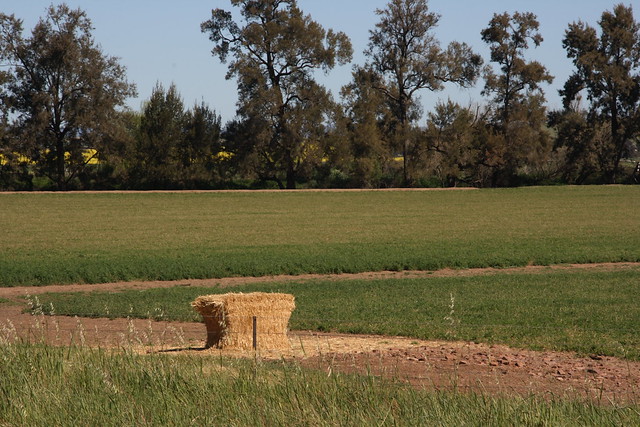
Dr Ritchie thinks there are still a whole load of fishes out there – if only the local council would let him dig here. He has not been able to dig here since the early nineties, despite plenty of petitions. There’s still a lot to learn about this site, but at the moment bureaucracy has grounded any further studies to a halt. Shame when politics gets in the way of things, but isn’t it the way these days?

Original Canowindra Fish Site

Here Fishy – Part 1

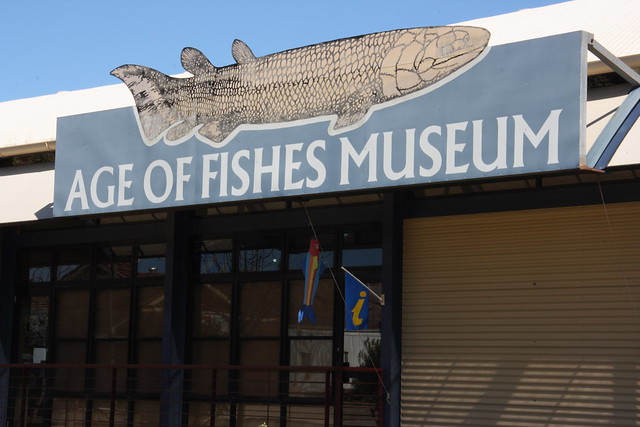
Lovely as the countryside was, we were on a science tour, and the Canowindra Age of Fishes Museum was our destination.

Age of Fishes Museum

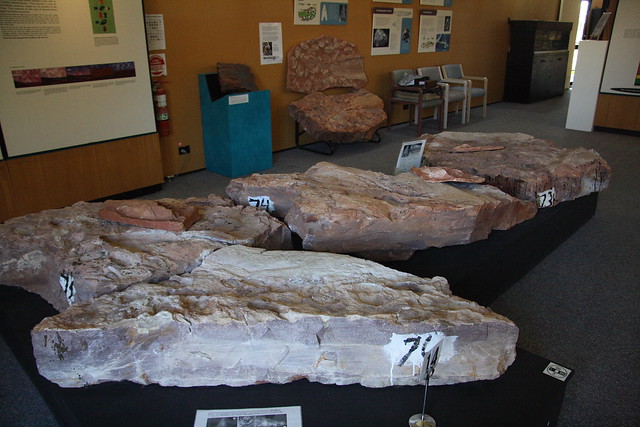
The story goes that while digging up a nearby road, some workmen stumbled on some fossil fish. They called the Australian Museum, and when the road was opened up, they discovered loads and loads of dead fish from the Age of Fishes in Devonian times, around 360 million years ago. The fish had died probably when their water source completely dried out in a bad drought. These slabs below are the tip of the iceberg.

Age of Fishes Museum

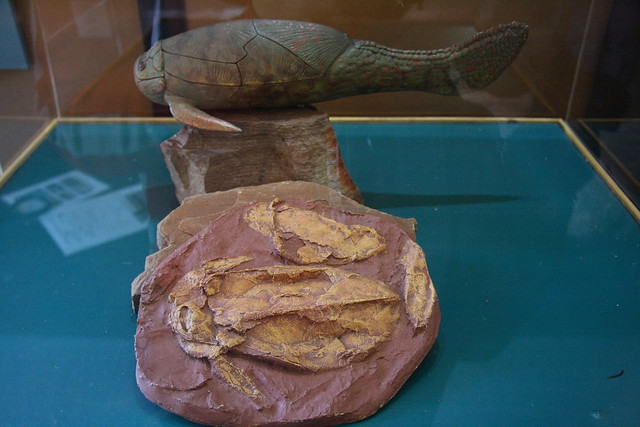
Back then fishes were the height of evolution. No animals had made it out of the water as yet. You can imagine that there was a lot of competition out in the water! Consequently, these fish aren’t like most of the modern fish you see. They had a suit of armour to protect them instead of scales or skin.

Age of Fishes Museum

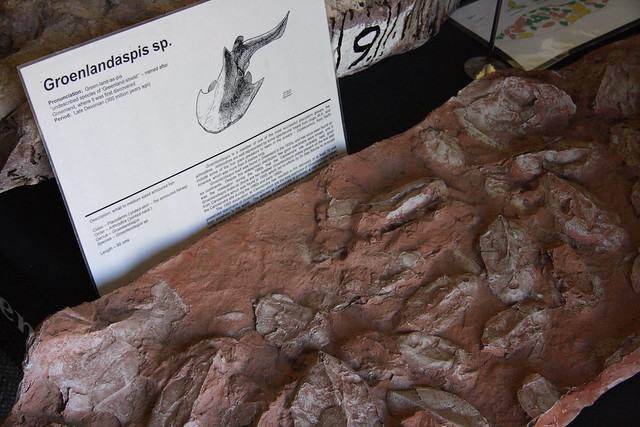
Some of the fish were quite small, perhaps 10cm long at most. This one looks a bit like a weird mini sting ray.

Age of Fishes Museum

Others were up till 1.6 metres in length.

Age of Fishes Museum

We were lucky enough to have the foremost expert in these fishes telling us his story. It’s not often that you find so many fossil fish in the one place, even Sir David Attenborough visited recently.

Bathurst – Part 3

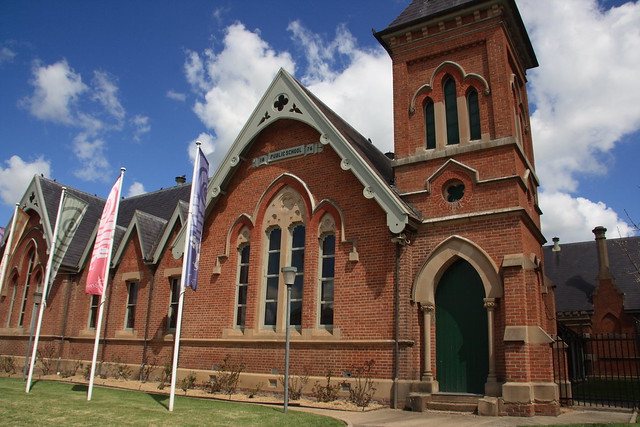
Also in the main precinct, and the purpose of our visit, was the old Primary School. Its size gave you an idea of how big the town was in the gold rush.

Australian Fossil and Mineral Museum

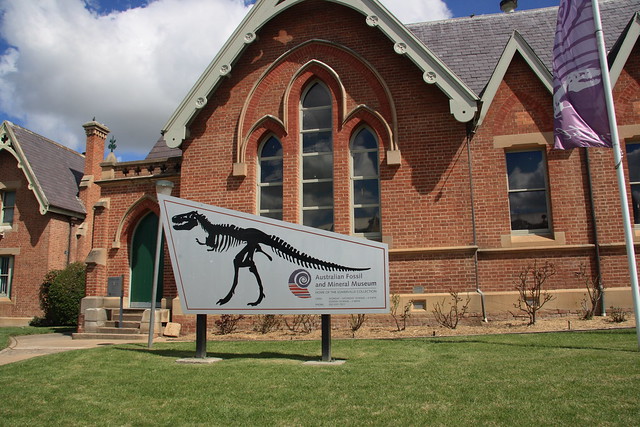
Now it houses the Australian Fossil and Mineral Museum.

Australian Fossil and Mineral Museum

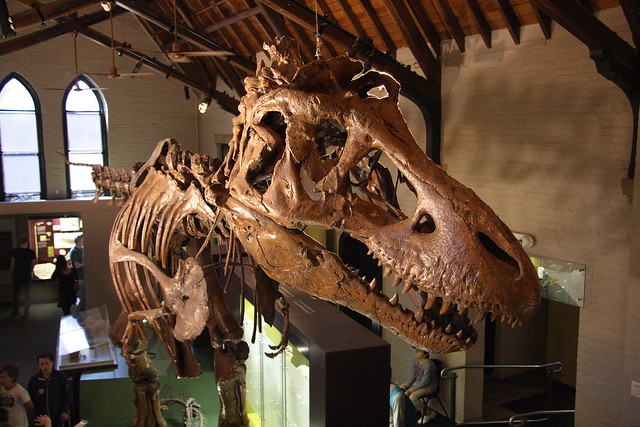
Inside, there was a very beautiful collection of minerals from all over Australia and the world, but I was more interested in fossils. There was an impressive cast of a T-Rex skeleton.

Australian Fossil and Mineral Museum

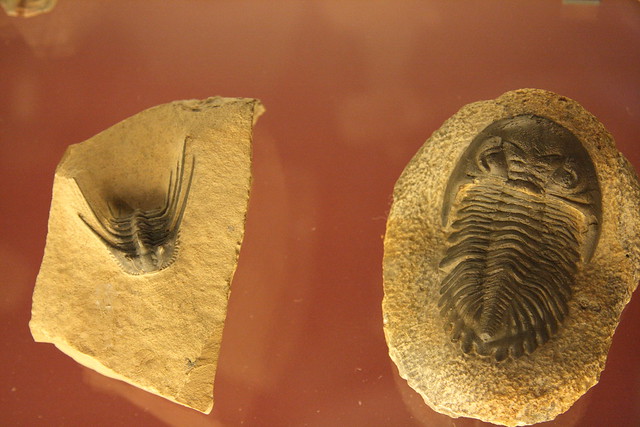
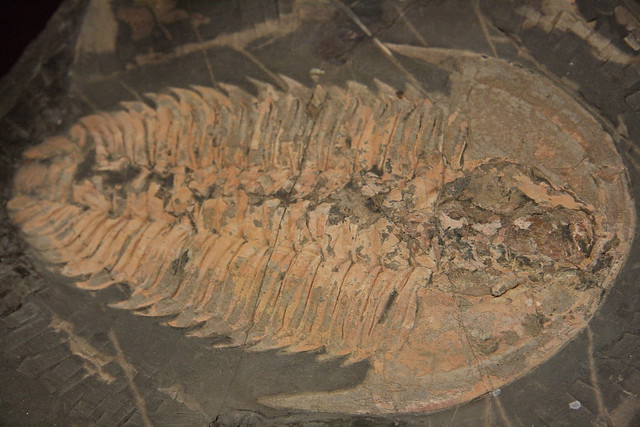
But this weekend trip was all about marine fossils, particularly trilobites, an animal crossed between a crustacean and a centipede. These were common-place around 400 million years ago, but were wiped out in an extinction event 375 million years ago, possibly when the sea-level changed dramatically and the oxygen content in seawater decreased.

Their fossils are now found all over the world. The most spectacular specimens are from Morocco.

Australian Fossil and Mineral Museum

But Australia also has its fair share. These great specimens are from Kangaroo Island in South Australia.

Australian Fossil and Mineral Museum

Brunswick Heads – Part 2

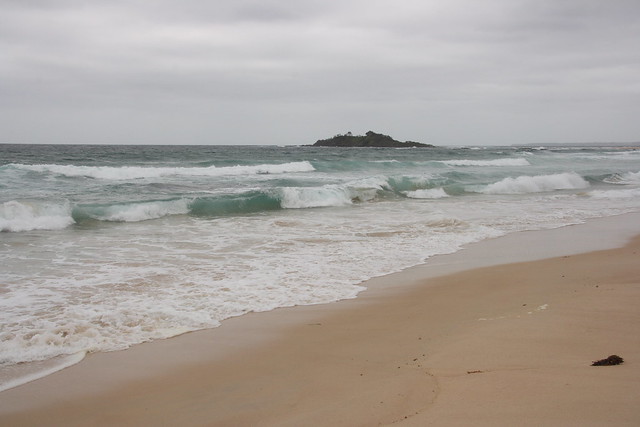
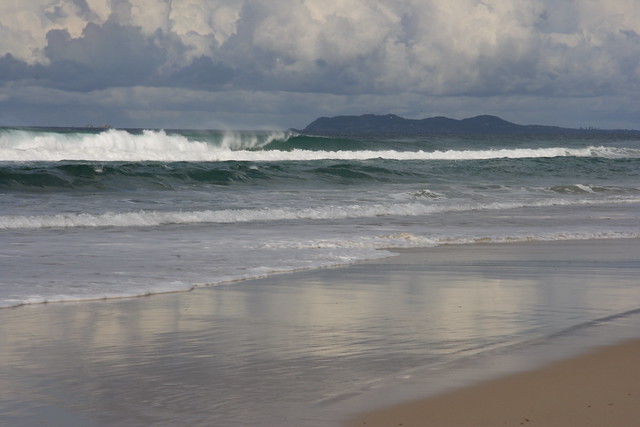
After a lunch of fish and chips (what else), we visited the beach. Looking to the south, you can see Cape Byron looming. Unlike Cape Byron, there was hardly anyone to be seen.

Brunswick Heads

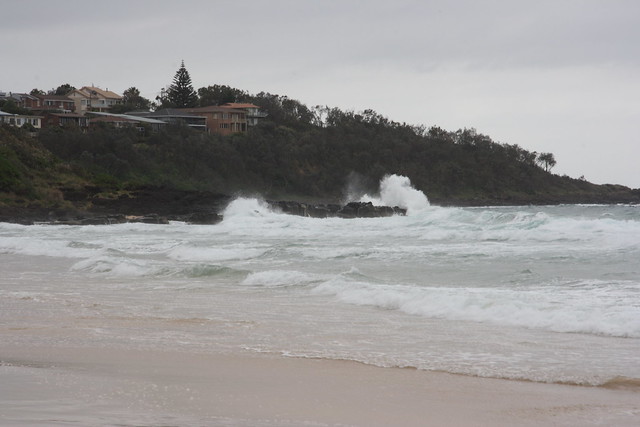
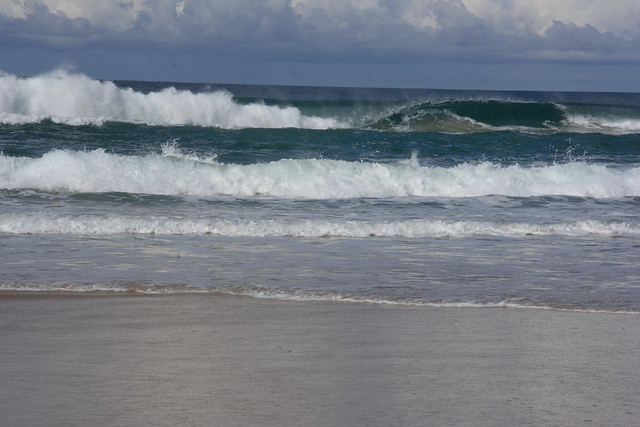
Like the evening before, the swell was definitely up, producing some spectacular waves.

Brunswick Heads

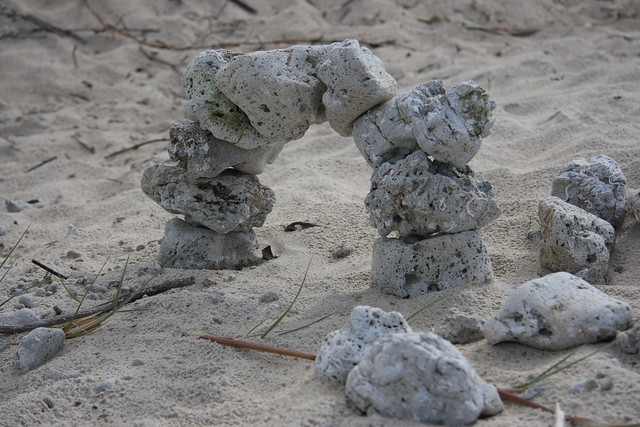
Not surprisingly, there was a bit of flotsam on the beach, most noticeably (for a geologist anyway) pumice stones. There were some big chunkers high up on the beach. Someone thought that they would make a good sculpture.

Brunswick Heads

Hubby thinks these might have been washed in from a recent volcanic eruption in the South Pacific, perhaps all the way from Vanuatu.