Tag Archives: history

Victorian Goldfields – Part 2

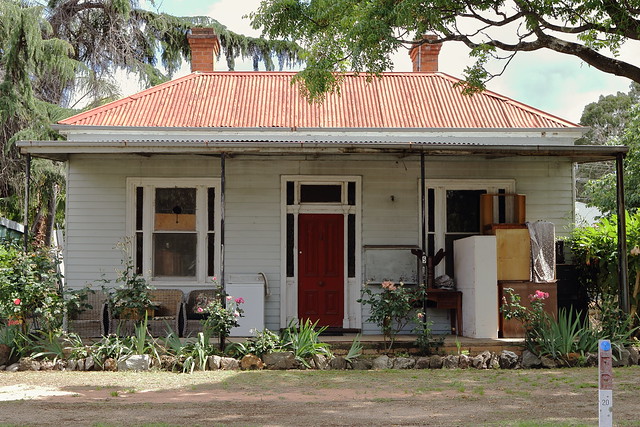
Alice Barker House is located near Castlemaine in Specimen Gully, the site of the original diggings for the area. Within a year of gold being found, there were 25,000 people working the site.

Alice Barker House

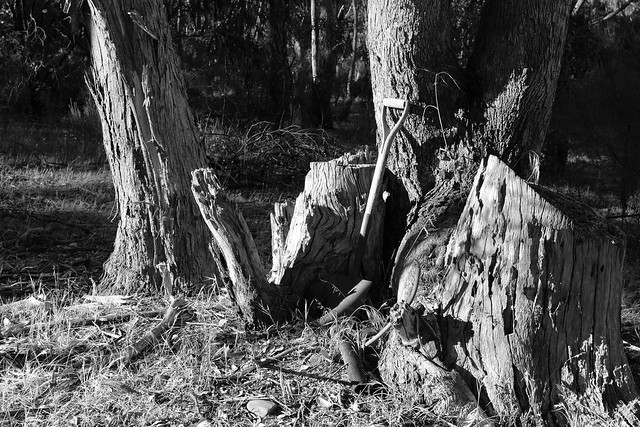
There are still lots of bits and bobs from the era to be found on the property, and the owners made the most of it them.

Alice Barker House

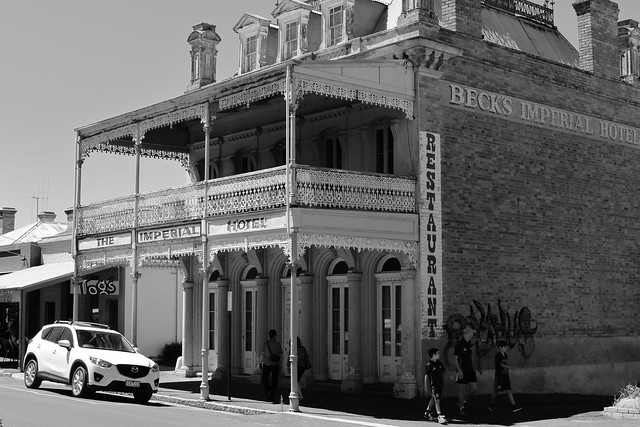
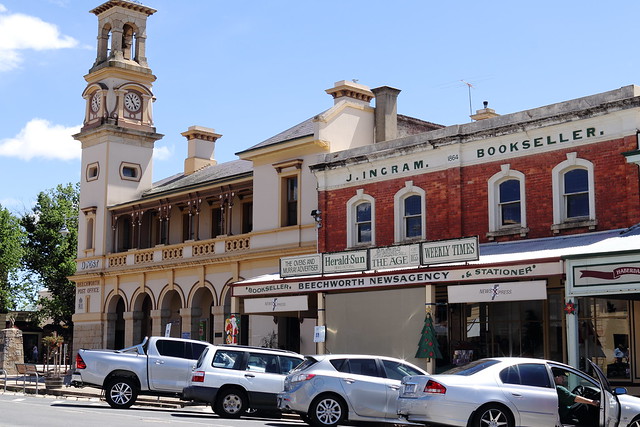
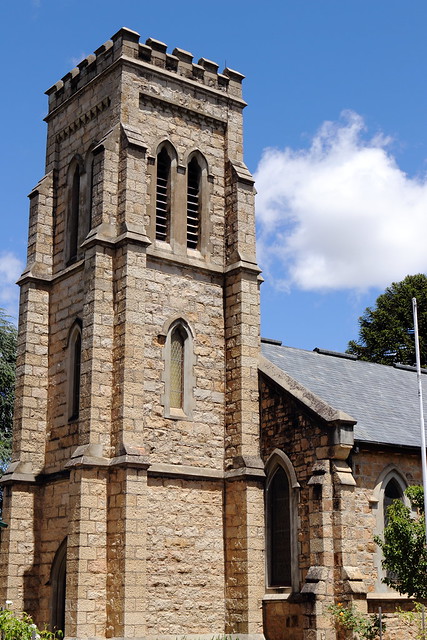
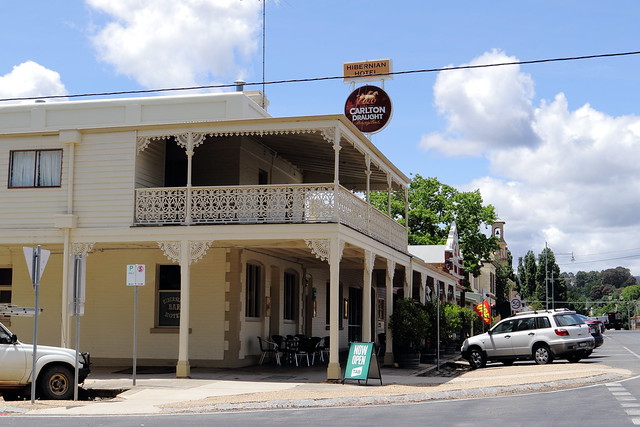
Castlemaine itself grew rich from all the gold, and like Beechworth, there are many fine Victorian buildings – including many pubs.

Castlemaine

Glenrowan – Part 2

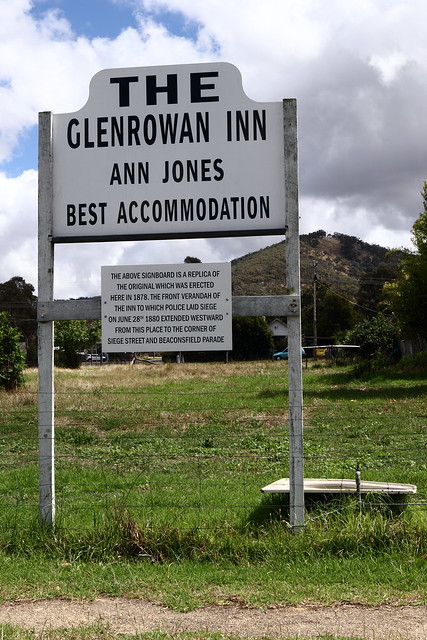
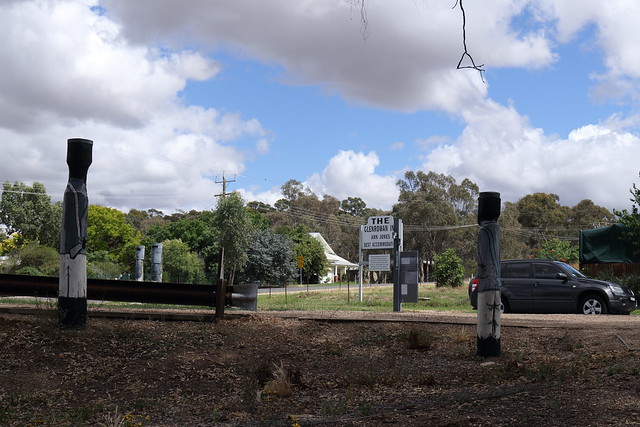
On the other side of town is the site of the gang’s last stand at the Glenrowan Inn. The inn was burned down during the siege and remains an empty lot to this day.

Sights of Glenrowan

Wooden figures of the gang and the police have been erected according to their positions during the siege. Everything happened at very close range.

Sights of Glenrowan

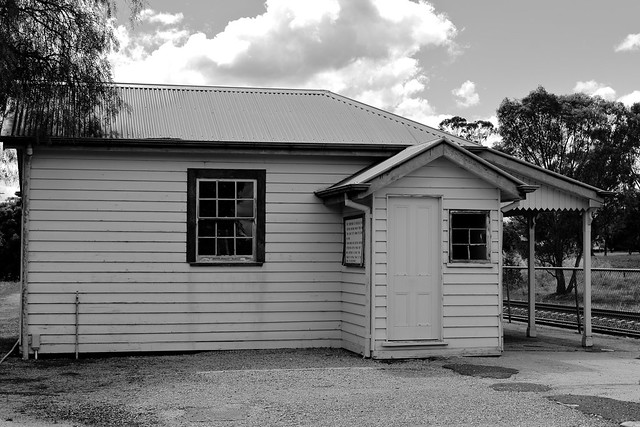
The railway station where the police and journalists sheltered was a mere 200 metres away and still kept in the condition of the day.

Sights of Glenrowan

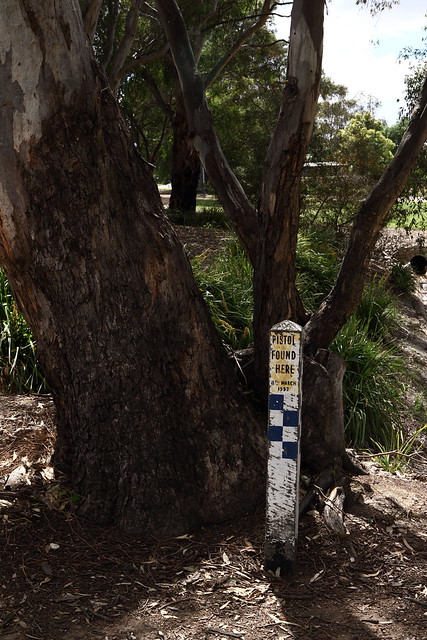
Nearby, some signage is a reminder that the siege was indeed not just a myth but very real. Like where a hand gun was found a mere 20 years ago.

Sights of Glenrowan

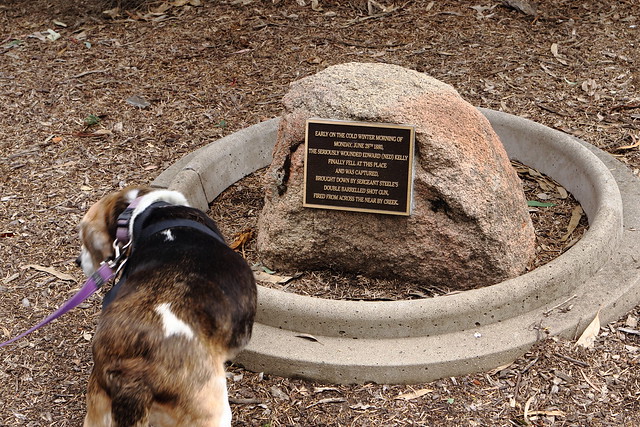
And where Ned, in full armour, was shot down and captured.

Sights of Glenrowan

Ned Kelly is a divisive figure in many ways, but his influence in Australian culture is unquestioned. Almost 140 years later, even hipsters (like current Socceroos captain Mile Jedinak) try to emulate Ned’s style.

Glenrowan – Part 1

North East Victoria is Kelly Gang Country, and the most infamous town of them all is Glenrowan – the scene of the gang’s last siege.

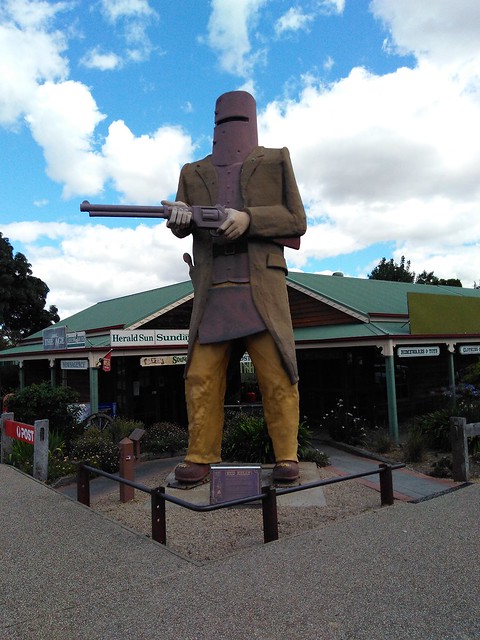
Driving down the main drag, you can’t miss Big Ned.

Sights of Glenrowan

Otherwise, Glenrowan is little more than a village with its share of quaint cottages.

Sights of Glenrowan

The main drag is very touristy, and a bit run-down. At the back of one of the tourist shops is a recreation of Ned’s Greta home (Greta is about 25km south). Quaint and cute aren’t exactly the words I’d use to describe the place. More like hovel.

Sights of Glenrowan

When you see the impressive houses around Beechworth, and imagine the money and power that built it, I can see why Ned and his lot perhaps thought that they were getting the wrong end of the stick.

Beechworth – Part 2

Beechworth is known in Australian history for two particularly infamous personalities. The first is Robert O’Hara Burke, one half of Burke and Wills.
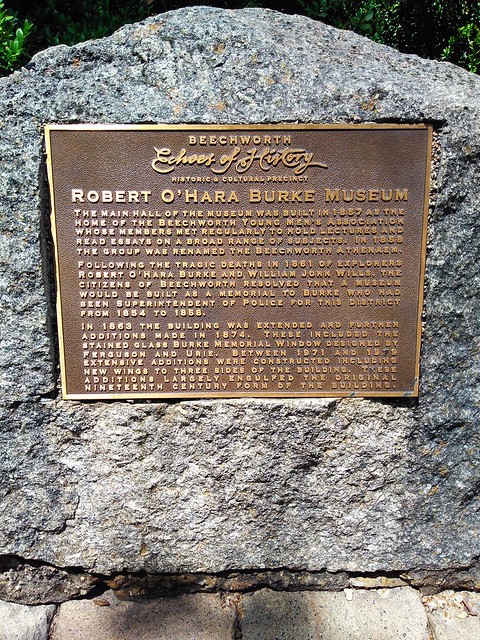
Beechworth

For those unfamiliar with the Burke and Wills story, my summary is this: in the 1860s, the Colonies of Victoria and South Australia competed on who could cross the continent from south to north first.

While John McDouall Stuart crossed successfully from Adelaide to Darwin (now the route of the Ghan), Burke and Wills had a more shambolic approach from Melbourne to the Gulf of Carpenteria and back to Cooper Creek where they met their end. I’ve been close to where Burke and Wills passed in the Gulf, and I can say that it’s a very long way from Beechworth.

Burke himself was an Irishman who spent time as the police superintendent at Beechworth before managing to somehow snag the plum role of expedition leader despite having no prior experience.
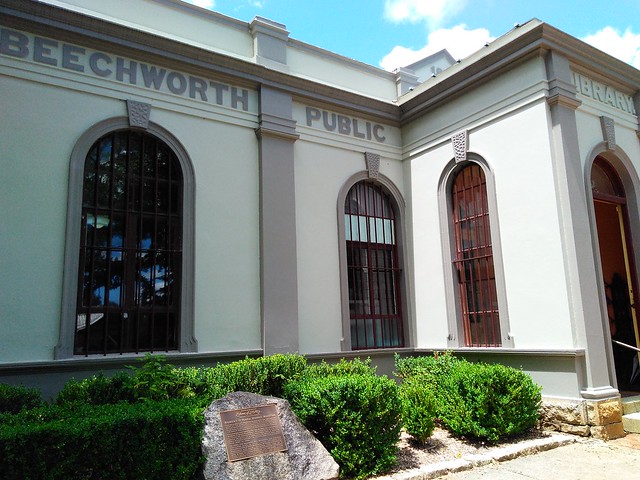
Beechworth

The old Beechworth library has a few of his personal possessions, including his pistol.
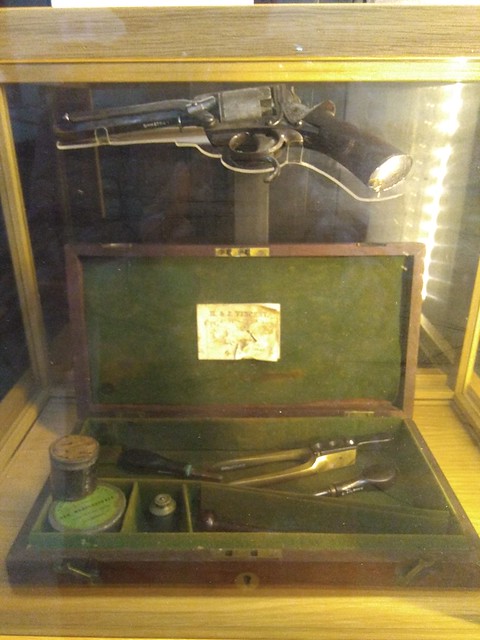
Beechworth

On the other side of town is Beechworth Court and Gaol, where famous bushrangers were imprisoned, including Ned Kelly and his mentor Harry Power.
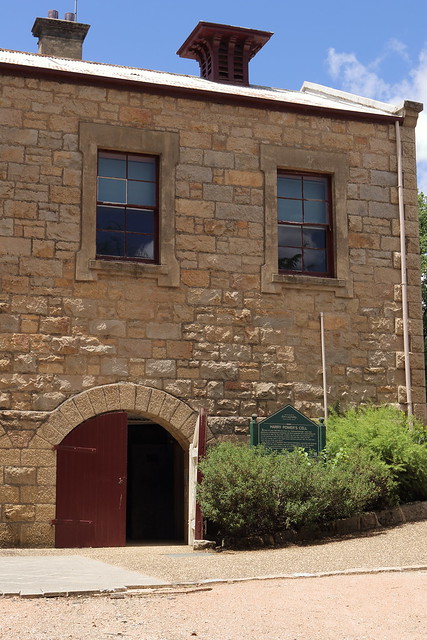
Beechworth

Australians have a bit of a love affair with Ned and his story, and since North-East Victoria was his home, there are lots of Kelly associated locations, which we’ll gradually explore. Across the road in the old bank vault, there is a small museum with some very interesting artefacts:

A wanted sign – a lot of money in those days.
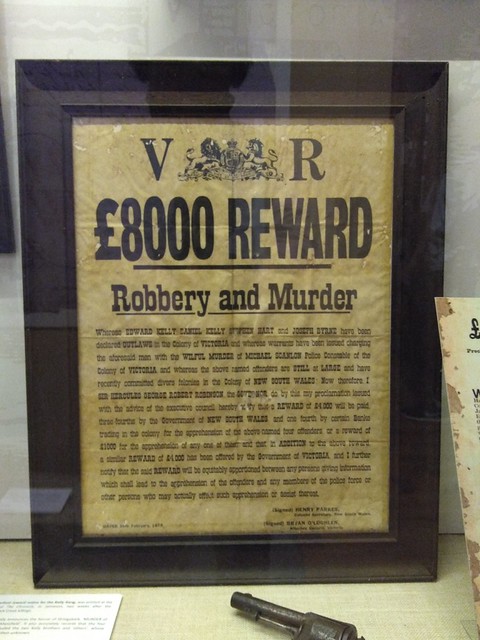
Beechworth

The infamous suits of armour worn by Kelly’s gang in their shootouts.
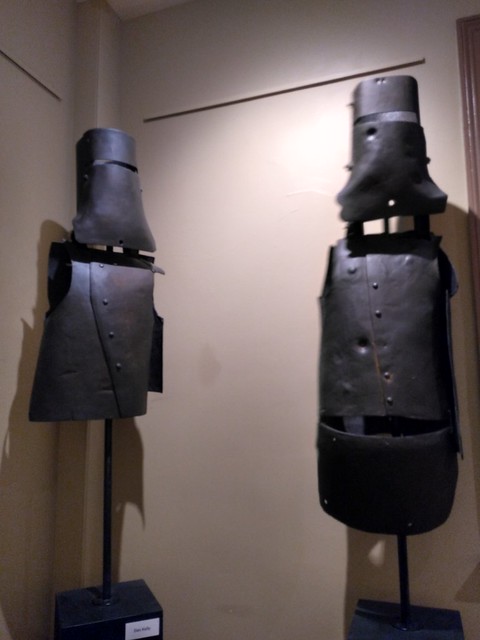
Beechworth

And chillingly, a cast of Ned’s death mask taken after he was executed in Melbourne.
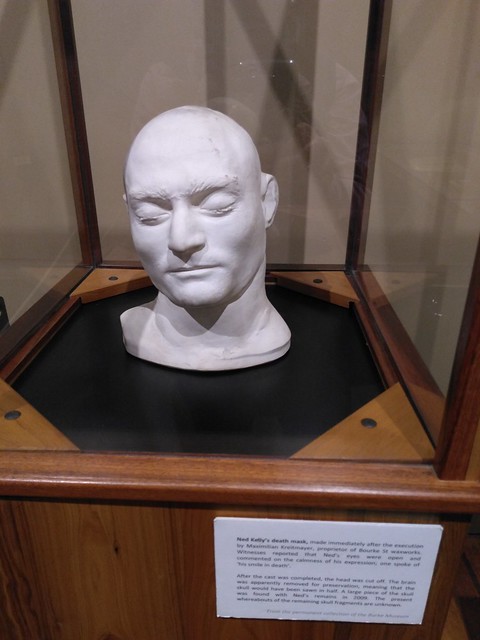
Beechworth

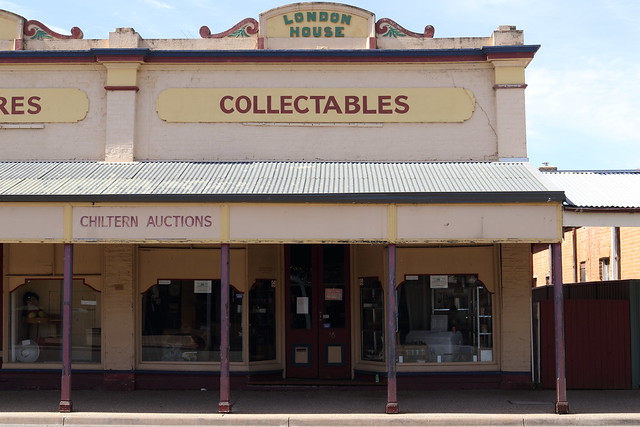
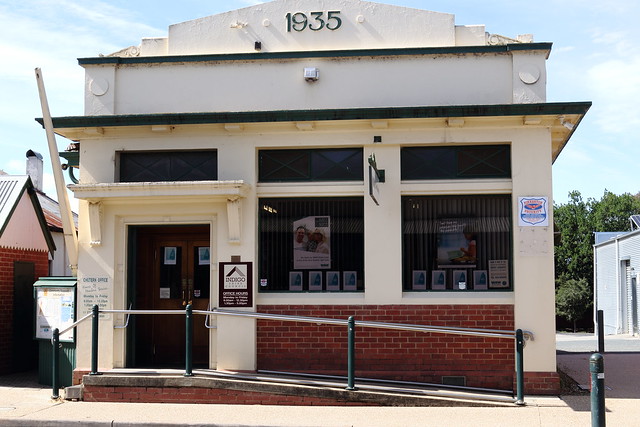
Chiltern

20km south-east of Rutherglen is the small town of Chiltern. It’s half the population of Rutherglen, but just a quaint.

Chiltern

Chiltern

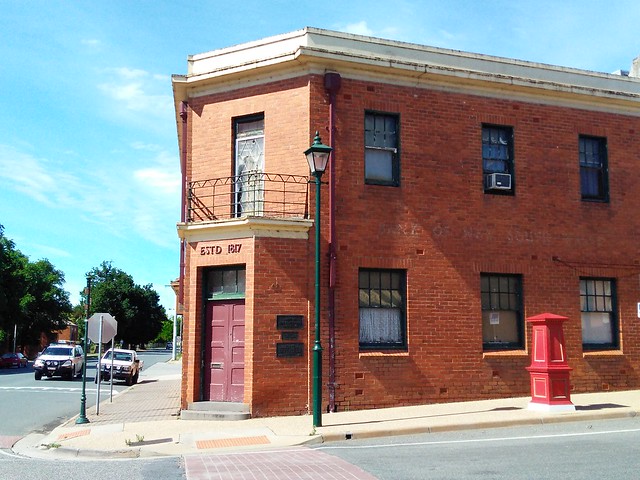
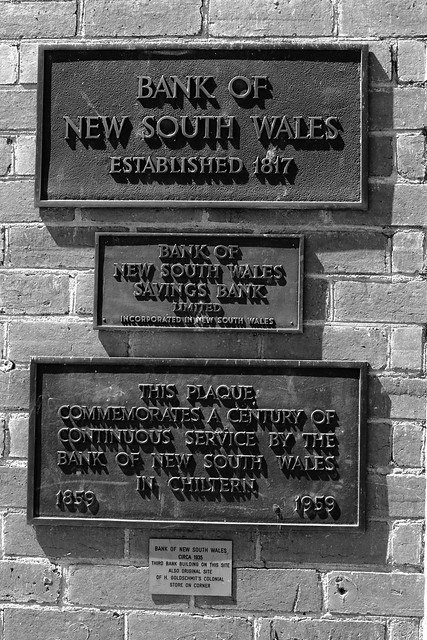
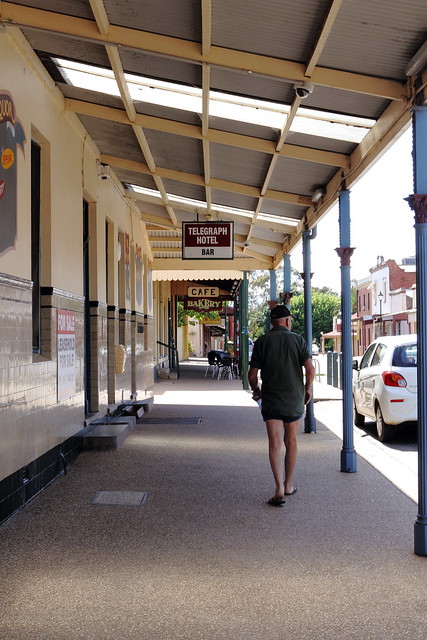
Like Rutherglen, the beautiful buildings came courtesy of the Gold Rush in the 1860s. Like this old Bank of New South Wales.

Chiltern//embedr.flickr.com/assets/client-code.js

Chiltern

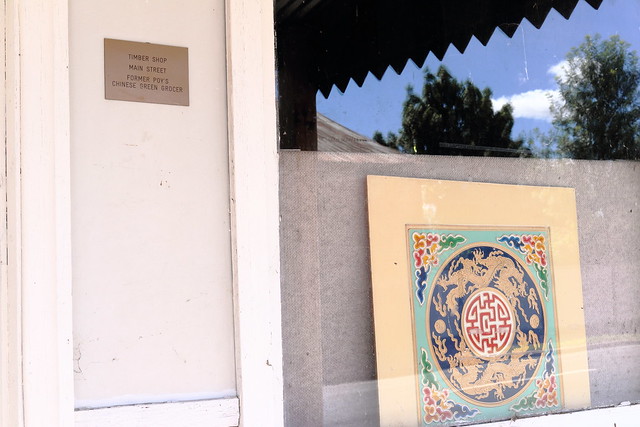
There was even a bit of Chinese history in the town.

Chiltern

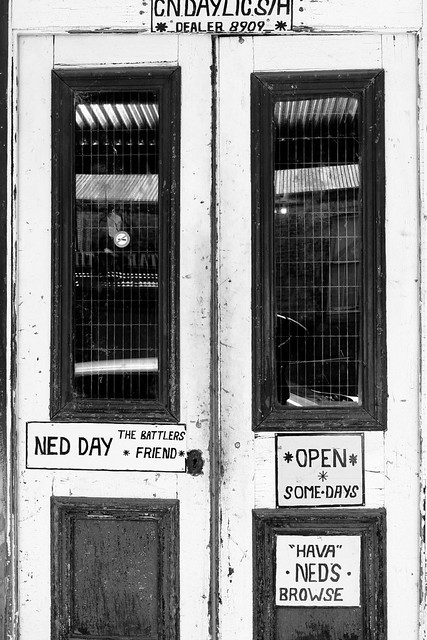
You know you’re in country Australia when you see sights like these.
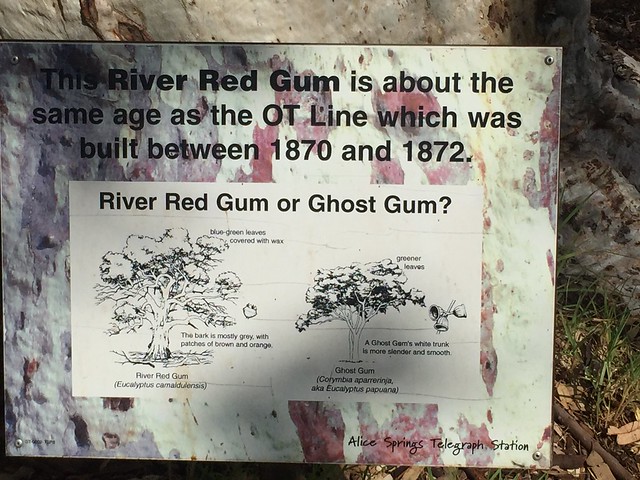
Chiltern

Chiltern

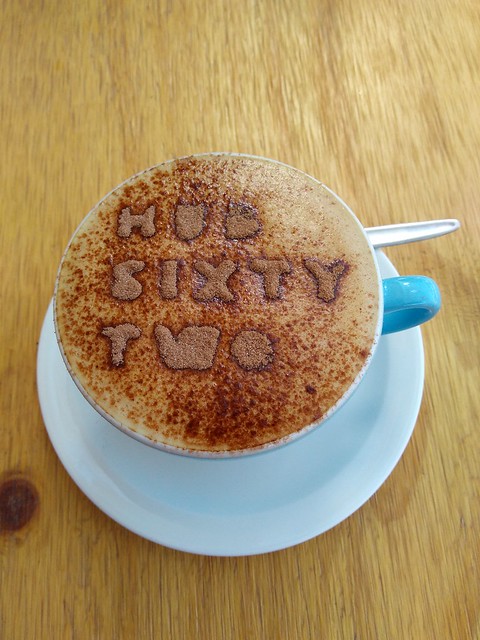
Stubbies and thongs may represent the Australia of the past, but I think a cup of coffee (with a bit of coffee art) represents the Australia of the present.
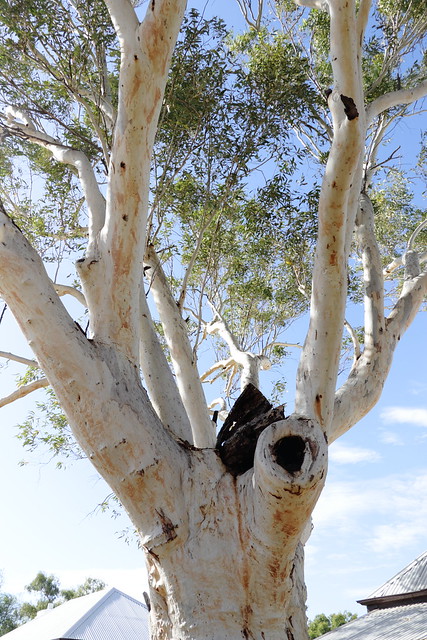
Chiltern

The Road to Gundagai

We’re starting a new journey today. Last December, we took a road-trip from Sydney to Central Victoria and back.

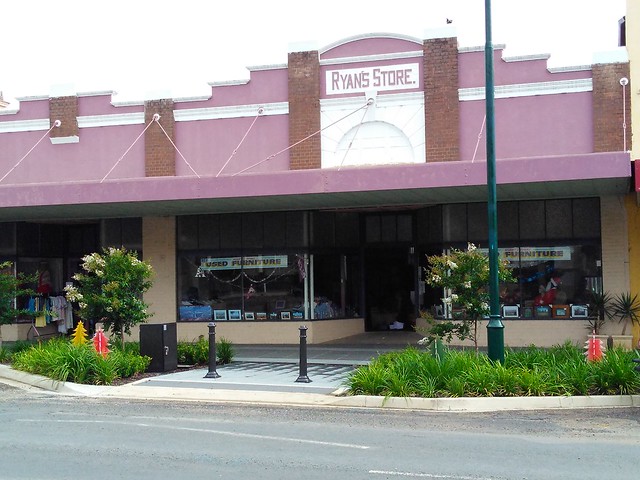
Our first leg took us through the town of Gundagai, with its quaint old buildings and brand-spanking-new pavements.

Gundagai

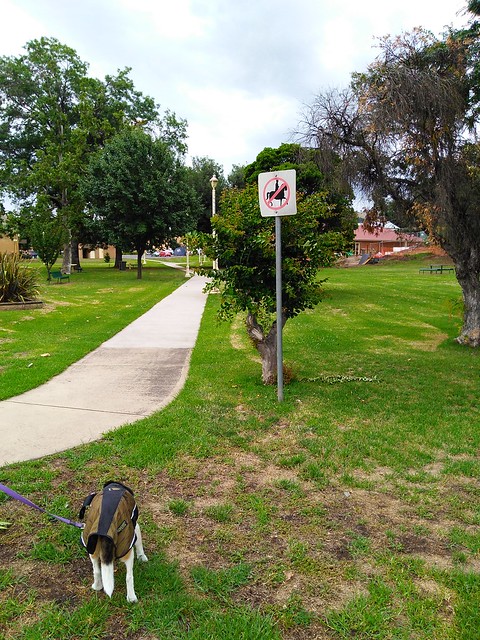
It was a chance for everyone to stretch their legs, including our old beagle, Bridie. Note the sign in the park – we’re definitely not in the city anymore!

Gundagai

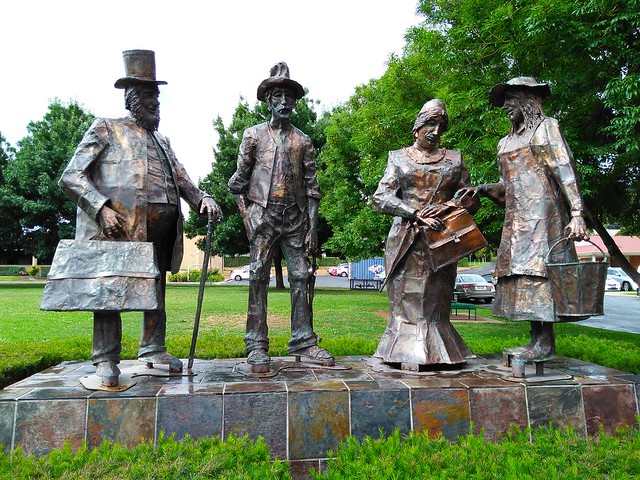
There were a few monuments in town. We didn’t see the famous dog and tucker box statue as it was out of town, but we did stumble past Dad, Dave, Mum and Mabel, along the road to Gundagai.

Dad, Dave, Mum and Mabel

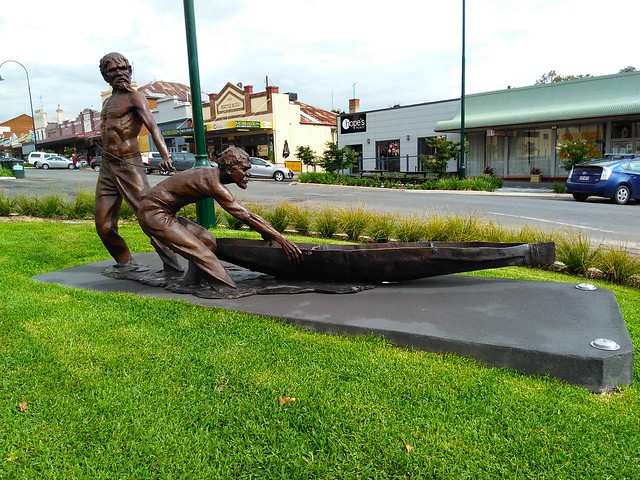
But the monument that was most touching was the tribute to two Wiradjuri men, Yarri and Jacky Jacky, who saved the township during the 1852 flood.

The Great Rescue of Yarri and Jacky Jacky

Adelaide – Part 1

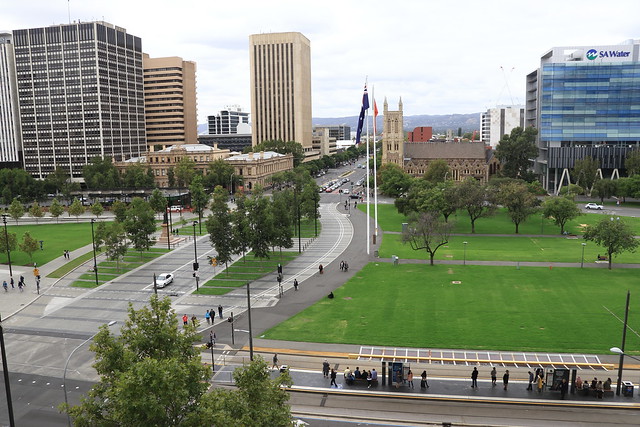
Adelaide hasn’t been a place that I’ve often visited – the last time was perhaps 11 years ago – so I came to the city with fresh eyes.

Victoria Square

It’s not an overwhelmingly busy place, has a well-planned layout that made navigation easy – we got from Victoria Square to Rundle Mall and back with no problems – and so it made a nice entry back to civilisation after some time in the bush.

Rundle Mall

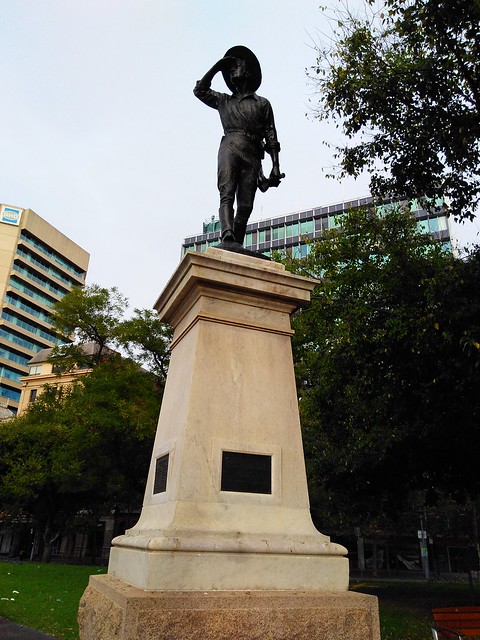
Here’s the explorer that inspired the whole cross-continental thing in the 19th century – Charles Sturt. You won’t be able to see Darwin from here, mate.

Charles Sturt

The Red Centre – Part 5

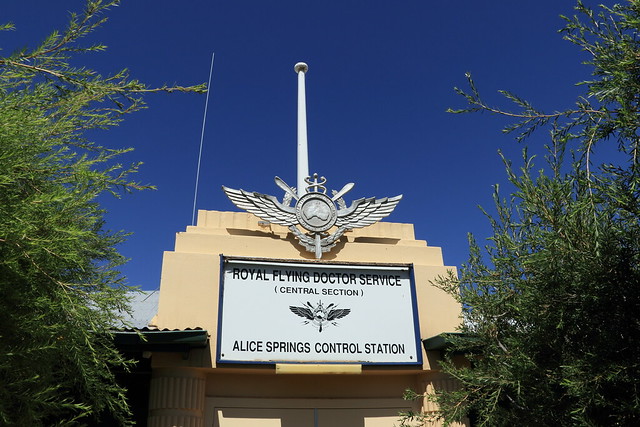
Next, we visited the Royal Flying Doctor Service Museum. The Flying Doctors (RFDS for short), has been servicing the medical needs of remote Australia since 1928, and though we now live in a technological age, their services are more needed than ever.

RFDS Museum

The Alice Springs base began in 1939, and currently services an area of 1.25 square kilometres – that’s more than the size of South Africa or more than five times the size of the UK. It’s a large area, so they need a good, modern fleet of planes.

RFDS Museum

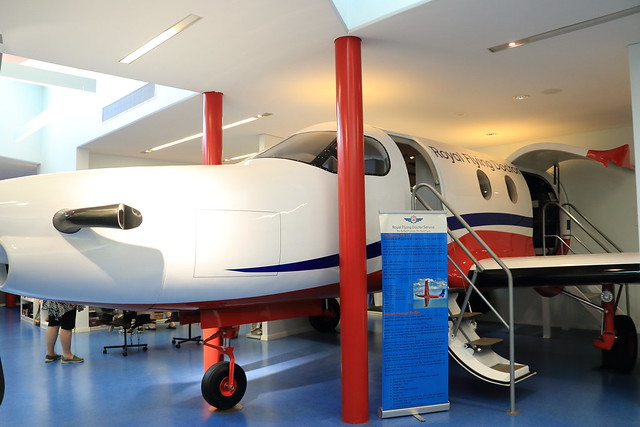
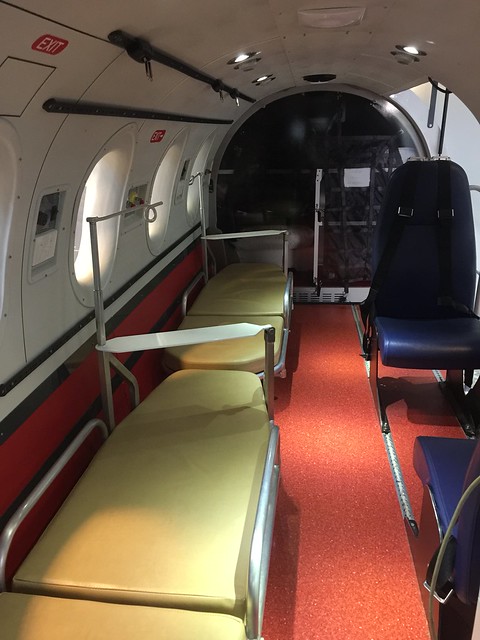
These planes host a medical team as well as vital medical equipment that enables patients to be treated and transported, no matter their condition.

RFDS Museum

The service is so essential to Aussies in these parts that there always seems to be a fundraiser for the RFDS in many outback towns I’ve visited. Coastal Aussies might only know of the service from TV, but perhaps it’s one that should be better supported by them, because you never know when you might need a flying doctor, particularly if you’re planning on travelling the Outback.