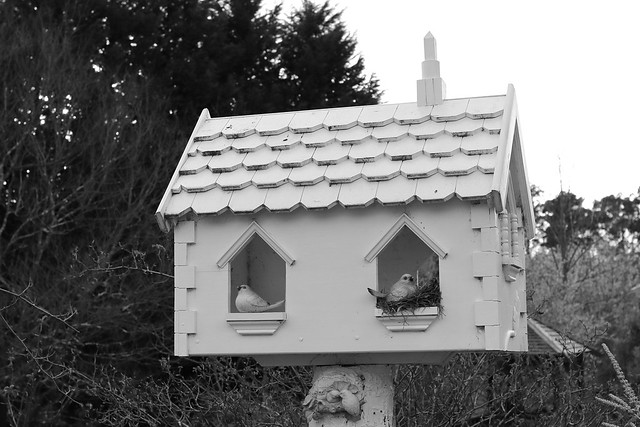
One last turn around the Chinoiserie garden – we come upon a dovecote.
A Chinese pavilion by a pond with golden carp.

Beside the pond was a cherry tree that was just beginning to blossom.

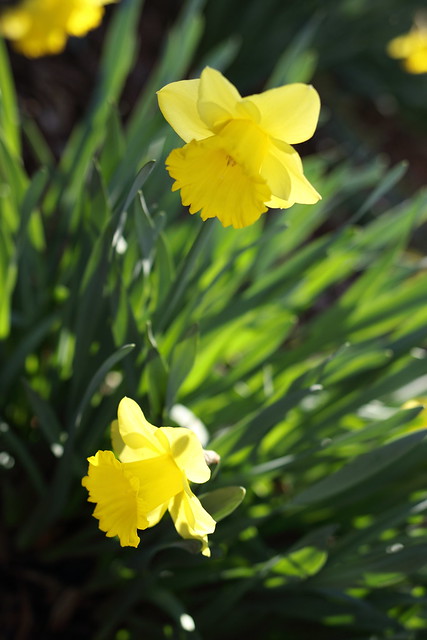
And a sure sign that Spring was on its way – daffodils.

One last turn around the Chinoiserie garden – we come upon a dovecote.
A Chinese pavilion by a pond with golden carp.
Beside the pond was a cherry tree that was just beginning to blossom.
And a sure sign that Spring was on its way – daffodils.
It was an end-of-winter garden that we saw at Chinoiserie.
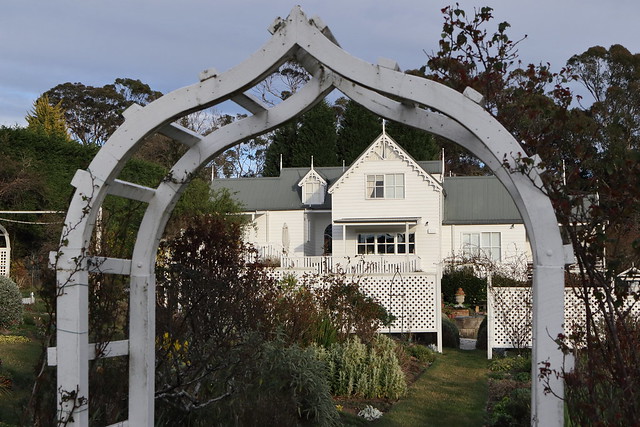
The peonies don’t reach their peak until November, but there was one flower out for us to see.

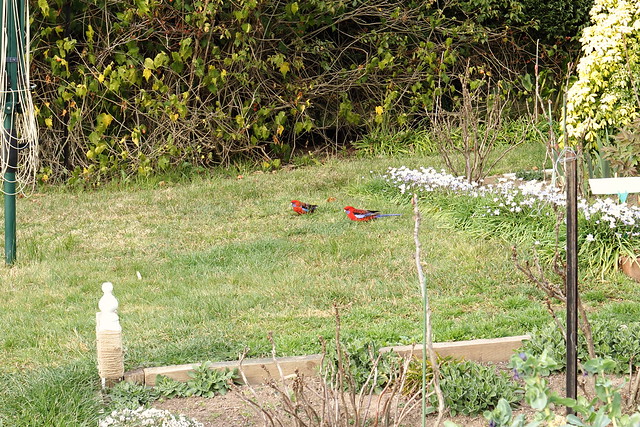
The rosellas were busy feeding in the early morning.
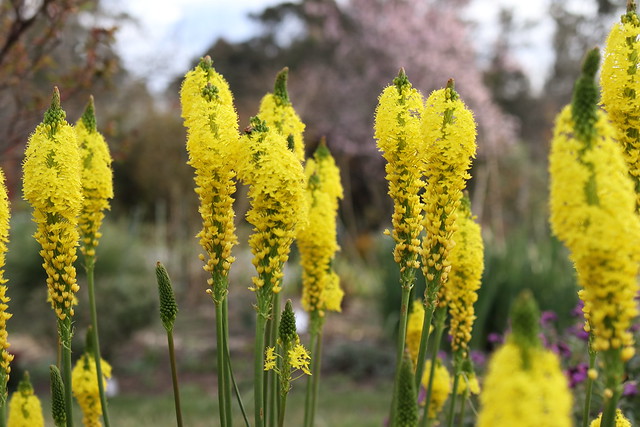
And these yellow flowers provided a much needed lift of colour.
The end of winter (and our wedding anniversary) saw us heading once again to the Southern Highlands. I revisited Chinoiserie, the property with the beautiful peony gardens that I saw the previous spring. This time, we came to stay.
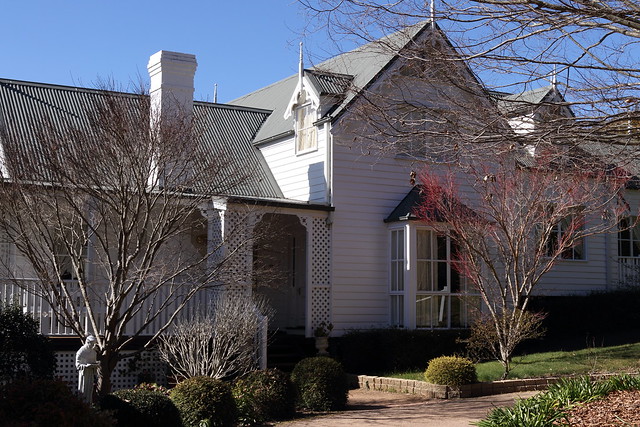
We stayed in the separate guest wing, and it was a lovely, cosy place to be.
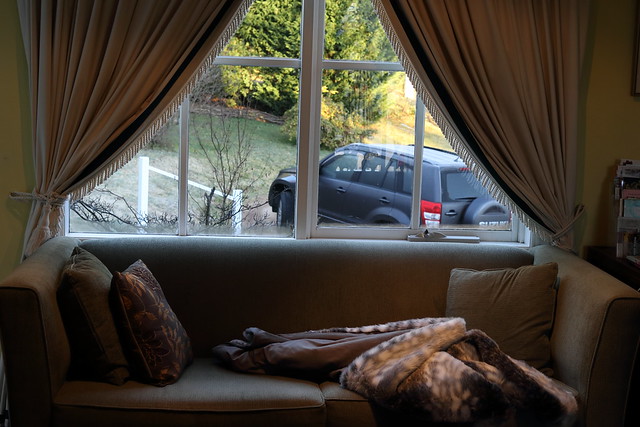
Lots of whimsical touches inside, like this stained glass window.

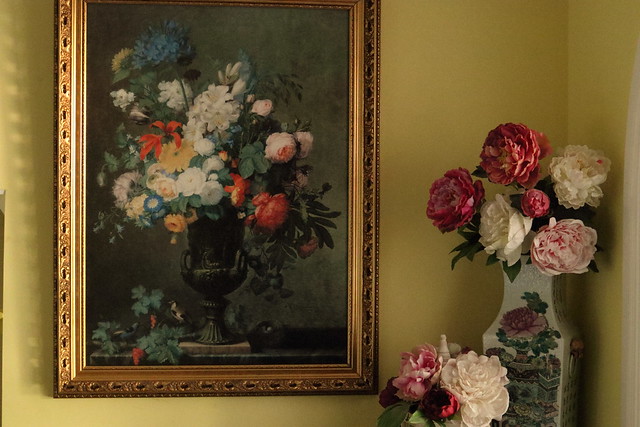
Dominic, the co-owner and ‘head gardener’ loves his peonies, so there had to be some indoors too.
Gerroa isn’t just by the river but by the beach – the glorious Seven Mile Beach that stretches 7.8 miles (or 12.5km) all the way down to Shoalhaven Heads.

It can be a windy beach, but on this day there was hardly a breeze. Perfect weather for families.
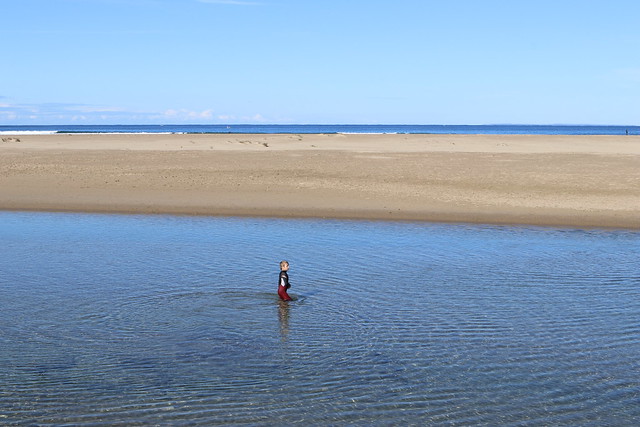
One last look at the rolling waves before the drive back to Sydney. With the Gerringong by-pass complete, the journey back was barely an hour 40 minutes now. Such accessibility means that it might not be so serene here in the near future.
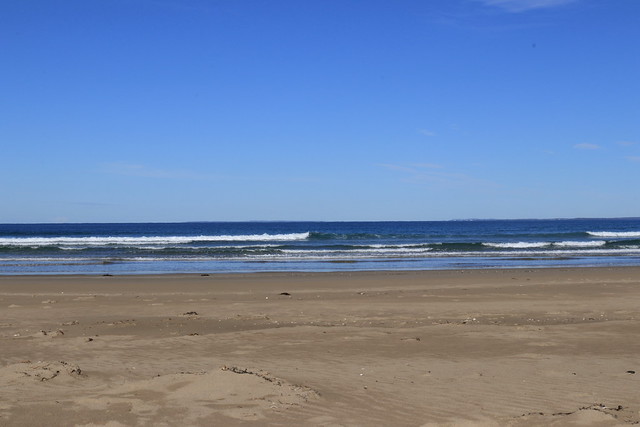
I rounded off my winter retreat with a lunchtime visit to the coastal village of Gerroa. It’s an half-an-hour’s drive from the Abbey, and one of my favourite places on the South Coast.
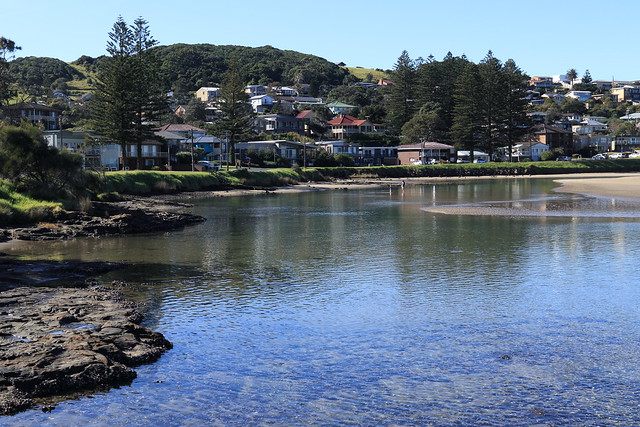
The Crooked River flows through the village. Being a bright and balmy winter’s day, some of the local kids were tempted into the water.
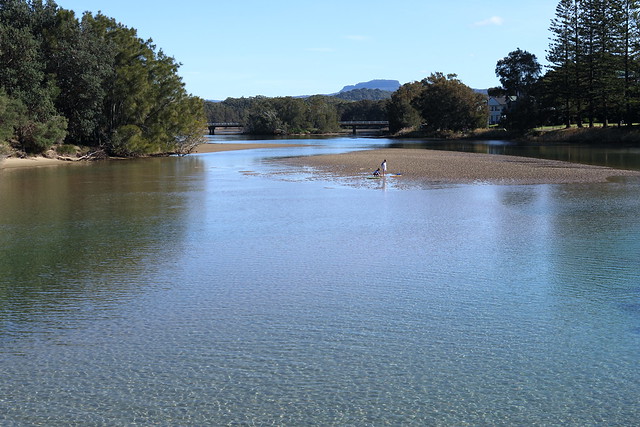
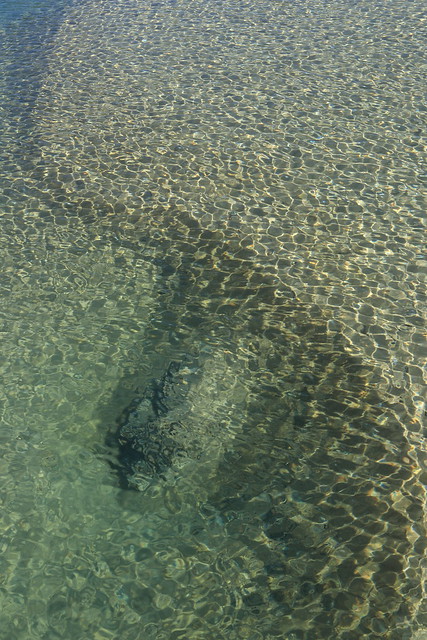
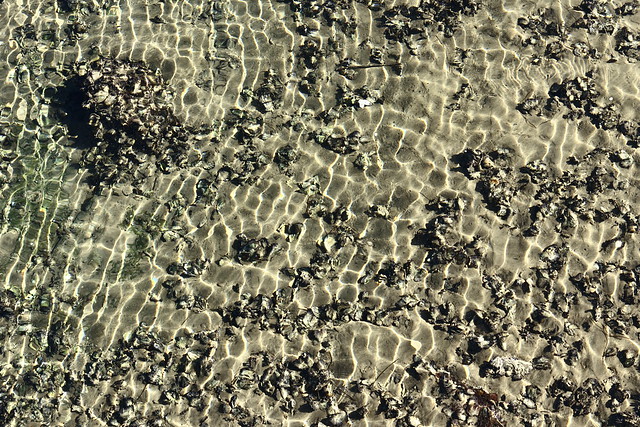
I liked watching the river flow. The colour and the rippling patterns were lovely to see.
Early the following morning (always early starts at the Abbey), I strolled around the rainforest walk.
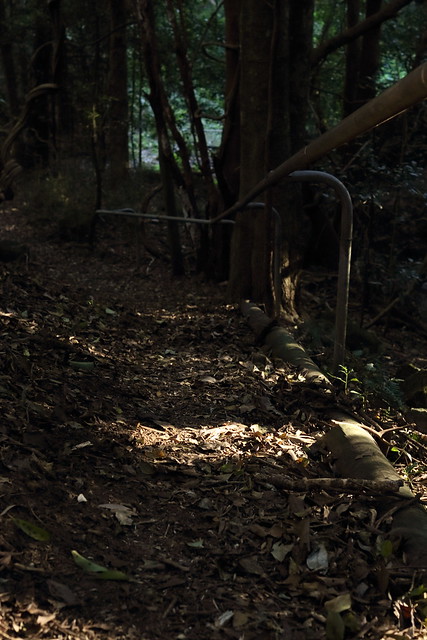
The path dipped from the cottages to follow the creek.
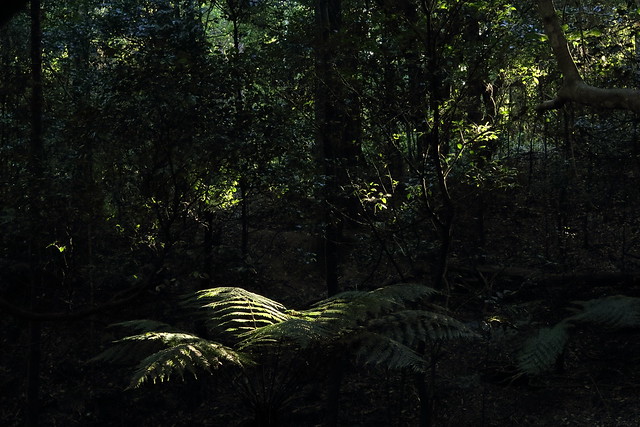
It was still dark at the lowest level.
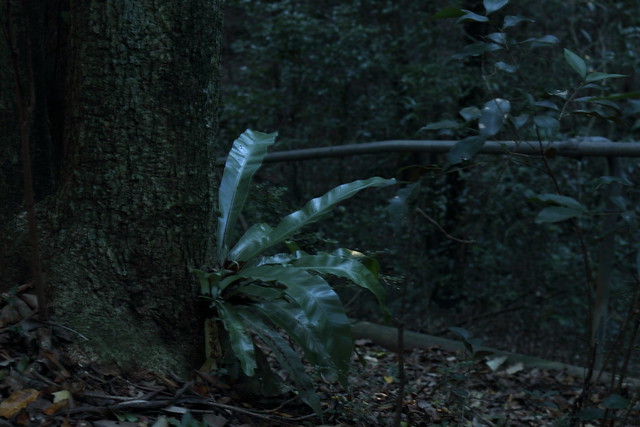
The path undulated across the banks of the creek, so I reached the light eventually.
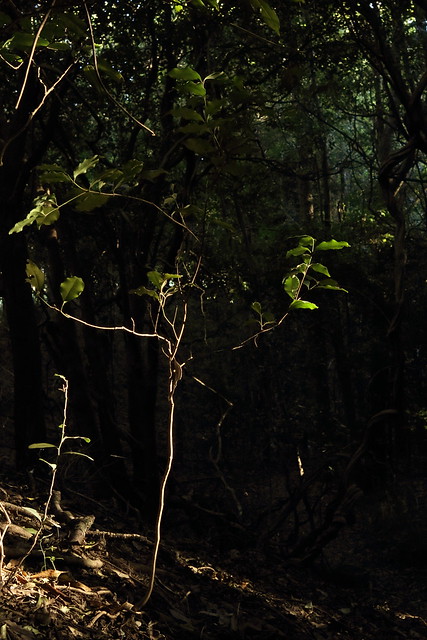
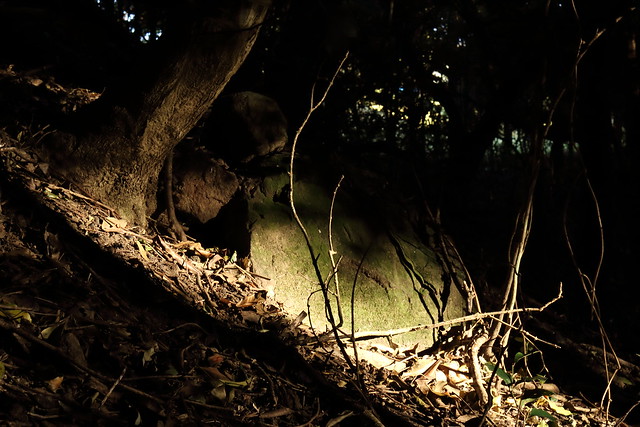
And much further along (away from the rainforest and the creek), there was even sunshine.
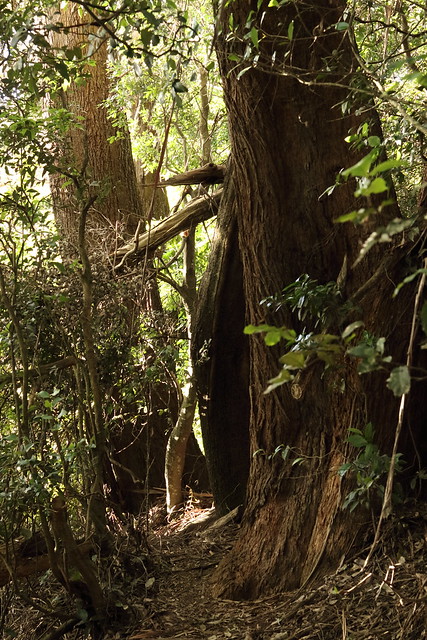
It was a lovely way to start the day.

Last year’s visit to Jamberoo Abbey took place in mid-winter. I was up bright and early the first morning to watch the sun rise.
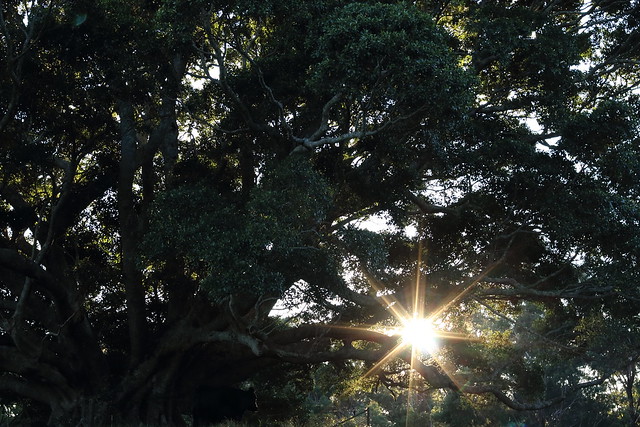
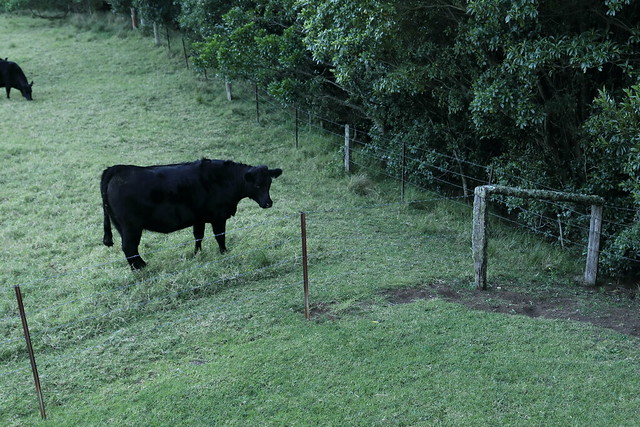
The cattle were in the paddock closest to the cottages, which was a bonus to the photographer.
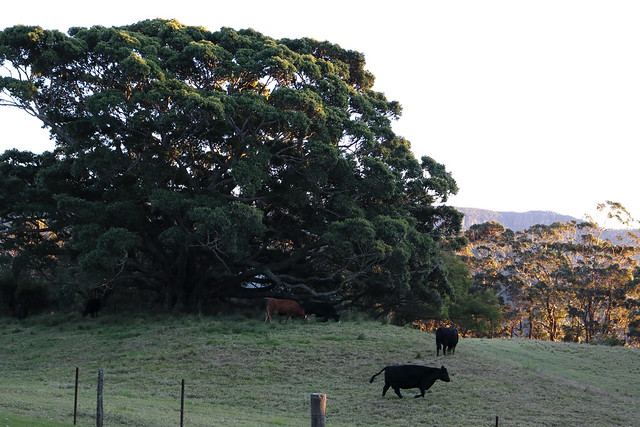
They looked to be mainly black Anguses, and were busy breakfasting…
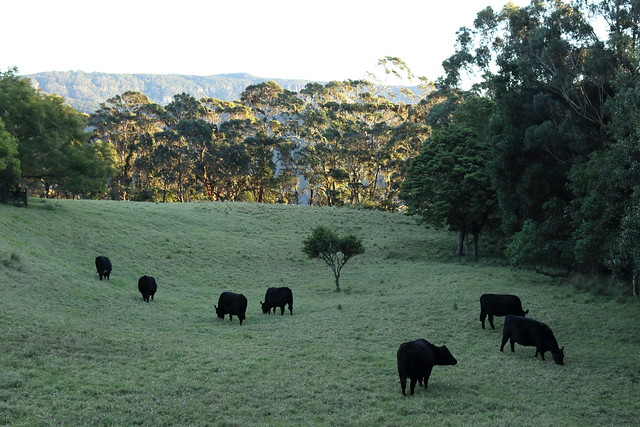
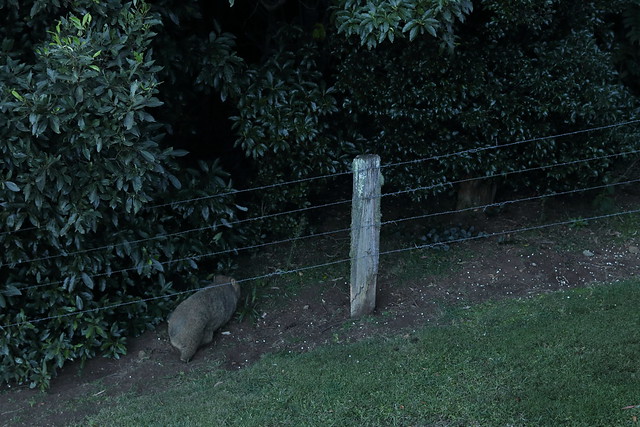
When an interloper appeared out of the bush.
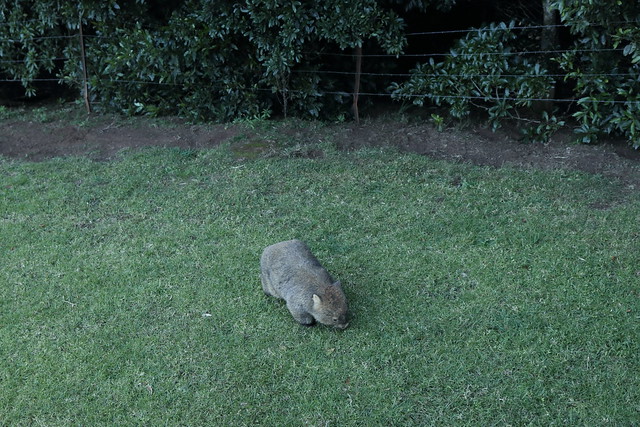
The bovines weren’t quite sure of the wombat.
And neither was the wombat completely comfortable to be so exposed. After a few nibbles of grass it wandered back to safety.
Despite the fun I had at the museum, my favourite locations in the field are inevitably scenic ones. This time it’s a seascape.
Malabar Headland has recently been made into a national park. It makes the walk between South Maroubra and Malabar accessible whenever the rifle range on the same location isn’t in use.
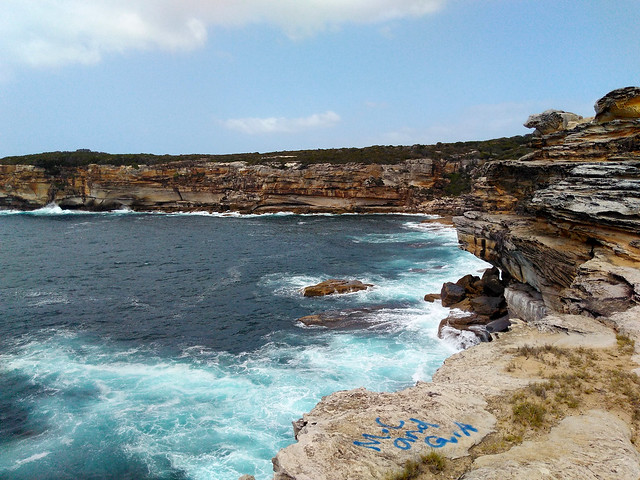
My friends and I visited on a very sunny and still day – though the seas were still a bit rough due to Cyclone Gita all the way in New Zealand.
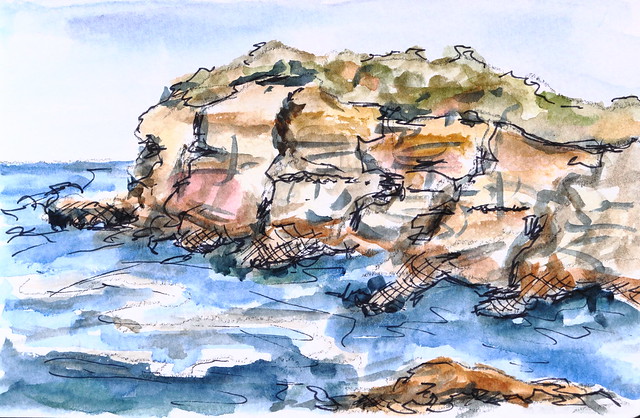
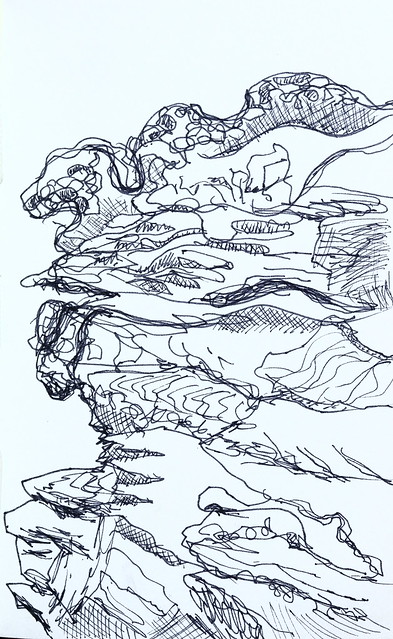
The sandstone cliffs are similar to what you might find in Royal National Park, but more accessible, especially if you live in or are visiting the Eastern Suburbs. I made the most of the intricate folds and honeycomb erosion by sketching in ink.
Art in the field doesn’t always have to be out of doors – it can also take place in indoor locations.
A few weeks ago, a few friends and I went sketching in the Australian Museum. Although I had visited a few times, I had never sketched there before. It’s actually a great place to draw in, being full of different objects – natural and man-made.
An intricate wood carving from the Congo, in the Long Gallery.

A very elaborate head-dress from New Guinea, in the Long Gallery.
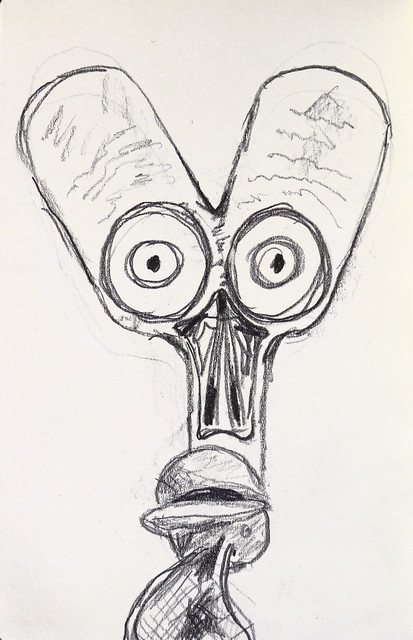
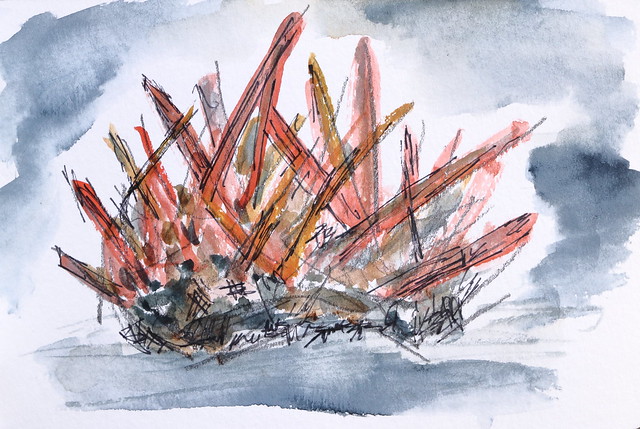
Crocoite from the Albert Chapman mineral gallery.
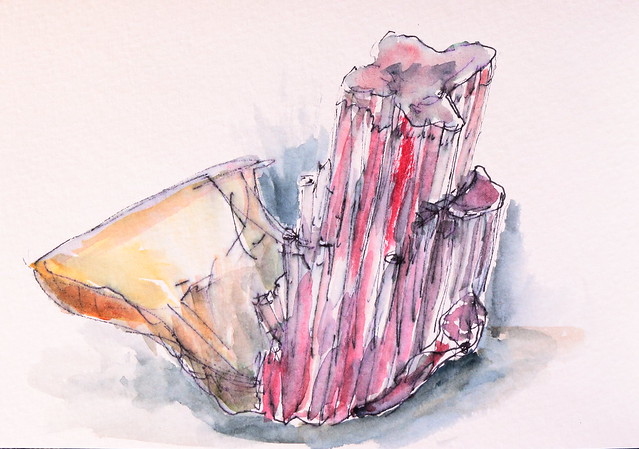
Tourmaline from the Albert Chapman mineral gallery.
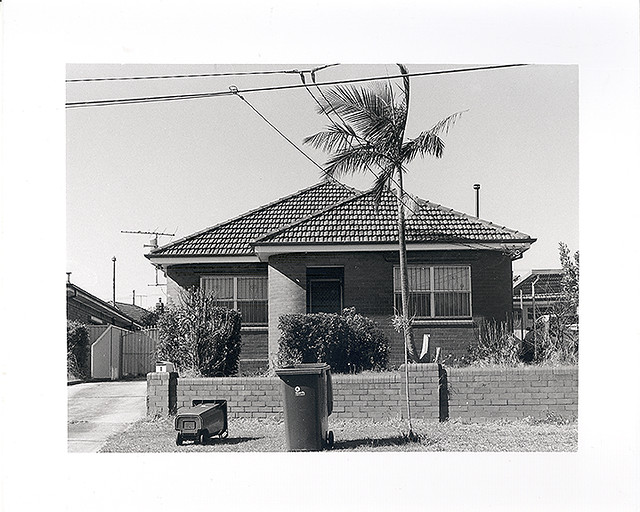
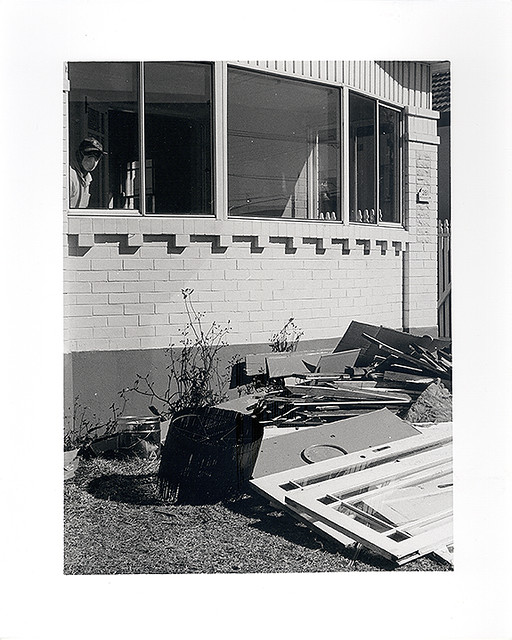
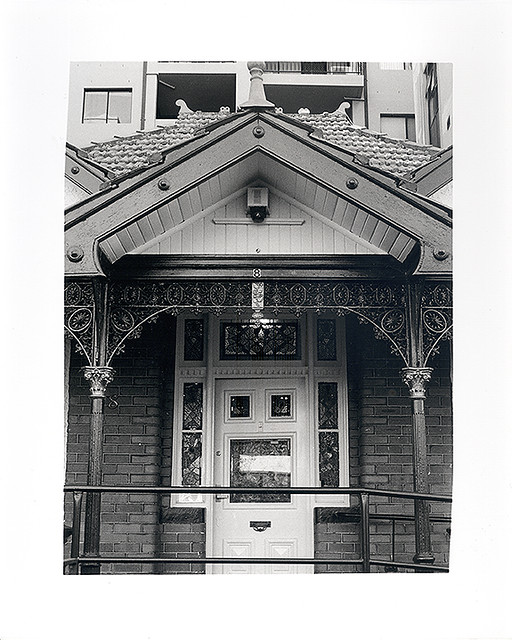
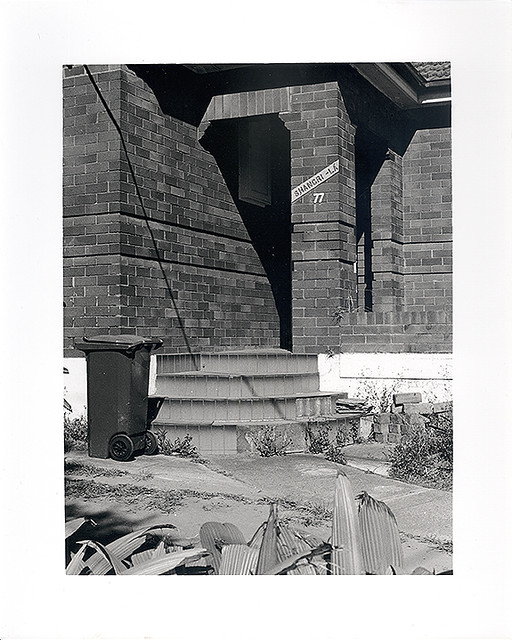
Being ‘in the field’ could also mean exploring my suburb, as I am compelled to do for time to time. I called the latest installment Lost Suburbia, and it was part of my TAFE Diploma of Visual Arts photography major work.
I wanted to capture these brick bungalows and their details before they are all replaced by McMansions. I used black and white film – the medium most commonly used when these houses were built in the 1940s – and developed each shot in the darkroom myself.

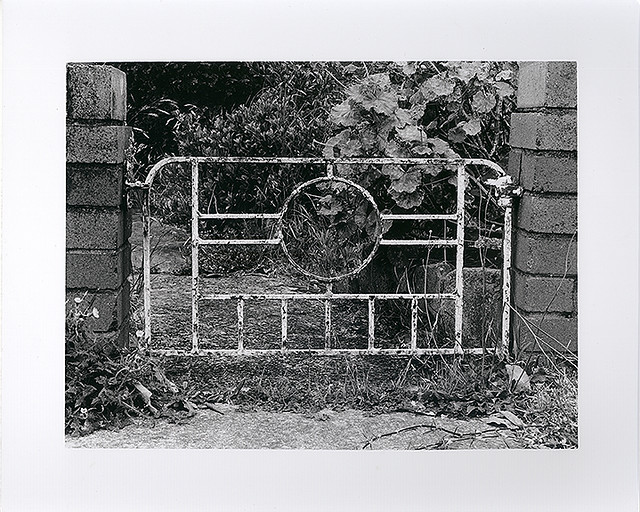
 Static and Silence