Tag Archives: riverina

On My Way Home – Narrandera

The last pit stop we made on our way back to Sydney on our Winter 2023 trip was at the small, Riverina town of Narrandera. It’s 550km from Sydney and 440km from Mungo (i.e. Almost right in the middle). It’s got a population of some 4,000 people, and seems to like its sport a lot, having numerous and well-kept facilities for a town its size.

Narrandera

But the life-blood of the town and the region is the mighty Murrumbidgee River that runs through the town and irrigates the fields for miles around.

Narrandera

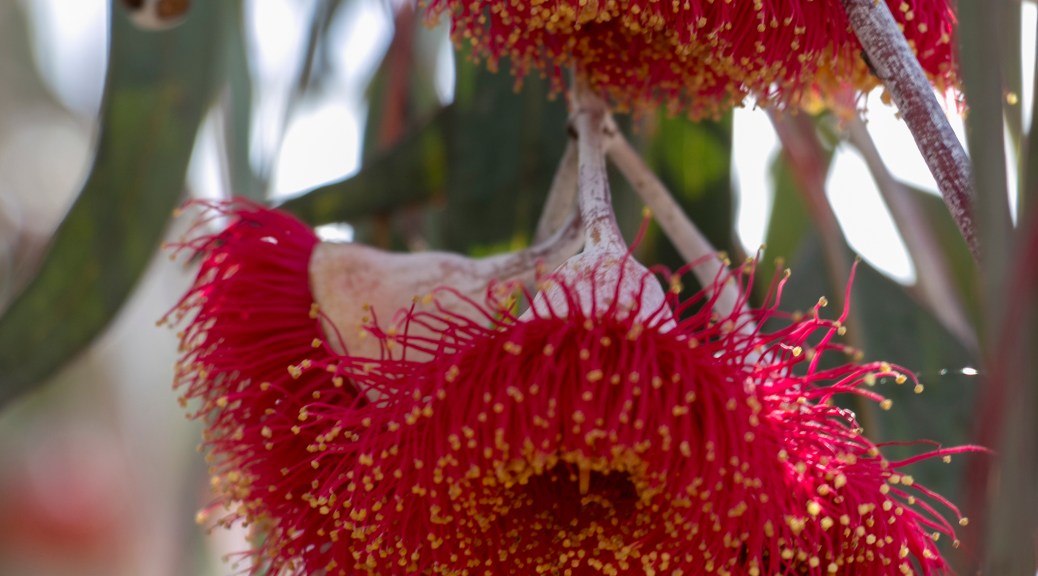
Being that we visited in ‘Sprinter’, we saw some wonderful flowering gums in bloom.

Narrandera

Mungo National Park – Part 4

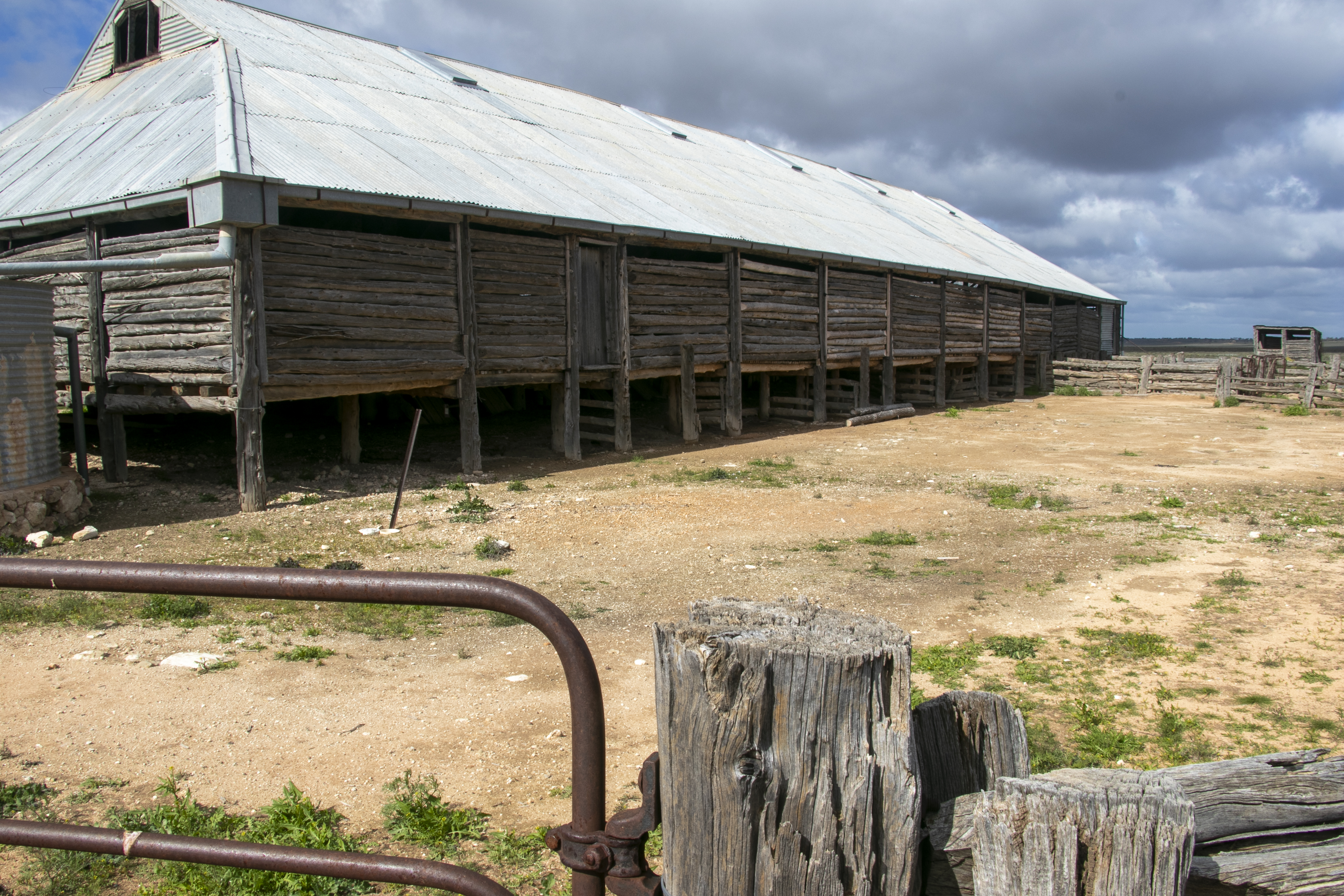
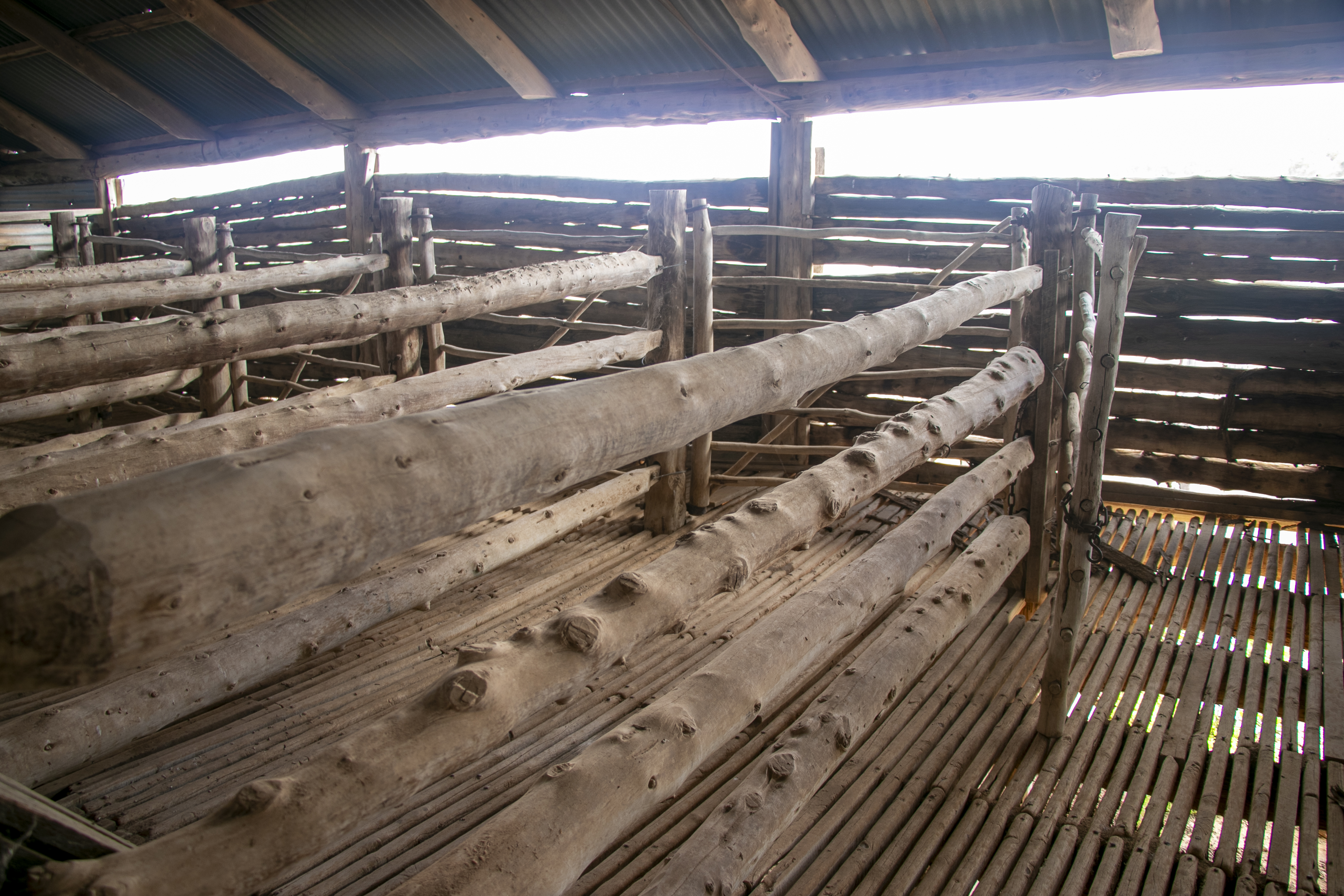
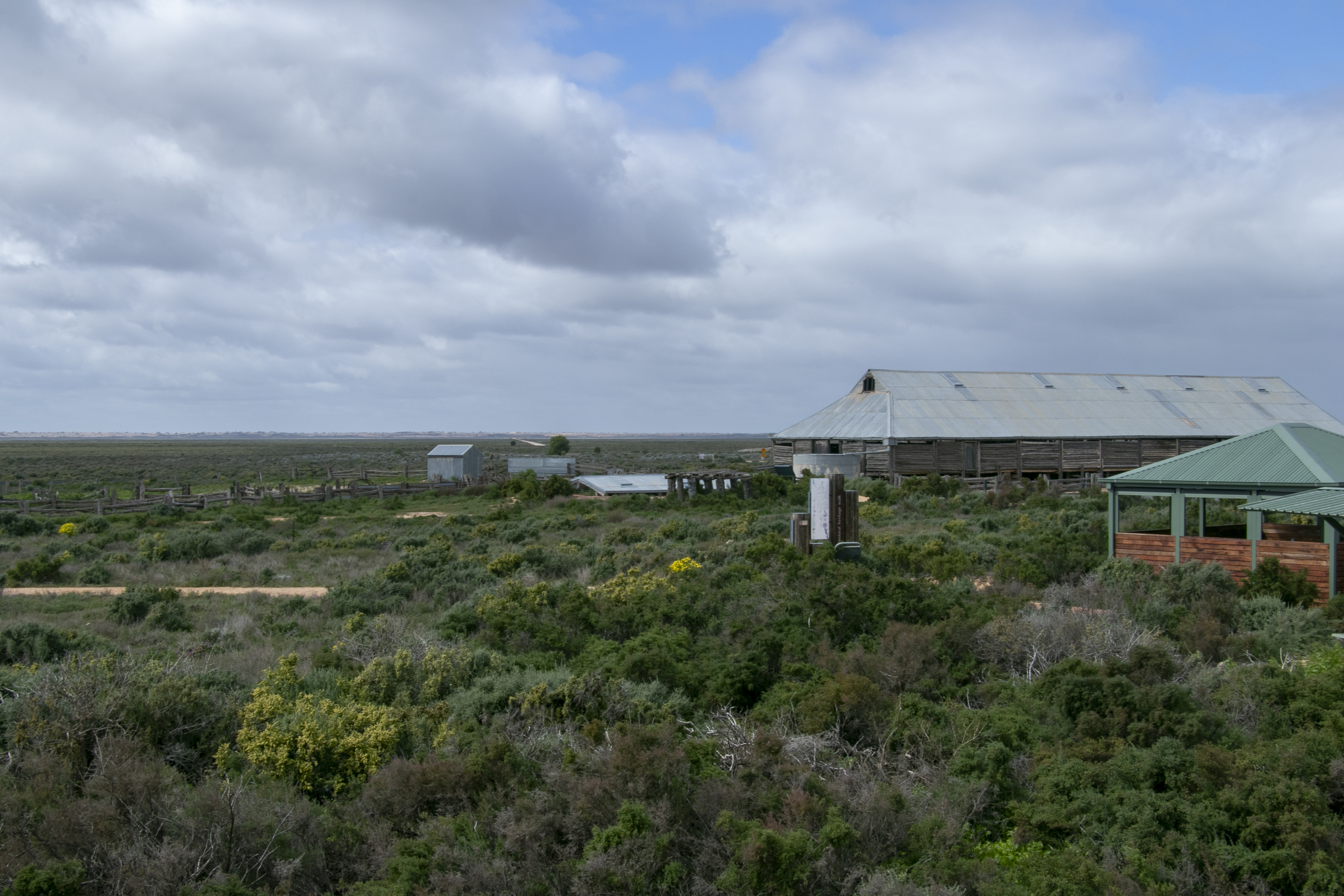
Next to the visitor’s centre at Lake Mungo National Park is the old wool shed. It was built in 1869 from local wood and was part of Gol Gol sheep station. The station had indigenous as well as Chinese labourers, many who came to Australia during the gold rush that had taken place across NSW and Victoria. By 1869, the gold fever had abated, so these former miners sought other work, frequently on pastoral properties across the country.

When these Chinese workers looked across the dry lake bed at the sand dunes on the other side, many were reminded of their homeland, and the wall that ran across it. Hence, the dune formations were called the ‘Wall of China’.

Next, we’ll take a walk amongst those dunes.

Mungo National Park – Part 2

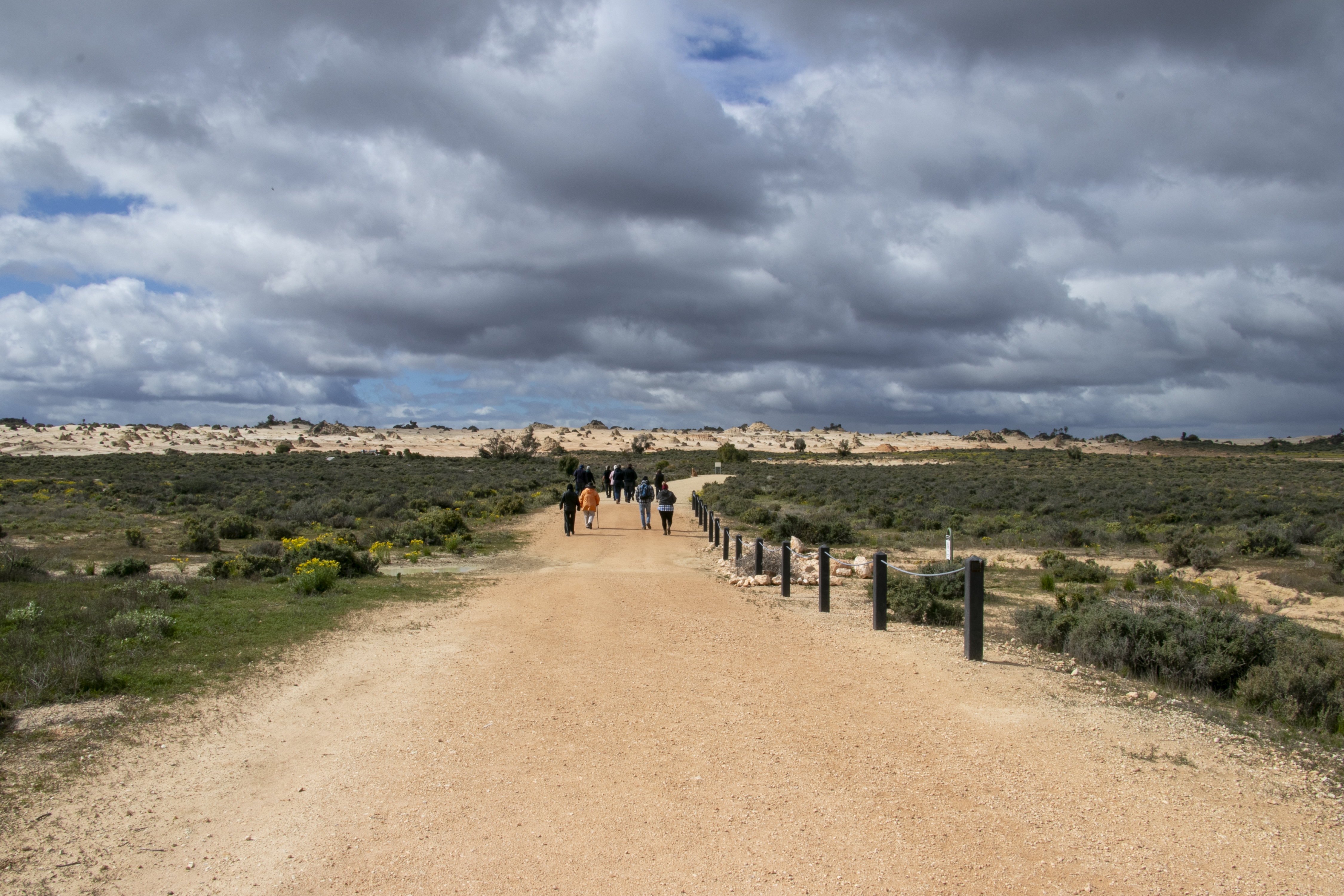
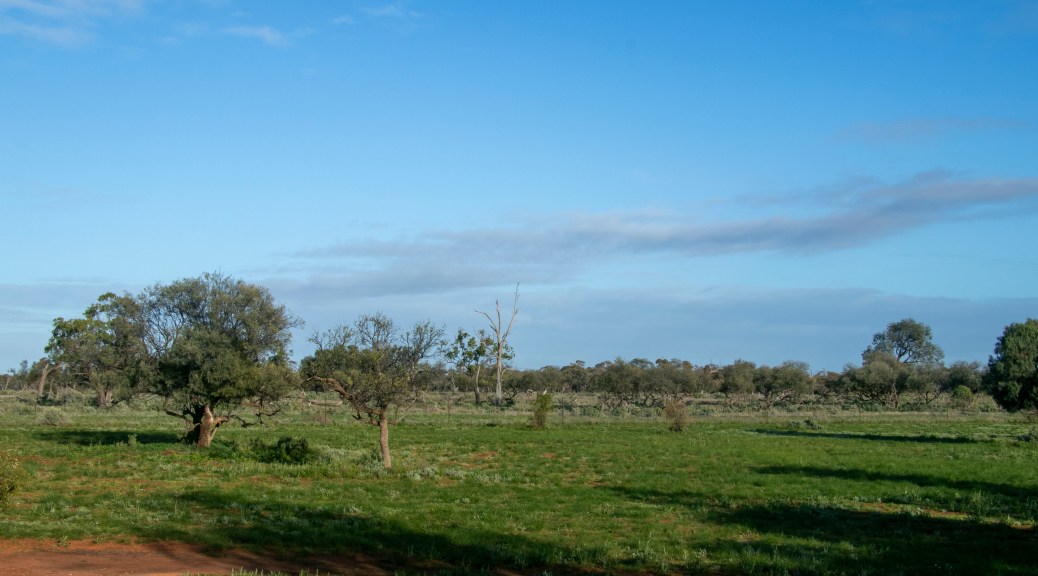
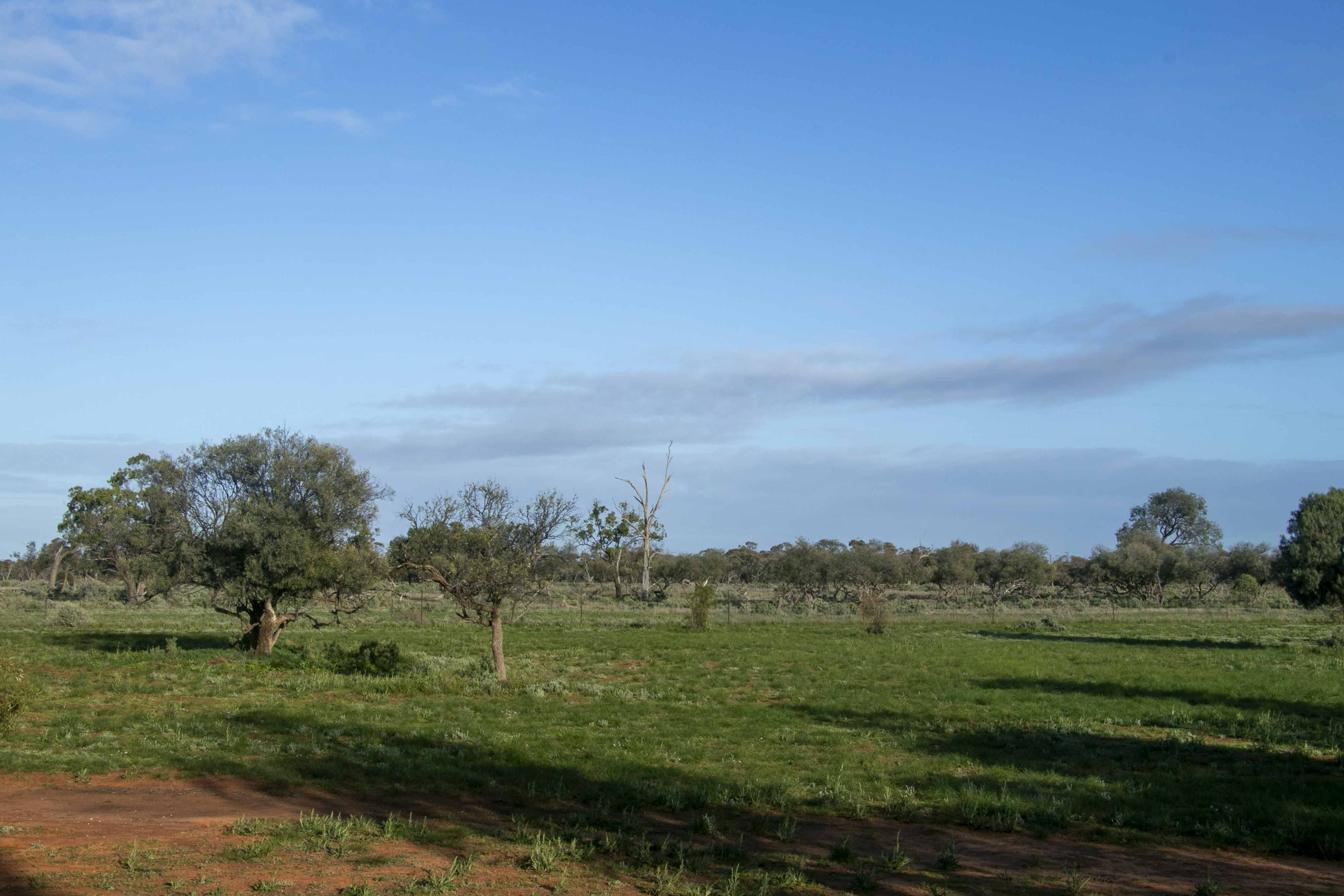
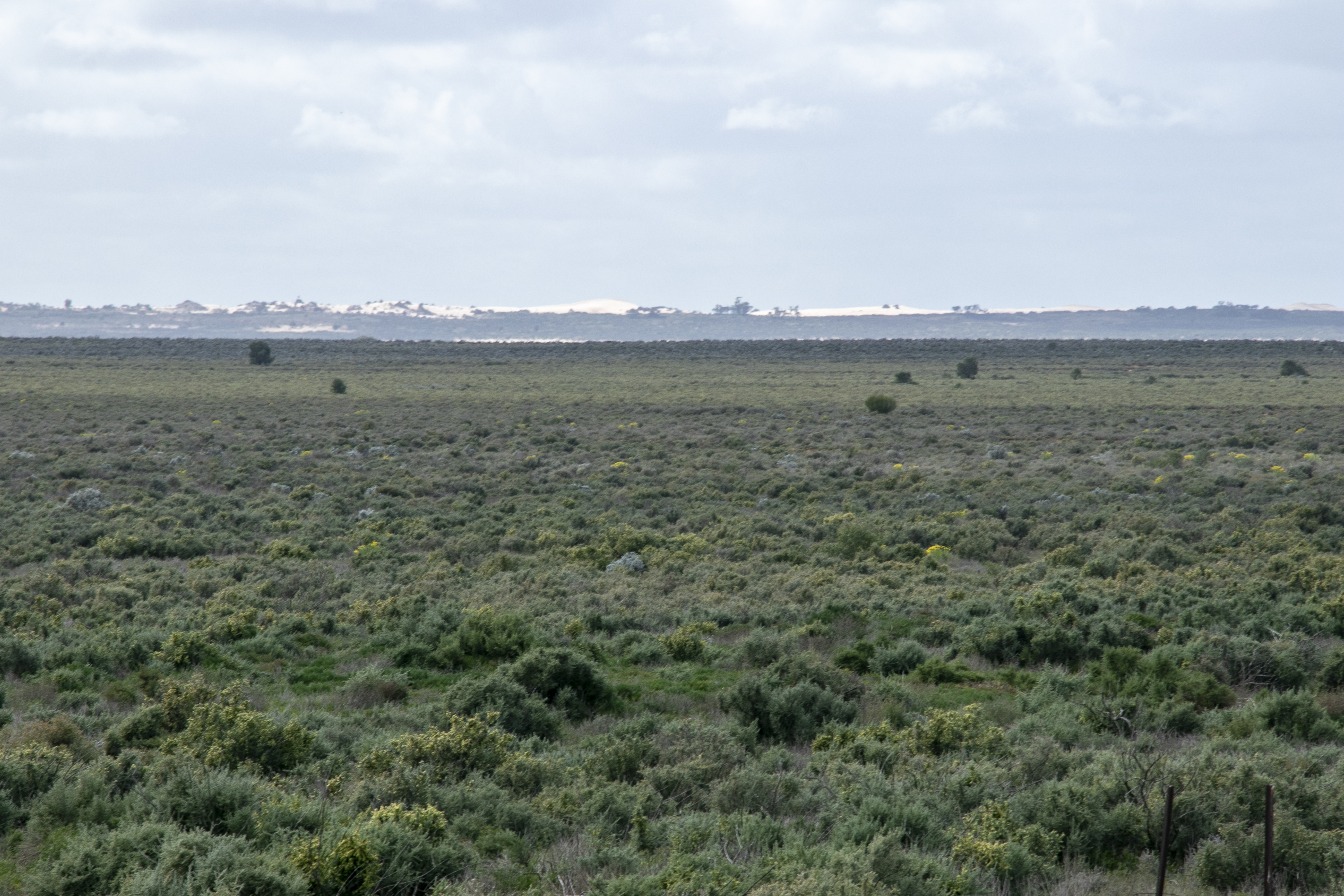
Let’s do a bit of a study of the landscape of Mungo, as it’s one that’s new to me. I mean, I have been in our parts of central Australia and even in other parts of western NSW, however, the Mungo landscape is still a bit different from these. For one, the land is almost completely flat. In the distance is some special sand-hills, which we will explore in a separate post.

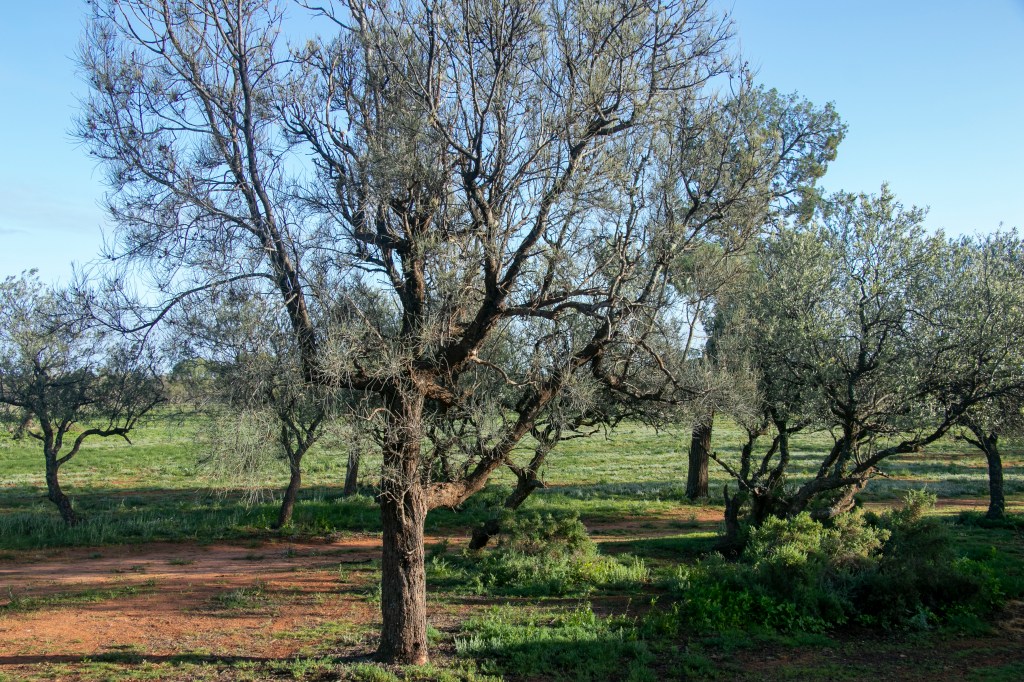
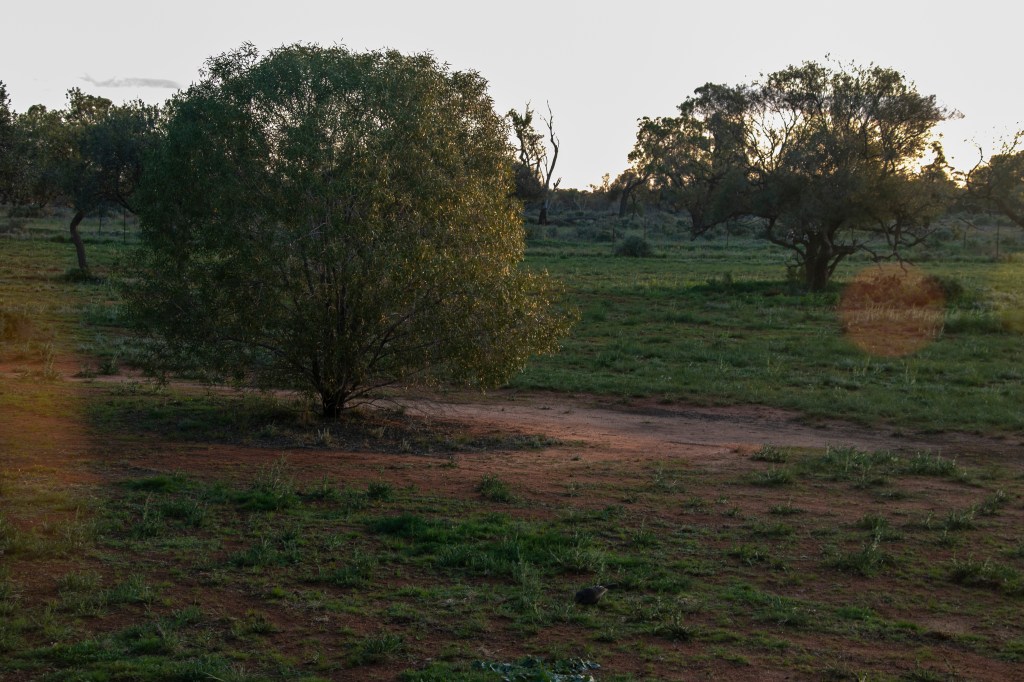
The soil is red, although I suppose a few degrees less bright than the soil near Alice Springs. The vegetation is relatively typical of a place that’s semi-arid – low scrub with spinifex and saltbush, and smallish eucalyptus trees. It’s the kind of landscape that needs time to soak in, I think, as it’s not one to blow its own trumpet, much of the time.

From a distance, everything might look the same, but if you do a ‘David Attenborough’ and stay still for awhile, you’ll start seeing little birds running around (a type of thornbill perhaps, according to the ‘Compact Australian Bird Guide’, my go-to reference book).

The best time to see these guys is early or late in the day, of course, and the landscape takes on a different cast.

Mungo National Park – Part 1

The goal of our August 2023 trip was to visit Lake Mungo National Park. This national park is 120km from Mildura or 160km from Balranald via mostly unsealed roads of varying conditions. It definitely pays to drive very slowly and pick your way through. There wasn’t much if any traffic so we could take our time. Heading in from Mildura wasn’t too bad.

We stayed at Lake Mungo Lodge and had this view from our cabin. We were really in arid territory except it was quite green because the area must have been blessed with rain in recent times. The green makes a great contrast to the red ochre sands.

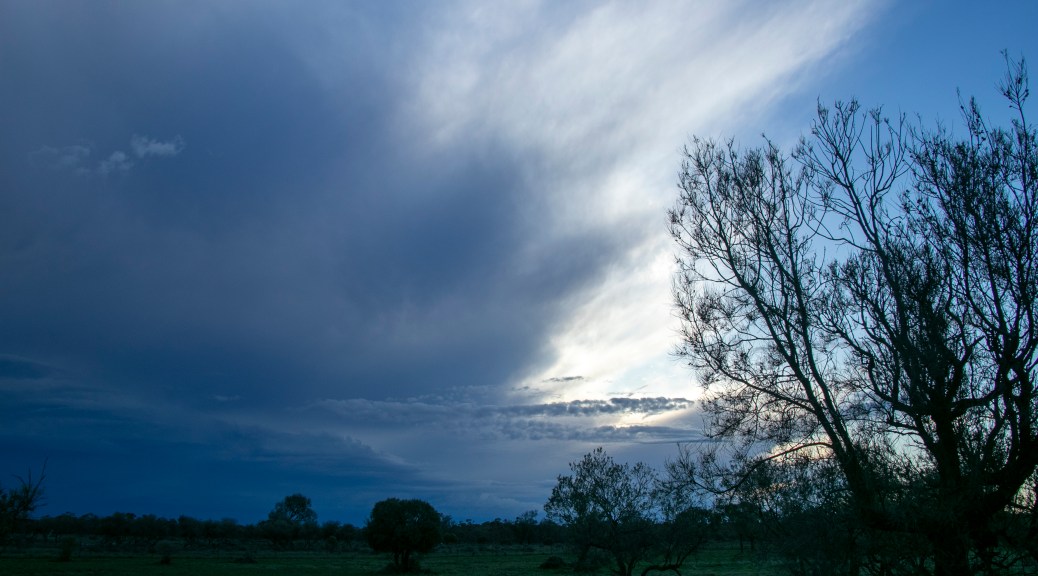
Having had time to contemplate the landscape, I realised what a big sky I was under. When a storm rolls in, you really do notice.

Riverina – Temora

I’m starting a new series about the towns around the ‘Riverina’ area of NSW (and into Victoria as well). These towns run from the Central West into the far South West of the state and are located next to the big rivers of NSW – the Murray, the Darling, the Murrumbidgee, and the Lachlan, among others. I haven’t travelled to all the major towns that span along these rivers, but on a trip that Hubby and I took in August 2023 we drove through a few of them.

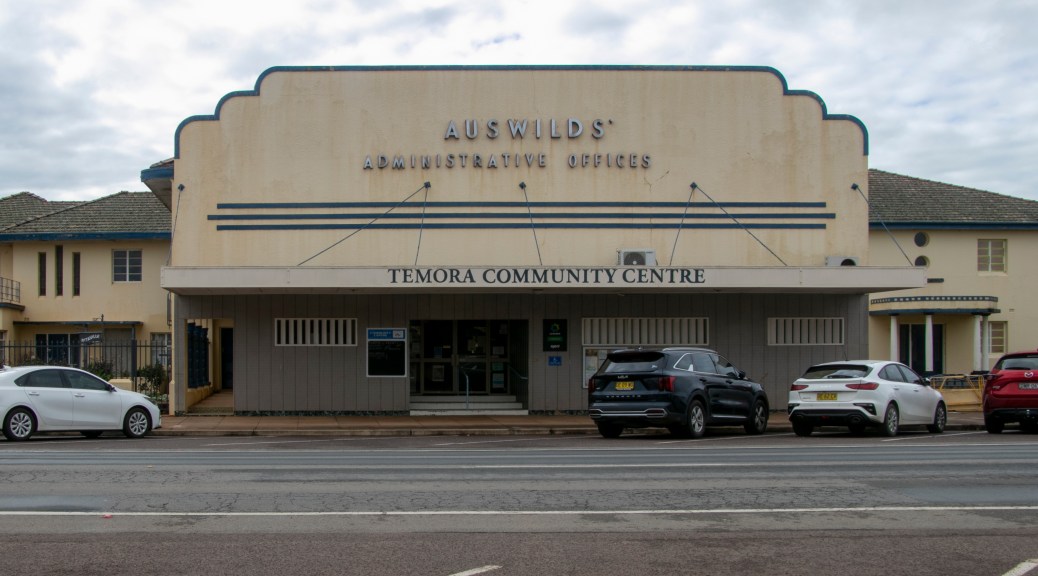
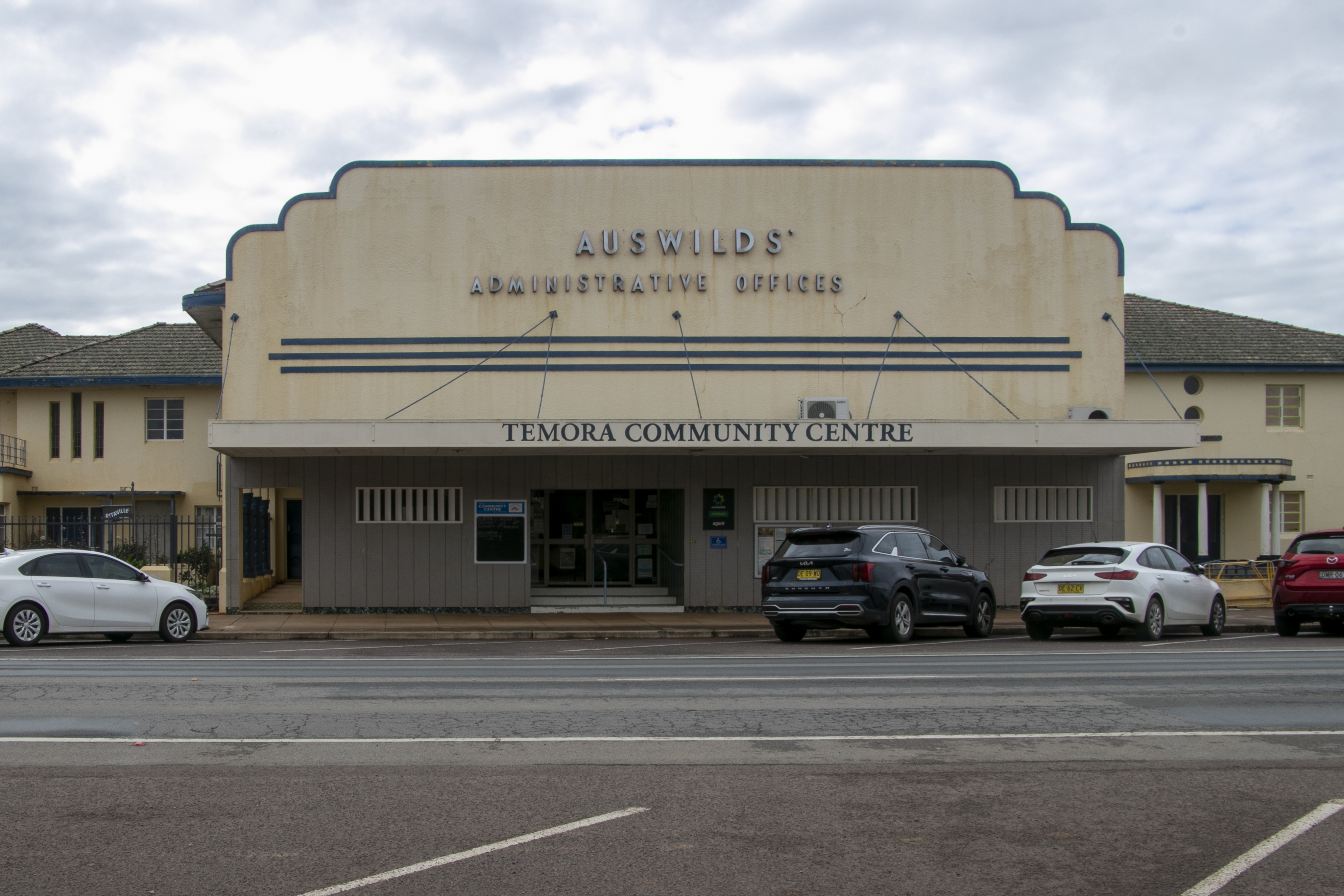
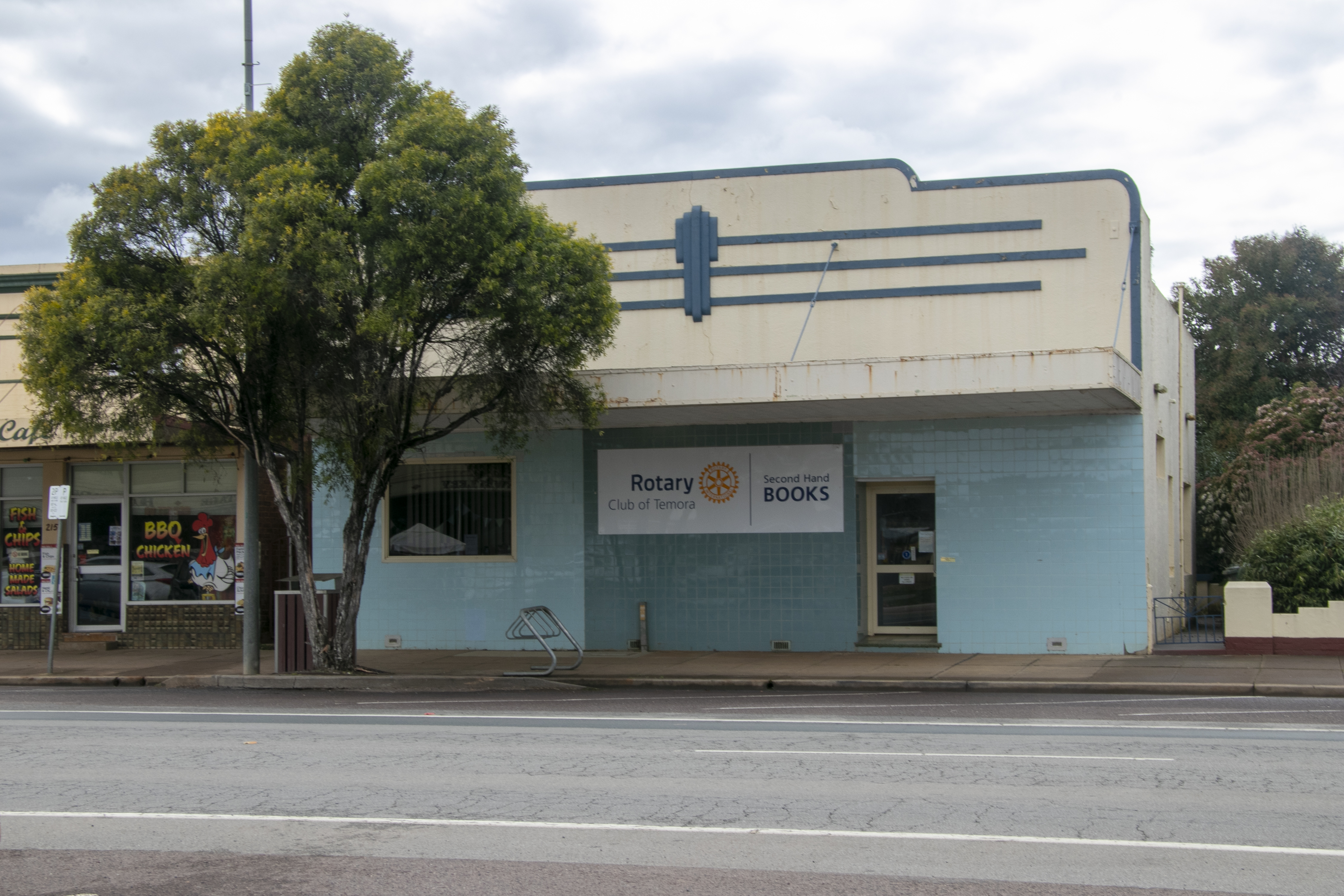
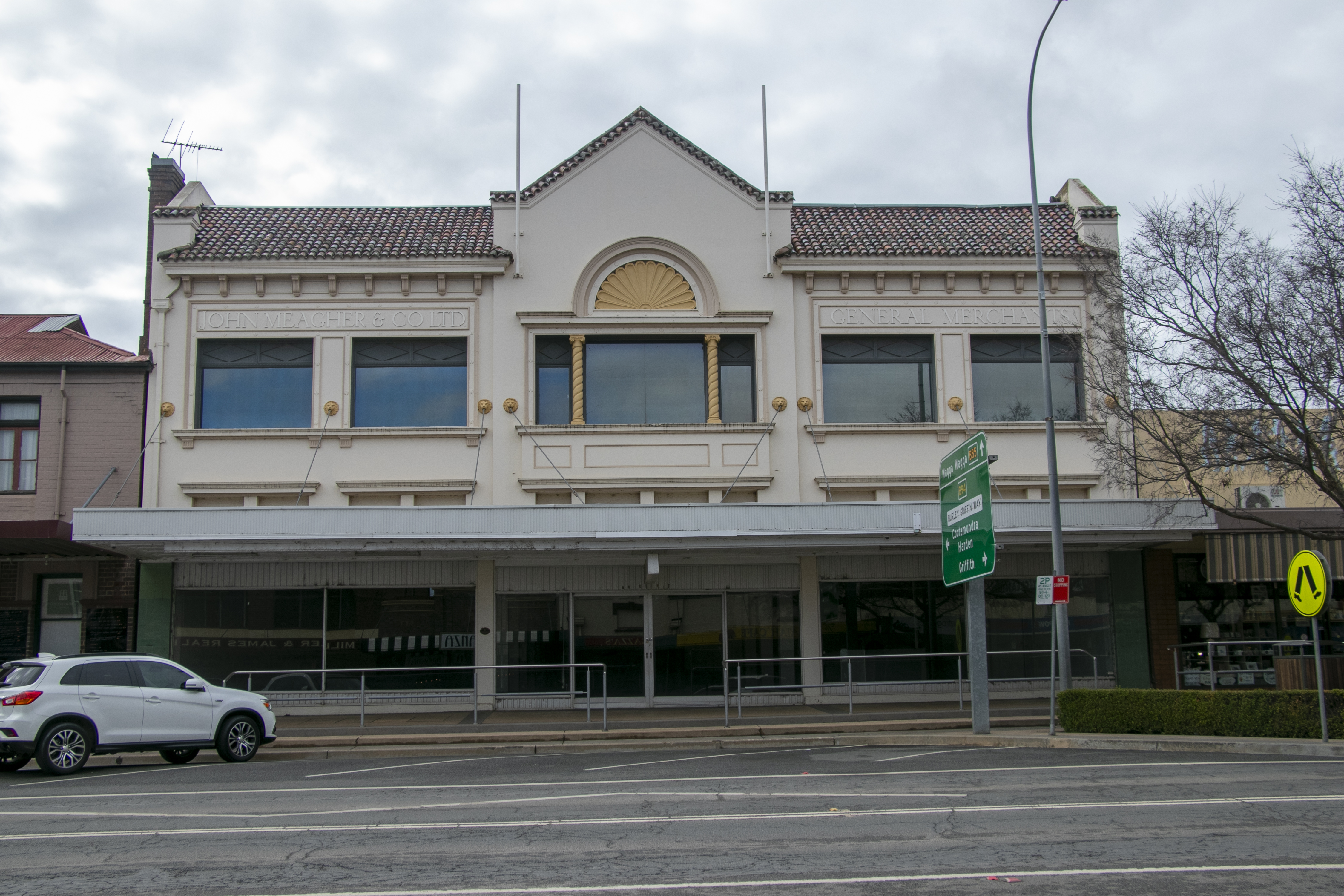
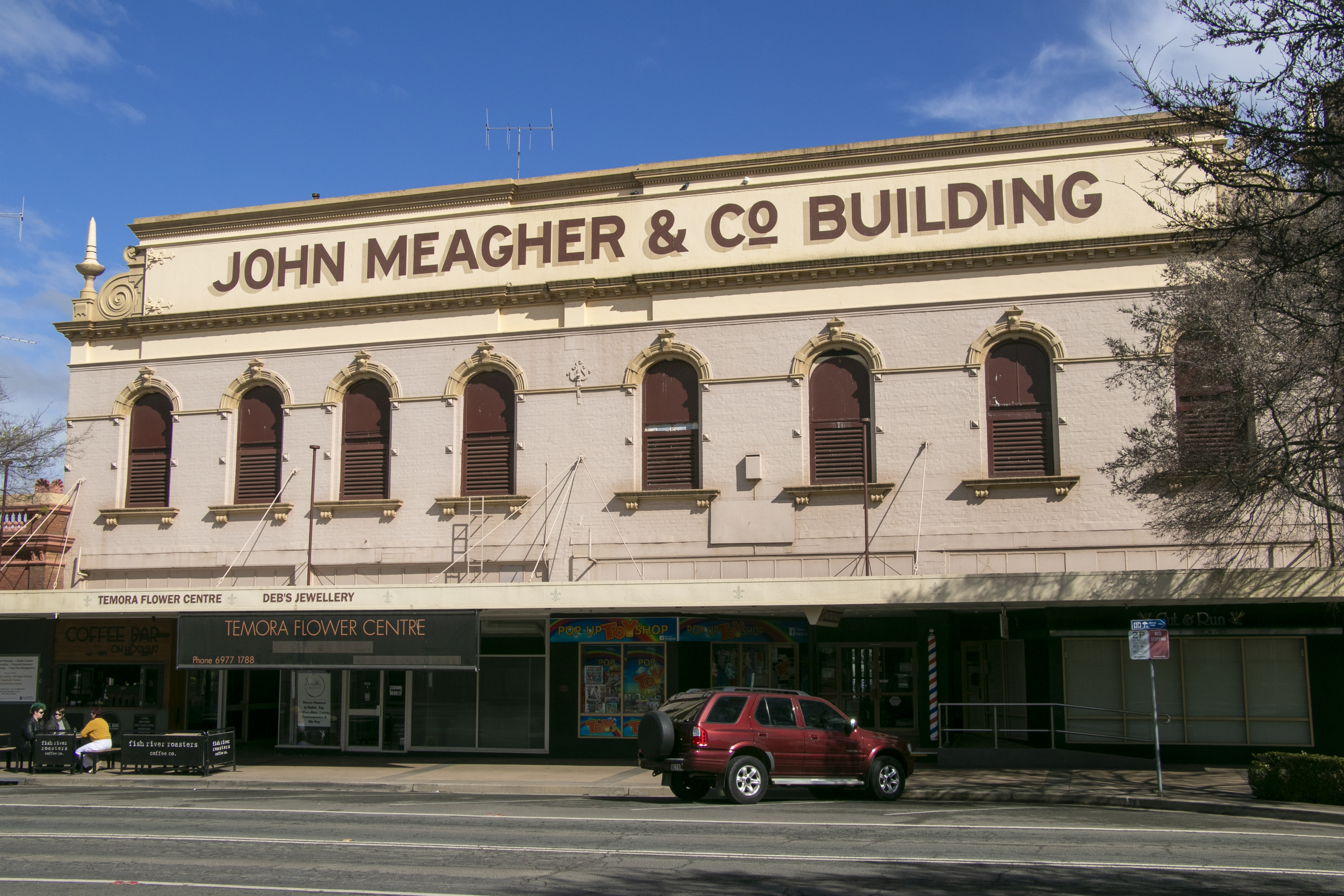
We’re starting off in the North-East corner of the region, in the medium-sized town of Temora. Temora is another town that was founded in the Gold Rush of the mid 19th Century. Once the rush eased, it became an agricultural centre (for grain and wool). Being a mid-sized agricultural town, the town’s buildings are relatively modest, and seem to have been built pre-World War II.

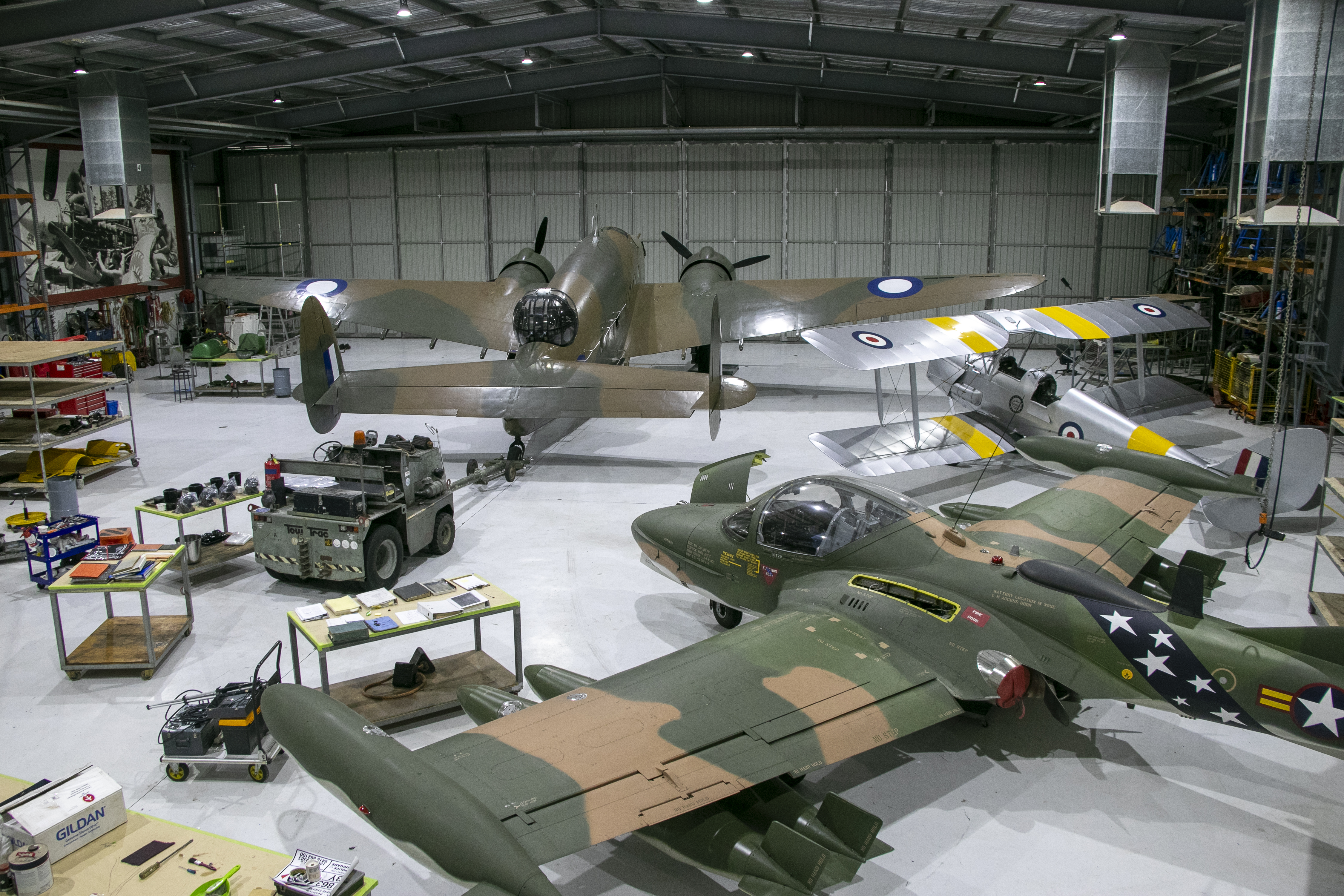
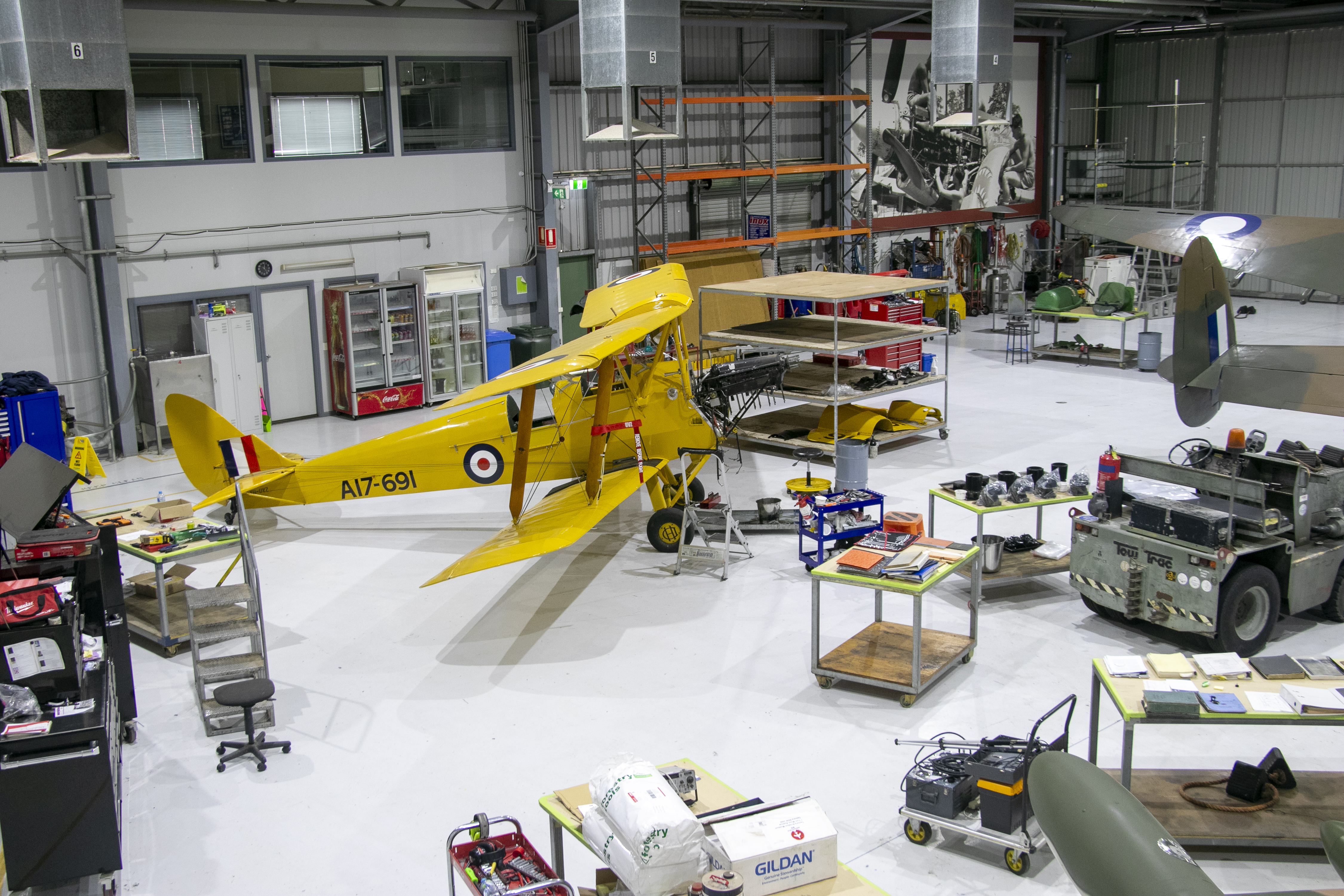
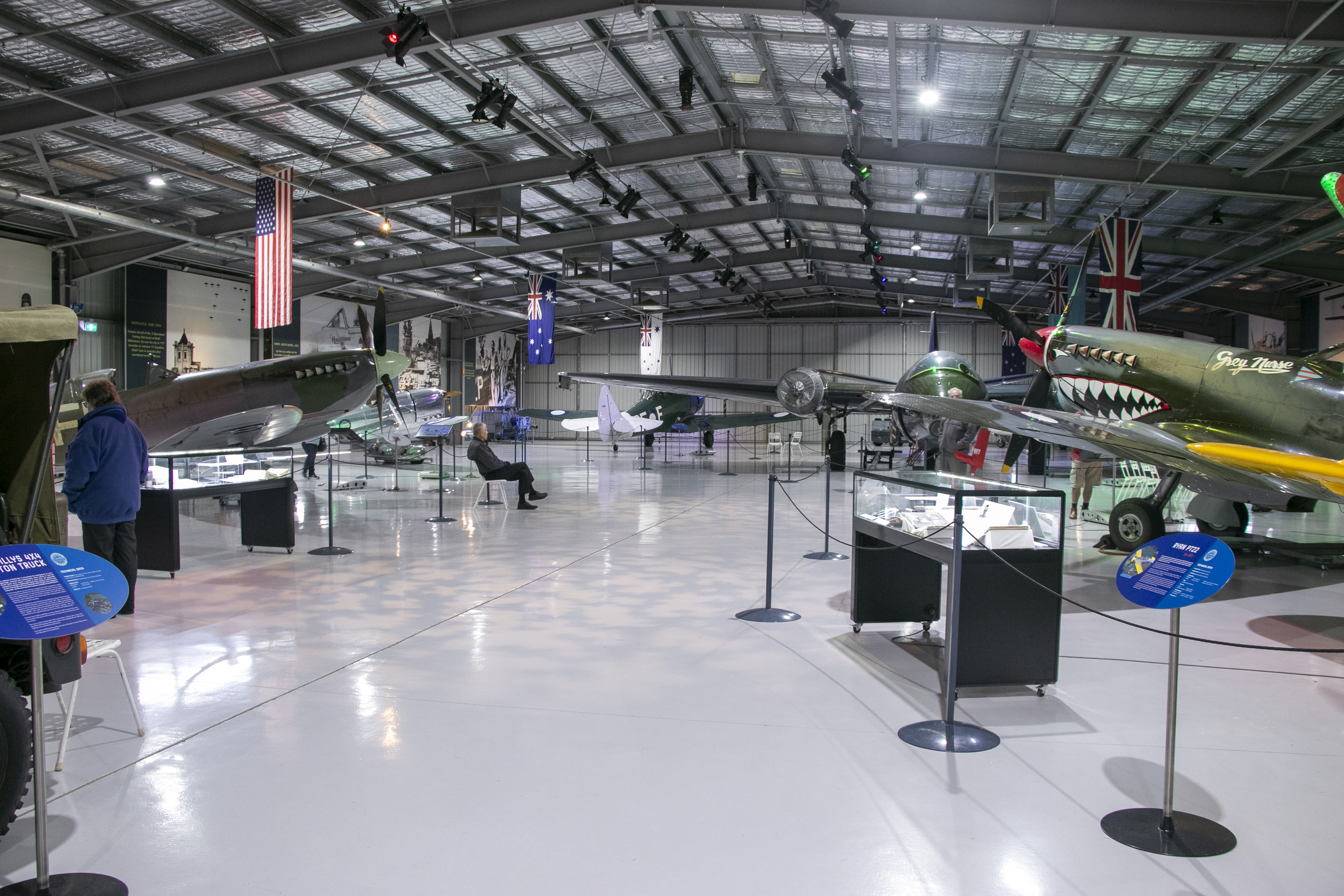
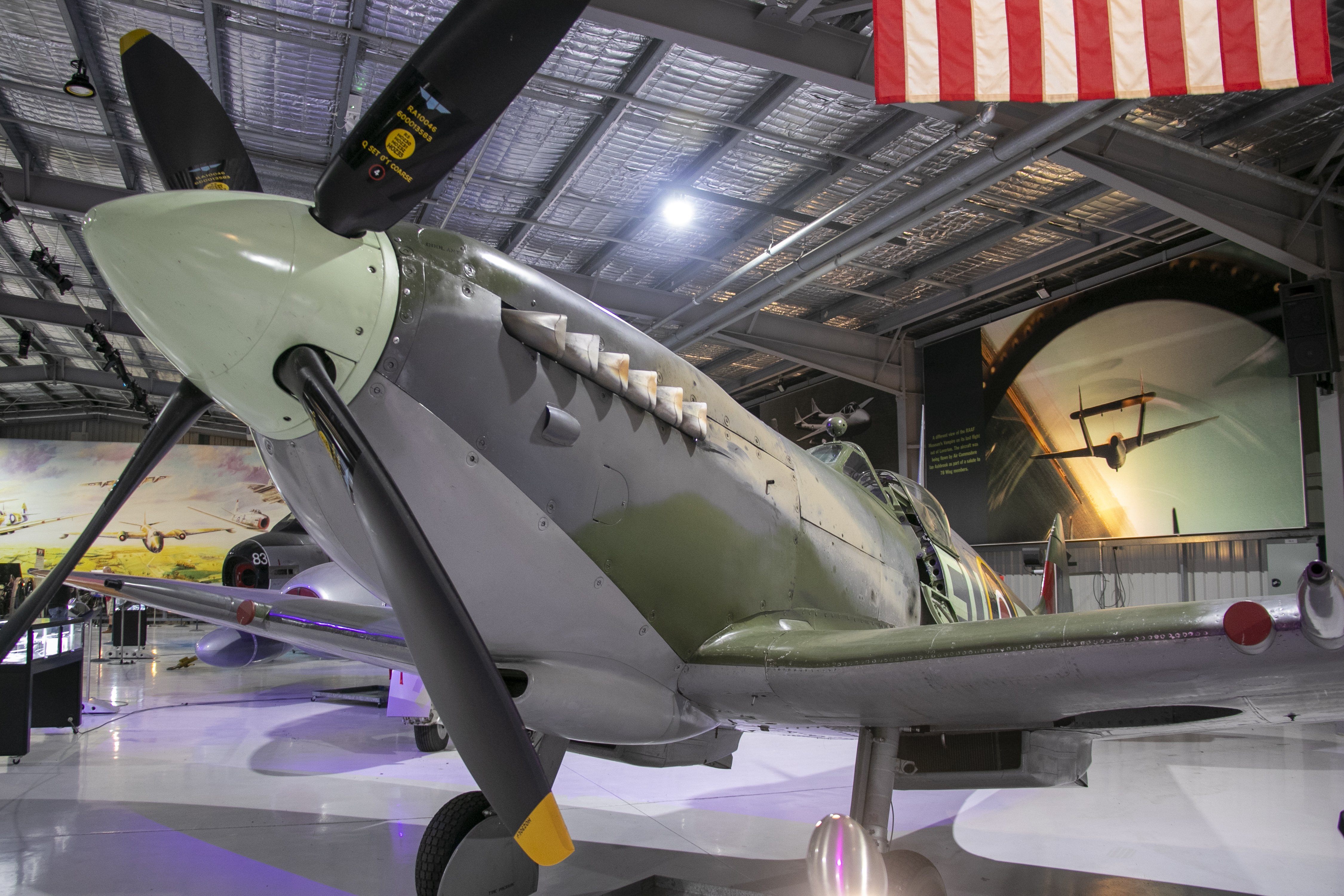
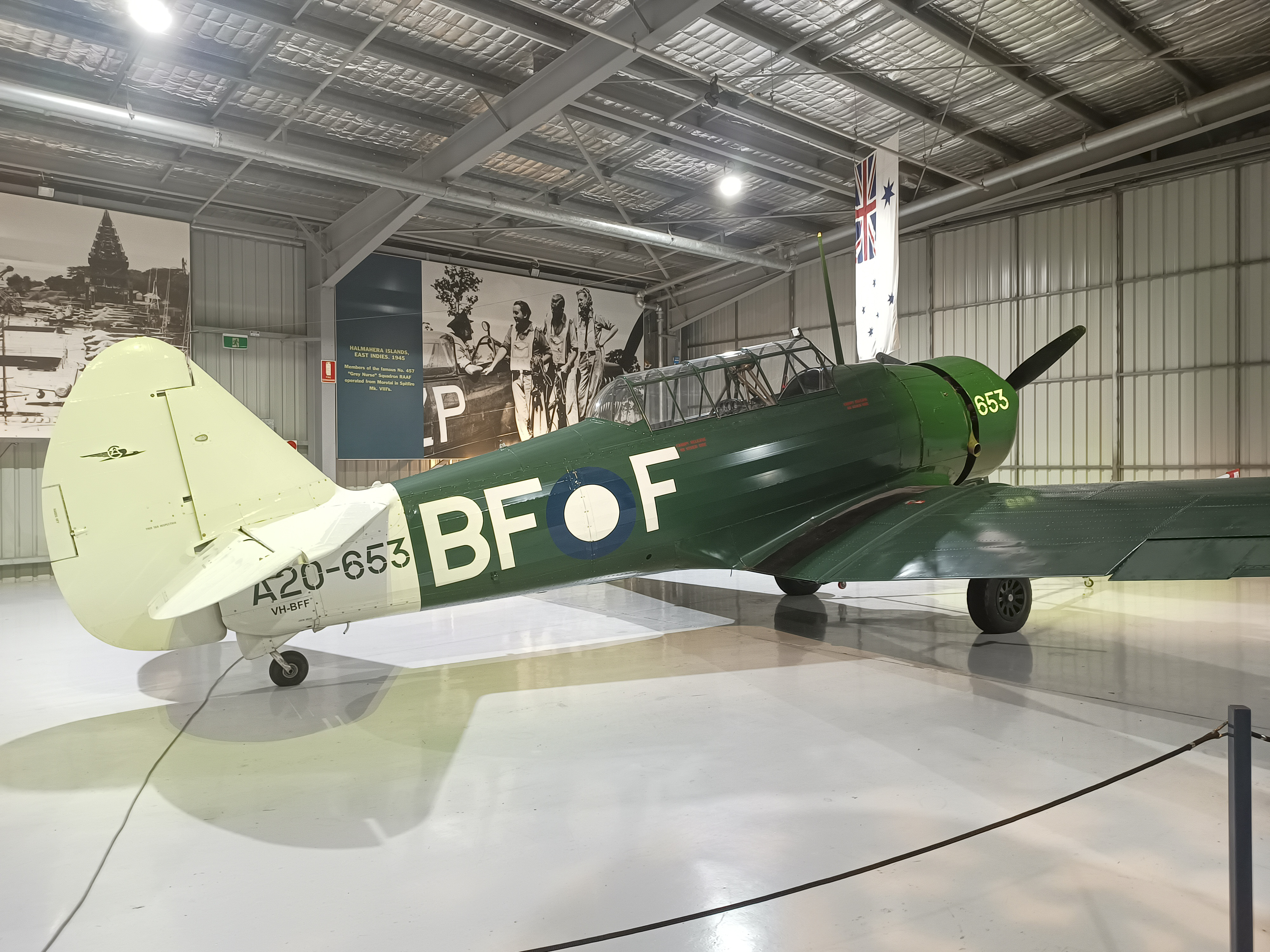
An unusual tourist attraction was the Temora Aviation Museum just out of town. It contained heritage military planes from World War II and Vietnam War. It’s actually someone’s private collection, and all the planes in the hanger are in working order. Not being an airplane geek, I don’t really know the details of the planes that I saw, but there was good signage provided, so I learned quite a bit that day.

The Road to Gundagai

We’re starting a new journey today. Last December, we took a road-trip from Sydney to Central Victoria and back.

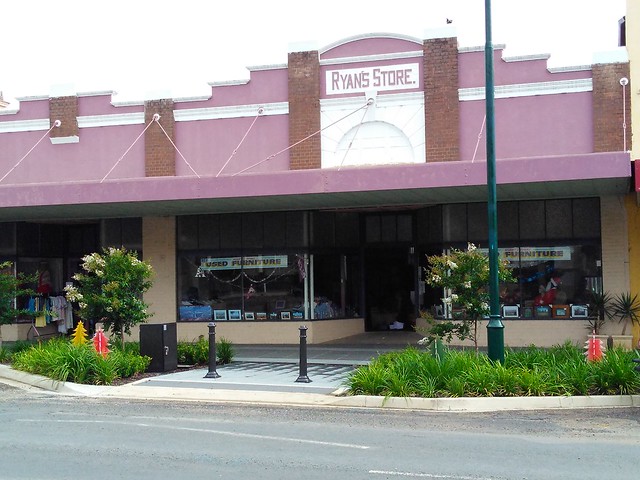
Our first leg took us through the town of Gundagai, with its quaint old buildings and brand-spanking-new pavements.

Gundagai

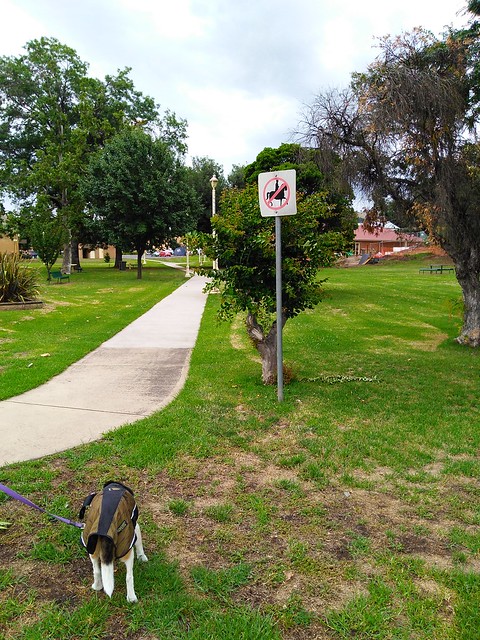
It was a chance for everyone to stretch their legs, including our old beagle, Bridie. Note the sign in the park – we’re definitely not in the city anymore!

Gundagai

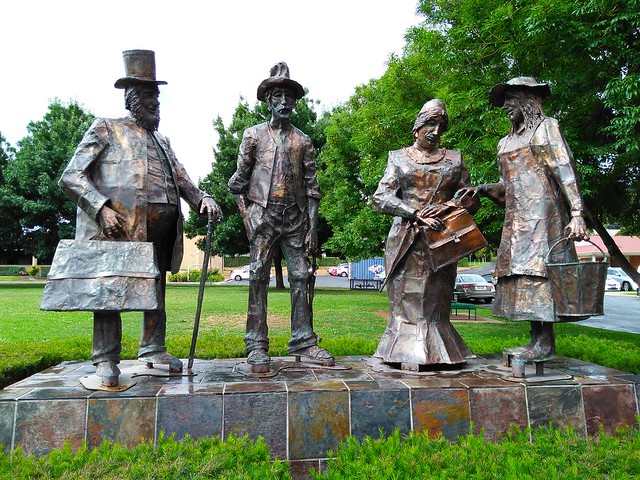
There were a few monuments in town. We didn’t see the famous dog and tucker box statue as it was out of town, but we did stumble past Dad, Dave, Mum and Mabel, along the road to Gundagai.

Dad, Dave, Mum and Mabel

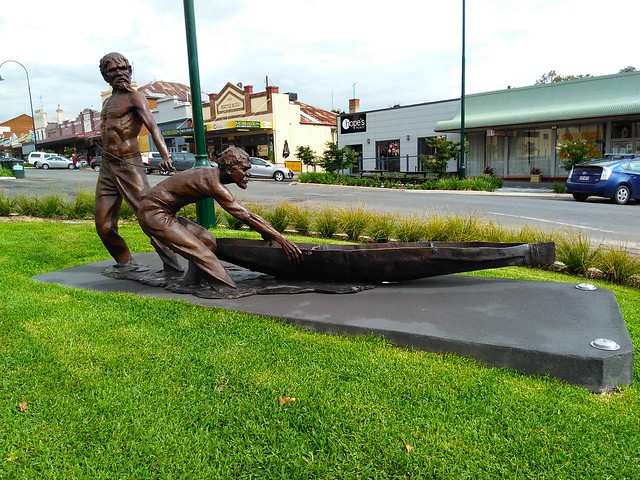
But the monument that was most touching was the tribute to two Wiradjuri men, Yarri and Jacky Jacky, who saved the township during the 1852 flood.

The Great Rescue of Yarri and Jacky Jacky