Tag Archives: south africa

On the Wine Route – Part 2

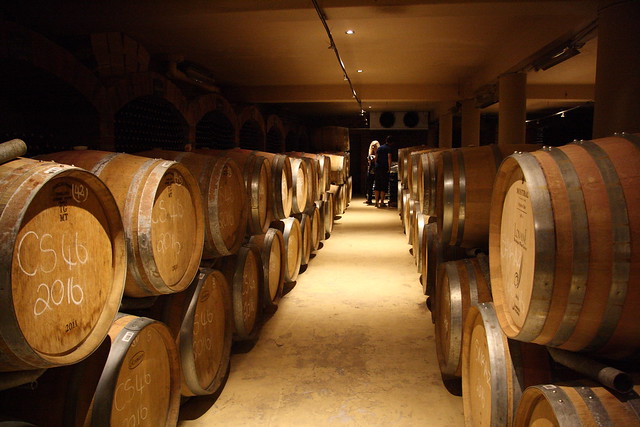
We ended up visiting five wineries that day, and sampled a lot of wines, including sparkling and sweet wines!

Wine Flies Wine Tour

South Africa doesn’t just make good whites like chennin blanc, sauvignon blanc and chardonnay, but also great reds like cabernet sauvignon, shiraz, and its own variety which I grew found of, pinotage.

Wine Flies Wine Tour

And the wineries I visited weren’t only of the fashionable kind, but also a few that were rough and ready. This one had tasting in a dusty Dutch-style barn, but the shiraz I tasted were very fine indeed.

Wine Flies Wine Tour

On the Wine Route – Part 1

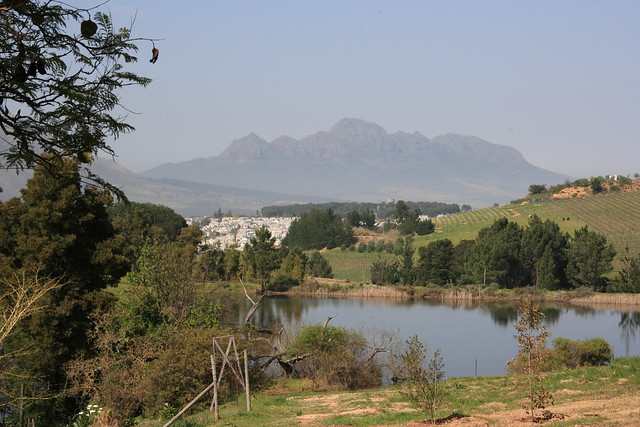
One of the great things about Cape Town is that it’s blessed with a number of wine regions within a 100km radius, making wine tasting day trip a very attractive and relaxing option. I took a day tour to the wineries around Stellenbosch, just 50km away from the centre of Cape Town. With the jagged mountain ranges in the background, the wineries of the region were often in very scenic locations.

Wine Flies Wine Tour

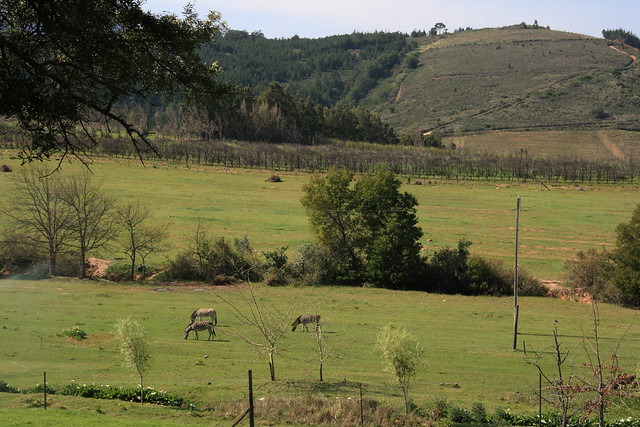
And with interesting side attractions – like zebras.

Wine Flies Wine Tour

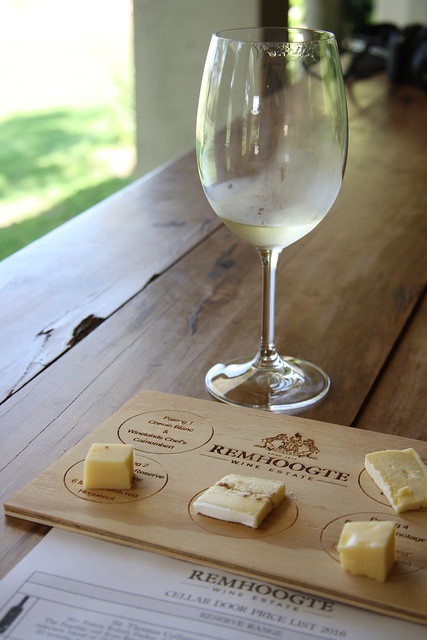
But I was also there to taste a bit of wine. The wine styles were generally more restrained than in Australasia, making it very nice with a bit of French-style cheese.

Wine Flies Wine Tour

Cape Town – Part 5

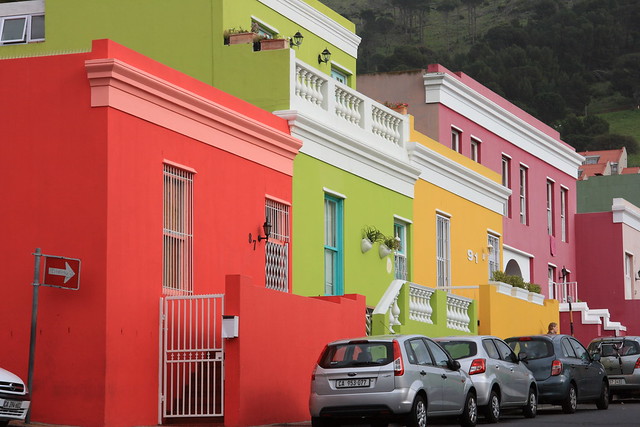
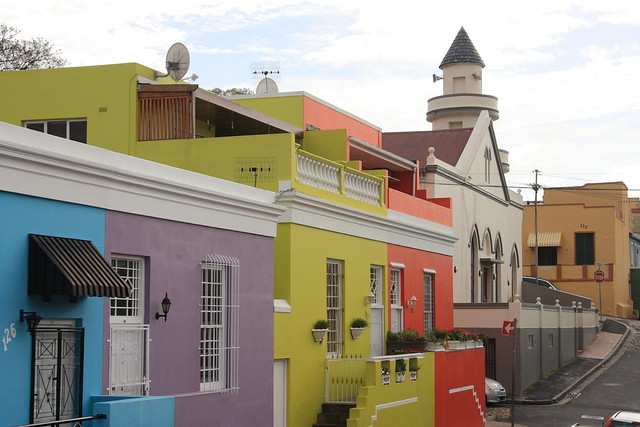
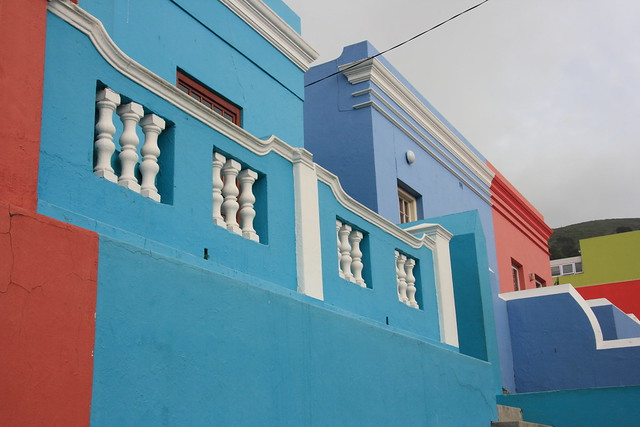
One of the most colourful neighbourhoods in Cape Town is Bo-Kaap. It has traditionally been the home of the Cape Malays – descendants of slaves and traders originating from the East Indies (now Indonesia). The oldest house in the area was built in 1760s but the community has its origins all the way back in the mid 17th Century.

Bo-Kaap

Most were (and still are) Muslim, hence the high concentration of mosques on the block. Despite this, there did not seem to be much tension based on religion. Talking to locals and going by the nightly news, South Africans are much more concerned about the state of their government than differences in religion.

Bo-Kaap

The Cape Malays brought with them their culture and food – so much so in Cape Town that today many South African national dishes are quite heavily spiced, and popular with all South Africans, regardless of race. I sampled some of the food while in town, and generally liked what I ate, I must say that they are very different to any Indonesian/Malaysian/Indian or Malaysian dishes that I know. And yes, the samosas (or samoosas as the South Africans call them) are good.

Bo-Kaap

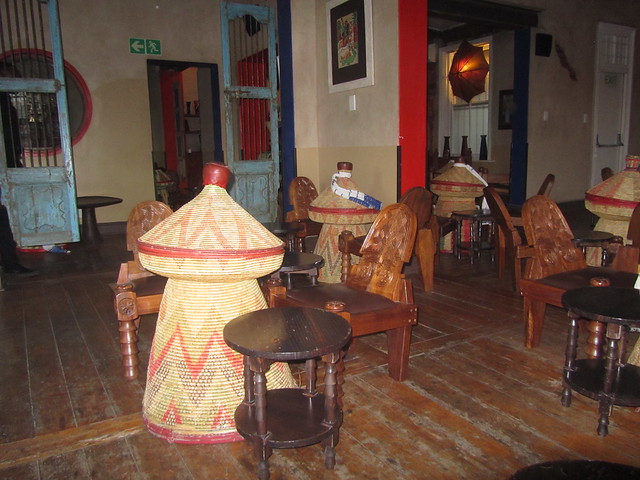
Nowadays, South Africa is a country of immigrants, especially from other parts of Africa. One community represented are the Ethiopians.

Addis in Cape

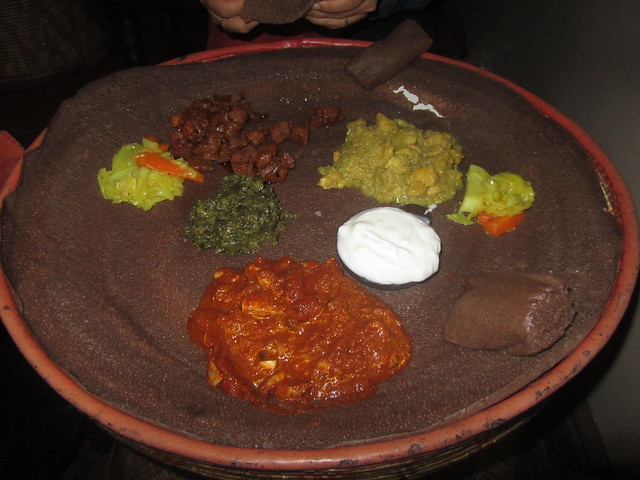
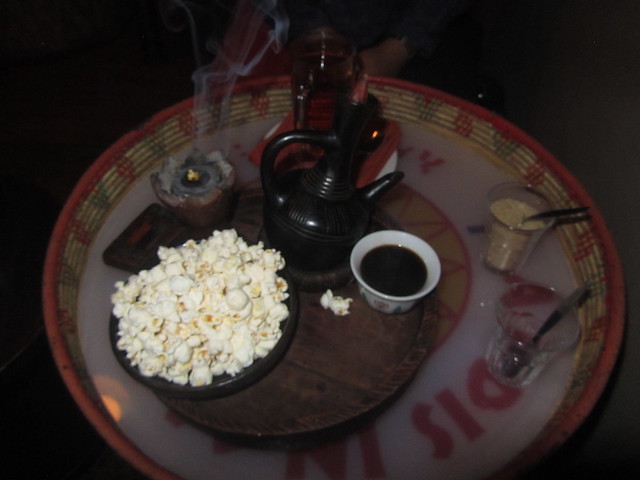
We had a taste of Ethiopian food one night. It’s certainly a different way of eating!

Addis in Cape

Addis in Cape

The spicing is rather unique, I thought – they seem to use quite a bit of cardamon in their savoury food. Their way of taking coffee was also unique. I’ve never heard of popcorn as an accompaniment!

Addis in Cape

Cape Town – Part 4

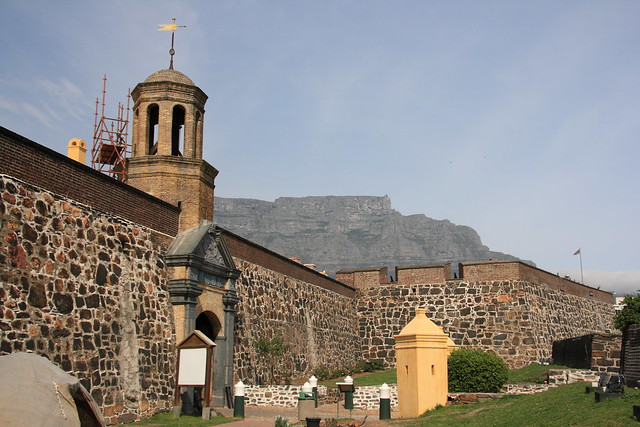
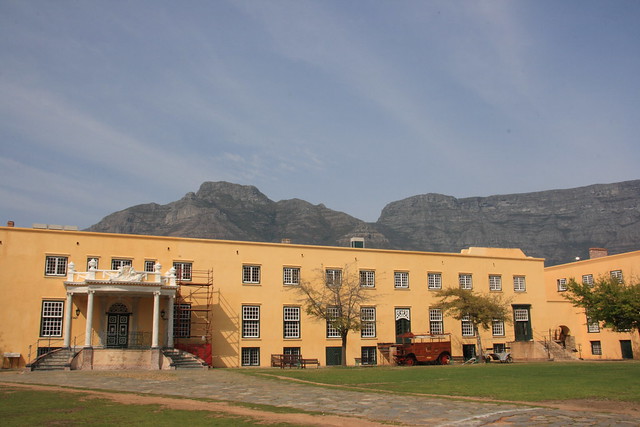
Another remnant of the Dutch colony of Kap Staad is the old fort, the Castle of Good Hope, built in the 17th Century. It was where the first commanders and their entourage lived, and though it had been fitted with cannons, they were never fired in anger.

Castle of Good Hope

Castle of Good Hope

The fort used to sit right on the beach, but since land was reclaimed and the coast line moved 1km further out to sea, it now sits by the highway and railway. Table Mountain views abound from here.

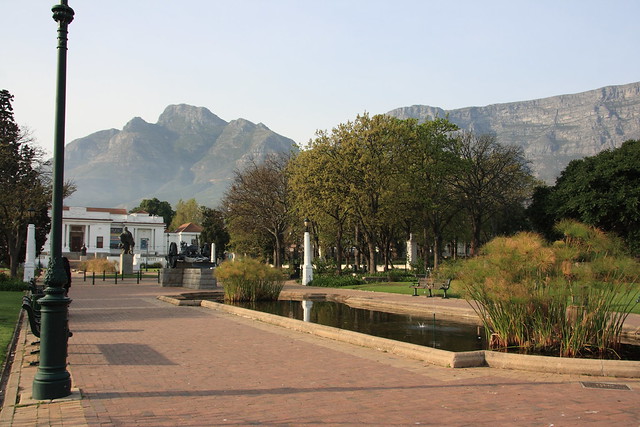
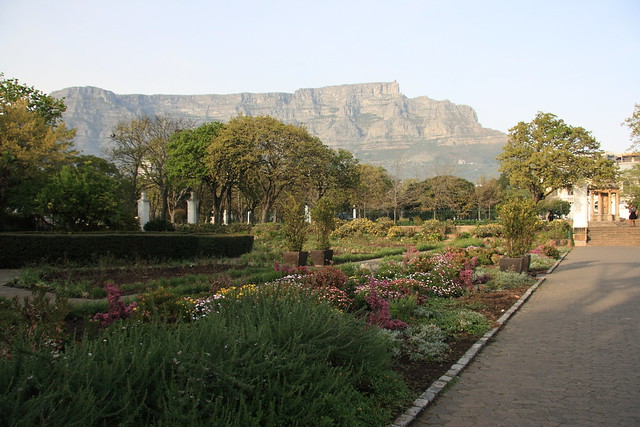
Not far away was the Company’s Garden that the Dutch established, initially to grow food for passing ships, but later expanded to include a pleasure garden.

Company Gardens

Company Gardens

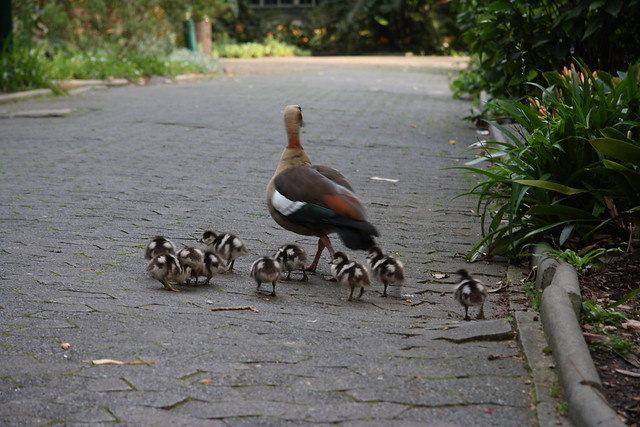
I saw a local goose walk by, spring chicks in tow.

Company Gardens

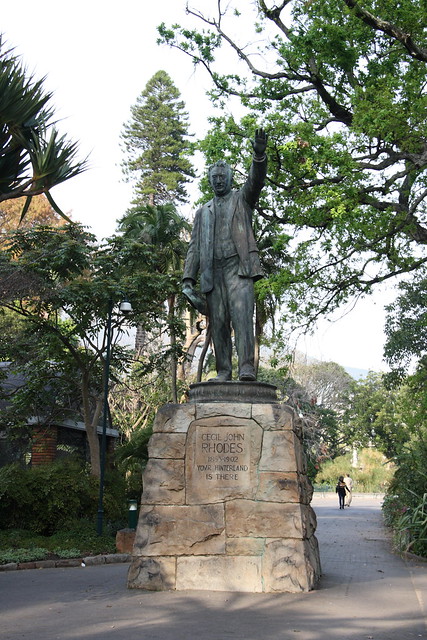
And there was a statue of Cecil Rhodes, a somewhat divisive figure of Colonial Africa now, though he did much for South Africa.

Company Gardens

Cape Town – Part 3

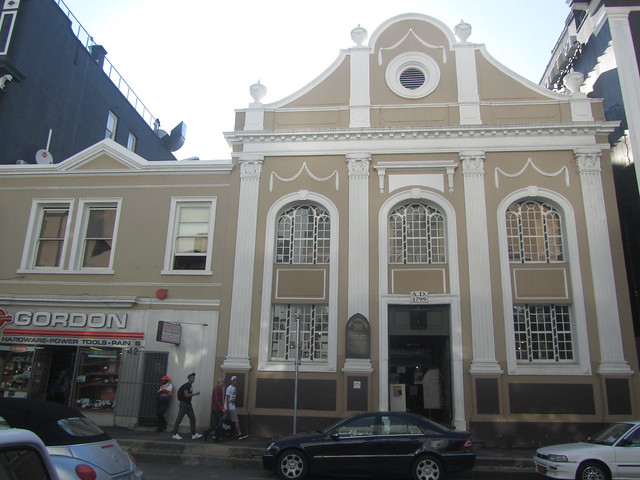
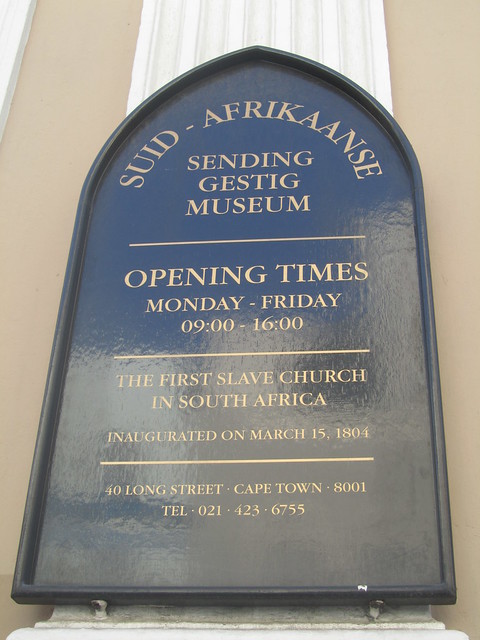
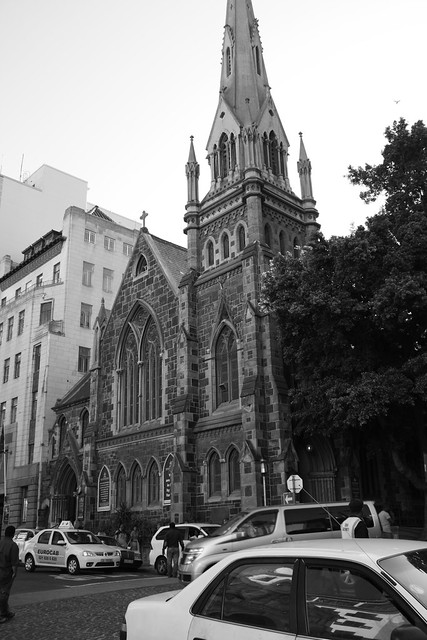
Cape Town has had an interesting history as a colony. It was in the hands of the Dutch who docked to replenish food supplies on their sometimes year-long voyages from Europe to Asia in the 16th and 17th Century. There’s evidence of that it some of the buildings around the city, like this old church.

Historical Cape Town

Historical Cape Town

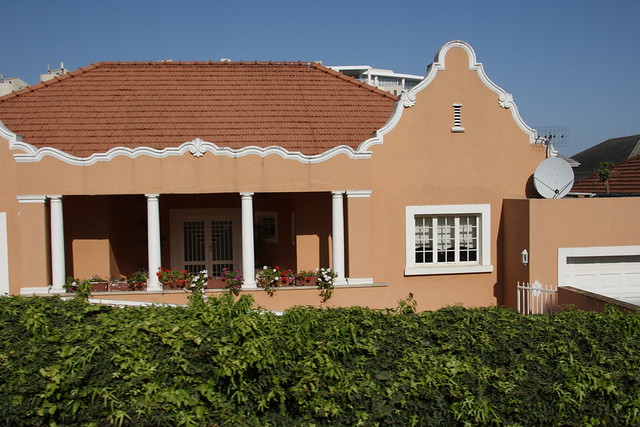
And this house Dutch-style house.

Historical Cape Town

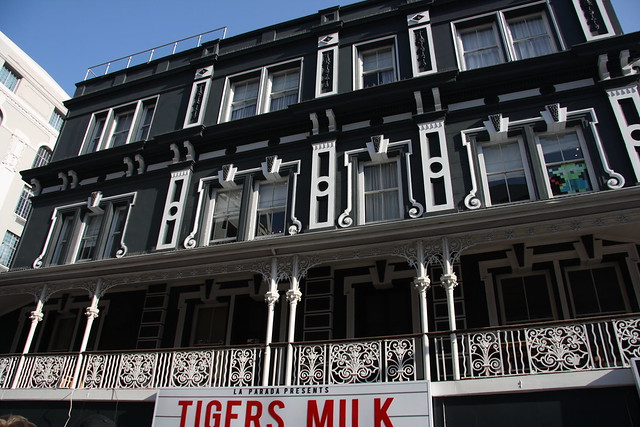
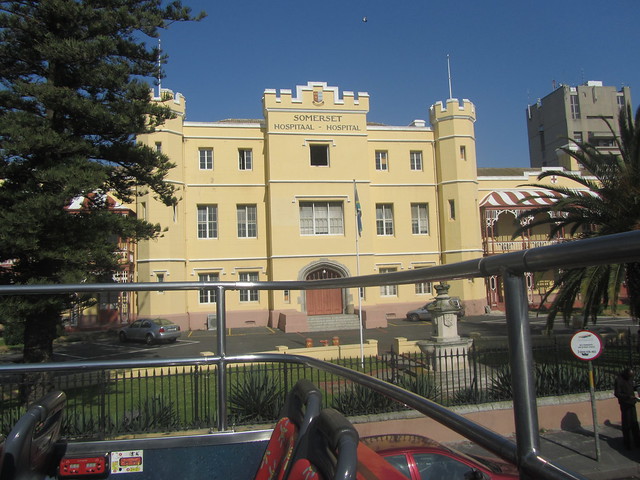
Then the British took over in the 19th Century and brought their brand of Victoriana with them. It’s in the public buildings.

Historical Cape Town

Historical Cape Town

Historical Cape Town

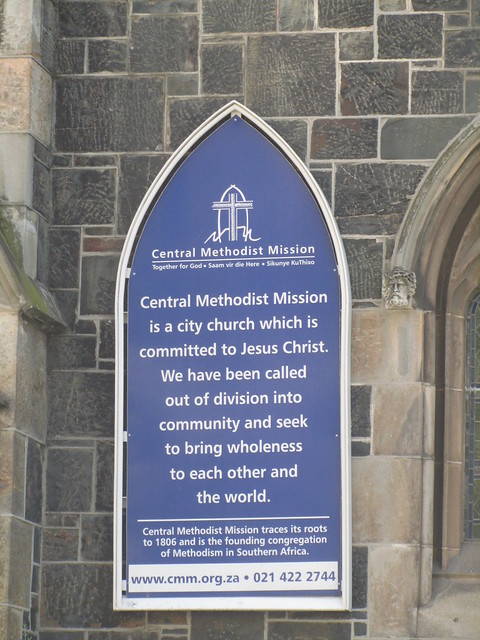
And in the churches.

Historical Cape Town

Historical Cape Town

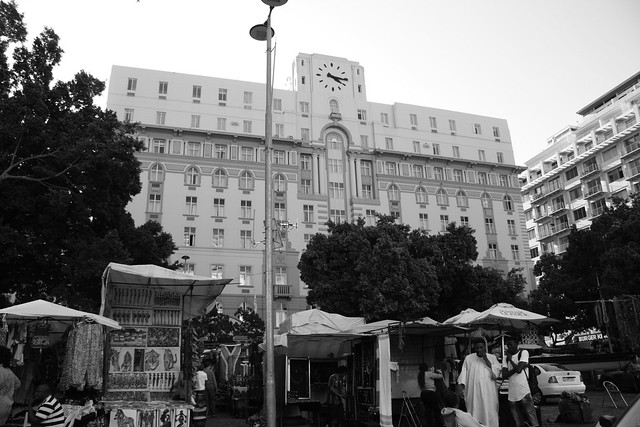
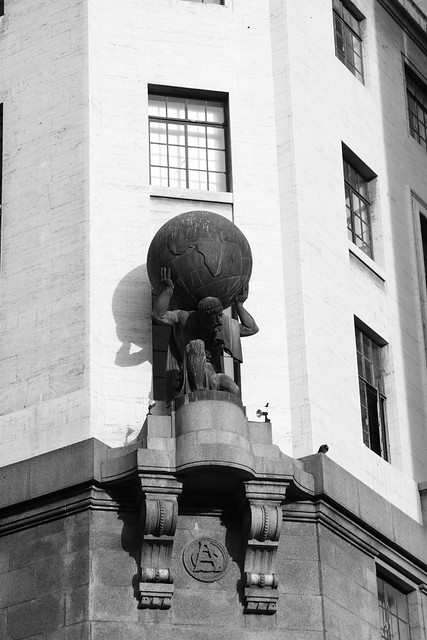
When the 20th Century came around, there was once again a burst of building in the Art Deco style.

Historical Cape Town

Historical Cape Town

It’s quite a cosmopolitan place.

Cape Town – Part 2

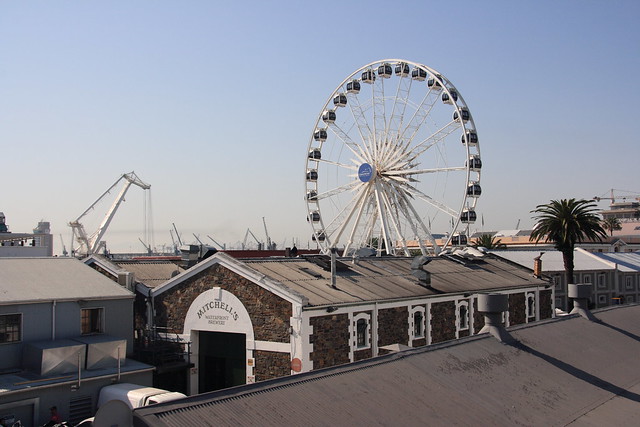
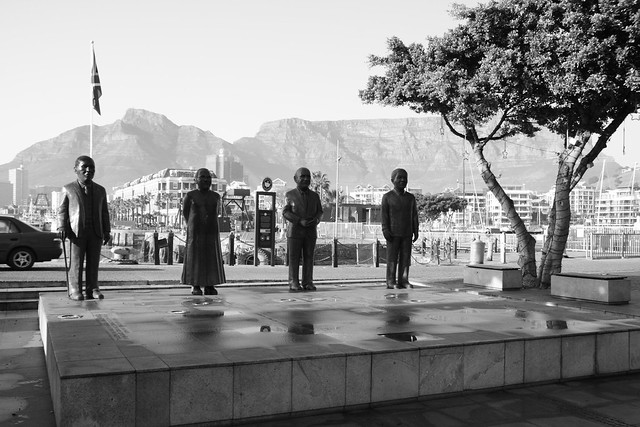
We walked from our hotel on the Foreshore to the V&A (Victoria & Alfred) Waterfront. It used to be the major dockyards for the city but now has largely been gentrified and upgraded for tourists and locals alike.

V&A Waterfront

V&A Waterfront

V&A Waterfront

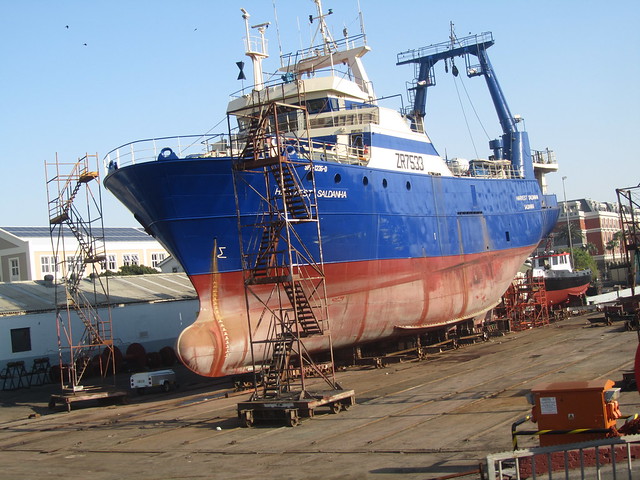
The main docks are now elsewhere but it sometimes still gets some maritime trade.

V&A Waterfront

V&A Waterfront

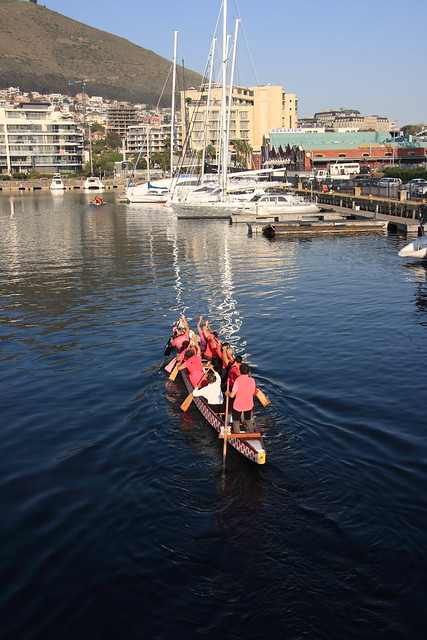
Though we walked through relatively early on a Saturday morning, we saw plenty of people out jogging, cycling, even dragon boating.

V&A Waterfront

Cape Town – Part 1

At the end of August we headed for South Africa where Hubby had a week-long conference in Cape Town. I was lucky enough to tag along on what was my first visit to Africa.

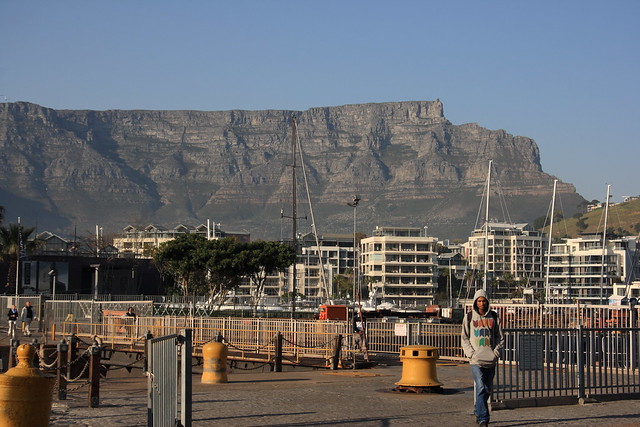
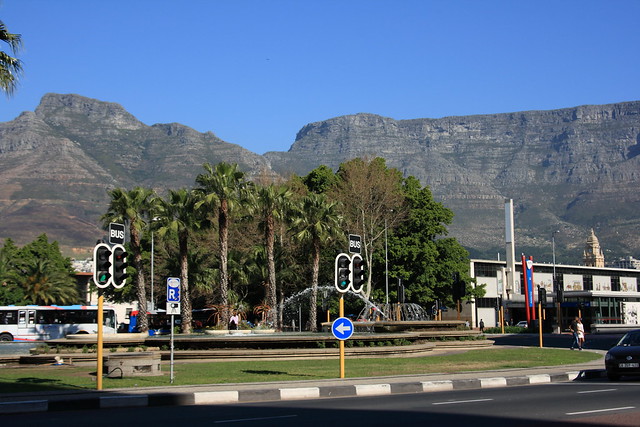
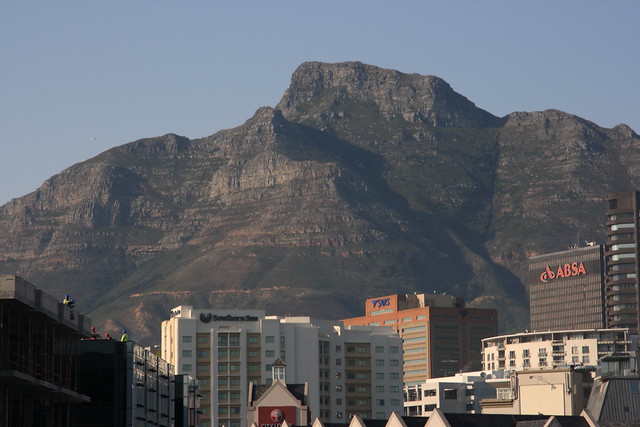
Cape Town is dominated by Table Mountain. I’ve seen lots of images of the mountain and the city, but it wasn’t until I got there that I realised that the mountain was right in the middle of the city.

Cape Town

At just over 1,000 metres in height, it’s like having the Blue Mountains popping out of your backyard.

Cape Town

It dominated the city-scape and made for a very scenic backdrop.

Southern African Grub

After a visit to the Australian Centre for Photography gallery, Hubby and I stopped for dinner at Lucky Tsotsi, a bar and restaurant specialising in food from Southern Africa. I’d never travelled there before, but Hubby had lived in South Africa for 18 months and wanted to relive his food experiences.

I didn’t know much about food from this part of the world, and from the menu it’s obvious that it’s a real fusion of influences – European influences from the Dutch, English and Portuguese, Asian influences from India and Indonesia/Malaysia, as well as African influences.

Hubby had Mozambique Chicken, hot and spicy with Peri-Peri sauce that was a fusion of flavours from the Portuguese colonies.
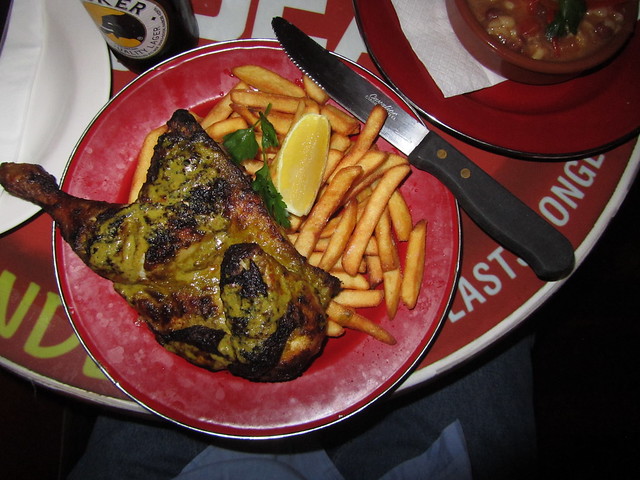
Mozambique Chicken

I had Bunny Chow, which has no rabbit, but was a Malaysian-style chicken curry (they didn’t even skimp on the chilli), served inside a hollowed-out bread roll! Hubby says it was because rice wasn’t free available in South Africa in the old days, so the Malays had to serve their curries with the carbs they could easy access.
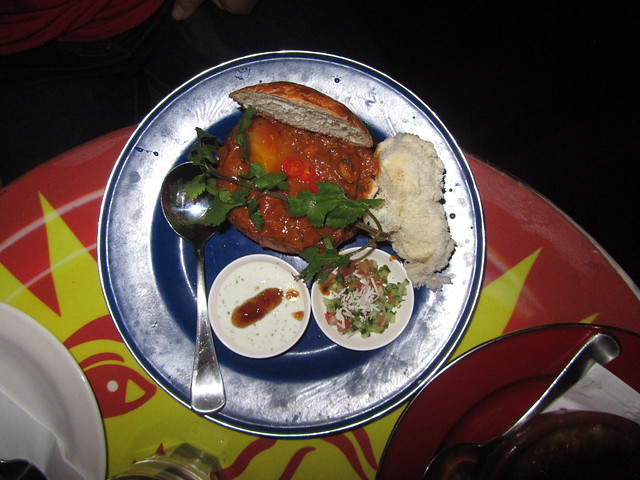
Bunny chow

We also ordered a side of Samp (corn) and Beans – two ingredients easily grown in this mostly arid region and most commonly eaten by the Africans.
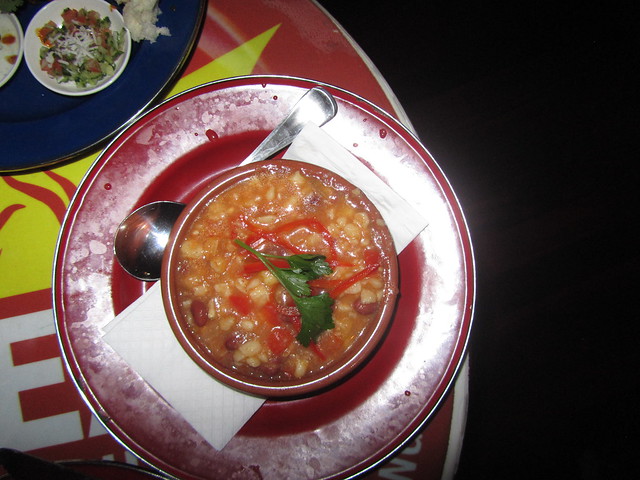
Samp and beans

We talk about Australia as a place where fusion food rules, but Southern Africa is a place where fusion food is now ingrained in its culture.