Museums in Tokyo – Part 3

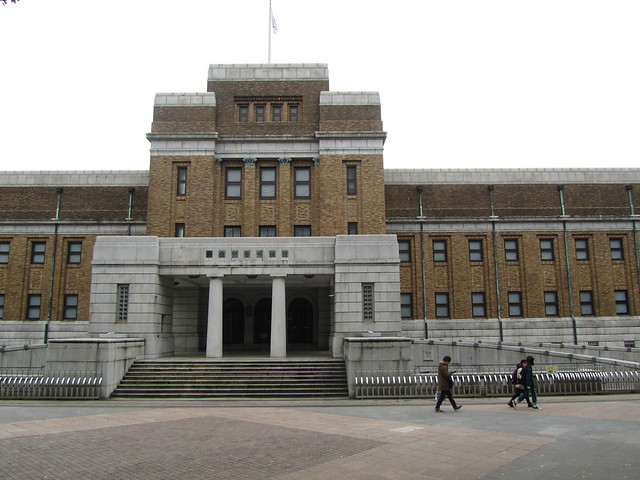
The final museum we visited was the Tokyo National Museum. We came wanting to view some Japanese artefacts and learn a bit of Japanese history.
Sights of Ueno Park

Sights of Ueno Park

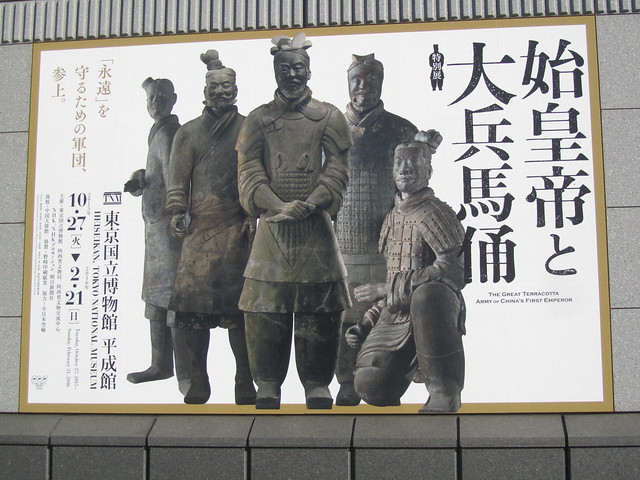
However we were quite excited when we reached the front gate to see this poster.
Sights of Ueno Park

Yes, the Chinese terracotta warriors were being exhibited! We had seen a small exhibition at the Art Gallery of NSW a few years ago, but this exhibition was something else – three very large rooms filled with artefacts, not to mention the warriors themselves. This is just about as good as it gets, apart from visiting Xi’an itself. Unfortunately we weren’t allowed to photograph much of the exhibition, only this display.

Sights of Ueno Park

We did learn a few new things about the warriors – that aside from being each of them being unique and life-sized, they also armed as were their function. So the standing warriors above, infantry, would have held lances; and the archers, like the kneeling warrior above, would have held bows. One wonders at the power of the man that instigated this entire scheme, the first Emperor of China, Qin Shi Huang, all the way back in 246 BCE (2,362 years ago).

Museums in Tokyo – Part 2

Next to the natural history museum is the Museum of Western Art.

Sights of Ueno Park

Sights of Ueno Park

Outside there were signs that there might be some significant artists represented.

Autumn in Ueno Park

Sights of Ueno Park

Sights of Ueno Park

I didn’t take any photos inside, but this gives you an idea of what is in the permanent collection. As I like Impressionism a lot, I certainly enjoyed the museum, particularly its dedicated room to Monet. I guess the Japanese like his work too.

Museums in Tokyo – Part 1

Aside from plenty of parkland, Ueno is also the site of a dozen or so of Tokyo’s museums. We visited just three of them during our stay.

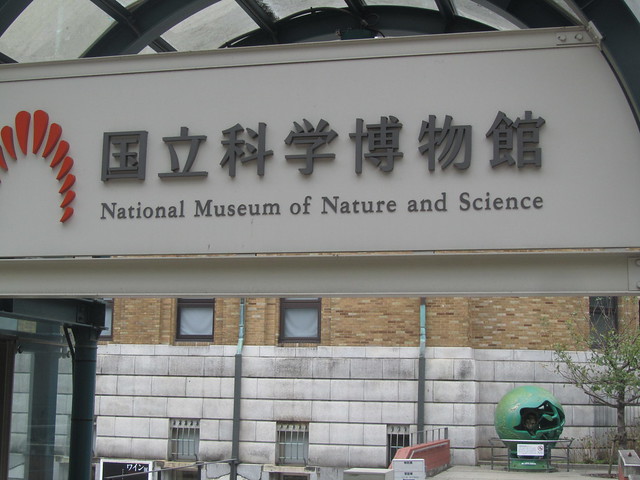
The first was the natural history museum.

Sights of Ueno Park

Sights of Ueno Park

It’s entrance, with its blue whale, is quite impressive. Much of the building was built around the turn of the century.

Sights of Ueno Park

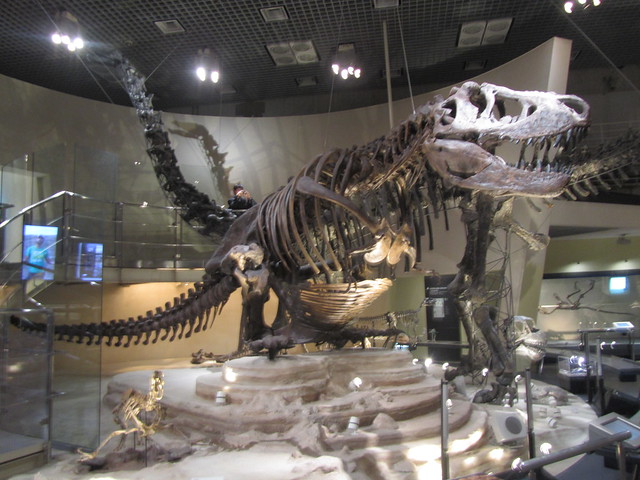
But inside it was much more modern, and has what we thought was one of the best collections of dinosaurs in a public museum anywhere.

Sights of Ueno Park

Autumn in Tokyo – Part 2

Let’s continue our stroll through Ueno Park.

Autumn in Ueno Park

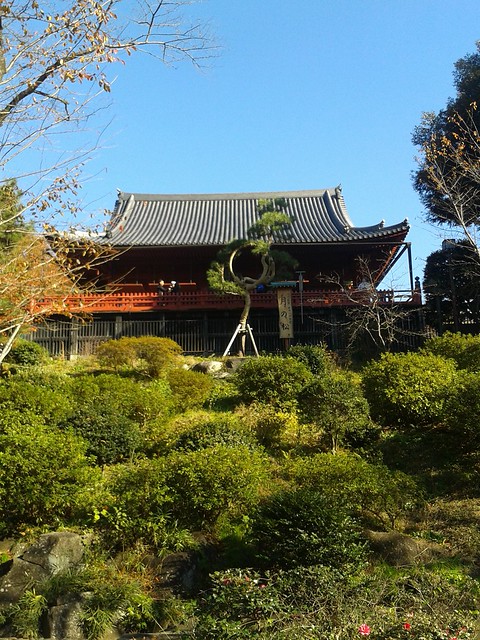
There’s a temple.

Sights of Ueno Park

Markets to browse.

Sights of Ueno Park

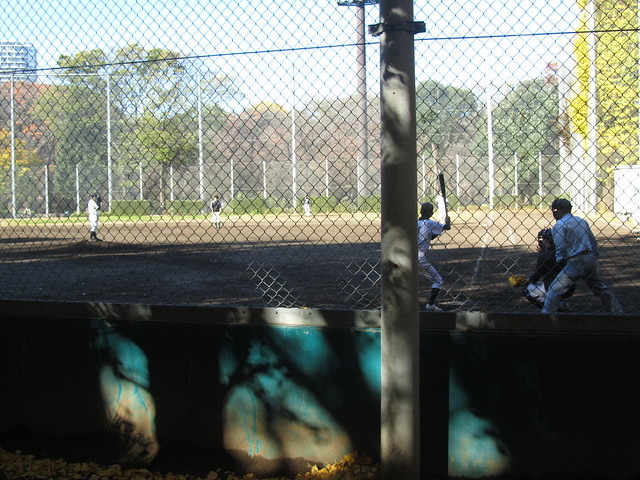
A game of baseball play or watch (although the pitcher here was terrible).

Sights of Ueno Park

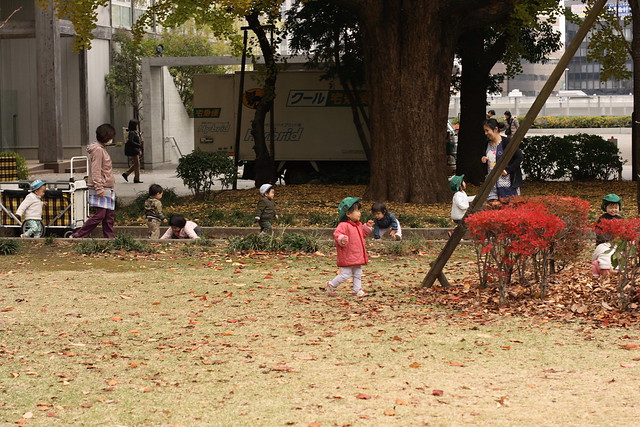
The park was used by everyone, including these tiny preschoolers here.

Autumn in Ueno Park

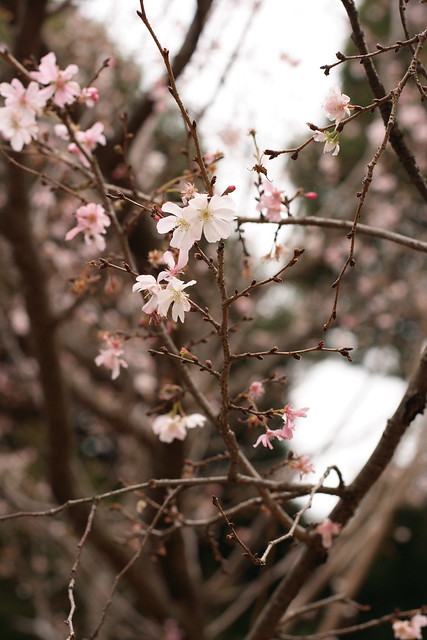
And although it was the beginning of winter, we even found a tree in blossom.

Autumn in Ueno Park

Oh, and there were lots of museums, which I’ll cover in the next post.

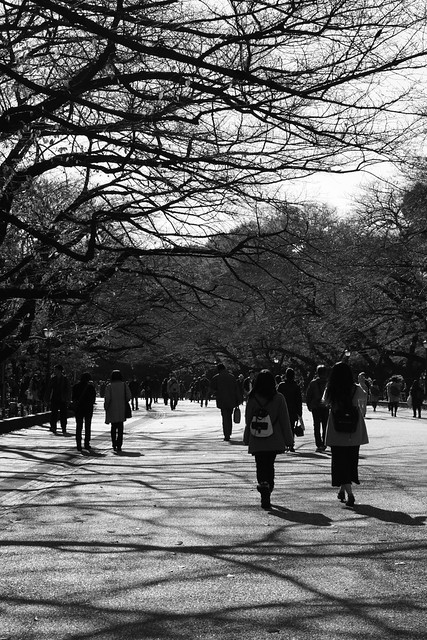
At the end of the day, everyone went home contented.

Autumn in Ueno Park

Autumn in Tokyo – Part 1

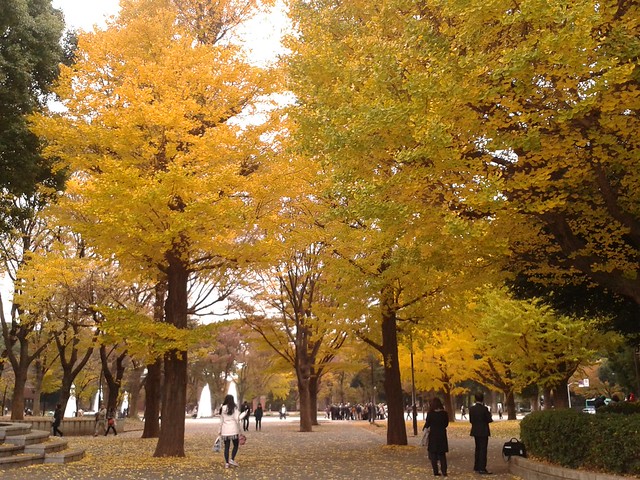
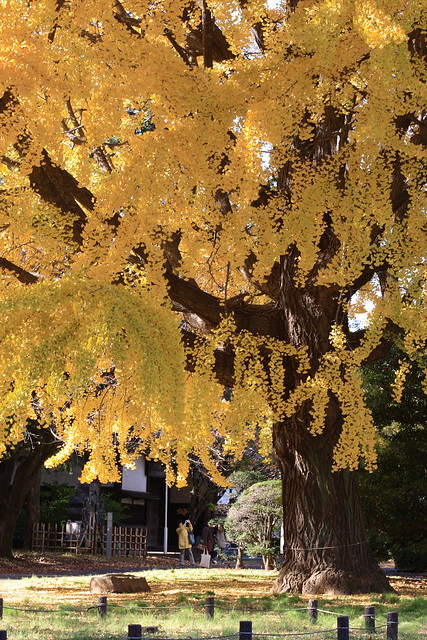
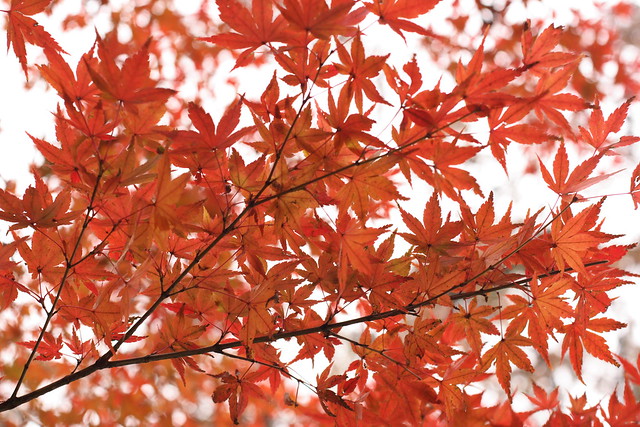
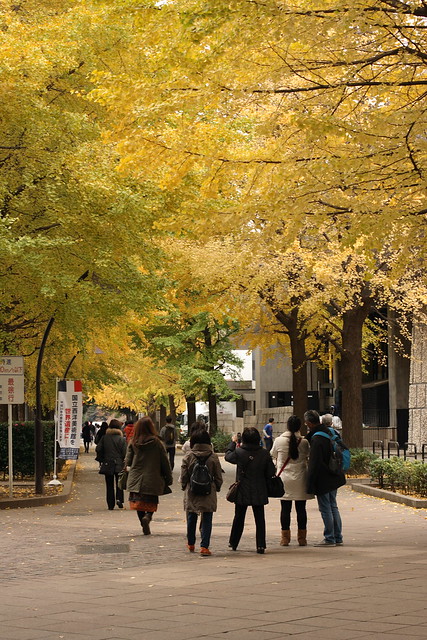
Autumn hits Tokyo much later than in most parts of Japan. In the first week of December we still experienced maximums in the mid-teens (Celcius). That was just enough to turn the leaves yellow.

Autumn in Ueno Park

Autumn in Ueno Park

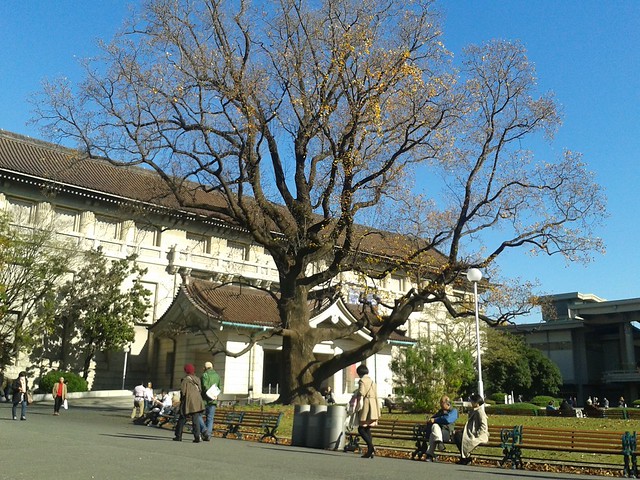
We were on a visit to Ueno Park, a few subway stops away from Asakusa. It’s one of Tokyo’s cultural precincts with a dozen museums, temples, sports facilities, even a zoo. But many people that day were there to view the leaves.

Autumn in Ueno Park

Autumn in Ueno Park

Asakusa – Part 5

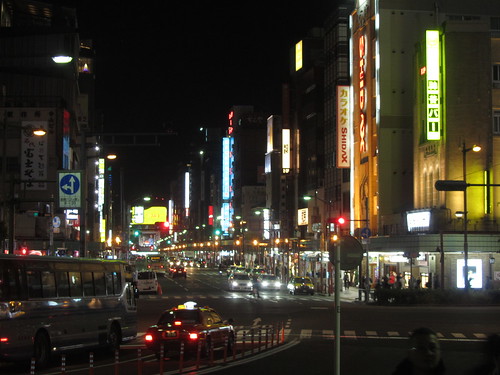
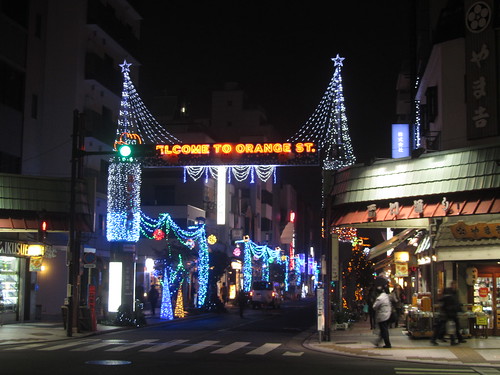
Asakusa is truly a place that hardly ever sleeps. There are thousands of shops/bars/restaurants squeezed into one square kilometre, and they open until really late. This photo was taken at around 10pm on the main street.

Asakusa

Aside from Nakamise, there are other shopping streets/malls that bisect it. This one had its Christmas decorations already up in early December.

Asakusa

And beside it all is the Sumida River. It’s the reason that Asakusa became the prime entertainment district, since the docks were nearby. And even though the docks have moved out into the bay, and there are larger entertainment/shopping districts around, Asakusa still lives on.

Asakusa

Asakusa – Part 4

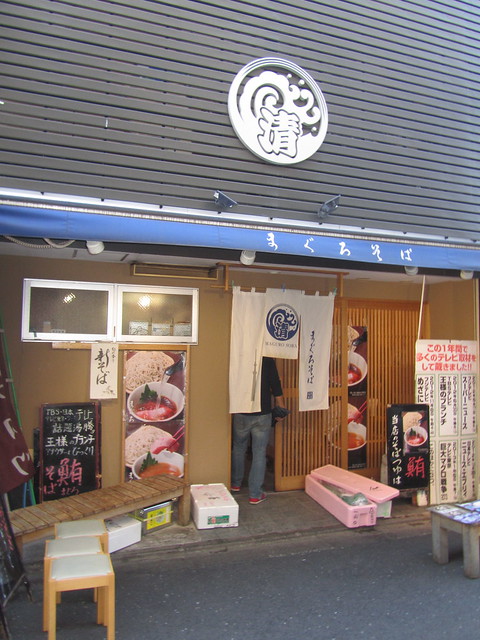
Let’s take a break for lunch at a soba noodle restaurant. They’re a common sight in this part of Tokyo – and given that the district has one of the most popular tourist attractions, and thousands of shops to boot, it’s the done thing too go sightseeing, shopping and then eat these noodles. This restaurant was literally 50 metres from our hotel, and has a very traditional entrance.

Asakusa

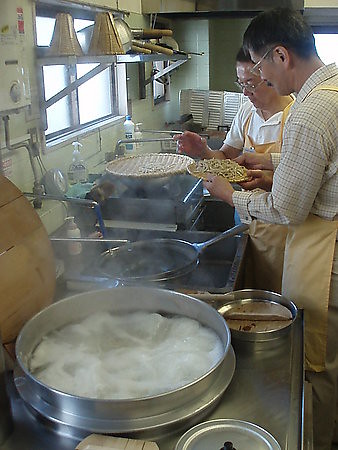
Soba noodles are made out of buckwheat and wheat flours, and has a delicate taste. The best ones are handmade, and having once tried my hand at making it, I know that it’s no easy thing to do.

Now we cook it

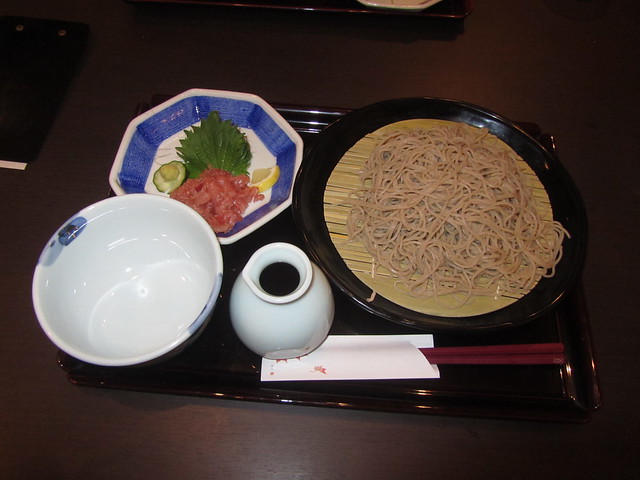
They can be eaten hot, in soup, or cold, dipped in a soy and mirin sauce. Ours was accompanied by diced raw tuna.

Asakusa food

A delicious, light lunch.

Asakusa – Part 3

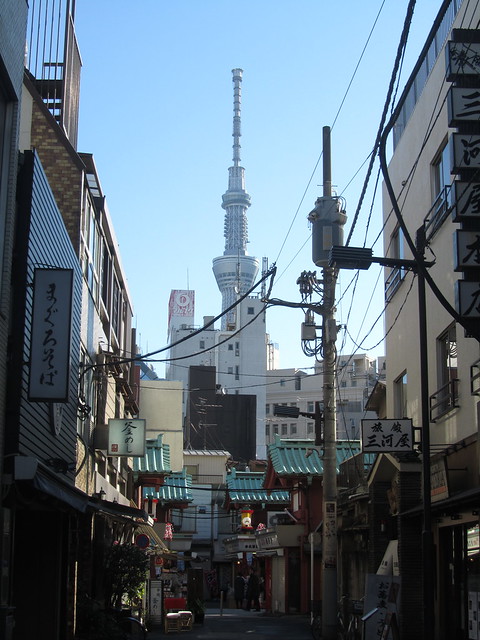
The temple at Asakusa is the one place on every tourist’s itinerary when they visit Tokyo. It’s certainly been on mine – I had been there on each of my two visits to Tokyo – but I’d never stayed there. This time we were literally a hop-skip-jump away from the temple, in one of the many side streets of Asakusa. Here, you can see the essence of old Tokyo – a warren of narrow, tightly packed streets.

Asakusa

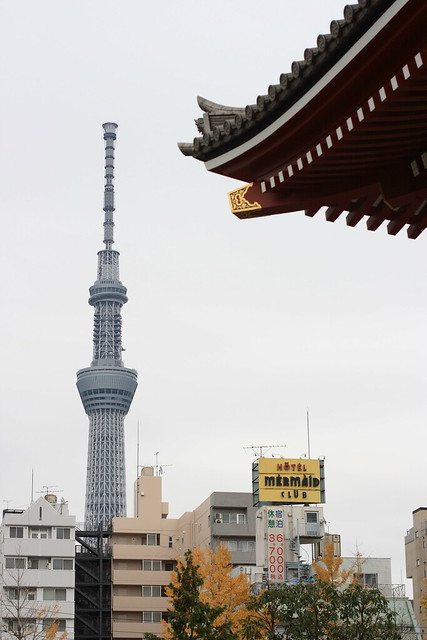
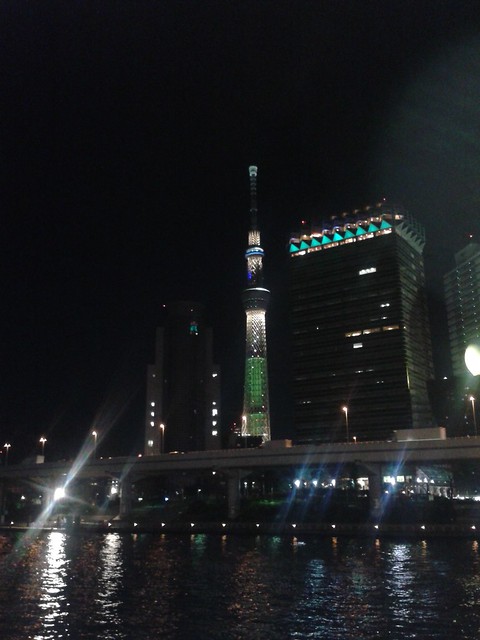
If the streets of Asakusa represented old Tokyo, then Sky Tree (the tower behind), represented new Tokyo. So new in fact that it wasn’t there on my 2006 visit. Given that the tower was over 600 metres tal, and the surrounding suburbs were generally low-rise, you could see the Sky Tree from anywhere in Asakusa.

From the temple.

Asakusa

From the river nearby, day and night.

Asakusa

Unfortunately, this was another instance where Hubby’s acrophobia kicked in, especially when he heard that you ascended via a glass lift (echoes of Charlie and the Great Glass Elevator), hence I only ever got to admire it from afar.

Asakusa – Part 2

Aside from the temple, Asakusa is famous for its shopping street, Nakamise, which leads up to the temple. It’s busy all the time! This shot was taken before 9am, and there were school kids on excursion already.

Asakusa

The street has all manner of shops, from street food, souvenirs, clothes, toys, even kitchen knives.

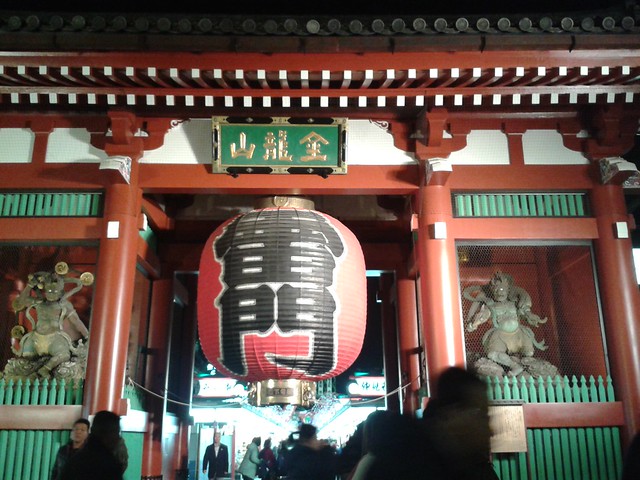
Night time was just as busy. The main gate, Kaminarimon, was busy even at 9pm.

Asakusa

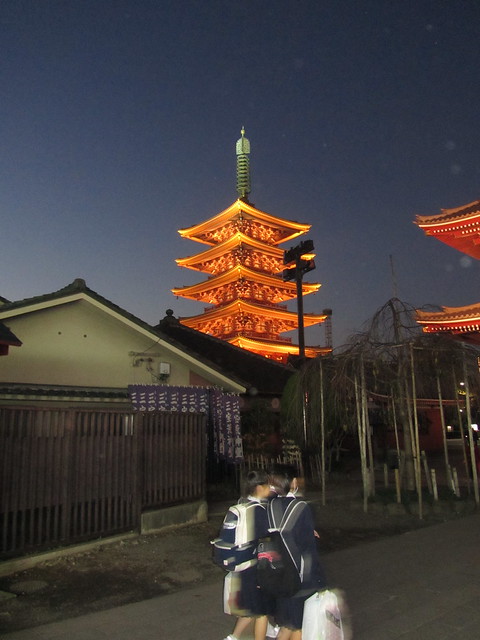
And those school kids were still roaming around at that time, too!

Asakusa

Asakusa – Part 1

Our Japan journey is nearing its end, and the last place we visited was the great metropolis of Tokyo. We stayed in the district of Asakusa, in the old part of Tokyo, famous for Sensou-Ji, Tokyo’s oldest Buddhist temple.

Asakusa

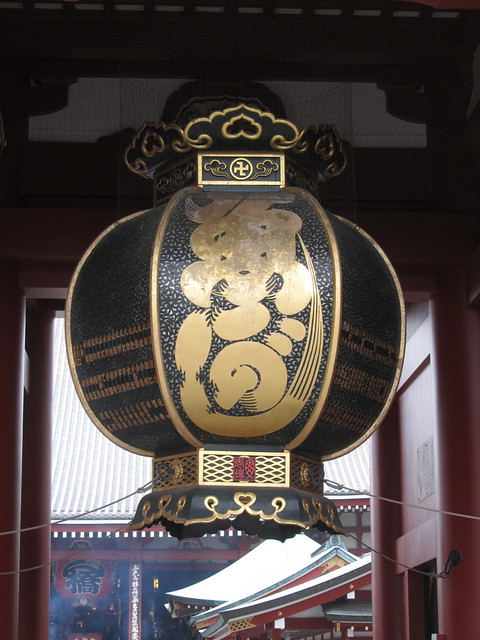
As you can see, it’s a major tourist attraction, but it has all the essentials of a Buddhist temple, such as decorated lanterns.

Asakusa

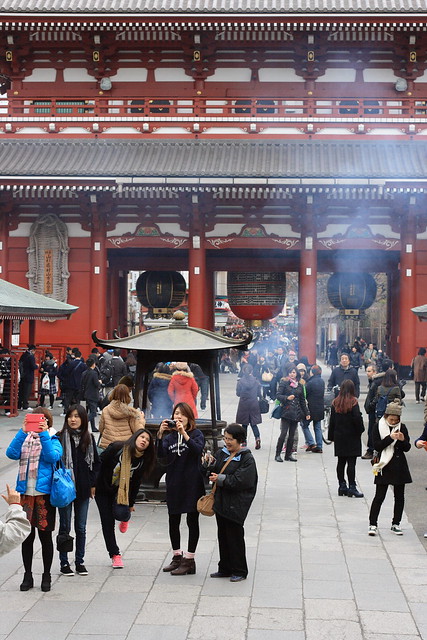
And a smoking cauldron in which to purify yourself – or take selfies in front of.

Asakusa