Cobar was our final stop on our December 2022 drive. It is 130km west of Nyngan (in the previous post), 300km west of Dubbo, and 700km north-west of Sydney. That means, it’s very far away from anything that resembles the ‘big smoke’. This is still in the area of the Wangaaypuwan people, whose lands start at Nyngan and stretches west until Ivanhoe.
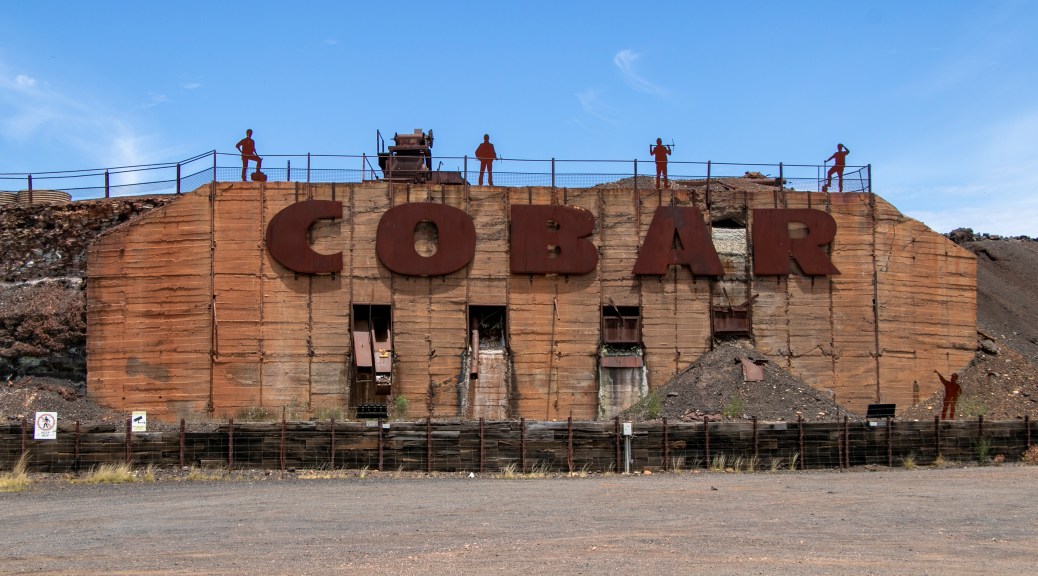
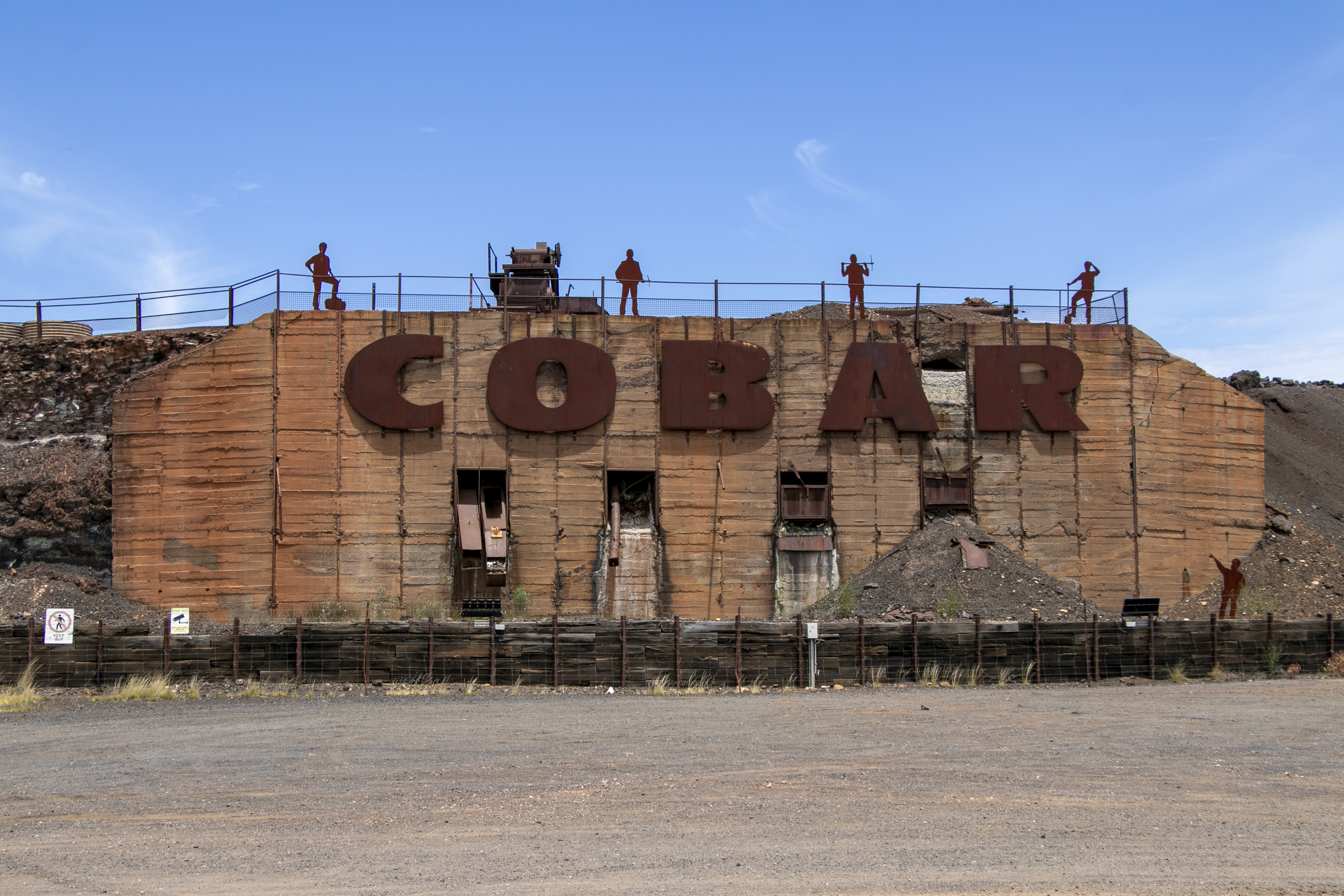
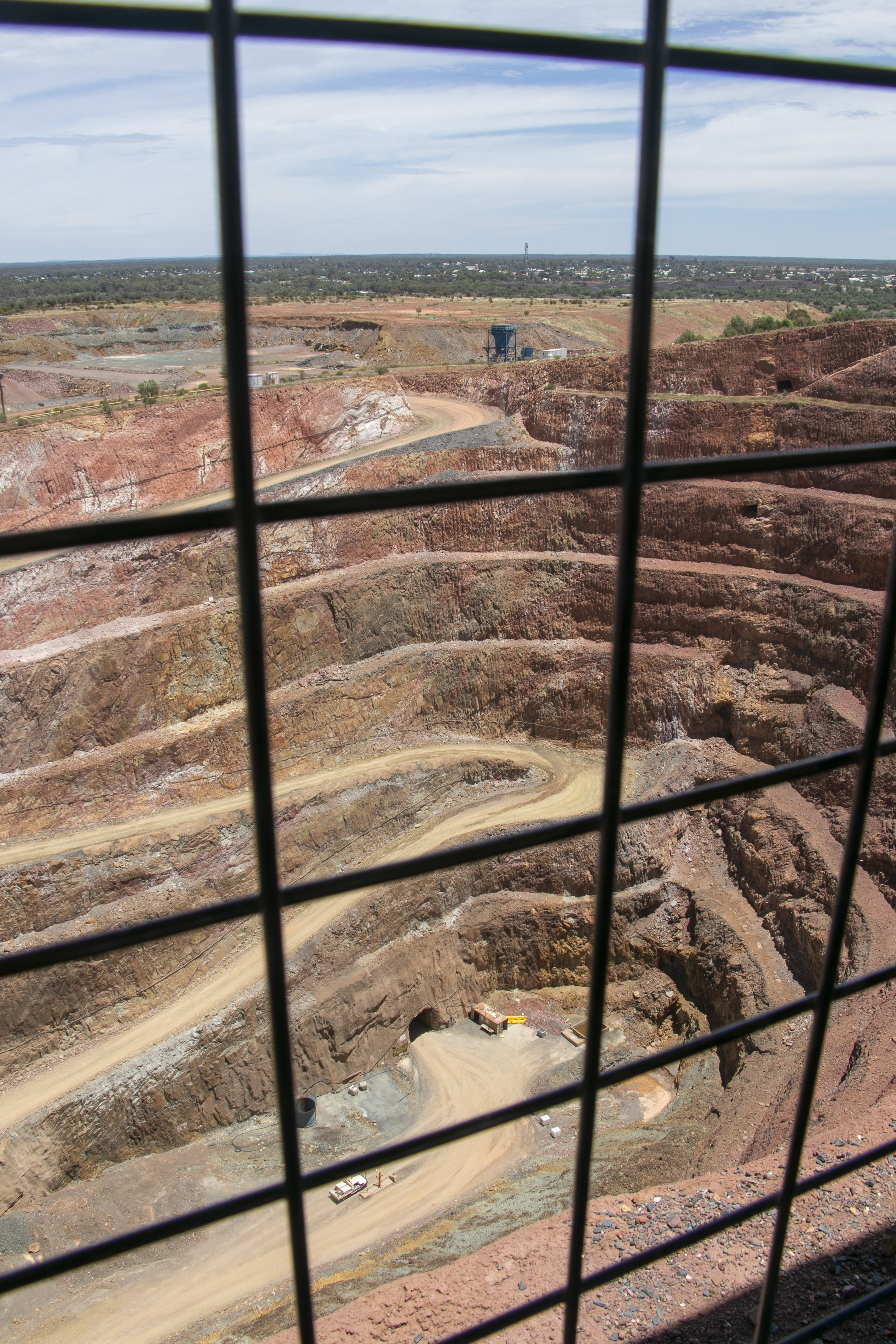
Cobar was founded on mining, and the industry still rules the roost. You can see evidence of mining all over the place, from the town’s introduction, to the lookout at Fort Bourke Hill over the Peak Gold Mine. It’s nowhere near the size of Kalgoorlie’s Super Pit but it’s big enough for me.
Cobar has much in common with its big sister, Broken Hill, 450km west, in terms of having mining at its core. However, Cobar has always been on the smaller side, its population currently being at around 3,400. Broken Hill meanwhile is much larger at over 17,000, and in the 1950s and 1960s it was over 30,000!
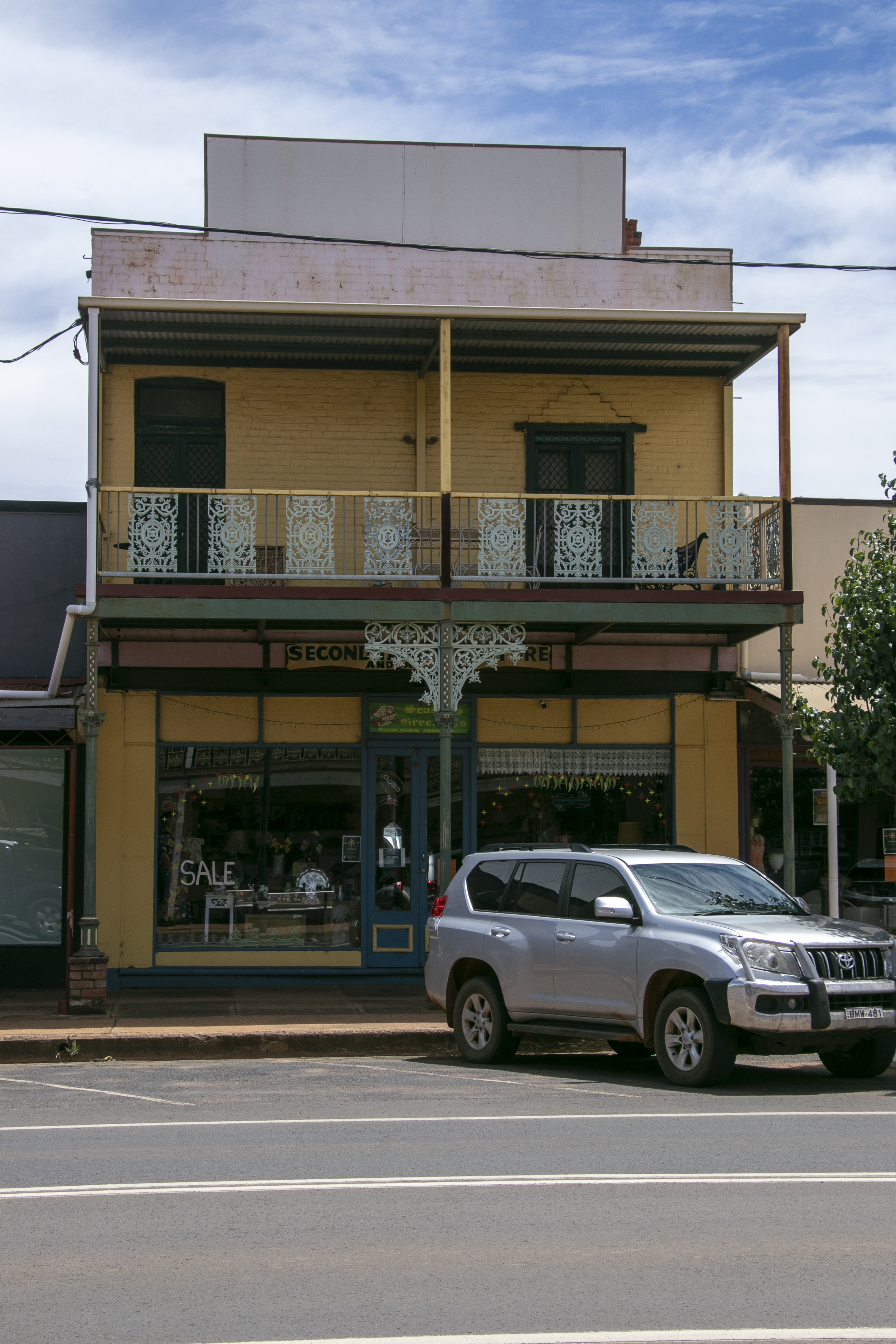
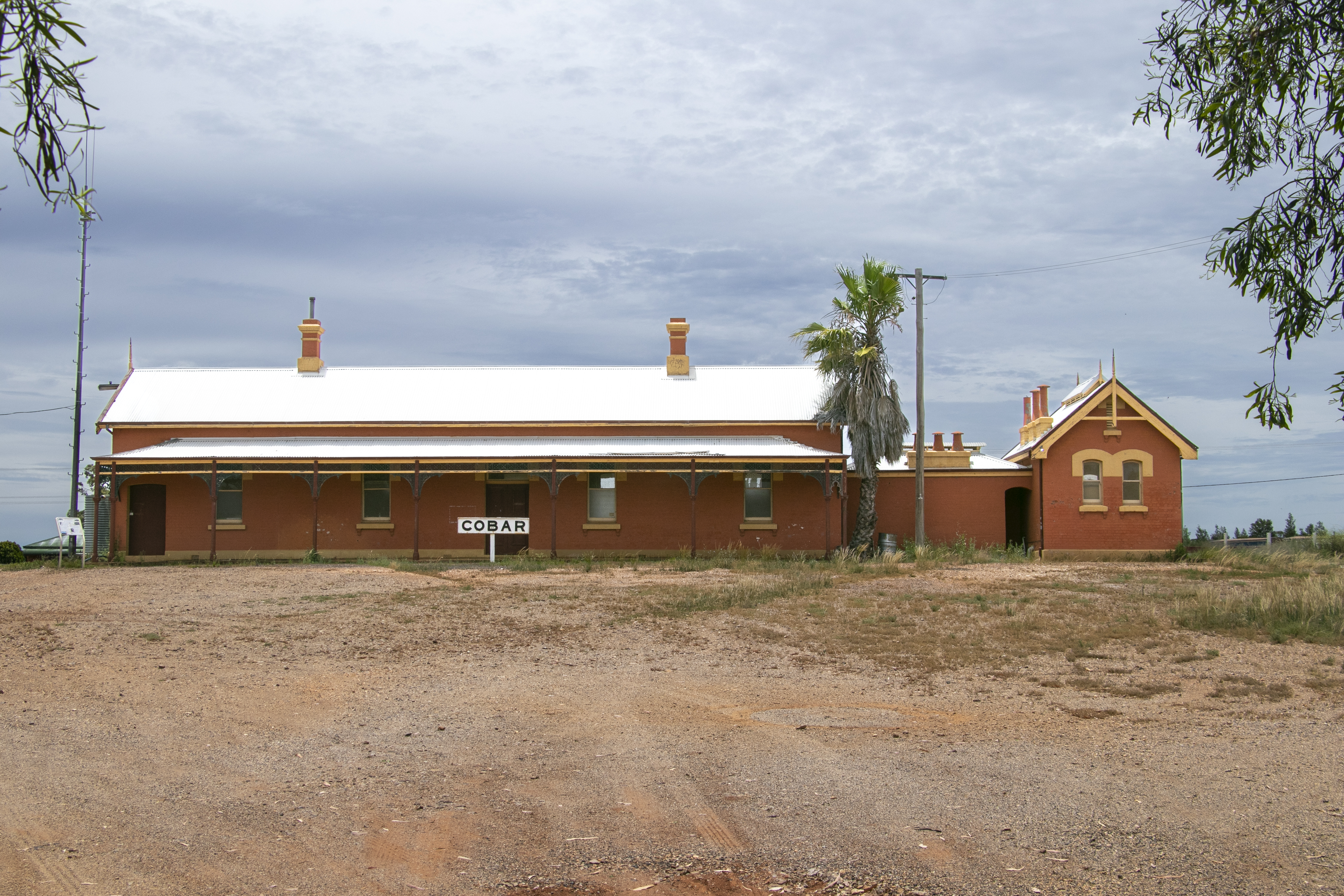
Being a smaller town, Cobar’s architecture is on a more modest scale. There was some nice wrought-iron work on its shops and pubs, and standalone buildings (like the train station that doesn’t receive anymore trains, and the petrol station) that wouldn’t look out of place in an American Western.
Next time, I’ll be venturing to more regional NSW towns, this time heading south-west of Sydney.


















 Static and Silence