Category Archives: Uncategorized

Northern Tasmania – Part 2

We continue on our drive around Tasmania by driving across the top of Northern Tasmania. We had a few stops in a few towns. Like Ulverstone, where there was some nice old architecture.

Ulverstone

And we strolled on the beach, which faced the Bass Strait.

Ulverstone

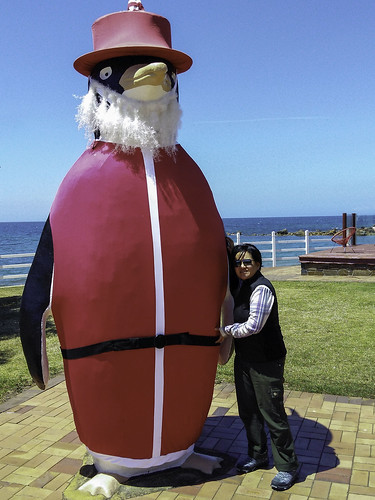
We then continued east to the town of Penguin, known for, well, you know what. There were plenty of penguin paraphernalia in the streets, and this wonderful giant Christmas penguin (we visited in early December).

Penguin

We didn’t stay overnight in these towns, instead we headed to…

Northern Tasmania – Part 1

That’s all from Launceston, but it’s the beginning of our drive around Tassie.

Launceston

The next morning we made our way north along the Tamar Valley and stopped at the little town of Beaconsfield. It was up until 2012 a gold mining town. A mine collapse in 2006 contributed to its end.

The town was founded in the mid 1800s and was quite a prosperious place. Now it houses the Mine & Heritage Centre.

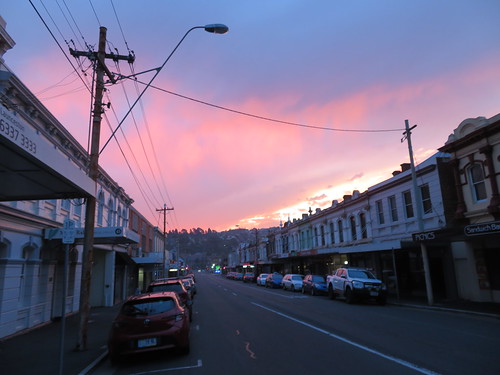
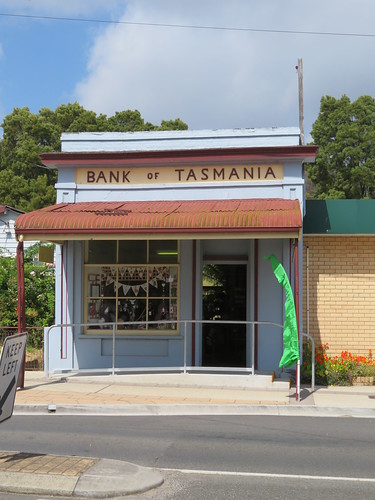
Downtown Beaconsfield

Downtown Beaconsfield

Downtown Beaconsfield

Launceston – Part 2

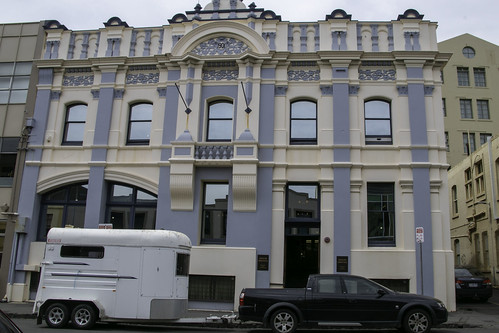
Being a town founded in the 19th Century, there were quite a few Victorian era buildings.

Launceston

But in the Mall, there were quite modern sculptures of our favourite extinct marsupial, the thylacine, aka. the Tasmanian Tiger.

Launceston

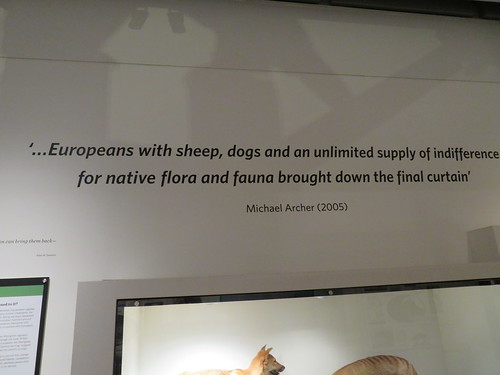
We saw lots of representations of the thylacine in Launceston, and saw more exhibits in Launceston’s Queen Victoria Museum and Art Gallery. In the museum we came upon this little quote.

Launceston

And another amusing quote we found in the museum, very relevant for some people I know.

Launceston

Launceston – Part 1

The New Zealand series is now done and dusted but there are plenty of photos left to go through from past trips. For the next while, I’ll be examining more of Tasmania, where we spent two weeks in December 2019.

The strongest memory from that trip was simply being able to breathe fresh air again, as Sydney had been under a smokey haze from successive bush/forest fires for months by that time. The trip starts up north in Launceston and ends in Hobart.

Launceston is a city I have visited, but generally only in passing. It was good to spend a few quiet days there getting used to the Tasmanian pace of life (which is generally relaxed).

Launceston is a sizeable town by Australian standards and pretty big by Tasmanian standards. Having its first European settlement in 1804, it is also quite an old colonial settlement, though the first Tasmanians arrived some 40,000 years ago, when the Bass Strait was still land, and were isolated from the mainland 8000 years ago when the sea levels rose after the last ice age.

The age of the settlement meant that there are buildings of varying ages in the CBD.

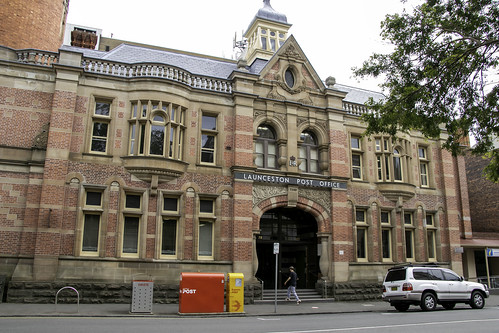
The post office is gothic Victorian.

Launceston

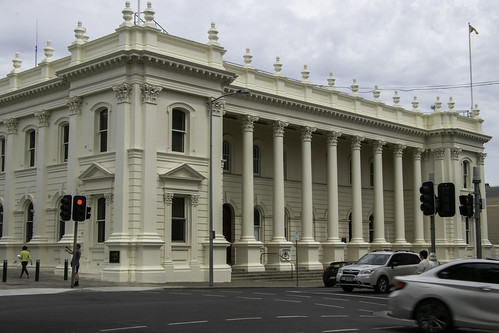
While this building is in the 19th century classical style.

Launceston

There are some terraces.

Launceston

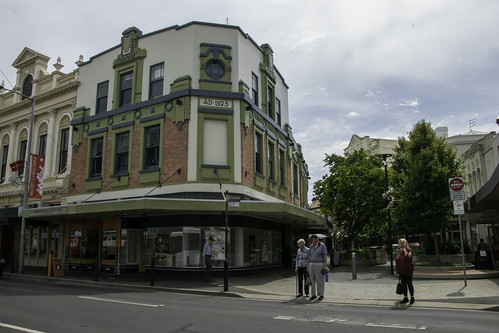
And art deco.

Launceston

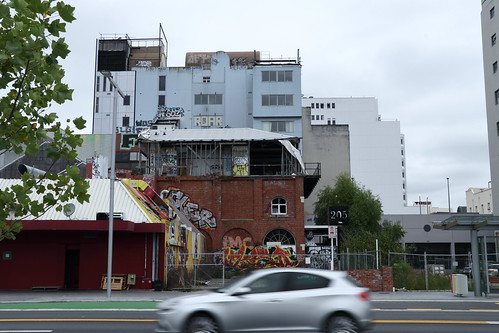
But my favourite was relic from the past.

Launceston

Christchurch – Part 3

Still in deep lockdown… So don’t really want to talk about anything too dark today. Actually, I want to show you the ways that Christchurch has rebuilt itself in the time following the disaster.

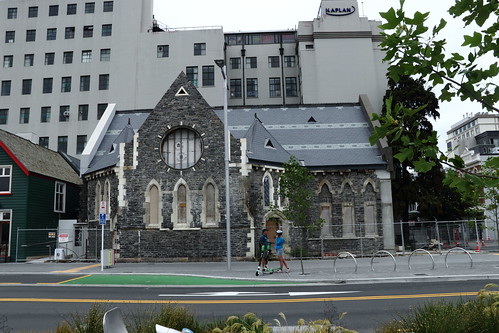
In my previous post, I concentrated on the ruins, and you might remember seeing the ruins of the Anglican Cathedral. The people of Christchurch didn’t want to be without a place of worship for too long, so they quickly commissioned the Cardboard Cathedral, which was opened 2.5 years after the earthquake.

Christchurch CBD Creativity

It’s a very creative and positive building to enter, and when we visited there was a lot of activity. It was supposed to be temporary, but I heard they’ve decided to make it a permanent fixture for the city.

In other places around the city they’ve planted gardens where there were buildings. This one is a memorial garden in the place where the CTV station building was.

Christchurch CBD Creativity

Other places are getting rebuilt in typical 2010’s style.

Christchurch CBD Creativity

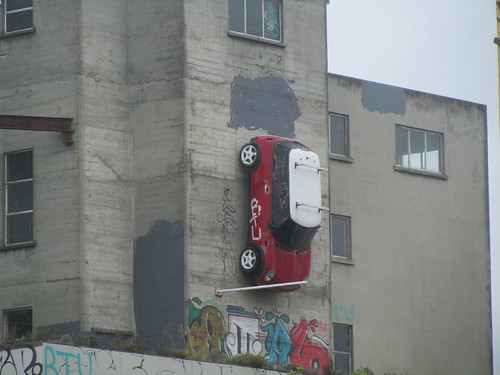
However there are places that are a little more innovative. Christchurch is famous for its use of shipping containers as structures.

Christchurch CBD Creativity

And some interesting sculptural elements.
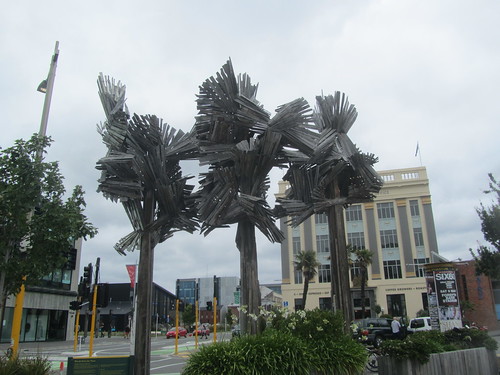
Christchurch CBD Creativity

Christchurch CBD Creativity

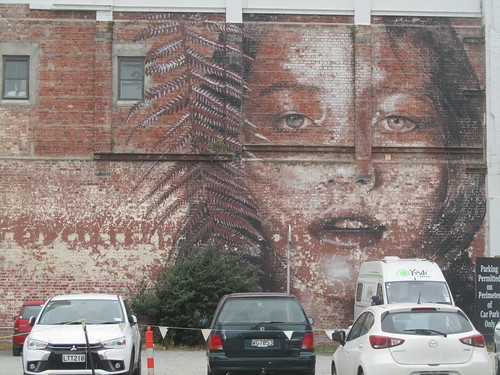
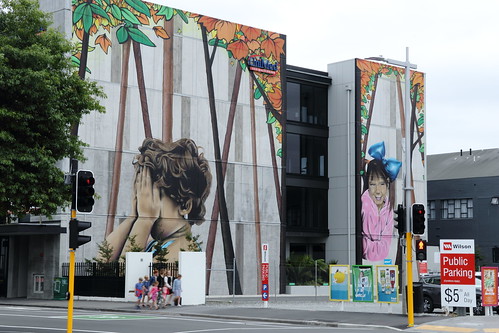
And finally there’s a proliferation of street art everywhere you look, on old and new buildings.

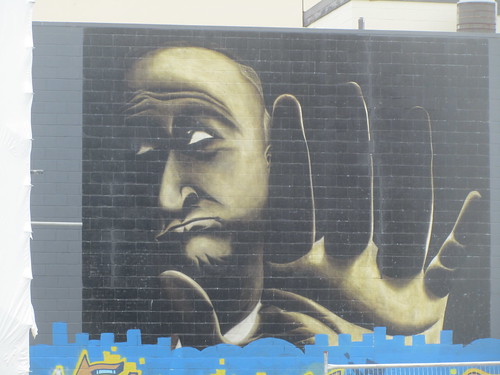
Christchurch CBD Creativity

Christchurch CBD Creativity

Christchurch CBD Creativity

Christchurch CBD Creativity

The combination of all this artwork is very moving. It shows a city that’s rebuilding itself using art. We can learn a lot from that.

Christchurch – Part 2

Walking around the CBD at Christchurch in 2018, I was of course struck by the level of devastation that the earthquake had caused. But in saying that, I was also struck by the things that have survived.

Christchurch 2018

Christchurch 2018

Christchurch 2018

Looking at these photos, it was reassuring that the old-time pioneers built such hardy buildings.

Christchurch 2018

Christchurch 2018

And even when the buildings were damaged, the fact that they survived in some form (as in the case of the Anglican Cathedral) is astonishing.

Christchurch 2018

Christchurch – Part 1

After following the alpine rivers to the coast, it was a case of retracing our steps back to the city of Christchurch. We’ll concentrate a bit on Christchurch here. Few people can visit this city in 2018 and emerge unmoved.

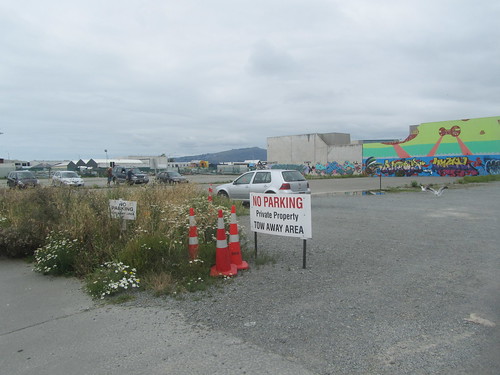
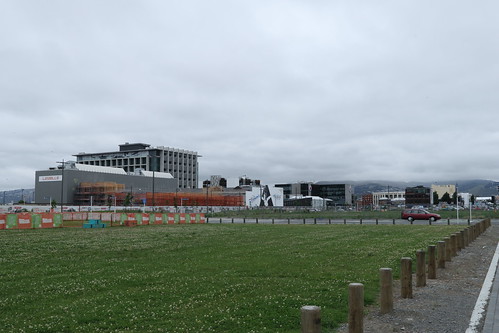
On Tuesday, 22nd of February, 2011, the city was hit by a 6.2 earthquake whose centre was a mere 7km from the CBD. This was after 7.1 earthquake hit the area some 5 months before. What resulted was utter devastation, and though we visited almost 8 years after the earthquake, what happened in 2011 was still all around in the vacant lots that were waiting to be rebuilt.

Christchurch 2018

Christchurch 2018

Christchurch 2018

Christchurch 2018

But I don’t want to dwell solely on the tragedies, because I think it’s the creative and vibrant ways that the locals found to get back on their feet – things that can be found around almost every corner – that really made our visit. I’ll write about some of these little things in this series.

From West to East – Part 4

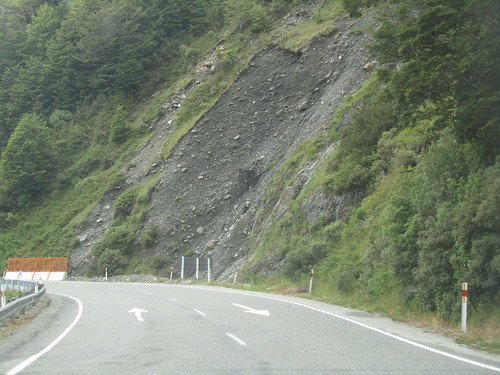
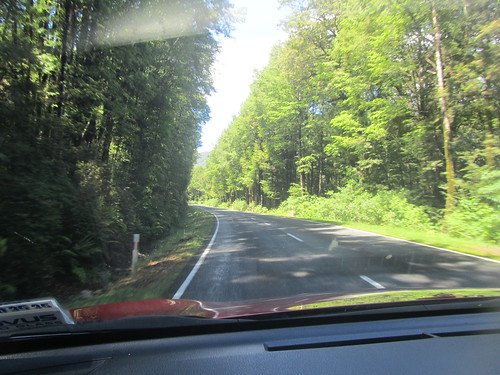
So it’s downhill from the crest of Lewis Pass, but no time to get distracted as there’s the odd landslide to dodge.

Driving Lewis Pass

And a few twists and turns.

Driving Lewis Pass

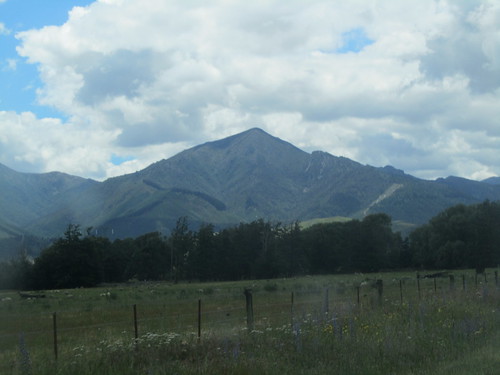
Here, the road follows a series of rivers. First the Lewis, then the Nina, the Boyle, the Hope, and finally the Waiau Uwha, as it makes its way to the Pacific Ocean.

Driving Lewis Pass

Driving Lewis Pass

We travelled in early summer, so the rivers weren’t flowing full-pelt. It must be exhilarating to see it in full force in the spring time.

From West to East – Part 2

We’ll continue driving from the west coast to the east coast of the South Island.

Driving Lewis Pass

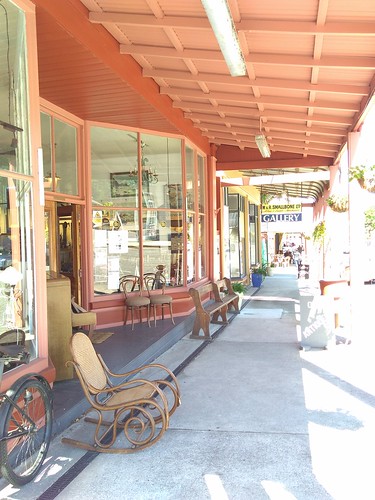
Our route took us through the small town of Reefton. It is another former gold-rush town (where they found an extensive gold-bearing quartz reef, hence the name).

Driving Lewis Pass

If it looks and feels like the ‘wild west’ then you’re not far wrong.

Driving Lewis Pass

Probably because the first gold was found in 1866, just after the Australian gold rushes started and not long after the Californian gold rush that opened up the American ‘wild west’. They all probably employed the same architects.

Driving Lewis Pass

Because of the riches of the gold mines, and also the power of the nearby Inangahua River, the town was the first in the Southern Hemisphere to be connected to the electricity grid, courtesy of the Reefton Hydro Power Station.