Tag Archives: fauna

Mungo National Park – Part 2

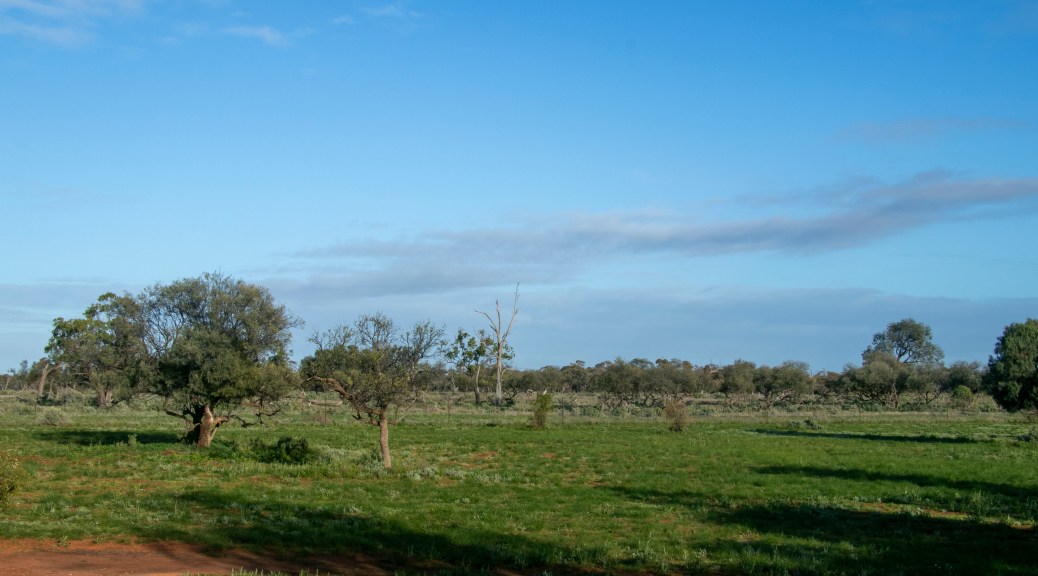
Let’s do a bit of a study of the landscape of Mungo, as it’s one that’s new to me. I mean, I have been in our parts of central Australia and even in other parts of western NSW, however, the Mungo landscape is still a bit different from these. For one, the land is almost completely flat. In the distance is some special sand-hills, which we will explore in a separate post.
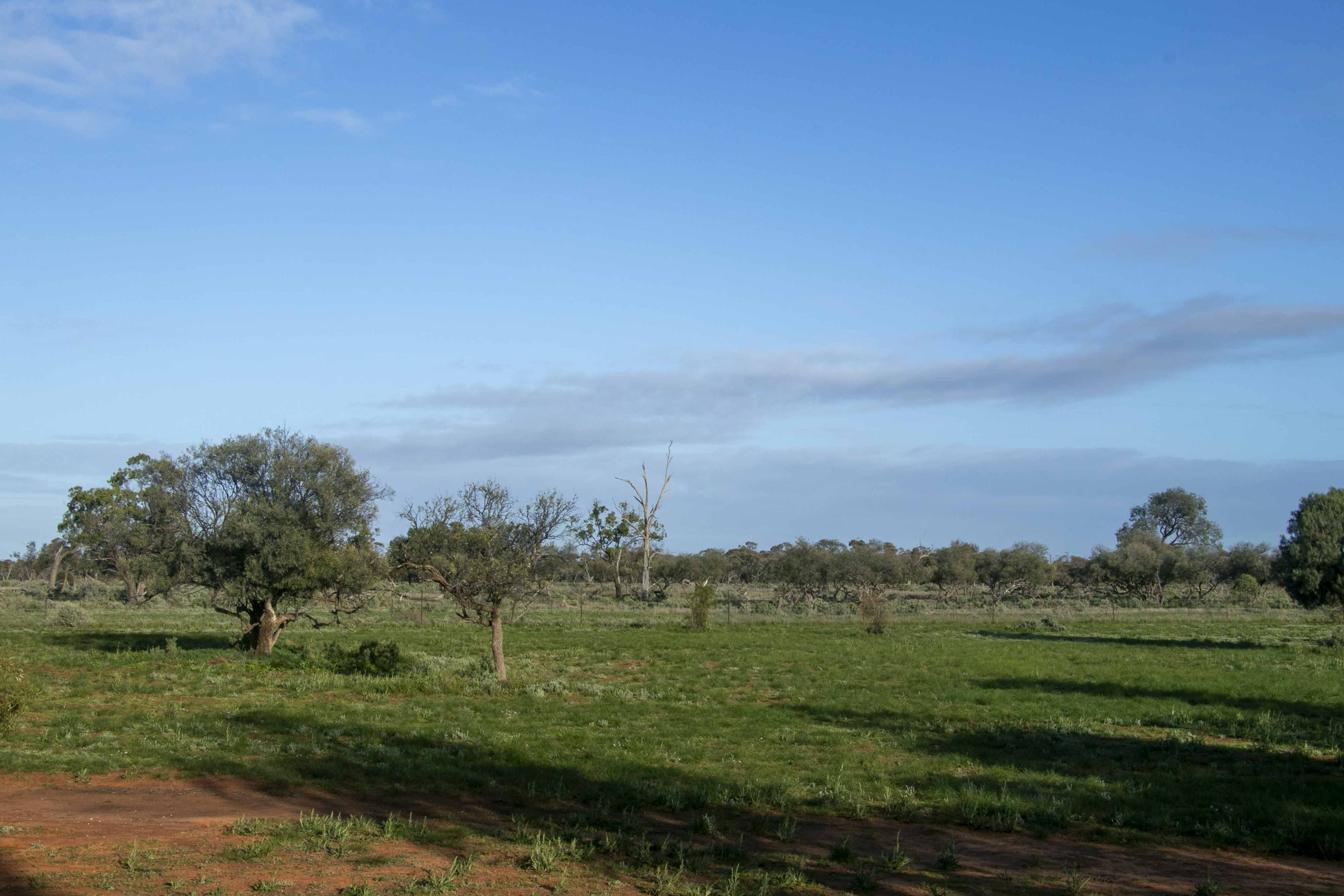
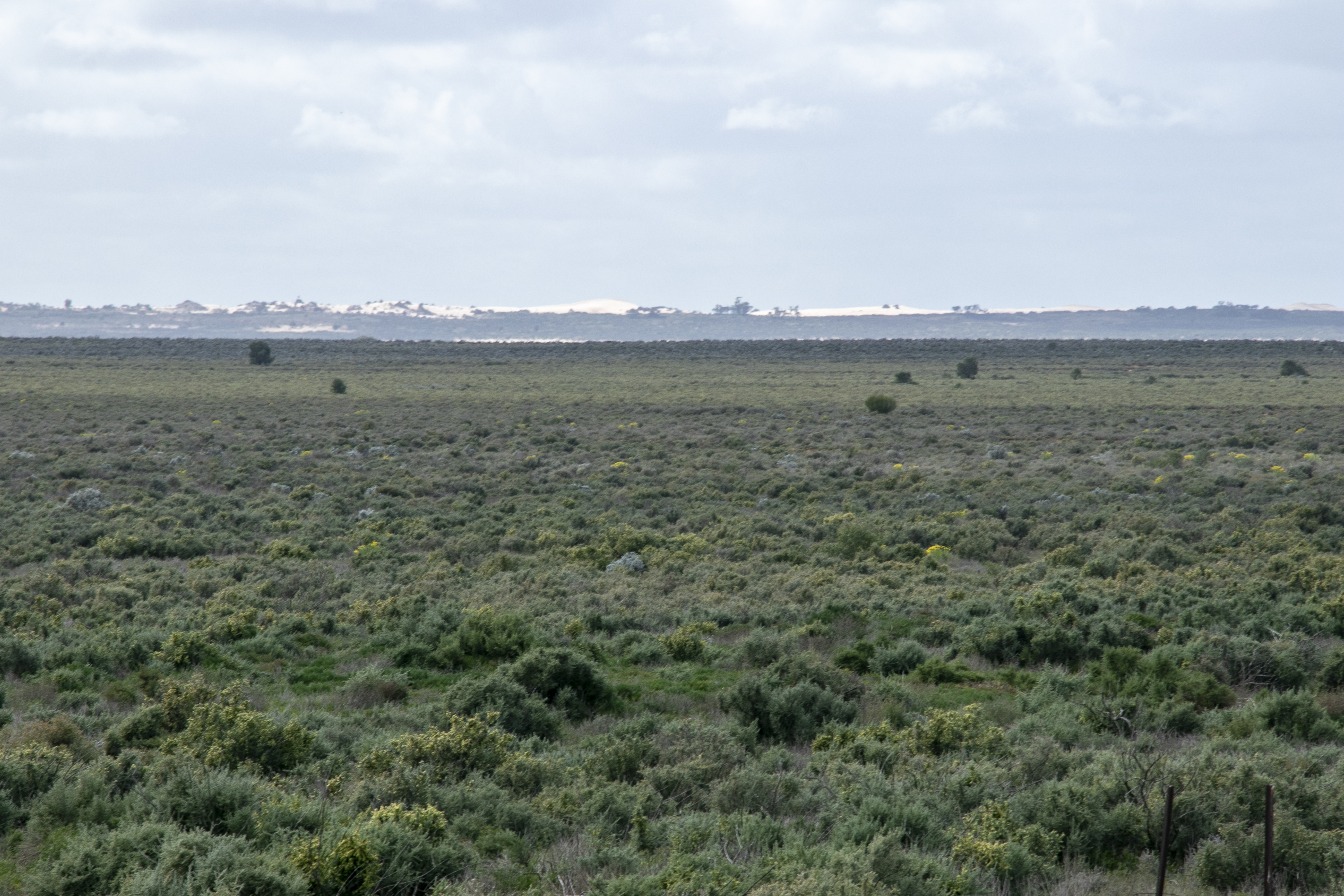
The soil is red, although I suppose a few degrees less bright than the soil near Alice Springs. The vegetation is relatively typical of a place that’s semi-arid – low scrub with spinifex and saltbush, and smallish eucalyptus trees. It’s the kind of landscape that needs time to soak in, I think, as it’s not one to blow its own trumpet, much of the time.
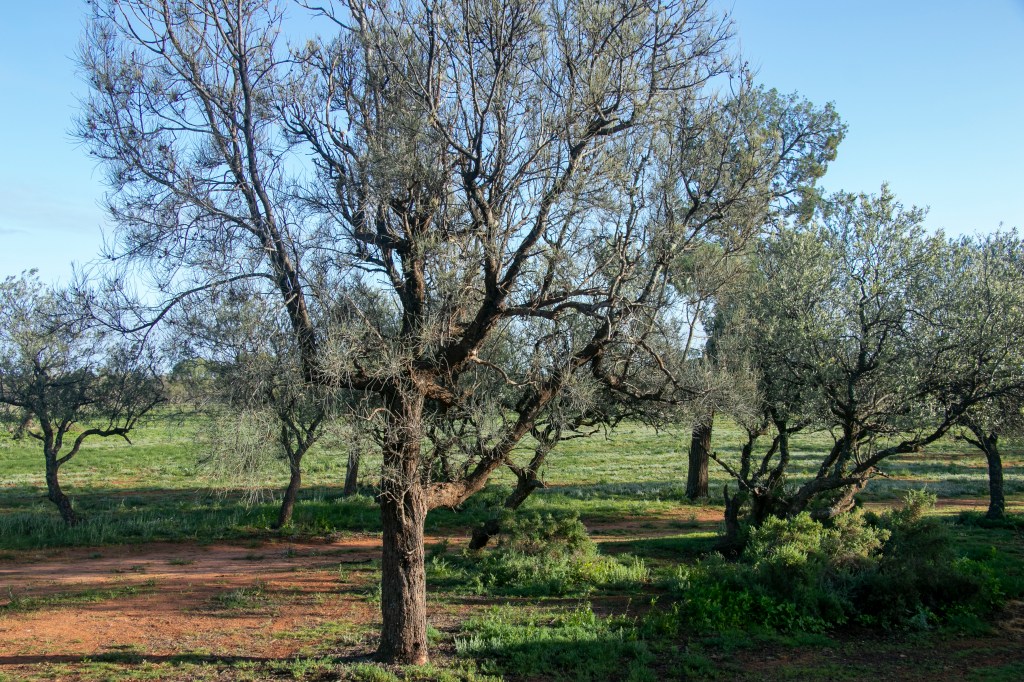
From a distance, everything might look the same, but if you do a ‘David Attenborough’ and stay still for awhile, you’ll start seeing little birds running around (a type of thornbill perhaps, according to the ‘Compact Australian Bird Guide’, my go-to reference book).

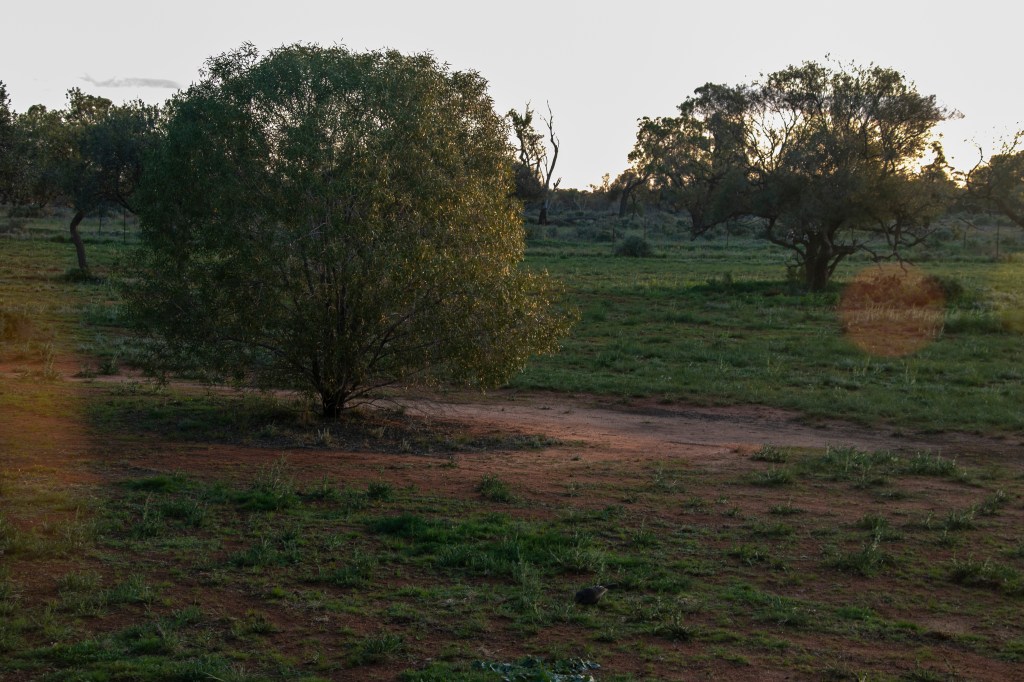
The best time to see these guys is early or late in the day, of course, and the landscape takes on a different cast.
Outback NSW – On the Road

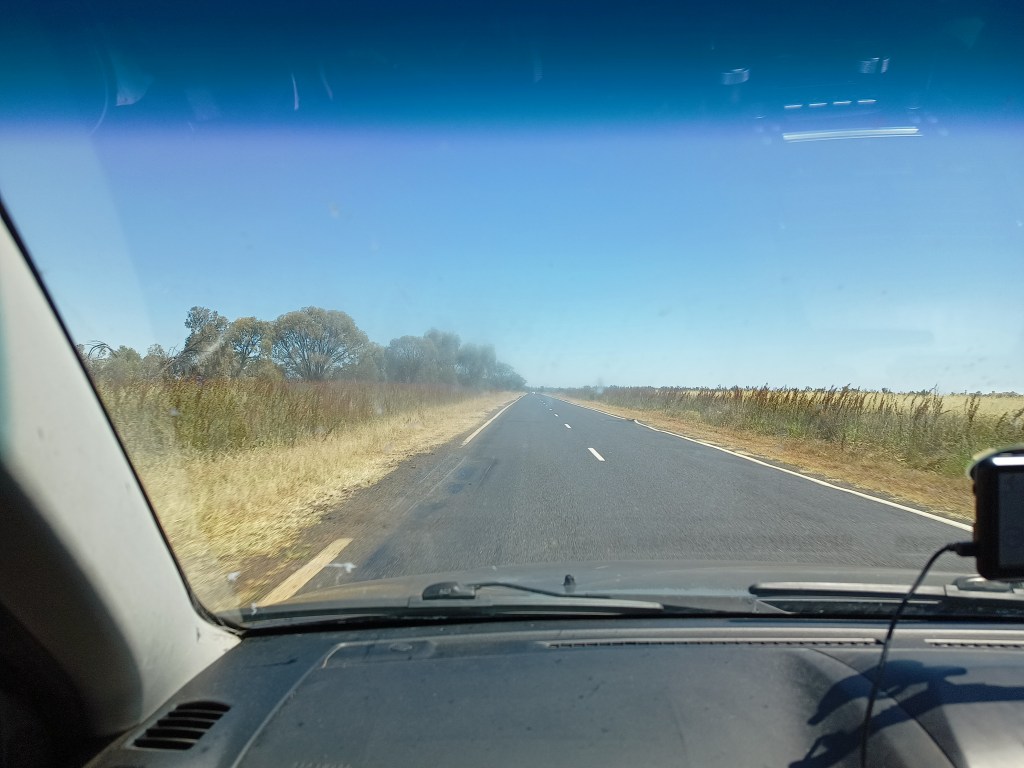
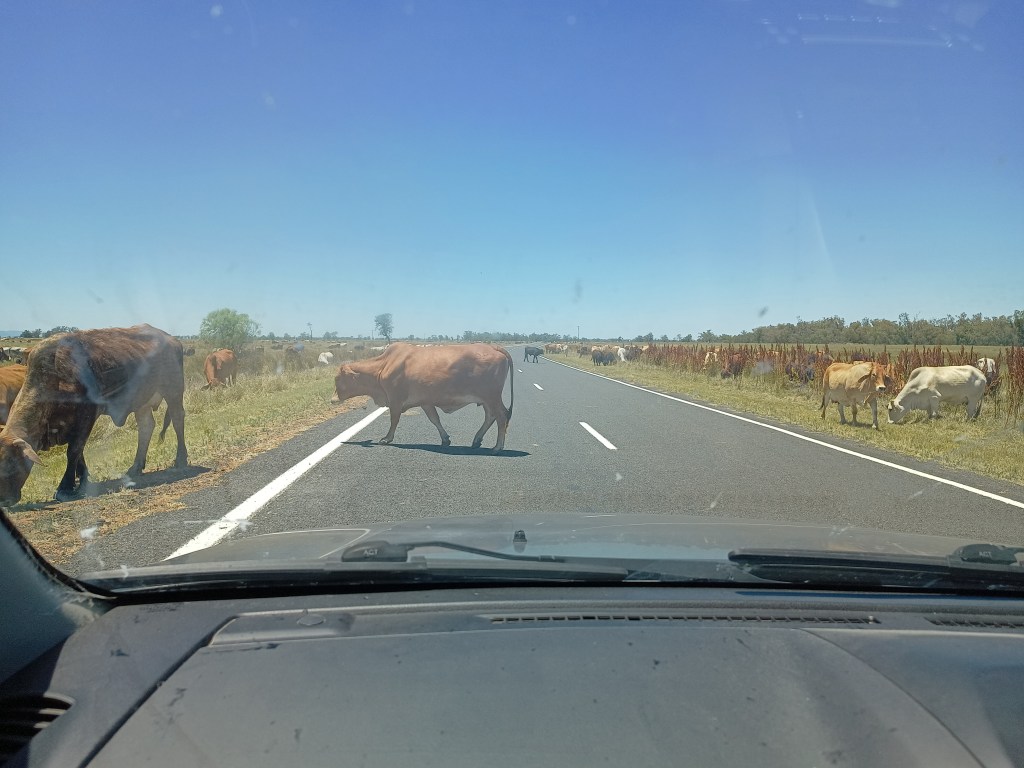
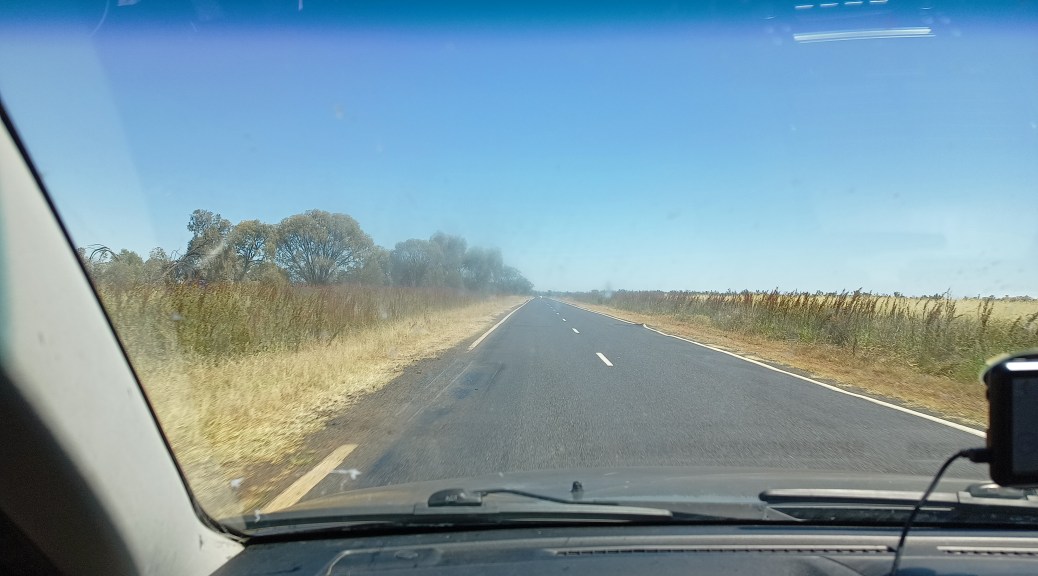
Today I’m starting a new series of posts about our adventures in the far west of NSW. This post is from our trip in December 2022. It was warm to hot, and the previous month had brought heavy rains to this region. In this post, we were driving up the Castlereagh Highway between Gilgandra and Lightning Ridge. The landscape is very flat, with farm-land on either side. 

You can see some of the fields were still flooded, in other places it was functional enough to let the stock back on. 

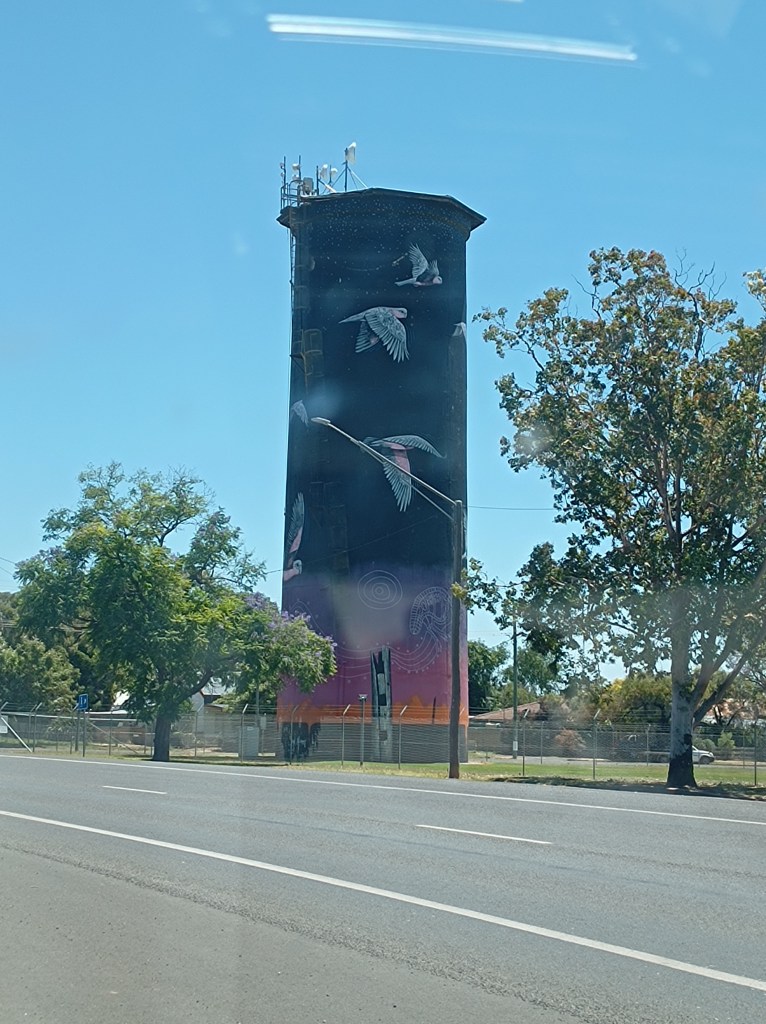
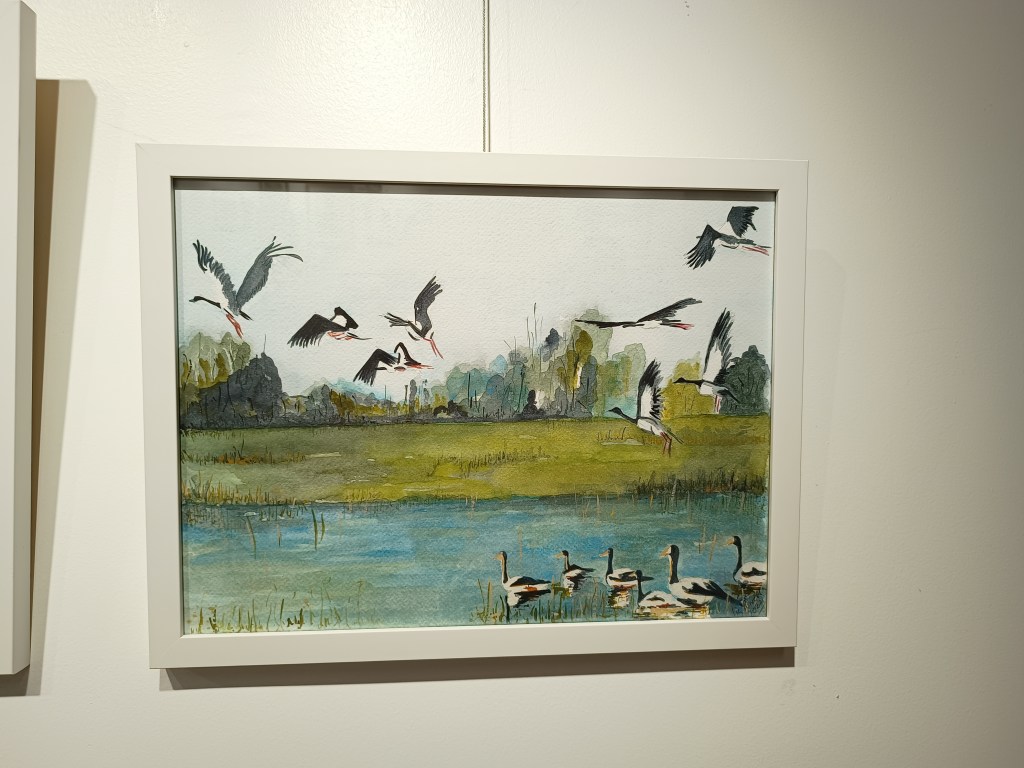
We passed through a few sizeable towns – Gilgandra, Coonamble and Walgett. Some had silo art, while others even had an art gallery.

Hill End – Part 4

We’ll round up our visit to Hill End firstly with the wildlife we encountered. We saw lots of Eastern Grey kangaroos at dawn and at dusk in the outskirts of town.

Hill End Village

And various local parrots feeding at the back of the pub all day, every day.

Hill End Village

They reminded me that Hill End is still a remote town, surrounded on all sides by forested hills, and quite a bit of wildlife (though nothing really human-eating, as in the North American Gold Rushes when those miners were faced with wolves, bears, coyotes etc.). Still, it would have been a bit of an effort to reach the town during the Gold Rush, when there were only rough tracks and no public transport. The miners and their families would have had to walk in from Sydney (a distance of over 250km nowadays, and might have been much longer in those days) with all of their possessions in tow.

On the outskirts of town, there were more remnants of the town’s mining past. These open tracts of land used to host miner’s campsites. Nowadays it hosts tourist campsites.

Hill End Village

And we passed an old miner’s shack, ironically named. Then again, it would have been one of the more luxurious modes of accommodation available, especially in the early days of the town when most people would have been sleeping under canvas.

Exploring Hill End

And from a nearby lookout, we could still see the scars on the hill-sides where the diggings were.

Exploring Hill End

During the Gold Rush, the valley would have been filled with the noise of miners and their machines working. Now, we heard only the sounds of nature.

Lord Howe Island – Pine Trees and Birds

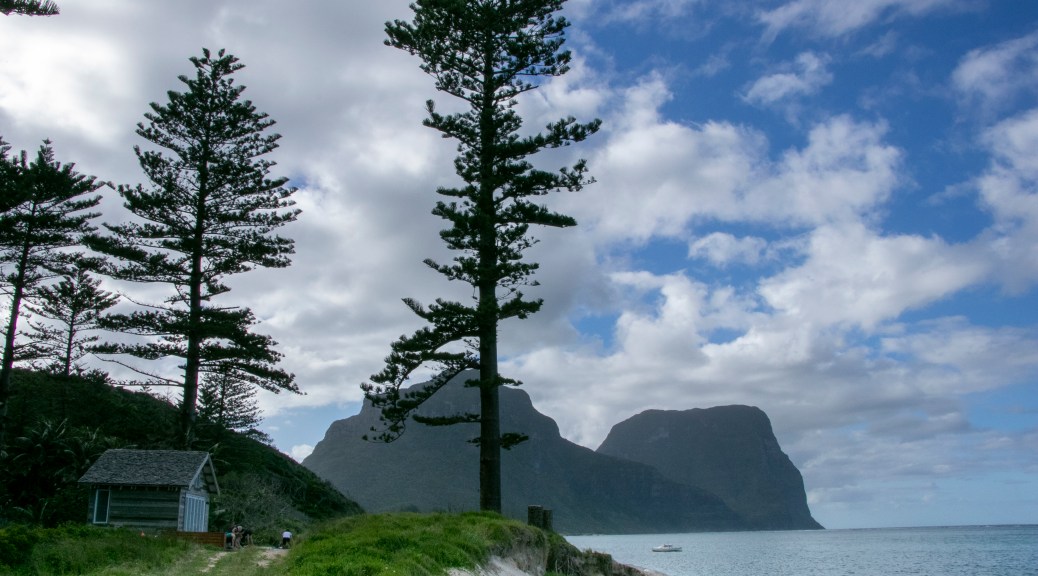
The most iconic tree on Lord Howe Island isn’t a native at all, but an introduced species – the Norfolk Island Pine. Some sailors thought it would be good wood for ship building – and found out too late that it wasn’t.

The Boathouse
The Boathouse, Lord Howe Island.
Lord Howe Island Trees
The Pine Trees Lodge, Lord Howe Island.

There are lots of trees on the island, and lots of birds that make their home there. Some birds are frequent visitors, like the sooty tern.

Sooty tern
Sooty tern, Lord Howe Island.

Others are native flightless birds like the buff-banded rail.

Lord Howe Island Buff Banded Rail
Buff-banded rail, Lord Howe Island.

This beautiful green dove.

Emerald Ground Dove
Emerald Ground Dove, Lord Howe Island.

And the most beloved bird on the island, the Woodhen.

Woodhen
Adult woodhen, Lord Howe Island.

With no native land-based predators, the flightless birds just took over the island – until the rats came. Just 10 years ago, the woodhen was endangered as the island was over-run by rats. The island embarked on an ambitious rat-eradication program, which was successful, and now the birds are flourishing. We even saw a few chicks running around.

Woodhens
Woodhen chicks, Lord Howe Island.

Lake St Clair – Part 3

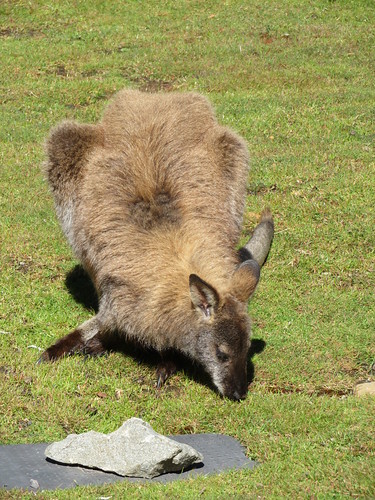
Being in the middle of Tassie, you might wonder if there were any animals about. There were, though many of them were elusive. The most accessible were actually the marsupials. We have seen pademelons before way back in Stanley.

Pademelon
A pademelon grazing.

But it was my first glimpse of the following two animals. As I said in my previous post, the cooler Tasmanian weather produces some interesting adaptations to otherwise run-of-the-mill ‘mainland’ species. Look at these two and see how they differ from their northern cousins.

Tasmanian Wombat
Tasmanian wombat
Tasmanian Echidna
Tasmanian echidna.

And the big lake is of course stocked with trout, for all those keen anglers.

Brown Trout
Brown Trout.

Northern Tasmania – Part 6

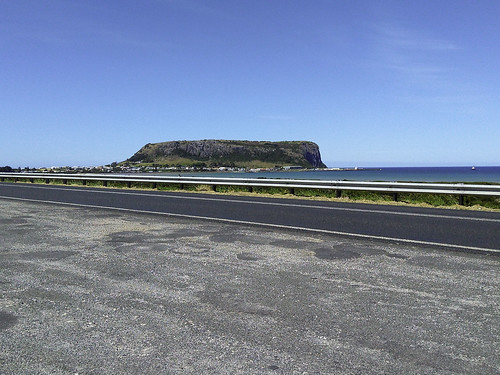
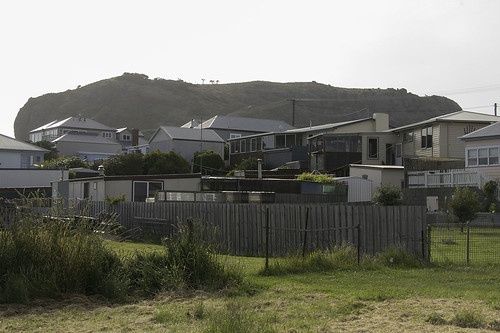
‘The Nut’ can be seen from most of Stanley.

From the road into town.

Stanley, Tasmania

From the middle of town.

Stanley

And from the beach.

Stanley

But what about the view from the top? The Nut is 143m tall so it’s a bit of a hike up there. But there is a short-cut for the less fit – the chair lift.

And it’s a great view from the top.

Of the town.

Stanley from 'The Nut'

The coastline.

Stanley from 'The Nut'

And the port.

Stanley from 'The Nut'

While strolling on the Nut or the town, keep a lookout for these guys – pademelons…

Pademelon

Northern Tasmania – Part 5

Hello there! Hope you had a lovely Christmas and start of the New Year. Covid has returned to Sydney. For those of you who managed to get away, congratulations. For those who didn’t, I’m continuing to post from my travel archives this year.

I’m continuing to post on our 2019 trip to Tasmania. I see that some of you have managed to get to the Apple Isle lately. Enjoy!

Anyway, back to the town of Stanley. It might have been founded from whaling, but people soon realised that the land was perfect for grazing. This is the house of the chief agent of the Van Diemen’s Land Company, called Highfield.

Stanley

It’s still surrounded by grazing land to this day. The pastures start from the edge of town.

Stanley

And these days the cattle they rear in these parts are the best in Australia.

Cattle in Stanley

The reason? They have no problem with water around here – look at all that grass. No wonder the cattle thrive.

A walk to Fossil Point – Part 2

Once over the dunes, the beach stretched out before us.

Walk to Fossil Point

Walk to Fossil Point

We were on the windy west coast, and boy, was it windy. And everything was on a vast scale.

Walk to Fossil Point

Walk to Fossil Point

Our destination turned out to be these boulders of beach rock, as they contained fossils – shells that are remnants of the sea floor that existed during the Miocene period, approximately 10 million years ago.

Walk to Fossil Point

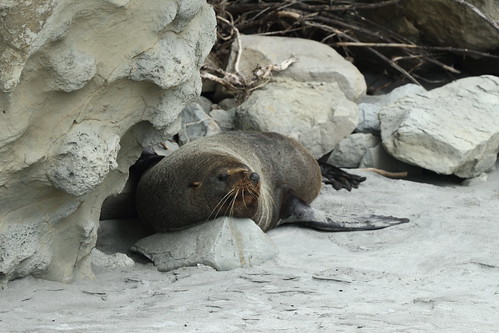
We also had a little surprise when we searched for fossils.

Walk to Fossil Point

Luckily, he was having a long nap and hardly stirred, else we would have been in trouble.

A walk to Wharariki Beach – Part 2

Happy New Year everyone! Let’s hope 2021 is at least a little better than its predecessor. Now back to our walk to Wharariki Beach.

After the paddocks came the dunes, and then the expanse of white sand beach.

Wharariki Beach

There were other people there, but you wouldn’t call it a ‘crowd’, although for Golden Bay it might have been.

Wharariki Beach

Hubby had fun exploring as the geology of the place was quite interesting.

Wharariki Beach

Humans weren’t the only visitors here. There’s a little colony of New Zealand fur seals there.

Wharariki Beach

This wasn’t my first visit to this beach. I did this walk way back in 2004 as well.

Over the Hill

From Nelson, we drove further into the north-west of the island. Our destination, the mystical Golden Bay. But to get there, we had to traverse the notorious Takaka Hill, which separates Golden Bay from the rest of New Zealand (for those who think that NZ isn’t isolated enough from the rest of the world).

On Takaka Hill

The pass is around 791m high, but seems higher since we can see down to sea level a lot of the time. There’s Nelson in the mist!

On Takaka Hill

At the top of the hill is Hawkes Lookout. Time to stretch and photograph the views.

On Takaka Hill

We also met some of the local birdlife. The weka is a common flightless bird in these parts. They’re not shy but not mischievous either.

On Takaka Hill - a Weka

Hubby, ever the geologist, was interested in the rocks protruding from the hillside. They’re limestone. These hills are the crunch point between the two tectonic plates that Australia and New Zealand are on.

On Takaka Hill

Being a bit of a Lord of the Rings fan back in the day, I thought these types of rocks look familiar. A bit of research uncovered that they did film in the general area, although much higher up (with the aid of helicopters). And probably in winter (we visited in early summer).