Tag Archives: travel

Cruising the Hawkesbury – Part 2

Our first mail stop was at Dangar Island, just off Brooklyn. It is a settled island with ‘facilities’ (electricity, sewerage, and garbage pickup) but no cars.

Hawkesbury Riverboat Postman Cruise

Hawkesbury Riverboat Postman Cruise

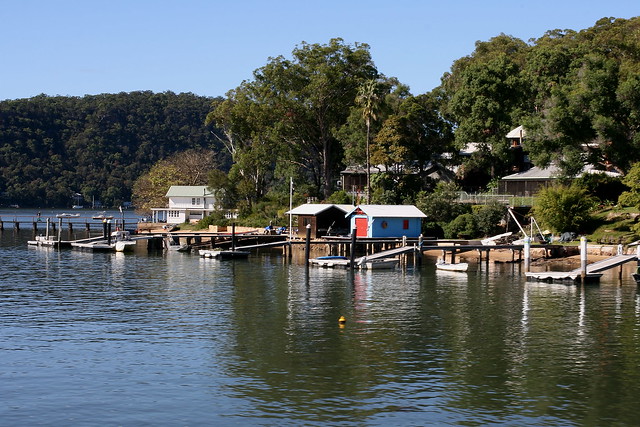
As you can see, all the residents (and pets) get around by boat. Some even commute to work from here.

Hawkesbury Riverboat Postman Cruise

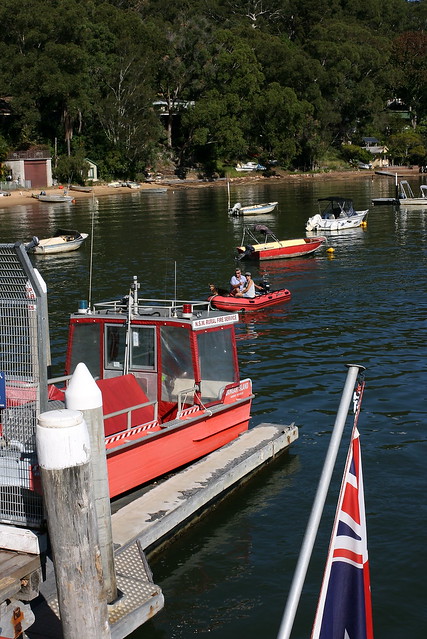
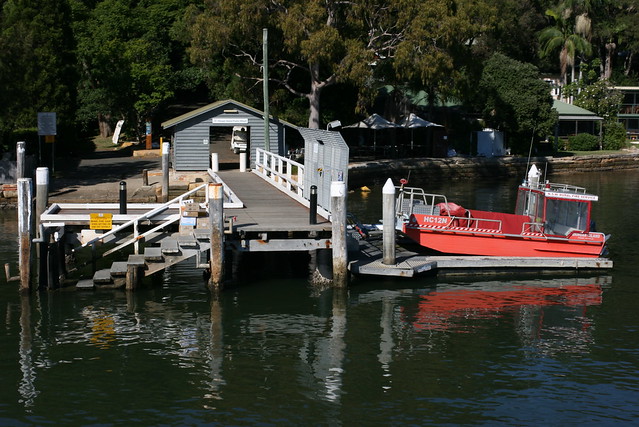
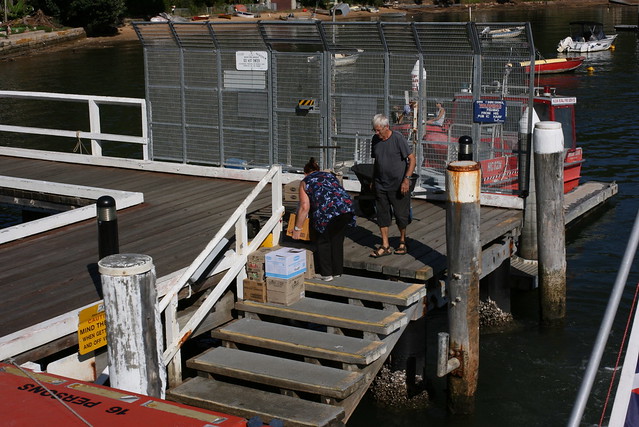
The island’s public jetty has ferries to the mainland, and a rural fire service boat in case of emergencies.

Hawkesbury Riverboat Postman Cruise

The riverboat drops off and picks up not only mail but supplies as well. It’s a crucial service!

Hawkesbury Riverboat Postman Cruise

Cruising the Hawkesbury – Part 1

We’re back on the Hawkesbury again, this time on its lower reaches, and on the water with the Hawkesbury Riverboat Postman. Yes, it’s a cruise that also delivers mail to the river-only-access communities of the Lower Hawkesbury.

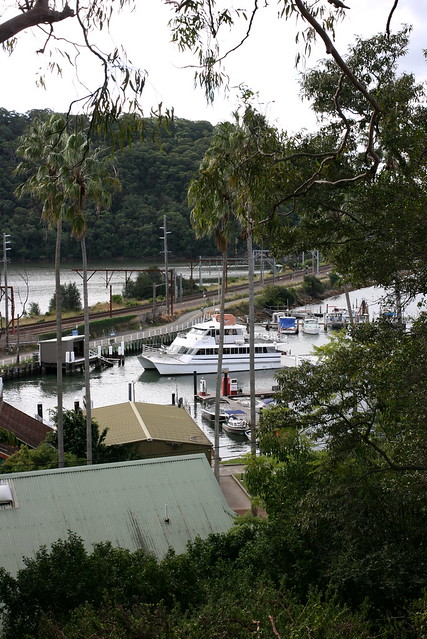
The cruise started and ended in Brooklyn, which has the honours of having a train station and a fully-fledged marina.

Brooklyn Wharf

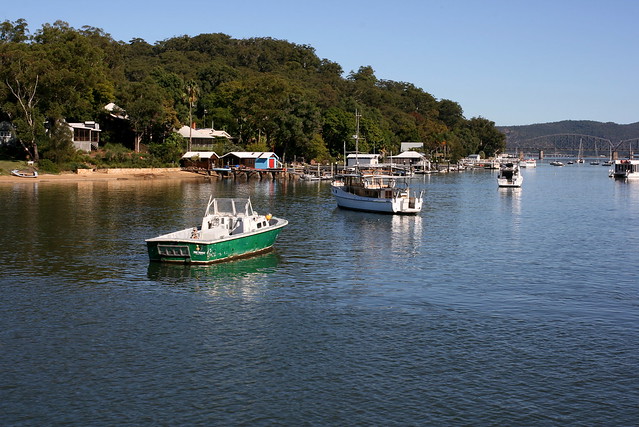
However it somehow still manages to remain a fisherman’s village. The harbour itself is more practical rather than pretty.

Hawkesbury Riverboat Postman Cruise

Hawkesbury Riverboat Postman Cruise

On the way home

Well, the heat beat us. We wanted to stay three nights at Upper Colo Reserve, but after a 37C day, and with 41C predicted for the next, we decided to cut our losses at two nights and head back home.

On the way, we decided to go the long way home, and explore the lower reaches of the Hawkesbury. That’s where we found the car ferries.

Webbs Creek ferry

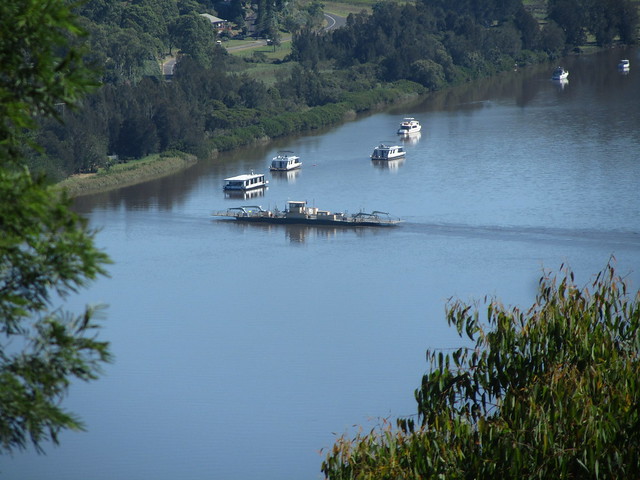
We had been on the ferry at Wisemans Ferry, but we discovered others at Sackville, and the one pictured at Webbs Creek. All are maintained by the state and are free of charge. Makes any car trip bit of an adventure.

Webbs Creek ferry

Royalty and the End of the Line

Well, all good things must come to an end, and this is the last post from our visit to Japan. To end, we slip back into the traditional with a visit to the Imperial Palace grounds.
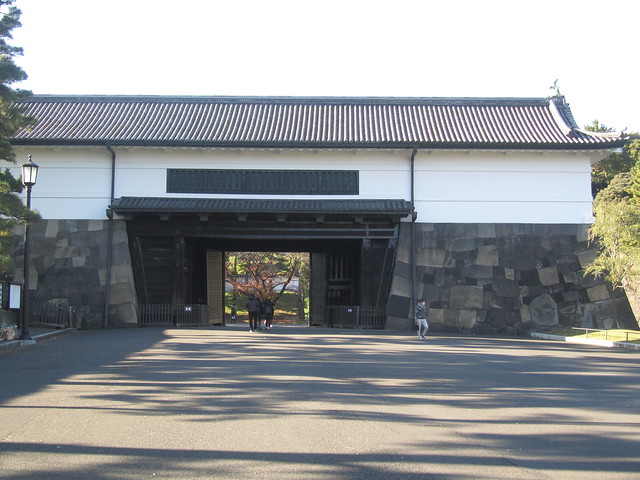
Imperial Palace Grounds

We came expecting a European set-up, where we could view certain parts of the palace, but we soon found out that the grounds were the only place we could visit. It seems that the Japanese still hold a certain reverence for their royal family.
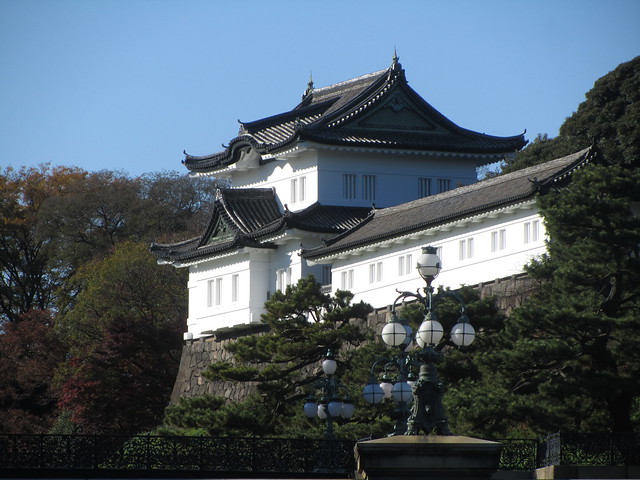
Imperial Palace Grounds

The palace itself, unlike its European counterparts, has always been out-of-bounds to the general public except on New Year and the Emperor’s Birthday. There certainly were no paparazzi hanging around the gates.
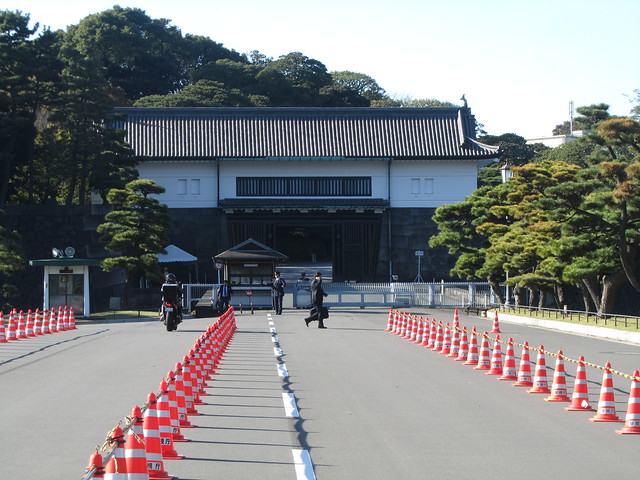
Imperial Palace Grounds

Nevertheless, there were some nice bits of garden.
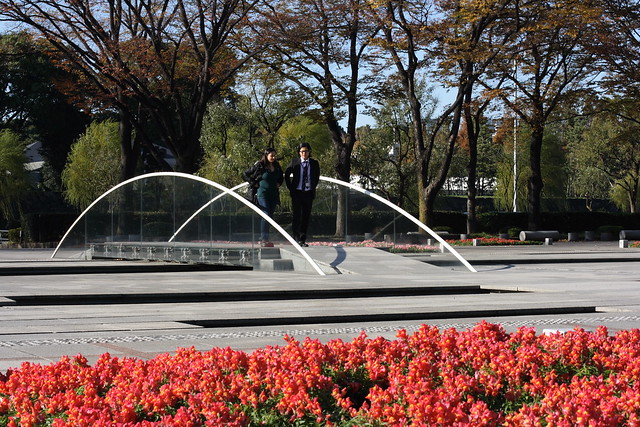
Imperial Palace Grounds

A 19th Century Meiji-era bridge, walls and moat.
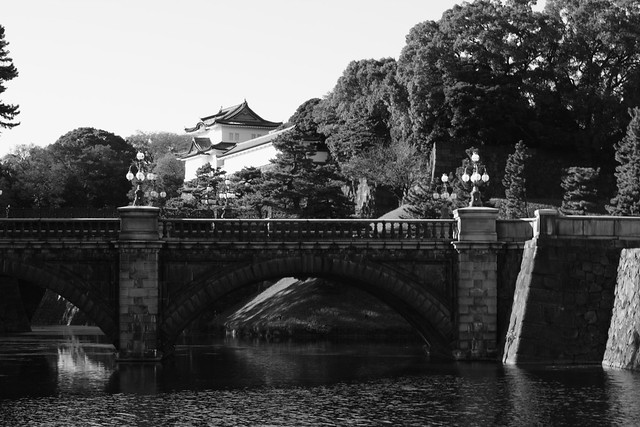
Imperial Palace Grounds

And acres and acres of park land of the kind where walking on grass is prohibited. There are in fact 3.4 square km of palace grounds, and it’s all theirs from top to bottom. No public road, even subway, has been allowed to go through it. And given that it’s in the middle of Tokyo, one of the most expensive cities in the world, I’m guessing it’s worth the price of a country or three.
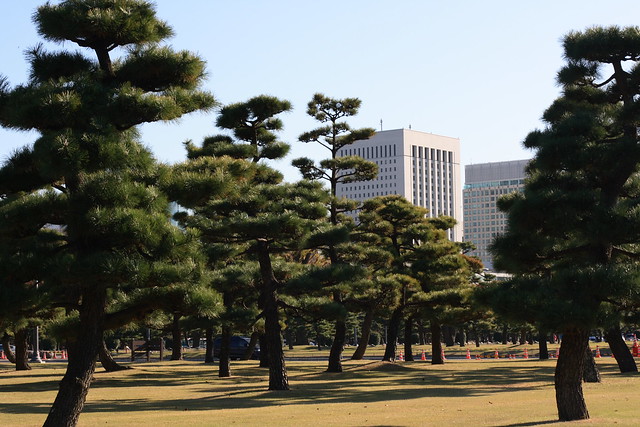
Imperial Palace Grounds

It’s a shame, because I would think there were some nice gardens inside if this was any indication.
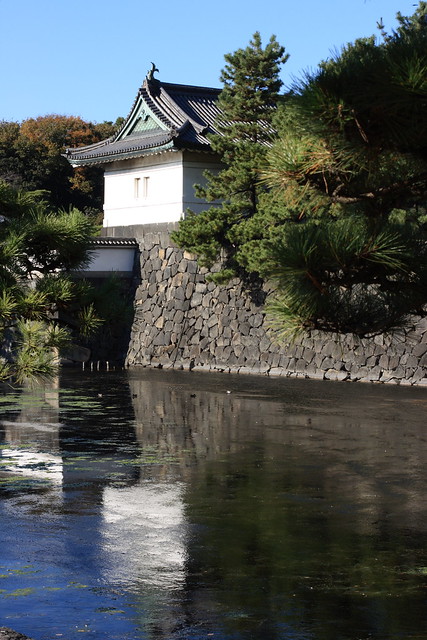
Imperial Palace Grounds

And so ends our visit to Japan. Even after three visits, it is still a land that holds much mystique. Would I come back for a 4th visit? Sure would, although I would like to explore the other islands next time, like Kyushu in the south, or Hokkaido in the north. What is certain is that wherever I go, I’m sure to have fun, meet very lovely people, and eat very, very well.
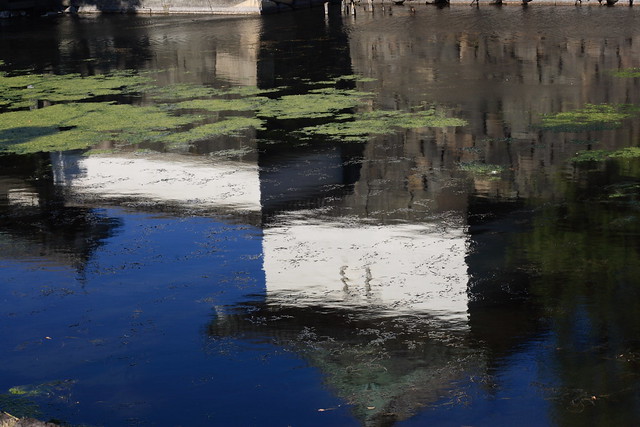

Imperial Palace Grounds

Around a Mountain Town – Part 5

We conclude our visit to Takayama with a walk up to one of the surrounding hilltops, Shiroyama. We are a bit above the town there, and had a good view.

Around Takayama

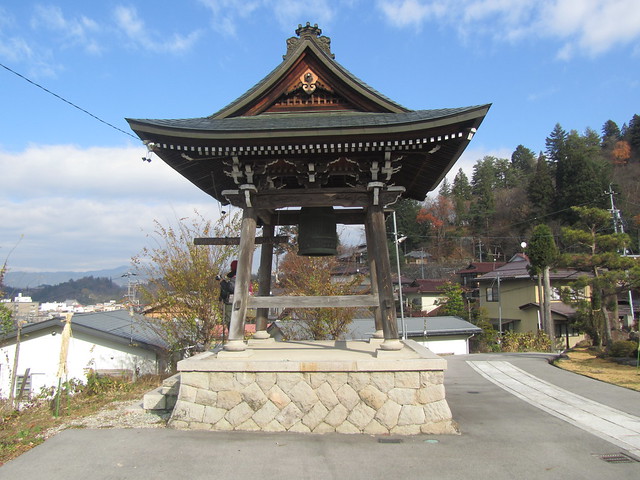
Overlooking the town is a rather big bell, attached to a nearby temple.

Around Takayama

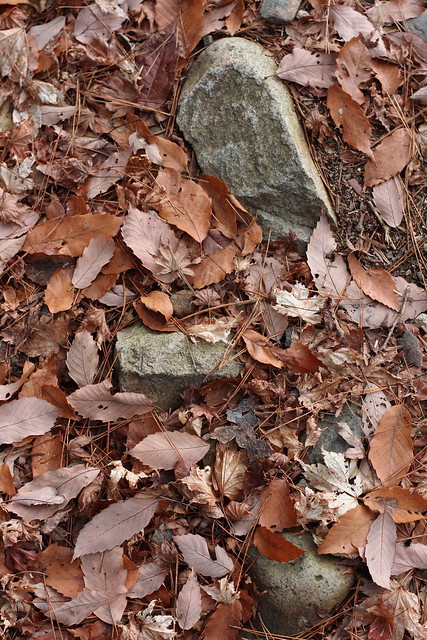
The hilltop was forested, with many wandering paths.

Around Takayama

Around Takayama

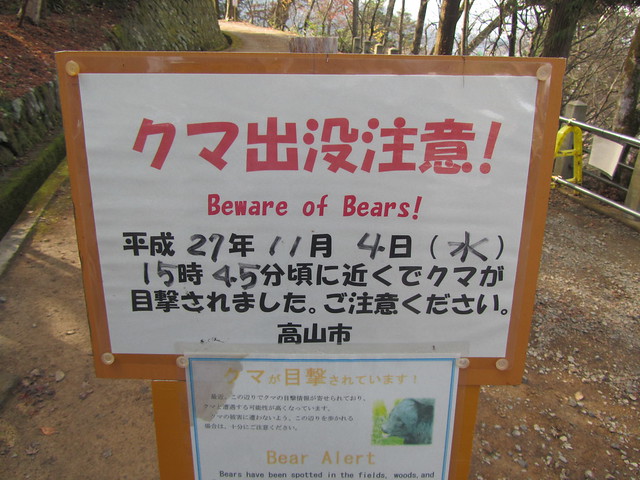
It’s forested enough to attract all sorts of wildlife, although we didn’t see any!

Around Takayama

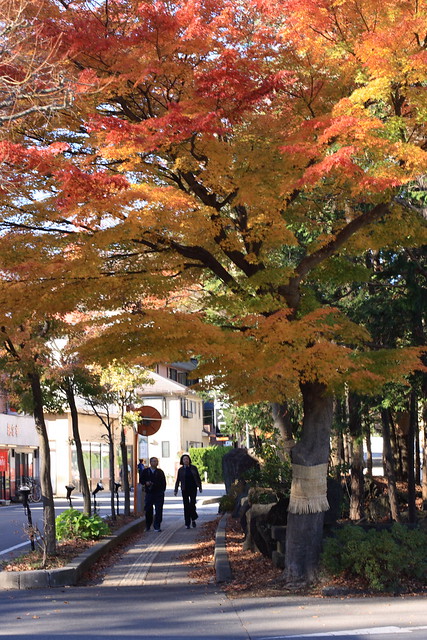
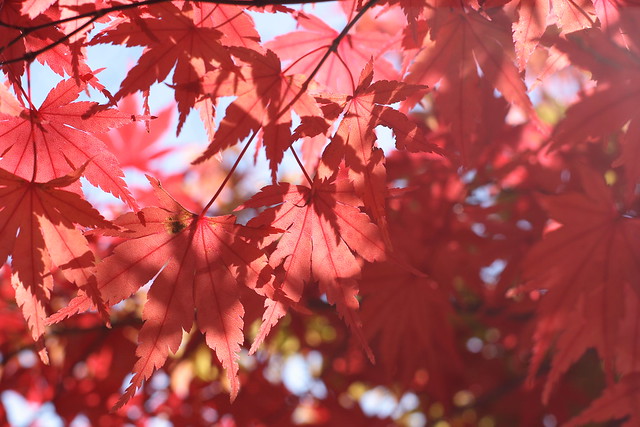
And we of course got a final glimpse of the wonderful autumn leaves. It’s a sight to remember this mountain town by.

Around Takayama

Morning Markets – Part 2

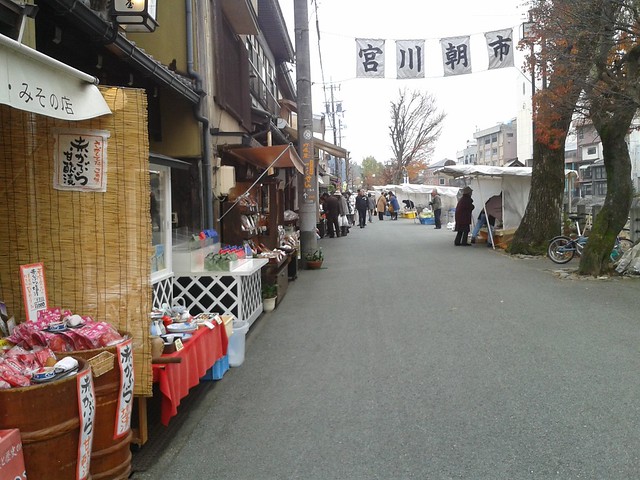
The Miyagawa markets are open every day. It’s mainly a produce market, but the permanent shops alongside it cater to tourists. It was rather quiet when we first arrived, probably because it was a little cold.

Around Takayama

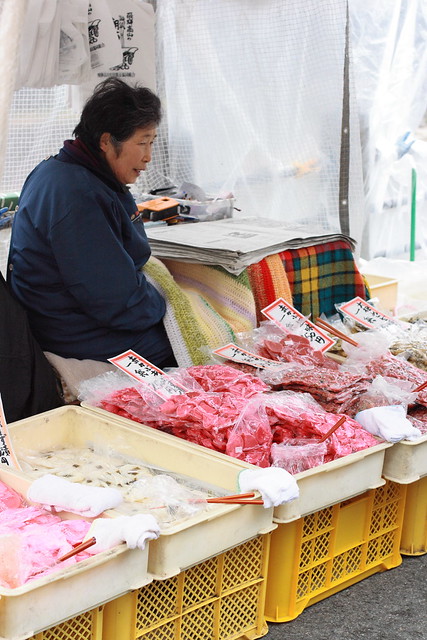
The stall holders were well-prepared though. This lady selling assorted pickles was all kitted out with crocheted blankets, and I’m even guessing a mini heater too.

Around Takayama

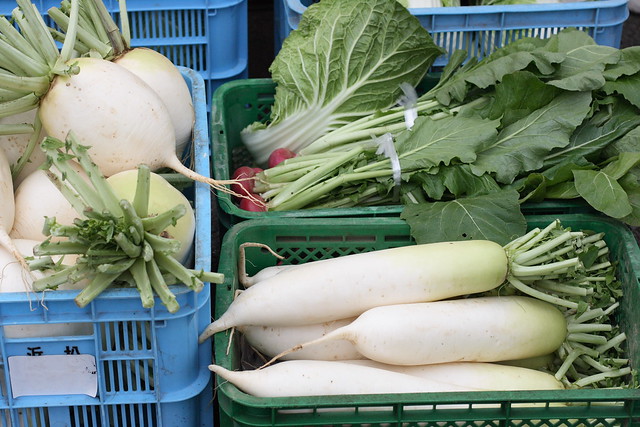
There was plenty of autumnal fresh produce around – this stall sold different types of radish and other root vegetables.

Around Takayama

Being late autumn, we saw plenty of late harvest apples for sale. This variety is called Hida, after the region that Takayama is in. They are much larger than the apples seen in Australia – some were the size of a lawn bowls ball, and so were priced accordingly.

Around Takayama

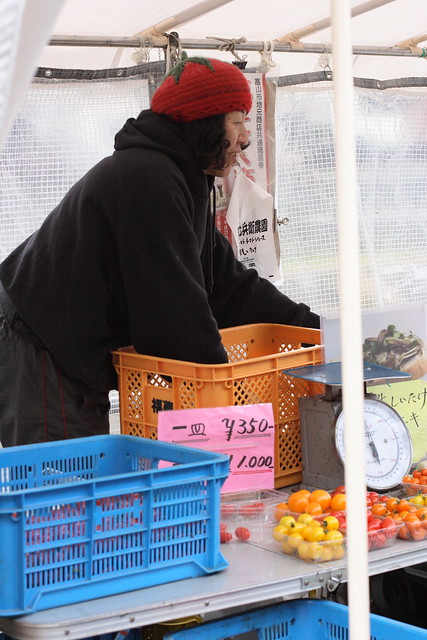
The Tomato Lady even wore her special hat. Given how cold it was, I’m guessing that these were grown in poly tunnels or green houses.

Around Takayama

Around Takayama

An Antique Inn

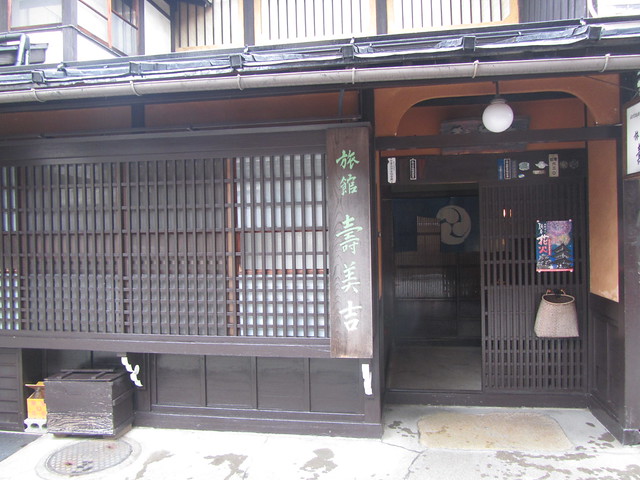
We arrived at Takayama at the end of a long day, hungry and a bit cold – the temperature was near freezing up in the mountains. So we were glad to stay at Sumiyoshi, an ‘Antique Inn’.

Sumiyoshi

Sumiyoshi

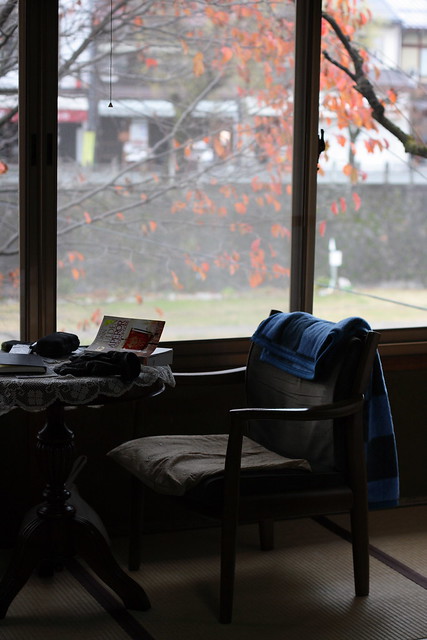
It’s a ryokan set up in an old house, run by one family (grandparents, parents, children) with quaint rooms, plenty of antiques, and most importantly, good old hospitality.

Sumiyoshi

Our main host was the grandmother (or obaasan, as the Japanese call their grannies), and she was a hoot. Outgoing, very friendly and jokey, she was bounding up steep stairs with our dinner, which was very homely and welcome after all the more high-end eating we’d done.

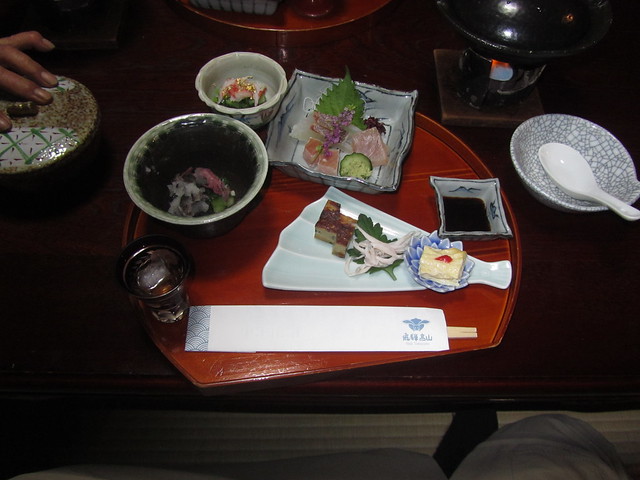
A few little appetisers – some sashimi, tofu prepared in various ways, and assorted pickles.

Sumiyoshi

Fish and scallop cooked in butter.

Sumiyoshi

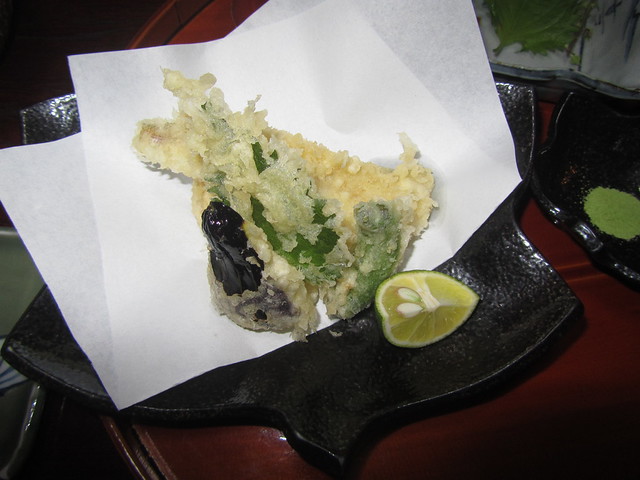
Tempura vegetables with a wedge of ponzu.

Sumiyoshi

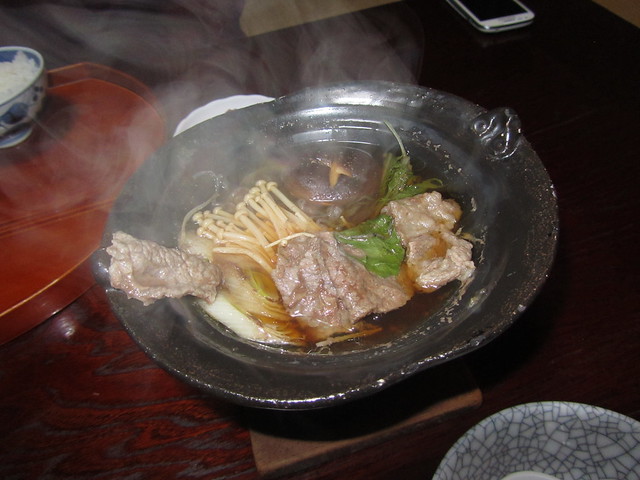
And last but not least shabu-shabu hotpot featuring local beef.

Sumiyoshi

A perfect meal to end a winter’s day.

Into the Mountains

Our next destination was a town deep into the Japan Alps. It was another 5-train journey, and on the way, we saw the other side of Fujisan.

Last view of Mount Fuji

From sea-level, the mountain looms large, and gave us a more realistic idea of just how high 3,776 metres was.

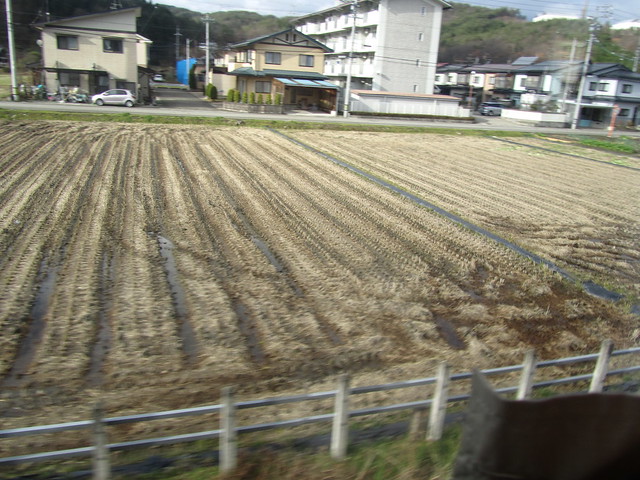
We passed through the cities of Yokohama and Nagoya, and on to our final train. Soon the suburbs thinned out, and the scenes became more rural.
Takayama Line

Takayama Line

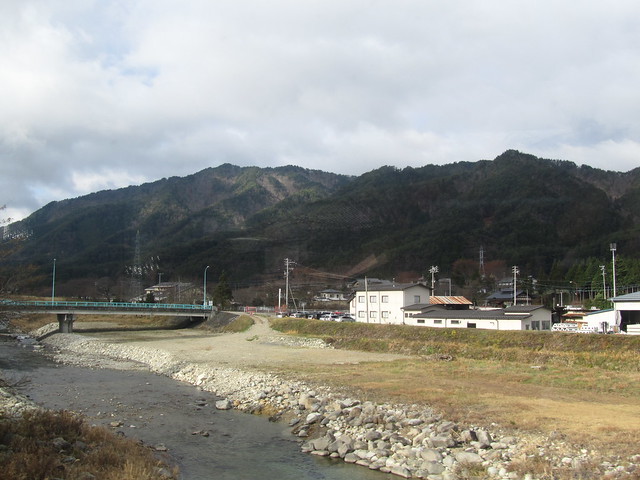
And then civilisation disappeared almost altogether.
Takayama Line

Takayama Line

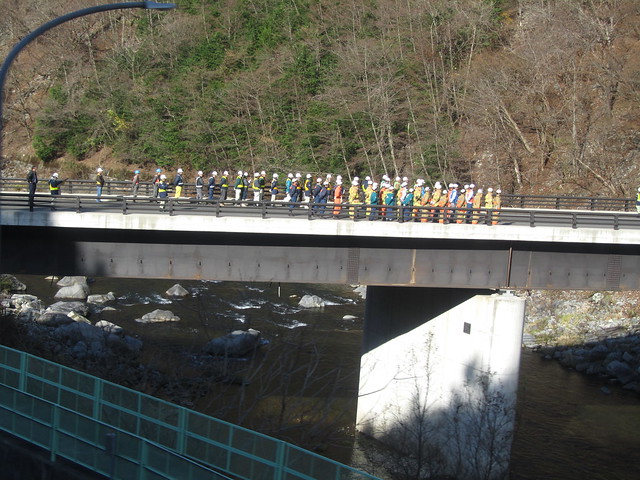
Eventually we passed by some small, mountain settlements, and saw some of its people in action.

Scenes from Japan Rail

Scenes from Japan Rail

Evacuation drills are taken very seriously in an area that is very prone to earthquakes.

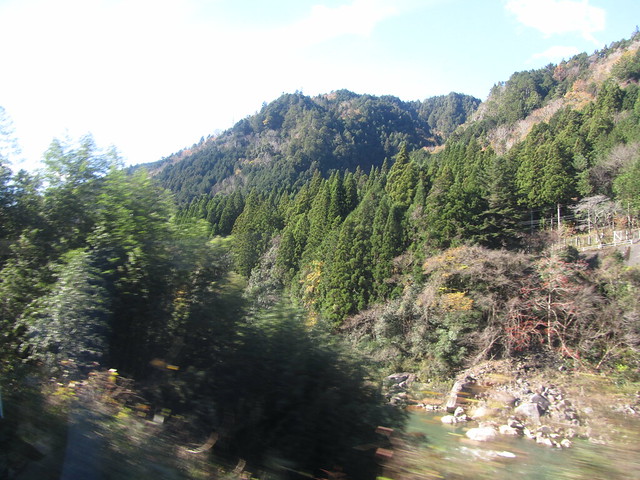
It was a lovely, slow journey through the valleys and gorges. Goes to show that Japan isn’t all about being in the fast lane.

9 Views of Mount Fuji

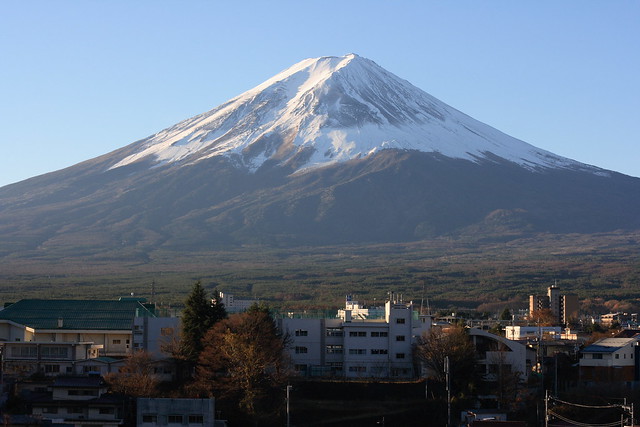
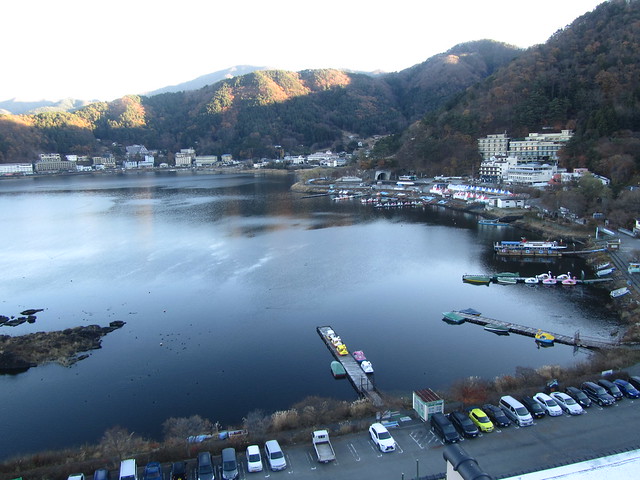
Our destination was the tourist town of Kawaguchiko, famous for its view of Mount Fuji (or Fujisan, as the Japanese call the sacred mountain). At 3776 metres, it’s Japan’s highest mountain and renowned for being a bit camera-shy – it’s obscured by cloud for most of the year. We felt very lucky to get many fantastic views of the mountain. In fact, you really couldn’t miss it.

From our hotel rooftop early in the morning.

Views of Mt Fuji

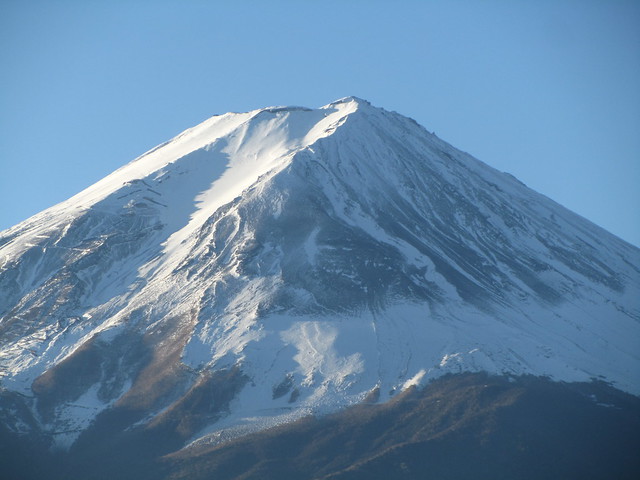
Zooming in up-close.

Views of Mt Fuji

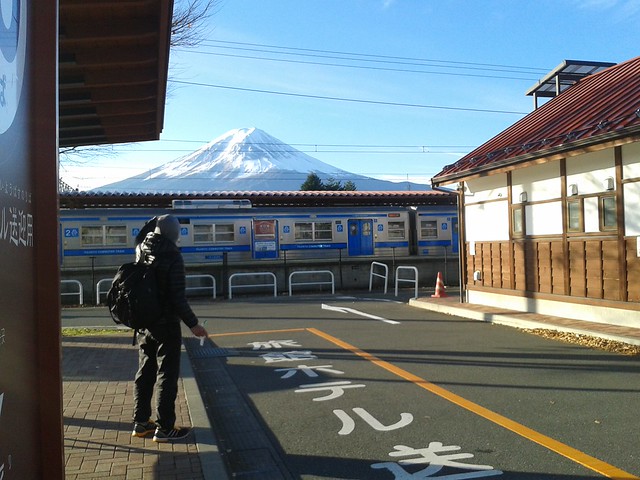
From the train station.

Glimpses of Fujisan

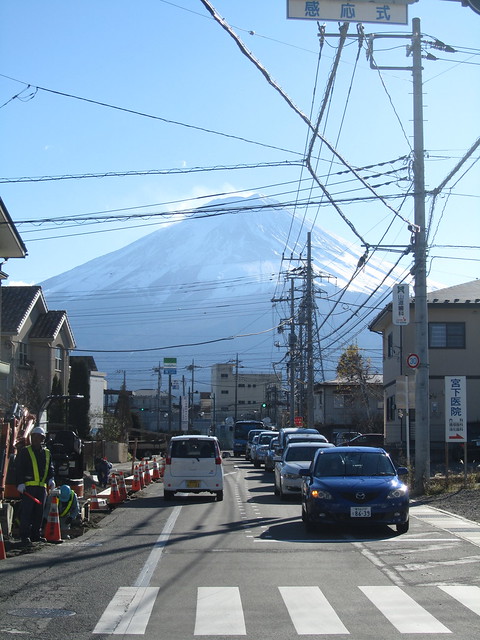
And the main road.

Glimpses of Fujisan

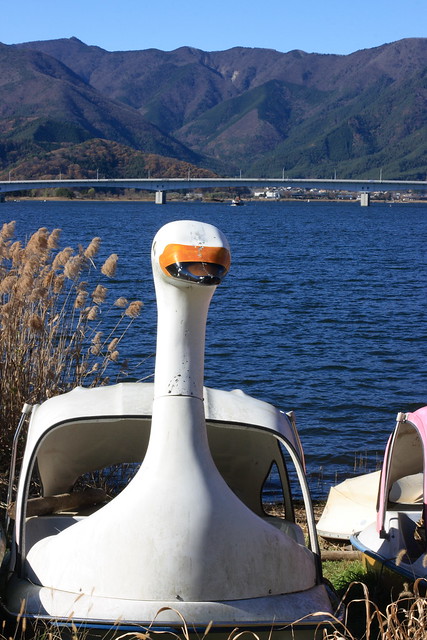
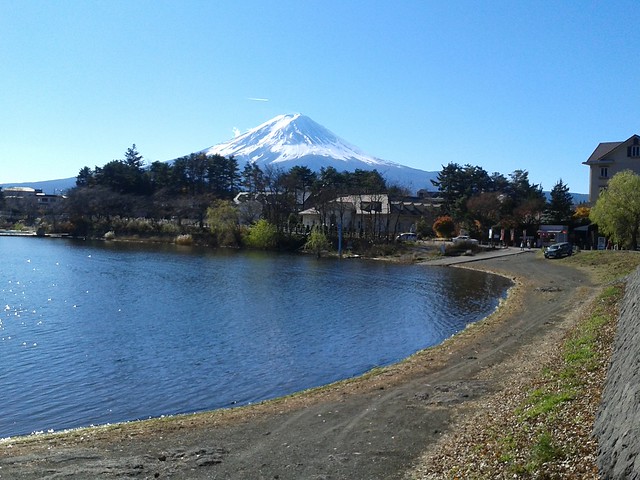
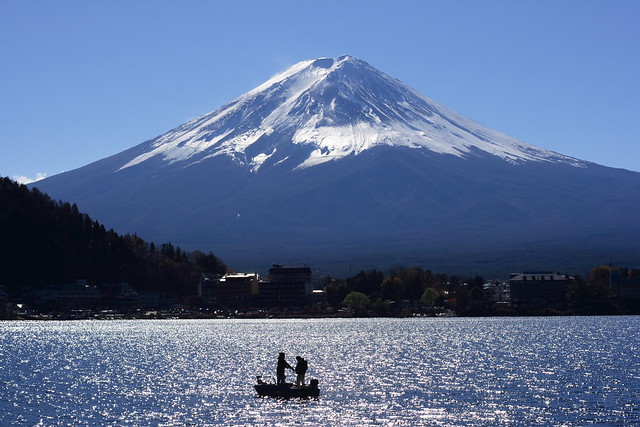
My favourite views were from the lakeside mid-morning.

Views of Mt Fuji

It was a view to admire (or distract) while fishing.

Views of Mt Fuji

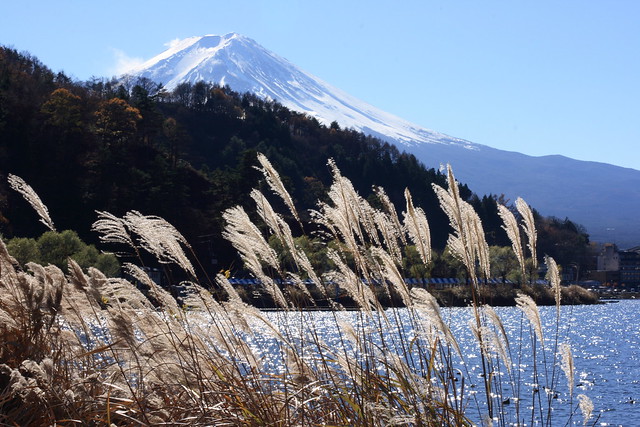
And a spectacular accompaniment to autumn foliage.

Views of Mt Fuji

And peeping from behind the hills.

Views of Mt Fuji

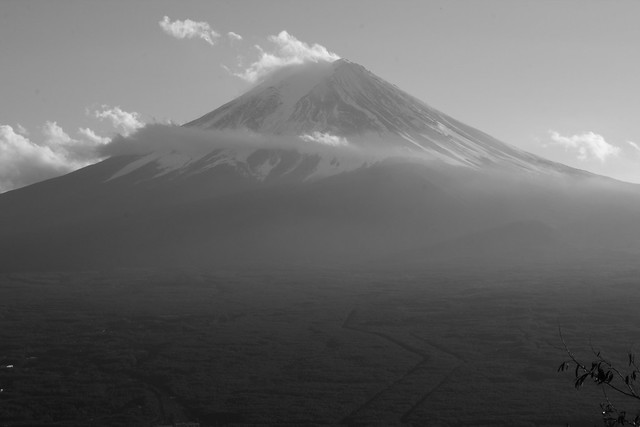
By late afternoon the clouds had started to roll in, though it didn’t make the view any less spectacular. It almost made us forget that we were looking at a volcano (albeit a dormant one).

Views of Mt Fuji