Tag Archives: walk

Mungo National Park – Part 5

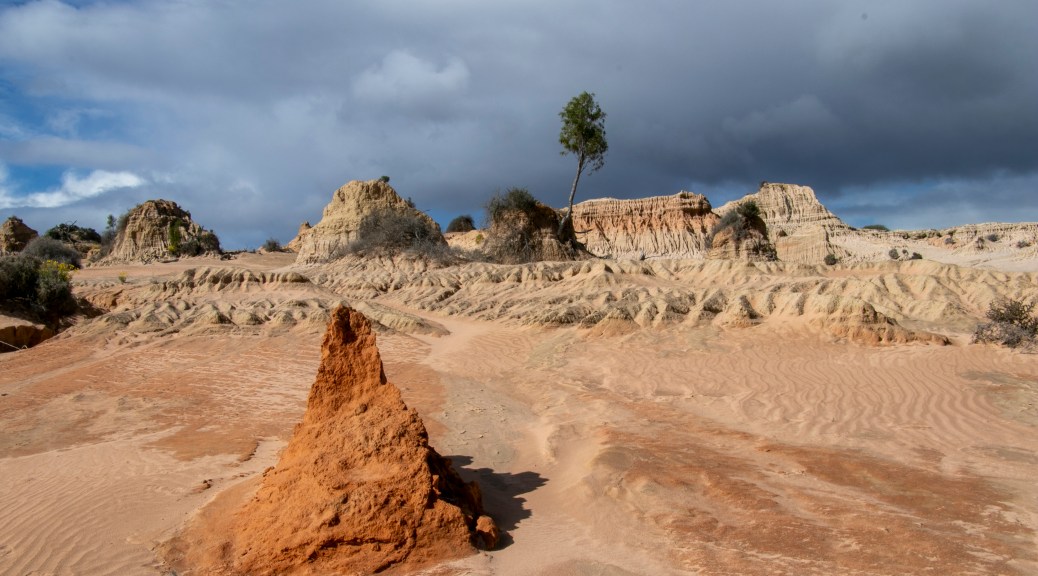
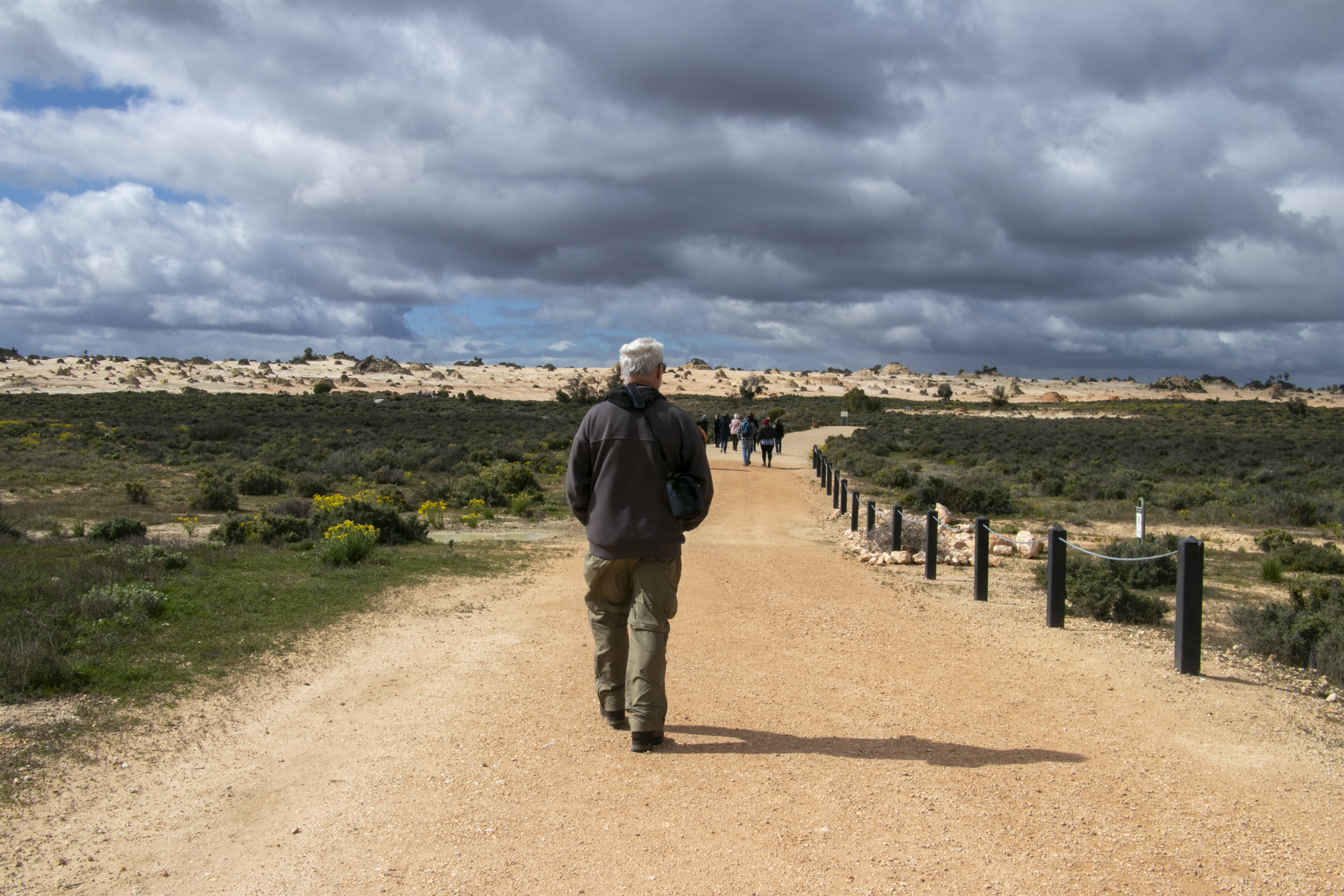
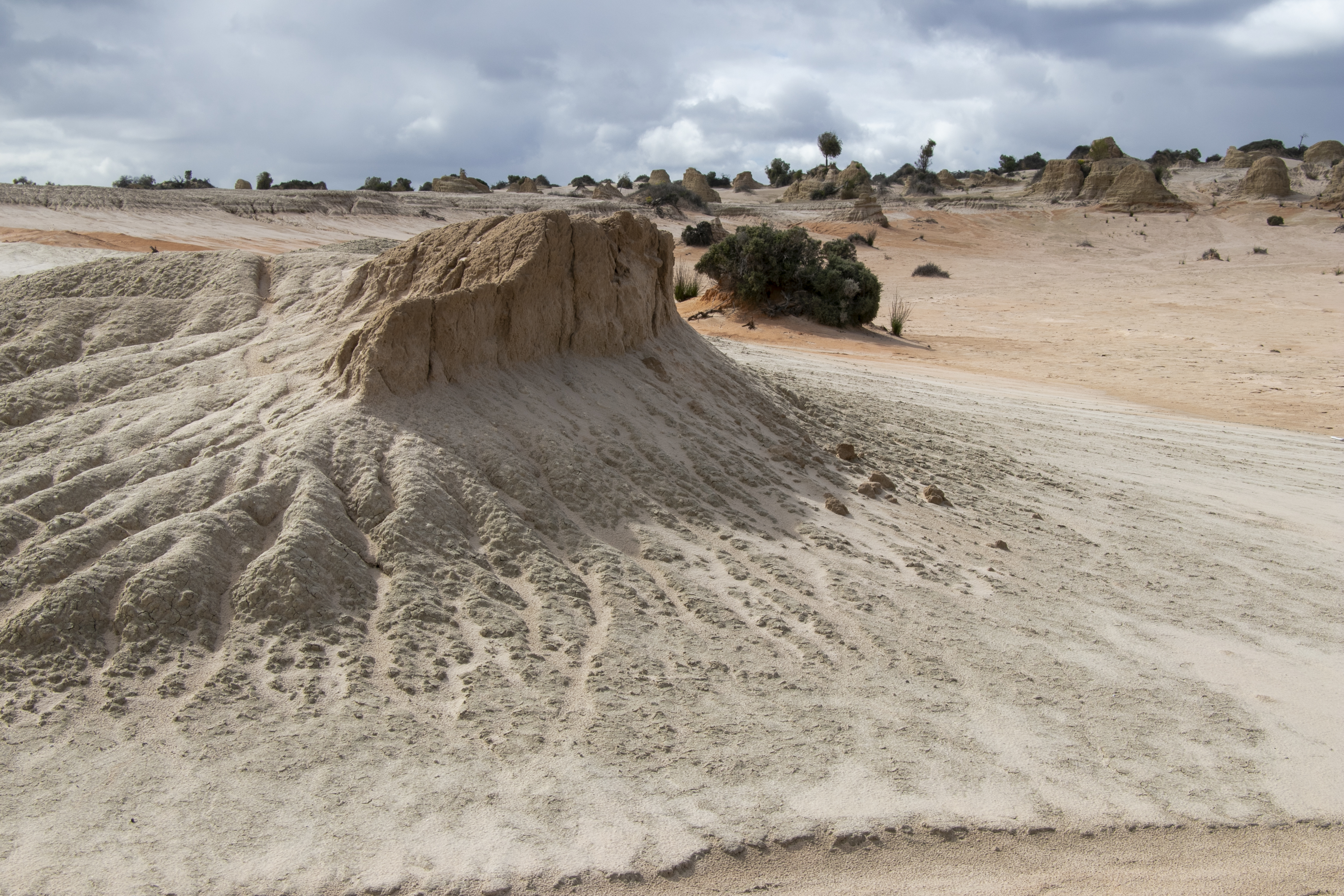
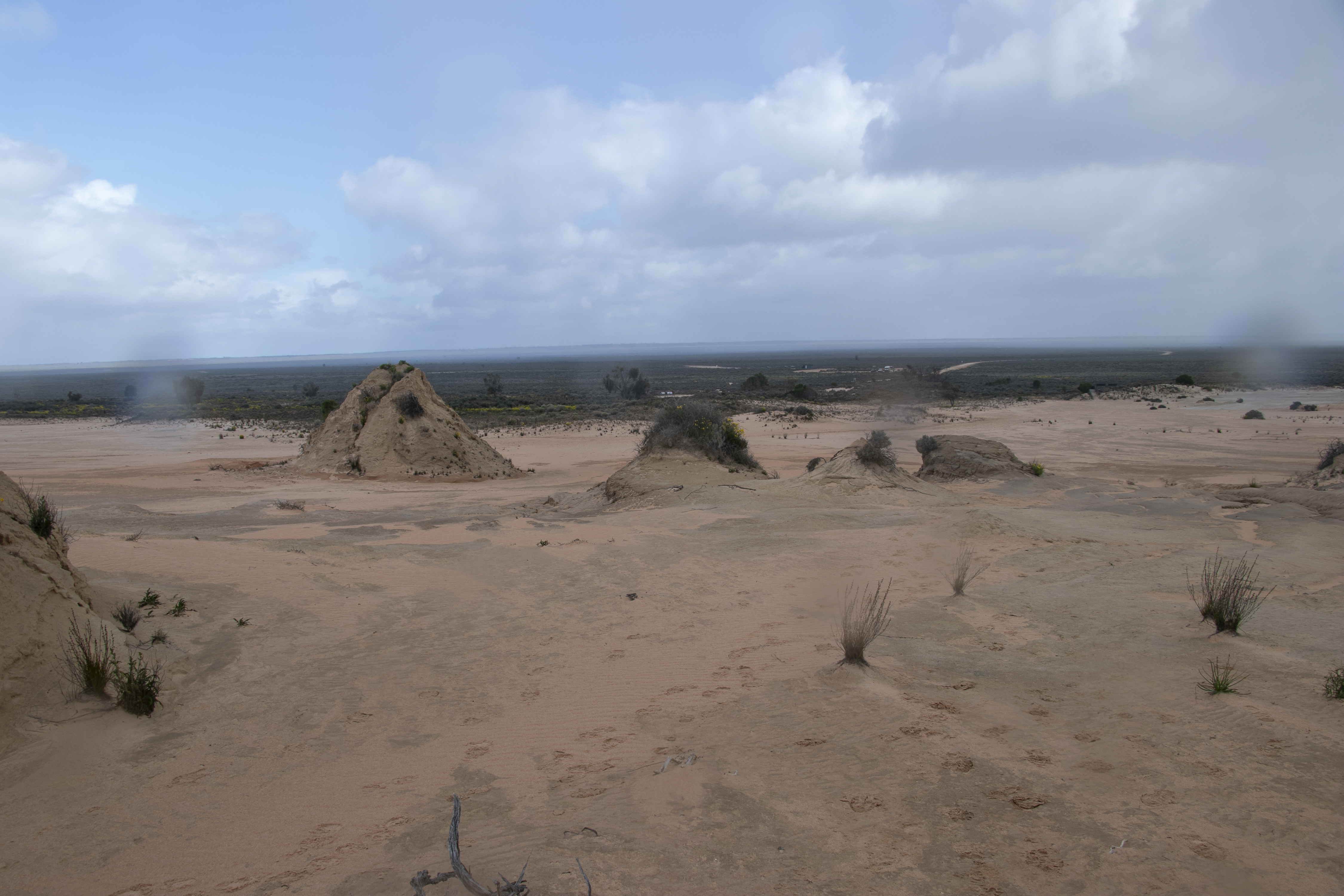
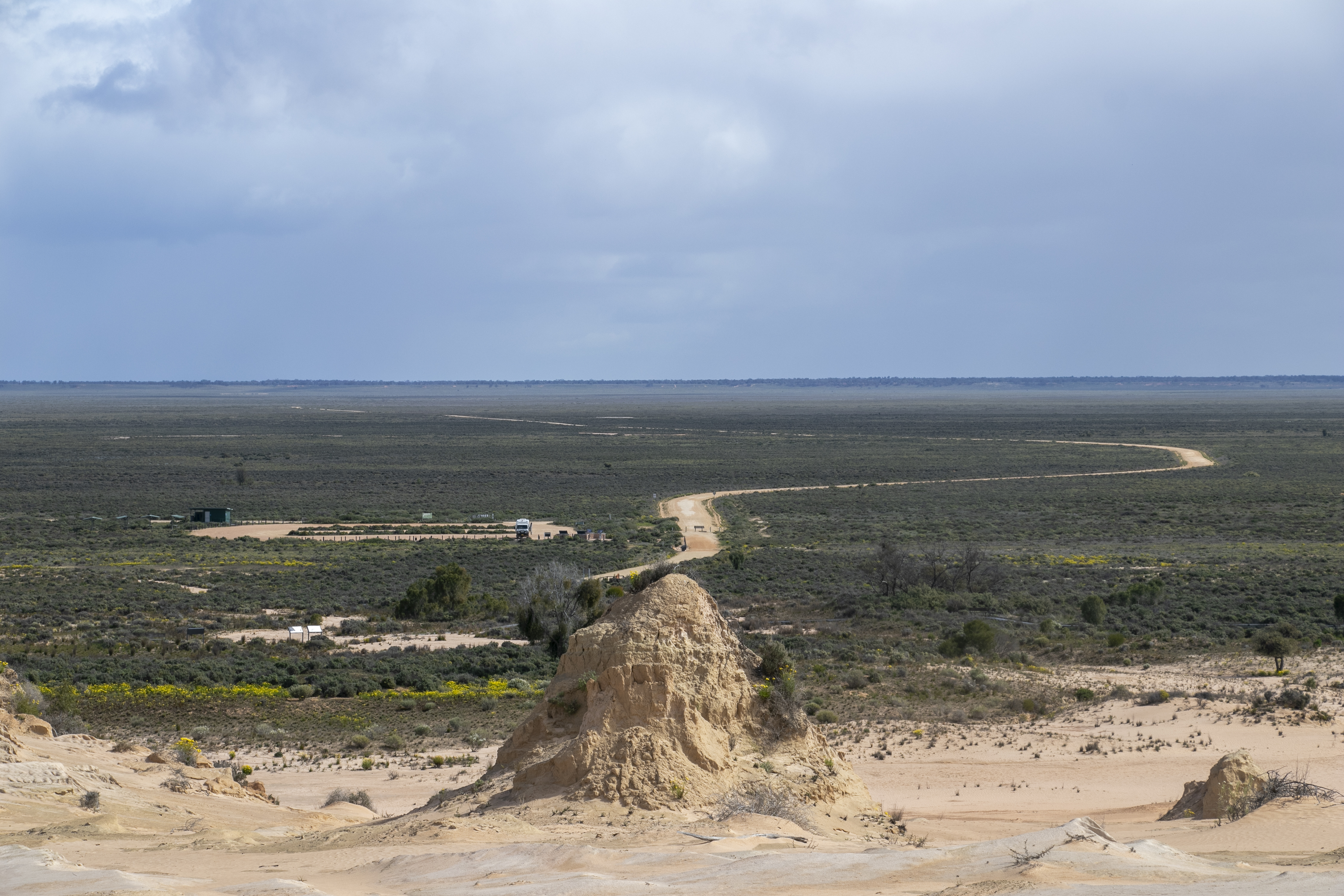
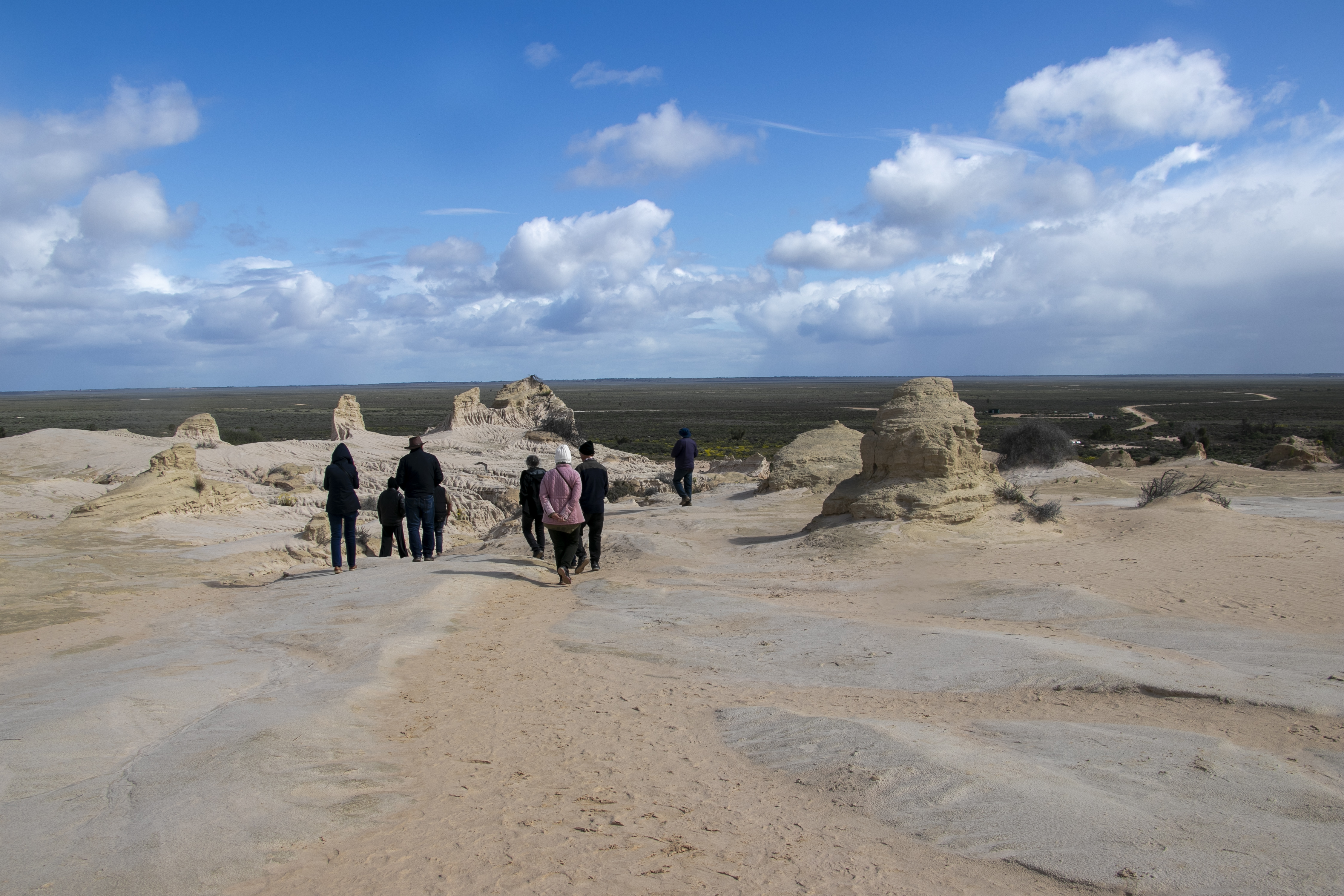
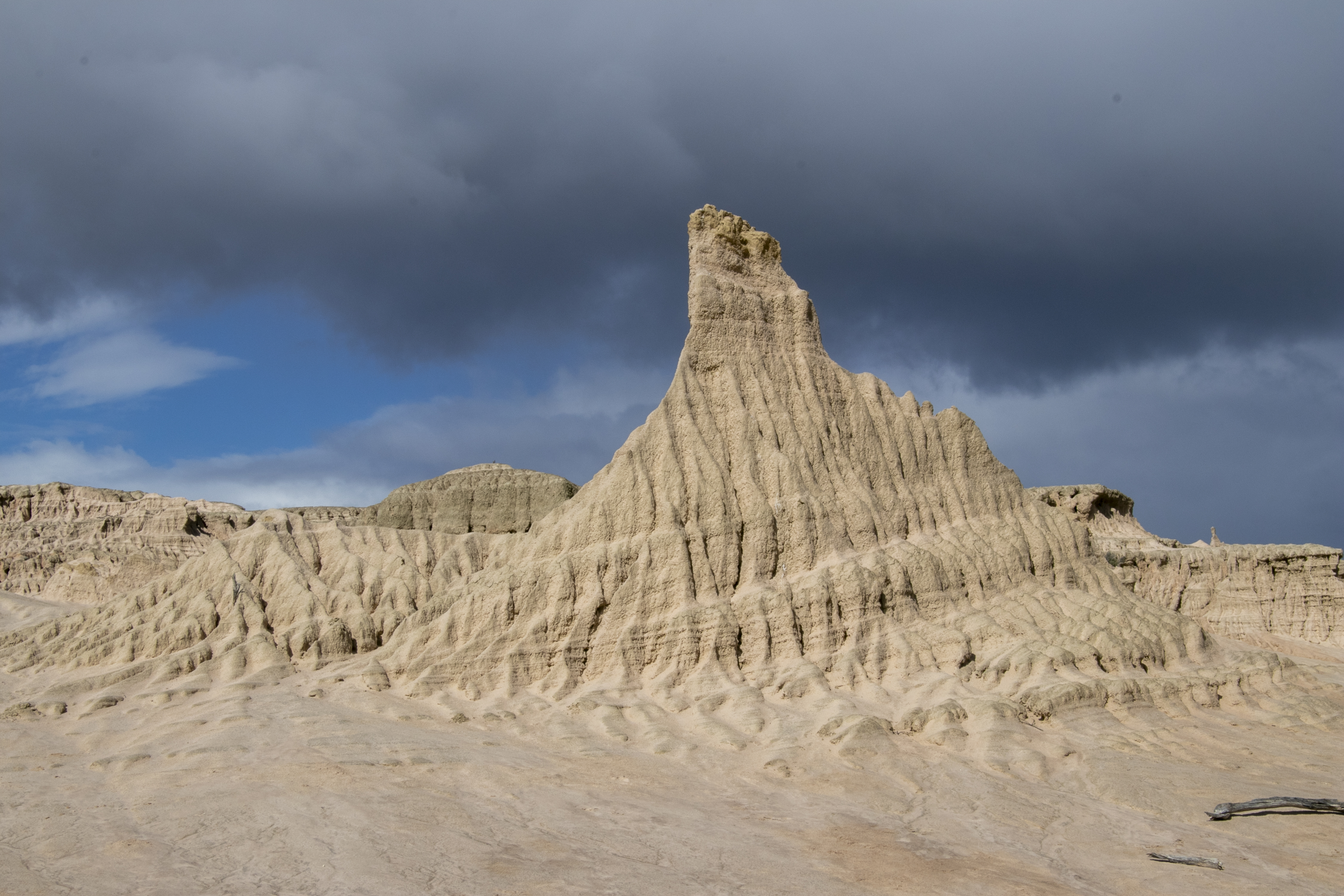
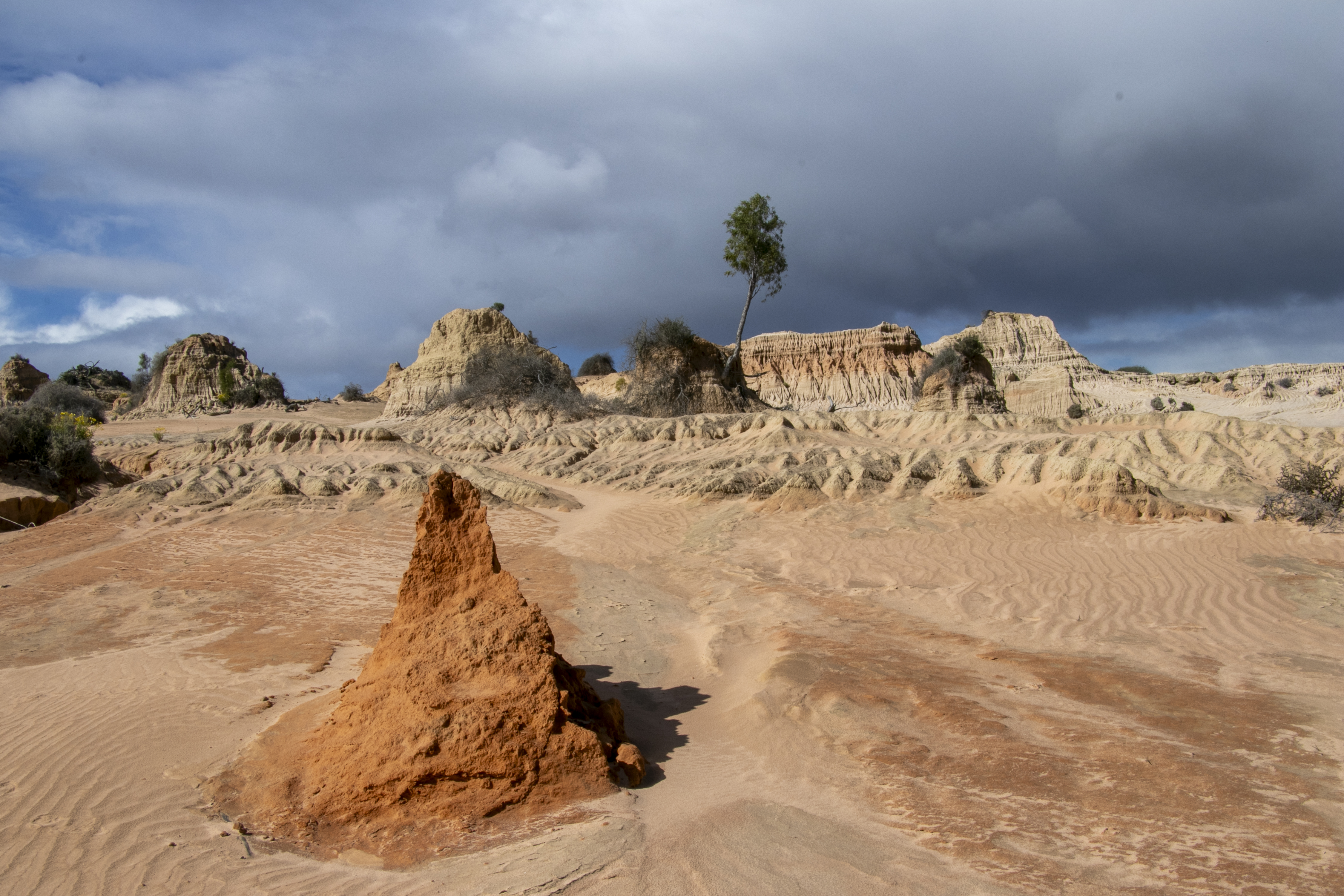
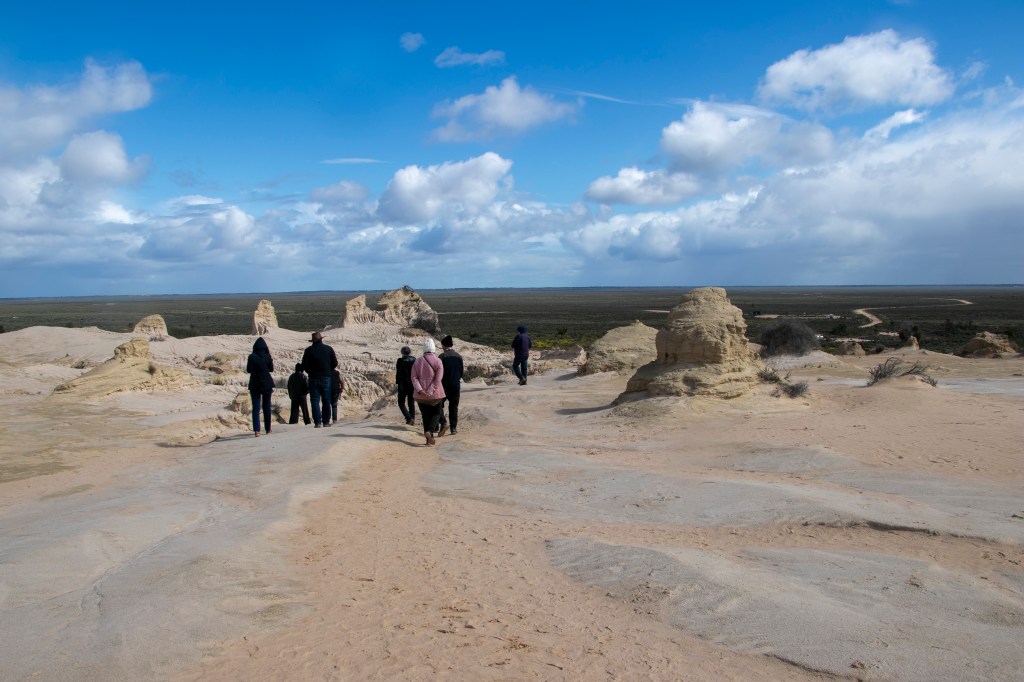
It’s been awhile between posts (life got in the way) but I do have a few more things to say about Mungo National Park. Today, we’ll take a walk among the dunes that is the ‘Wall of China’. This was part of a guided tour – you are not allowed to walk among the dunes on your own as the environment is very fragile.
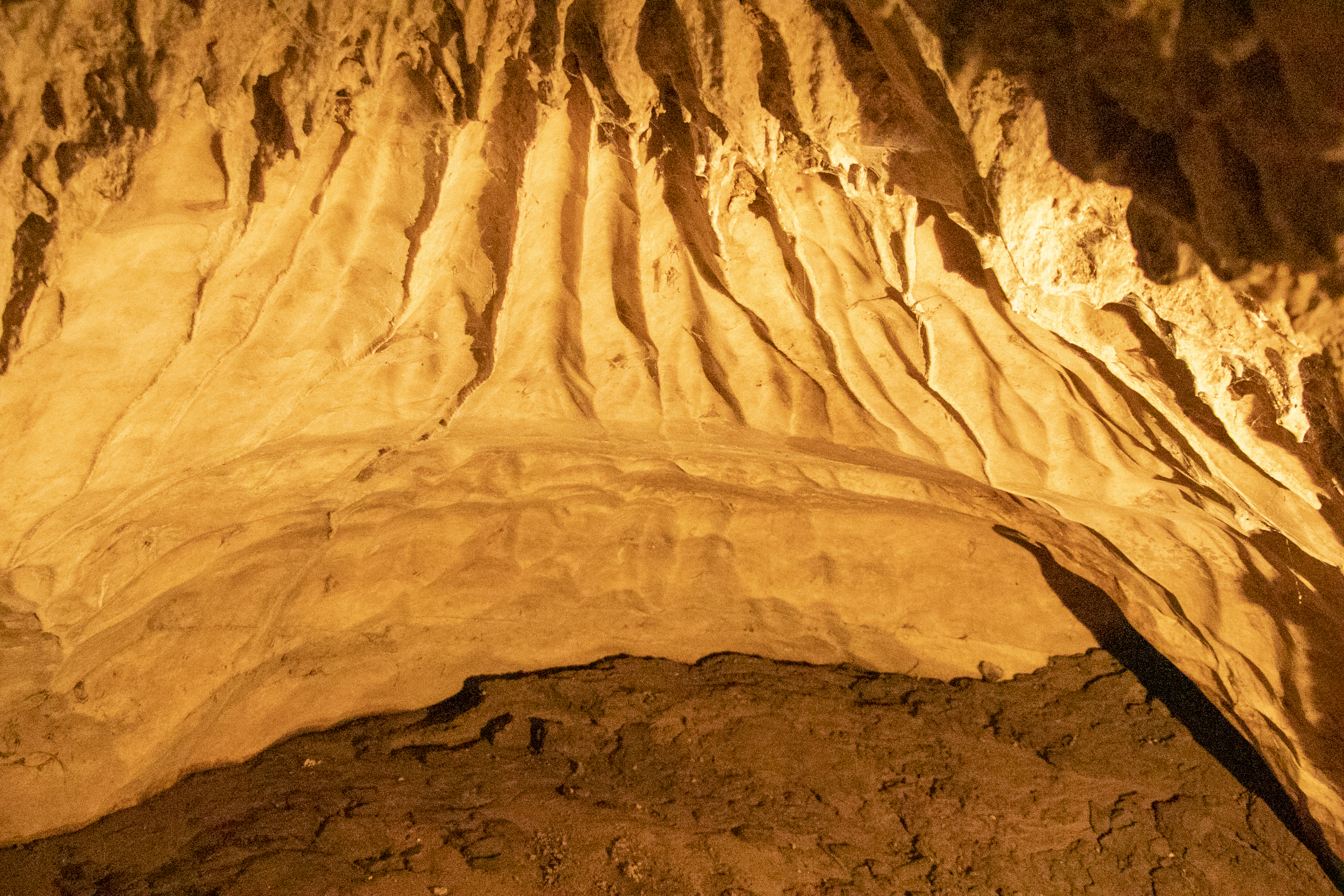
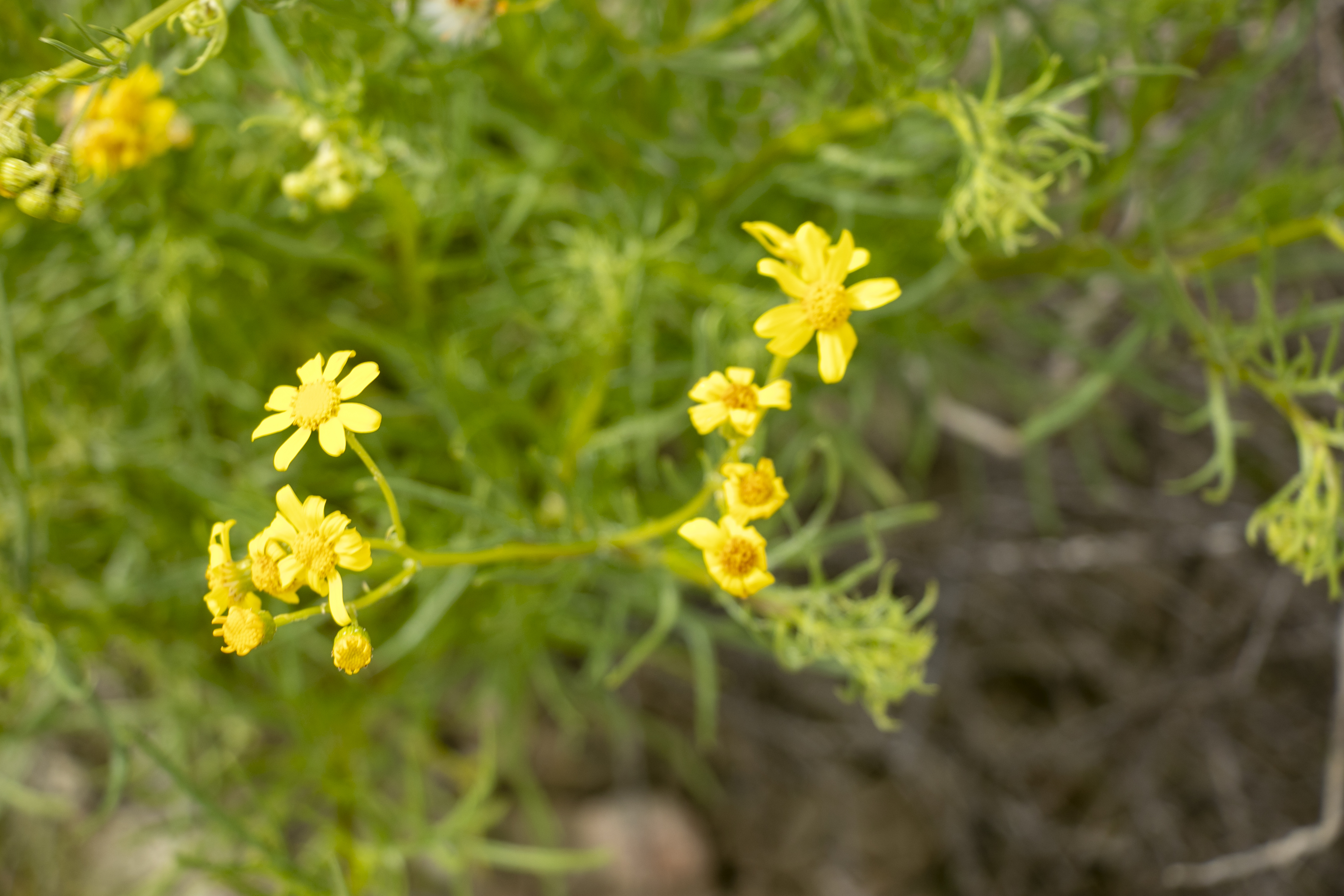
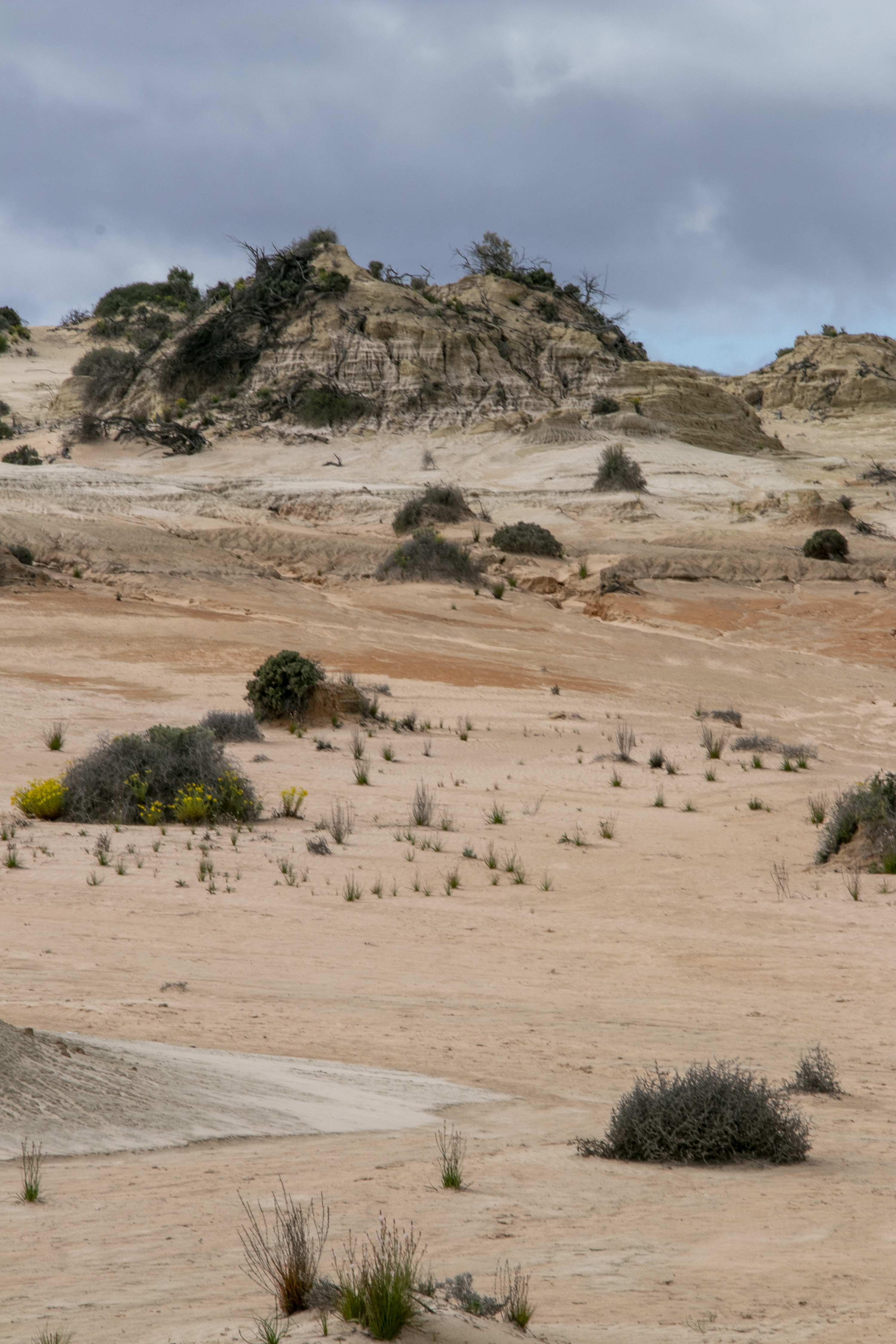
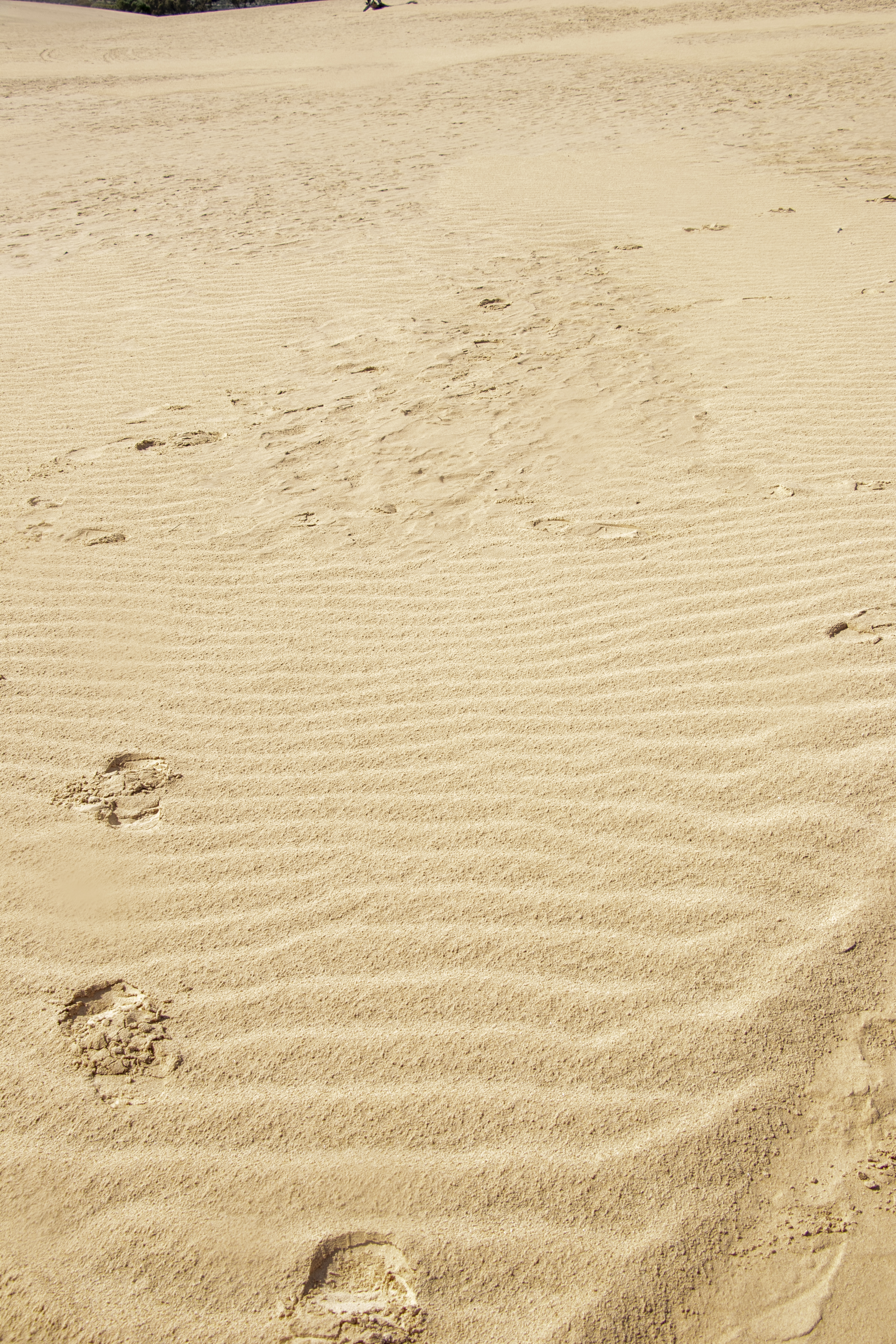
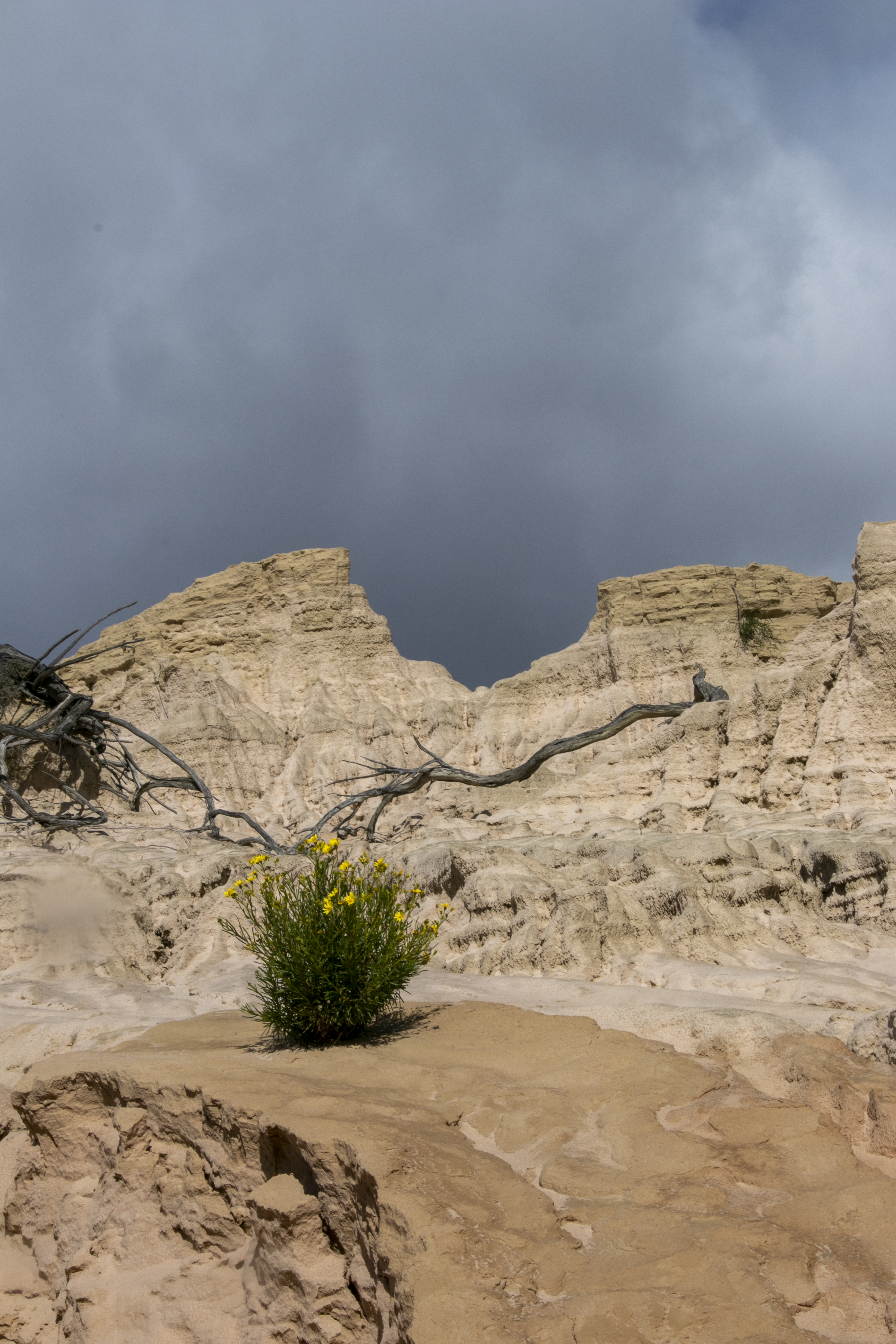
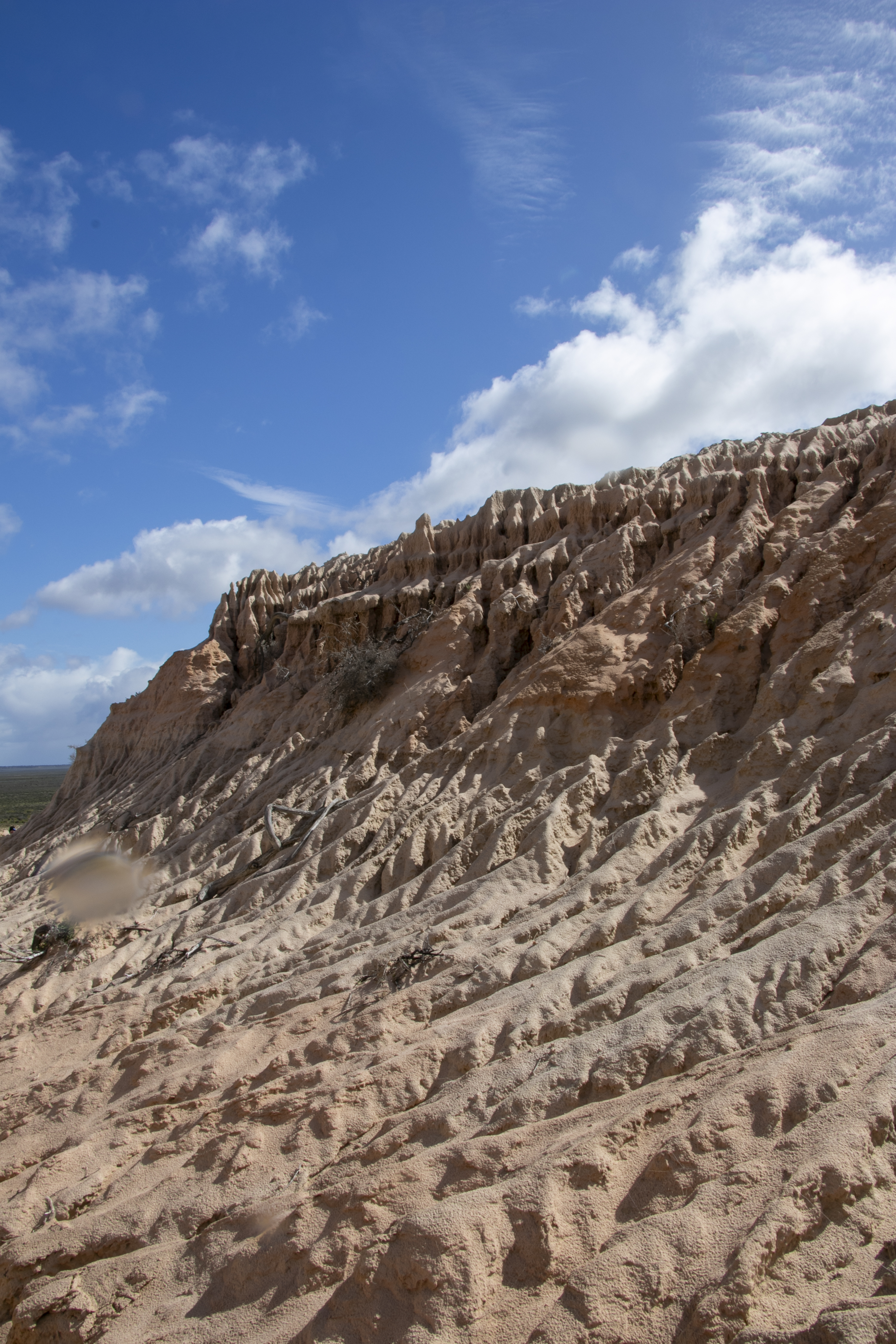
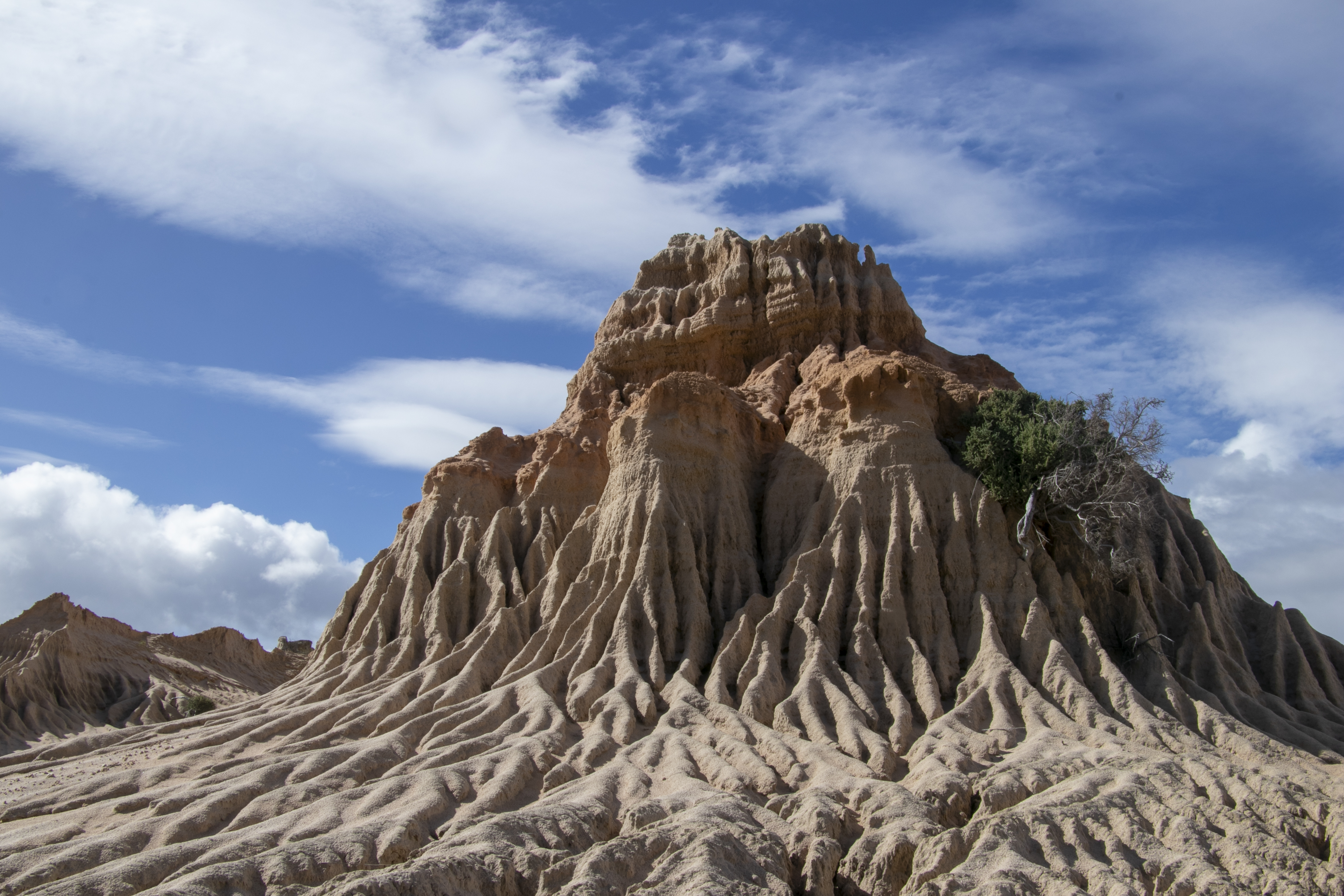
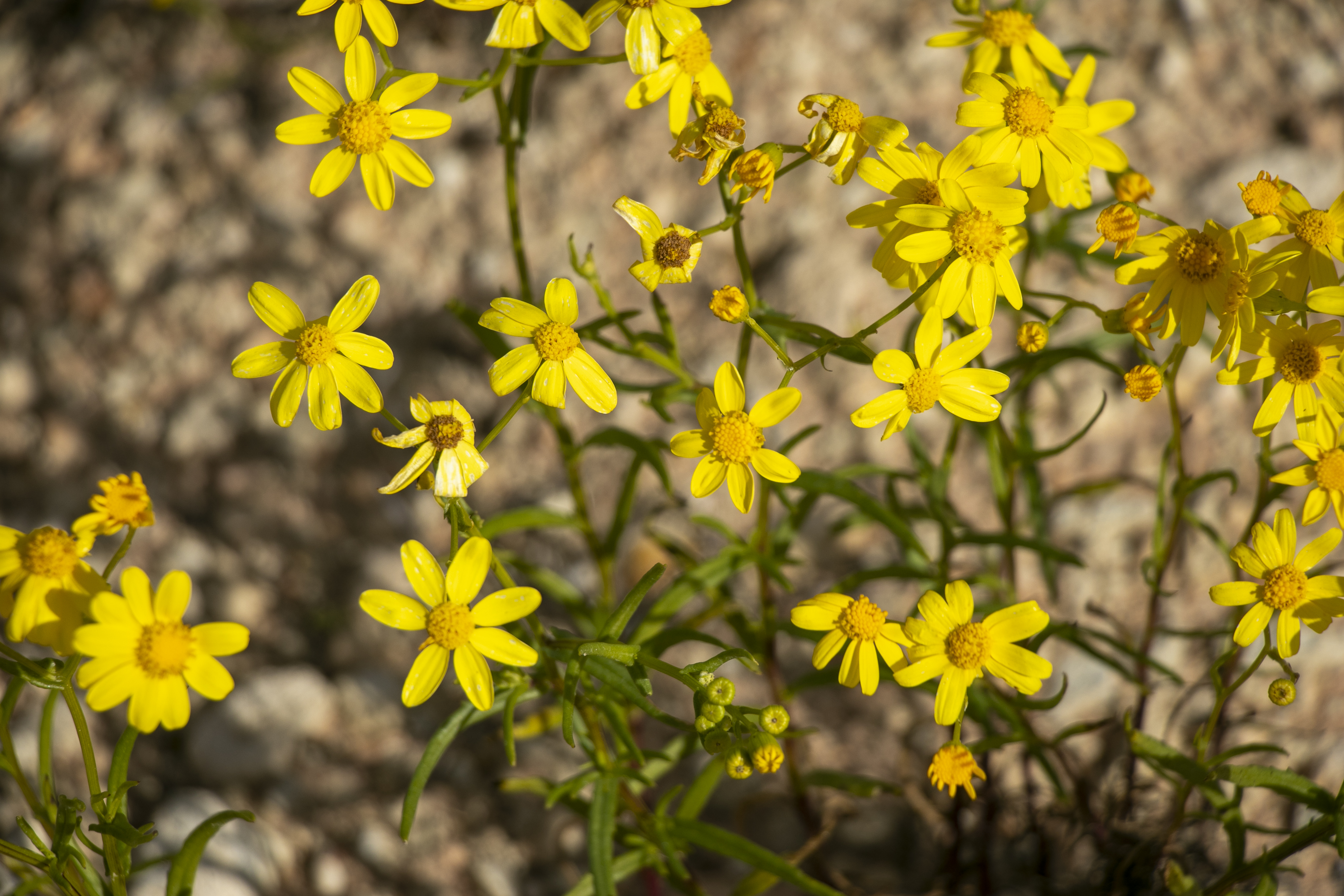
We first walk along the flat lake bed before ascending into the dunes. Surprisingly, we see some very hardy flowers growing there. The dunes comprise of different layers – the top is a very soft white sand, the layers underneath are ochre in colour. The elements have also create lots of interesting formations.
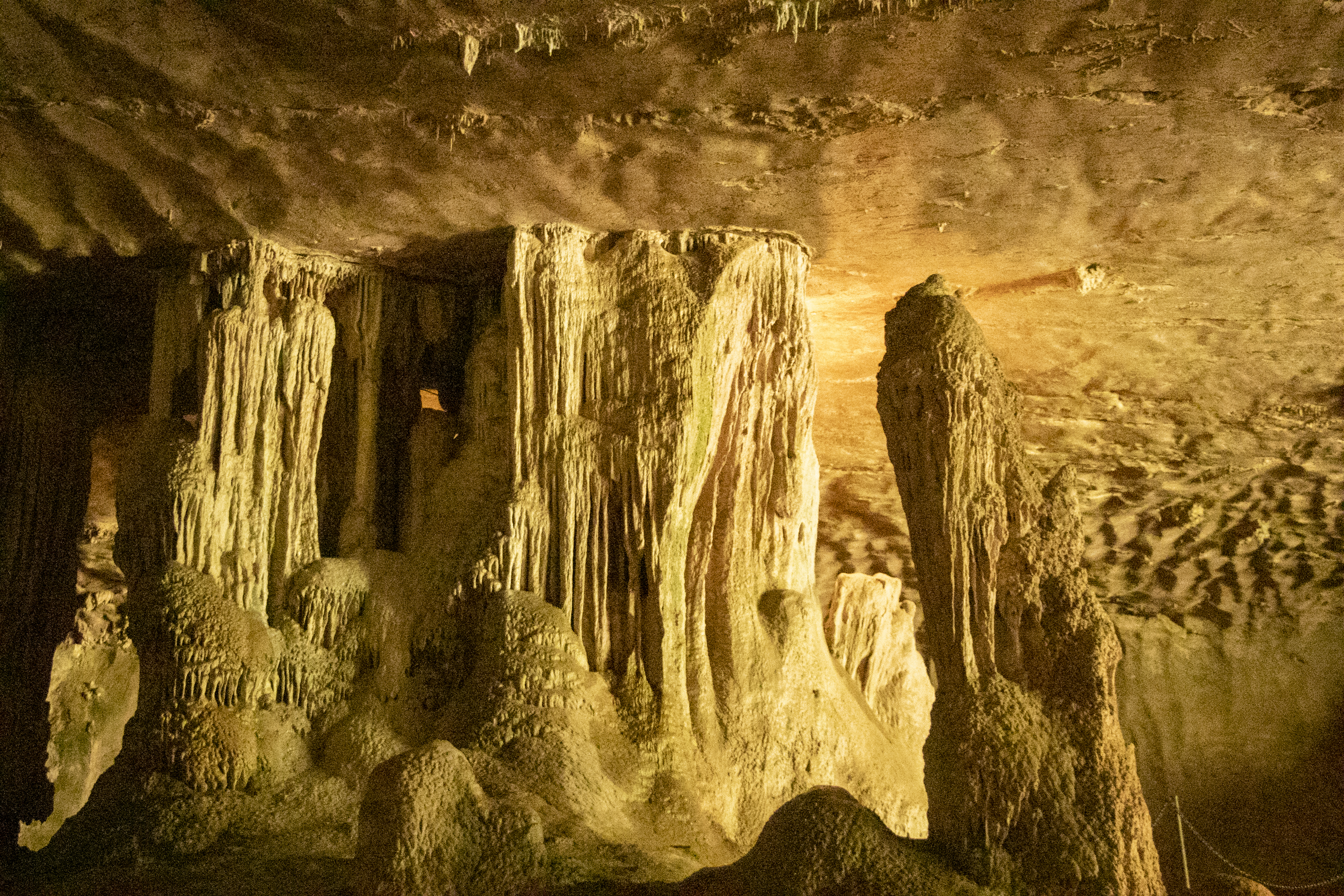
Interestingly, the top sand layer is constantly being eroded by the wind, hence ‘tidbits’ of the long buried past are constantly being revealed. We saw little fragments of bone and other things peeping up as we walked along. This was how Mungo Man and Woman were discovered. It was an interesting walk and I found it interesting as history, geology and palaeontology all came together here.

Southern Highlands – Joadja – Part 2

This is the second and final post of this series on my farm stay at Joadja.

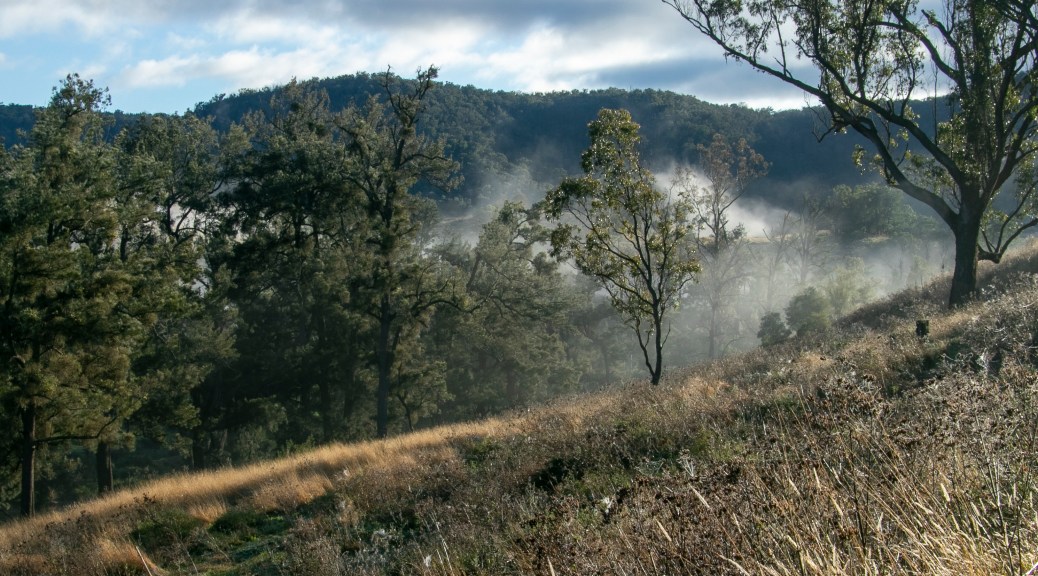
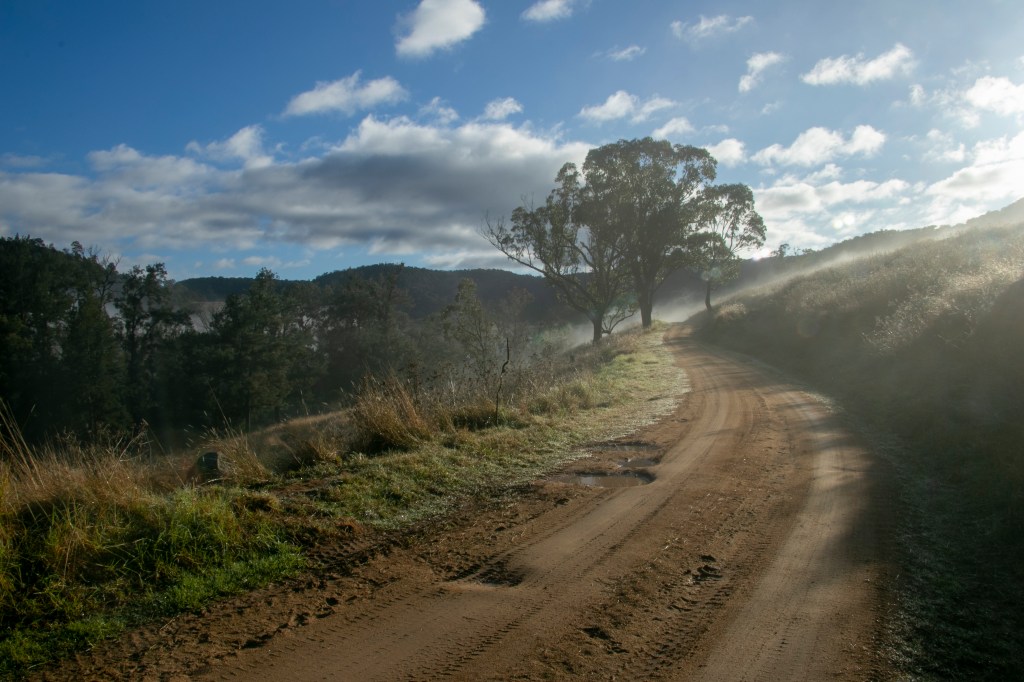
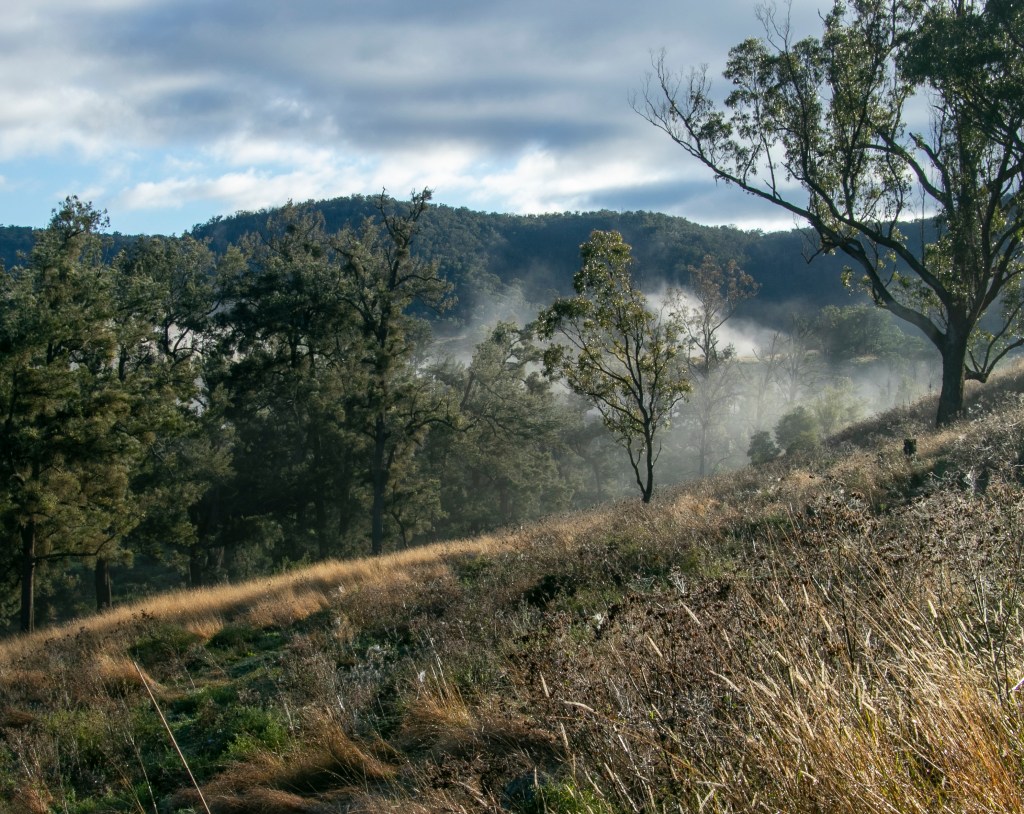
The afternoon of the second day was sunny. You can see the difference in the landscape. Everything looks lush and hopeful.

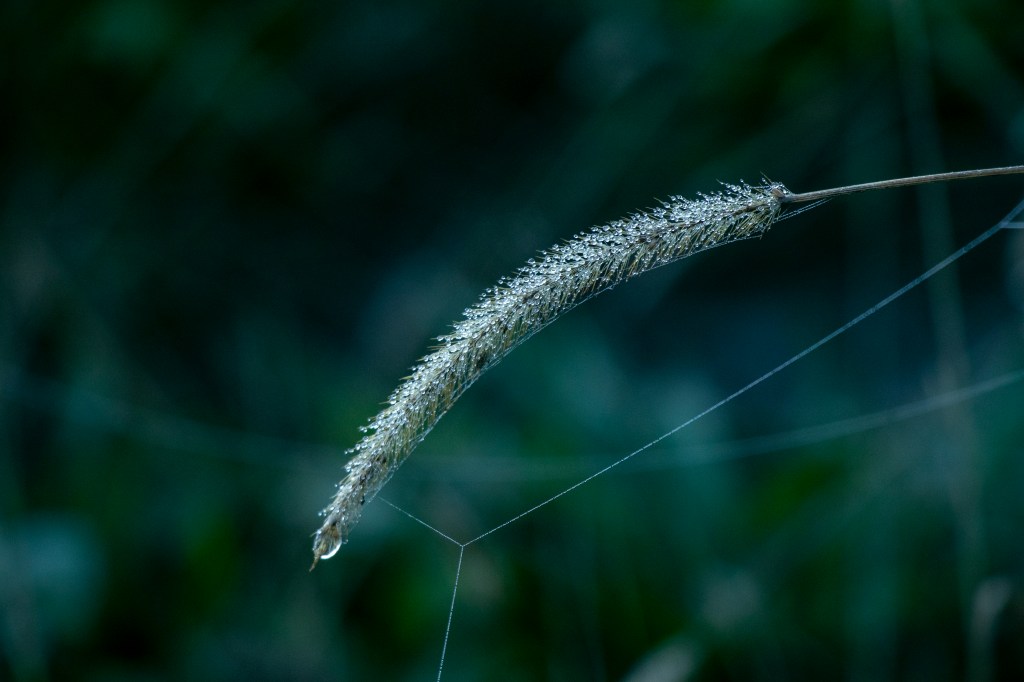
I woke up early on the last morning in order to take advantage of the gentle early morning light. Being a mid-May morning, there was a little mist and a lot of dew. It’s a magical time to be out-and-about.

The sun eventually cleared the horizon, bringing about another clear morning. I think I appreciated the day a bit more knowing what has come before.

Abercrombie Cave

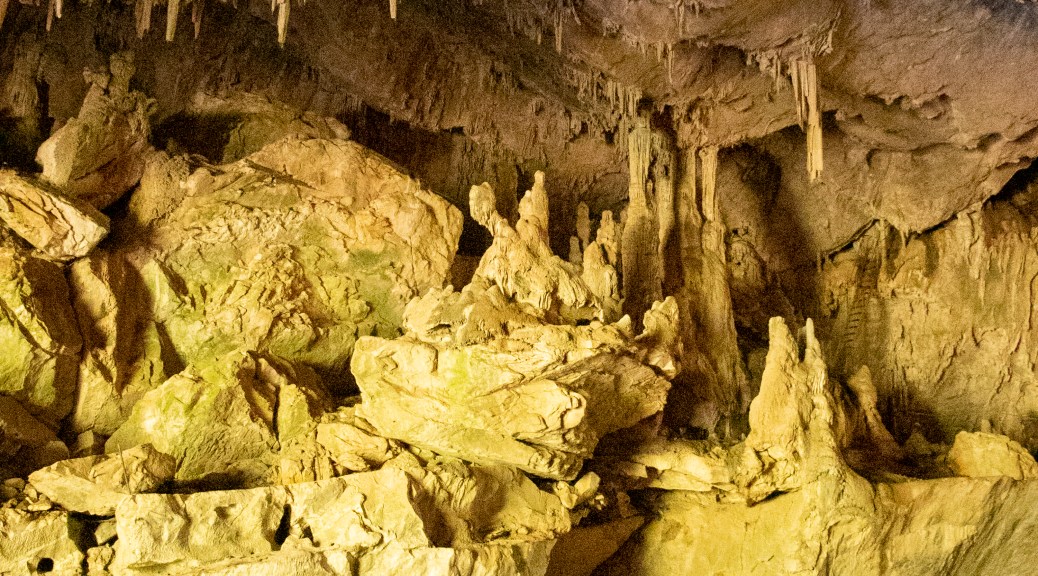
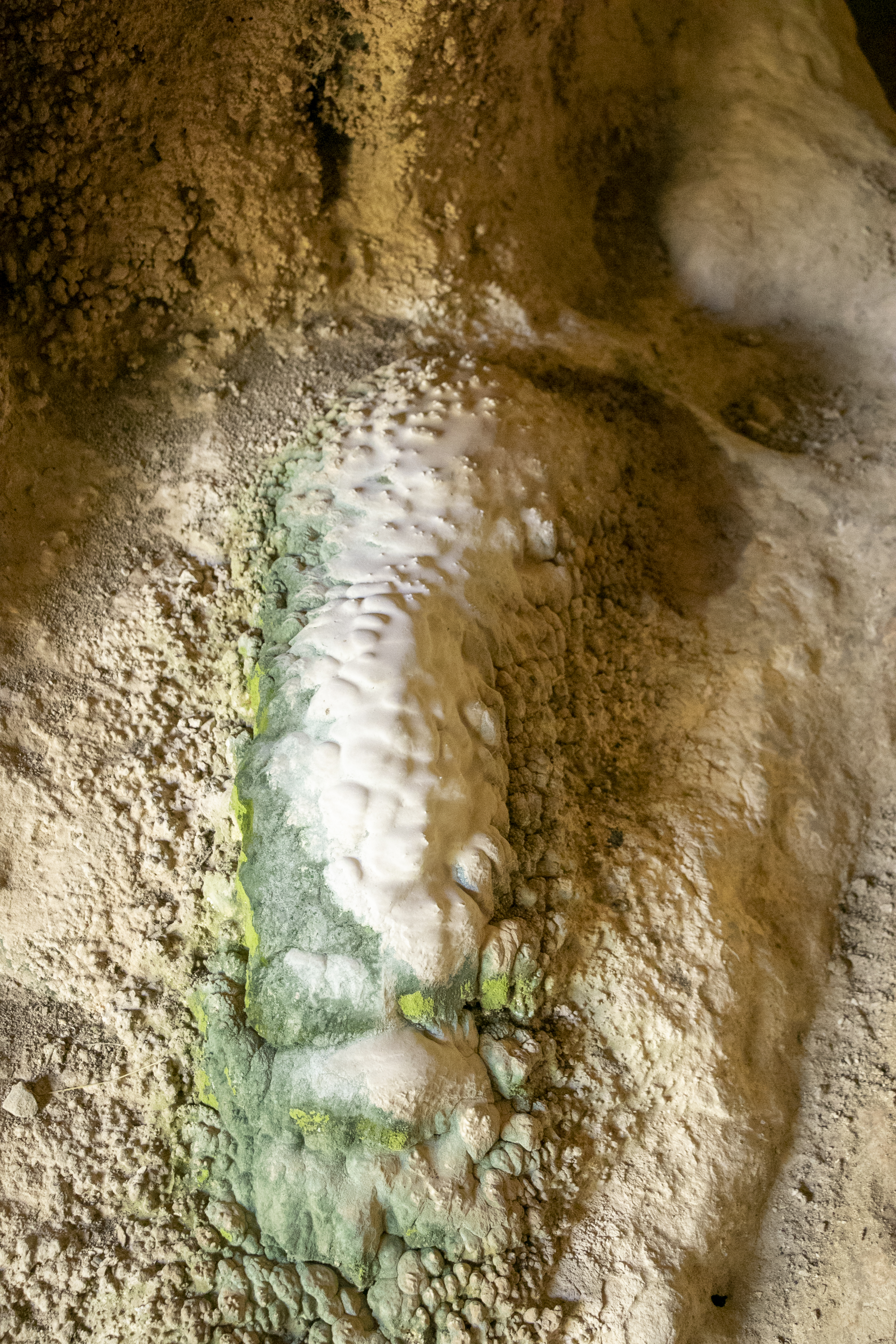
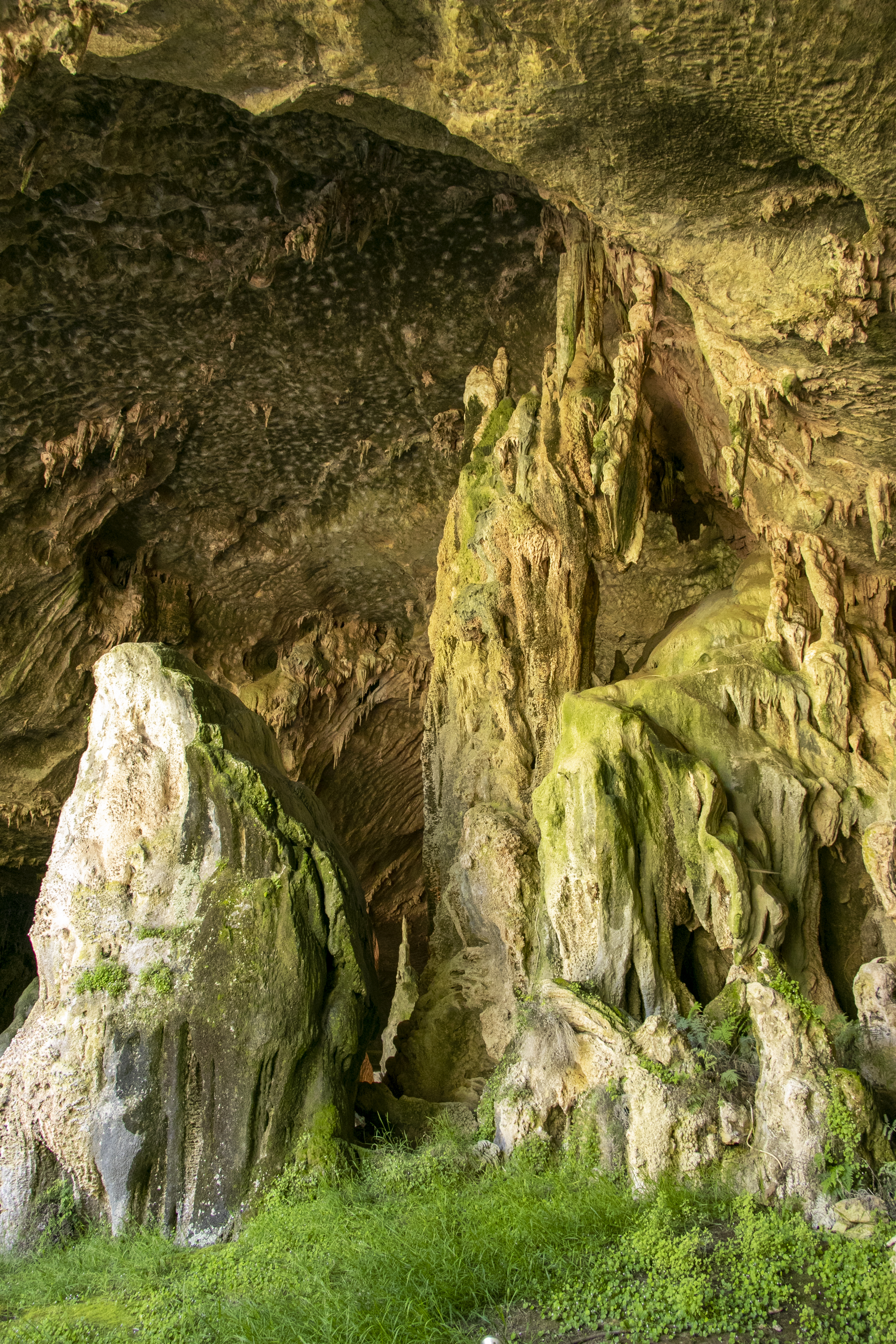
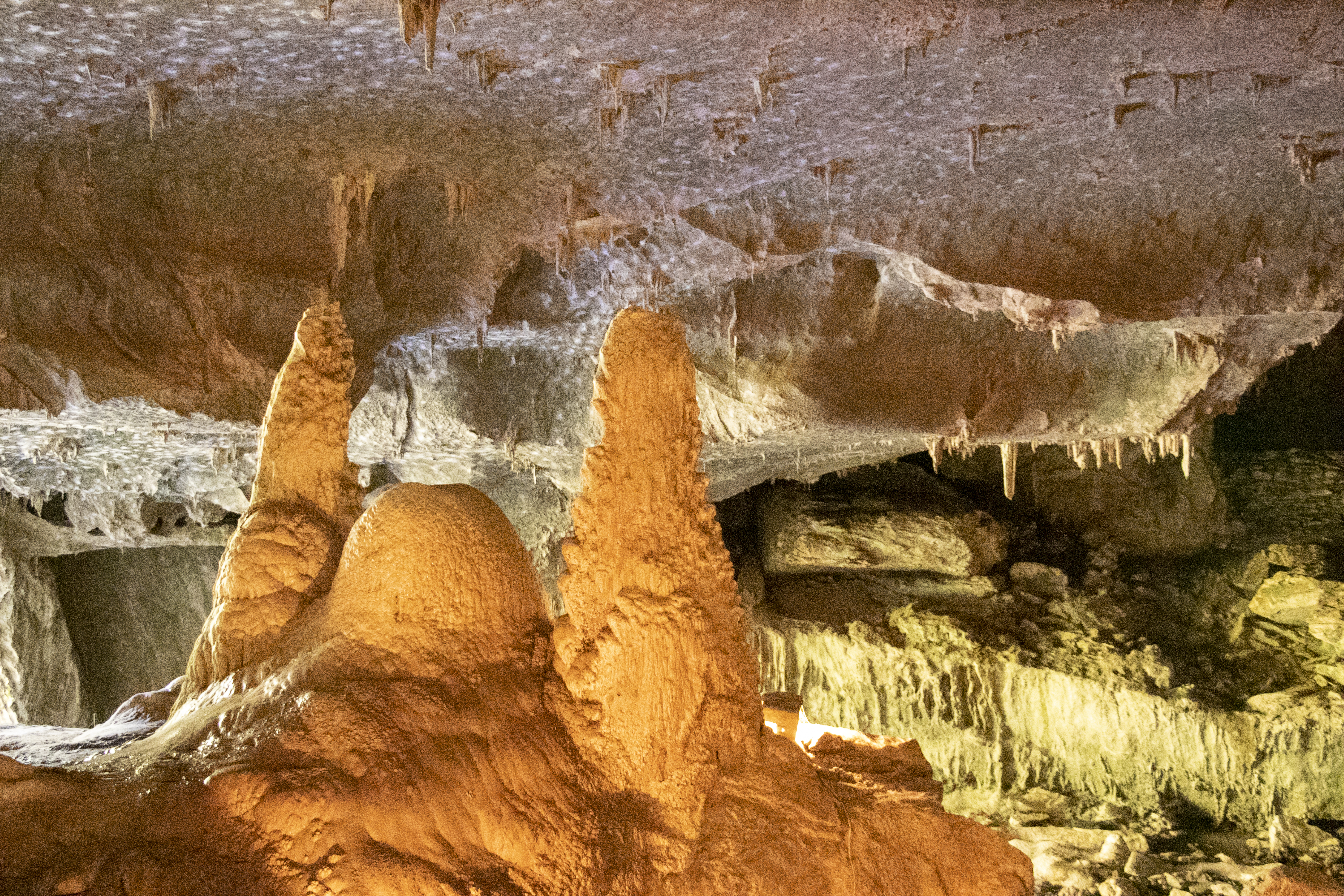
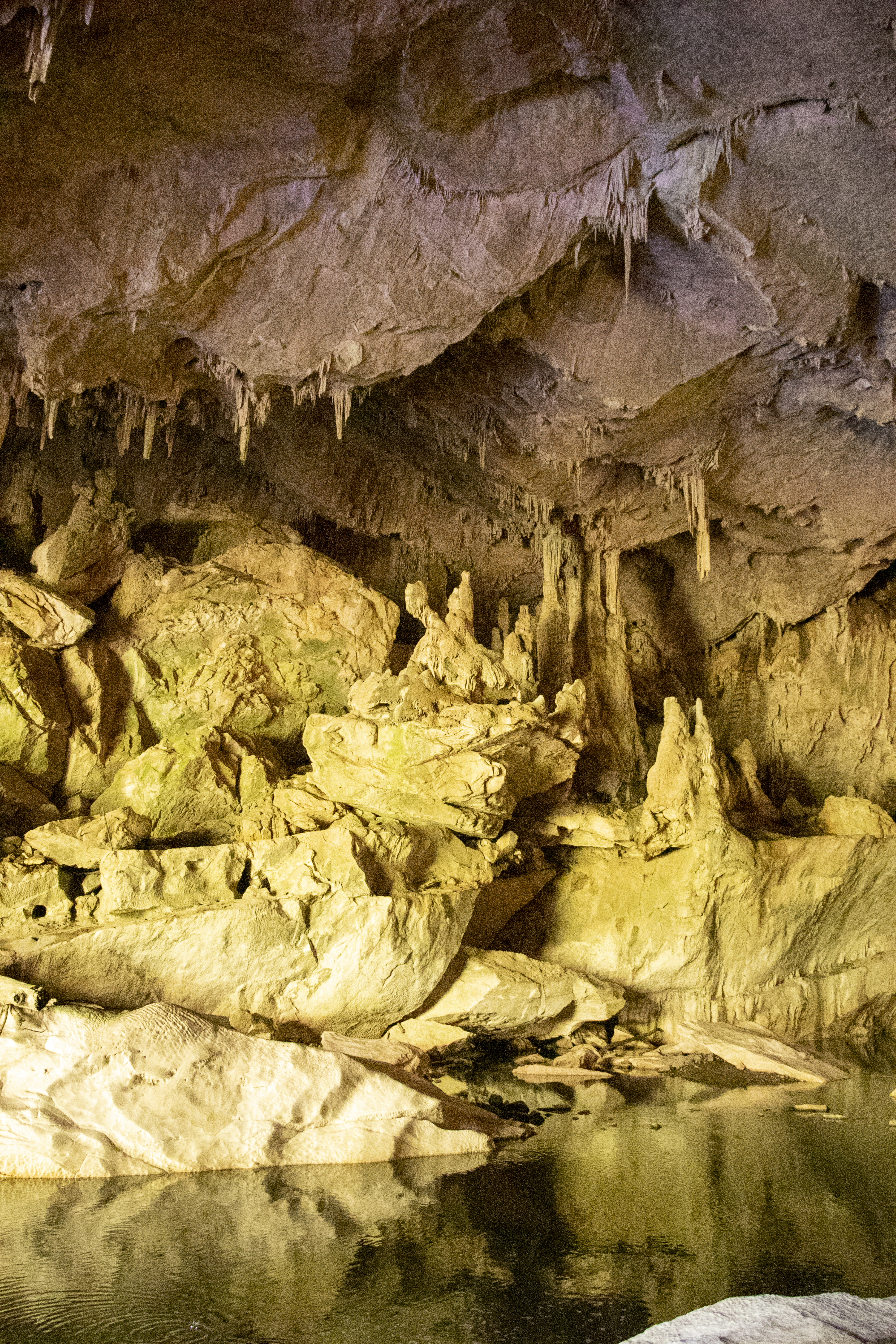
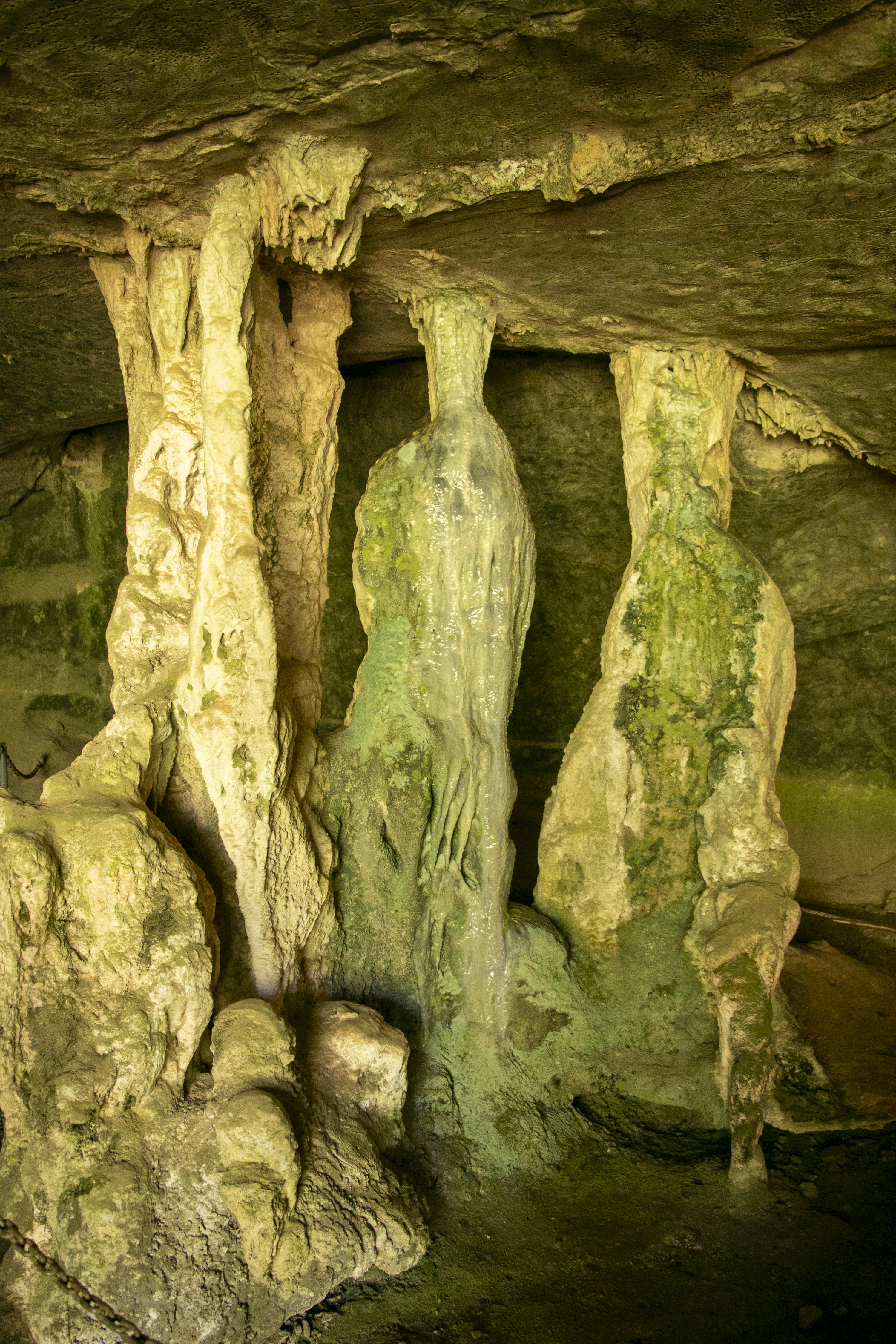
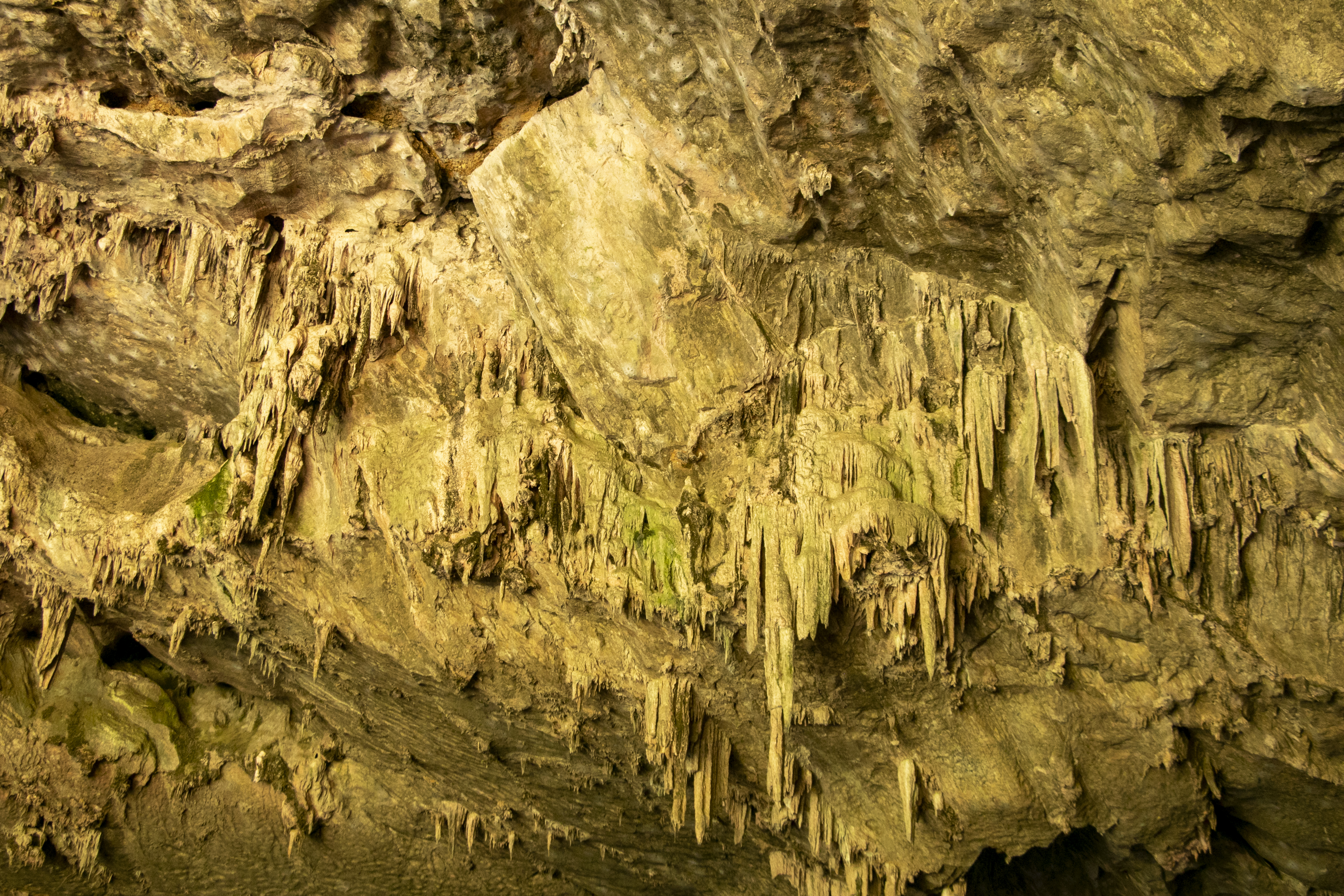
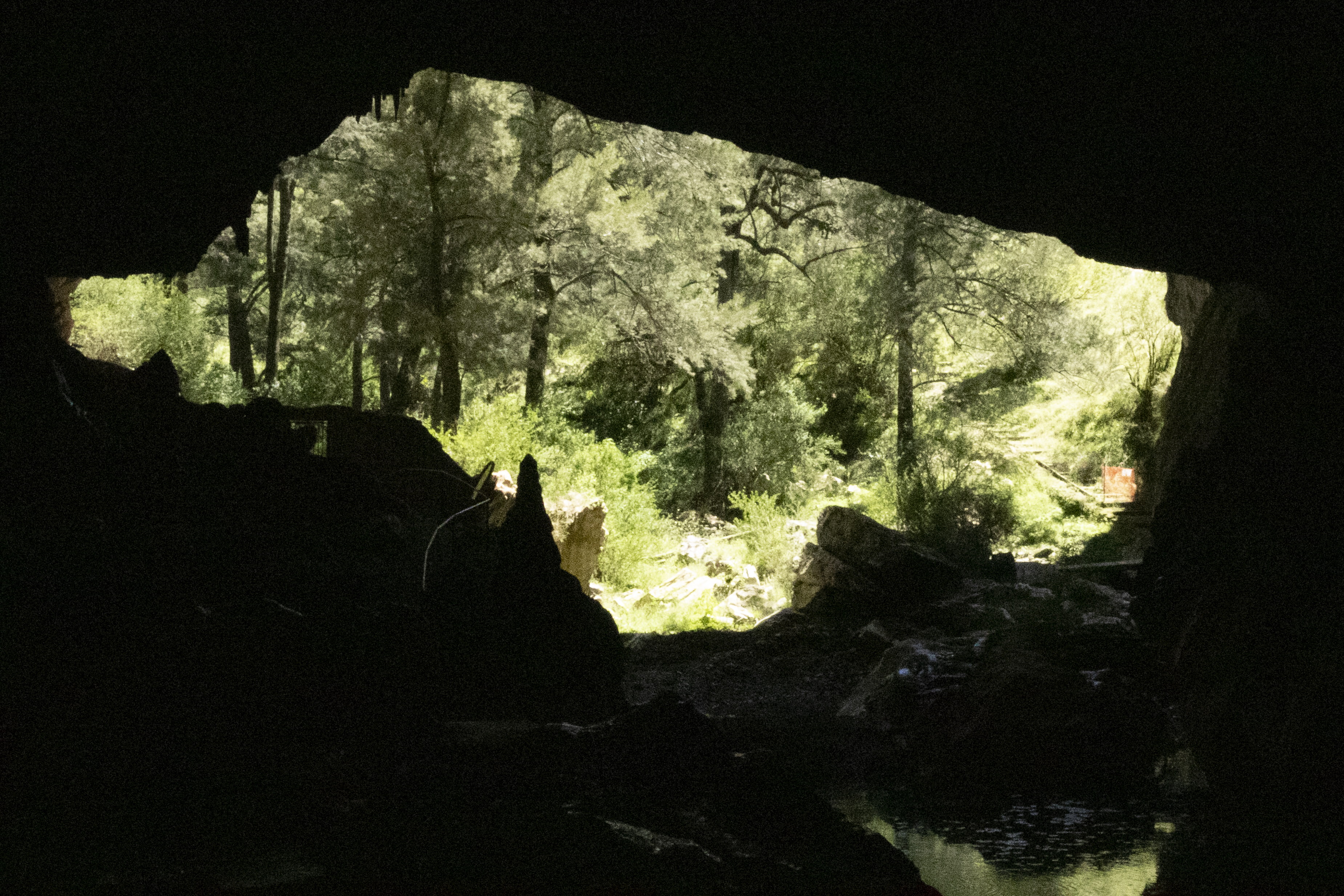
I haven’t posted about caves in a long time. Probably because I haven’t been to any in about 10 years. We’ll visit a less well-known one in this post – Abercrombie Cave.

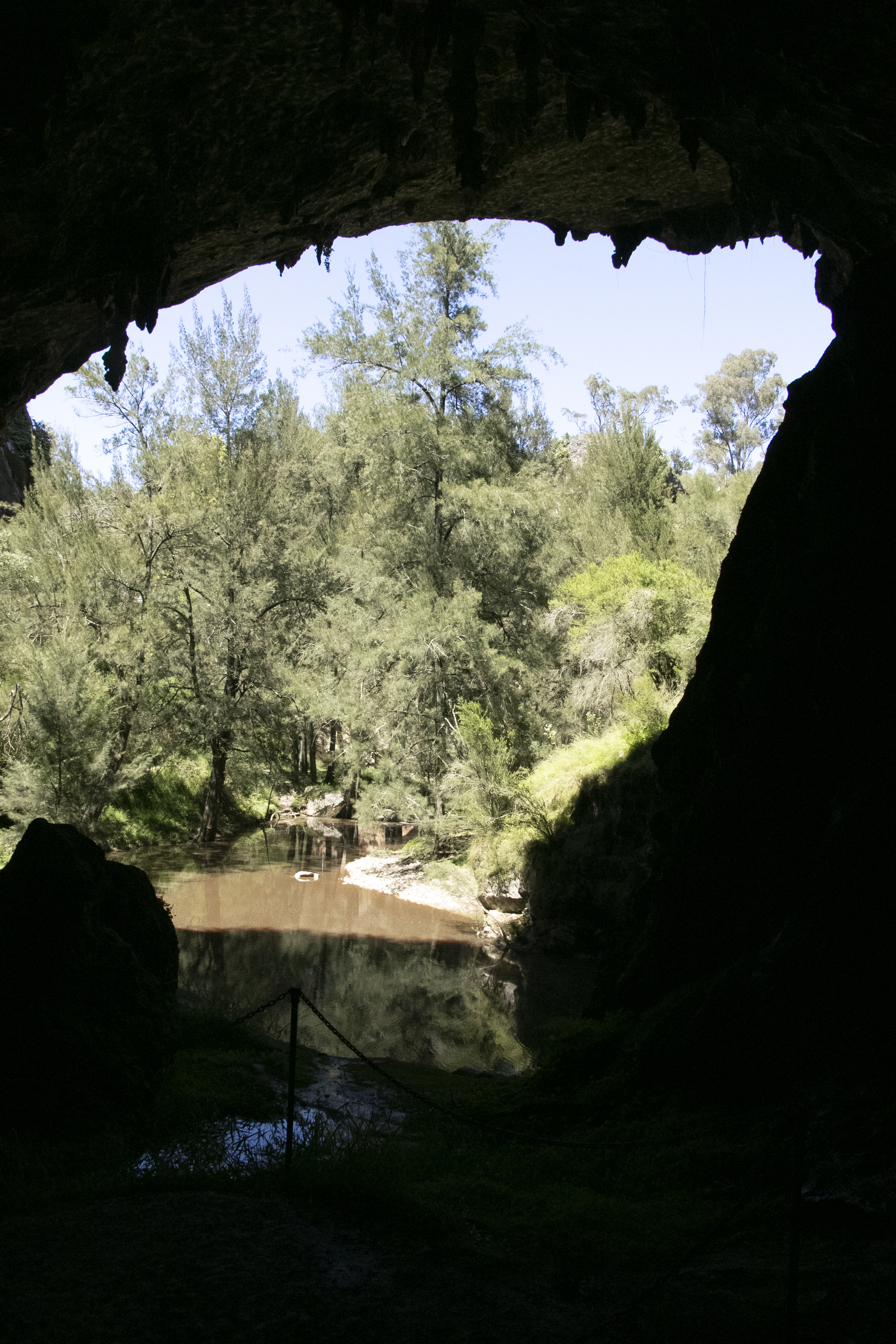
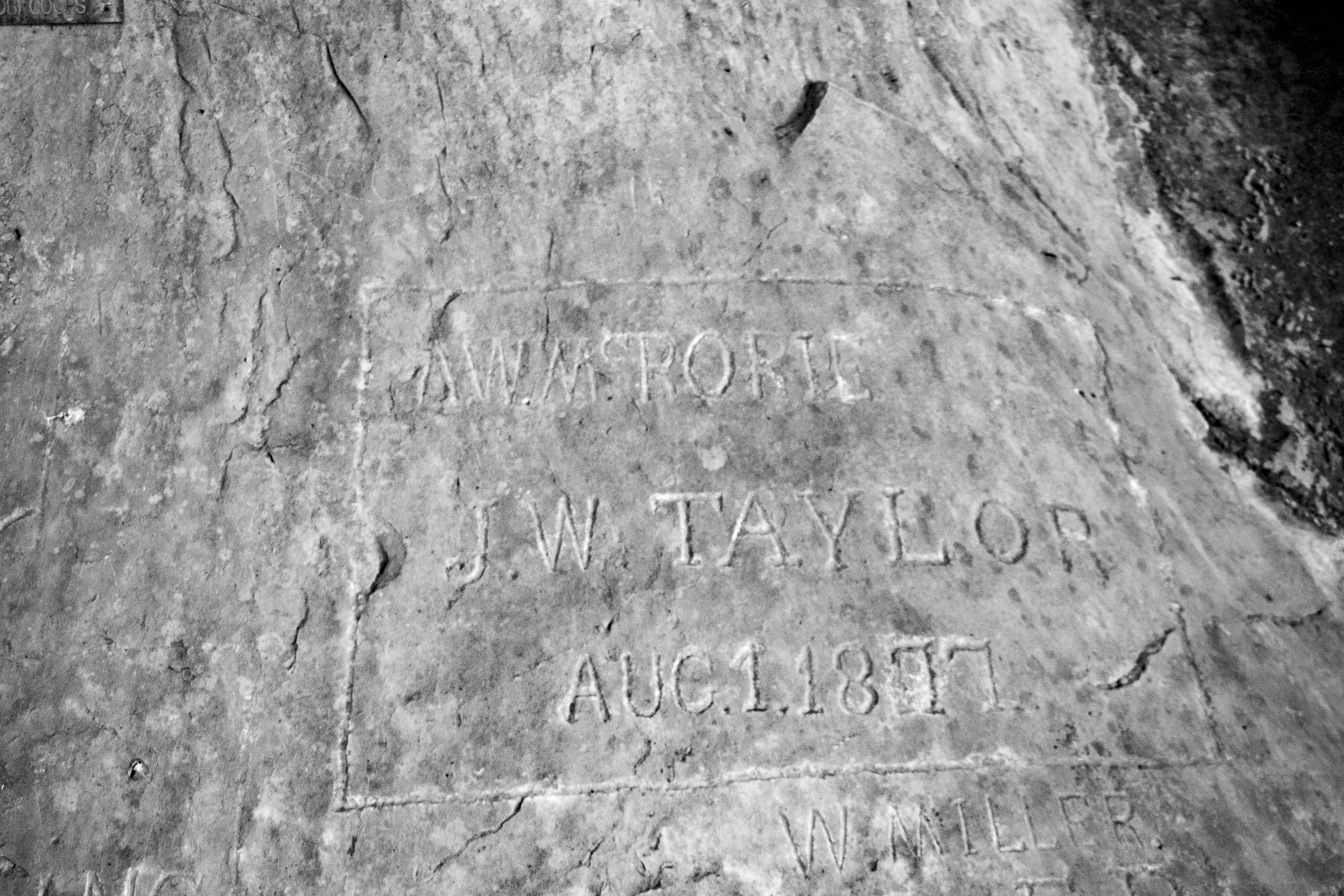
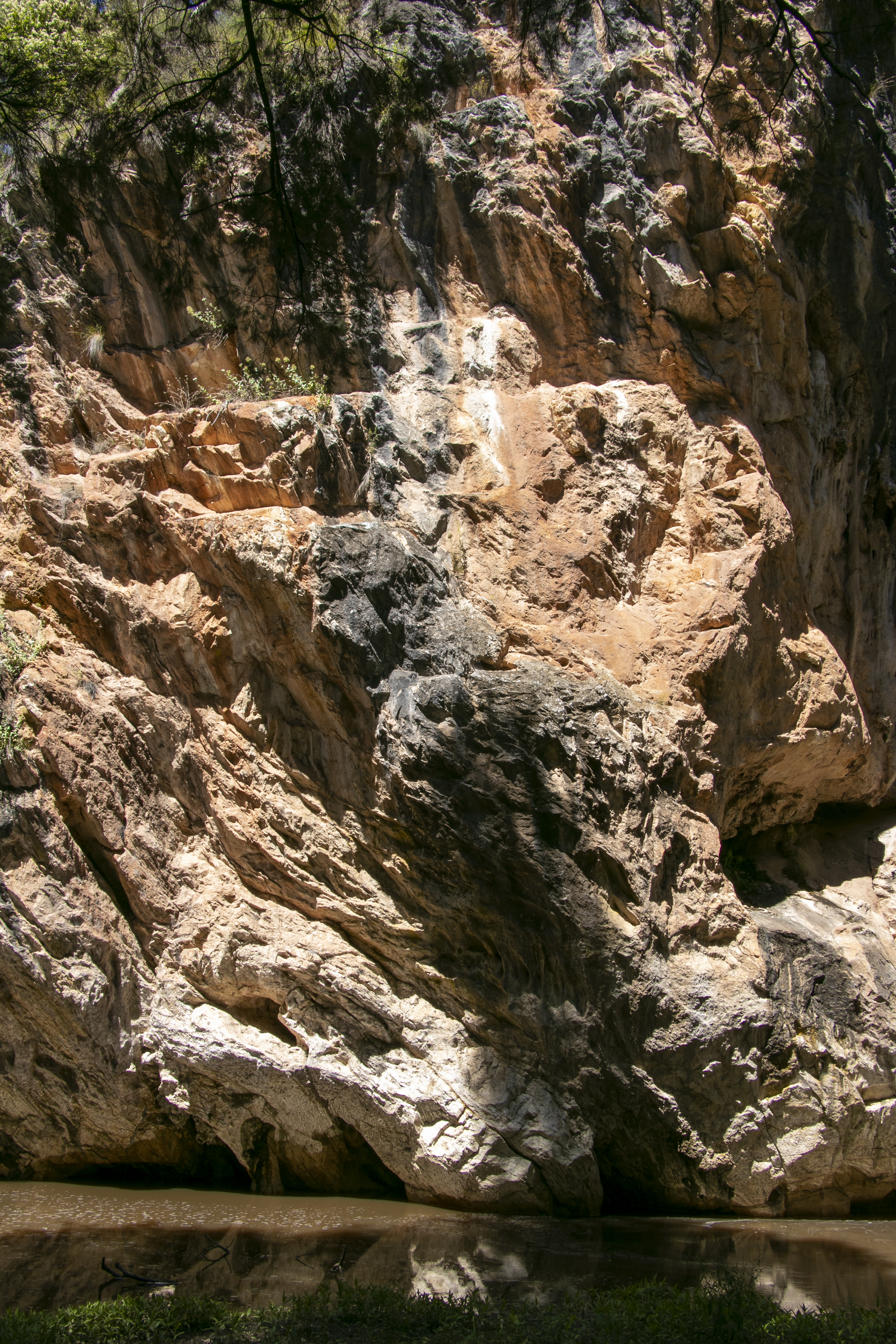
Often outshone by the much more extensive Jenolan Caves or Wombeyan Caves, Abercrombie is tucked away in the western side of the Great Dividing Range, off the Bathurst to Crookwell Road. It’s just one cave, really, and a relatively short and straight-forward one, so it’s self-guided – the ranger let’s you in and then walks away! But because it’s so secluded, we got the cave all to ourselves for a whole 30 minutes!

Lord Howe Island – Under the Canopy

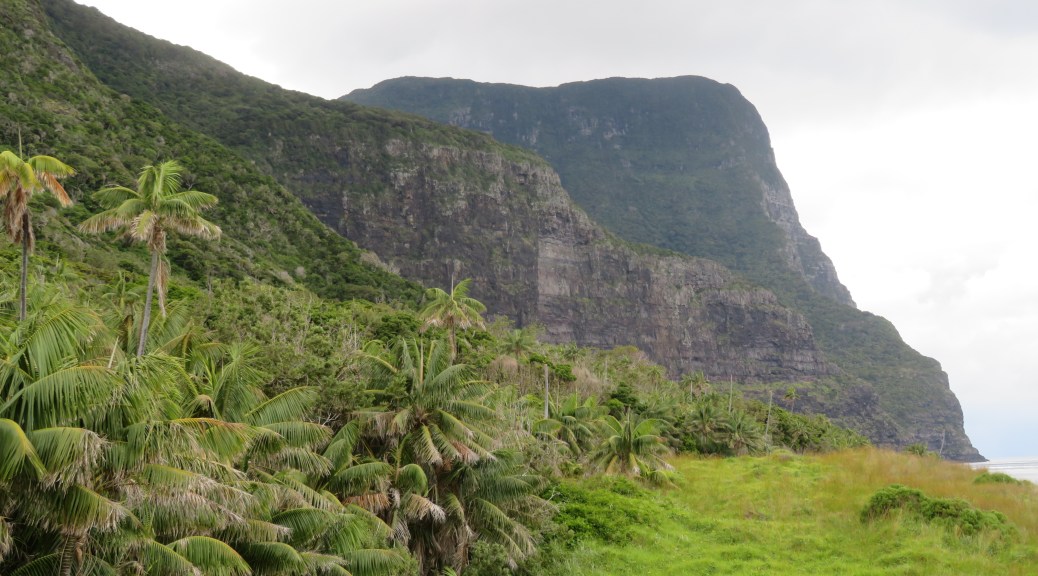
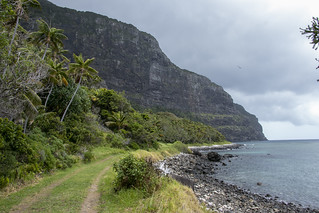
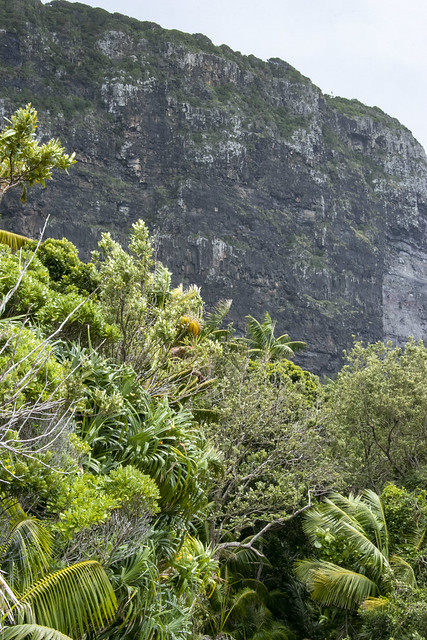
Despite the presence of settlers for almost 190 years, the island still retains much of its original vegetation. That vegetation is in the form of subtropical rainforest. With the impressive landforms of Mounts Lidgbird and Gower (the remnants of a 7 million year old volcano) that drop off right into the ocean, the landscape is very Jurassic Park– like.

Under Mount Gower
Little Island Track.
Under Mount Gower
Under Mount Gower
Under the Canopy

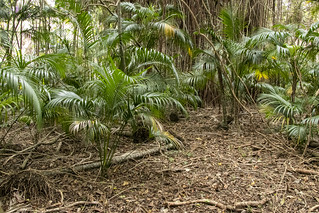
You can see the presence of Kentia palms everywhere in the rainforest. These palms are commonly found as indoor plants everywhere around the world from back in the 19th Century.

Under the Canopy

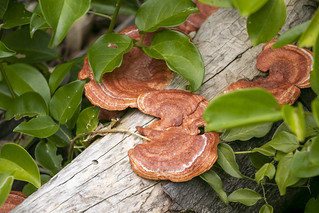
Aside from these palms, there is also a variety of strangler vines and multi-coloured fungi.

Strangler Figs
Forest fungi

All of this is a short stroll from civilisation – and with the both easy and challenging tracks about, and the lack of stinging insects, it means that this rainforest is just about perfect (for me anyway)!

Hobart

Well, it might have taken me awhile, but we’ve finally come to the final chapter of our 2019 Tasmanian trip – a short visit to Hobart. On this visit, we stayed in the historic inner city suburb of Battery Point. It is on a hill and so affords a good view of the Derwent River.

Battery Point Walk

While wandering around the local park, hubby was happy to find out that it had had a famous scientific visitor in the past.

Battery Point Walk

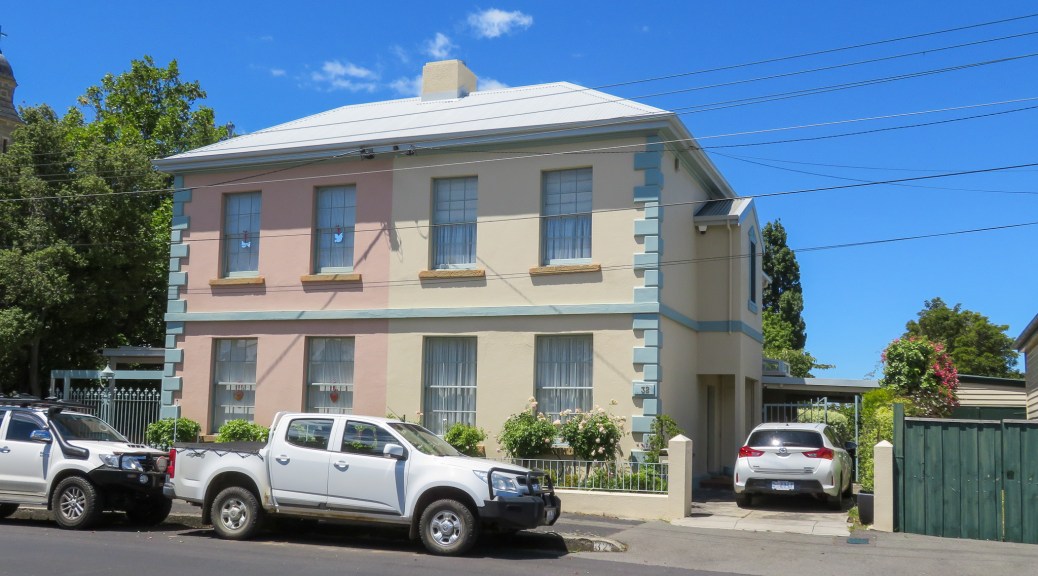
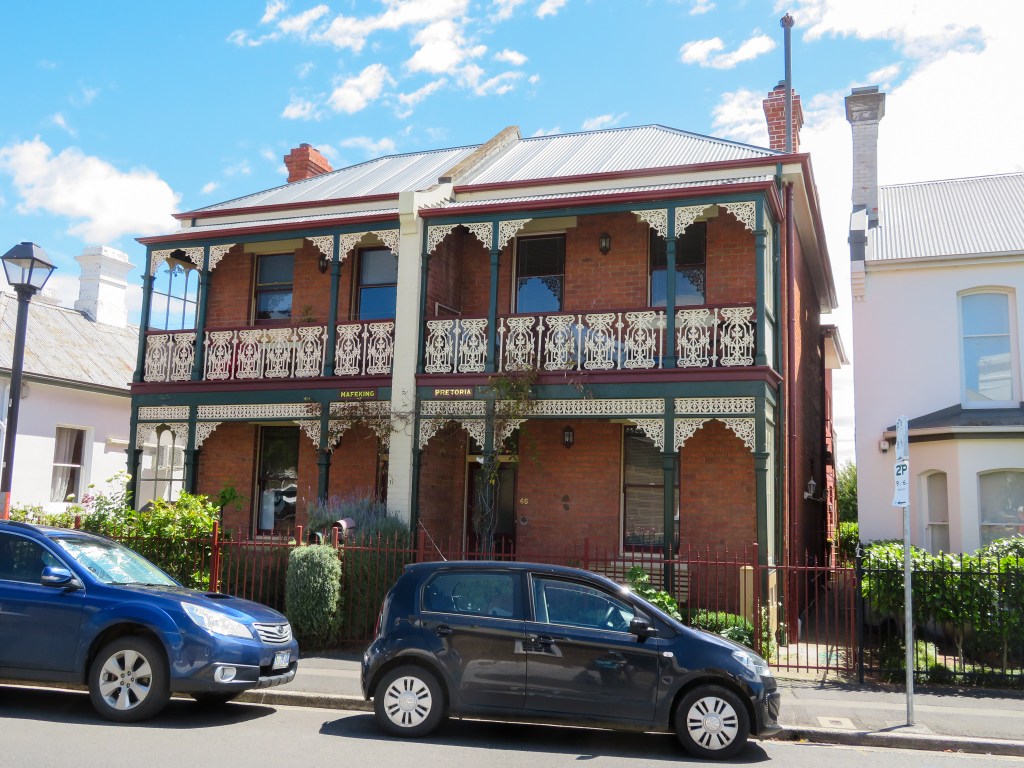
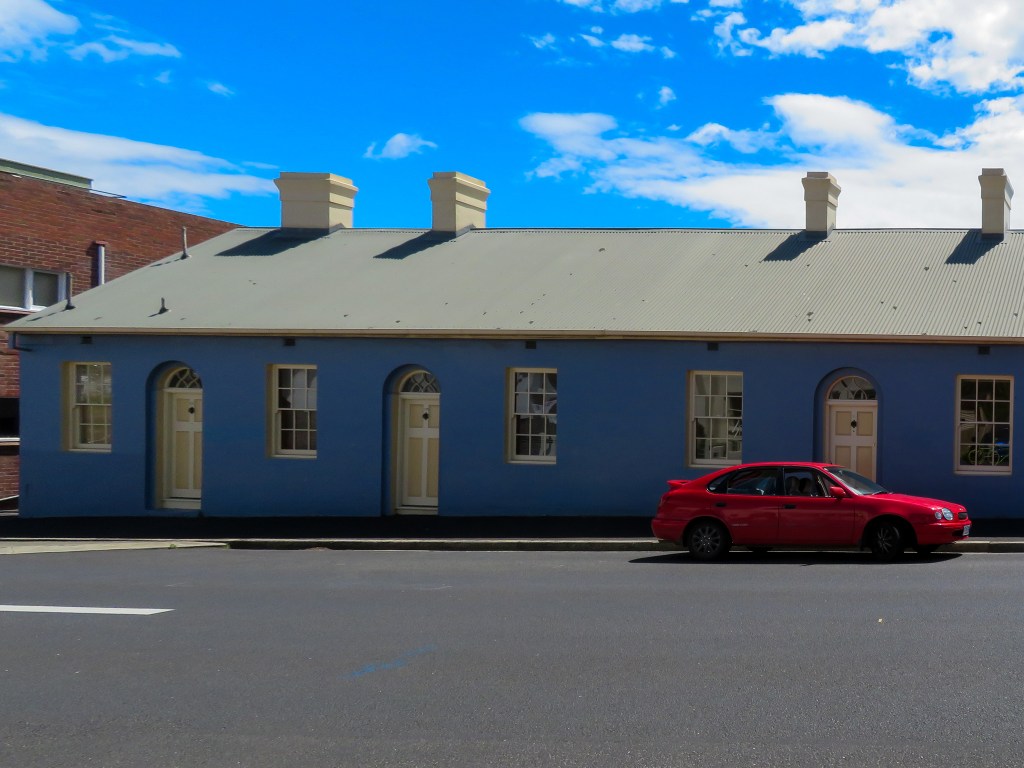
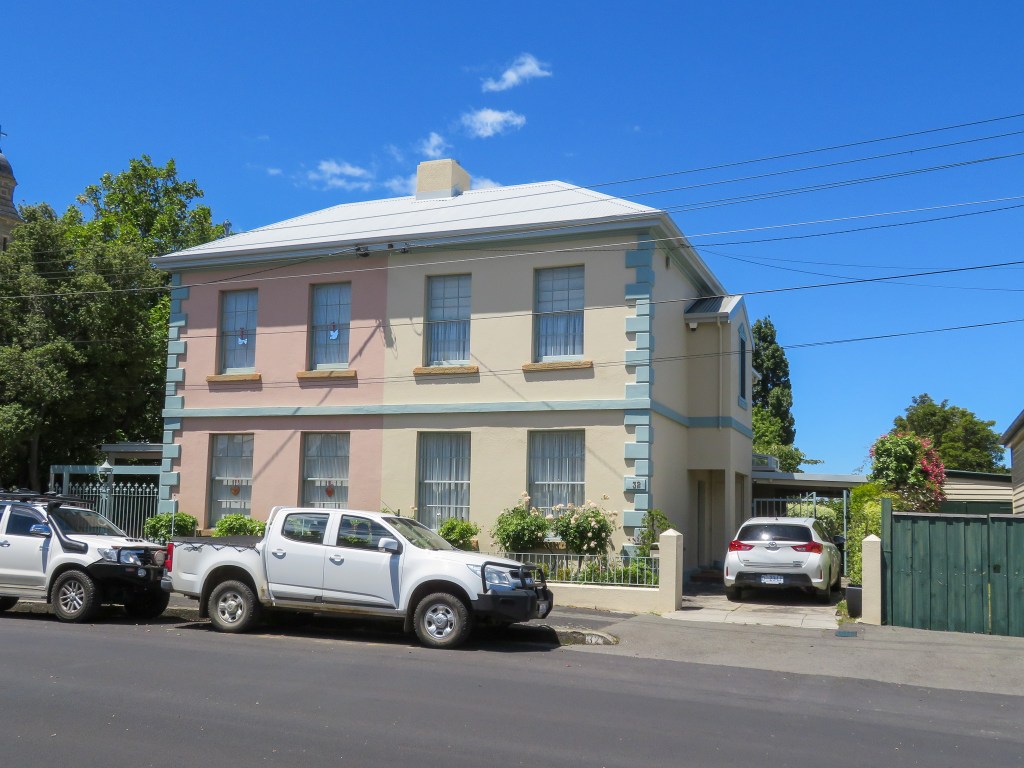
Wandering around Battery Point and its neighbouring suburb, Sandy Bay, we were happy to see a lot of colonial era houses still in good condition. Probably not surprising since they’re two of the most expensive suburbs of Hobart.

That’s all from Tasmania. But I’ve done some travelling since then, so I’ll be back with more adventures soon!

Launceston – Part 2

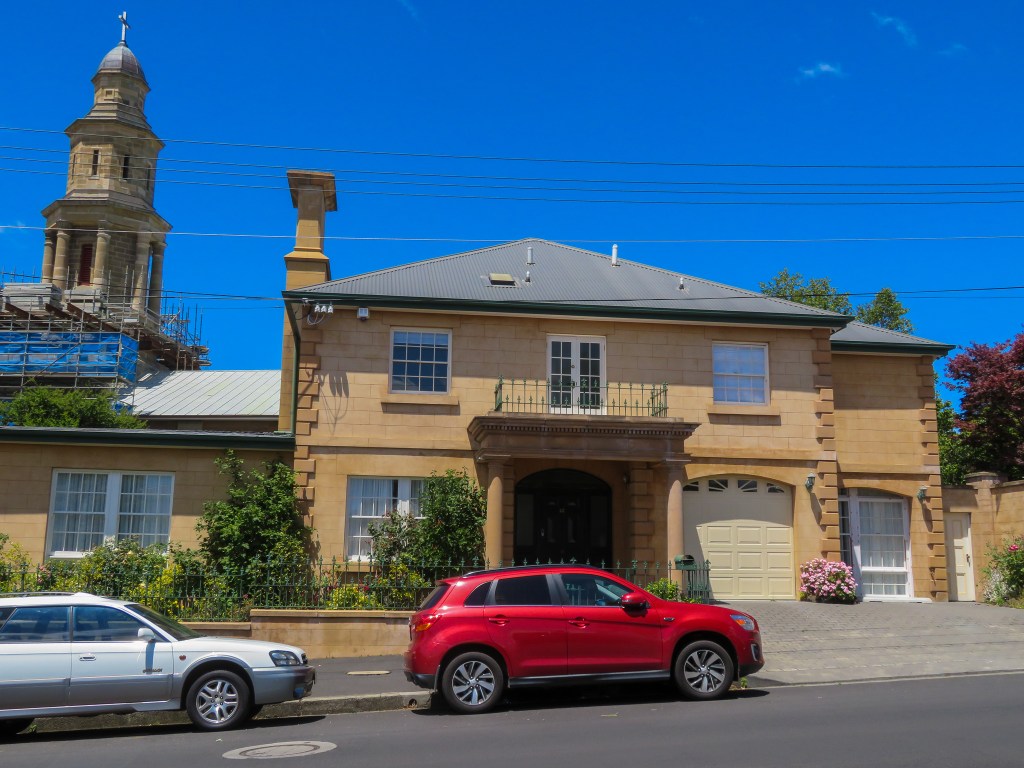
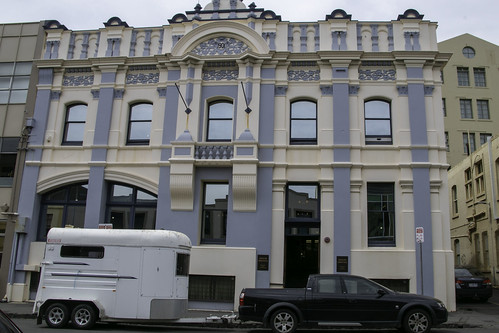
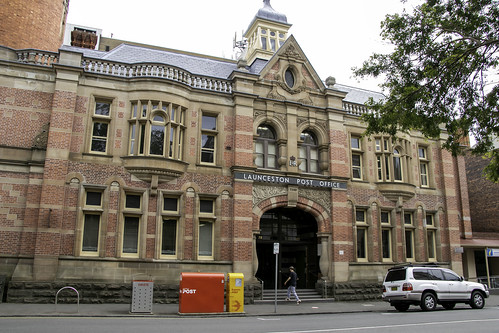
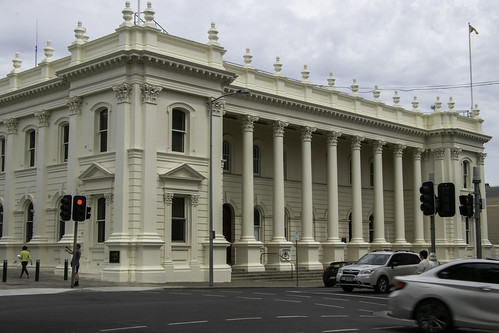
Being a town founded in the 19th Century, there were quite a few Victorian era buildings.

Launceston

But in the Mall, there were quite modern sculptures of our favourite extinct marsupial, the thylacine, aka. the Tasmanian Tiger.

Launceston

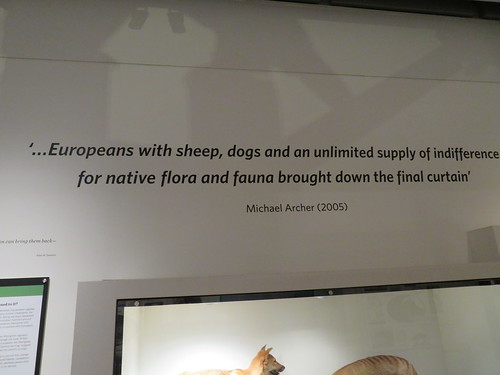
We saw lots of representations of the thylacine in Launceston, and saw more exhibits in Launceston’s Queen Victoria Museum and Art Gallery. In the museum we came upon this little quote.

Launceston

And another amusing quote we found in the museum, very relevant for some people I know.

Launceston

Launceston – Part 1

The New Zealand series is now done and dusted but there are plenty of photos left to go through from past trips. For the next while, I’ll be examining more of Tasmania, where we spent two weeks in December 2019.

The strongest memory from that trip was simply being able to breathe fresh air again, as Sydney had been under a smokey haze from successive bush/forest fires for months by that time. The trip starts up north in Launceston and ends in Hobart.

Launceston is a city I have visited, but generally only in passing. It was good to spend a few quiet days there getting used to the Tasmanian pace of life (which is generally relaxed).

Launceston is a sizeable town by Australian standards and pretty big by Tasmanian standards. Having its first European settlement in 1804, it is also quite an old colonial settlement, though the first Tasmanians arrived some 40,000 years ago, when the Bass Strait was still land, and were isolated from the mainland 8000 years ago when the sea levels rose after the last ice age.

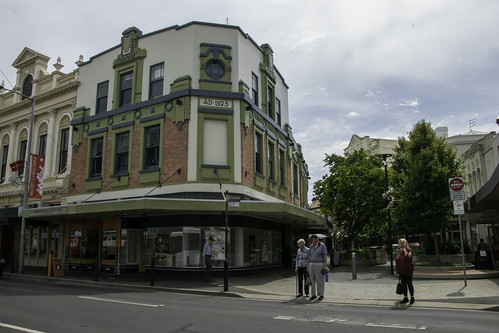
The age of the settlement meant that there are buildings of varying ages in the CBD.

The post office is gothic Victorian.

Launceston

While this building is in the 19th century classical style.

Launceston

There are some terraces.

Launceston

And art deco.

Launceston

But my favourite was relic from the past.

Launceston

Christchurch – Part 3

Still in deep lockdown… So don’t really want to talk about anything too dark today. Actually, I want to show you the ways that Christchurch has rebuilt itself in the time following the disaster.

In my previous post, I concentrated on the ruins, and you might remember seeing the ruins of the Anglican Cathedral. The people of Christchurch didn’t want to be without a place of worship for too long, so they quickly commissioned the Cardboard Cathedral, which was opened 2.5 years after the earthquake.

Christchurch CBD Creativity

It’s a very creative and positive building to enter, and when we visited there was a lot of activity. It was supposed to be temporary, but I heard they’ve decided to make it a permanent fixture for the city.

In other places around the city they’ve planted gardens where there were buildings. This one is a memorial garden in the place where the CTV station building was.

Christchurch CBD Creativity

Other places are getting rebuilt in typical 2010’s style.

Christchurch CBD Creativity

However there are places that are a little more innovative. Christchurch is famous for its use of shipping containers as structures.

Christchurch CBD Creativity

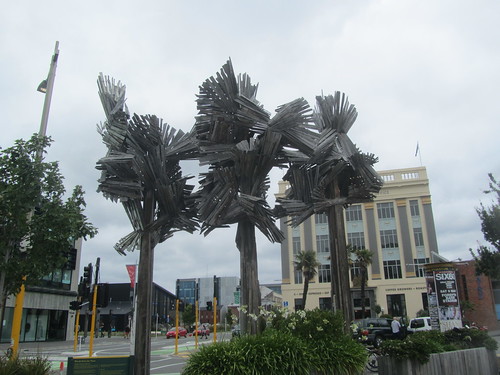
And some interesting sculptural elements.

Christchurch CBD Creativity

Christchurch CBD Creativity

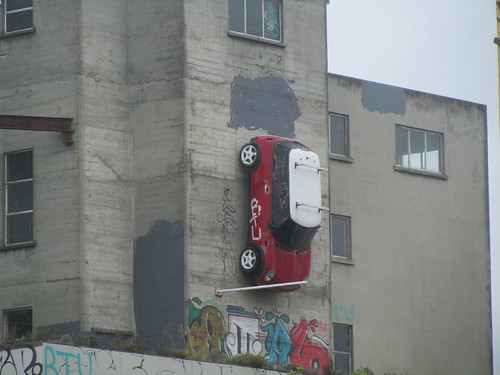
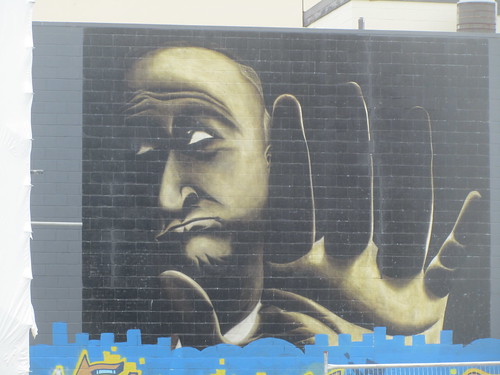
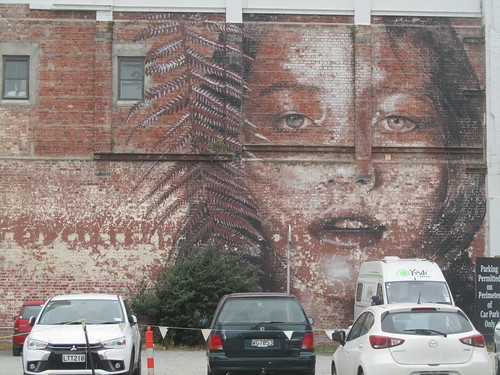
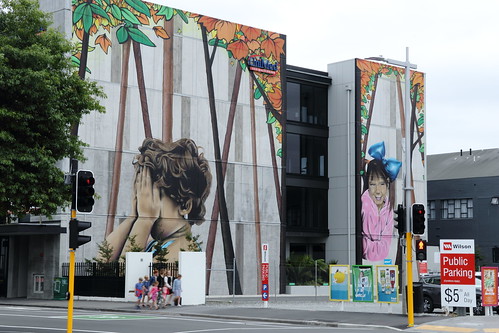
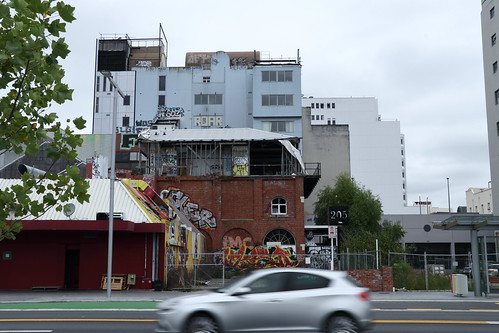
And finally there’s a proliferation of street art everywhere you look, on old and new buildings.

Christchurch CBD Creativity

Christchurch CBD Creativity

Christchurch CBD Creativity

Christchurch CBD Creativity

The combination of all this artwork is very moving. It shows a city that’s rebuilding itself using art. We can learn a lot from that.

Christchurch – Part 2

Walking around the CBD at Christchurch in 2018, I was of course struck by the level of devastation that the earthquake had caused. But in saying that, I was also struck by the things that have survived.

Christchurch 2018

Christchurch 2018

Christchurch 2018

Looking at these photos, it was reassuring that the old-time pioneers built such hardy buildings.

Christchurch 2018

Christchurch 2018

And even when the buildings were damaged, the fact that they survived in some form (as in the case of the Anglican Cathedral) is astonishing.

Christchurch 2018

A walk to Fossil Point – Part 2

Once over the dunes, the beach stretched out before us.

Walk to Fossil Point

Walk to Fossil Point

We were on the windy west coast, and boy, was it windy. And everything was on a vast scale.

Walk to Fossil Point

Walk to Fossil Point

Our destination turned out to be these boulders of beach rock, as they contained fossils – shells that are remnants of the sea floor that existed during the Miocene period, approximately 10 million years ago.

Walk to Fossil Point

We also had a little surprise when we searched for fossils.

Walk to Fossil Point

Luckily, he was having a long nap and hardly stirred, else we would have been in trouble.