Tag Archives: geology

Mungo National Park – Part 3

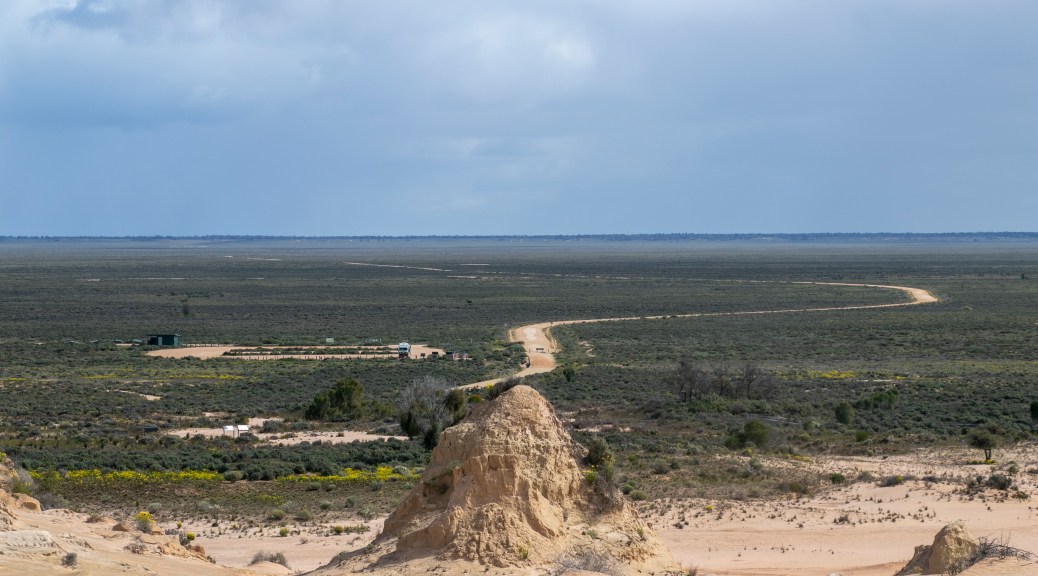
The highlight of our stay was our tour of Mungo National Park, a short drive away from Mungo Lodge. The Mungo National Park lands sits on the junction of three nations – the Ngiyampaa, the Paakantji, and the Mutthi Mutthi.

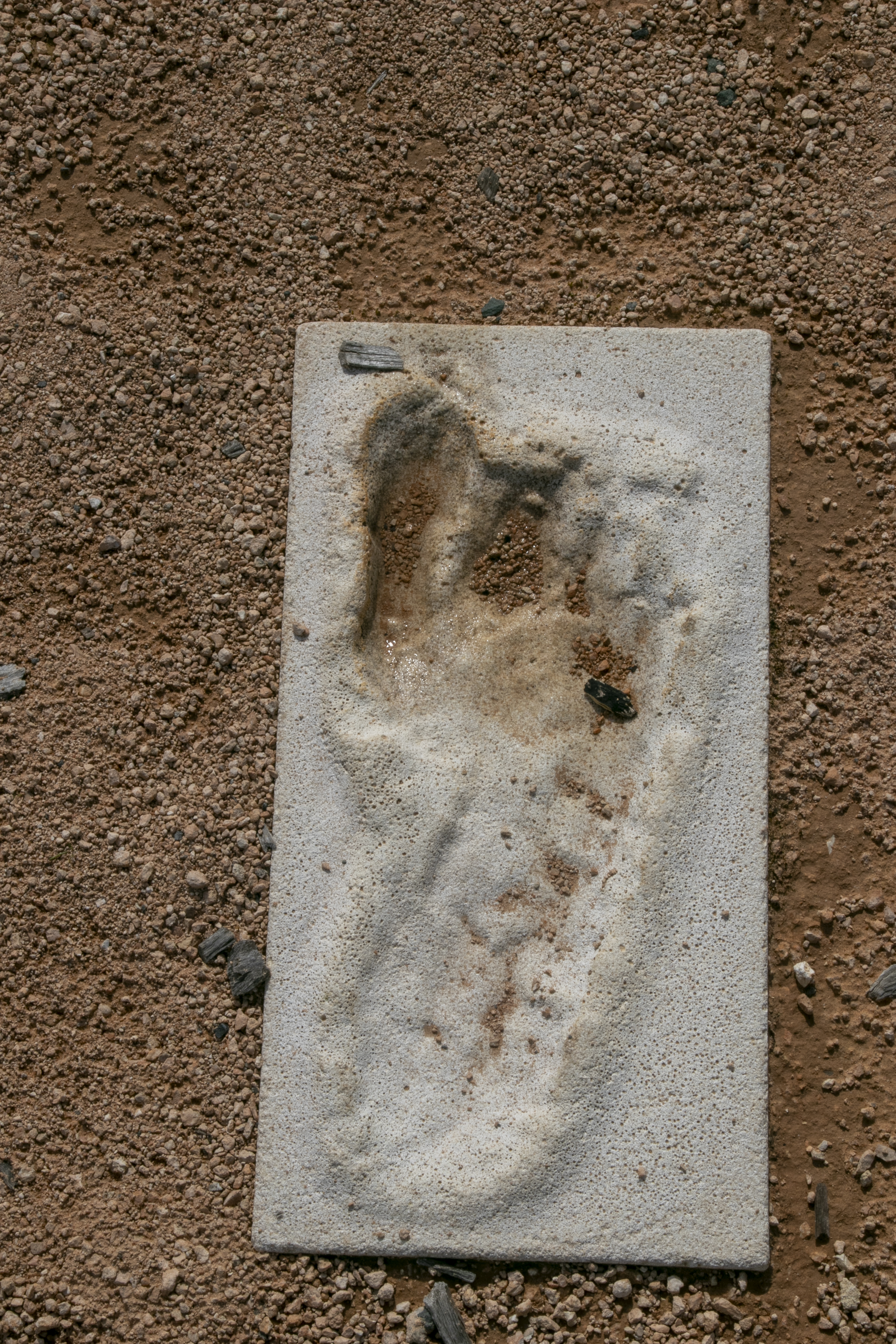
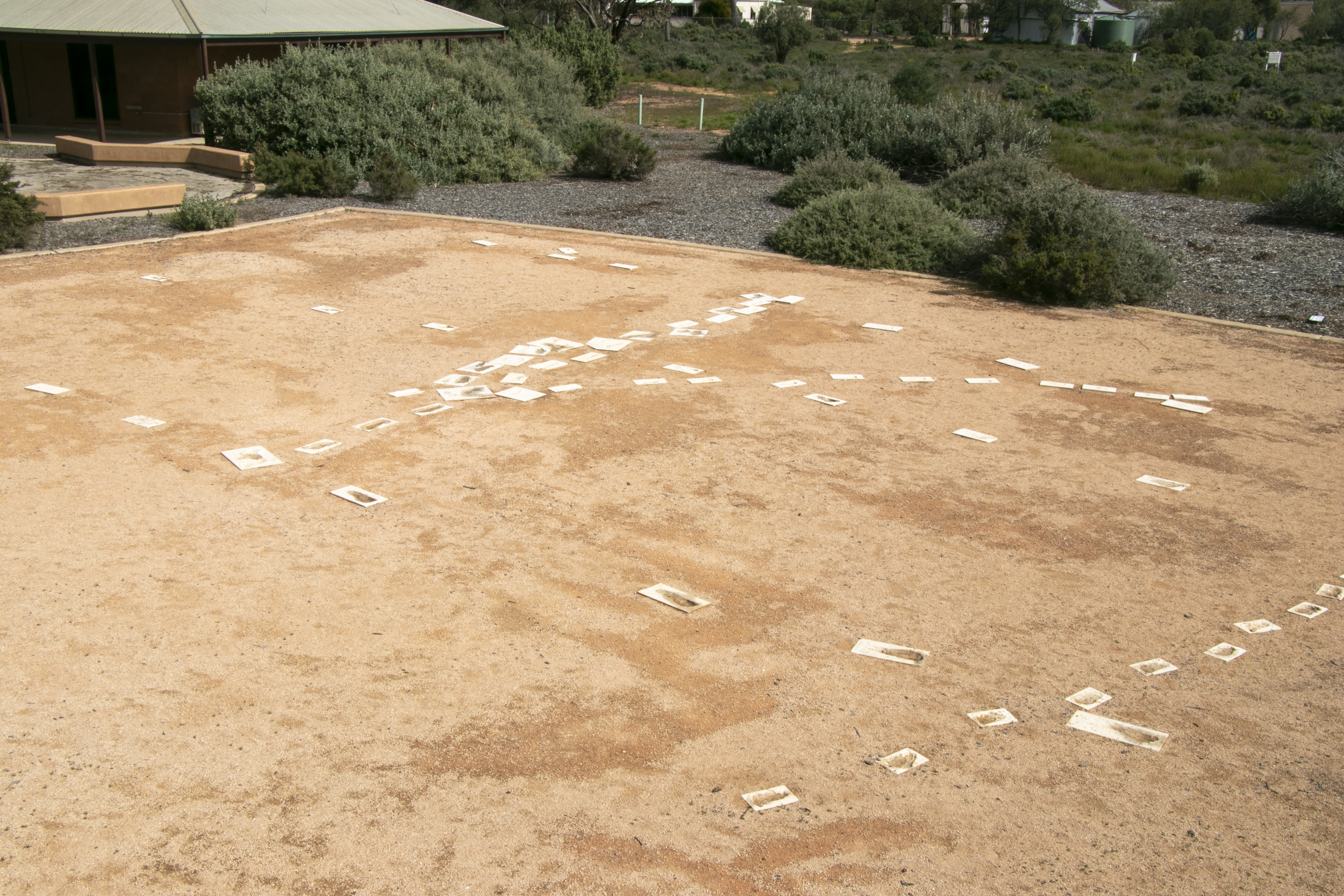
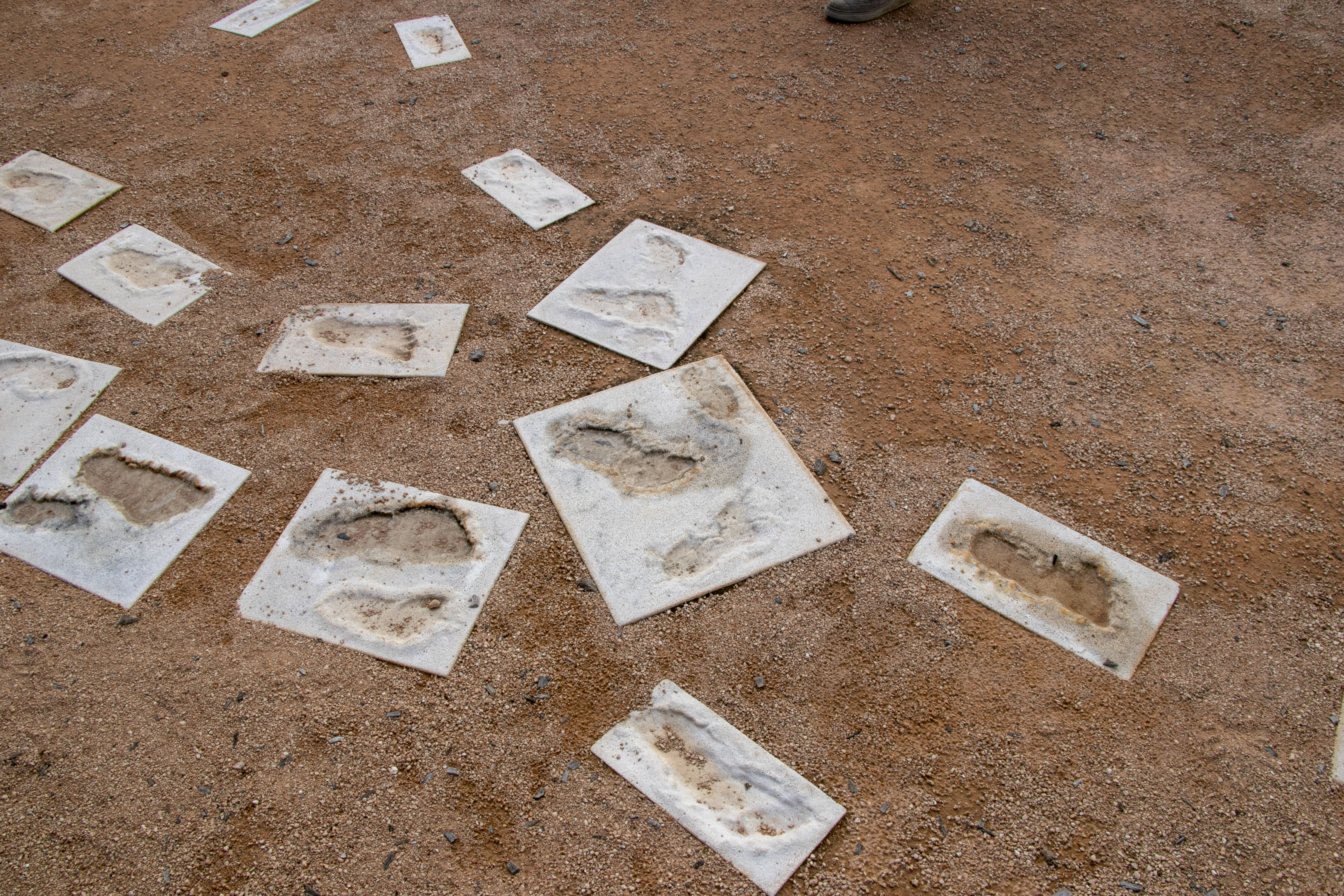
It is the home of Mungo Man and Mungo Lady, human remains found in the area from the 1960’s and dated to be 42,000 years old. Footprints on the old muddy lakebed were also found, and dated to a similar period. Replicas of these footprints can be found outside of the visitor’s centre.
Back then, the area was a series of lakes fed by the Lachlan River. The climate was colder and snowfalls were more extensive on the Alps leading to more water flowing downstream. After the last ice-age, the climate became drier and warmer, and with a change in the course of the Lachlan River, the lakes were no longer fed. With erosion, the lake bed is now a flat sandy surface.

The area has a fascinating ancient history that really belies its seemingly unremarkable appearance.

More on the tour in the following post.
By the Seaside – Gerroa

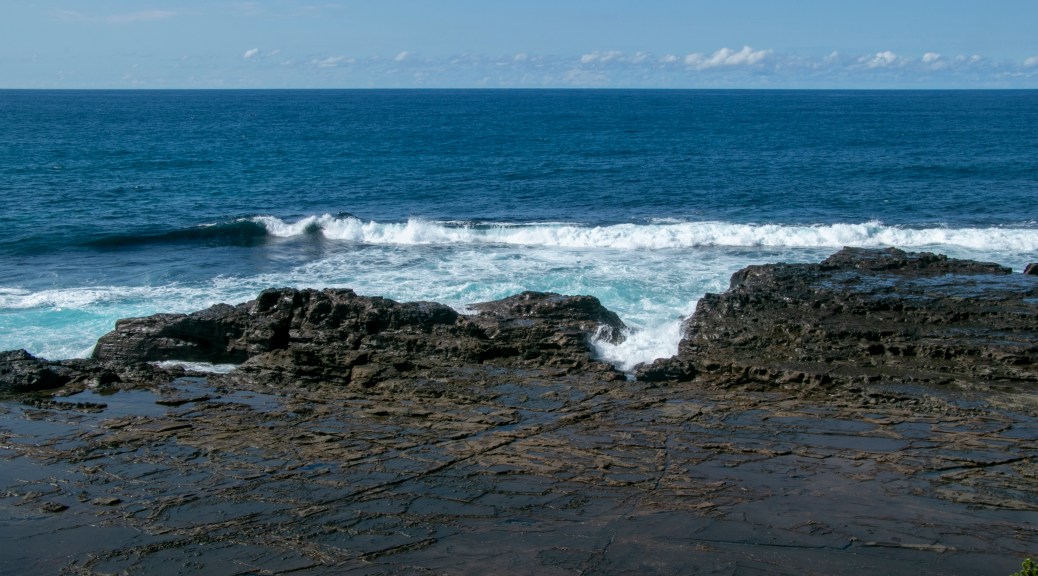
We’ll explore the neighbouring village of Gerroa. Historically, Gerroa has been the much smaller sibling to Gerringong, but in the last 10 years, estate developments in between the two towns mean that they’re really now joined at the hip.

Gerroa is located on the north end of Seven Mile Beach – which stretches all the way down to Shoalhaven Heads. It’s another stretch of coast that I’m very familiar with.

It is a collection of beach-side caravan parks and houses that are perched up on Black Head. Black Head itself consists of dark basalt produced by a volcano that was active in the area about 30 million years ago.

Gerroa is perfect if you just like a paddle in the surf or a really long walk along the beach.

Abercrombie Cave

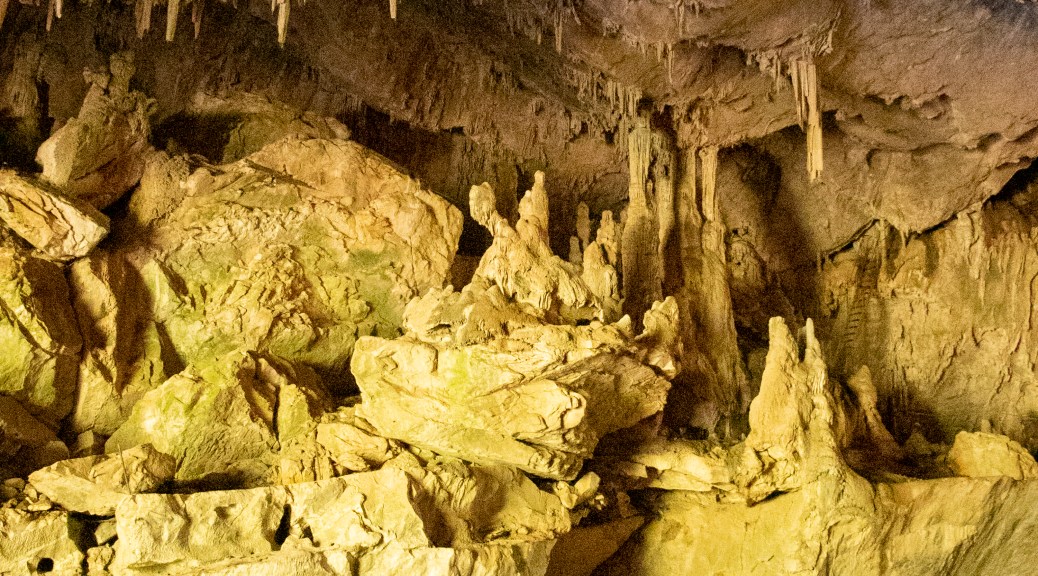
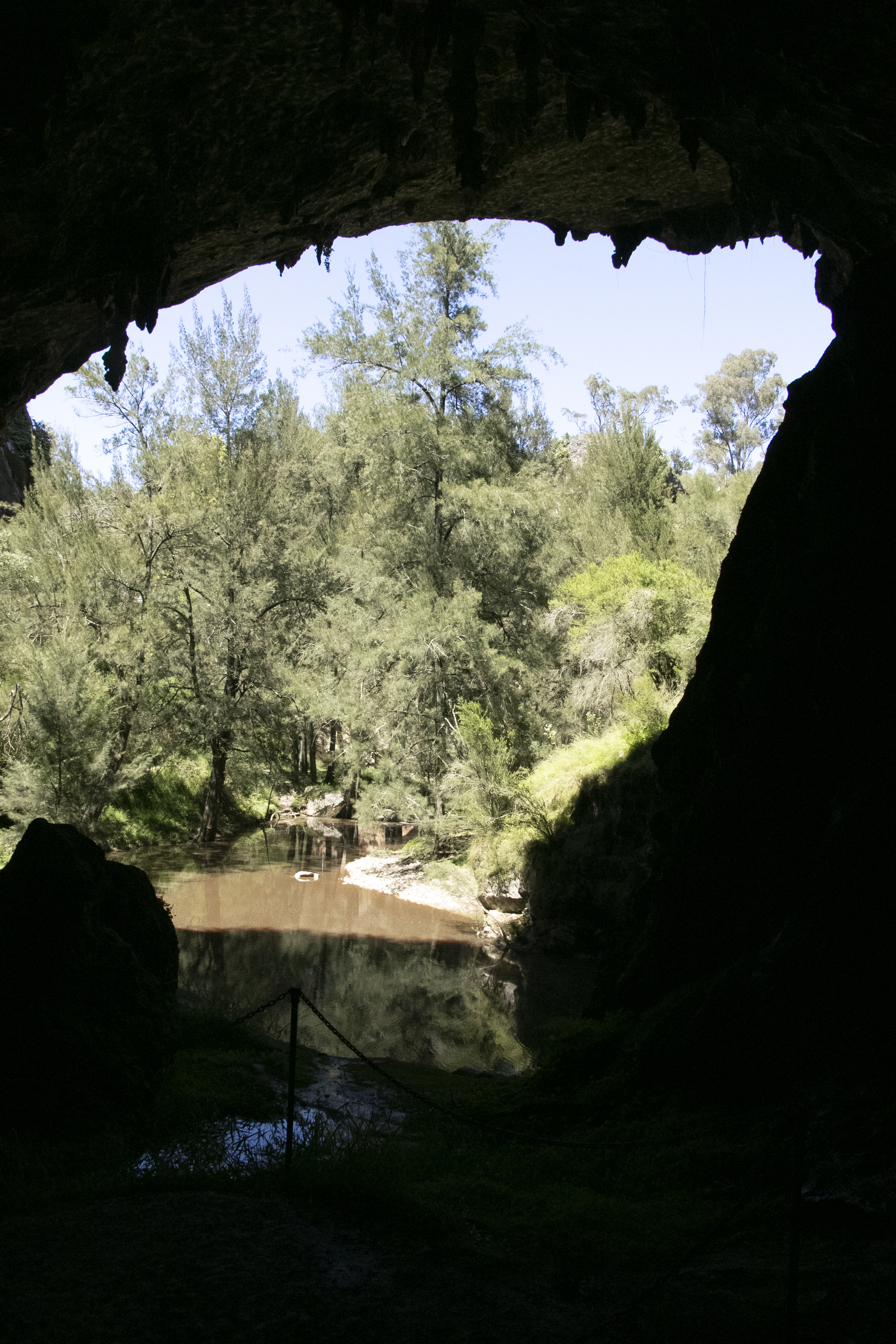
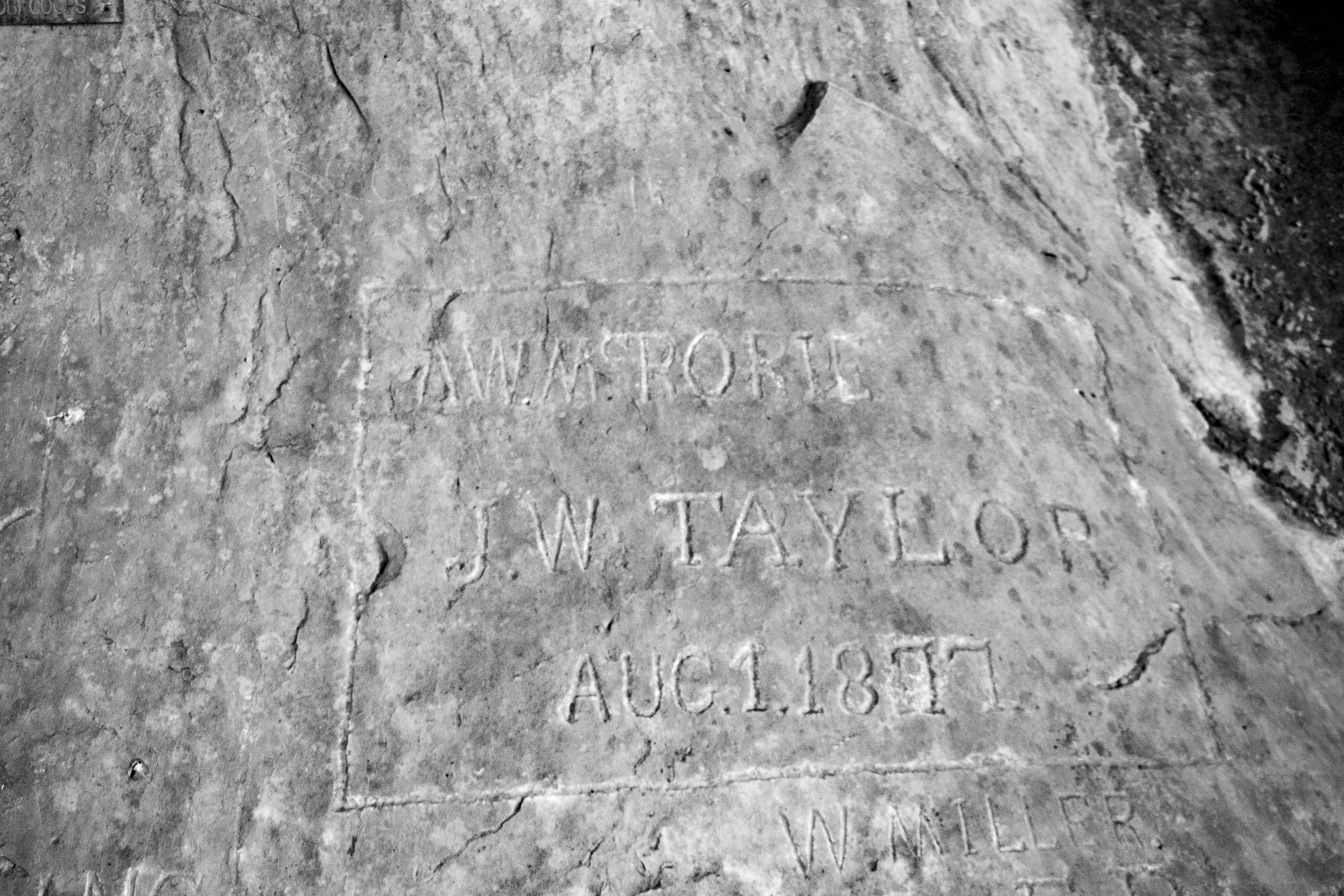
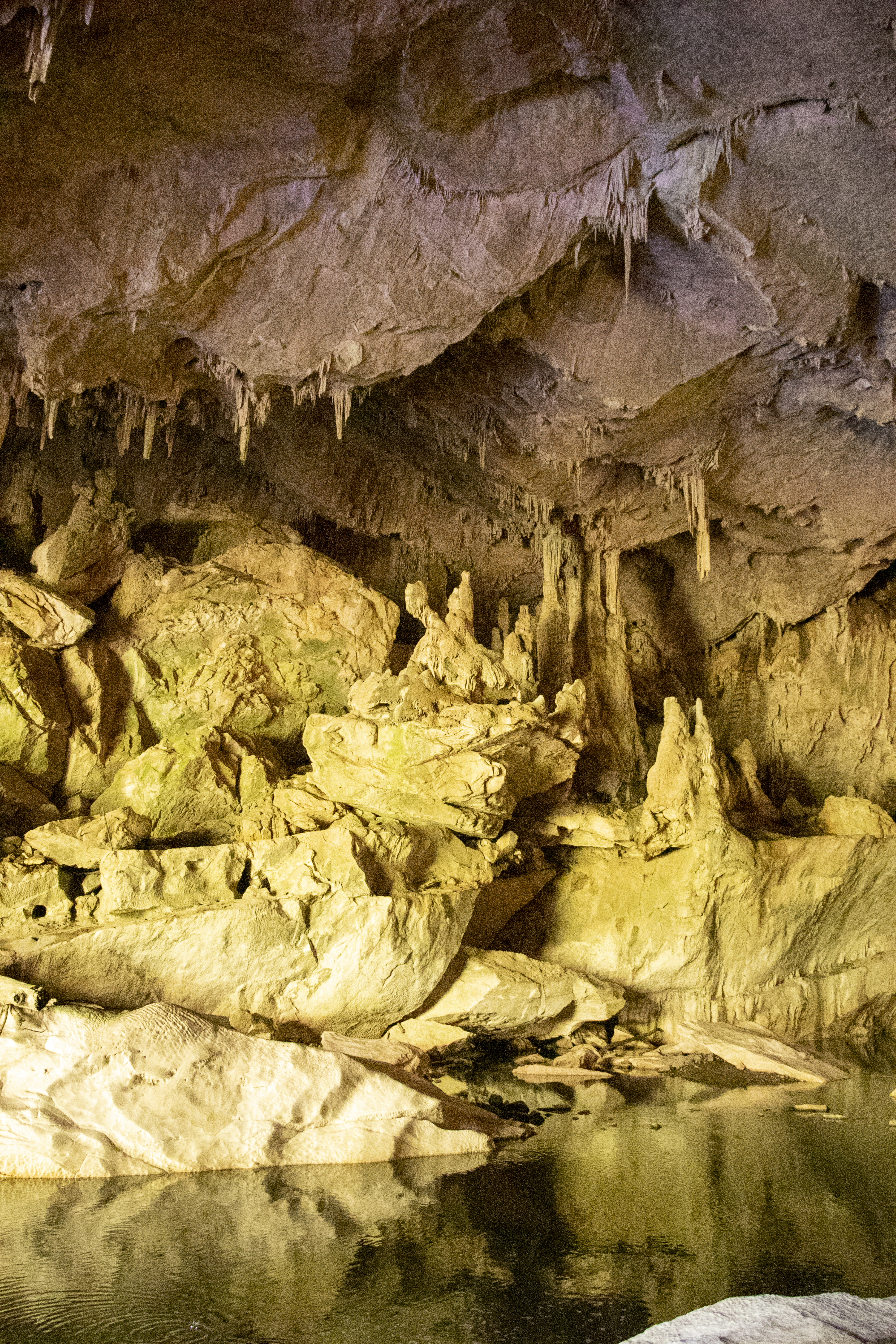
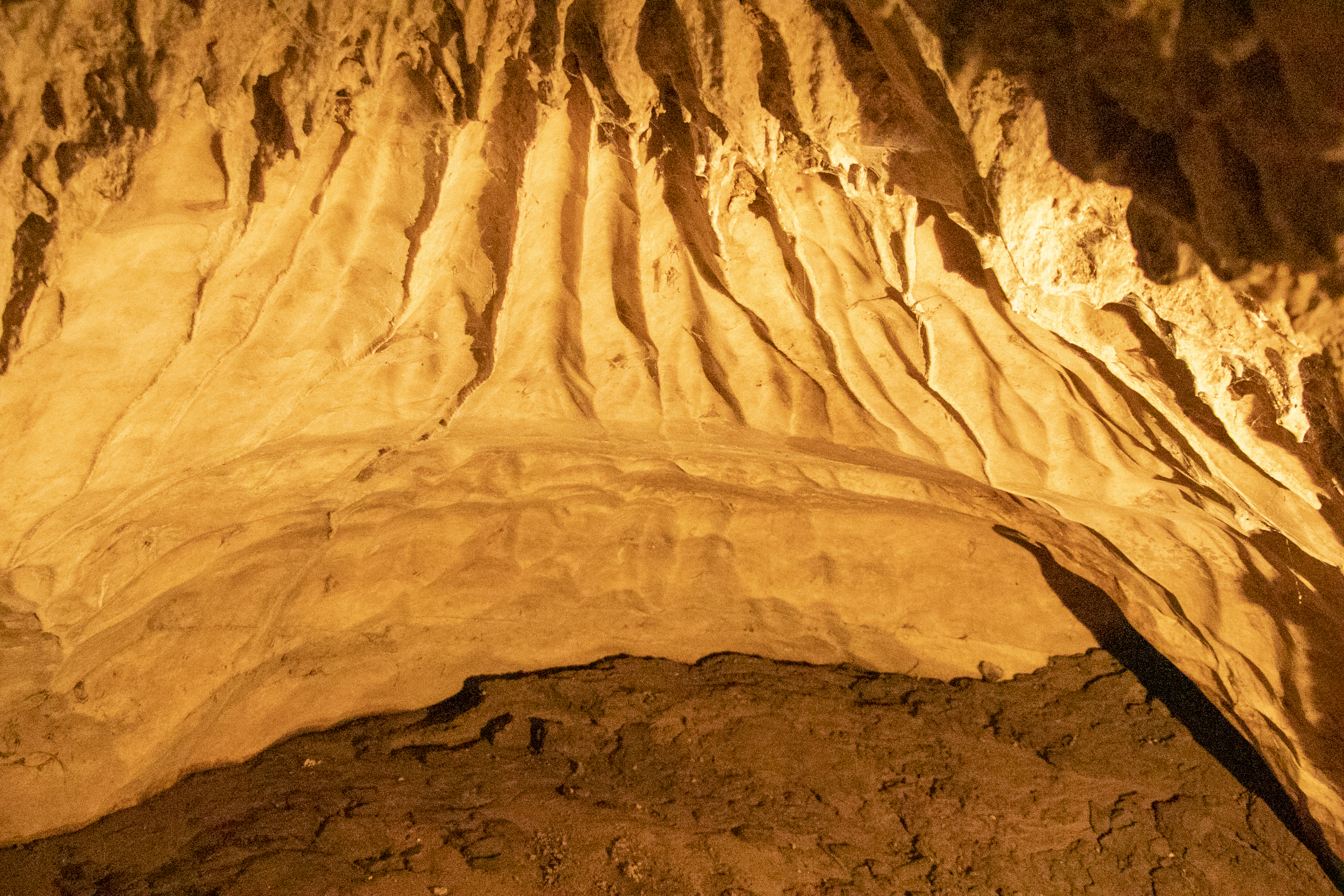
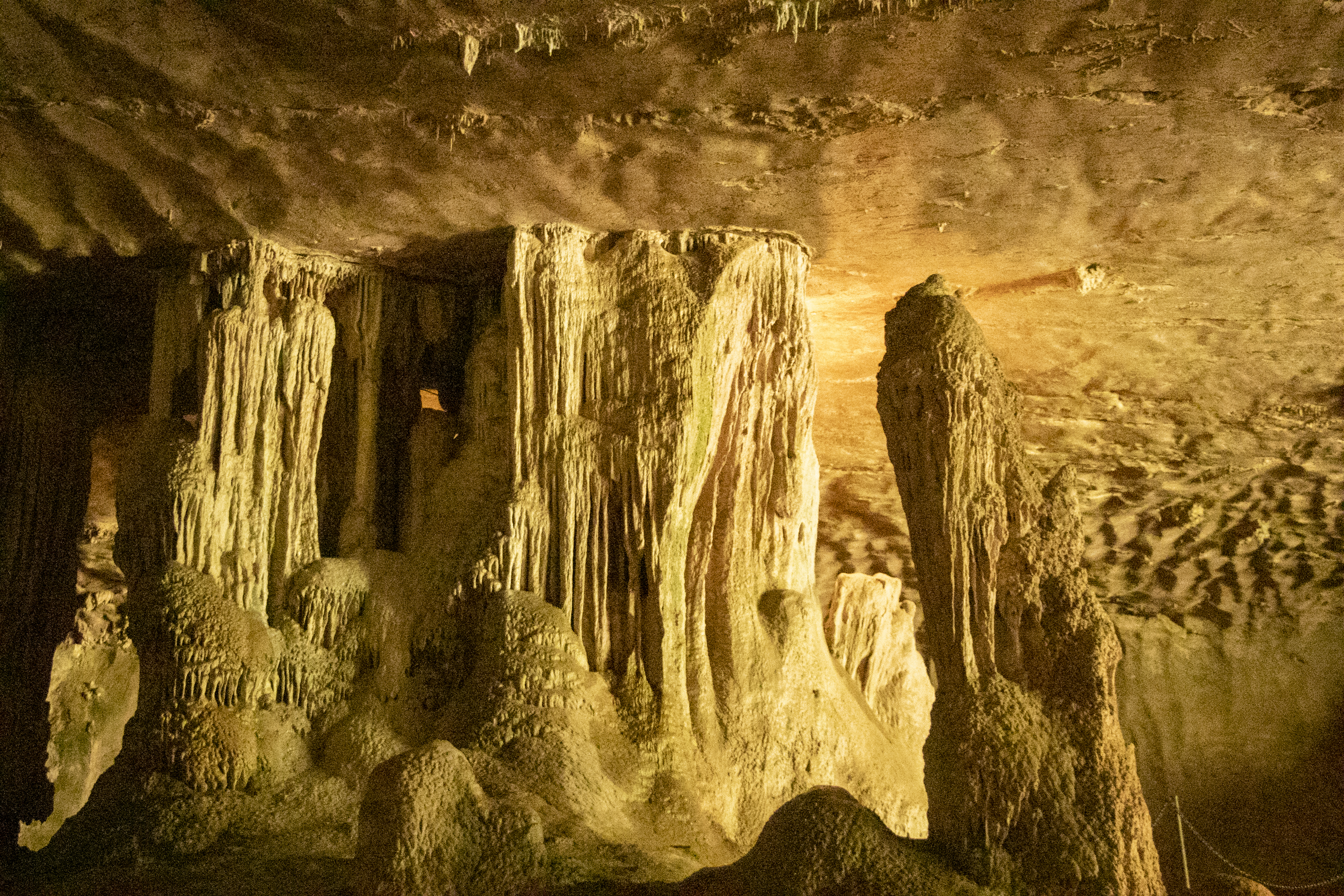
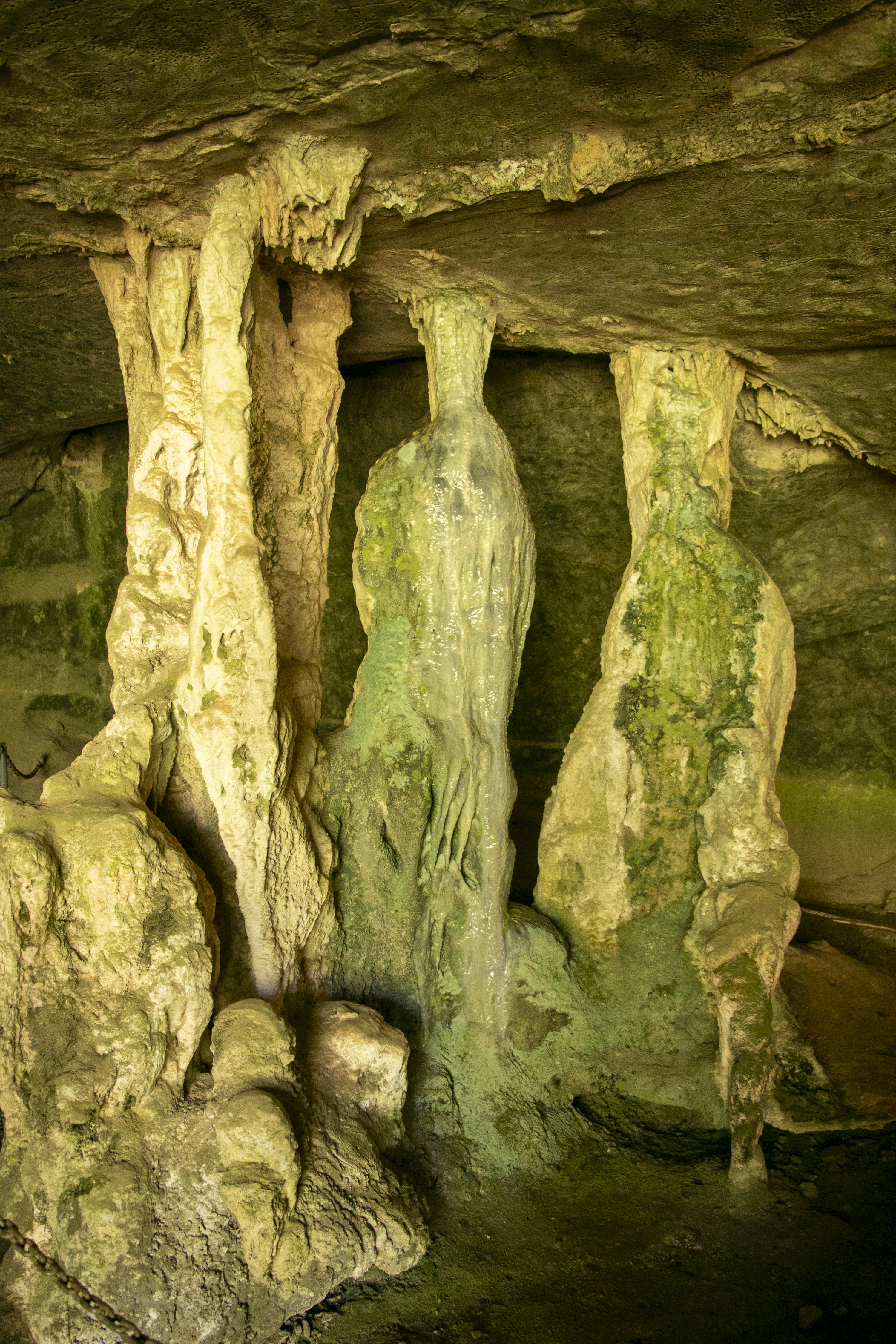
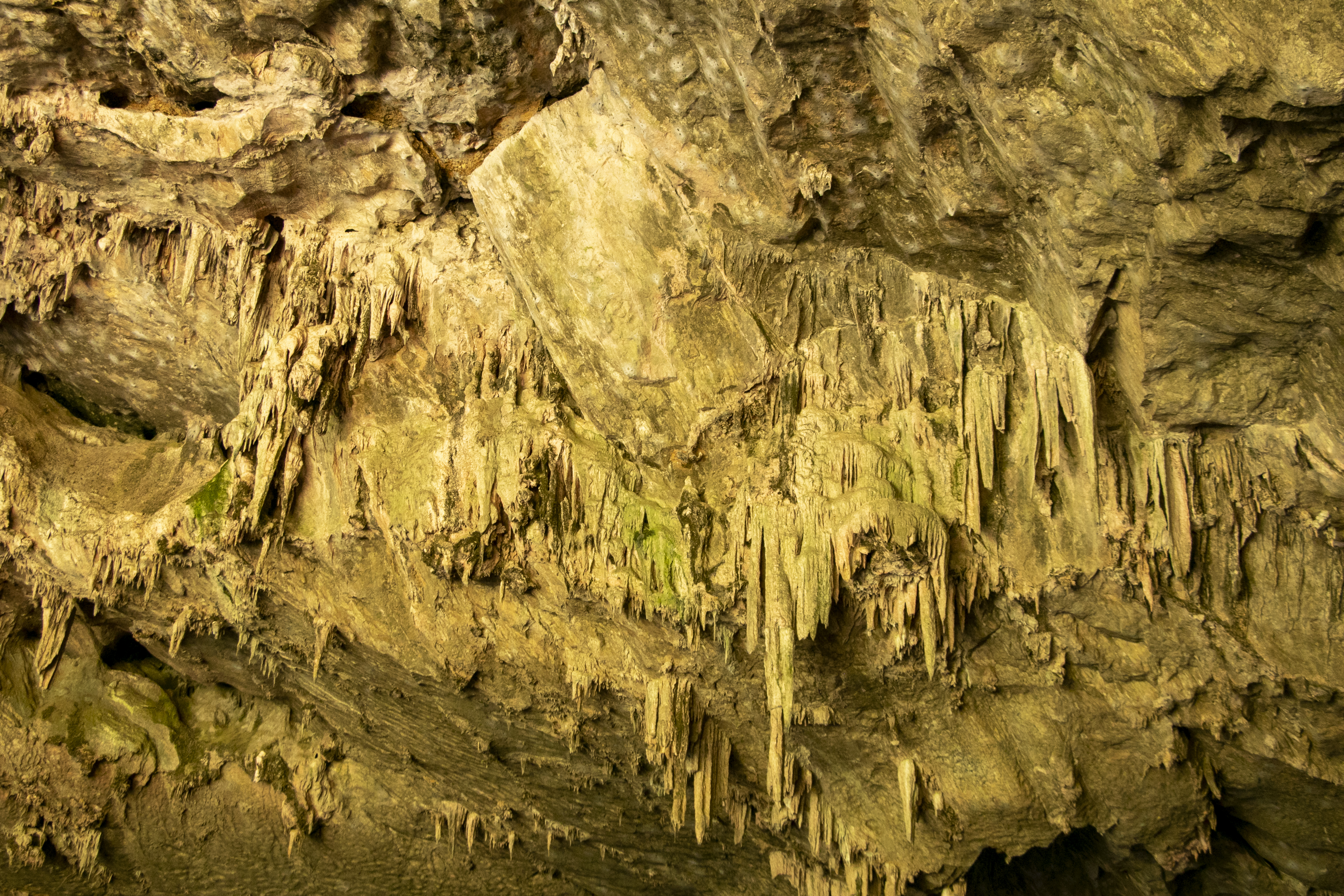
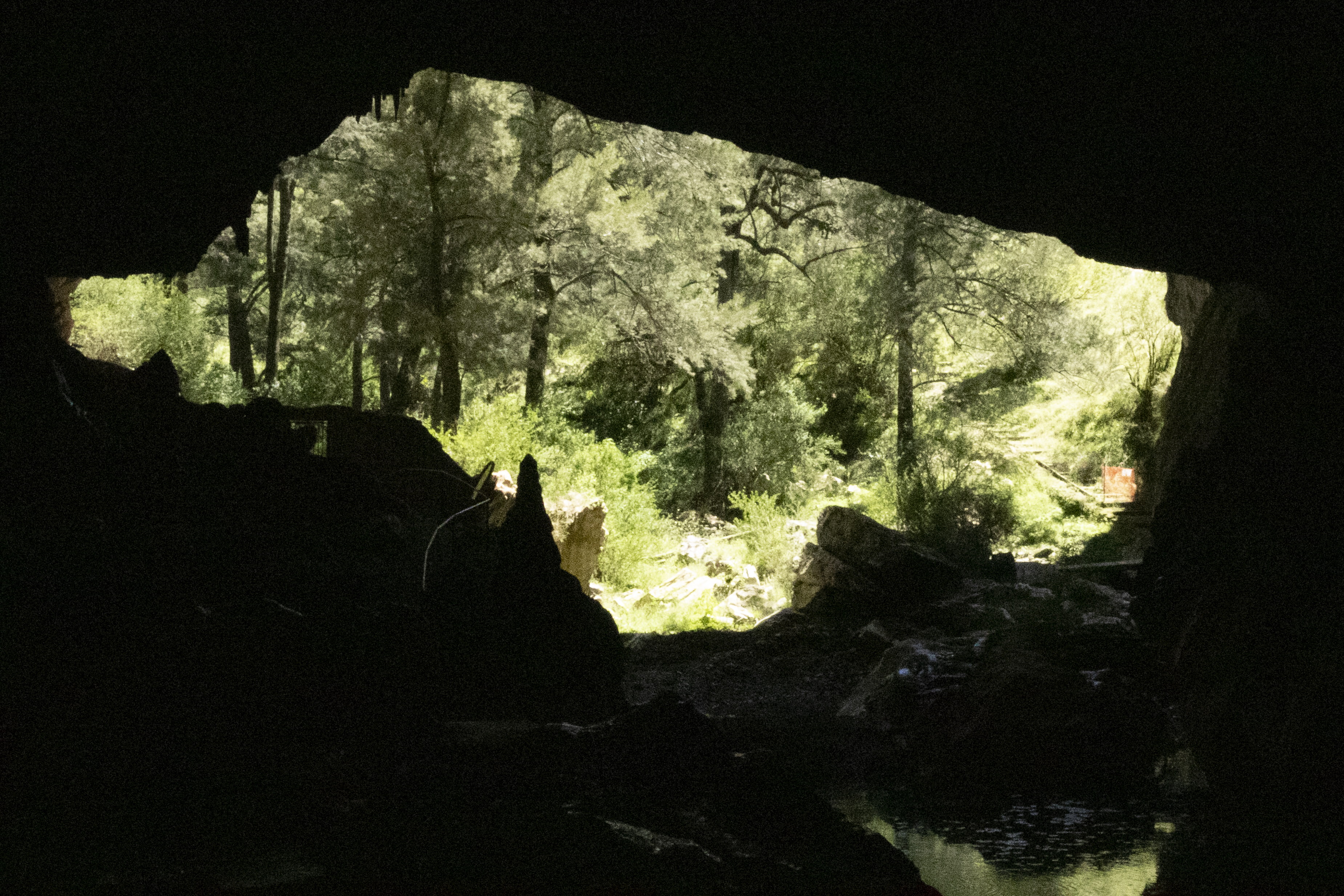
I haven’t posted about caves in a long time. Probably because I haven’t been to any in about 10 years. We’ll visit a less well-known one in this post – Abercrombie Cave.

Often outshone by the much more extensive Jenolan Caves or Wombeyan Caves, Abercrombie is tucked away in the western side of the Great Dividing Range, off the Bathurst to Crookwell Road. It’s just one cave, really, and a relatively short and straight-forward one, so it’s self-guided – the ranger let’s you in and then walks away! But because it’s so secluded, we got the cave all to ourselves for a whole 30 minutes!

Hobart

Well, it might have taken me awhile, but we’ve finally come to the final chapter of our 2019 Tasmanian trip – a short visit to Hobart. On this visit, we stayed in the historic inner city suburb of Battery Point. It is on a hill and so affords a good view of the Derwent River.

Battery Point Walk

While wandering around the local park, hubby was happy to find out that it had had a famous scientific visitor in the past.
Battery Point Walk

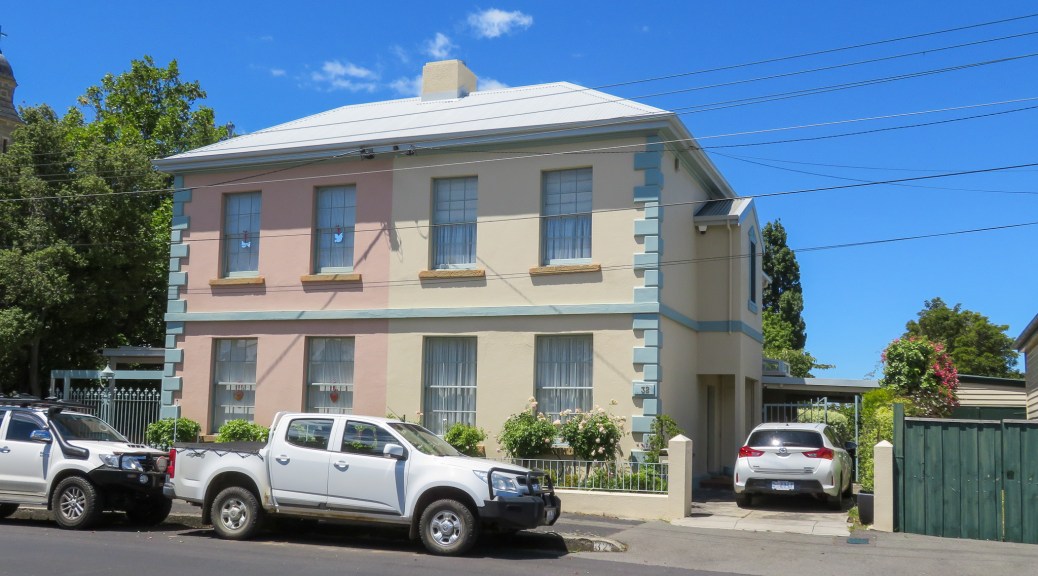
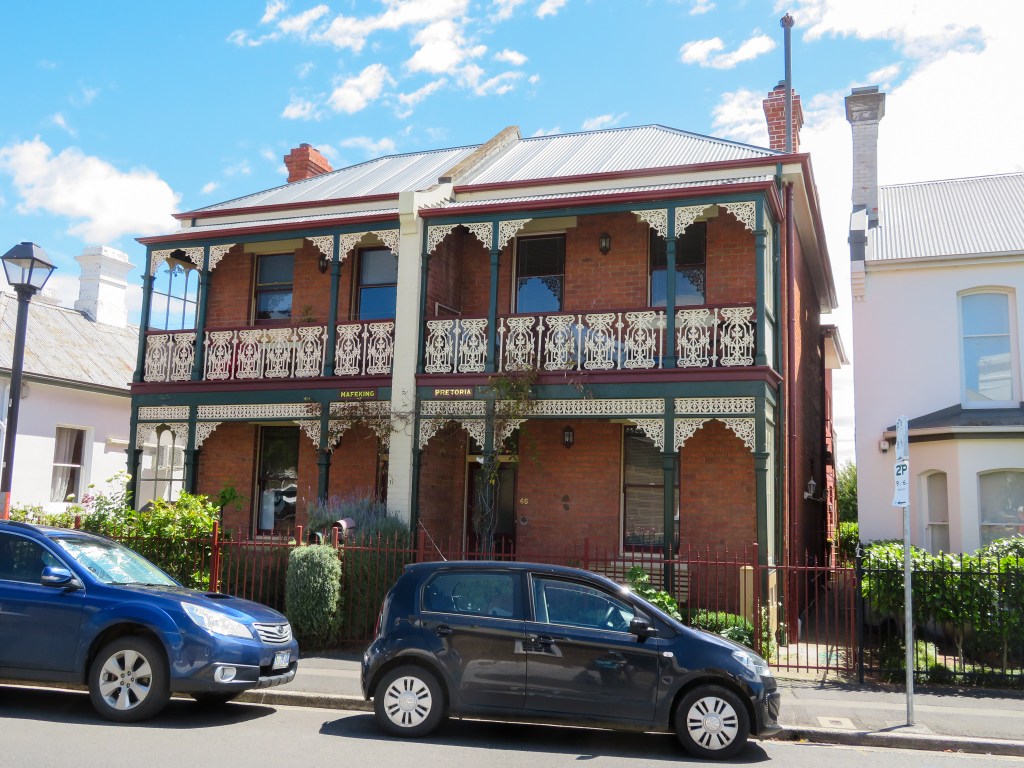
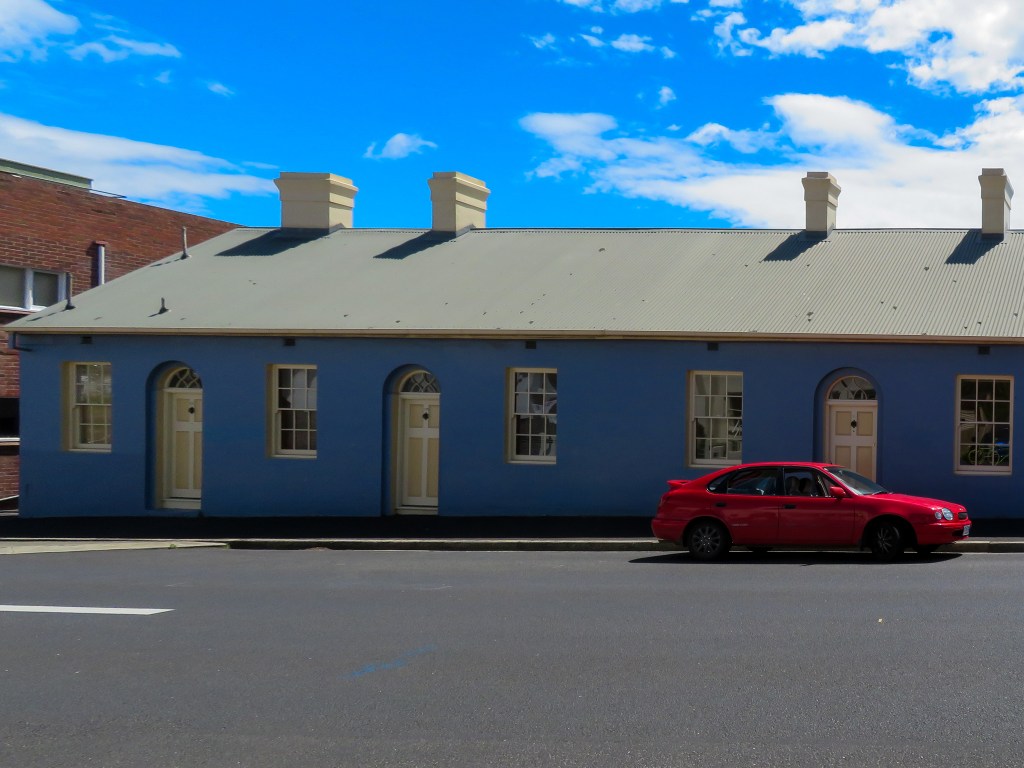
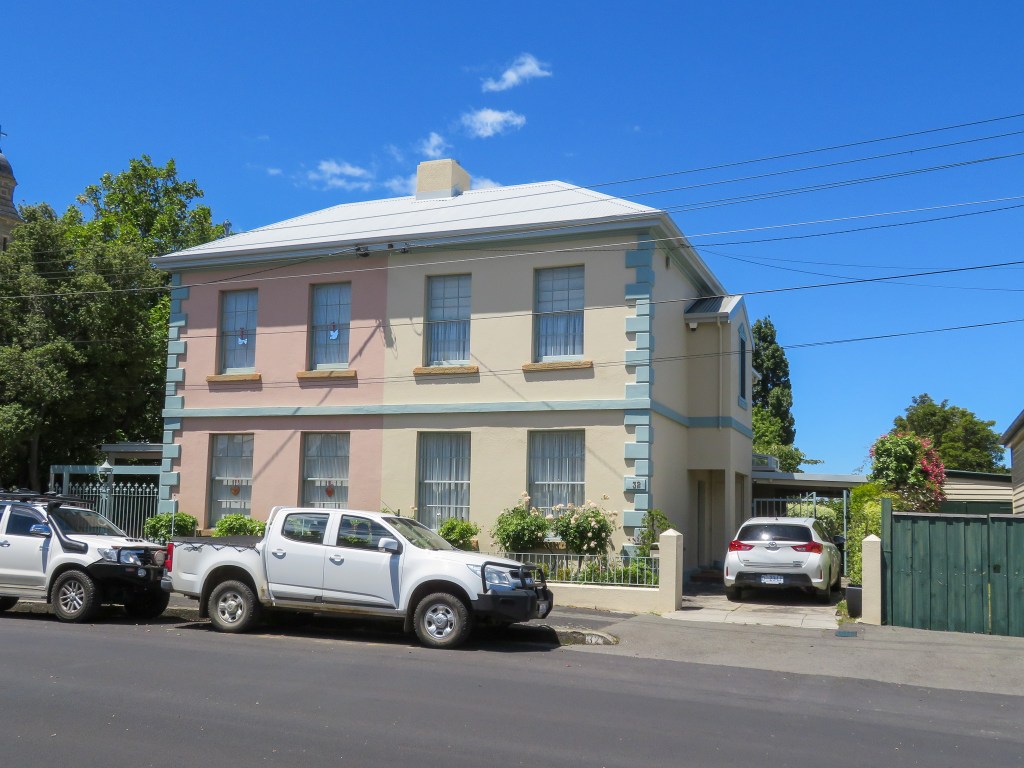
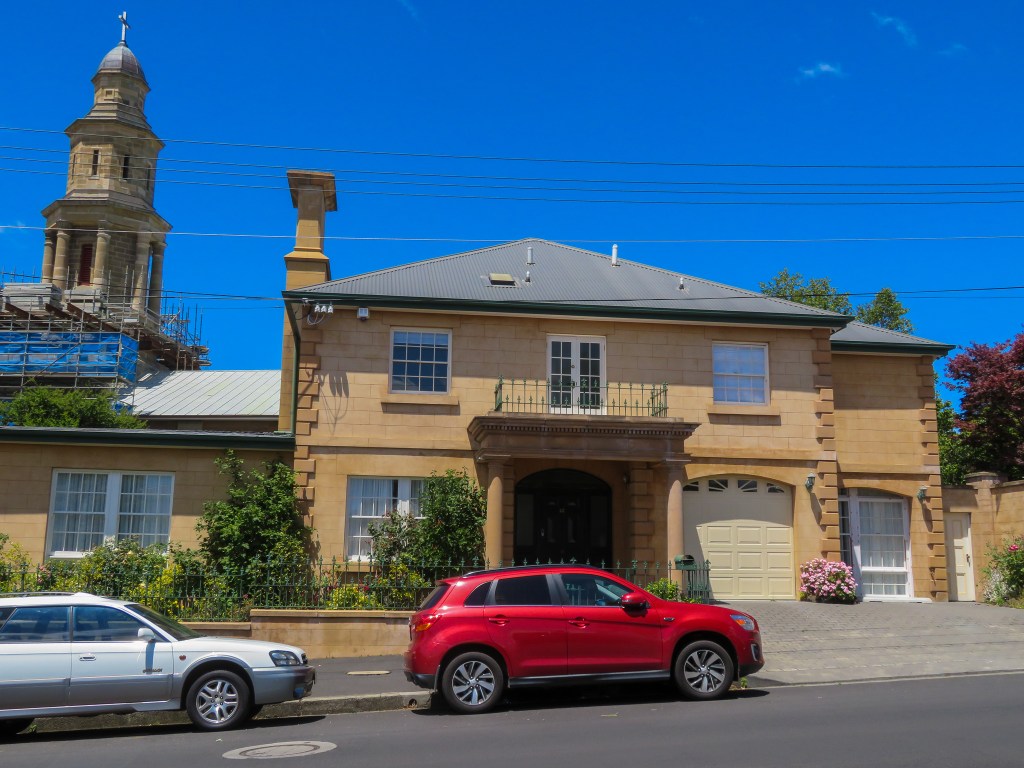
Wandering around Battery Point and its neighbouring suburb, Sandy Bay, we were happy to see a lot of colonial era houses still in good condition. Probably not surprising since they’re two of the most expensive suburbs of Hobart.
That’s all from Tasmania. But I’ve done some travelling since then, so I’ll be back with more adventures soon!
Launceston – Part 2

Being a town founded in the 19th Century, there were quite a few Victorian era buildings.

Launceston

But in the Mall, there were quite modern sculptures of our favourite extinct marsupial, the thylacine, aka. the Tasmanian Tiger.

Launceston

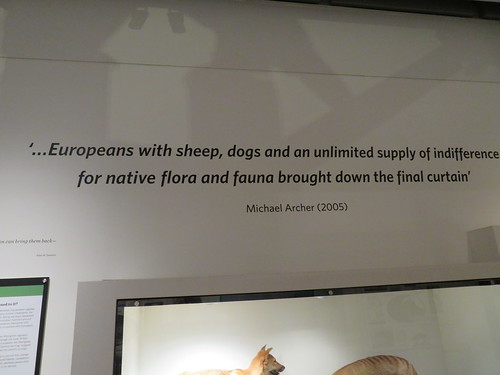
We saw lots of representations of the thylacine in Launceston, and saw more exhibits in Launceston’s Queen Victoria Museum and Art Gallery. In the museum we came upon this little quote.

Launceston

And another amusing quote we found in the museum, very relevant for some people I know.

Launceston

Pancake Rocks – Part 1

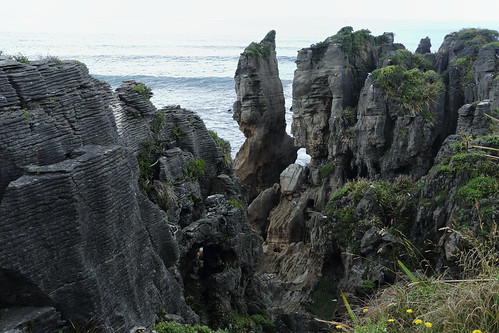
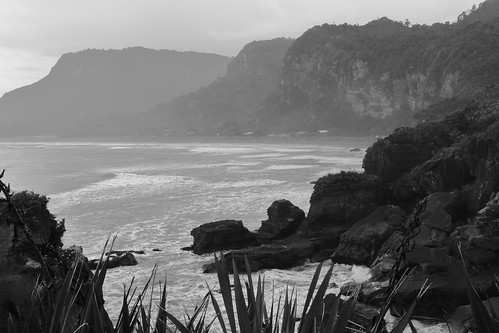
One day trip we did on the West Coast is to drive an hour south of Westport to the village of Punakaiki. The drive down required a lot of concentration as the west coast road was very windy (aren’t they all?) but despite the bleak weather, I think it was worth the drive to see Pancake Rocks.

Pancake Rocks

Pancake Rocks

The rocks were quite unique in that the do look like pancakes. There’s of course a scientific explanation to all of this, and like most things geological it’s not the work of an instant.

Pancake Rocks

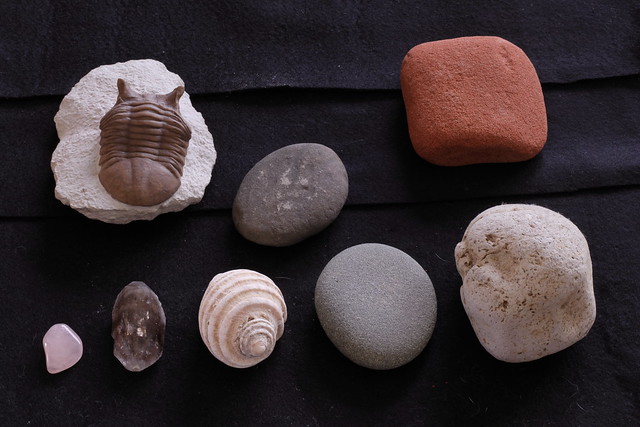
Geological Still Life

I have taken a few courses with ACP, the last being Camera Craft 3. This course involved exploring different photographic genres – the first being still life.

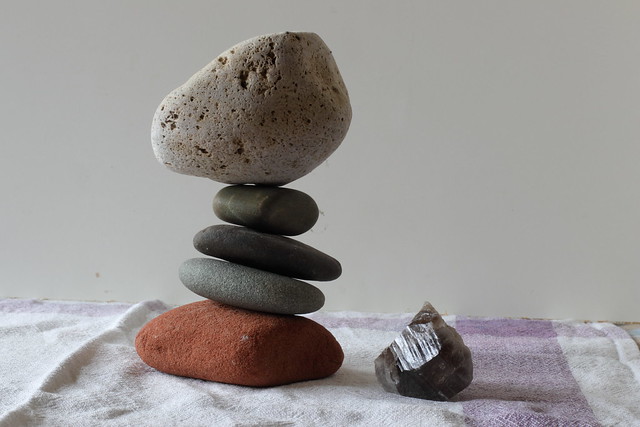
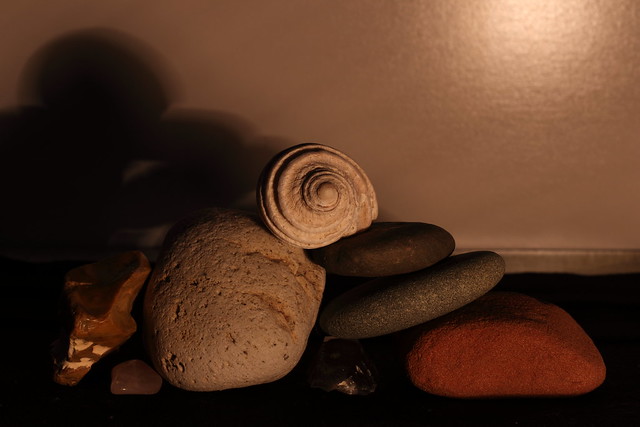
Still life is a very old genre that was first perfected by the Dutch Masters in the 17th Century, but can also be utilised by photographers. Both the choice and placement of objects, as well as its lighting is critical, as you can see in this series.

Geo still life

Geo still life

Geo still life

Adelaide – Part 2

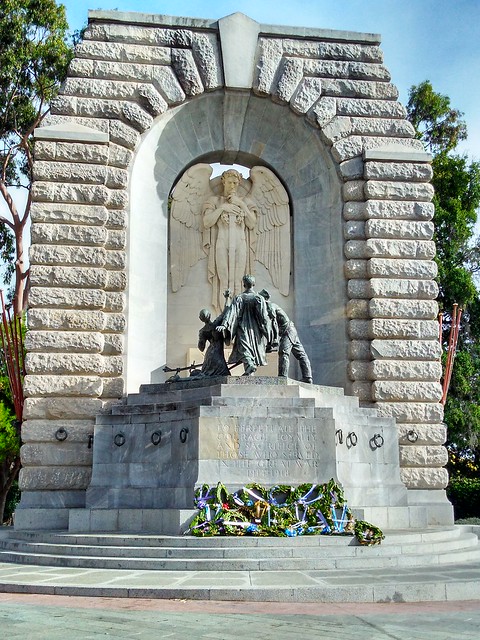
A 15 minute walk took us to the other side of the CBD. There was the understated war memorial.

War Memorial

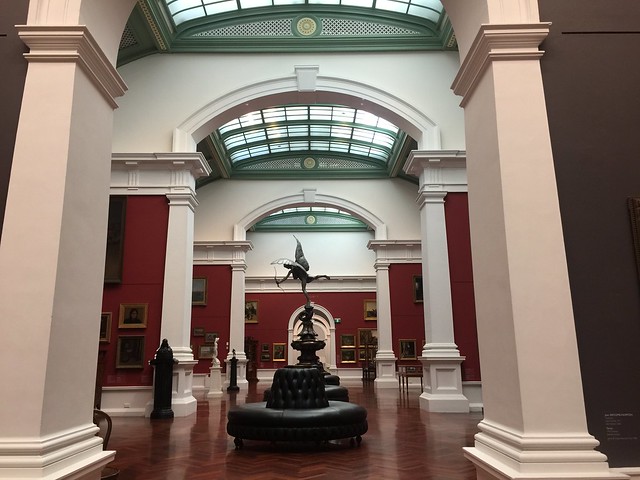
The Art Gallery of South Australia’s interior looks very like its Sydney counterpart.

Art Gallery of South Australia

But I was hanging out for the South Australian Museum.

South Australian Museum

We saw a really good exhibition called ‘Yidaki’ – about the didgeridoo, its Yolngu origins in North-East Arnhem Land, and its modern context. No photos, but here is an essay about it.

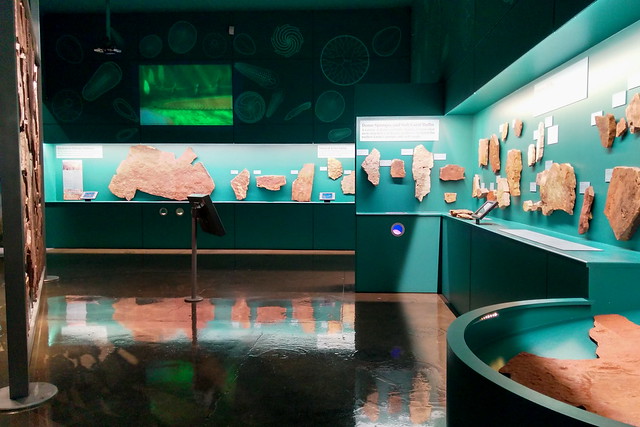
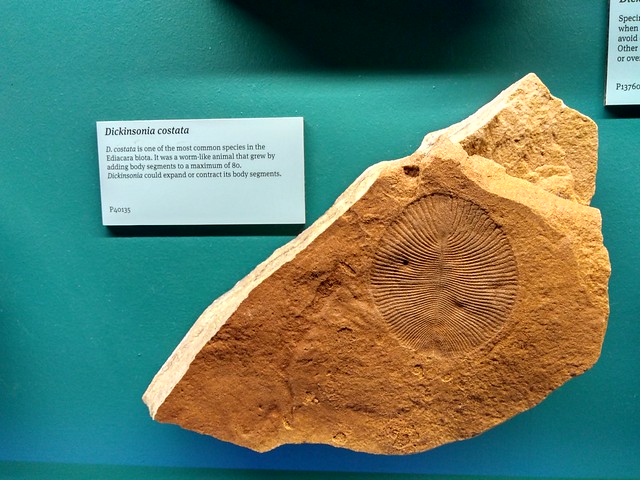
The other thing I was looking forward to seeing were the museum’s fossil collection. South Australia being the home of the Ediacaran fossils (one of the first known complex multicellular organisms), it was wonderful to see that there was a whole gallery full of fossils.

Ediacaran Fossil Gallery

And here they are – with quite pretty patterns. Scientists have yet to agree whether they are plants or animals!

South Australian Museum

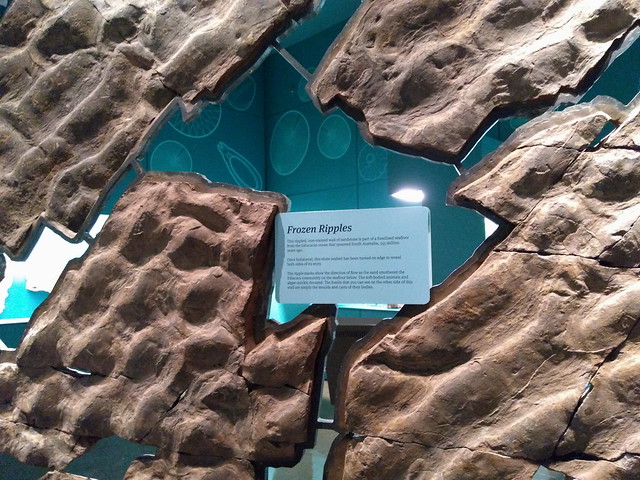
There were even preserved water ripples from 600 million years ago (that’s 6 times older than dinosaurs).

South Australian Museum

These fossils are so important in the biological history of the world that Sir David Attenborough visited the site where these fossils were found as part of his First Life series.

And so folks, that ends our epic trek across Australia from north to south. I’ll explore things closer to home next time.