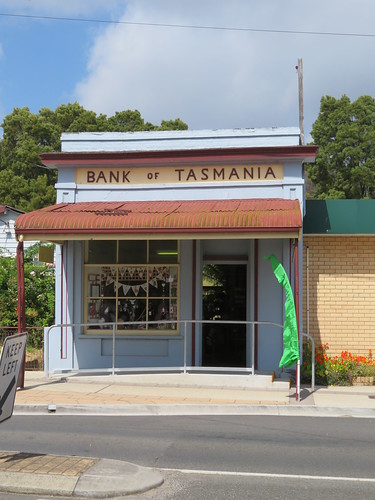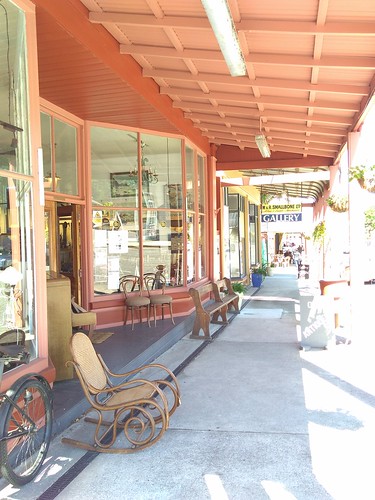
Tag Archives: mining

Outback NSW – Cobar

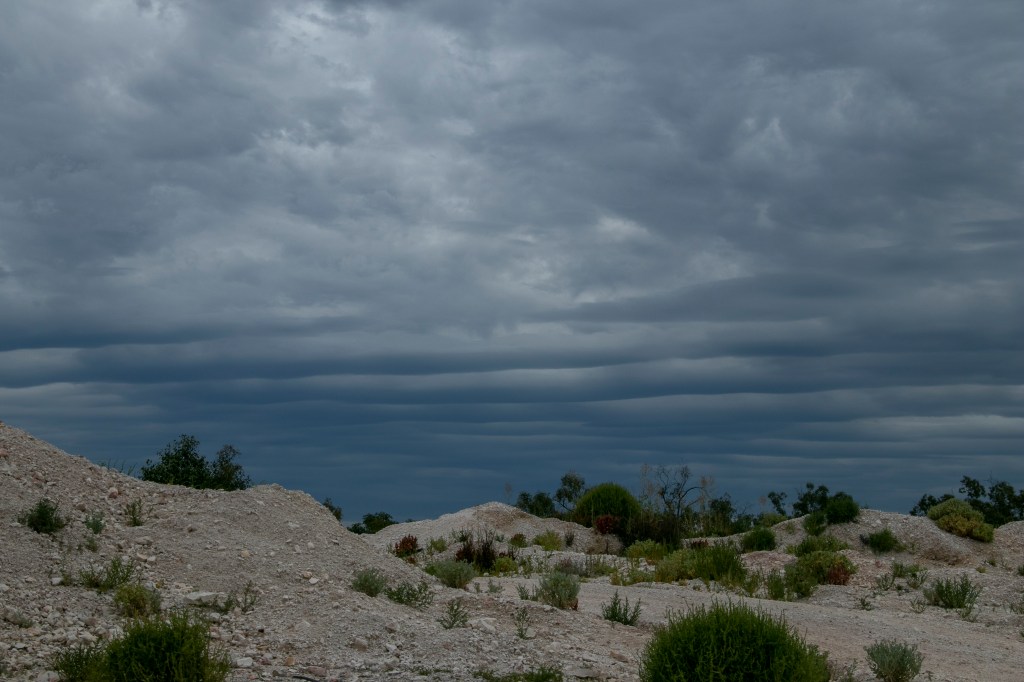
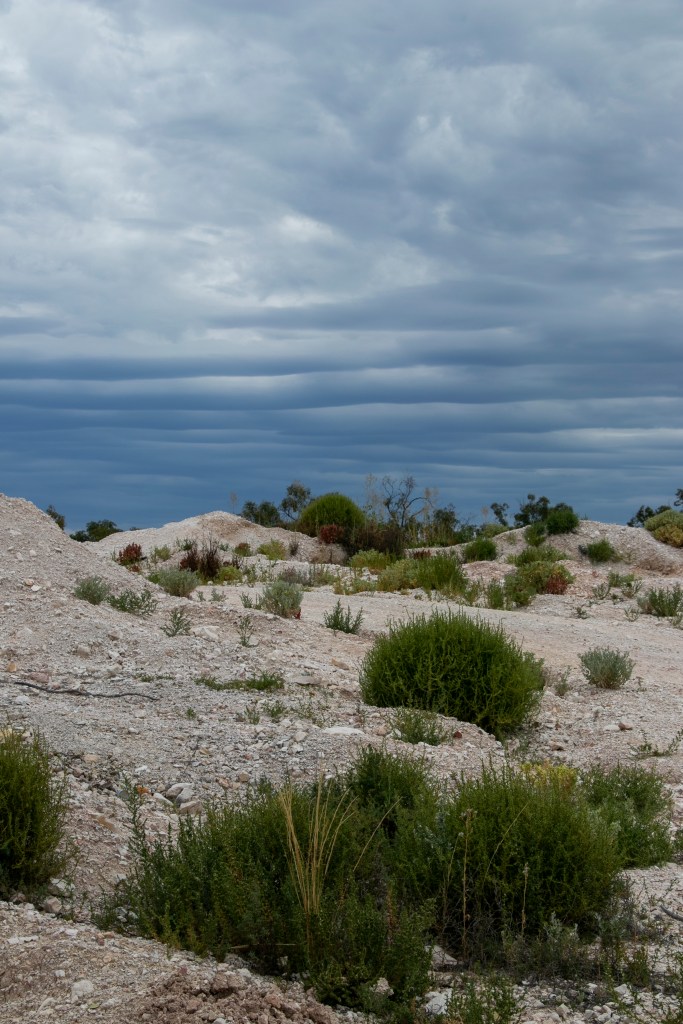
Cobar was our final stop on our December 2022 drive. It is 130km west of Nyngan (in the previous post), 300km west of Dubbo, and 700km north-west of Sydney. That means, it’s very far away from anything that resembles the ‘big smoke’. This is still in the area of the Wangaaypuwan people, whose lands start at Nyngan and stretches west until Ivanhoe.

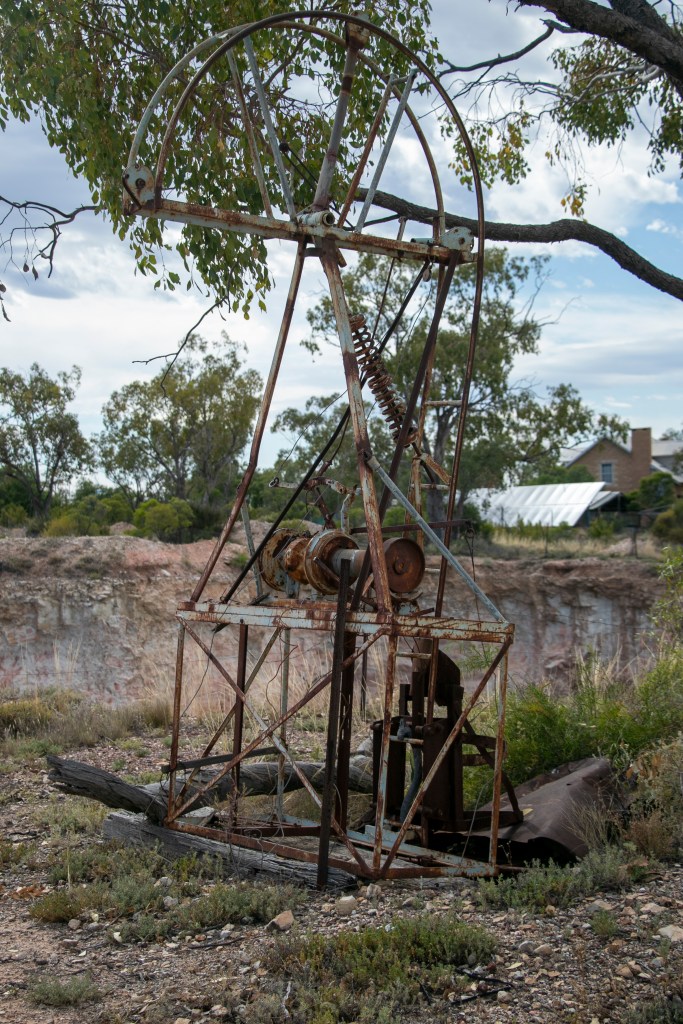
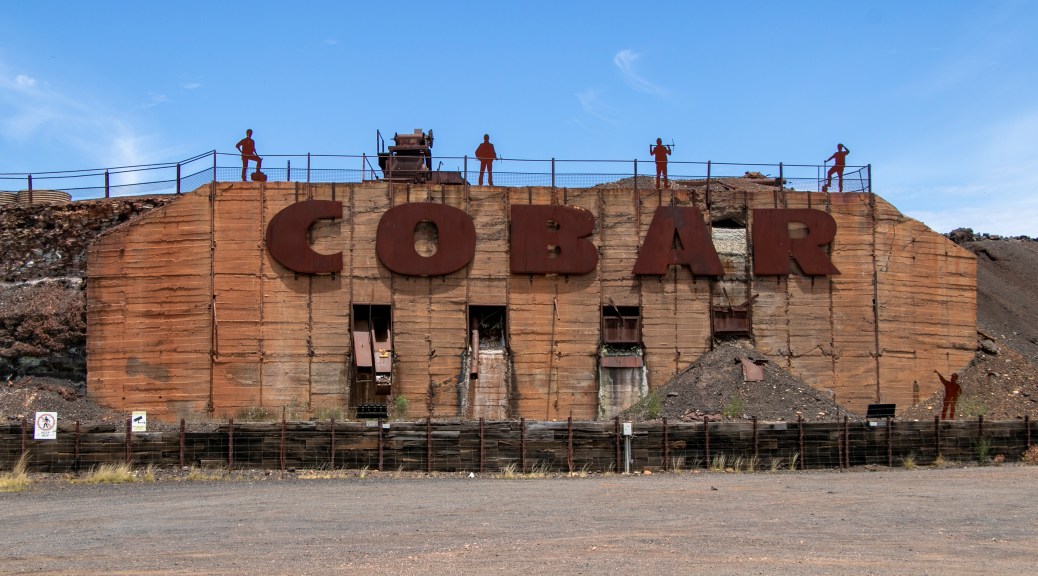
Cobar was founded on mining, and the industry still rules the roost. You can see evidence of mining all over the place, from the town’s introduction, to the lookout at Fort Bourke Hill over the Peak Gold Mine. It’s nowhere near the size of Kalgoorlie’s Super Pit but it’s big enough for me.
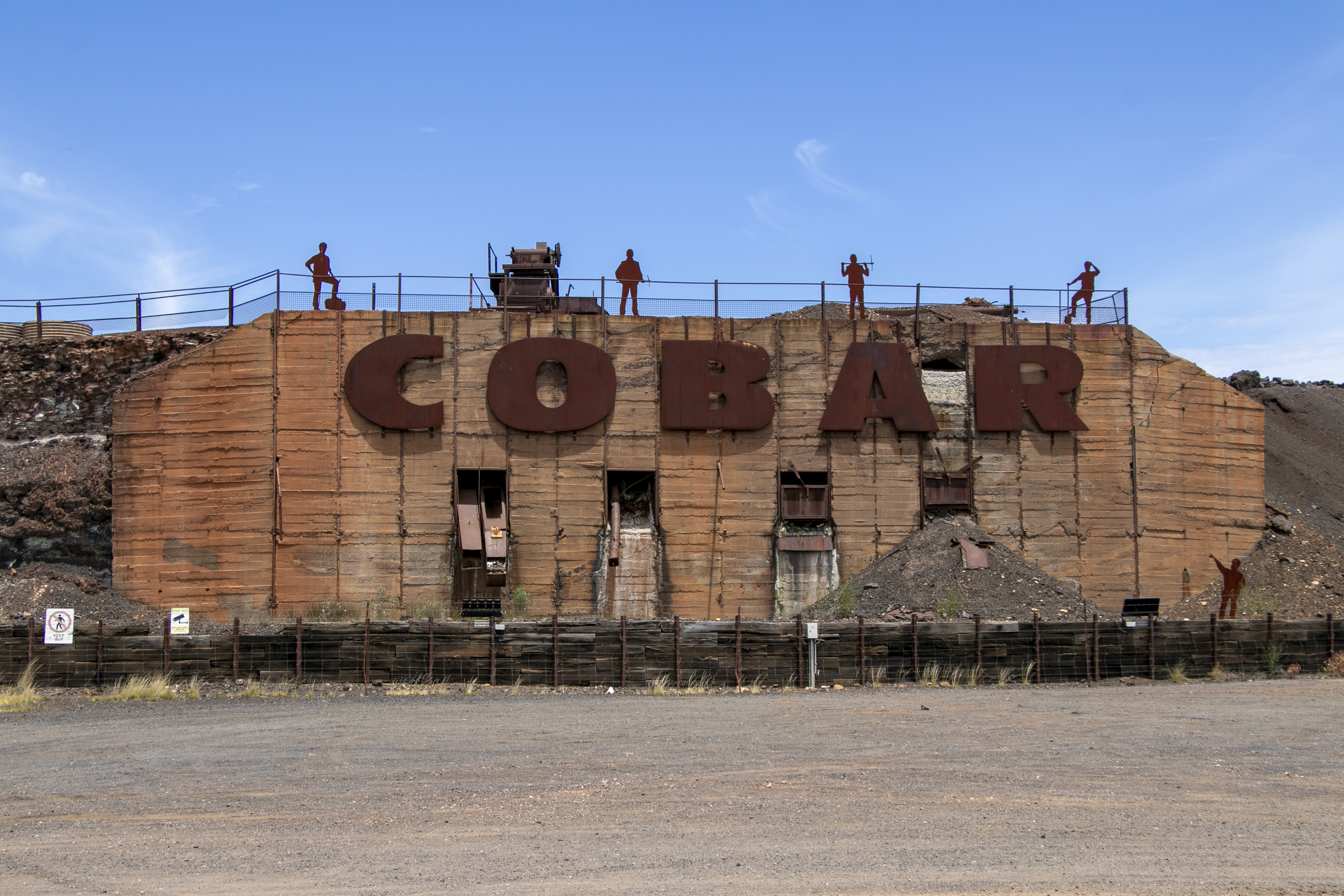
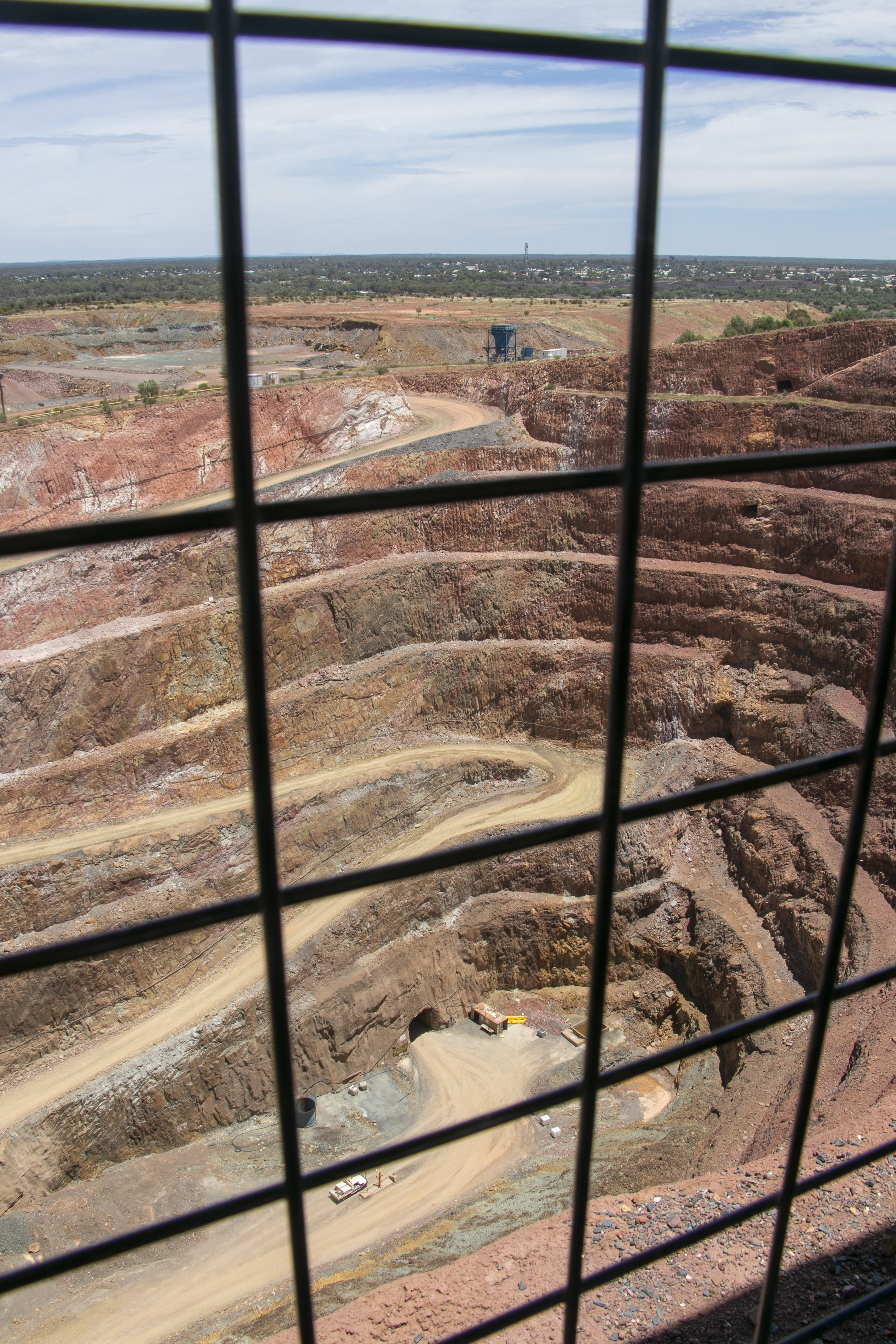
Cobar has much in common with its big sister, Broken Hill, 450km west, in terms of having mining at its core. However, Cobar has always been on the smaller side, its population currently being at around 3,400. Broken Hill meanwhile is much larger at over 17,000, and in the 1950s and 1960s it was over 30,000!

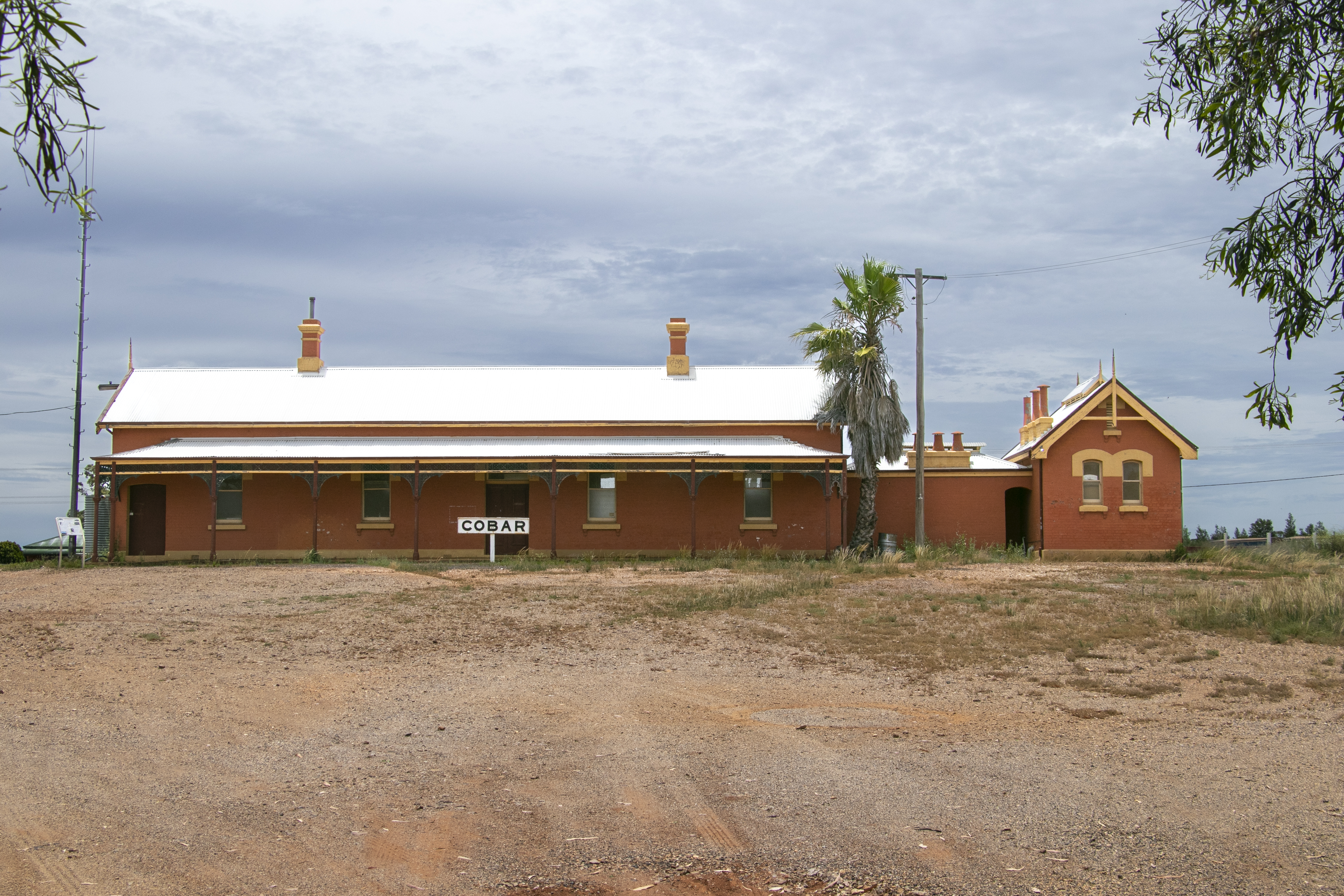
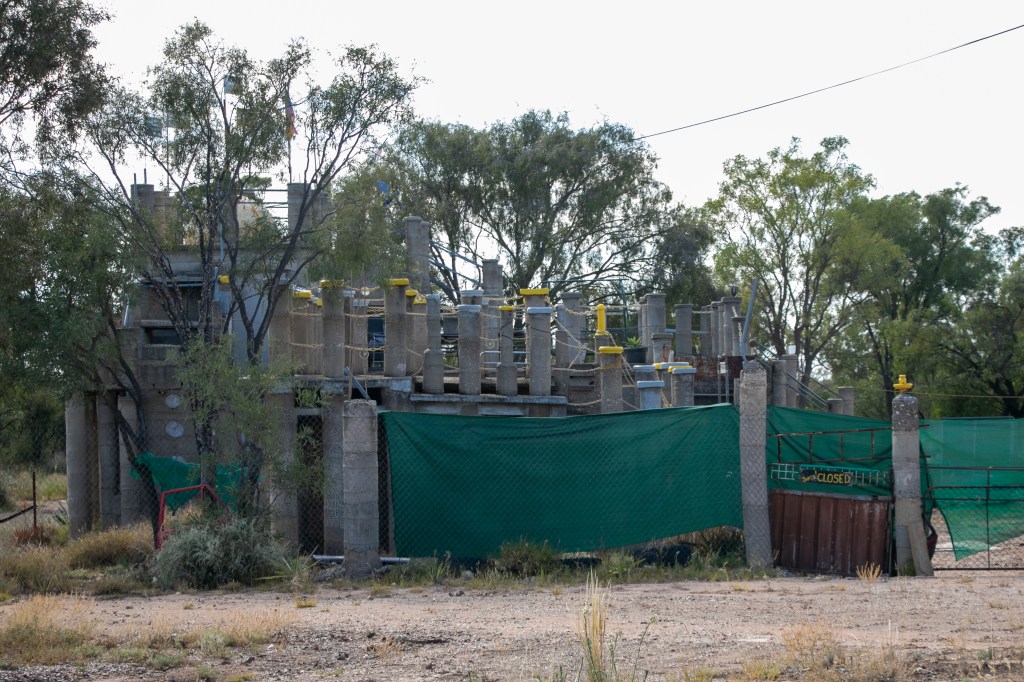
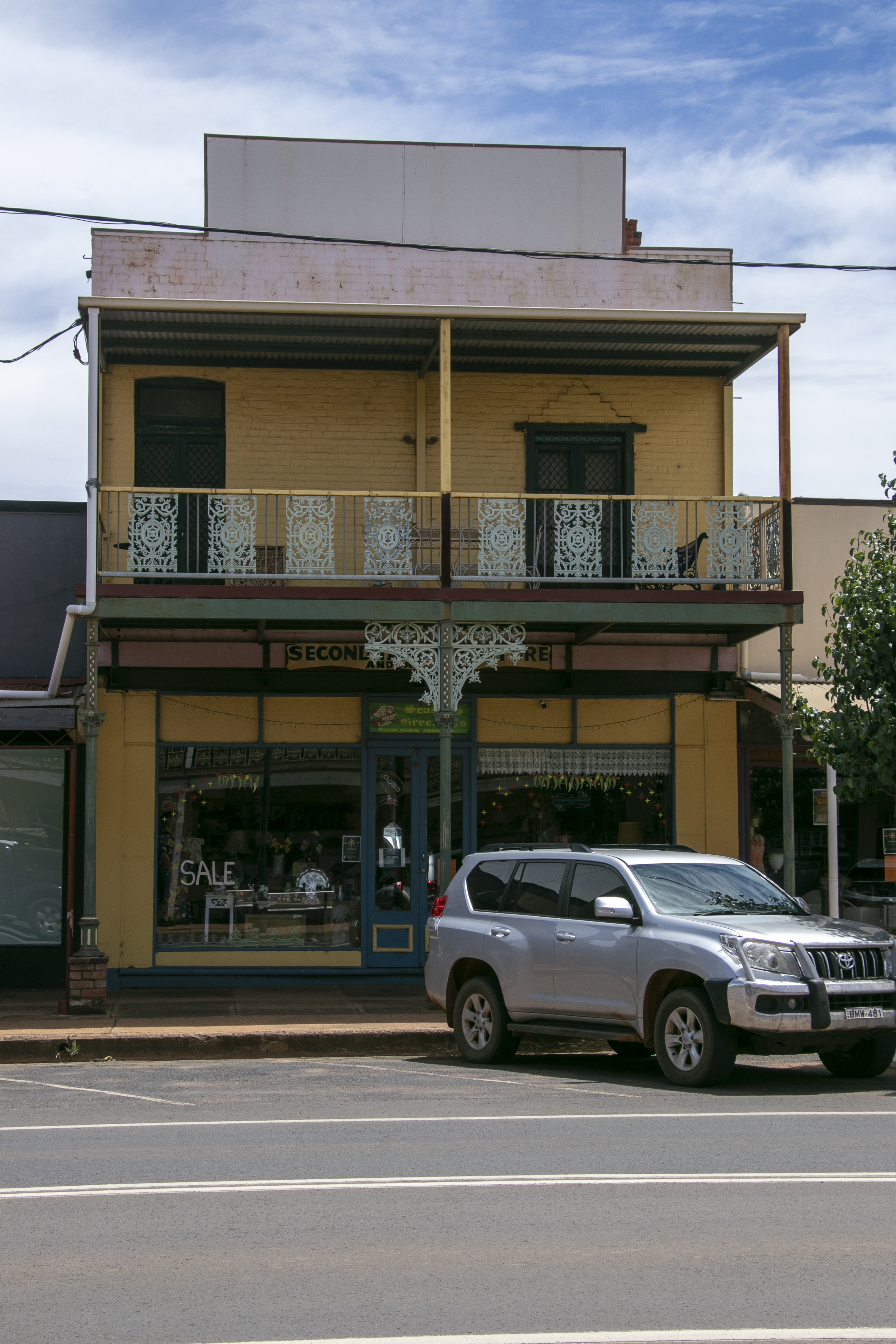
Being a smaller town, Cobar’s architecture is on a more modest scale. There was some nice wrought-iron work on its shops and pubs, and standalone buildings (like the train station that doesn’t receive anymore trains, and the petrol station) that wouldn’t look out of place in an American Western.
Next time, I’ll be venturing to more regional NSW towns, this time heading south-west of Sydney.
Outback NSW – Lightning Ridge – Part 3

Opal mining is a hard life, as can be seen in the TV series, Outback Opal Hunters. Miners are generally a secretive lot, but travelling with a geologist (a.k.a. Hubby) has its perks as he has connections. We ended up going on a bit of a sightseeing tour in and around Lightning Ridge with one of his connections, S. He first showed us around the famous digs of Lightning Ridge (featured in my previous post). Here are some other places he showed us.

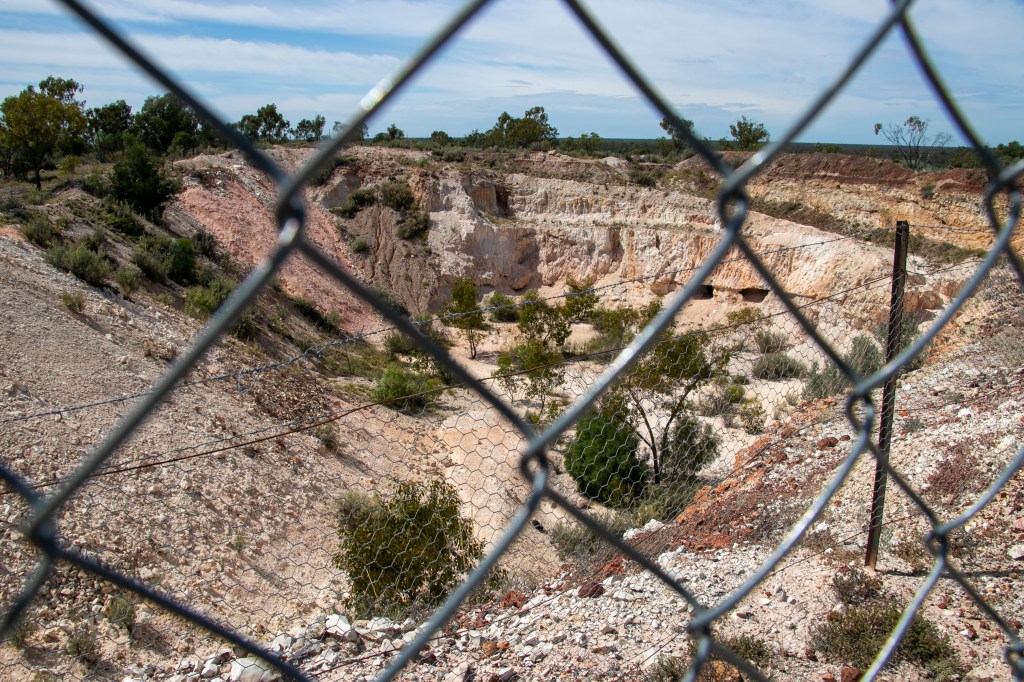
I showed you some smaller claims previously, but we were shown bigger workings as well. This claim is no longer being worked.

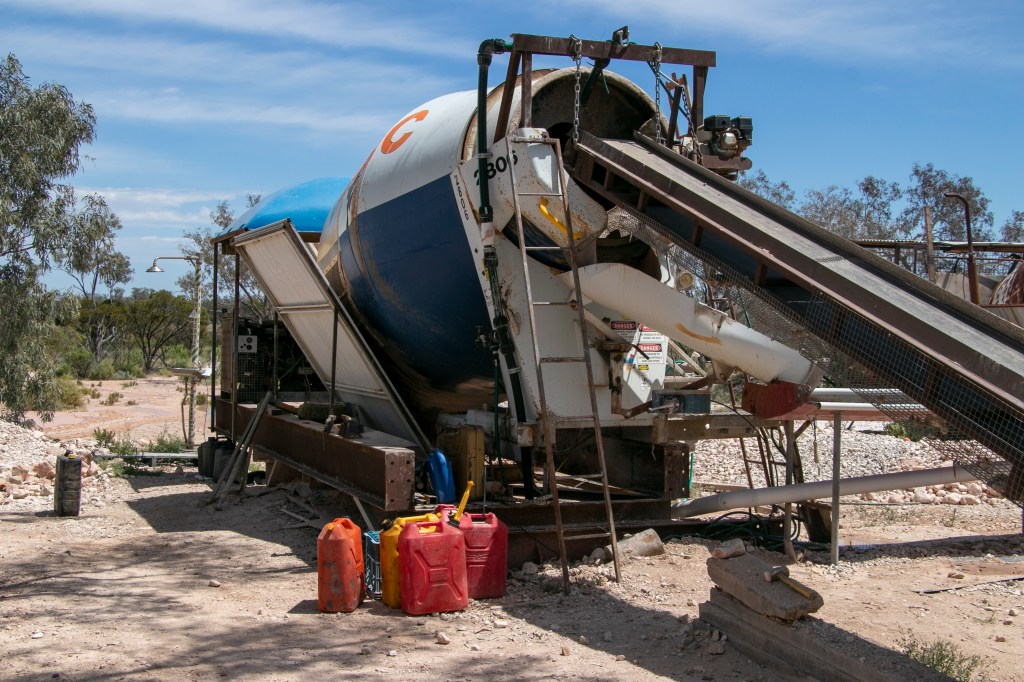
To see if you have any good opals, you have to sort your diggings (with the help of a cement mixer/tumbler, and then give it a good wash to get the dust off. Then you look at the rocks in the dark under UV light to see if anything glows – opals glow under UV light! Told you it wasn’t easy. Luckily, Lightning Ridge has a community wash plant, and we got to see it at work.

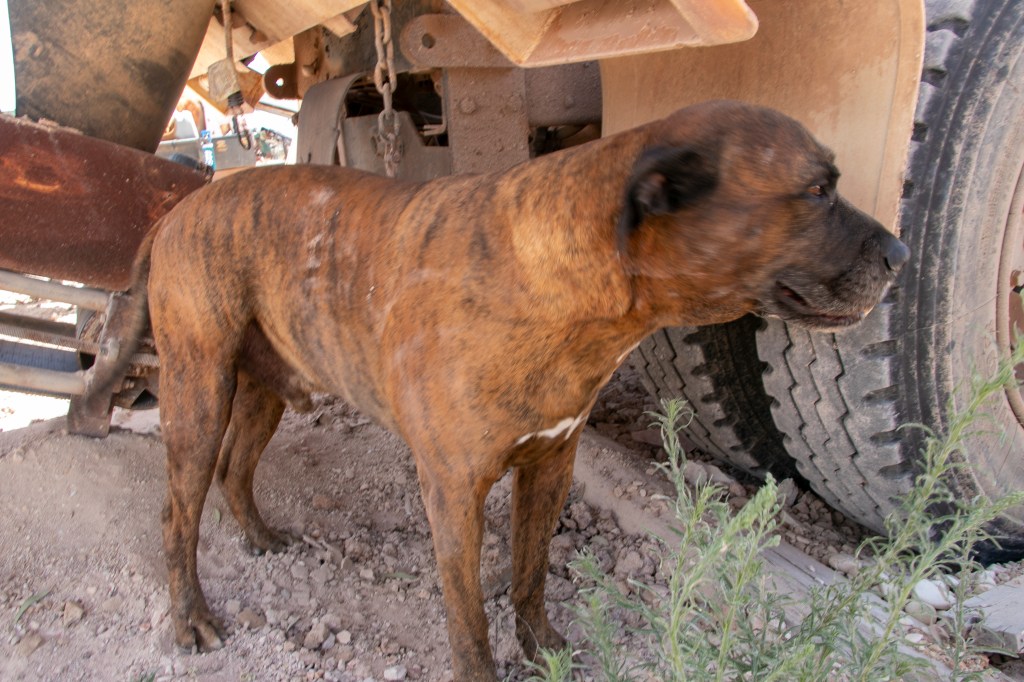
Miners bring their dogs out for company (and perhaps protection). If it was my dog, she’d be out chasing the wildlife and you’d never see her again.

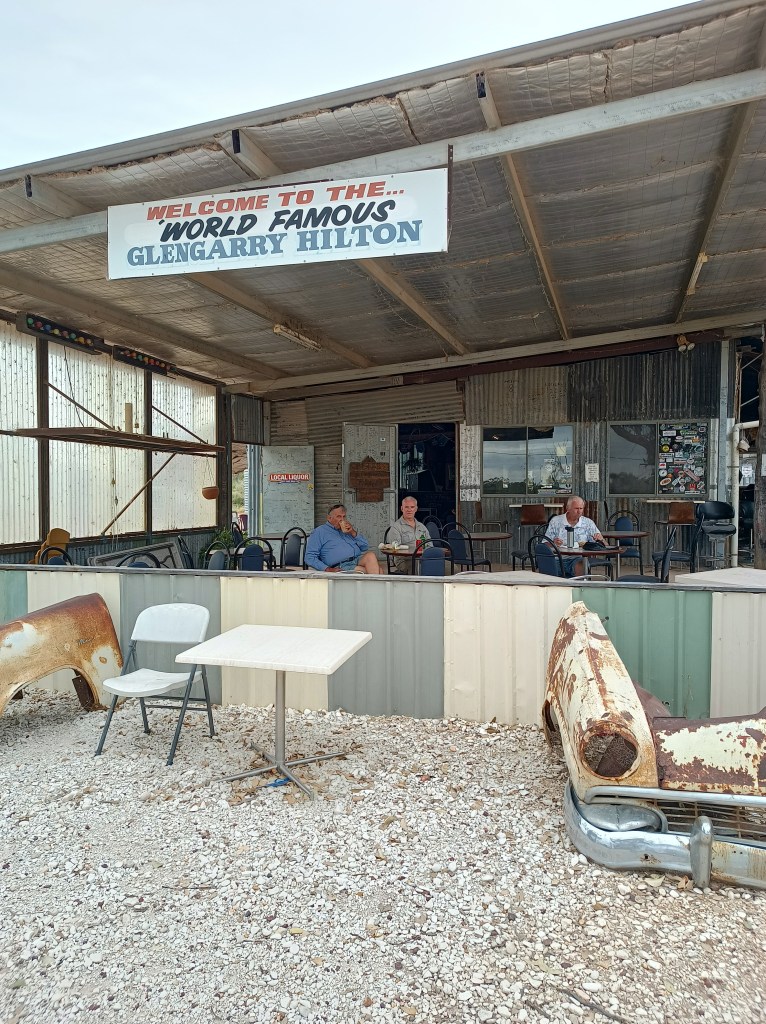
There are other smaller localities close to Lightning Ridge that are also opal fields. We drove to the locality of Grawin, where we found that one of the local watering holes (there were several) was uniquely Australian. And their War Memorial was ‘down-to-earth’.

Outback NSW – Lightning Ridge – Part 2

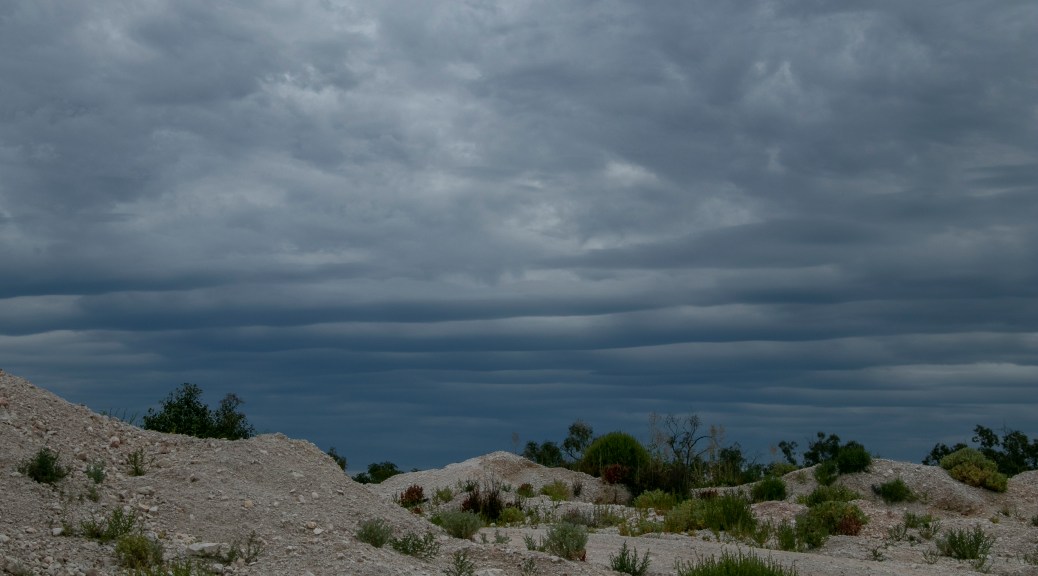
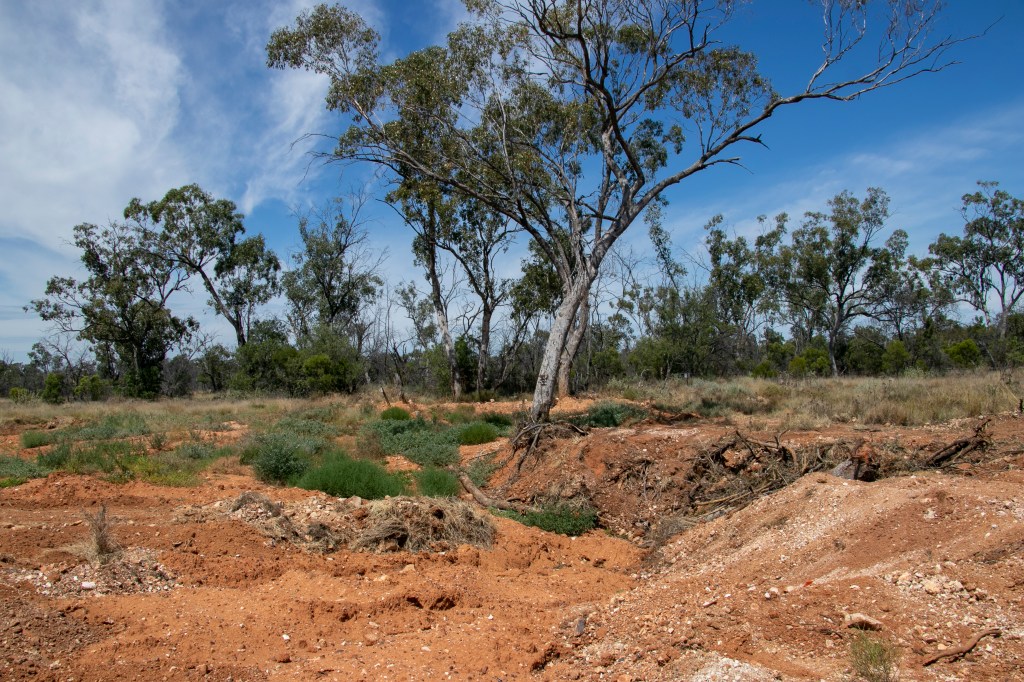
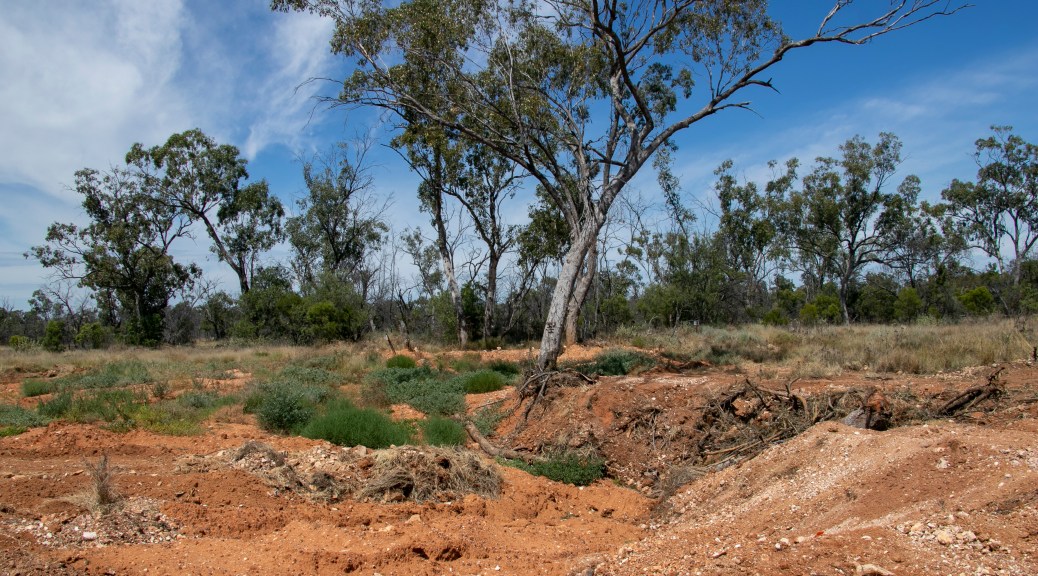
Lightning Ridge is a mining town. It is remote. It has a harsh climate. It is in ‘woop woop’ by the standards of most East Coasters. What does the land look like? A bit like this.

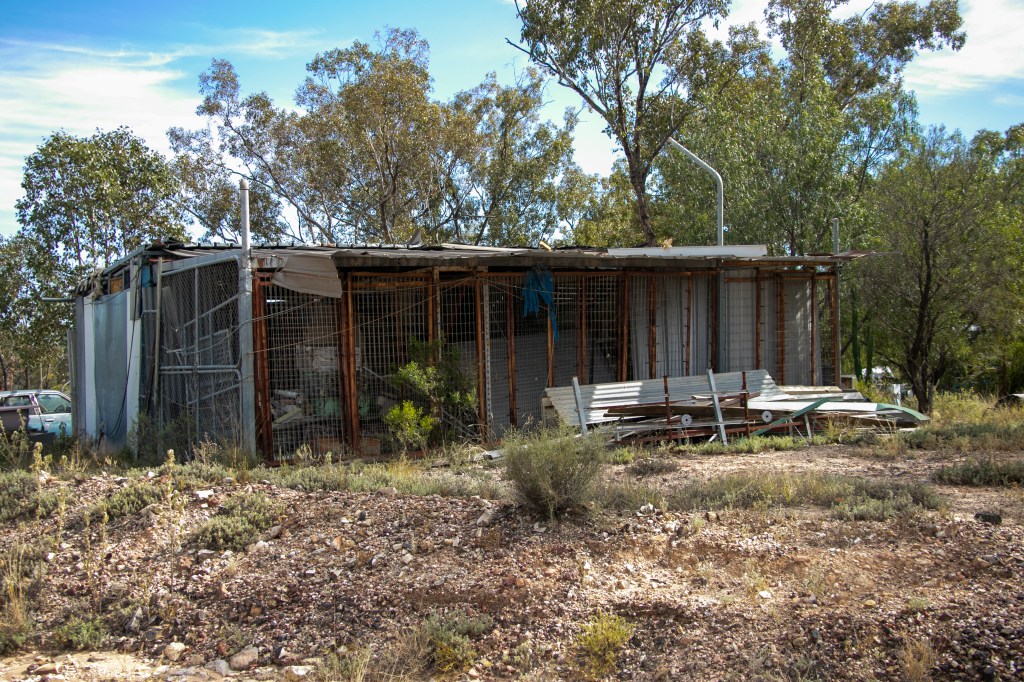
The mining that occurs around the town is usually done by individuals or small groups as opals can’t successfully be mined on an industrial scale. Hence there are no really enormous holes in the ground, just thousands of little ones.

Mining is usually people’s winter ‘job’, as the high summer temperatures mean that it’s too difficult to stay year-round. In summer, they run back to the coast!

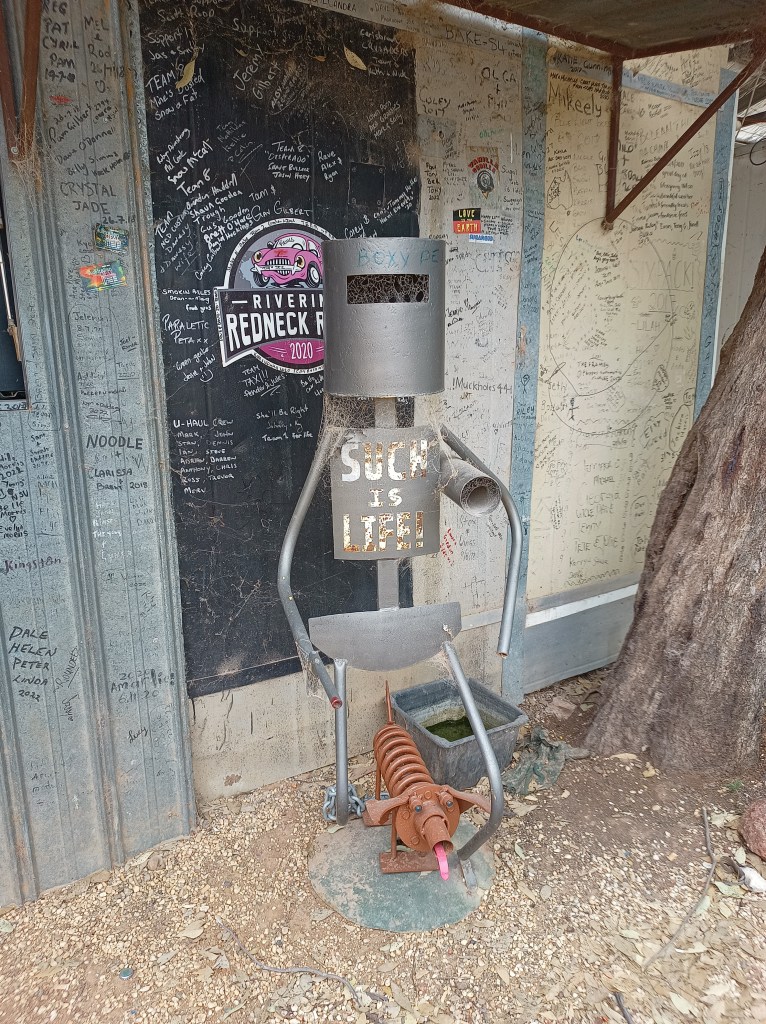
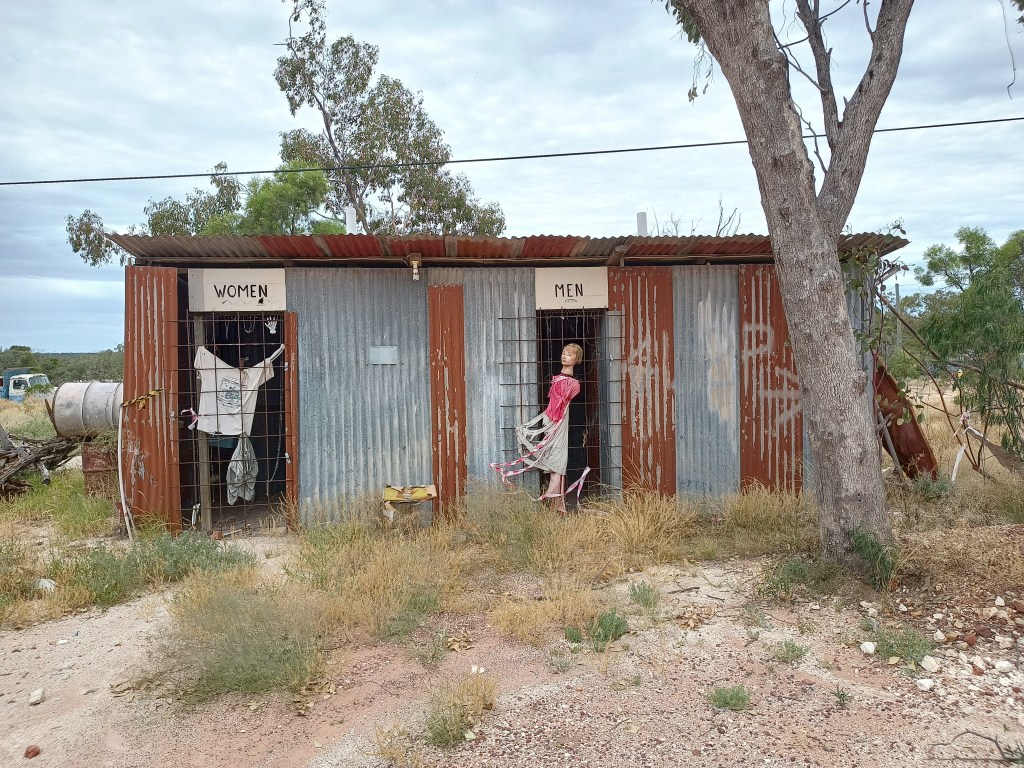
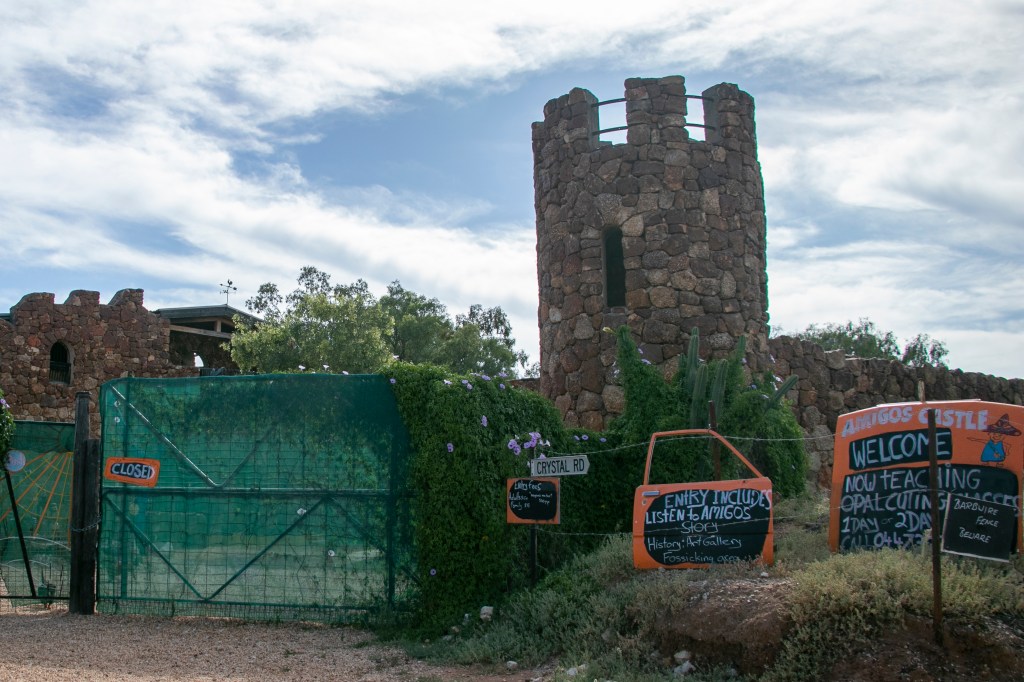
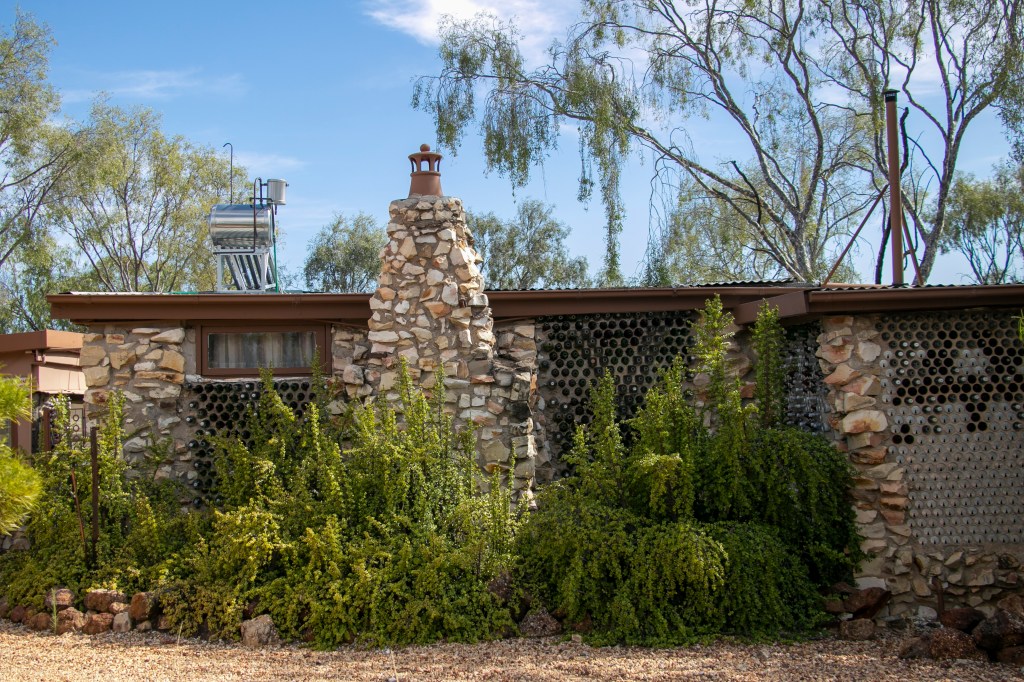
Many miners live on or near their mine ‘lease’, and council regulations appear non-existent, so they are free to build what they like. Some are so imaginative that they’re now tourist attractions.

Hill End – Part 4

We’ll round up our visit to Hill End firstly with the wildlife we encountered. We saw lots of Eastern Grey kangaroos at dawn and at dusk in the outskirts of town.

Hill End Village

And various local parrots feeding at the back of the pub all day, every day.

Hill End Village

They reminded me that Hill End is still a remote town, surrounded on all sides by forested hills, and quite a bit of wildlife (though nothing really human-eating, as in the North American Gold Rushes when those miners were faced with wolves, bears, coyotes etc.). Still, it would have been a bit of an effort to reach the town during the Gold Rush, when there were only rough tracks and no public transport. The miners and their families would have had to walk in from Sydney (a distance of over 250km nowadays, and might have been much longer in those days) with all of their possessions in tow.

On the outskirts of town, there were more remnants of the town’s mining past. These open tracts of land used to host miner’s campsites. Nowadays it hosts tourist campsites.

Hill End Village

And we passed an old miner’s shack, ironically named. Then again, it would have been one of the more luxurious modes of accommodation available, especially in the early days of the town when most people would have been sleeping under canvas.

Exploring Hill End

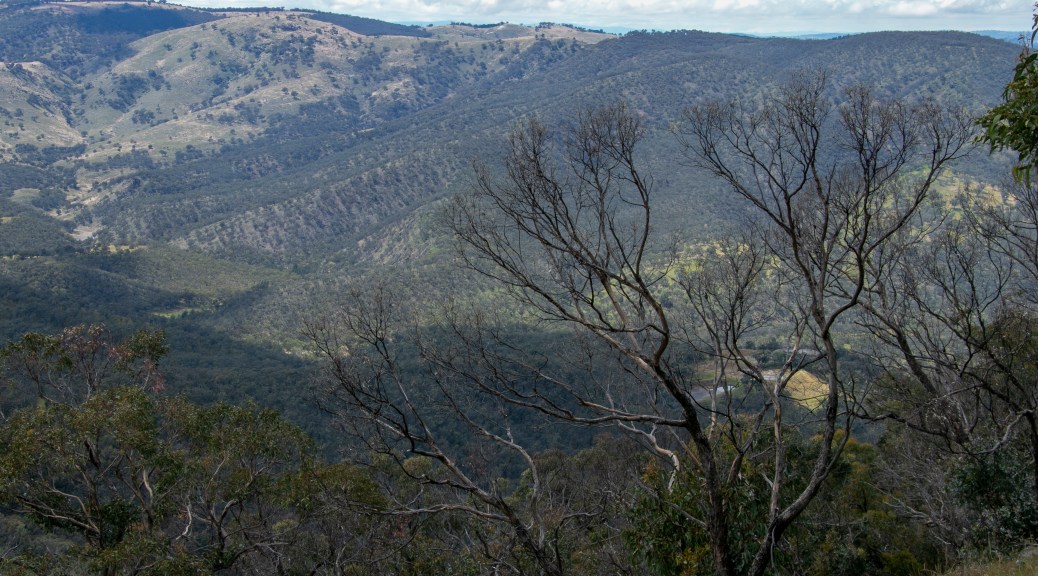
And from a nearby lookout, we could still see the scars on the hill-sides where the diggings were.

Exploring Hill End

During the Gold Rush, the valley would have been filled with the noise of miners and their machines working. Now, we heard only the sounds of nature.

Western Tasmania – Part 4

We’re back to rainy Queenstown on the west coast of Tasmania, and today we’re riding on a steam train.

West Coast Wilderness Railway

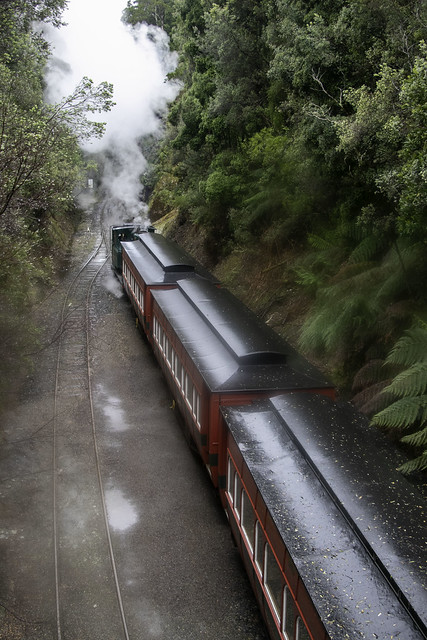
The West Coast Wilderness Railway runs from Queenstown to the West Coast port of Strachan. It is a heritage railway that used to transport product from the Mount Lyell Copper Mine in Queenstown to the coast, where it can be shipped out to the big wide world.

The current railway consists of original locomotives and carriages from the same era.

West Coast Wilderness Railway

It snakes through the wild west coast rainforest…

West Coast Wilderness Railway

Up and down steep hills and across torrential rivers.

West Coast Wilderness Railway

As you might guess, the railway would have taken awhile to construct through this trick terrain. Sydney-siders, you shouldn’t be complaining about this current bout of wet weather. Try living in Queenstown for a few months, or years. Although I have to concede that the rain in Queenstown generally falls more gently, like British rain.

Western Tasmania – Part 3

We’ve had a very rainy summer in Sydney this year due to the La Niña effect. Rainy weather like this reminds me of our visit to Western Tasmania. This region is one of the wettest in Australia (rainfall averages 2400mm annually), and in this post we visit the biggest town in the region, Queenstown. Like its Kiwi counterpart, it is an isolated place on the West Coast of the island, and like the other towns of the region, it also has a strong mining history.

Downtown Queenstown

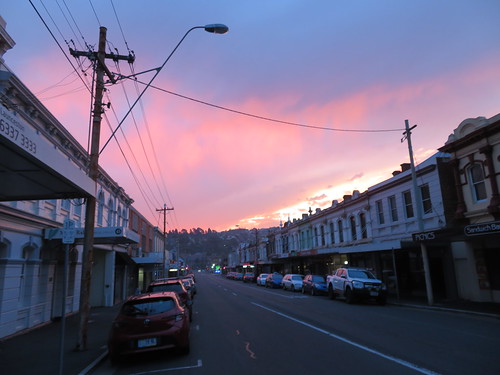
Mining goes back all the way to the 1880s. Historical buildings scattered through the town attest to the town’s long history.

Downtown Queenstown

Downtown Queenstown

It started with gold, but eventually copper was the most lucrative metal. So much so that the town’s population grew to over 5,000. It wasn’t the mining itself that was the most ecologically damaging but its processing. The town had a few copper smelters that had to be fuelled, and the fuel of choice in the old-days was timber. So all the trees in the area were felled, hence the bare hills surrounding the town.

Downtown Queenstown

The high rainfall also meant that erosion was sweeping the topsoil away. The copper mine still exists but hasn’t been fully operational since 1994. Copper smelters no longer operate in town so the hills get a chance to slowly regenerate. But the lack of mining meant a lack of jobs, hence the population of the town has shrunk to under 1,800 and lots of shops remain empty. But there are people in town wanting to revitalise it.

Western Tasmania – Part 2

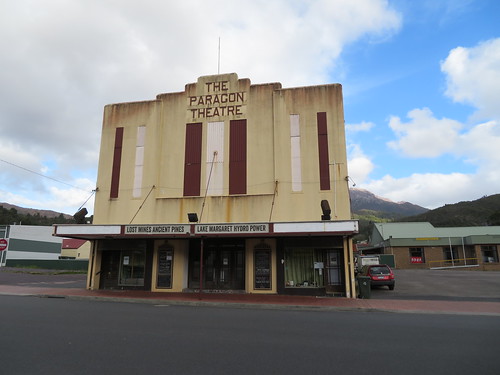
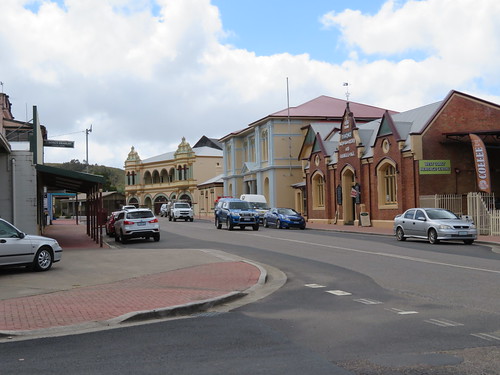
Today we’re moving on to another mining town in western Tasmania, Zeehan. Zeehan has been a town since the 1880s, and continues to be a working mining town. The surrounding hills are rich in all sort of minerals – silver, tin, nickel, zinc to name a few (and those are just the common varieties). Signs of mining past and present are all around town.

Mining near Waratah

Downtown Zeehan

In the early 20th century, the town was as big as Launceston and Hobart. These days it’s a lot sleepier.

Downtown Zeehan

But by the grandeur of its main buildings, you can tell that it was once a wealthy town.

Downtown Zeehan

Western Tasmania – Part 1

We’ll continue our trip around Tasmania with a visit to the West Coast. The West Coast of Tasmania is similar to the West Coast of New Zealand in a lot of ways. It’s wild, rugged, and still relatively remote. It’s covered with mountains and ancient temperate rainforests that date to the time of Gondwanaland. And it’s also got interesting geology and also economically valuable minerals.

We made a brief stop in the village of Waratah.

Waratah Falls

It doesn’t have much now in the way of infrastructure, but it is the site of the first tin mine in Tasmania, Mount Bischoff, back in 1873. Ever the historian, Hubby wanted to revisit the site, so off we went in search of the old mine.

After driving down a few tracks and a bit of walking, we soon found some old remnants.

Mining near Waratah

And the open cut wasn’t far off – it hasn’t been worked for awhile.

Mining near Waratah

Northern Tasmania – Part 1

That’s all from Launceston, but it’s the beginning of our drive around Tassie.

Launceston

The next morning we made our way north along the Tamar Valley and stopped at the little town of Beaconsfield. It was up until 2012 a gold mining town. A mine collapse in 2006 contributed to its end.

The town was founded in the mid 1800s and was quite a prosperious place. Now it houses the Mine & Heritage Centre.

Downtown Beaconsfield

Downtown Beaconsfield

Downtown Beaconsfield

From West to East – Part 2

We’ll continue driving from the west coast to the east coast of the South Island.

Driving Lewis Pass

Our route took us through the small town of Reefton. It is another former gold-rush town (where they found an extensive gold-bearing quartz reef, hence the name).

Driving Lewis Pass

If it looks and feels like the ‘wild west’ then you’re not far wrong.

Driving Lewis Pass

Probably because the first gold was found in 1866, just after the Australian gold rushes started and not long after the Californian gold rush that opened up the American ‘wild west’. They all probably employed the same architects.

Driving Lewis Pass

Because of the riches of the gold mines, and also the power of the nearby Inangahua River, the town was the first in the Southern Hemisphere to be connected to the electricity grid, courtesy of the Reefton Hydro Power Station.