Tag Archives: walk

Barangaroo – Part 2

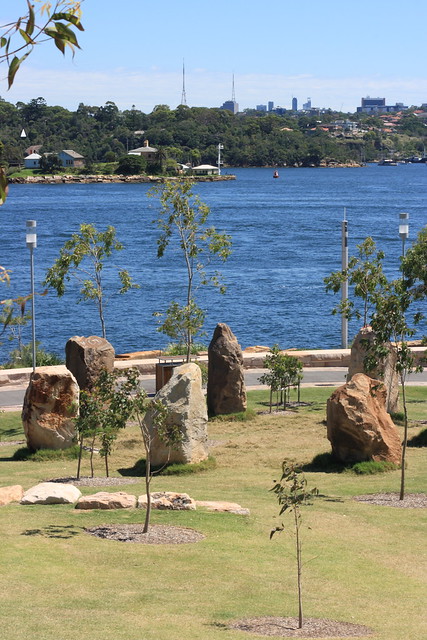
At the northern end of Barangaroo is the newly-opened Barangaroo Reserve. Yes, it’s parkland that’s been added back into the city!

Barangaroo

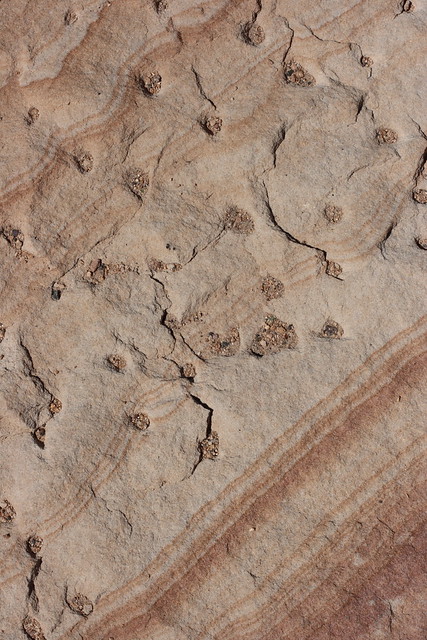
It’s been landscaped with thousands of sandstone blocks that have been quarried from the site, and planted with species that are indigenous to the peninsula. It salutes its indigenous past with many Aboriginal place names on the site.

Barangaroo

I love the sandstone blocks which came in all shapes and colours.

Barangaroo

Barangaroo

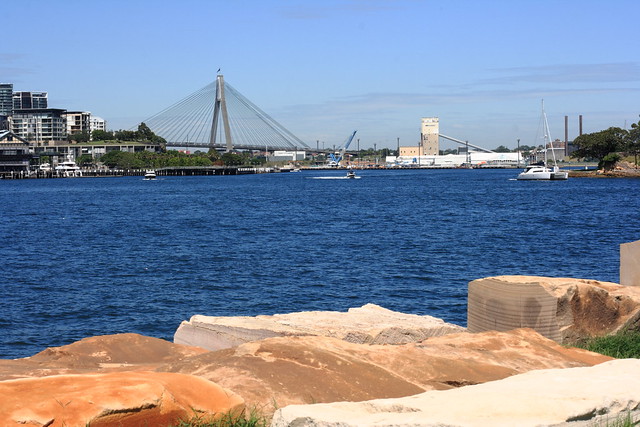
The park also has great views of the harbour, down to the Anzac Bridge.

Barangaroo

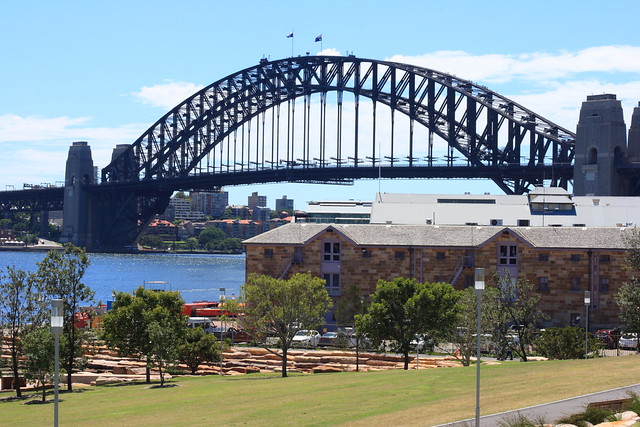
And across Walsh Bay to the Harbour Bridge.

Barangaroo

When the entire Barangaroo is open, we’ll be able to walk along the entire foreshore from Woolloomooloo all the way to Darling Harbour. I think it’s a brilliant addition to the city.

Autumn in Tokyo – Part 2

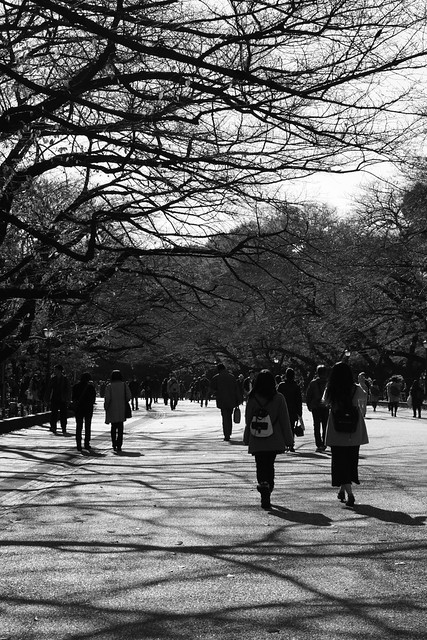
Let’s continue our stroll through Ueno Park.

Autumn in Ueno Park

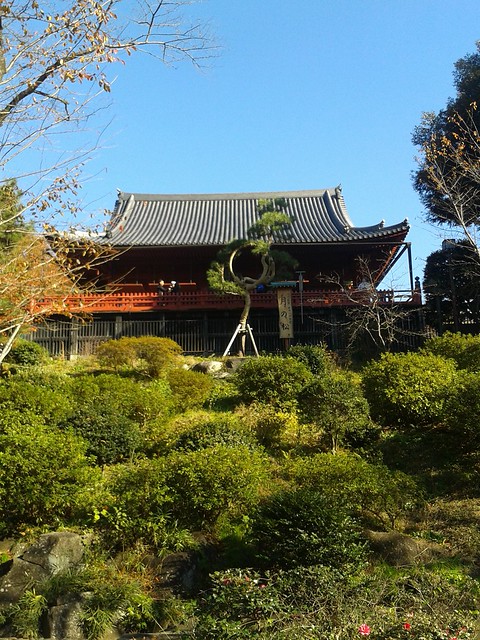
There’s a temple.

Sights of Ueno Park

Markets to browse.

Sights of Ueno Park

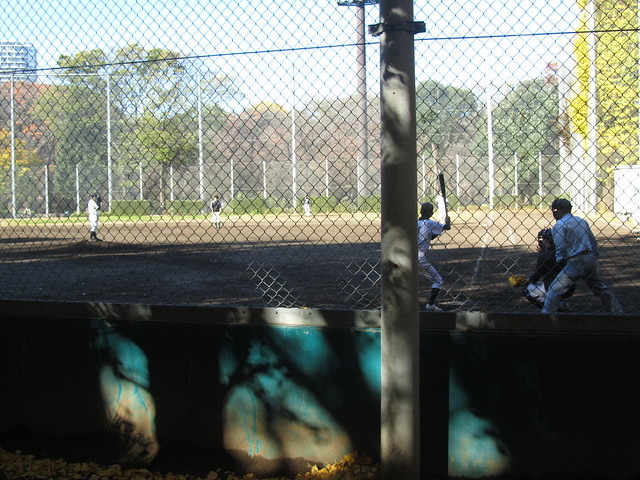
A game of baseball play or watch (although the pitcher here was terrible).

Sights of Ueno Park

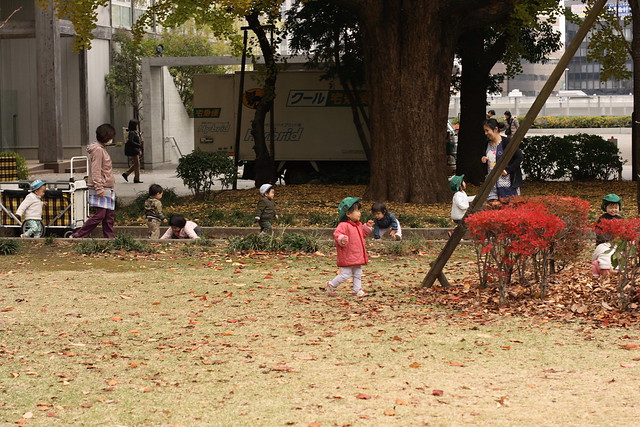
The park was used by everyone, including these tiny preschoolers here.

Autumn in Ueno Park

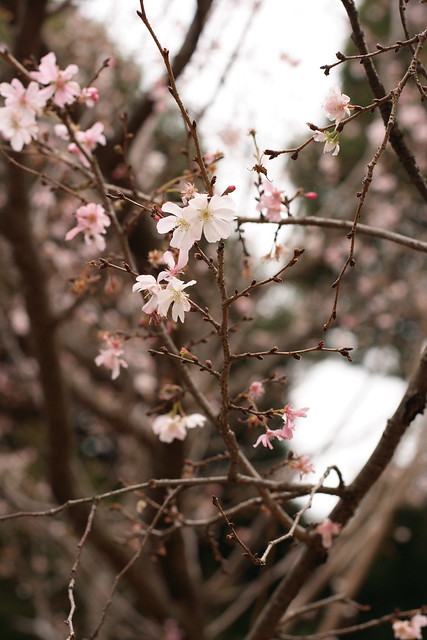
And although it was the beginning of winter, we even found a tree in blossom.

Autumn in Ueno Park

Oh, and there were lots of museums, which I’ll cover in the next post.

At the end of the day, everyone went home contented.

Autumn in Ueno Park

Around a Mountain Town – Part 5

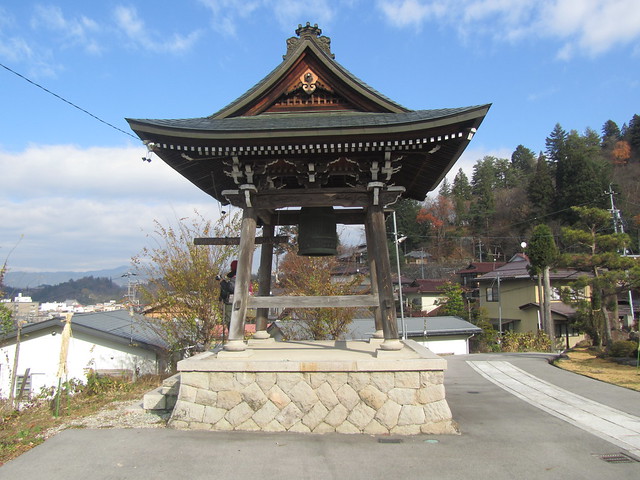
We conclude our visit to Takayama with a walk up to one of the surrounding hilltops, Shiroyama. We are a bit above the town there, and had a good view.

Around Takayama

Overlooking the town is a rather big bell, attached to a nearby temple.

Around Takayama

The hilltop was forested, with many wandering paths.

Around Takayama

Around Takayama

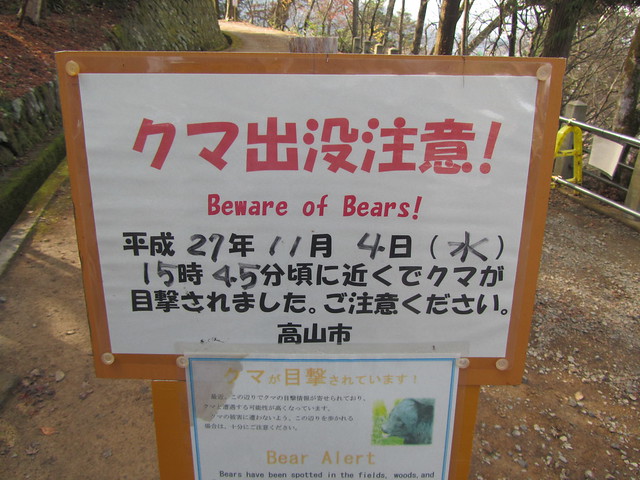
It’s forested enough to attract all sorts of wildlife, although we didn’t see any!

Around Takayama

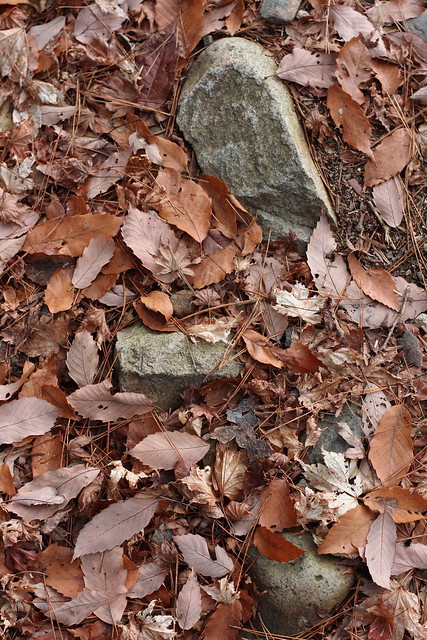
And we of course got a final glimpse of the wonderful autumn leaves. It’s a sight to remember this mountain town by.

Around Takayama

Around a Mountain Town – Part 4

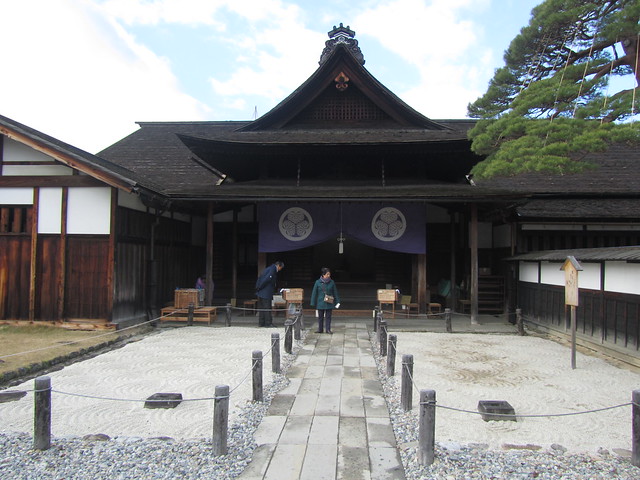
We made a visit to Takayama Jinya – the old administrative ‘office’ of the region during the 18th and 19th centuries.

Around Takayama

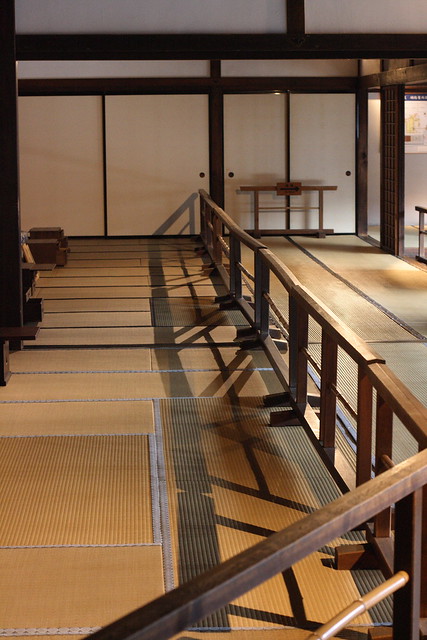
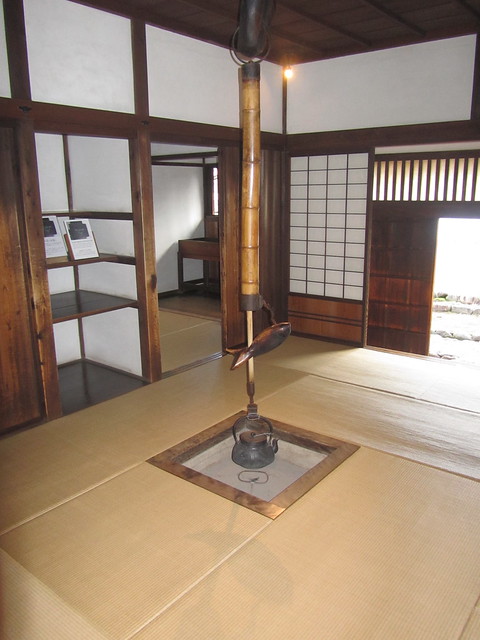
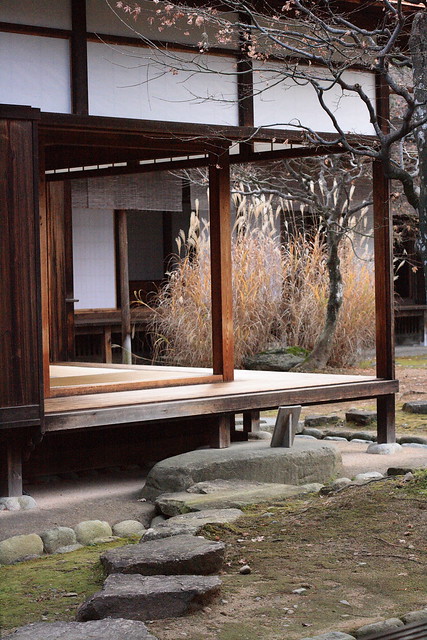
Inside, it’s a little like Nijo castle in Kyoto – a series of interconnecting rooms and buildings, surrounded by gardens – except a little less grand.

Around Takayama

Around Takayama

Around Takayama

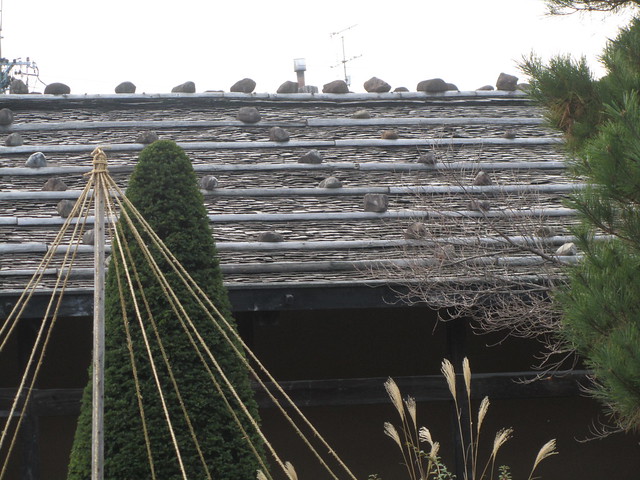
The weather can be extremely wild up in the mountains, so even the roof tiles were weighed down.

Around Takayama

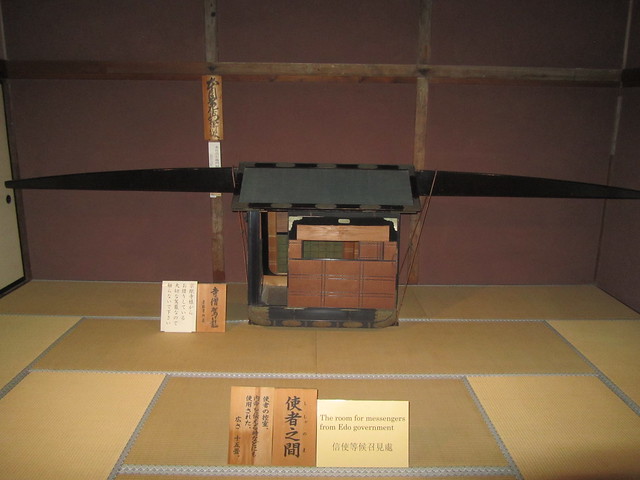
The museum gave us a glimpse into life at the time for those at the top and the bottom of the heap. Very important people were carried in these sedan boxes.

Around Takayama

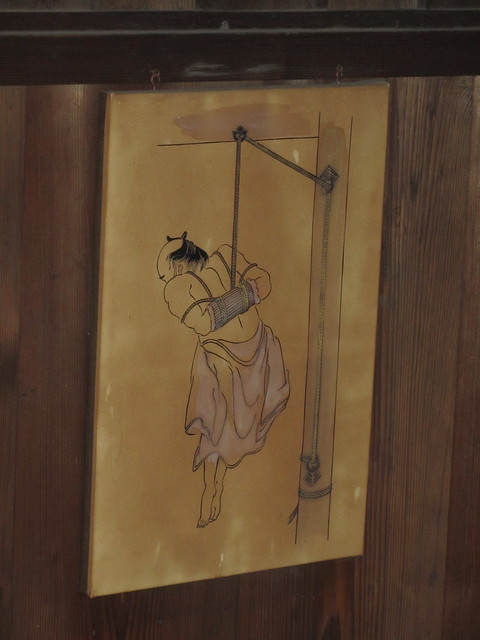
Criminals were carried and kept in these more humble (and uncomfortable) cages, and were subjected to all sorts of painful punishments. I wouldn’t want a run-in with the law in those days.

Around Takayama

Around Takayama

Around a Mountain Town – Part 3

Some everyday scenes from around Takayama.

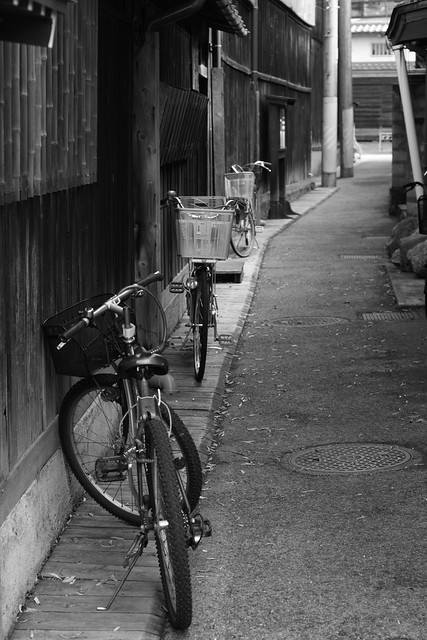
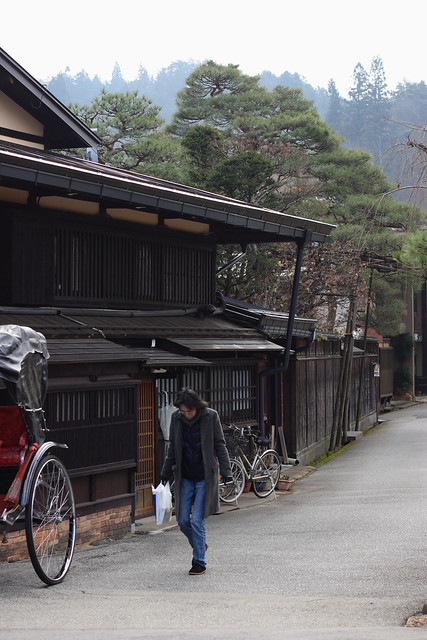
Bicycles were again the prime way to get around the old town, given the narrowness of the streets.

Around Takayama

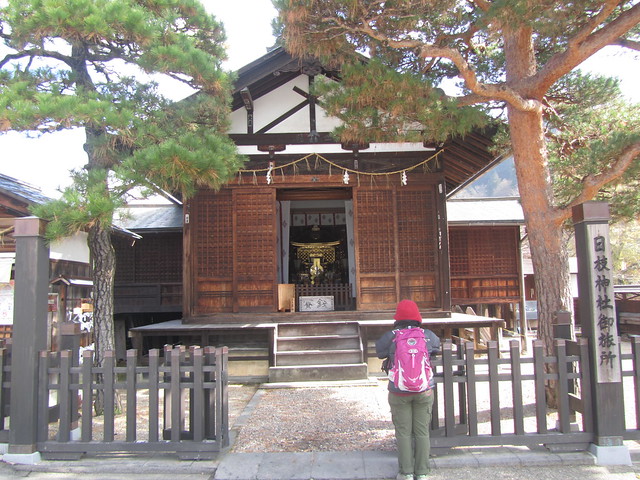
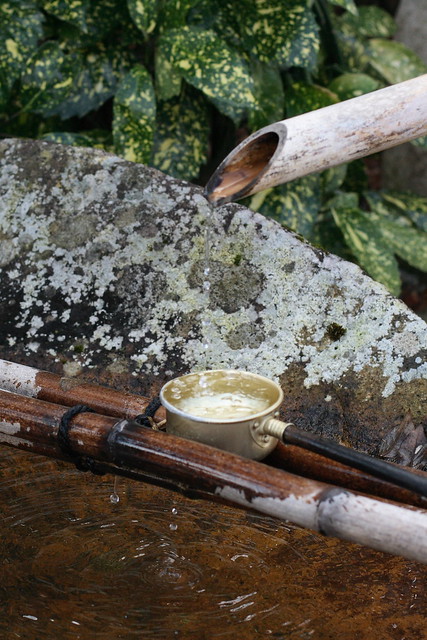
Shrines were in abundance, and beside each one, a water spout for ritual cleansing.

Around Takayama

Around Takayama

Stalls selling grilled rice dumplings on sticks (mitarashi dango) which seem to have been there since time immemorial.

Around Takayama

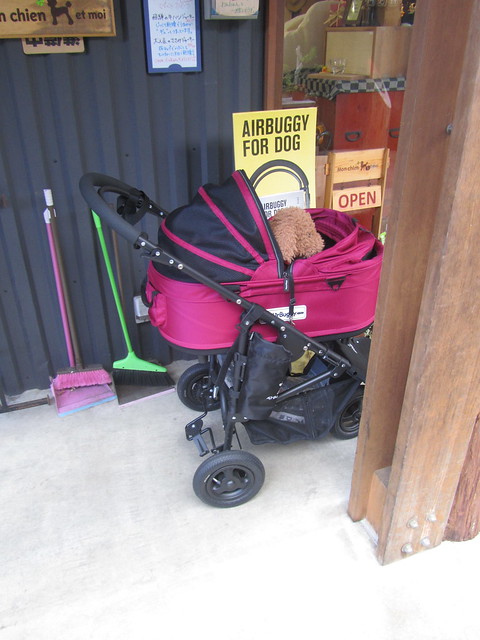
Japan’s love of dogs knows no bounds.

Around Takayama

You can always count to find a ‘pub’ wherever you are.

Around Takayama

This chrysanthemum is a little ray of sunshine on a gloomy day.

Around Takayama

Around a Mountain Town – Part 2

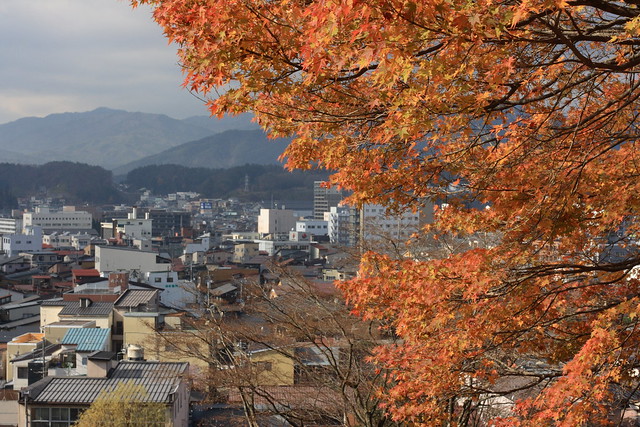
Takayama is a town of two halves. From above, it looks in every way a modern town.

Around Takayama

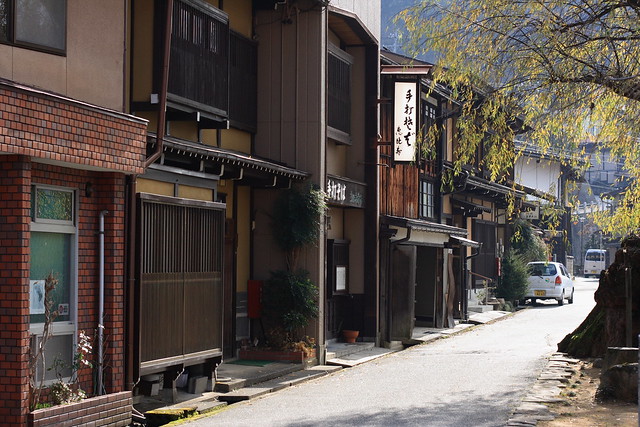
But in its heart is a very old town.

Around Takayama

Around Takayama

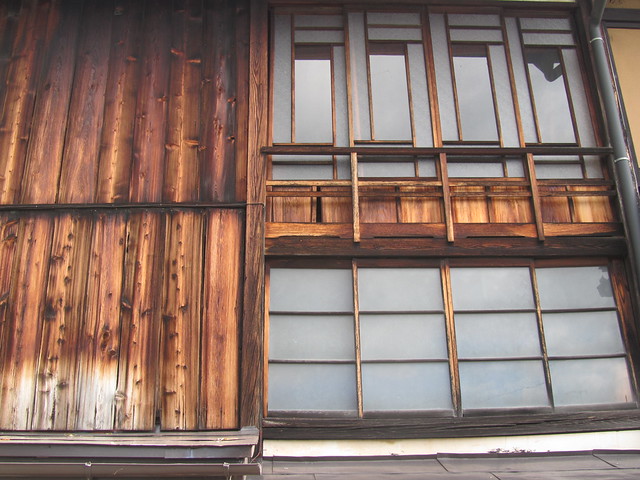
The town was founded in the 17th Century, and being surrounded by 3,000 metre high mountains, was virtually cut-off from the outside world during the long winter months. The buildings in the old town are low to the ground, and the weathered wood gives the town a very earthy, cosy feel. Very different from imperial Kyoto, or even Kawaguchiko where you can see the sacred Mount Fuji from every street.

Around Takayama

Around Takayama

Around a Mountain Town – Part 1

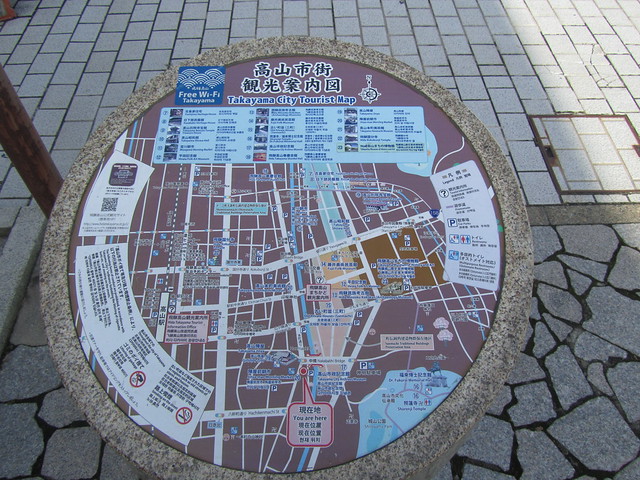
Let’s continue our walk around Takayama. There’s plenty of interesting things to see, and it’s all about the rivers.

Around Takayama

Around Takayama

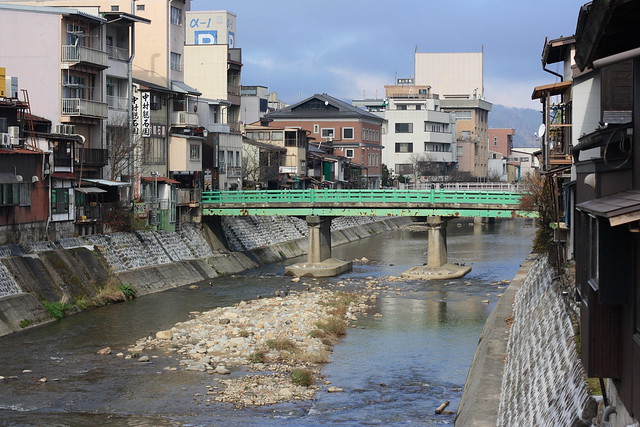
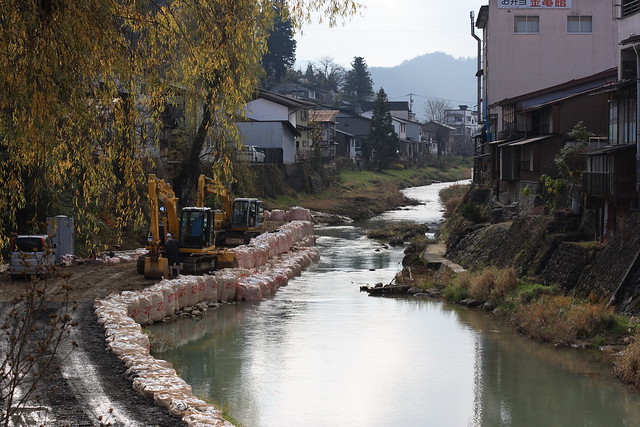
It’s a town of many bridges, and from the sandbagging action by the river side, a few floods as well.

Around Takayama

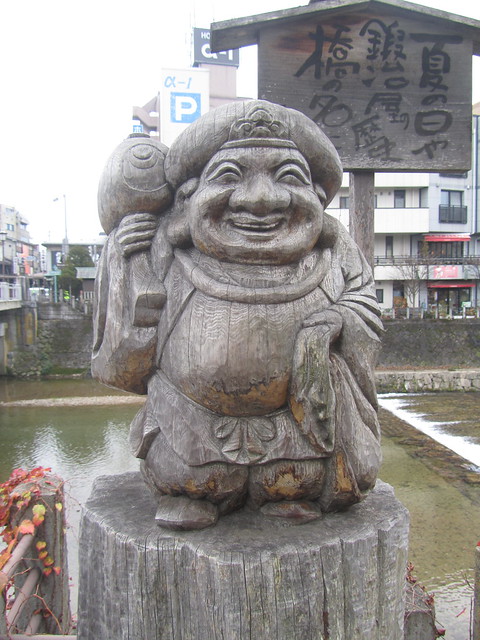
It was really a friendly town and a change after the busyness of Kyoto and Kawaguchiko. Even the statues were smiling.

Around Takayama

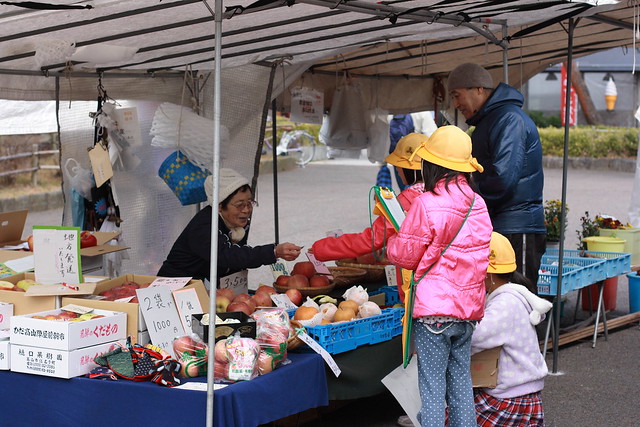
We were approached by these primary school children, who, in English, asked us a few questions for their class assignment.

Around Takayama

From the Forest to the Sea – Part 2

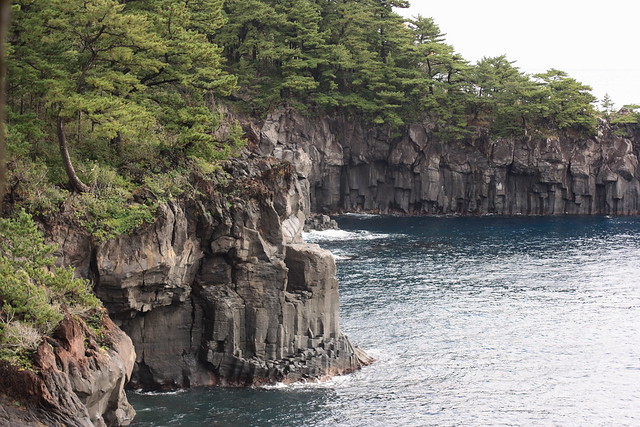
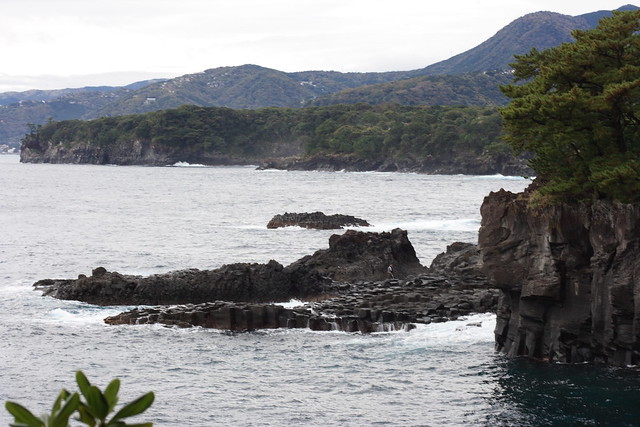
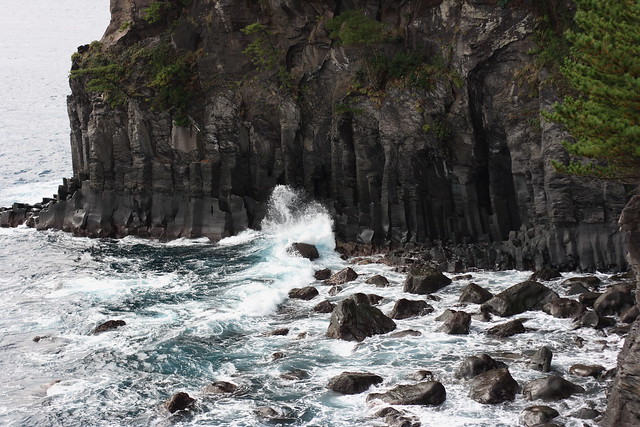
The coast line that greeted us was a dramatic one, even on an overcast day. Here, the forest and the ancient lava flow met the Pacific Ocean.

Jogasaki Coast Walk

Jogasaki Coast Walk

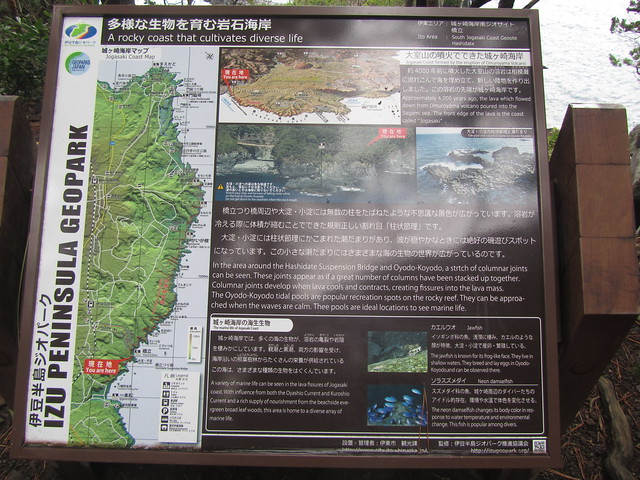
The basalt column cliffs were formed from lava flows from Omuroyama, about 4000 years ago. In geological terms, that’s all very recent. The flows went on for miles, and it’s a great place to walk along.

Jogasaki Coast Walk

The Jogasaki Coast walk was 9km long, but we didn’t need to walk such a long way to get some great views.

Jogasaki Coast Walk

Jogasaki Coast Walk

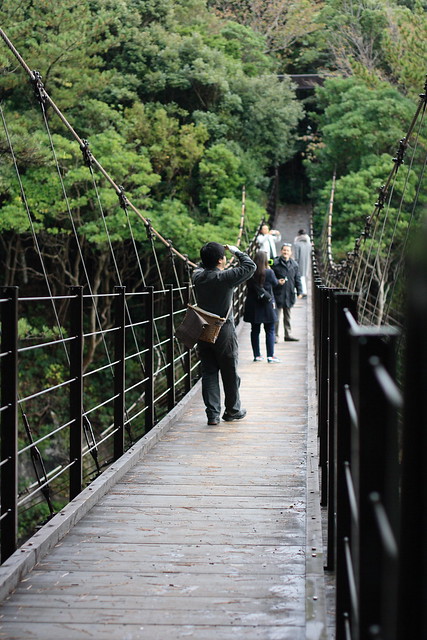
There was even a 60 metre suspension bridge (suspended 18 metres above the sea) from which to appreciate the scene.

Jogasaki Coast Walk

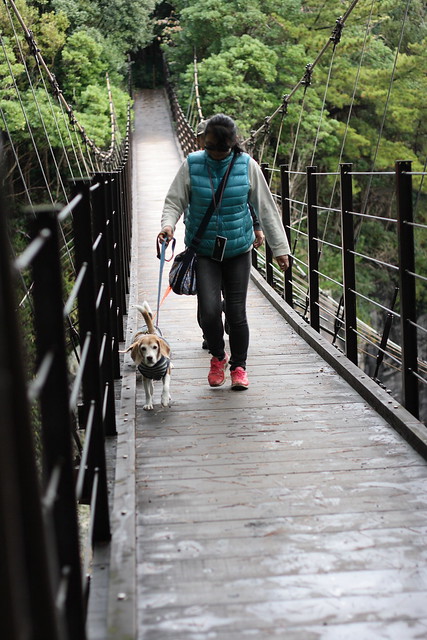
We weren’t the only ones enjoying the morning walk. This couple were walking a pair of beagles along the bridge. I must say that our beagle, Bridie, wouldn’t be so daring as these little guys.

Jogasaki Coast Walk

By the Tracks – Part 5

Walking east of Kingsgrove Road towards Bexley North, we come to a pedestrian tunnel.

Kingsgrove Project

It links streets to the north and south of the M5. There are a few of these along the track, very handy as otherwise it would be a very long walk to the train station for those living north of the M5.

Kingsgrove Project

Wolli Creek once again winds its way downstream. It runs into the Cooks River, past the airport, and into Botany Bay.

Kingsgrove Project

With the arrival of the M5 the canal was widened, but it hasn’t eased the flooding. Why does it flood so often? I Googled this issue and found a Flood Study for the area. It says that before this part of Sydney was settled, all the rainwater was slower to enter the creek, having to be filtered through the soil or flow down the numerous gullies and creeks. Now there is a lot more concrete, meaning less places for water to filter through, hence more flooding. Judging from the amount of flooding recently in Sydney and its surrounds, this is very common side-effect of urbanisation.
That ends our little tour of the M5 and Kingsgrove. I enjoyed photographing the suburb and writing about it, so perhaps I might do it again somewhere down the track.