We have had our fair share of storms this summer in Sydney, so I became quite familiar with the sight of billowing, dark clouds over the backyard.
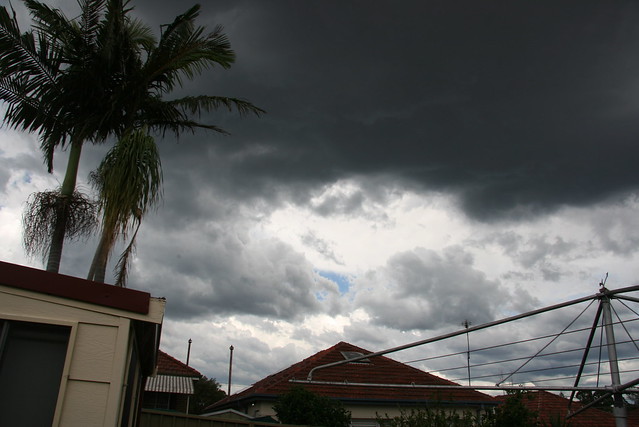

We have had our fair share of storms this summer in Sydney, so I became quite familiar with the sight of billowing, dark clouds over the backyard.
Time for a knitting update. I’ve caught ‘lace fever’! All of my late spring/summer projects have been lacy neckware gifts. Scarves/shawls/cowls aren’t things that I’m inclined to knit for myself, I must admit, but I’m happy to knit them for other people.
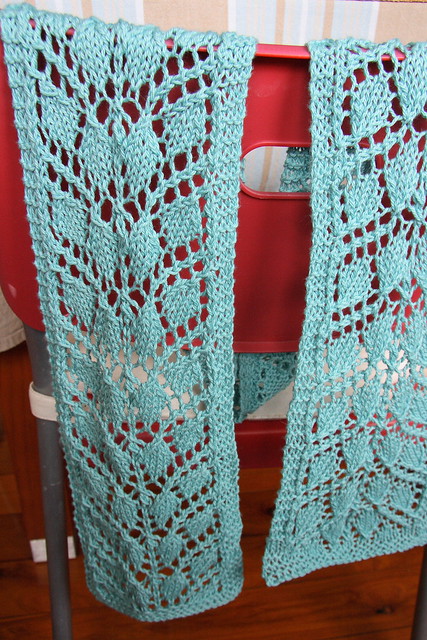
Mother-in-Law, H’s favourite colour is blue, so this lacy botanical scarf was great for her.
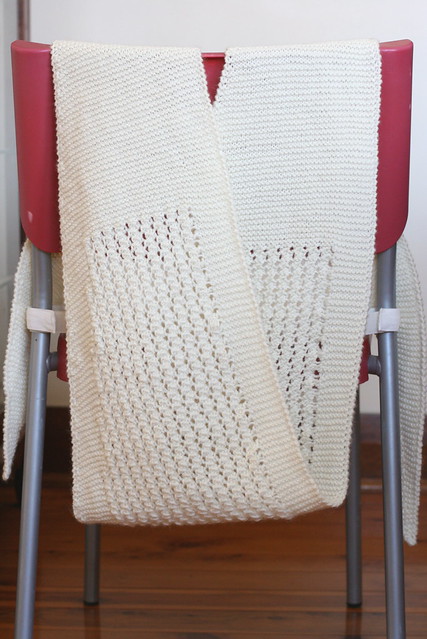
T’s present is this great lace shawl/cowl. Long enough to be able to wrap around your shoulders or neck. One for a cool winter’s morning in Sydney.
Well, all good things must come to an end, and this is the last post from our visit to Japan. To end, we slip back into the traditional with a visit to the Imperial Palace grounds.
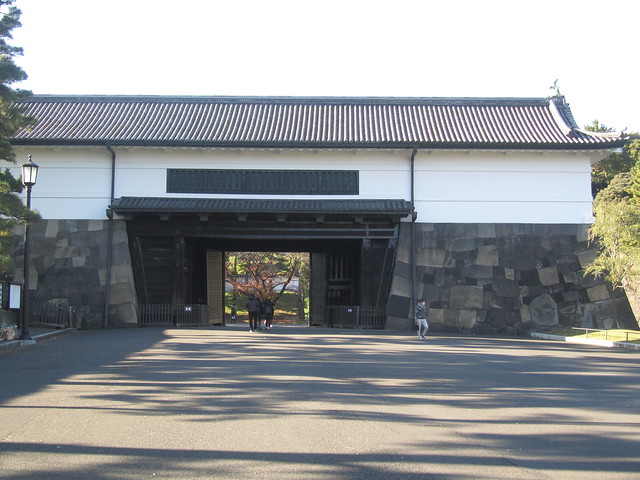
We came expecting a European set-up, where we could view certain parts of the palace, but we soon found out that the grounds were the only place we could visit. It seems that the Japanese still hold a certain reverence for their royal family.
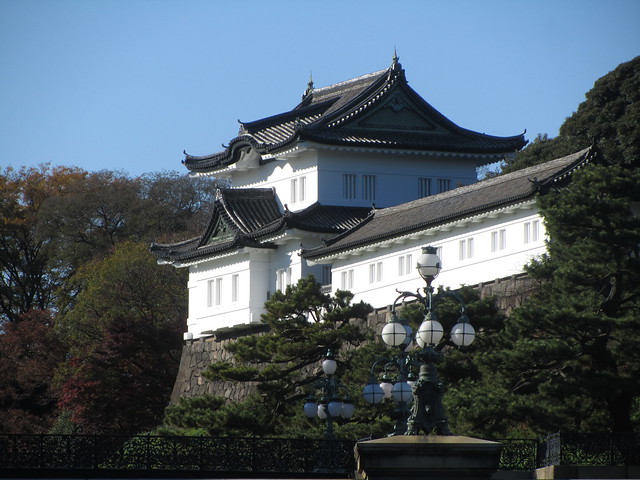
The palace itself, unlike its European counterparts, has always been out-of-bounds to the general public except on New Year and the Emperor’s Birthday. There certainly were no paparazzi hanging around the gates.
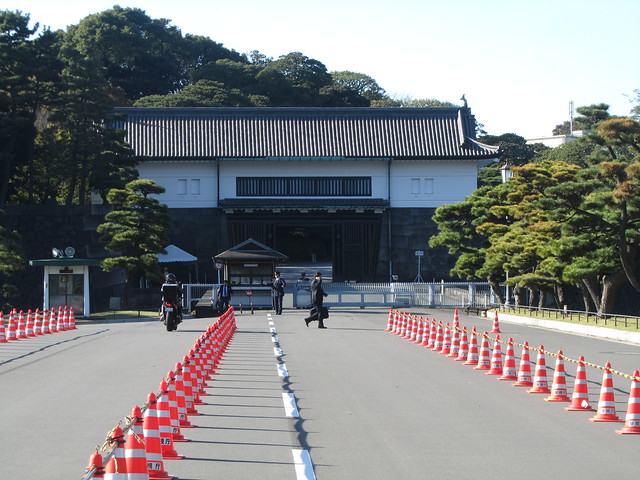
Nevertheless, there were some nice bits of garden.
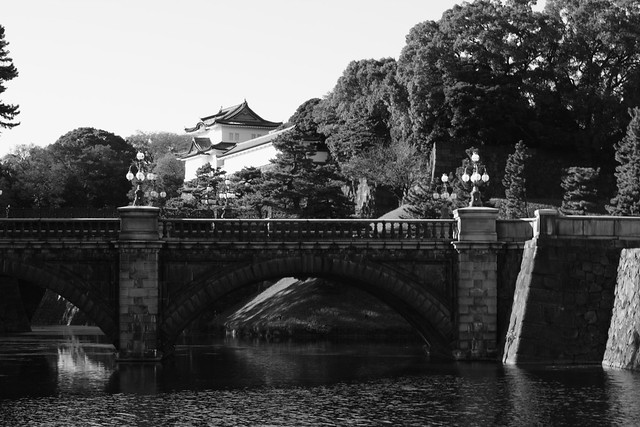
A 19th Century Meiji-era bridge, walls and moat.
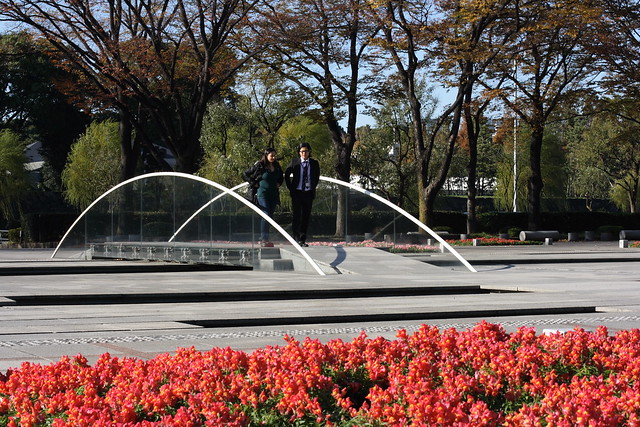
And acres and acres of park land of the kind where walking on grass is prohibited. There are in fact 3.4 square km of palace grounds, and it’s all theirs from top to bottom. No public road, even subway, has been allowed to go through it. And given that it’s in the middle of Tokyo, one of the most expensive cities in the world, I’m guessing it’s worth the price of a country or three.
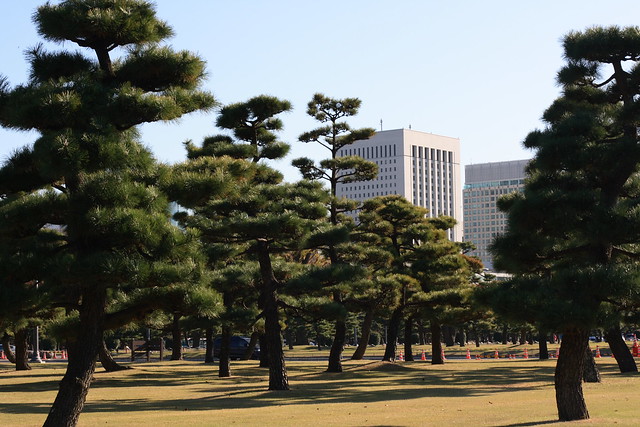
It’s a shame, because I would think there were some nice gardens inside if this was any indication.
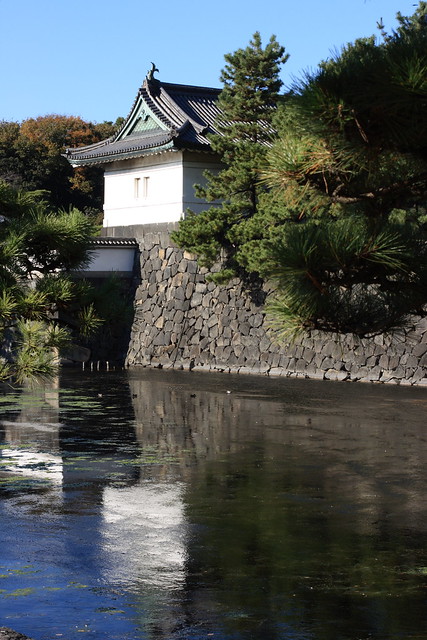
And so ends our visit to Japan. Even after three visits, it is still a land that holds much mystique. Would I come back for a 4th visit? Sure would, although I would like to explore the other islands next time, like Kyushu in the south, or Hokkaido in the north. What is certain is that wherever I go, I’m sure to have fun, meet very lovely people, and eat very, very well.
Reading my posts from Japan, you might be thinking that Japan is an antiquated society (apart from its train system, that is), but that can’t be further from the truth. Japan can be frighteningly modern. We visited the Shinjuku district, on the opposite side of the city to Asakusa. With a skyline that’s all skyscrapers, it’s a good example of modern Tokyo.

Shinjuku is famous for having the busiest train station, the highest skyscrapers, and the largest array of mainstream shops in Tokyo. Shopping in Shinjuku can either be a glorious or rather daunting experience. It may have every kind of shop and brand imaginable, but it’s the sheer density of shops and people that was overwhelming. I really felt like country bumpkins in a place like that.
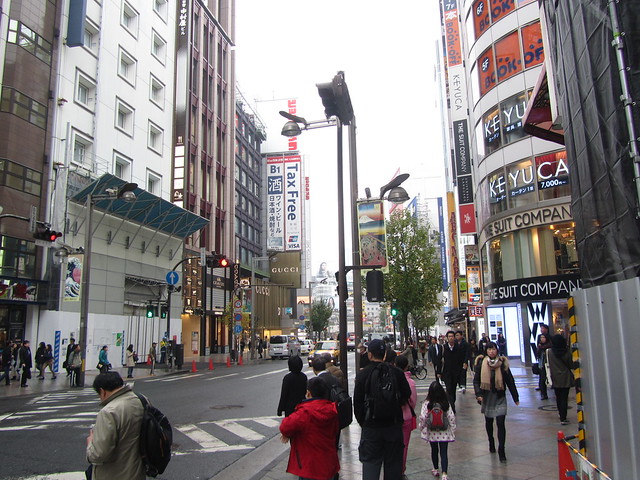
Shinjuku is only one shopping district in metropolitan Tokyo – there are many other high-density shopping districts, and some that are very specialised. In Akihabara, it’s manga (Japanese comics, cartoons, and graphic art) and electronics that rule.
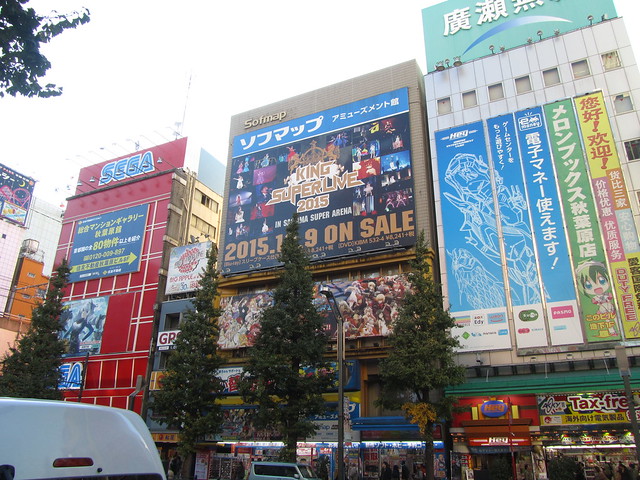
There are kids and adults in dress-ups, themed cafes and arcades, as well as shops selling all manner of electronics, new and old. It makes for a very ‘colourful’ district.

The final museum we visited was the Tokyo National Museum. We came wanting to view some Japanese artefacts and learn a bit of Japanese history.
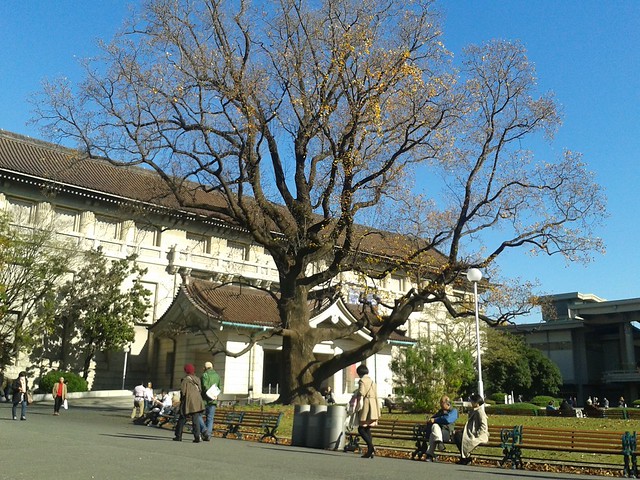

However we were quite excited when we reached the front gate to see this poster.
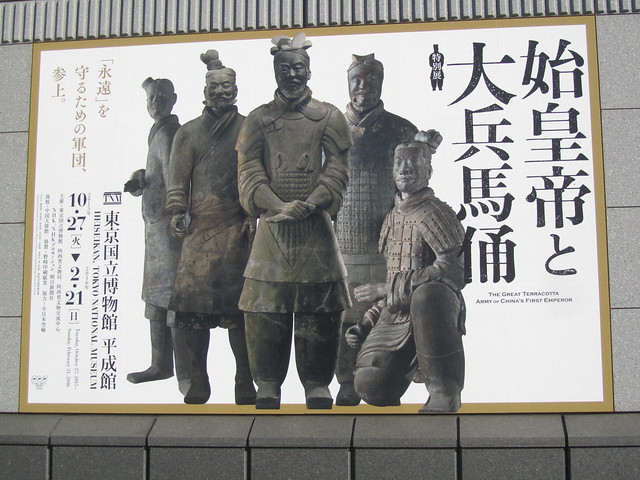
Yes, the Chinese terracotta warriors were being exhibited! We had seen a small exhibition at the Art Gallery of NSW a few years ago, but this exhibition was something else – three very large rooms filled with artefacts, not to mention the warriors themselves. This is just about as good as it gets, apart from visiting Xi’an itself. Unfortunately we weren’t allowed to photograph much of the exhibition, only this display.

We did learn a few new things about the warriors – that aside from being each of them being unique and life-sized, they also armed as were their function. So the standing warriors above, infantry, would have held lances; and the archers, like the kneeling warrior above, would have held bows. One wonders at the power of the man that instigated this entire scheme, the first Emperor of China, Qin Shi Huang, all the way back in 246 BCE (2,362 years ago).
Next to the natural history museum is the Museum of Western Art.


Outside there were signs that there might be some significant artists represented.

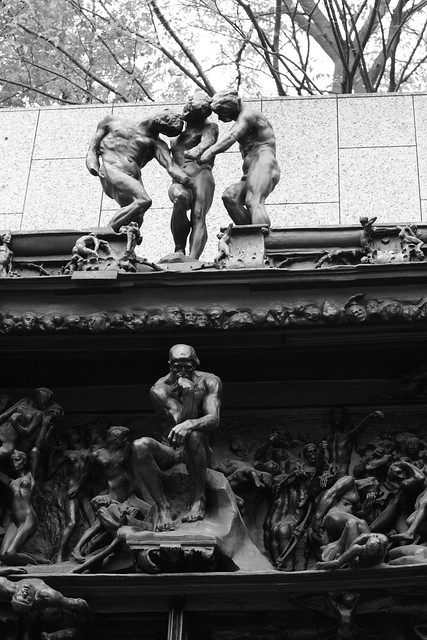
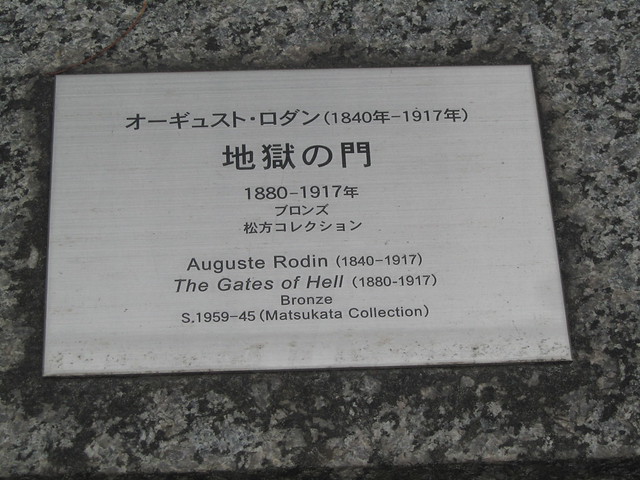
I didn’t take any photos inside, but this gives you an idea of what is in the permanent collection. As I like Impressionism a lot, I certainly enjoyed the museum, particularly its dedicated room to Monet. I guess the Japanese like his work too.
Aside from plenty of parkland, Ueno is also the site of a dozen or so of Tokyo’s museums. We visited just three of them during our stay.
The first was the natural history museum.
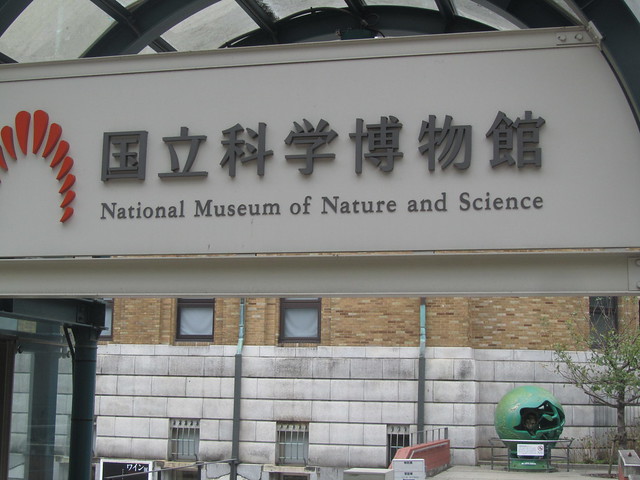
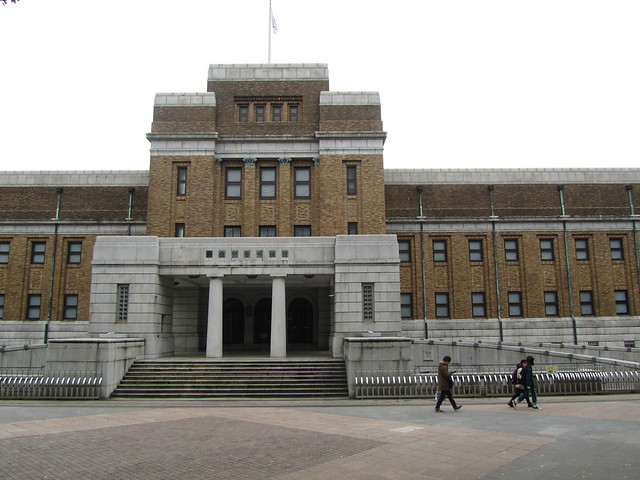
It’s entrance, with its blue whale, is quite impressive. Much of the building was built around the turn of the century.

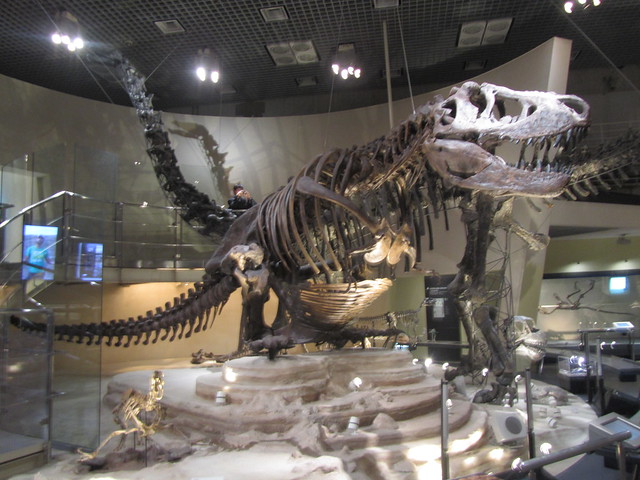
But inside it was much more modern, and has what we thought was one of the best collections of dinosaurs in a public museum anywhere.
Let’s continue our stroll through Ueno Park.
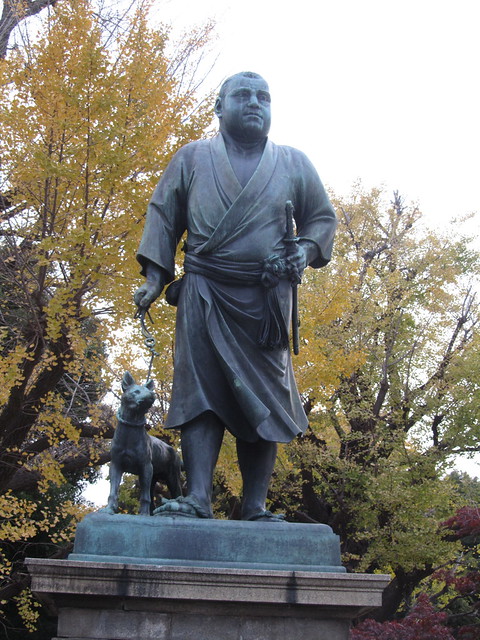
There’s a temple.
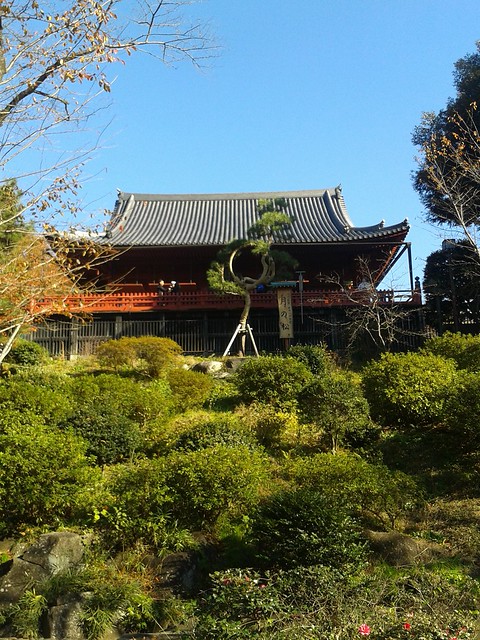
Markets to browse.

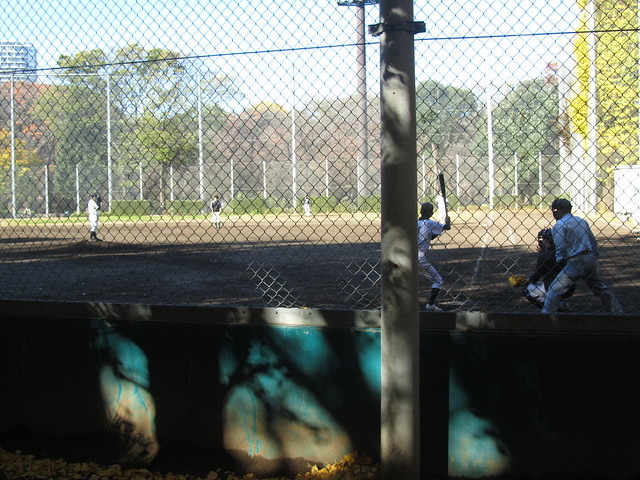
A game of baseball play or watch (although the pitcher here was terrible).
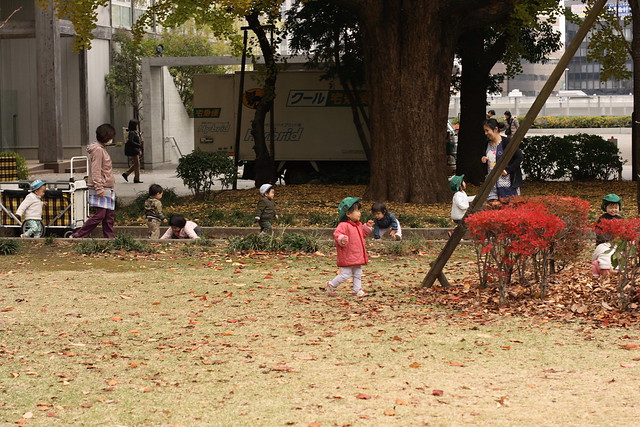
The park was used by everyone, including these tiny preschoolers here.
And although it was the beginning of winter, we even found a tree in blossom.
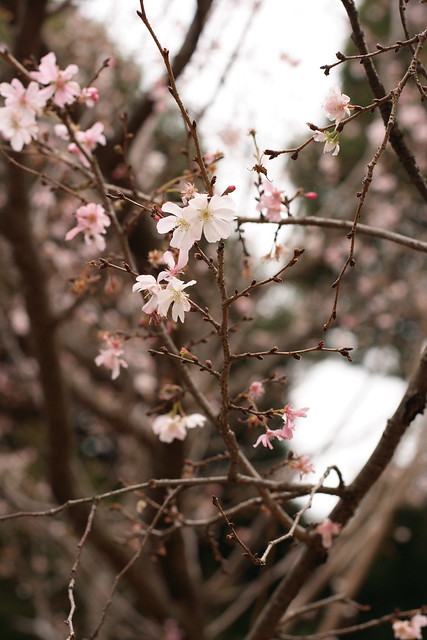
Oh, and there were lots of museums, which I’ll cover in the next post.
At the end of the day, everyone went home contented.
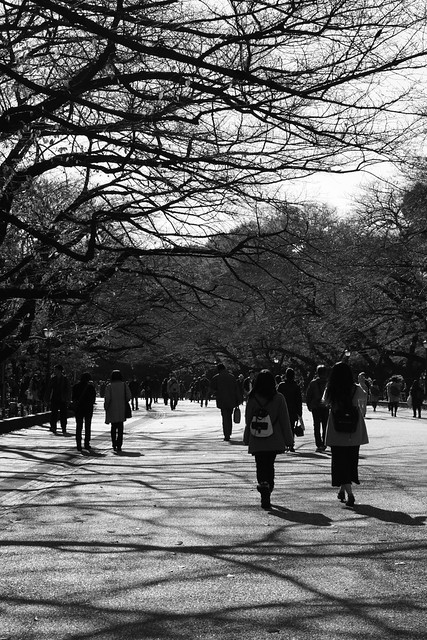
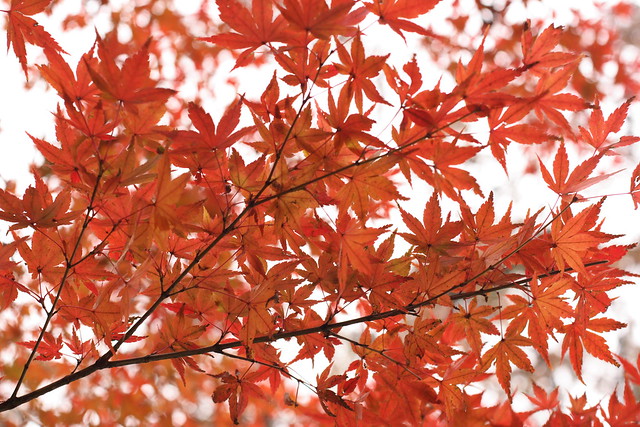
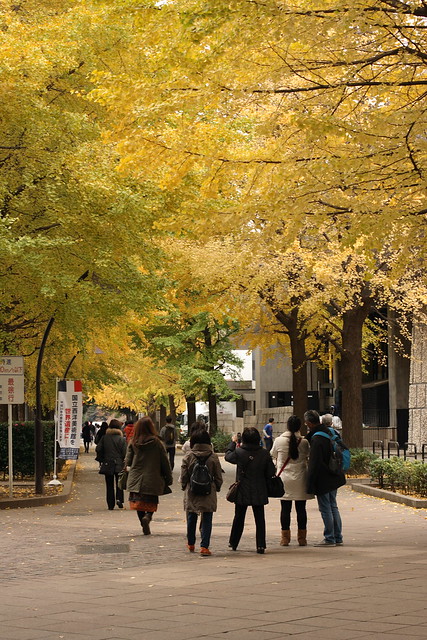
Autumn hits Tokyo much later than in most parts of Japan. In the first week of December we still experienced maximums in the mid-teens (Celcius). That was just enough to turn the leaves yellow.
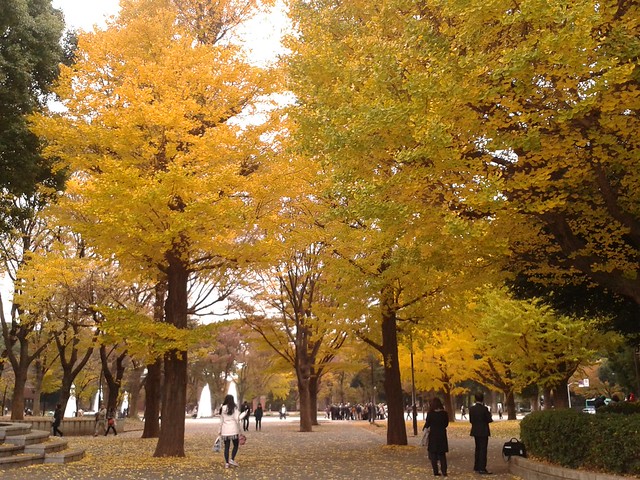
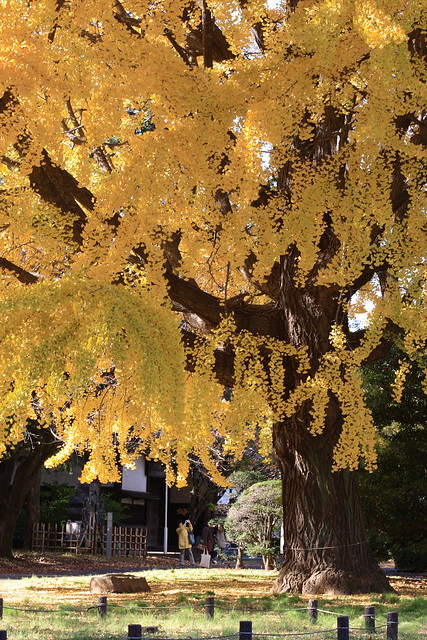
We were on a visit to Ueno Park, a few subway stops away from Asakusa. It’s one of Tokyo’s cultural precincts with a dozen museums, temples, sports facilities, even a zoo. But many people that day were there to view the leaves.
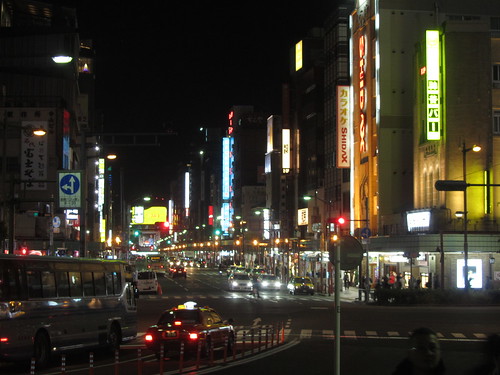
Asakusa is truly a place that hardly ever sleeps. There are thousands of shops/bars/restaurants squeezed into one square kilometre, and they open until really late. This photo was taken at around 10pm on the main street.
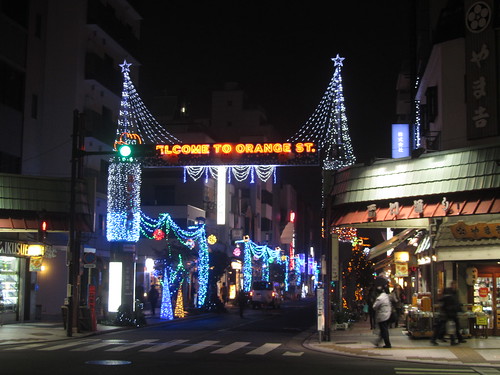
Aside from Nakamise, there are other shopping streets/malls that bisect it. This one had its Christmas decorations already up in early December.
And beside it all is the Sumida River. It’s the reason that Asakusa became the prime entertainment district, since the docks were nearby. And even though the docks have moved out into the bay, and there are larger entertainment/shopping districts around, Asakusa still lives on.

 Static and Silence