Tag Archives: history

Jandamarra’s Path – Part 3

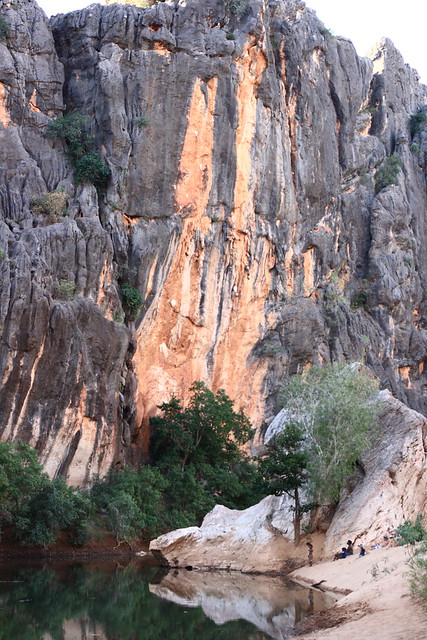
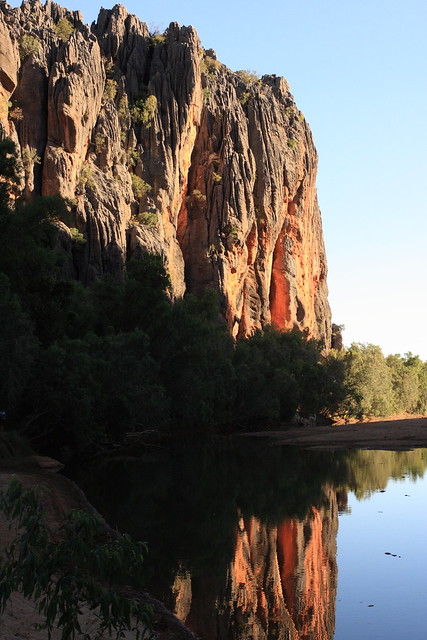
Entering Windjana Gorge, I immediately realised that this was a sacred place.

Windjana Gorge

Windjana Gorge

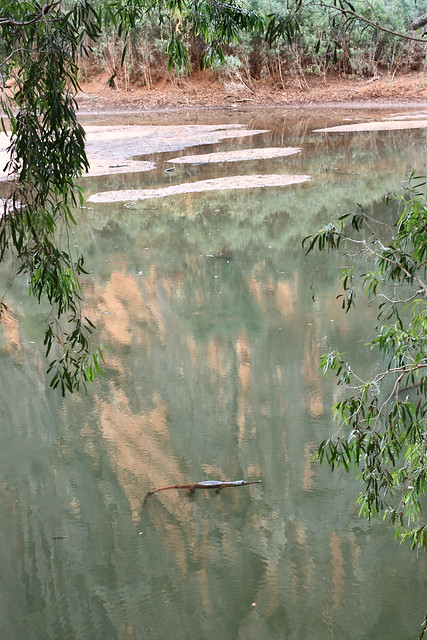
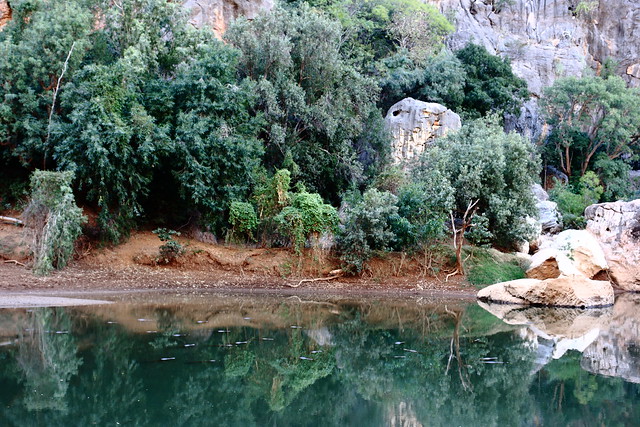
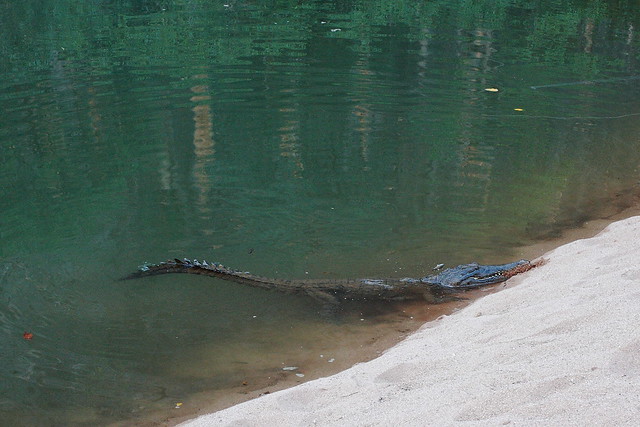
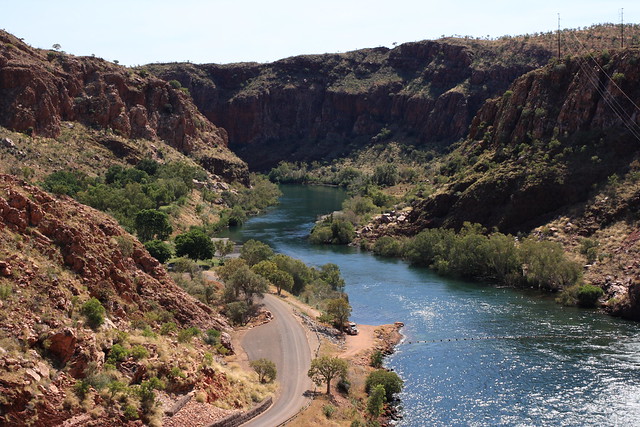
The high walls of the gorge kept out the heat of the day, and there was plenty of water, even in the dry. It’s a sanctuary for all sorts of wildlife, including freshwater crocodiles.

Windjana Gorge

There were so many of them, floating like little logs.

Windjana Gorge

Some got closer than others.

Windjana Gorge

Windjana Gorge

But despite the serenity of the place, this was where Jandamarra and his people (numbering fifty or so warriors it was said), fought the pastoralists and police in a bloody battle. Jandamarra was severely wounded, but escaped into the caves not too far away from here.

Windjana Gorge

Jandamarra’s Path – Part 2

We continue Jandamarra’s story at the Lillimooloora Police Station, where Jandamarra worked. Being continually exposed to the trials of his people took its toll. He killed his police constable while he slept and released the prisoners. Together, they planned to defend Bunuba land against all outsiders. Many being former stockmen, the rode and shot very well, and their knowledge of the country meant they were hard to even pinpoint as they waged guerilla warfare on the pastoralists. In retaliation, the police hunted down and killed many Aboriginals.

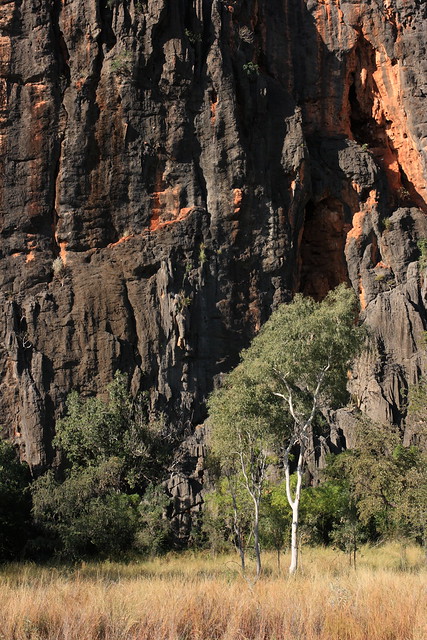
Things came to a head at Windjana Gorge, which we visited one hot afternoon. The cliff face loomed 100 meters above us.

Windjana Gorge

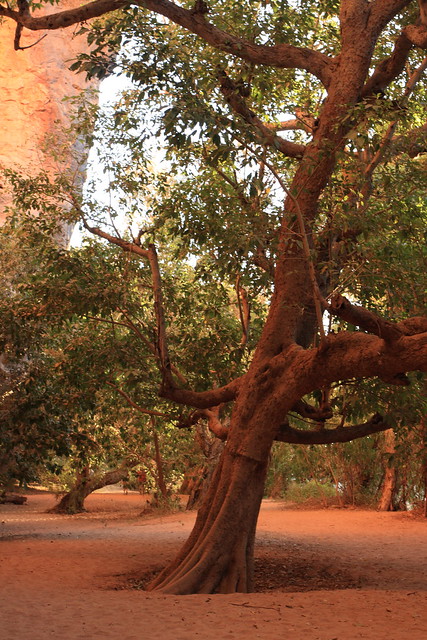
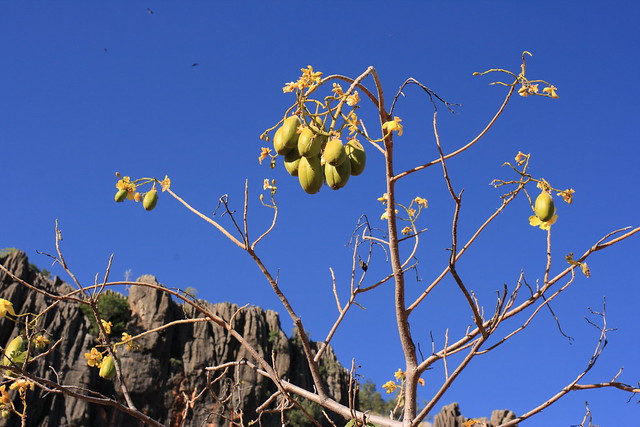
The kapok trees were in fruit and whistling kites were circling.

Windjana Gorge

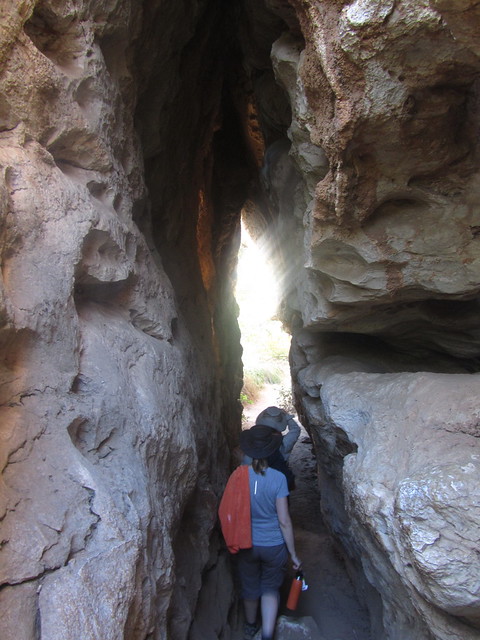
The entrance to the gorge was via a narrow crevice. This may have well been used in Jandamarra’s time 120 years ago.

Windjana Gorge

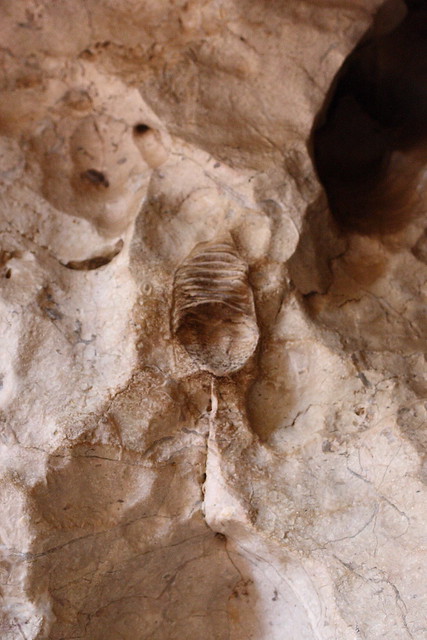
And the walls showed creatures that had lived in what was the Devonian equivalent of the Great Barrier Reef.

Windjana Gorge

Jandamarra’s Path – Part 1

Our last stop the Oscar and Napier ranges, and our trip came full circle. The Napier Range downstream runs through Geikie Gorge on our first day on the road. This time around, we learned how each place related to the custodians of the land, the Bunuba people, and particularly learned about the history of their leader, Jandamarra.

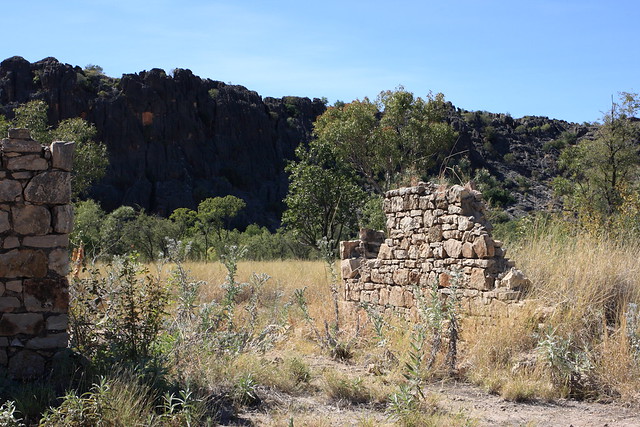
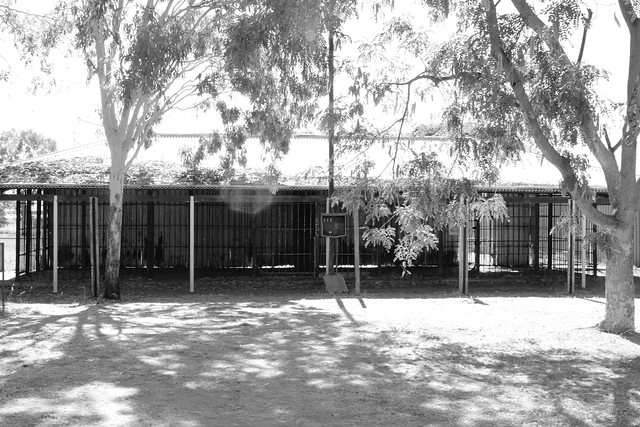
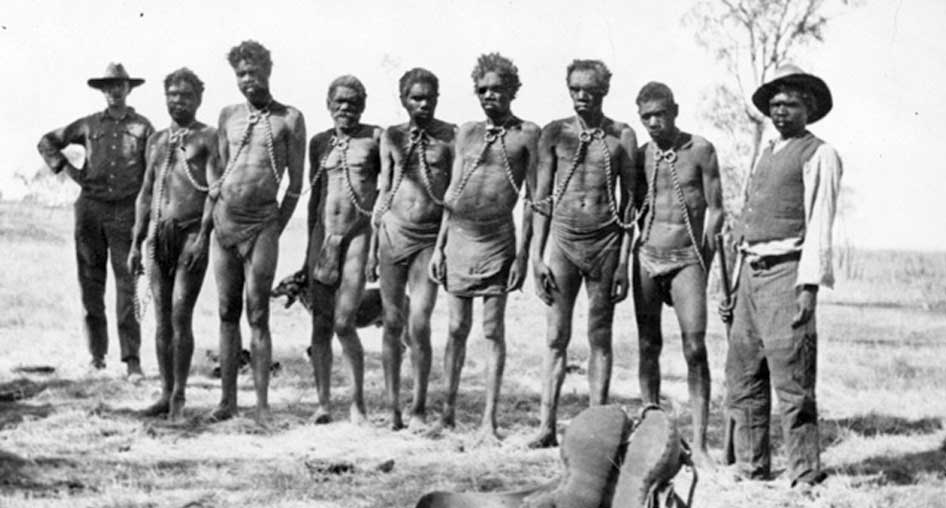
Jandamarra was born in the 1870s just as the first pastoralists were setting up cattle stations in Bunuba country. He grew up being at ease in both camps, black and white, but many of his people weren’t so lucky and fell foul of white law which they didn’t understand. Blackfella law states that you are to share everything that you have, while white law is built around knowing whose property is whose. So the first people incarcerated for ‘cattle rustling’ were probably breaking the law unknowingly. They were chained and jailed in places like Lillimooloora homestead (now in ruins), where there was a makeshift police station.

Lillimooloora Police Station

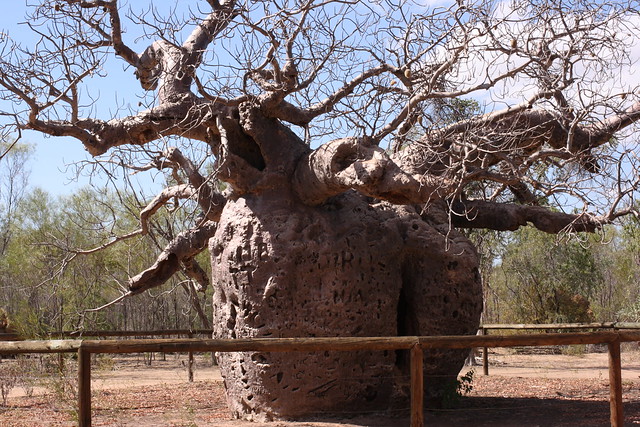
Then they were marched 113km to Derby, where they were housed in the prison boab outside of town…

Boab prison tree

Or in the open air prison in Derby itself.

Old Derby prison

Jandamarra, who worked at Lillimooloora as a police tracker, must have seen some deplorable things done to his people.

Kununurra and Ord River – Part 4

The Ord continued to narrow.

Ord River Cruise

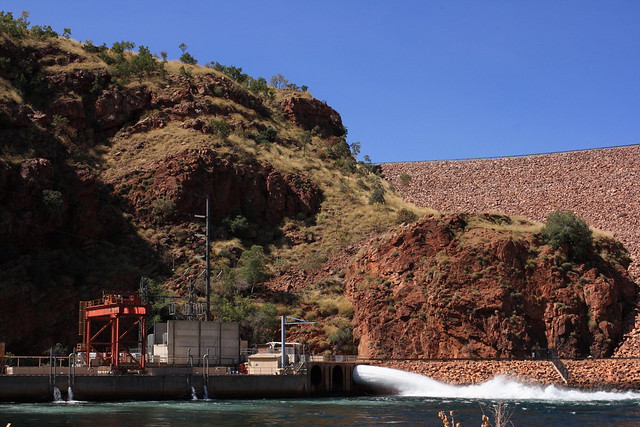
And 55km from our starting point, we reached the Top Dam – and the reason why the river was still flowing in the middle of the dry season.

The dam pumps out enough water to keep the river level constant throughout the year. Without it, the Ord would still be a series of waterholes. This in turn provides a consistent water supply to water the crops downstream. It also generates electricity for the region.

Ord River Cruise

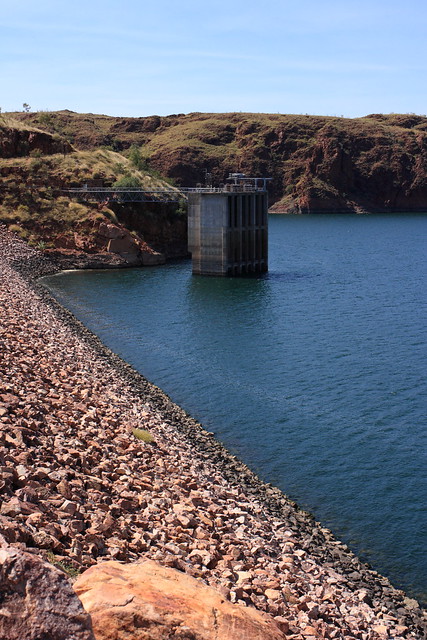
Lake Argyle itself is enormous – 20 times the size of Sydney Harbour – so water and power is no longer a problem in this area.

Ord River Cruise

Pioneers of the Kimberley

During our tour, we were introduced to the stories of a few pioneers of the Kimberley. First were the miners of Halls Creek’s very brief gold rush in the 1880’s. They had to walk at least 400km to the nearest port down rough and dusty tracks. A character called ‘Russian Jack’ walked this distance with a very sick mate in his wheelbarrow!
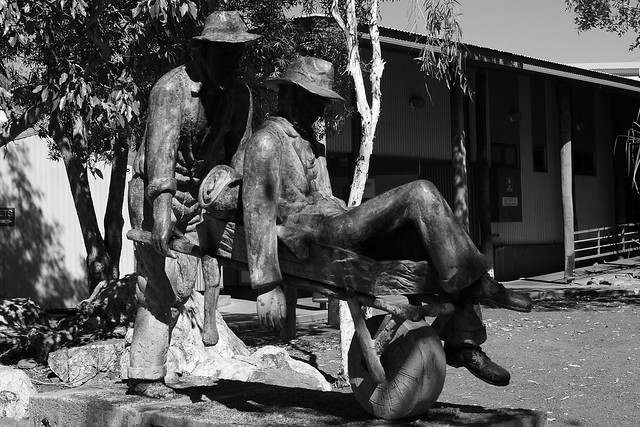
Pioneers of the Kimberley

One of the most well-known families of the region are the Duracks, whom I read about in Kings in Grass Castles. They were were cattle owners who drove their mob overland from Goulburn in New South Wales, to the Channel Country in Queensland, and finally to the East Kimberley. Their homestead has been preserved beside Lake Argyle, and it was touching to visit the (surprisingly modest) home where so many legends had lived.
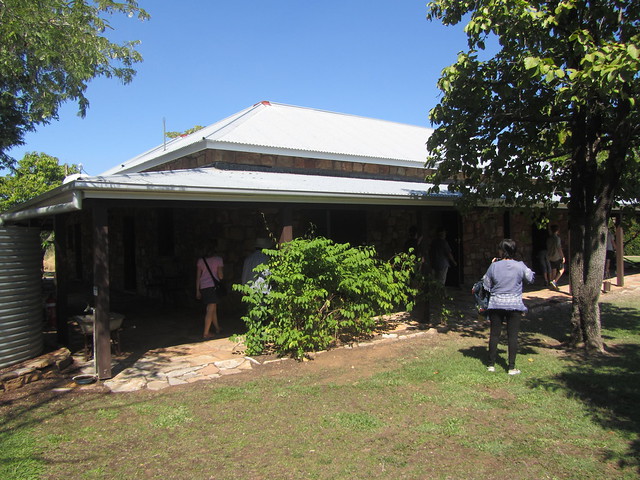
Pioneers of the Kimberley

It was touching also to see the grave of the Durack’s indigenous companion, Pumpkin, beside those of the family. Pumpkin was from the Boontamurra tribe of the Cooper Creek district, helped them establish their station, build their homestead, and train the local indigenous lads as stockmen.
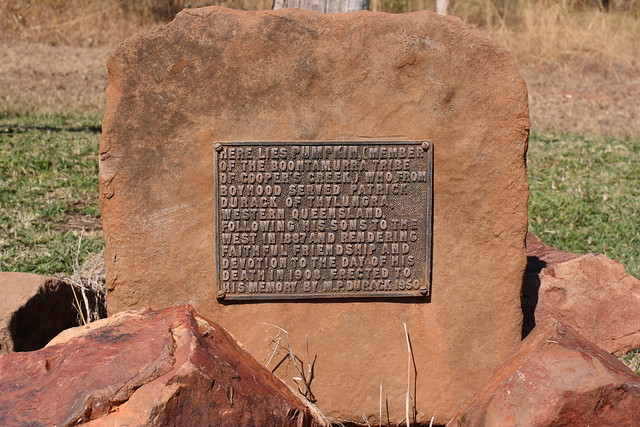
Pioneers of the Kimberley

And lastly, there were the Chinese. The first came to the district during the gold rush, but soon found jobs as cooks for droving teams, gardeners at cattle stations, and of course, merchants. This is a well-known shop in the port of Wyndham, first traded at the turn of the 20th century (perhaps earlier), and did a good trade when the town was a vital hub in the region.
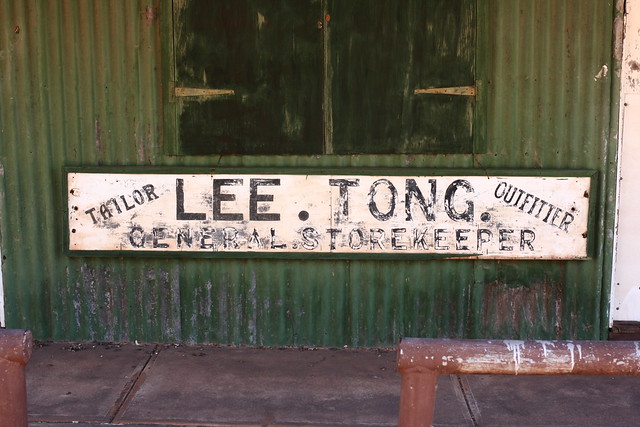
Pioneers of the Kimberley//embedr.flickr.com/assets/client-code.js

Cruising the Hawkesbury – Part 3

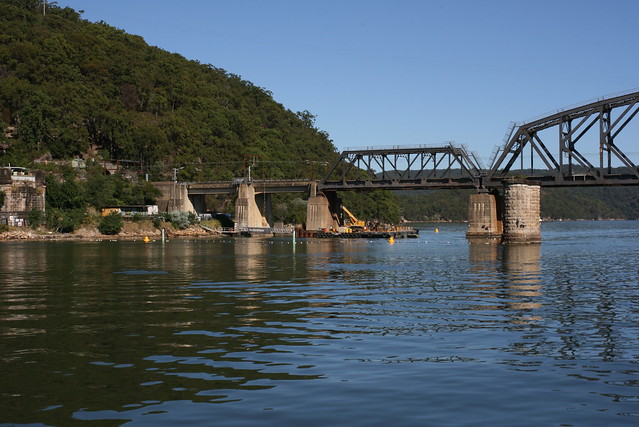
From Dangar Island, we cruised to the Hawkesbury River railway bridge.

Hawkesbury Riverboat Postman Cruise

When Sydneysiders think of bridges important bridges, they automatically think of the Sydney Harbour Bridge, but this bridge is actually on-par with the Harbour Bridge as it links Sydney by rail to not just the Central Coast and Newcastle, but to the rest of Australia.
Hawkesbury Riverboat Postman Cruise

Before the bridge, passengers (and goods) had to get on a steamer at Brooklyn and travel 3 hours across Broken Bay and Brisbane Waters to Gosford, hence it was important that a bridge was built, and built to last.

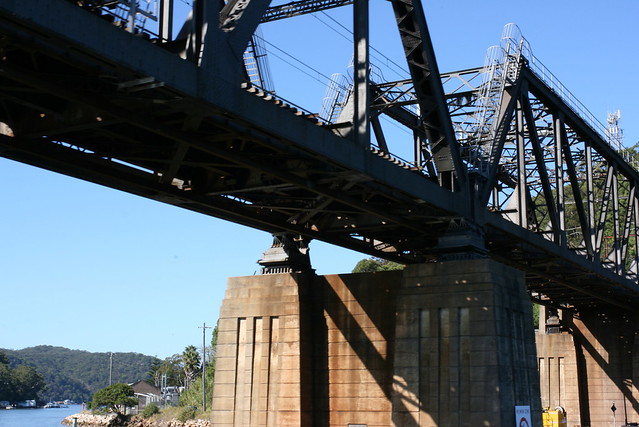
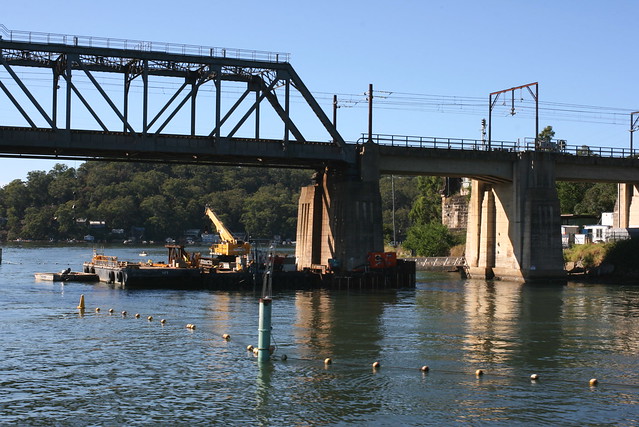
Unfortunately the first bridge constructed didn’t turn out that way. It was first opened way back in 1889, and at the time it broke all sorts of construction records, including the deepest bridge foundations in the world (at 49m below the water) and 4th largest bridge in the world. But by 1938 the bridge needed to be replaced due to severe cracks in the pier, among other things. The current bridge was constructed during WWII as a replacement and opened in 1946. The old bridge was taken apart, and nothing remains except for its sandstone piers and tunnel (now used as storage).

Hawkesbury Riverboat Postman Cruise

The new bridge hasn’t had as many problems as the old bridge (I guess they learned from the old bridge). It’s also good to see they’re still taking care of it in the 21st Century, since it’s still a very important part of Sydney’s transport system.

Hawkesbury Riverboat Postman Cruise

Camping on the Colo – Part 4

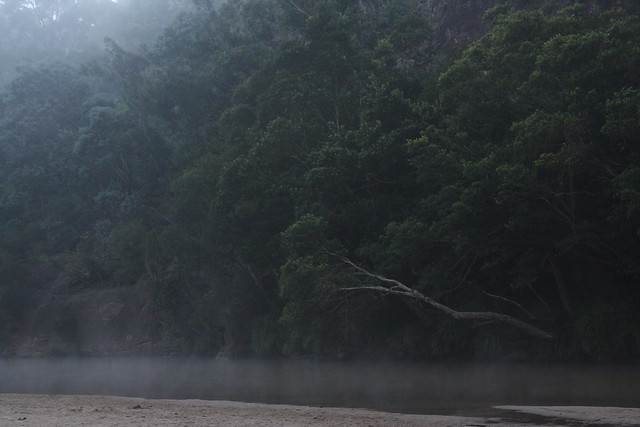
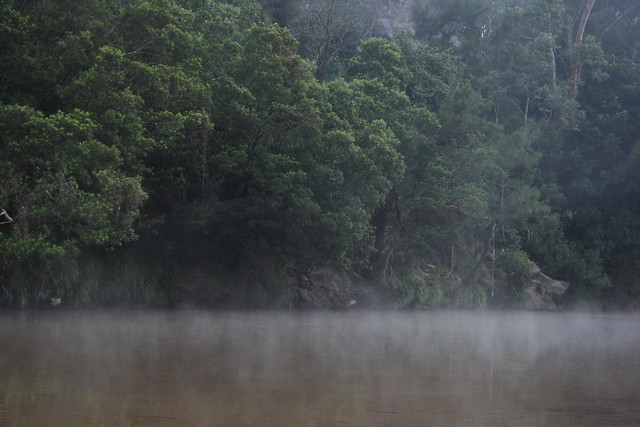
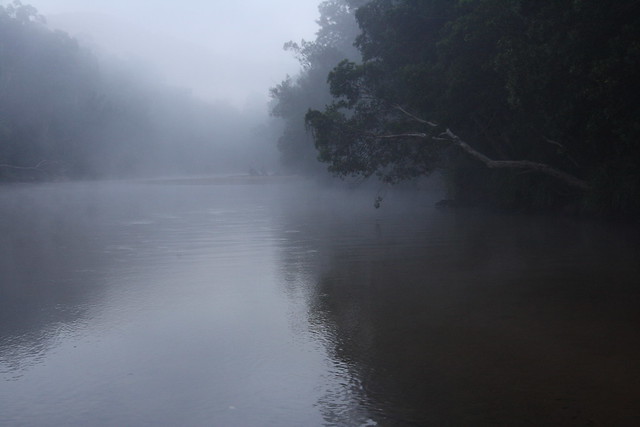
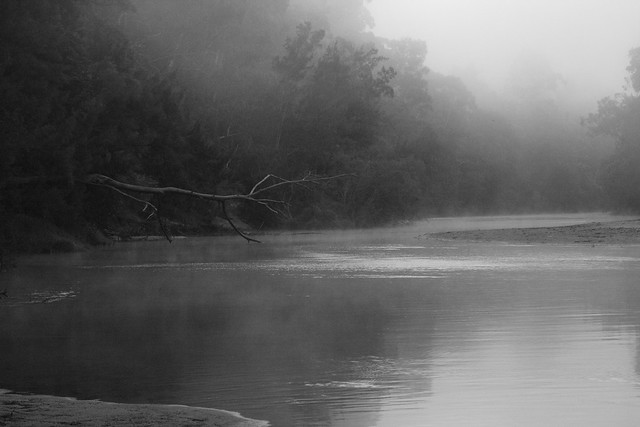
The Colo River that morning was misty and mysterious.

Misty Colo

Misty Colo

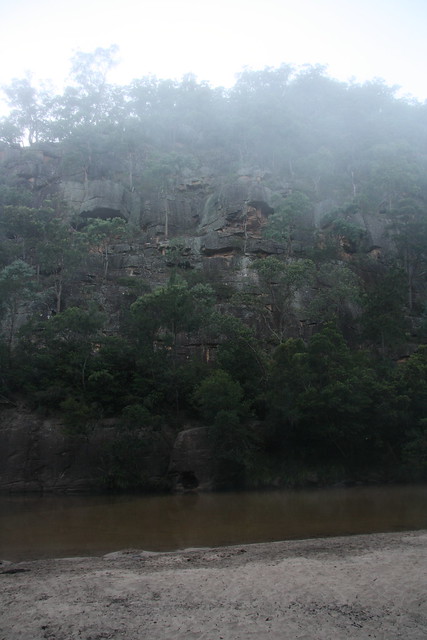
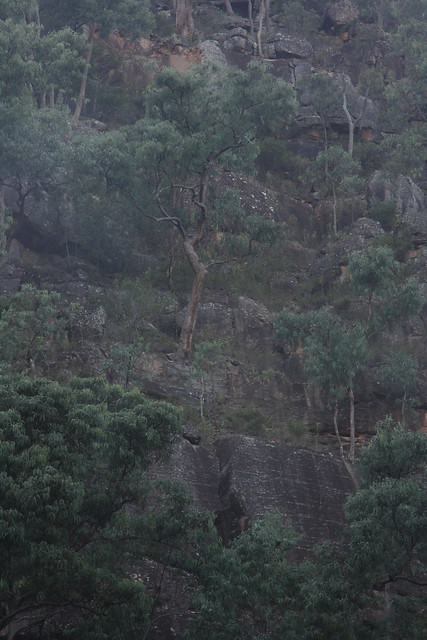
At Upper Colo, it’s hemmed in by sheer sandstone cliffs and dense bush.

Misty Colo

Misty Colo

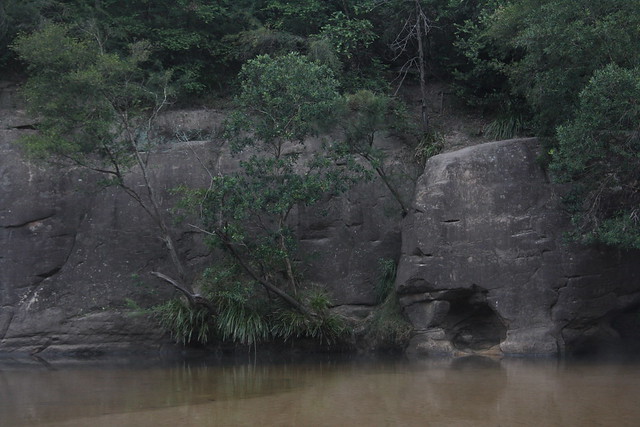
By the water, it sustains more verdant species.

Misty Colo

Misty Colo

The river has its source deep in the Blue Mountains north of Lithgow in the valleys of Capertee and Wolgan. We visited the Capertee Valley a few years ago, and by road seems like a world away from Upper Colo.

Glen Davis

The Colo eventually flows into the Hawkesbury, which drains in Broken Bay, so we’ve seen quite a few sides of this extensive river system.

Coastal Stroll

In between, it flows wild through Wollemi National Park, until it emerges at Upper Colo, before meandering into the Hawkesbury at Lower Portland.

Misty Colo

It reminds me of the novel The Secret River. Set by the Hawkesbury in the early days of New South Wales, it described the recreated the experiences of the first white settlers to the area. They saw the river and the bush as a mysterious, menacing creature that was just waiting to gobble them up. Sitting by the river that morning, I think I understood how they felt.

Misty Colo

Museums in Tokyo – Part 3

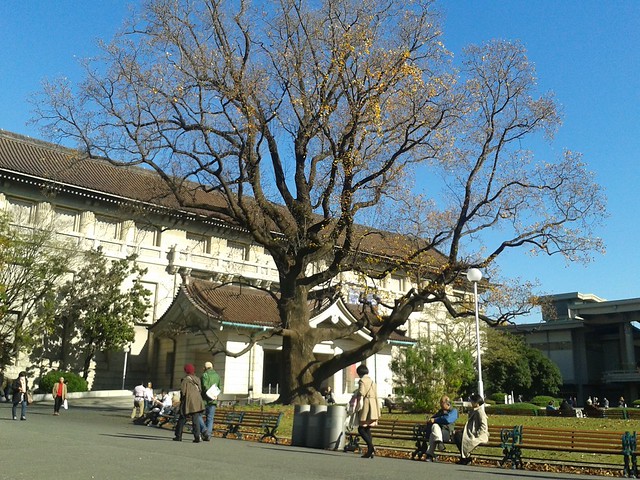
The final museum we visited was the Tokyo National Museum. We came wanting to view some Japanese artefacts and learn a bit of Japanese history.

Sights of Ueno Park

Sights of Ueno Park

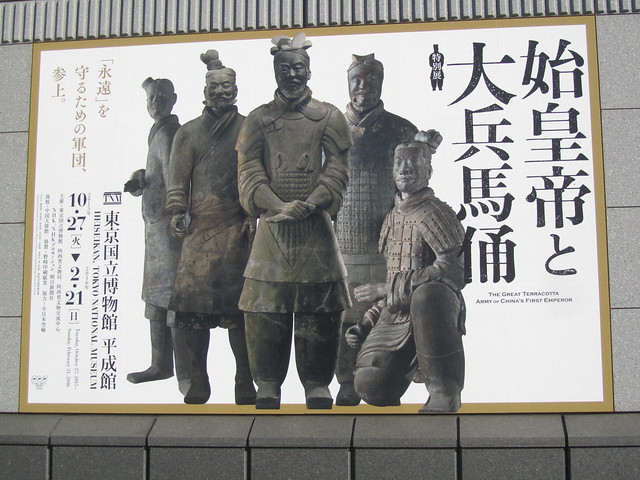
However we were quite excited when we reached the front gate to see this poster.

Sights of Ueno Park

Yes, the Chinese terracotta warriors were being exhibited! We had seen a small exhibition at the Art Gallery of NSW a few years ago, but this exhibition was something else – three very large rooms filled with artefacts, not to mention the warriors themselves. This is just about as good as it gets, apart from visiting Xi’an itself. Unfortunately we weren’t allowed to photograph much of the exhibition, only this display.

Sights of Ueno Park

We did learn a few new things about the warriors – that aside from being each of them being unique and life-sized, they also armed as were their function. So the standing warriors above, infantry, would have held lances; and the archers, like the kneeling warrior above, would have held bows. One wonders at the power of the man that instigated this entire scheme, the first Emperor of China, Qin Shi Huang, all the way back in 246 BCE (2,362 years ago).

Around a Mountain Town – Part 4

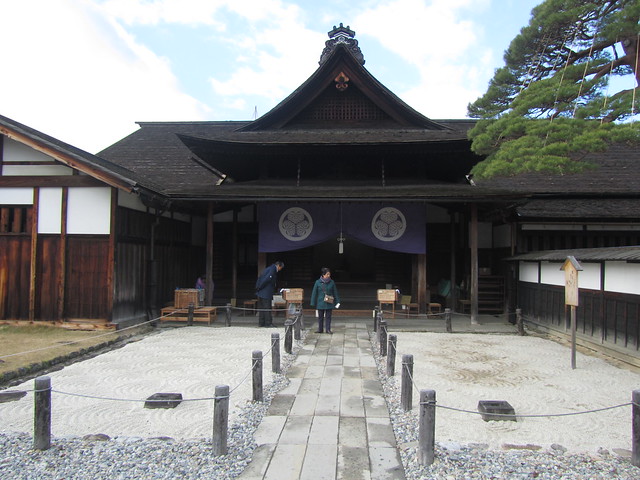
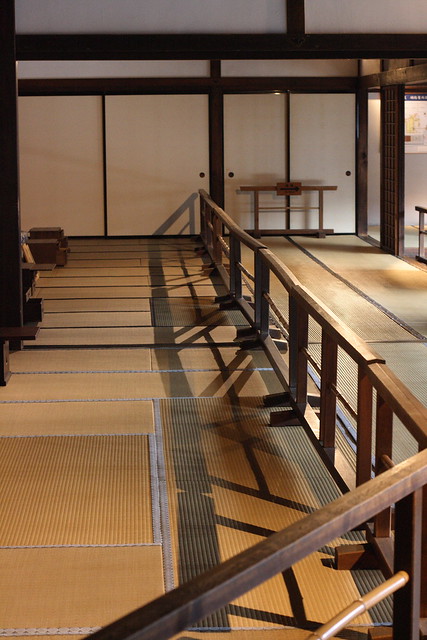
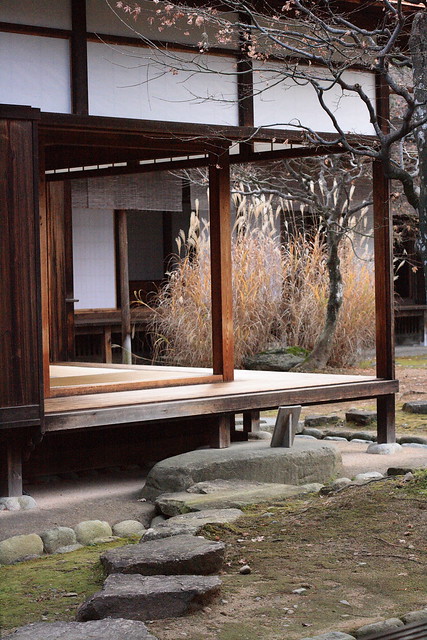
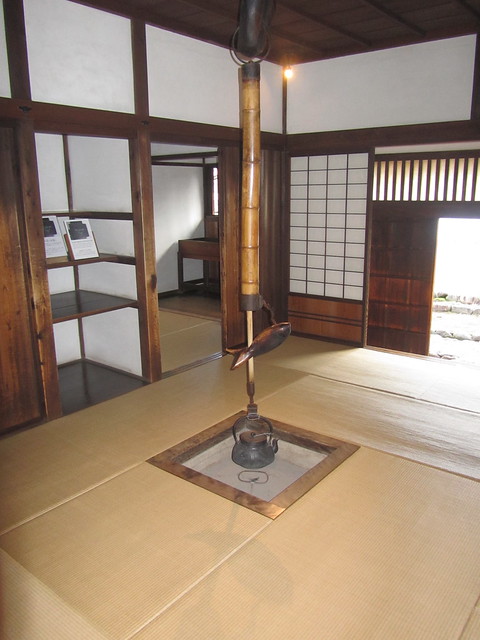
We made a visit to Takayama Jinya – the old administrative ‘office’ of the region during the 18th and 19th centuries.

Around Takayama

Inside, it’s a little like Nijo castle in Kyoto – a series of interconnecting rooms and buildings, surrounded by gardens – except a little less grand.

Around Takayama

Around Takayama

Around Takayama

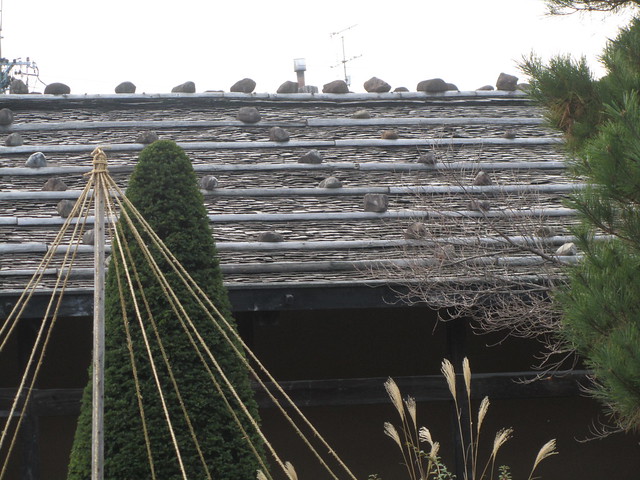
The weather can be extremely wild up in the mountains, so even the roof tiles were weighed down.

Around Takayama

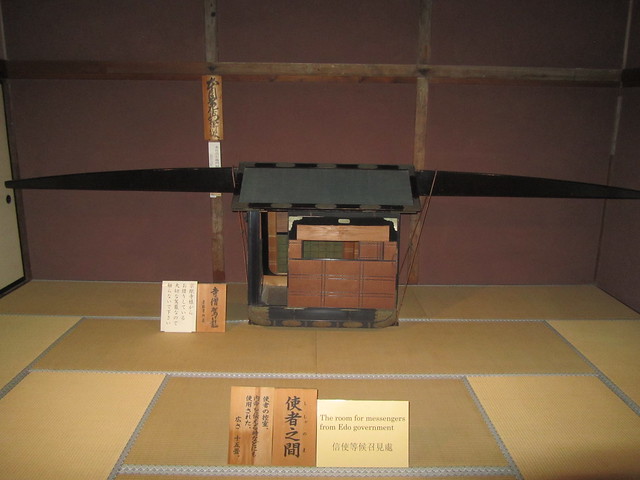
The museum gave us a glimpse into life at the time for those at the top and the bottom of the heap. Very important people were carried in these sedan boxes.

Around Takayama

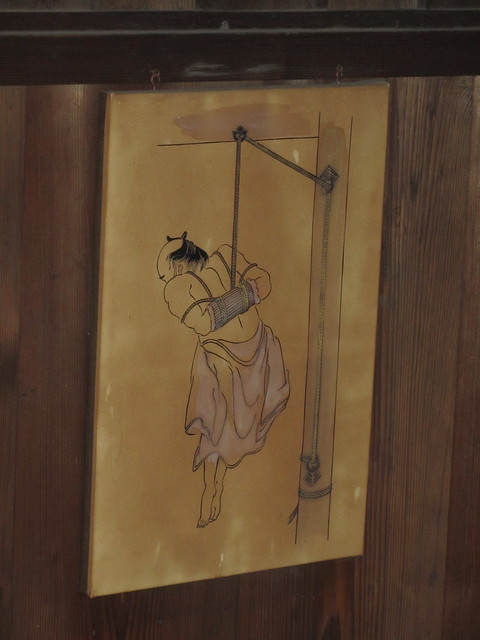
Criminals were carried and kept in these more humble (and uncomfortable) cages, and were subjected to all sorts of painful punishments. I wouldn’t want a run-in with the law in those days.

Around Takayama

Around Takayama

Around a Mountain Town – Part 2

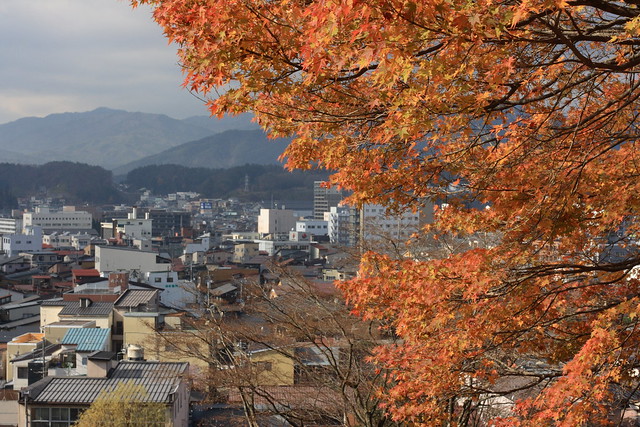
Takayama is a town of two halves. From above, it looks in every way a modern town.

Around Takayama

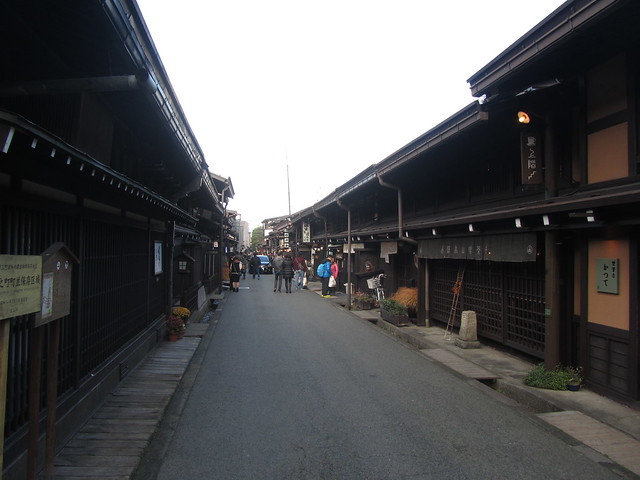
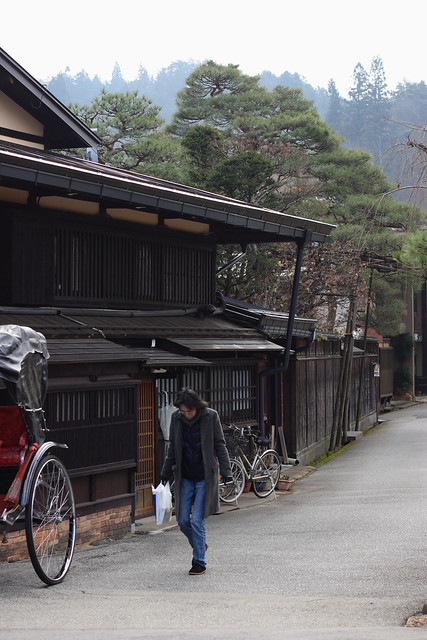
But in its heart is a very old town.

Around Takayama

Around Takayama

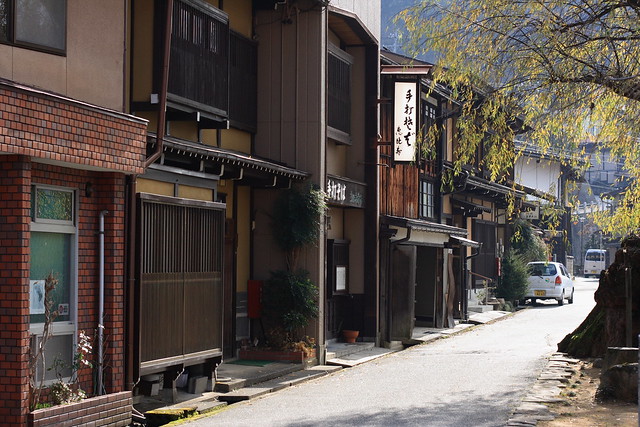
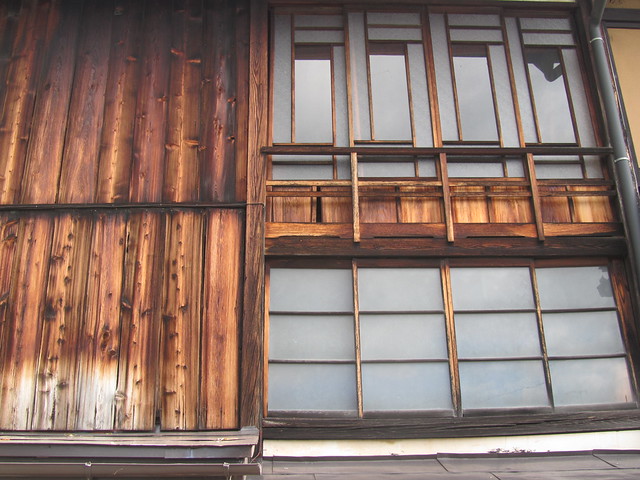
The town was founded in the 17th Century, and being surrounded by 3,000 metre high mountains, was virtually cut-off from the outside world during the long winter months. The buildings in the old town are low to the ground, and the weathered wood gives the town a very earthy, cosy feel. Very different from imperial Kyoto, or even Kawaguchiko where you can see the sacred Mount Fuji from every street.

Around Takayama

Around Takayama