Tag Archives: geology

The Collection – Part 1

A visitor to our house will very soon notice that there are geological items everywhere. Many are Hubby’s, but quite a few are also mine. As you might guess, I am quite interested in paleontology and fossils, so here are two specimens from my collection.

Ammonites are fascinating and beautiful marine creatures. Their fossils can be found all over the world in various sizes from thumbnail to a few feet. This fossil is from South Africa, and is quite big at about 15cm in size. It’s from the Late Cretaceous period, so it was living at the time of the dinosaurs, shortly before the great extinction event that wiped them, and also the ammonites, out.
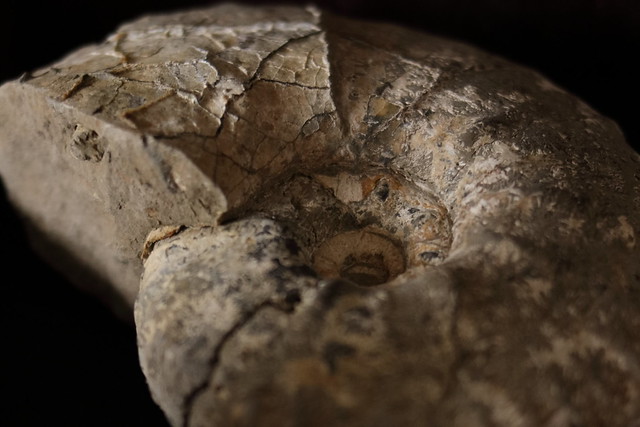
Fossil and mineral collection

An older but no less fascinating prehistoric animal is the trilobite. They were marine creatures that lived in the oceans long before fish, and certainly long before animals colonised land. Today, they look a lot like the Balmain Bug, though they’re distantly related. Their fossils can be found all over the world, in 2D and 3D. I love the 3D fossils, which have been painstakingly extracted using dental drills. Most 3D trilobites come from Morocco, but this specimen comes from St Petersburgh, Russia, and is about 460 million years old, from the Middle Ordovician period.


Fossil and mineral collection

Jandamarra’s Path – Part 2

We continue Jandamarra’s story at the Lillimooloora Police Station, where Jandamarra worked. Being continually exposed to the trials of his people took its toll. He killed his police constable while he slept and released the prisoners. Together, they planned to defend Bunuba land against all outsiders. Many being former stockmen, the rode and shot very well, and their knowledge of the country meant they were hard to even pinpoint as they waged guerilla warfare on the pastoralists. In retaliation, the police hunted down and killed many Aboriginals.
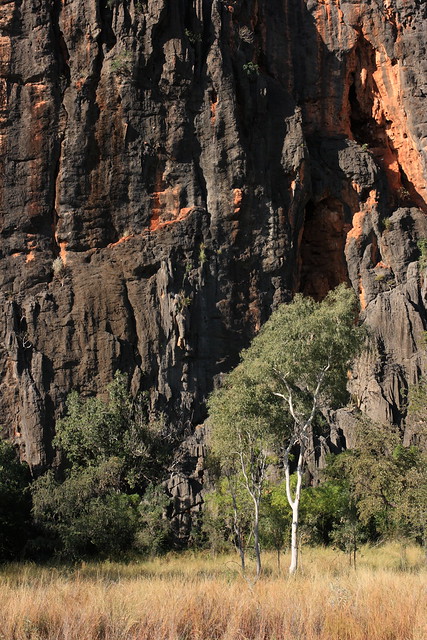
Things came to a head at Windjana Gorge, which we visited one hot afternoon. The cliff face loomed 100 meters above us.

Windjana Gorge

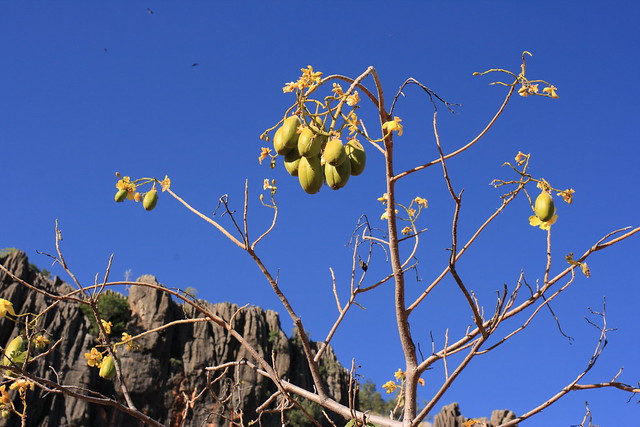
The kapok trees were in fruit and whistling kites were circling.

Windjana Gorge

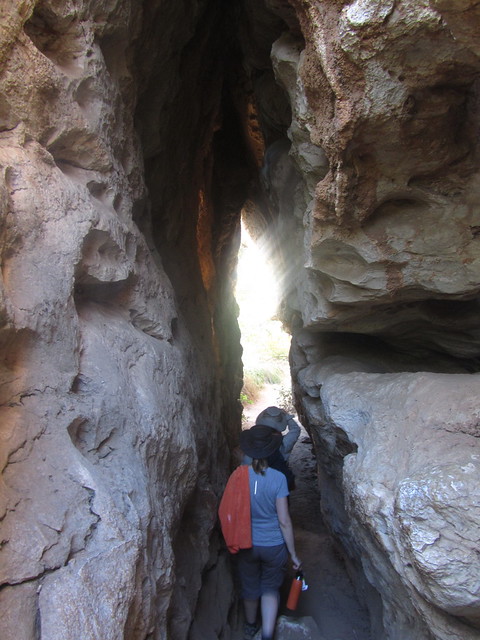
The entrance to the gorge was via a narrow crevice. This may have well been used in Jandamarra’s time 120 years ago.

Windjana Gorge

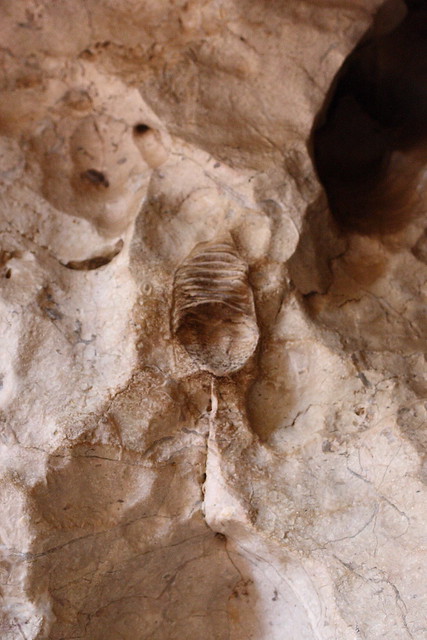
And the walls showed creatures that had lived in what was the Devonian equivalent of the Great Barrier Reef.

Windjana Gorge

Cockburn Ranges – Part 3

The Cockburn Ranges are most accessible at the various cattle stations that line its route. We stayed at El Questro – a million acre former station, now tourist enterprise.

At Emma Gorge, we walked right into the range. The sandstone cliffs there were a very bright shade of ochre.

El Questro and Pentacost River

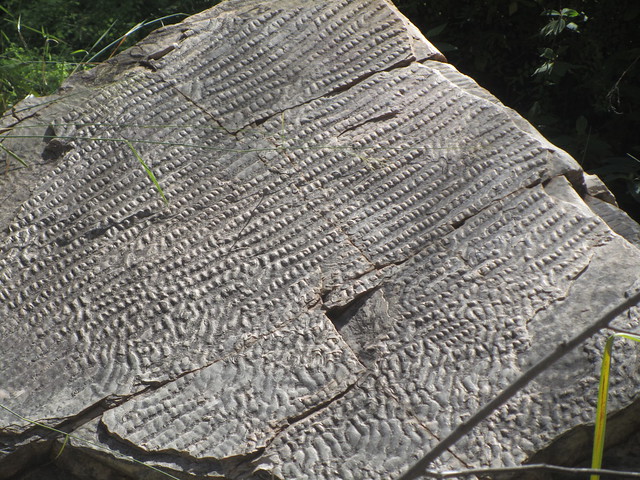
And there was also again some interesting geology. These are ripple marks from 450 million years ago – evidence of an ancient shore line.

El Questro and Pentacost River

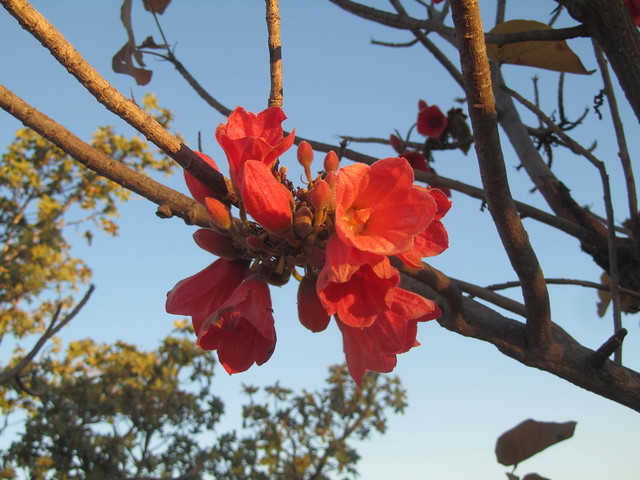
The local flora was also very striking. This is the Kimberley Rose.

El Questro and Pentacost River

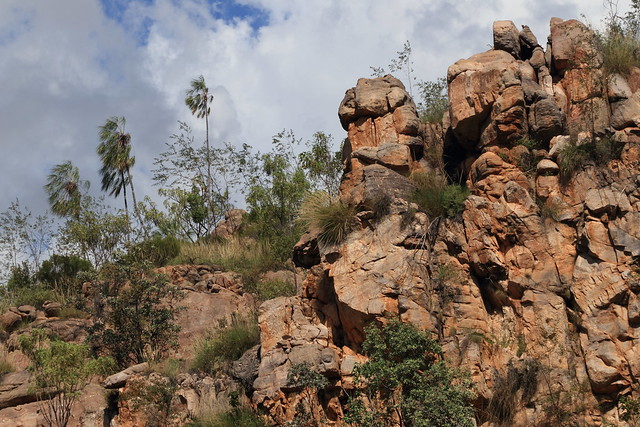
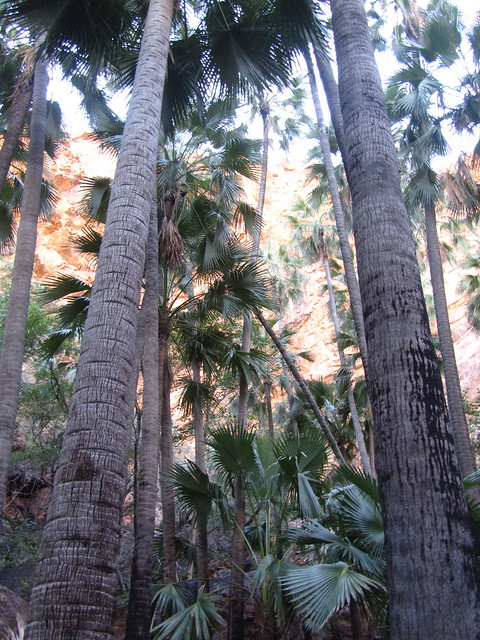
And the shadier and cooler it got, the more palms we saw.

El Questro and Pentacost River

It’s certainly a diverse landscape.

Geikie Gorge

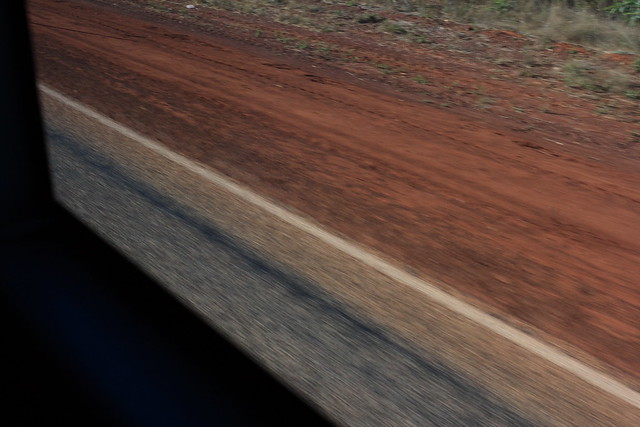
The next day we started our 14-day Kimberley Camping Safari with Outback Spirit. As we travelled the long road to Fitzroy Crossing, it soon became obvious that the Kimberley was a vast place.

Kimberley Highway

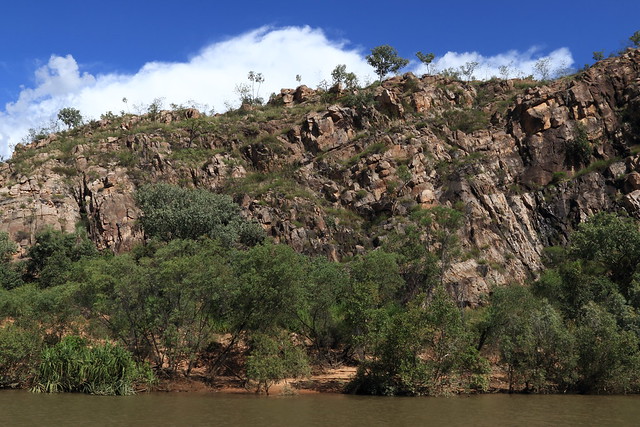
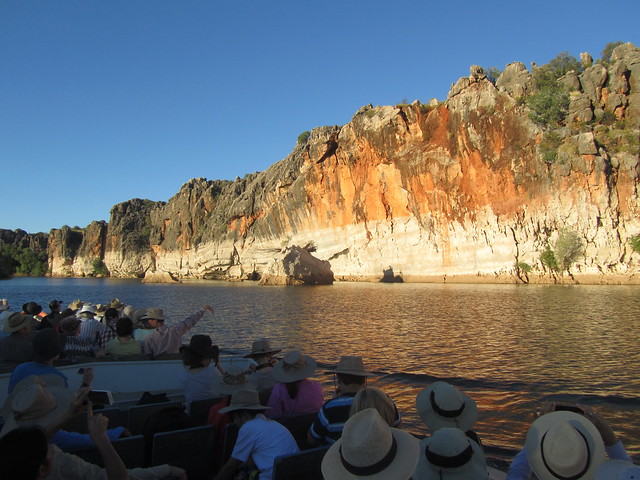
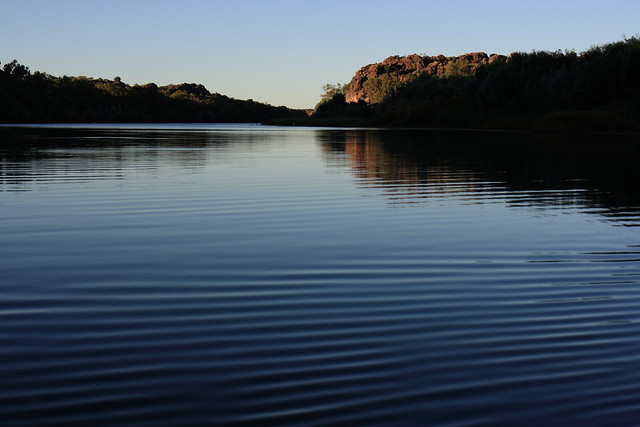
In the late afternoon we arrived at Geikie Gorge. It’s where the mighty Fitzroy River winds its way through the Oscar Ranges – remnants of a Devonian reef that formed 375 million years ago – in an age where land had not yet been colonised by animals, and where giant fish where the most complex life forms in the ocean. Nowadays it’s above water and lovely to cruise along in the late afternoon.

Geikie Gorge

Geikie Gorge

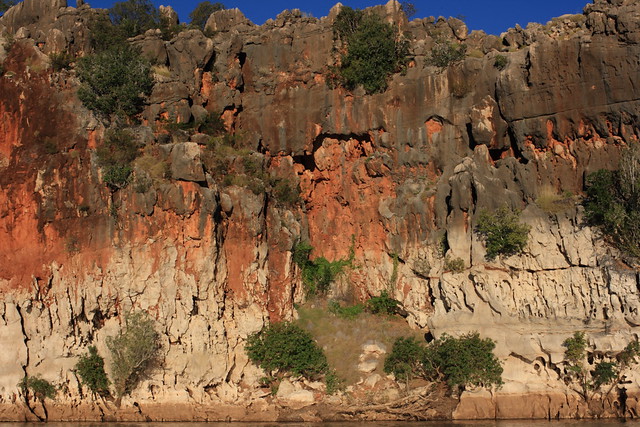
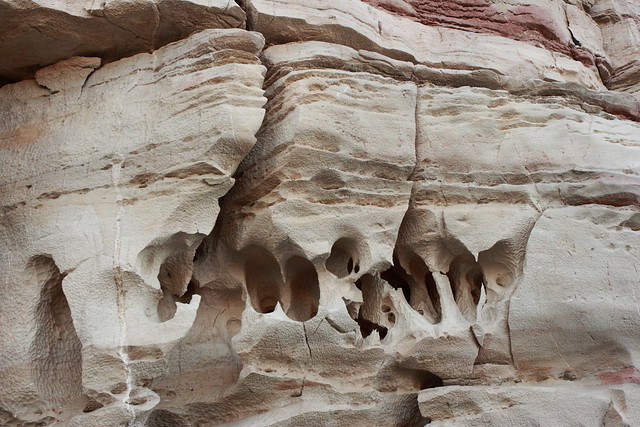
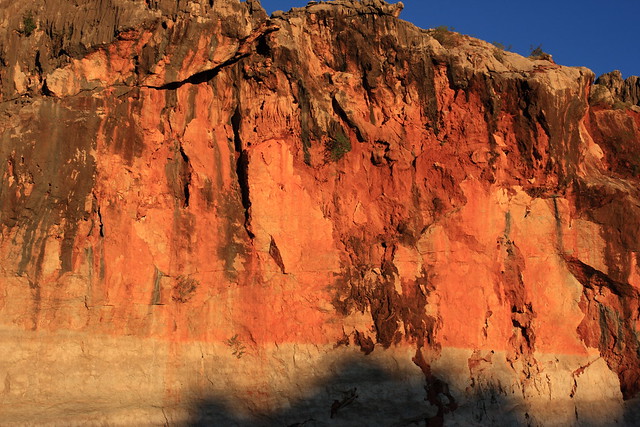
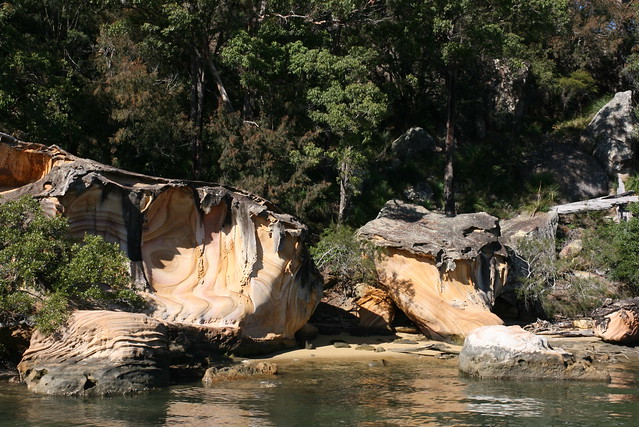
The white rock has been bleached by water during consecutive wet seasons. The red rock is the part of the reef that has oxidised (rusted) in the harsh climate. You can see that the water has carved some interesting shapes.

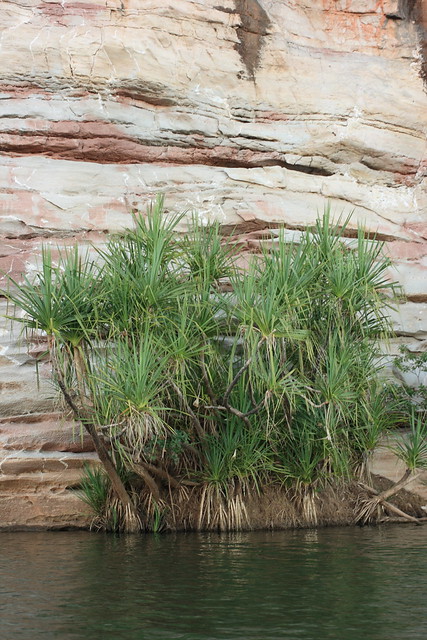
These pandanus palms can survive whatever the season, dry or wet.

Geikie Gorge

Geikie Gorge

Soon the sun sets, and that’s when the rocks really show off their colours.

Geikie Gorge

Geikie Gorge

Museums in Tokyo – Part 1

Aside from plenty of parkland, Ueno is also the site of a dozen or so of Tokyo’s museums. We visited just three of them during our stay.

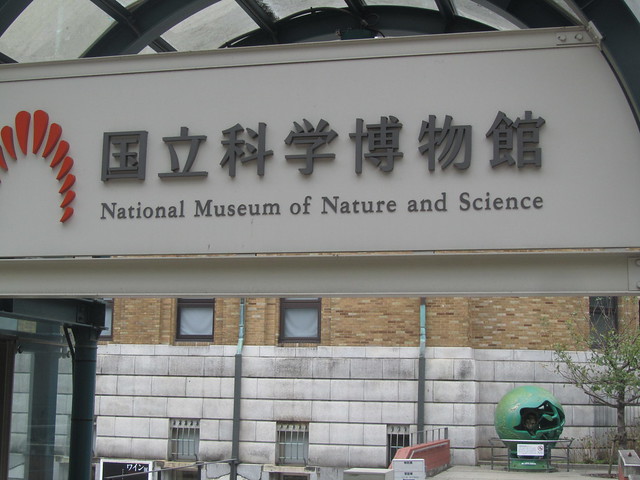
The first was the natural history museum.

Sights of Ueno Park

Sights of Ueno Park

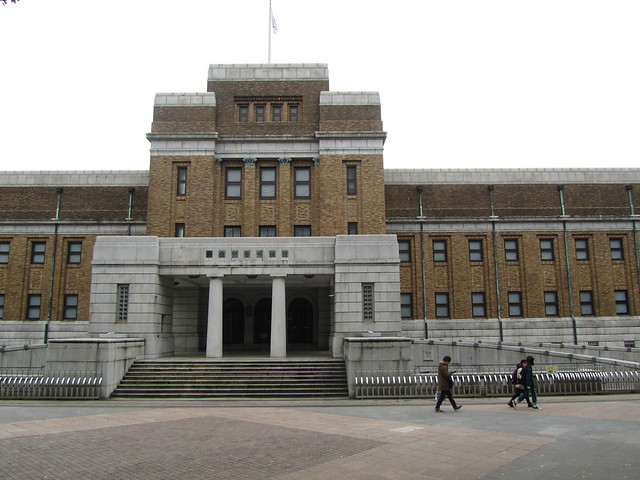
It’s entrance, with its blue whale, is quite impressive. Much of the building was built around the turn of the century.

Sights of Ueno Park

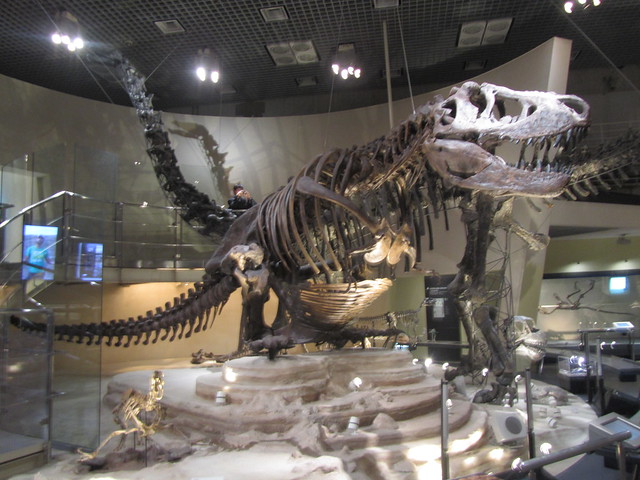
But inside it was much more modern, and has what we thought was one of the best collections of dinosaurs in a public museum anywhere.

Sights of Ueno Park

Sights of Kawaguchiko – Part 2

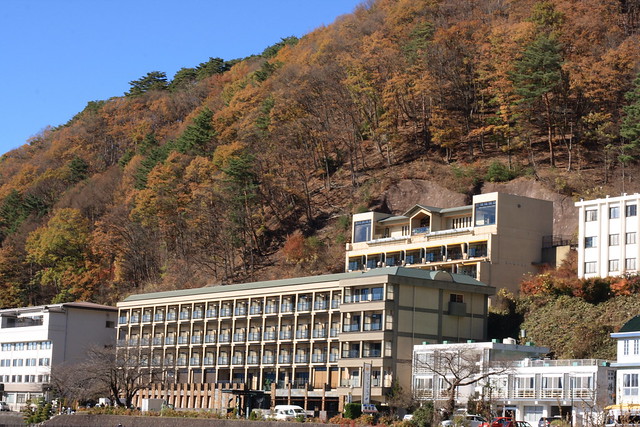
Kawaguchiko is a tourist town through and through. There were plenty of large hotels by the lake trying to cash in on Fujisan.

Kawaguchiko sights

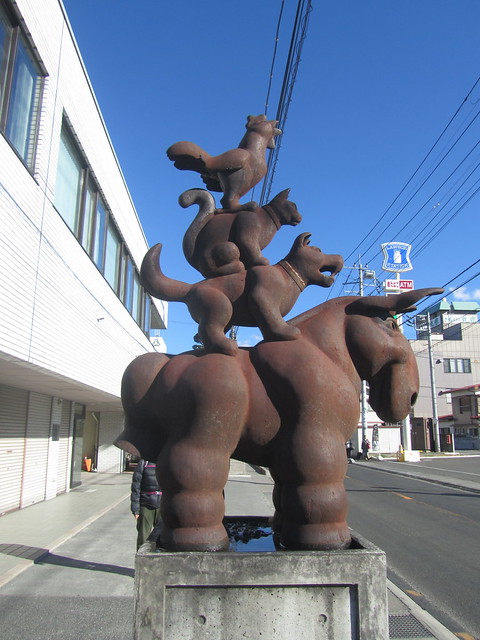
The town had a few quirky sights, like this sculpture.

Kawaguchiko sights

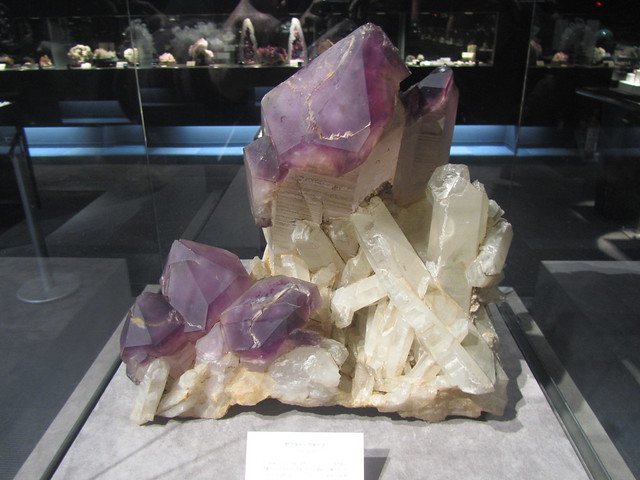
We found that the Japanese really appreciated geology. Unlike in Sydney where you’re lucky to find a mineral shop or museum in the entire city, there were little shops and museums everywhere. This museum had an extensive and impressive collection.

Kawaguchiko sights

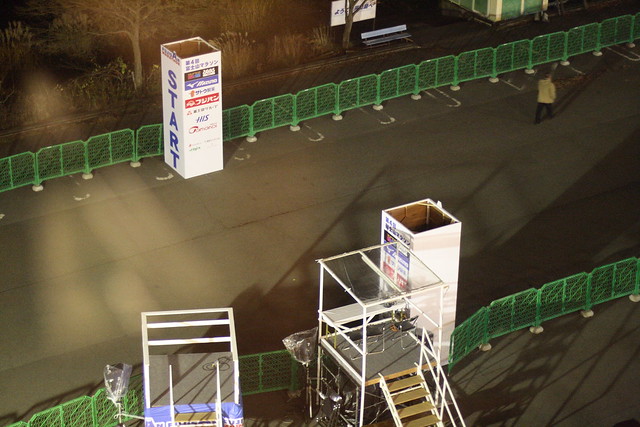
And what is a town without a big event – like a marathon right in front of our hotel.

Kawaguchiko sights

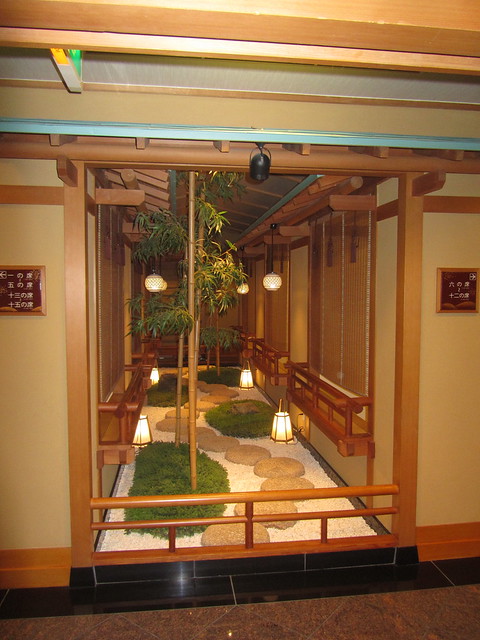
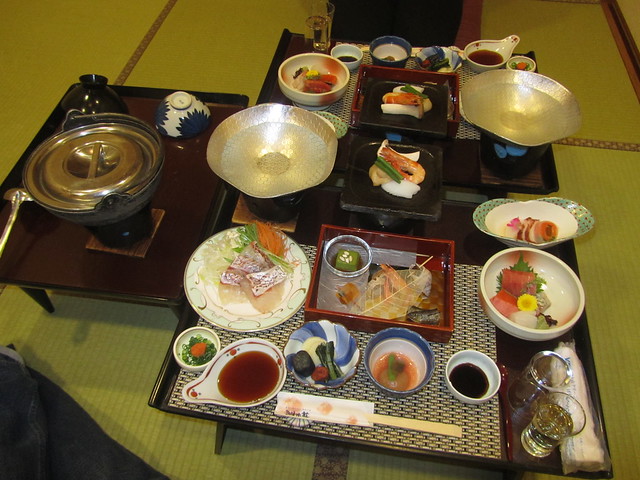
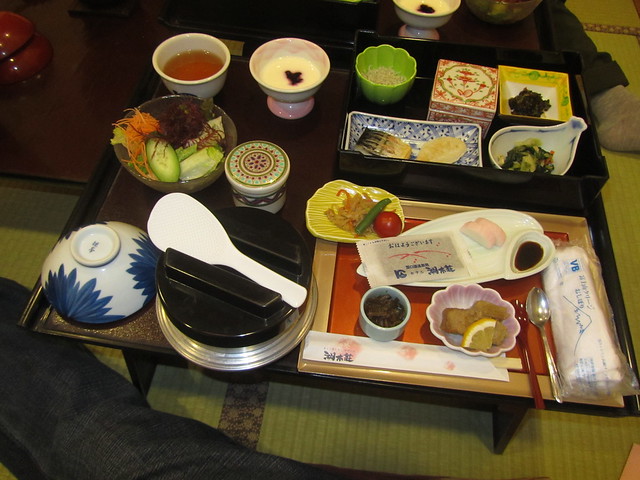
But I think the meals, and its setting was a bit of a tourist attraction in itself. This was our dining room at the hotel.

Kawaguchiko sights

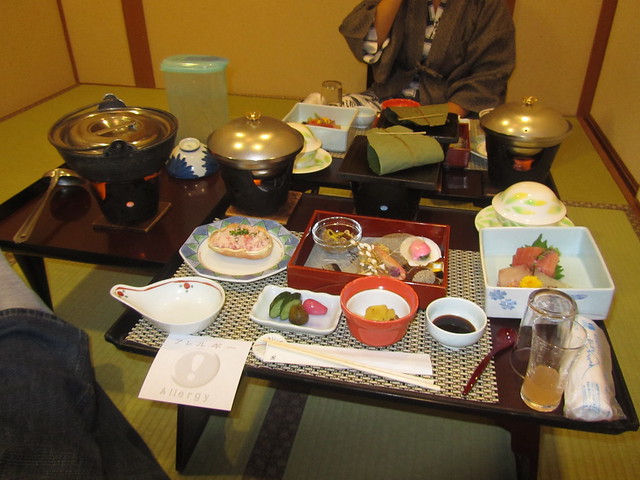
Our dinners.

Kawaguchiko sights

Kawaguchiko sights

And breakfast!

Kawaguchiko sights

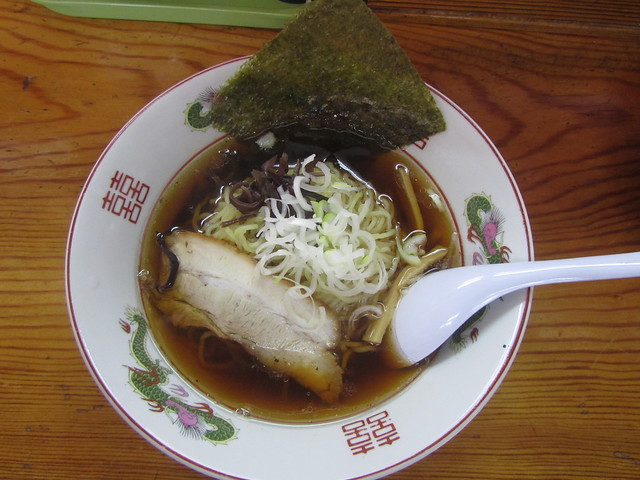
In between, we just had enough room for a simple bowl of ramen.

Kawaguchiko sights

The marathon began on the morning of our departure, and we struggled against the tide of thousands of eager runners to reach the train station. No rest for us though, we had another train to catch.

From the Forest to the Sea – Part 2

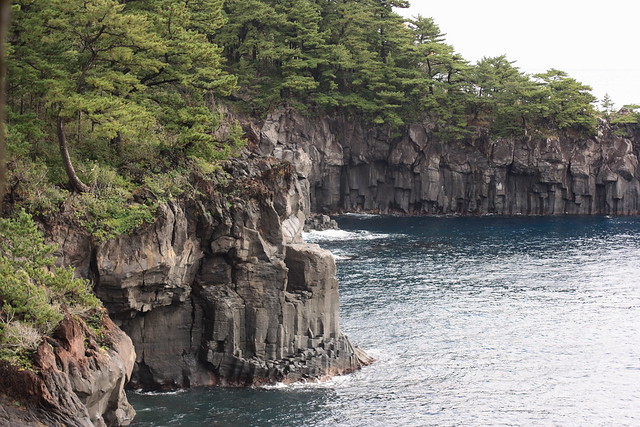
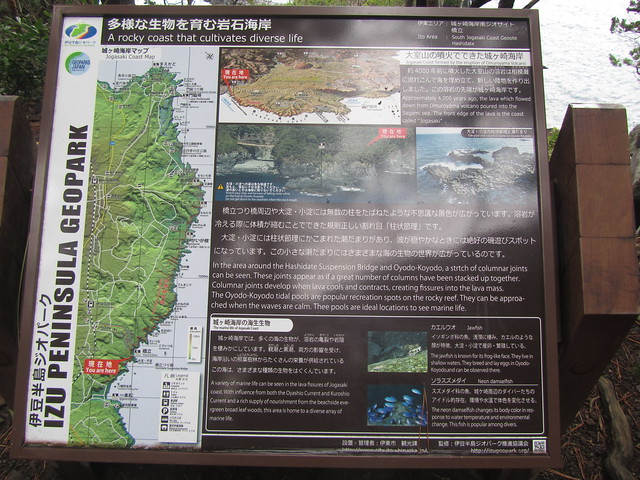
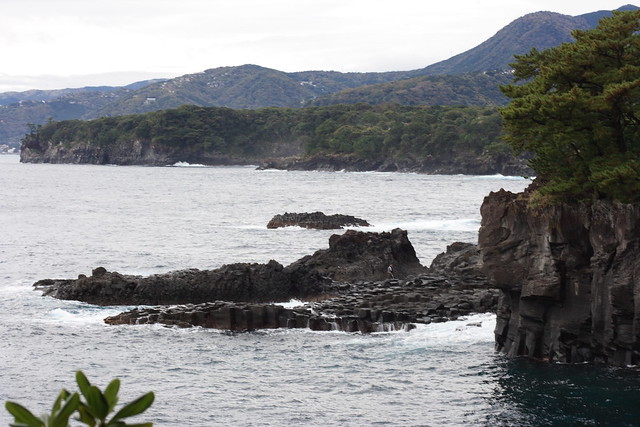
The coast line that greeted us was a dramatic one, even on an overcast day. Here, the forest and the ancient lava flow met the Pacific Ocean.

Jogasaki Coast Walk

Jogasaki Coast Walk

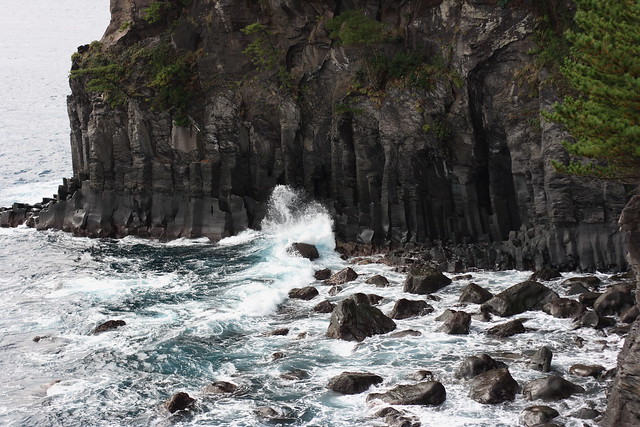
The basalt column cliffs were formed from lava flows from Omuroyama, about 4000 years ago. In geological terms, that’s all very recent. The flows went on for miles, and it’s a great place to walk along.

Jogasaki Coast Walk

The Jogasaki Coast walk was 9km long, but we didn’t need to walk such a long way to get some great views.

Jogasaki Coast Walk

Jogasaki Coast Walk

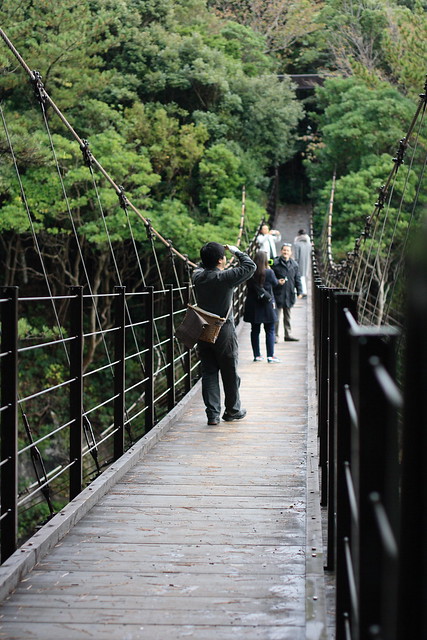
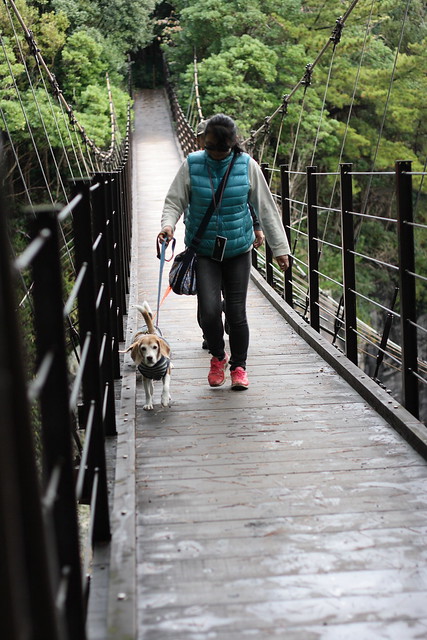
There was even a 60 metre suspension bridge (suspended 18 metres above the sea) from which to appreciate the scene.

Jogasaki Coast Walk

We weren’t the only ones enjoying the morning walk. This couple were walking a pair of beagles along the bridge. I must say that our beagle, Bridie, wouldn’t be so daring as these little guys.

Jogasaki Coast Walk